Where to Stay in Da Nang: The Complete Neighbourhood Guide
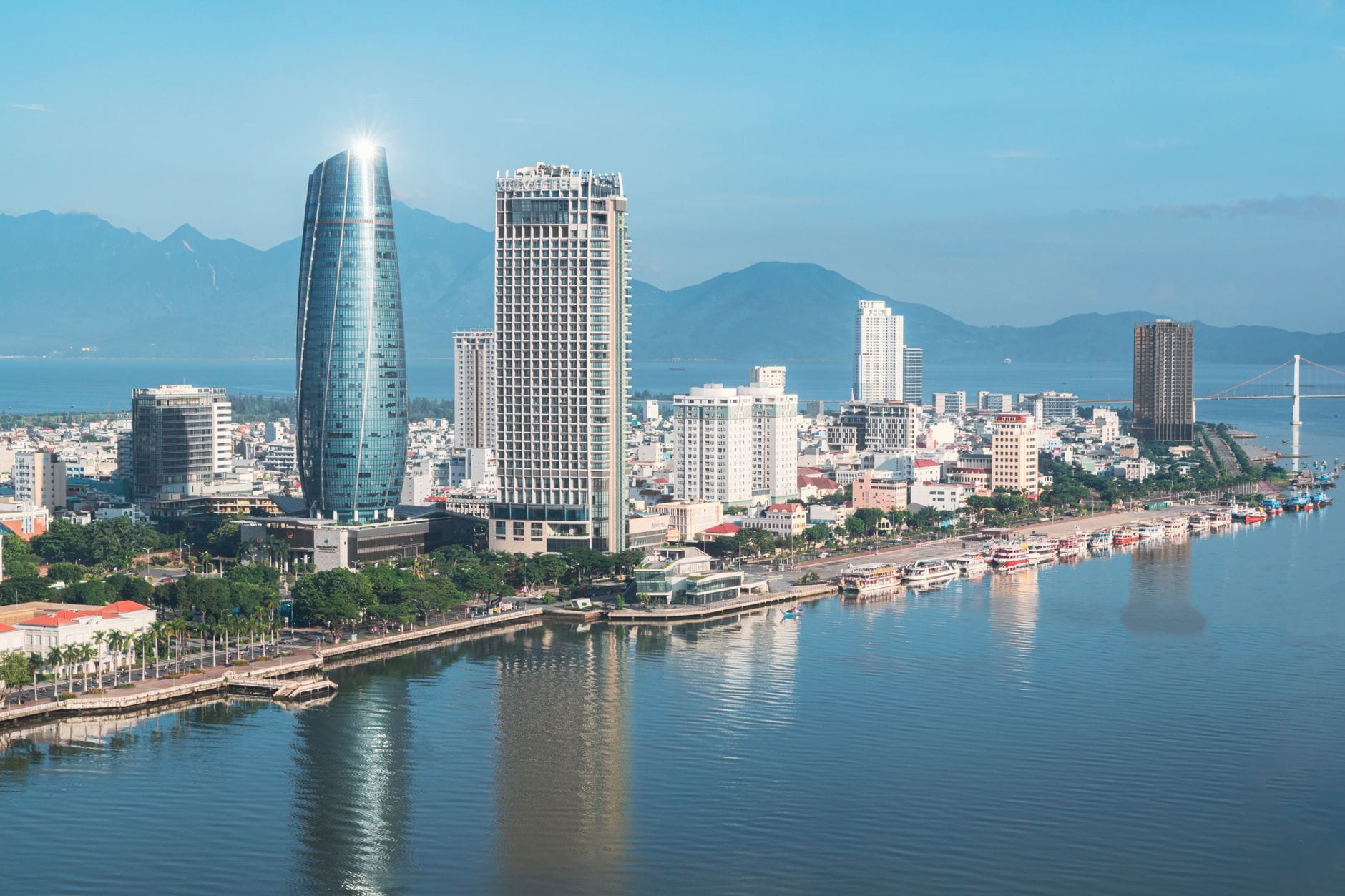
Da Nang splits cleanly into three distinct stay zones: the beachside strip around My Khe, the city-centre Han River district, and the secluded Son Tra Peninsula. This guide breaks down each area by price, vibe, and access to attractions so you can choose the right base for your trip.
Tickets & tours
Live prices and dates from our booking partner. If you book, we may earn a commission at no extra cost to you.
TL;DR
- Most tourists stay near My Khe Beach or the My An/Bac My An neighbourhoods — the beach strip is Da Nang's tourism core, with easy access to sand, restaurants, and resorts.
- Hai Chau District (Han River / Dragon Bridge area) offers better value for money, local markets, and street food — ideal if beaches aren't your priority.
- Son Tra Peninsula suits travellers who want seclusion and nature; the Son Tra Peninsula hosts Da Nang's top luxury resorts at a significant premium.
- Budget beds start around 250,000 VND (~US$10) in the city centre; mid-range hotels typically run 750,000–1,500,000 VND (~US$31–62) per night, usually with breakfast included.
- Always check room photos before booking — a significant number of Vietnamese hotels have interior-facing rooms with no natural light or views.
How Da Nang's Accommodation Map Works
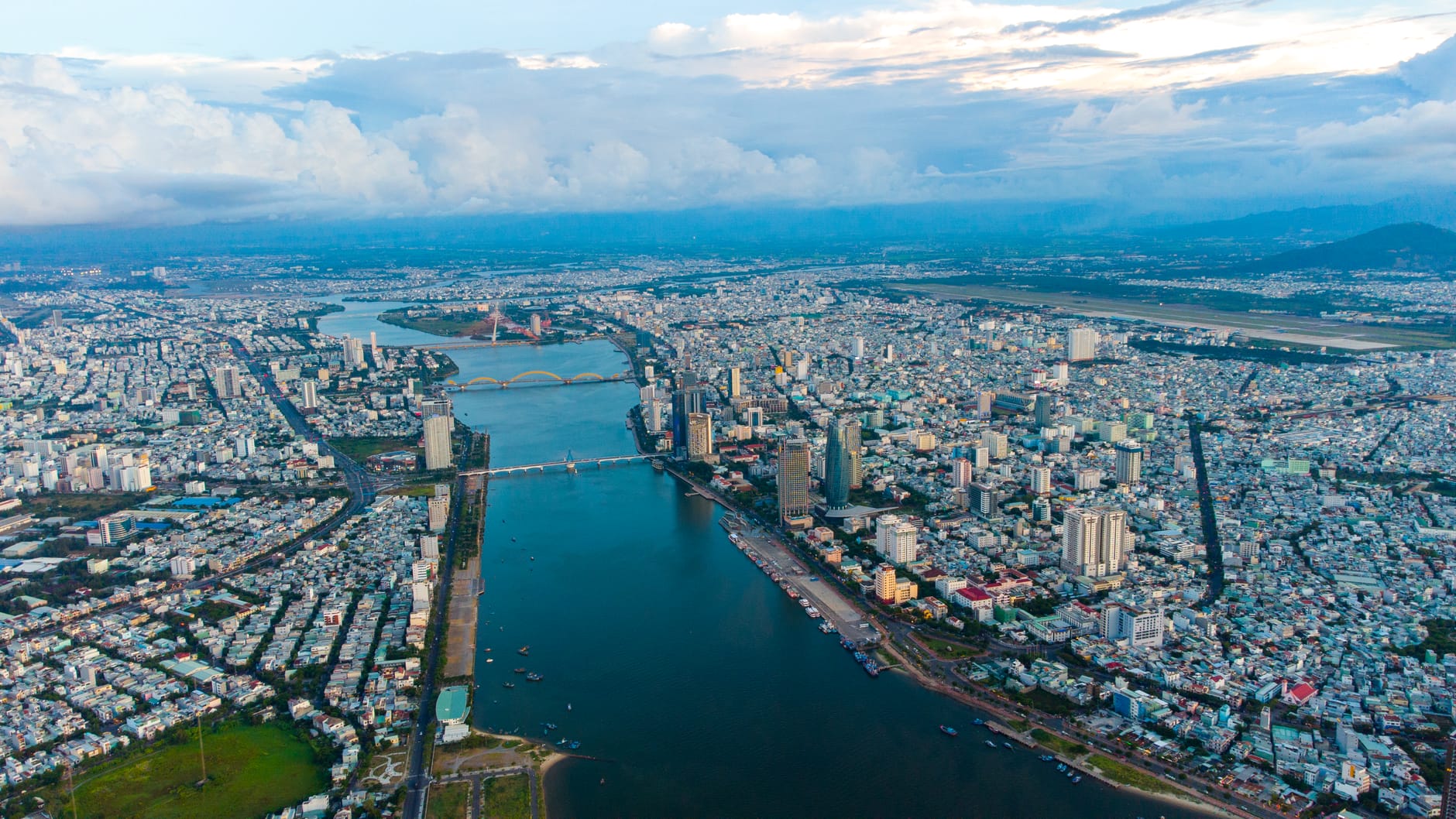
Da Nang is a larger city than many visitors expect. It covers over 1,250 km² as a centrally governed municipality, and while the urban core is compact, the three main tourist zones are spread across distinct districts. Understanding this geography saves you from booking in the wrong area for your trip. The Han River effectively divides the city: to the west is Hai Chau District and the city centre; to the east is the coastal strip where most hotels are concentrated.
Da Nang International Airport (IATA: DAD) sits centrally within the urban area — roughly 10 minutes by car to My Khe Beach, around 15 minutes to the Han River, and 20-25 minutes to Son Tra Peninsula or the Marble Mountains. This makes almost any neighbourhood reasonably accessible from the airport, which removes location from the top concern it might be in other cities. The question is really about which environment suits you best.
ℹ️ Good to know
Da Nang operates on Vietnam's single national timezone (ICT, UTC+7) and uses Vietnamese đồng (VND). The airport has plenty of ATMs for cash on arrival. Tap water is not safe to drink — stick to bottled or filtered water throughout your stay.
My Khe and My An: The Beachside Strip (Best for Most Visitors)
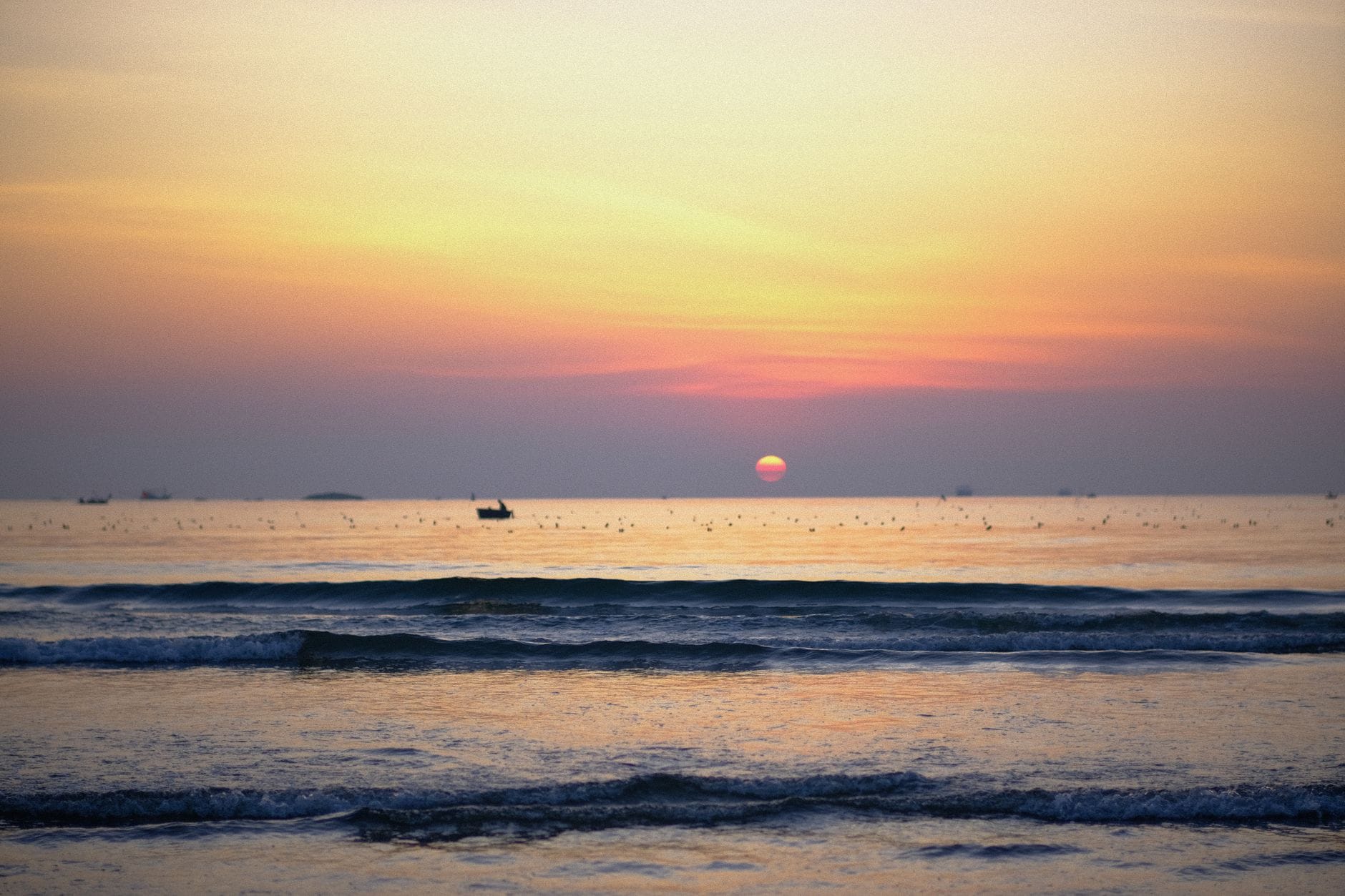
The stretch of coastline running from My Khe Beach south into My An and Bac My An is where the majority of first-time visitors to Da Nang end up, and for good reason. The beach itself is wide, clean, and relatively calm outside typhoon season. Hotels range from three-star mid-range properties to large international chains, and the An Thuong area within My An has become Da Nang's go-to dining and cafe strip, particularly popular with expats and longer-stay travellers.
Within this zone, there are subtle differences worth knowing. My Khe (the northern section) is more densely built-up, with higher hotel density and more foot traffic. My An sits further south and feels slightly calmer, with a better mix of local restaurants and international dining. Bac My An, the southernmost section before you reach Non Nuoc Beach, skews toward larger resort properties and is the closest beachside area to the Marble Mountains.
- My Khe Beach corridor High hotel density, closest to the city centre, solid mid-range options from around 800,000 VND/night. Crowne Plaza Da Nang sits on this stretch as a reliable international-chain choice.
- My An / An Thuong The social hub of the beach zone. An Thuong Tourist Street has the highest concentration of Western-friendly cafes, restaurants, and bars. Mid-range rates typically 800,000–1,400,000 VND/night.
- Bac My An Quieter, more resort-oriented. Closer to Marble Mountains and Non Nuoc Beach. Slightly higher rates — expect 900,000–1,600,000 VND/night for comparable quality.
⚠️ What to skip
Many hotels in this strip advertise 'sea view' rooms at a premium, but the view is often obscured by another building or only visible from a narrow angle. Check recent guest photos on Booking.com or TripAdvisor before paying extra for the view upgrade — and always read reviews from the last three months, not the overall score.
Hai Chau District: City Centre and the Han River
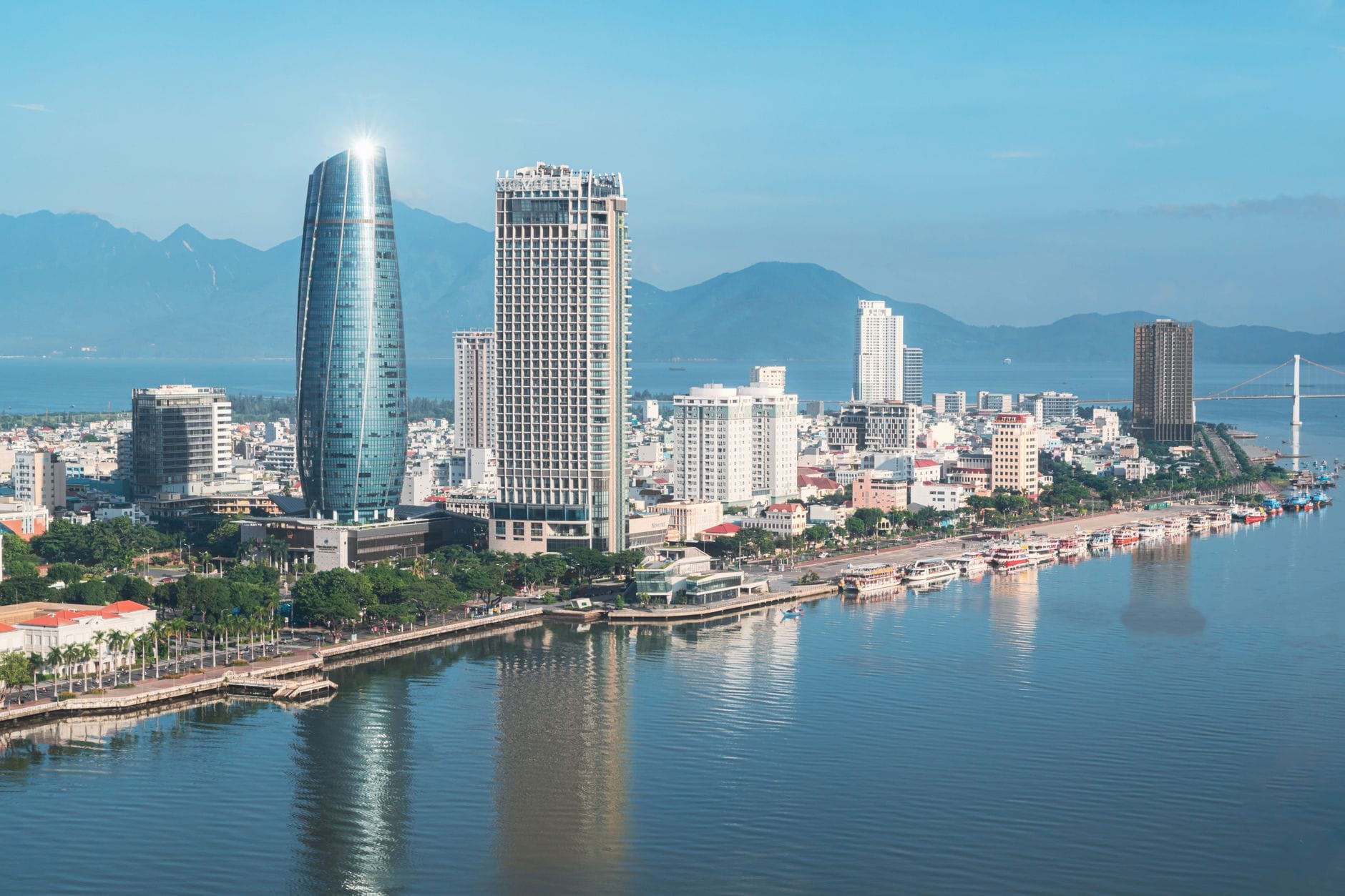
Hai Chau District is Da Nang's administrative and commercial core, and it's the most underrated place to stay for travellers who aren't primarily here for the beach. The riverside promenade along Tran Hung Dao Street puts you walking distance from the Dragon Bridge, Han Market, and Con Market — the two main local markets where you'll find street food, fresh produce, and daily city life at its most authentic.
Accommodation here skews toward budget guesthouses and local business hotels, starting around 250,000 VND (~US$10) per night for a basic room. The Hilton Da Nang on the riverfront is the main international chain option if you want a central location with upmarket facilities. For anyone spending more than four or five days in the city, or doing day trips to Hoi An and Hue, basing yourself in Hai Chau cuts travel times significantly and gives you a much more genuine sense of how Da Nang actually functions.
The honest downside: you are a 15-20 minute drive from the beach, and the neighbourhood feels less polished than the resort strip. Street noise can be significant in cheaper guesthouses. If Da Nang is a stopover rather than your main destination, or if you plan to spend most evenings at Bach Dang Walking Street rather than the beachside bar scene, Hai Chau is the smarter and more affordable base.
Son Tra Peninsula: Seclusion and Luxury
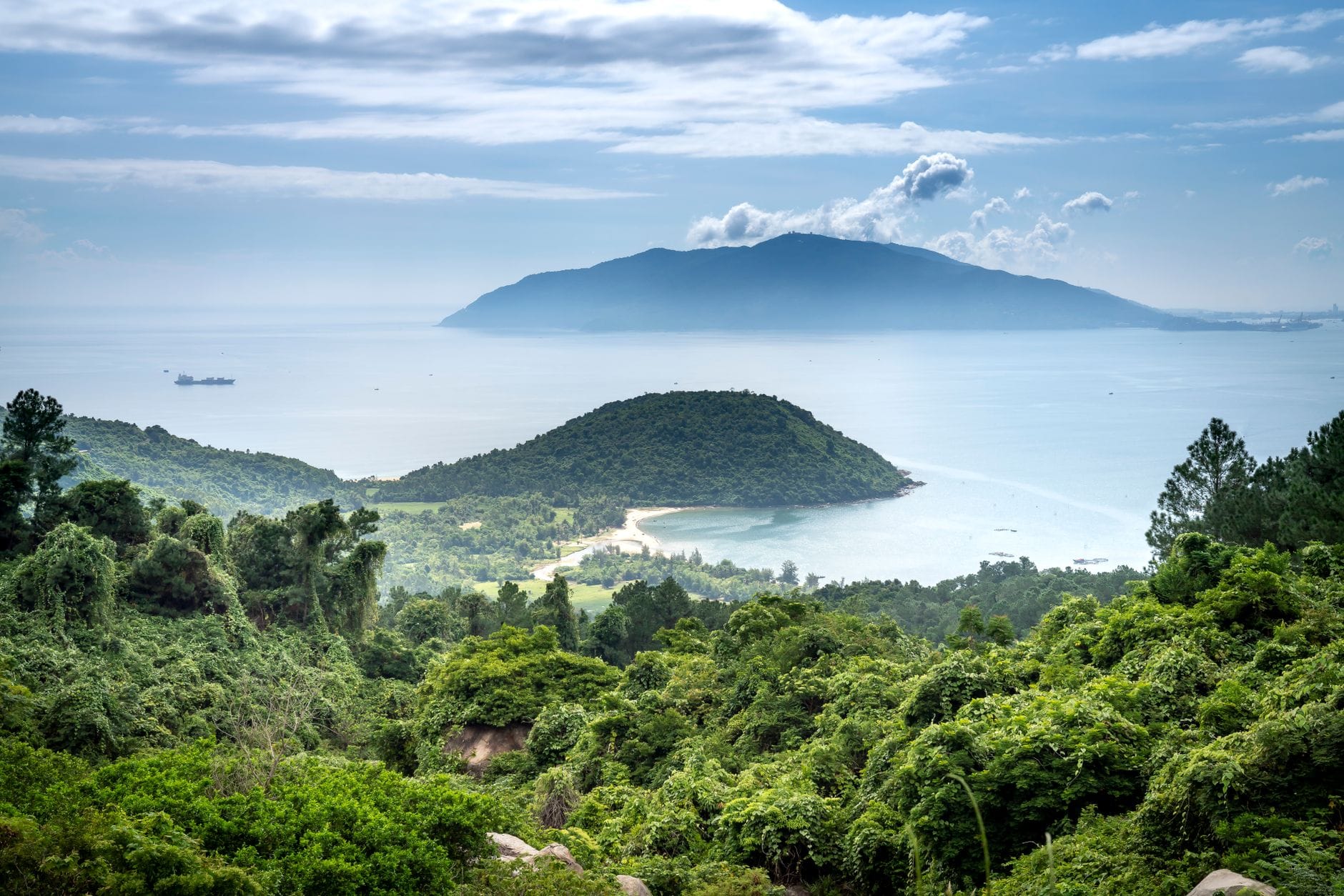
The Son Tra Peninsula rises north of the city and contains a nature reserve alongside some of Da Nang's most exclusive accommodation. The InterContinental Da Nang Sun Peninsula Resort is the flagship property here — a genuinely world-class resort built into the hillside with private beach access. It is not for everyone: rates run well above US$200 per night and you are a significant drive from the city, meaning you will likely eat most meals on-property.
What Son Tra does offer is a dramatically different experience: forested hillsides, quiet coves, and far fewer tourists than the main beach strip. If you are visiting for a honeymoon, a special occasion, or you simply want a resort experience where the resort itself is the destination, Son Tra delivers. The Lady Buddha statue and Son Tra Mountain are within the peninsula, so cultural sightseeing is accessible without crossing town. For a standard beach holiday or city exploration trip, staying here will cost you both money and convenience.
Budget, Mid-Range, and Luxury: Price Expectations
Da Nang is significantly cheaper than comparable beach destinations in Thailand or Bali. Even in peak season (June to August, when domestic Vietnamese tourism surges), you can find clean, comfortable mid-range accommodation well under US$50 per night. The price brackets below reflect typical 2024-2025 rates — expect variations of 20-30% higher during the Da Nang International Fireworks Festival in late April to early May, when the city fills up fast.
- Budget (under 500,000 VND / ~US$20) Guesthouses and small hotels concentrated in Hai Chau and northern My Khe. Expect basic rooms, limited English-speaking staff, and variable breakfast quality. Check whether 'breakfast included' means a full meal or just bread and instant coffee.
- Mid-range (750,000–2,000,000 VND / ~US$31–82) The largest category in Da Nang. Most three and four-star hotels on the beach strip fall here. Breakfast is usually included and pool access is standard. This bracket has the widest quality variation — recent reviews matter significantly.
- Luxury (above 2,000,000 VND / ~US$82+) Large beach resorts in Bac My An and the Son Tra Peninsula properties. International chains (InterContinental, Hilton, Crowne Plaza) operate at the top of this bracket. Direct booking via the hotel's own site often beats OTA prices for premium rooms.
✨ Pro tip
If you are staying longer than a week, monthly apartment rentals in the An Thuong area (My An) offer far better value than hotels. Studio apartments near the beach can be found for 8,000,000–15,000,000 VND per month (~US$330–620), often furnished and with WiFi included. This is why Da Nang has become a popular base for digital nomads and remote workers.
Seasonal Timing and Booking Advice
Da Nang has a tropical monsoon climate with two distinct seasons. The dry season runs April through August — this is peak beach weather, when the sea is calm and clear. The wet season runs September through March, with the heaviest rain typically in October and November. This doesn't mean the city is unvisitable in the wet season, but beach activities become unreliable. The upside: hotels drop prices noticeably from September onwards. For a full seasonal breakdown, see the best time to visit Da Nang guide.
For most visitors, a three to four-day stay covers the main highlights: My Khe Beach, the Marble Mountains, Son Tra, and an evening at the Dragon Bridge fire show (Saturdays and Sundays at 9pm). This means booking a single centrally located hotel rather than moving around is the most practical approach. If you are adding a day trip to Hoi An, any of the three main zones work — the drive to Hoi An is around 30 minutes from the beach strip and 45 minutes from Son Tra. See the Da Nang to Hoi An guide for transport options.
💡 Local tip
Book at least six to eight weeks ahead if your dates coincide with the Da Nang International Fireworks Festival (typically late April to May). The city fills up faster than any other time of year and mid-range properties can double in price or sell out entirely. Check the exact dates each year as they vary.
Cross-referencing reviews across Booking.com, TripAdvisor, and Google Maps is worth doing for any property under US$50 per night. Some hotels in Da Nang have strong overall scores built on older reviews while recent guests report maintenance or service issues. Sort by 'most recent' rather than relying on aggregate scores. For a broader orientation on getting around between your hotel and the main sights, the getting around Da Nang guide covers taxis, ride-hailing apps, and motorbike rentals.
FAQ
Which area of Da Nang is best for first-time visitors?
My An or the My Khe beachside strip suits most first-timers. You get beach access, a good range of restaurants, and easy reach of the main attractions. The An Thuong area within My An is particularly well-set-up for travellers, with cafes, tour operators, and a mix of local and international food within walking distance.
Is it better to stay on the beach or near the city centre in Da Nang?
It depends on your priorities. The beach strip (My Khe, My An) is better for a beach holiday, has more tourist infrastructure, and is livelier at night. Hai Chau city centre is better value for money, closer to local markets and street food, and suits travellers doing day trips to Hue or Hoi An. The beach is 15-20 minutes away by taxi or ride-hail app.
How much do hotels in Da Nang cost per night?
Budget guesthouses start around 250,000 VND (~US$10) in the city centre. Mid-range hotels on the beach strip typically run 750,000–1,500,000 VND (~US$31–62) per night with breakfast included. Luxury resorts on Son Tra Peninsula or the southern beach strip start around US$150-200 and go well above that for the top properties.
Is Son Tra Peninsula a good place to stay in Da Nang?
Son Tra is excellent if you specifically want a high-end, secluded resort experience and are comfortable spending most of your time on the property. It is not practical as a base for exploring the city — you are a 20-25 minute drive from central Da Nang and there are limited dining options outside the resorts themselves. For couples on a splurge trip or a honeymoon, it is outstanding. For general tourism, the beach strip is a better base.
When should I avoid booking hotels in Da Nang?
The Da Nang International Fireworks Festival (usually late April to May) is the single hardest time to find mid-range availability at normal prices. The June to August peak domestic season also sees higher rates and fuller hotels. If you are flexible on dates, shoulder months like March or September offer good weather windows with lower prices and thinner crowds.
Tickets & tours
Live prices and dates from our booking partner. If you book, we may earn a commission at no extra cost to you.
Planning a trip? Discover personalized activities with the Nomado app.