Luxury Da Nang: Best Resorts & High-End Experiences
Da Nang has quietly become one of Southeast Asia's most compelling luxury destinations, offering five-star beachfront resorts, world-class golf, and refined dining at prices that significantly undercut Bali and Phuket. This guide covers where to stay, when to book, what to spend, and how to get the most from a high-end trip to central Vietnam.
Tickets & tours
Live prices and dates from our booking partner. If you book, we may earn a commission at no extra cost to you.
TL;DR
- Da Nang's luxury resorts typically cost US$150–300 per night in shoulder season — around 40–60% less than comparable properties in Phuket.
- The highest concentration of five-star resorts runs along My Khe and Non Nuoc beaches, with major brands including InterContinental, Hyatt Regency, TIA Wellness Resort (formerly Fusion Maia), and Sheraton.
- Rates peak in June (around US$423/night average) and drop sharply in September (around US$76/night) — timing matters enormously. See our best time to visit Da Nang guide for full seasonal detail.
- High-end experiences extend well beyond hotels: championship golf, private day-spa packages, sunset cruises on the Han River, and fine dining at resort restaurants are all accessible.
- Da Nang sits within easy reach of Hoi An, Ba Na Hills, and the Marble Mountains — luxury travellers rarely feel confined to the resort strip. Our 3-day Da Nang itinerary is a good starting point.
Why Da Nang delivers more than you might expect for Luxury Travel
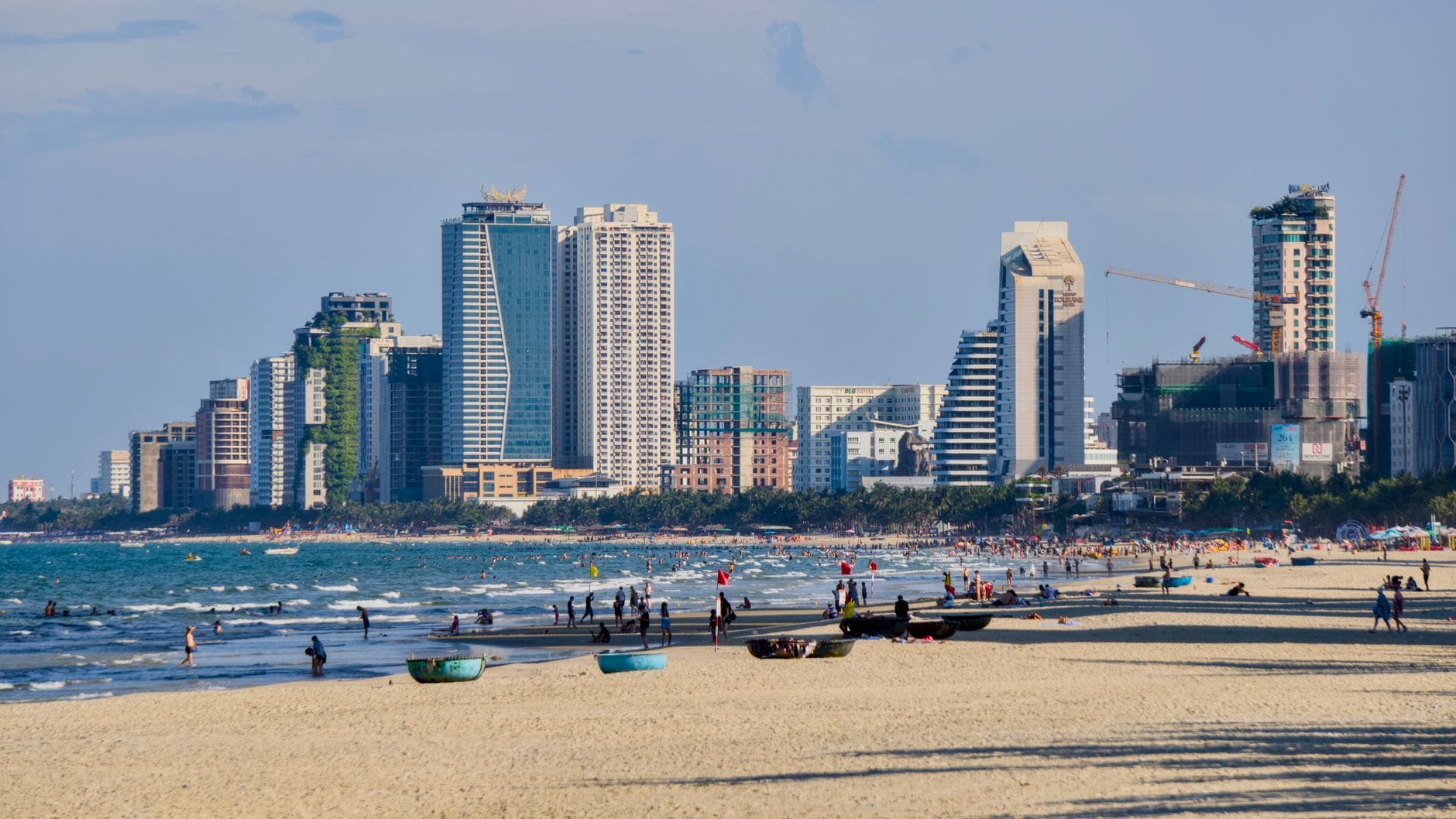
Da Nang is a centrally governed municipality on Vietnam's South Central Coast, roughly midway between Hanoi and Ho Chi Minh City, with its own international airport (IATA: DAD) and about 60 km of coastline. That geography alone makes it logistically attractive. But the real draw for luxury travellers is the combination of world-class infrastructure, uncrowded beaches, and pricing that still feels like a bargain compared to the region's more established luxury destinations.
Comparable five-star resort stays in Da Nang run 40–60% cheaper than Phuket and 50–70% cheaper than Bali at equivalent quality. The average nightly rate for a luxury hotel in Da Nang sits around US$163, with genuine five-star resorts available from US$130–200 on many nights of the year. Those are not budget properties with a five-star label — they are full-service beachfront resorts with private pools, multiple dining outlets, and spa facilities that hold their own against anywhere in the region.
ℹ️ Good to know
Da Nang International Airport (DAD) is located within the urban area, roughly 3–5 km from the Hai Chau district centre. Most beachfront resorts are 10–20 minutes from the terminal by taxi or ride-hailing app, making airport-to-pool times genuinely short.
Where to Stay: The Luxury Resort Landscape
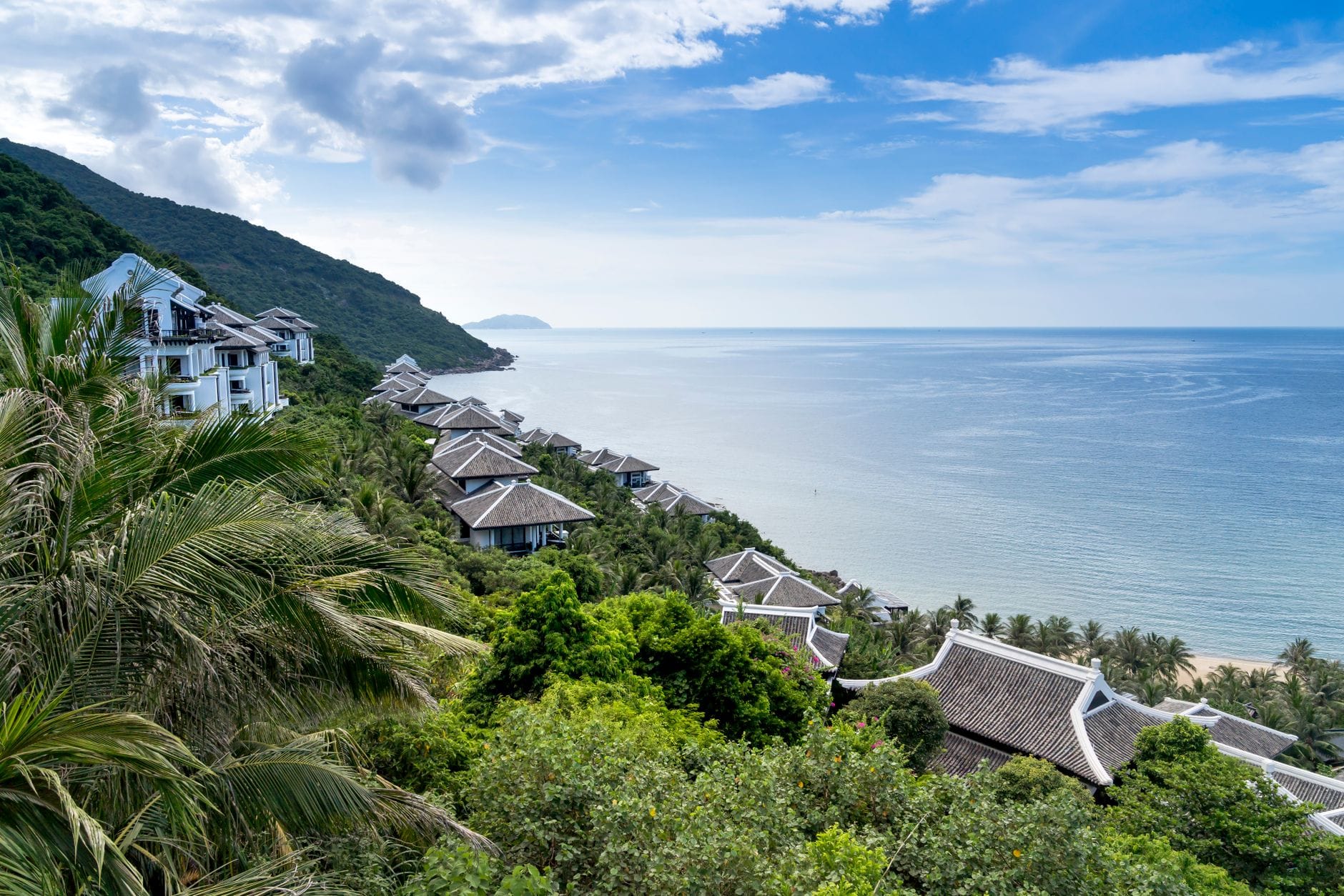
The main concentration of five-star properties runs along My Khe Beach and its southern extension toward Non Nuoc, a stretch of coast that keeps its sand wide and relatively uncrowded even during peak season. Son Tra Peninsula to the north offers a different setting: more secluded, forested, with resorts that trade beachfront access for privacy and elevated sea views.
- Fusion Maia Da Nang An all-spa-inclusive resort concept where every room category includes unlimited spa treatments. Popular with couples seeking a genuine wellness retreat rather than just a hotel with a spa attached. Rates typically in the US$200–400 range.
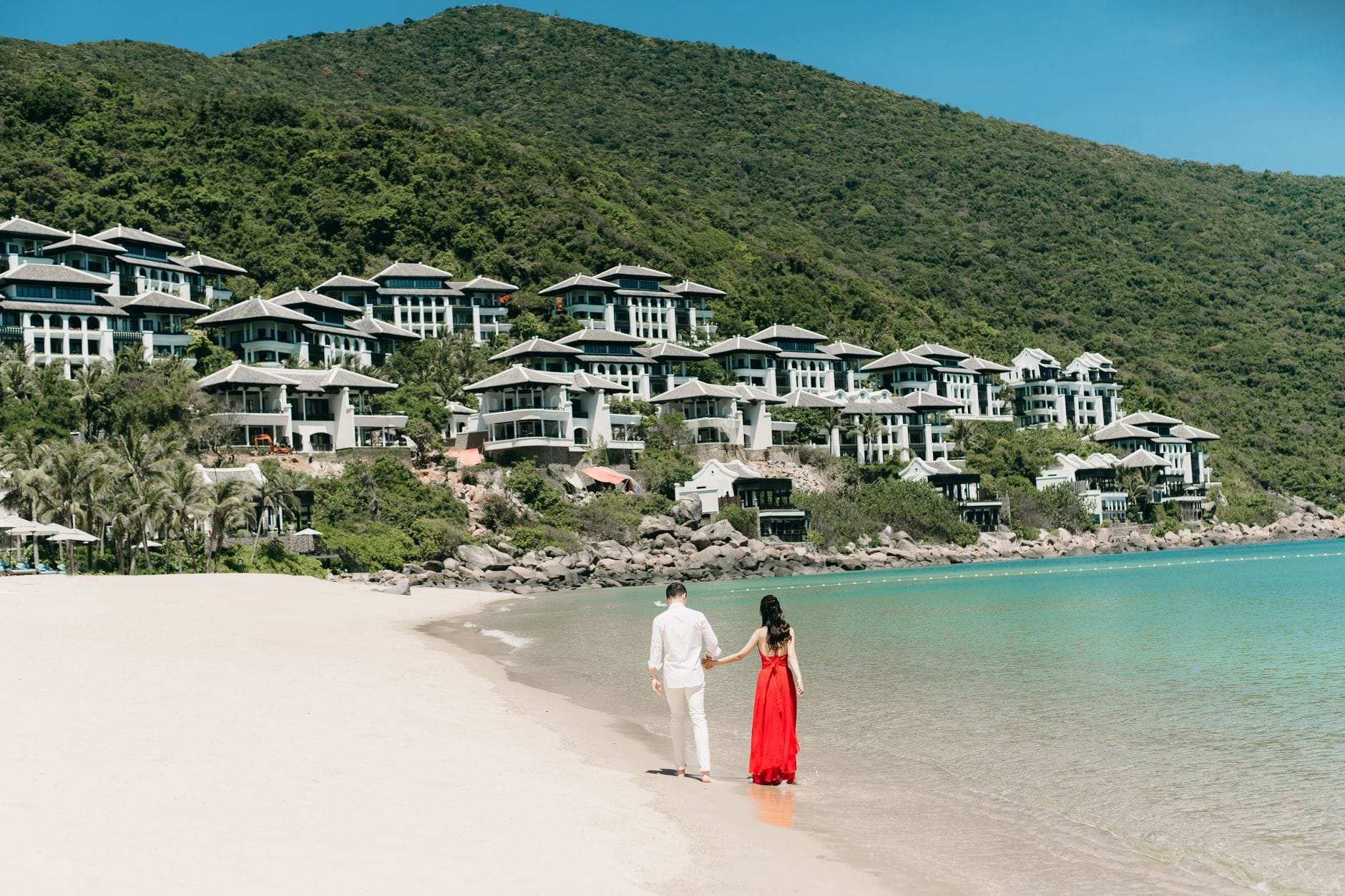
- InterContinental Da Nang Sun Peninsula Resort Perched on Son Tra Peninsula with dramatic hillside architecture and direct beach access. One of the most visually striking properties in Vietnam, though its clifftop location means more steps and shuttle rides than a flat beachfront resort. Rates from around US$250–600+.
- Hyatt Regency Da Nang Resort and Spa A large beachfront property at Non Nuoc with multiple pools, direct beach access, and consistent service standards. Well-suited for families travelling in luxury. Rates generally US$150–350.
- Naman Retreat Architecturally refined, with extensive bamboo structures, multiple pools, private beach access, yoga and Pilates, aromatherapy spa, and proximity to the BRG Da Nang Golf Resort. Sample rates from around US$120–200 in shoulder season.
- Sheraton Grand Da Nang Resort A solid choice for those who want brand reliability and a central beachfront position. The rooftop pool and beach club are consistently rated well. Rates from around US$130–280.
There are roughly 153 luxury properties listed across major booking platforms for Da Nang, so the options above represent the most established names rather than an exhaustive list. New properties continue to open, particularly on the quieter stretches of Non Nuoc and toward the Marble Mountains area.
⚠️ What to skip
Not all properties labelled '5-star' in Da Nang meet the same standard. Some older hotels use star ratings that pre-date current international benchmarks. Stick to internationally affiliated brands or properties with strong recent review scores if consistency matters to you. Rates below US$80 for a claimed five-star property almost always indicate a gap between the label and the reality.
Pricing, Seasons, and When to Book
Seasonal rate swings in Da Nang are steep and worth understanding before you commit to dates. June is the most expensive month for luxury hotels, with average rates around US$423 per night. That aligns with Vietnam's peak domestic travel season, Vietnamese summer school holidays, and the dry beach weather that makes the coast most appealing. September sits at the opposite extreme, with average luxury rates dropping to around US$76 — but September sits squarely in the typhoon season, with a meaningful risk of heavy rain and rough seas.
The genuine sweet spots are March to May and late October to early November. Weather is generally warm with lower rainfall than the peak wet months, and resort rates have not yet climbed to June highs. The Da Nang International Fireworks Festival typically runs across multiple weekends from April into June, which drives hotel rates up sharply during competition weekends — book well in advance or budget for the premium.
- Peak rates (June): average ~US$423/night for luxury hotels
- Shoulder rates (March–May, October–November): US$150–300/night for five-star beachfront
- Low season (September): average ~US$76/night, but weather risk is real
- Typical five-star resort rate on a given night: around US$130–165
- Top-end villas and suites: US$800–7,000/night at premium properties
- Mid-range luxury (e.g. superior rooms at major brands): US$130–200/night in shoulder season
✨ Pro tip
Many Da Nang resorts offer better rates when booked directly rather than through third-party platforms, and often include extras like airport transfers, breakfast, or spa credits not available via OTAs. If you find a strong rate on Agoda or Kayak, call the property directly and ask if they can match it with added value.
High-End Experiences Beyond the Resort
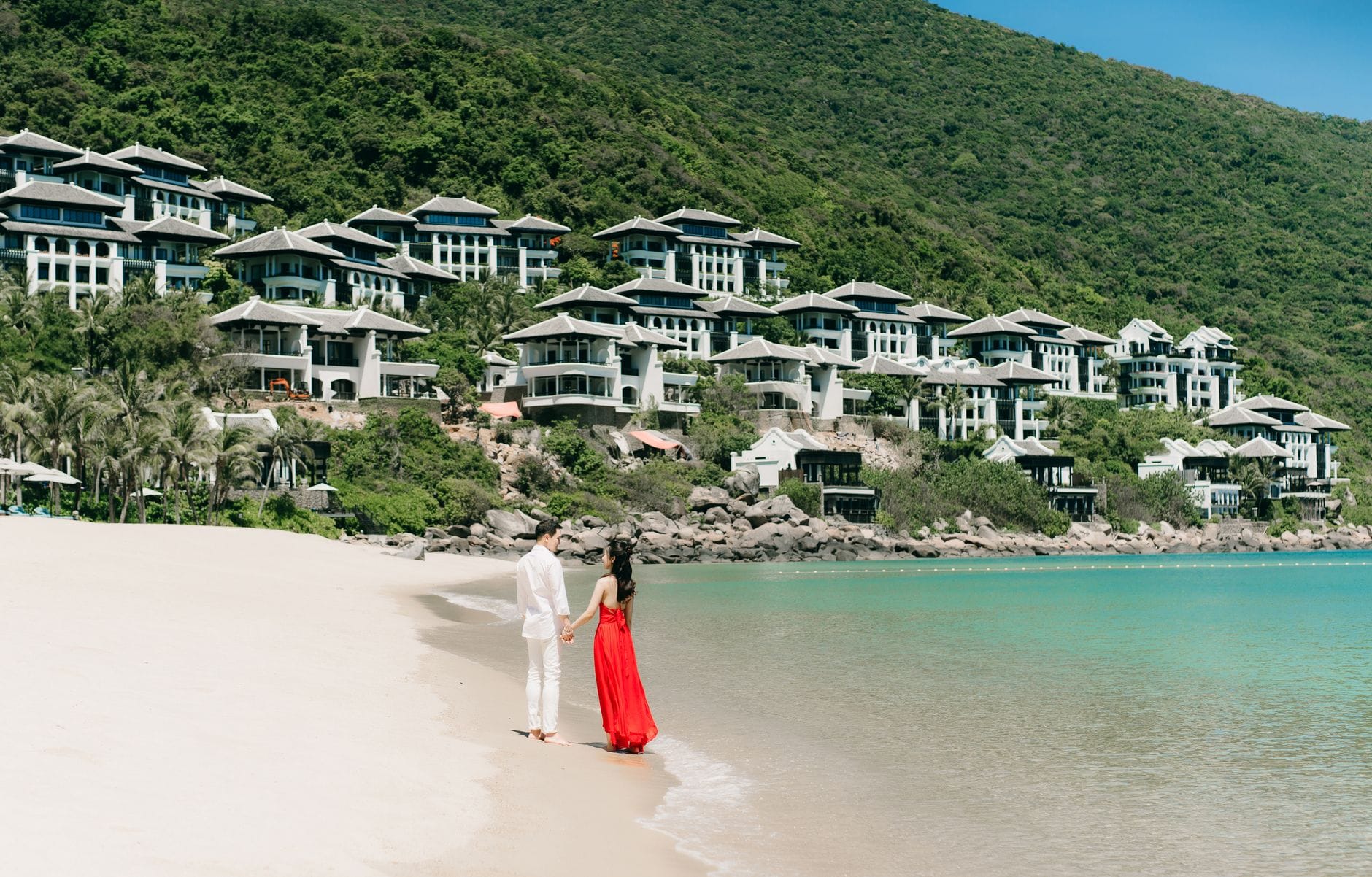
Da Nang's luxury offer is not limited to where you sleep. The city and its surrounds have a dense enough collection of premium experiences to fill several days without repeating yourself.
Golf is genuinely world-class here. The BRG Da Nang Golf Resort and the Montgomerie Links Vietnam sit within the resort corridor, and both attract serious players rather than just hotel guests looking for a diversion. Ba Na Hills is a half-day cable car excursion up to a French colonial-era hill station at over 1,400 m elevation, and its Golden Bridge — supported by giant stone hands — is one of the most photographed structures in Vietnam. It is not understated luxury, but it is spectacular.
For spa experiences specifically, Fusion Maia's all-inclusive model is unique in the region, but most major resorts offer standalone day-spa packages to non-guests for US$80–200. The Da Nang spa and wellness guide covers both resort spas and independent urban options in more detail. Nui Than Tai Hot Springs Park, about 30 km west of the city centre, adds a geothermal dimension that most beach destinations cannot offer.
Evening options in Da Nang skew younger and louder than some luxury travellers prefer, but the Han River waterfront offers a more refined after-dark experience: river cruise dinners, rooftop bars at city hotels, and the spectacle of the Dragon Bridge fire and water show on weekend evenings. For something quieter, the drive up to Son Tra Peninsula at dusk — passing the Lady Buddha statue at Linh Ung Pagoda — is one of the better free experiences in Da Nang.
Day Trips and Wider Luxury Itineraries
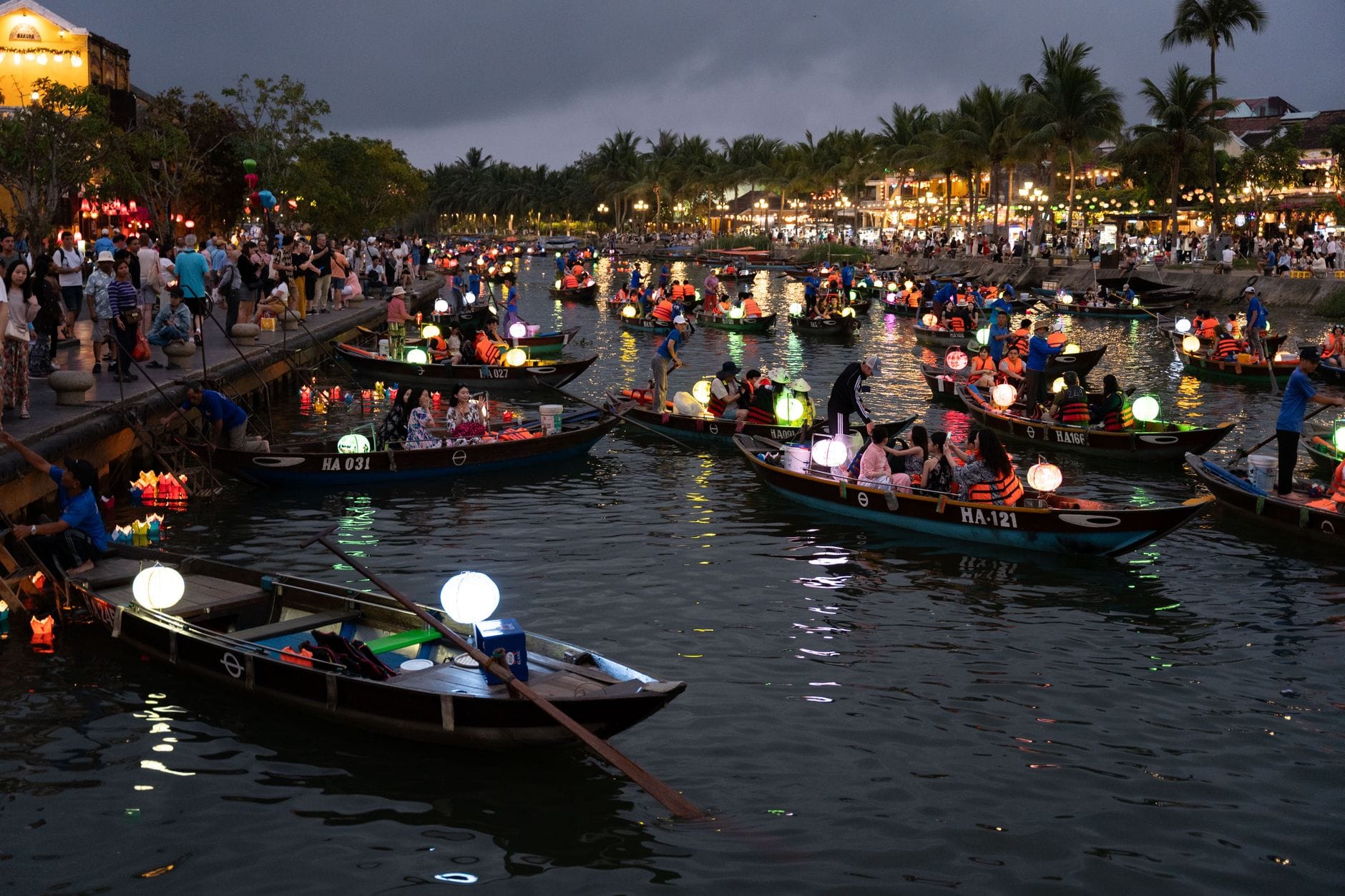
One of Da Nang's structural advantages for luxury travellers is its location. Hoi An's Ancient Town is 30 km south, reachable in around 45 minutes by private car — the standard way to do it from a resort. A private car transfer for the day typically costs US$20–40, making it very accessible from any beach resort. The Da Nang to Hoi An guide covers transport options and logistics in detail.
North of the city, the Hai Van Pass is a genuine scenic highlight — a mountain road that crests at nearly 500 m with views down to Lang Co Bay and back toward Da Nang. Most resorts can arrange a private car or motorbike tour. Combining the pass with Lang Co Bay makes for a half-day loop that resets perspective after beach days. The Marble Mountains sit just 9 km south of central Da Nang: five limestone hills containing caves, temples, and viewpoints over the city and coast — straightforward to combine with a Hoi An day trip.
💡 Local tip
For a multi-destination luxury itinerary through central Vietnam, consider using Da Nang as your base and doing Hue and Hoi An as day trips or overnight stays. Both cities have high-end boutique hotels, but neither has the beach resort infrastructure that Da Nang offers. Our central Vietnam itinerary guide maps this out practically.
Practical Logistics for Luxury Travellers
Vietnam's currency is the Vietnamese dong (VND). At major resorts and international hotels, USD and credit cards are widely accepted, but having VND for street-level spending, local restaurants, and tips is useful. Tipping is not a deep-rooted cultural norm in Vietnam, but it is increasingly common in the tourism and hospitality sector — small tips for housekeeping, spa therapists, and drivers are appreciated.
Da Nang operates on Indochina Time (ICT), UTC+7, with no daylight saving adjustment. Vietnam uses 220V/50Hz electricity; plug types A, C, and G are all found in hotels, though most five-star properties have universal sockets in rooms. Tap water is not considered safe to drink — all major resorts provide bottled water, and this is a standard cost of doing business at that level. Vietnam entry requirements vary by nationality, with e-visas and visa-exempt arrangements covering most Western travellers for stays of up to 45–90 days depending on current policy — verify with Vietnam's official immigration portal before travel, as rules have shifted in recent years.
Getting around is straightforward from a luxury base. Grab (the dominant ride-hailing app in Vietnam) works well in Da Nang and is usually cheaper and more transparent than metered taxis. Most resorts offer bicycles, electric buggies for the beach strip, and can arrange private car hire. For full logistics detail, see the getting around Da Nang guide.
FAQ
How does luxury in Da Nang compare to Phuket or Bali?
Da Nang's five-star resorts are typically 40–60% cheaper than comparable Phuket properties and 50–70% cheaper than Bali. The beach quality is strong, the resort infrastructure is modern, and the service standard at major international brands is consistent. The trade-off is that Da Nang's culinary and nightlife scene, while improving, is less developed than Bali's, and the international flight connections are fewer — though regional hubs like Singapore, Bangkok, and Kuala Lumpur all have direct routes to Da Nang (DAD).
What is the best time of year to book a luxury resort in Da Nang?
March to May offers the best balance of good weather and reasonable rates before the June peak. October and early November are also solid, with cooler temperatures and lower prices after the main typhoon risk passes. June delivers the most reliable dry beach weather but also the highest rates (averaging around US$423/night for luxury properties). September has the cheapest rates by far (around US$76/night average) but comes with genuine typhoon and heavy rain risk.
Are there genuine beachfront luxury resorts in Da Nang, or are most set back from the beach?
The majority of the major branded resorts — Hyatt Regency, Sheraton Grand Danang (on Non Nuoc Beach), TIA Wellness Resort, Naman Retreat — sit directly on or within a short walk of the beach. My Khe and Non Nuoc beaches are wide enough that even resorts with a small setback still feel genuinely coastal. The exception is the InterContinental Sun Peninsula, which is built into a hillside on Son Tra — dramatic views, but not flat beachfront access.
Can I visit Da Nang luxury resorts as a day visitor or for spa access?
Most major resorts sell day-use packages that include pool and beach access, and many spa facilities are open to non-guests with advance booking. Prices for day-use packages typically range from US$30–80 per person depending on inclusions. Spa day packages run higher, usually US$80–200. Contact the specific property directly to confirm availability, as policies vary and peak periods see limited day-use slots.
What luxury experiences in Da Nang are worth the price?
The all-inclusive spa model at Fusion Maia is genuinely distinctive and worth it for couples focused on wellness. The InterContinental's setting on Son Tra Peninsula is architecturally extraordinary and the experience justifies the premium for a night or two. Ba Na Hills is expensive (cable car and entry fees add up) but is unlike anything else in the region. Golf at BRG Da Nang or Montgomerie Links is world-class at prices far below equivalent courses in Thailand or Bali. A private car day-trip combining Hai Van Pass, Lang Co Bay, and Hue is one of the better value luxury half-days in central Vietnam.
Tickets & tours
Live prices and dates from our booking partner. If you book, we may earn a commission at no extra cost to you.
Planning a trip? Discover personalized activities with the Nomado app.