Shopping in Da Nang: Markets, Malls & What to Buy
Da Nang shopping splits neatly into two worlds: lively traditional markets where bargaining is expected, and modern air-conditioned malls with fixed prices. This guide covers the key venues, the best souvenirs, realistic price ranges, and the common mistakes that cost visitors money.
Tickets & tours
Live prices and dates from our booking partner. If you book, we may earn a commission at no extra cost to you.
TL;DR
- Han Market (119 Trần Phú) and Con Market are the top spots for souvenirs and local produce, open roughly 6:00 AM to 6:00–7:00 PM daily.
- Bargaining is standard at markets and street stalls — start 40–50% below the asking price. Never haggle in malls or branded shops.
- The most worthwhile buys are Vietnamese coffee (from around $2 for 500g), marble handicrafts from Non Nuoc Stone Carving Village, and locally woven silk.
- Vincom Plaza and similar malls offer international brands and supermarkets under one roof, typically open 9:30 AM to 10:00 PM.
- Markets may close early or reduce hours on Tết and major public holidays — plan accordingly.
Understanding How Shopping in Da Nang Works
Da Nang shopping operates on a clear two-tier system. Traditional markets run on negotiation: the price you see is an opening offer, not a final one. Modern malls and supermarkets operate with fixed, tagged prices, the same as any retail chain anywhere in the world. Confusing the two will either leave you overpaying at a market stall or awkwardly haggling somewhere that will never budge.
Payment across both environments is primarily cash in Vietnamese đồng (VND). Markets are almost exclusively cash-only. Larger malls accept Visa and Mastercard at major retailers, but smaller stores within the same mall may not. Withdrawing VND before a market visit is strongly recommended — ATMs are widely available near Hai Chau District, the city's commercial core.
💡 Local tip
When bargaining, a smile and patience go further than aggression. The standard approach is to counter at around 40–50% of the initial asking price, then settle somewhere in the middle. For souvenir items, some guides suggest countering as low as 50–60% below the ask. Once you name a price and the seller agrees, it is considered rude to walk away.
Traditional Markets: Where Locals and Tourists Both Shop
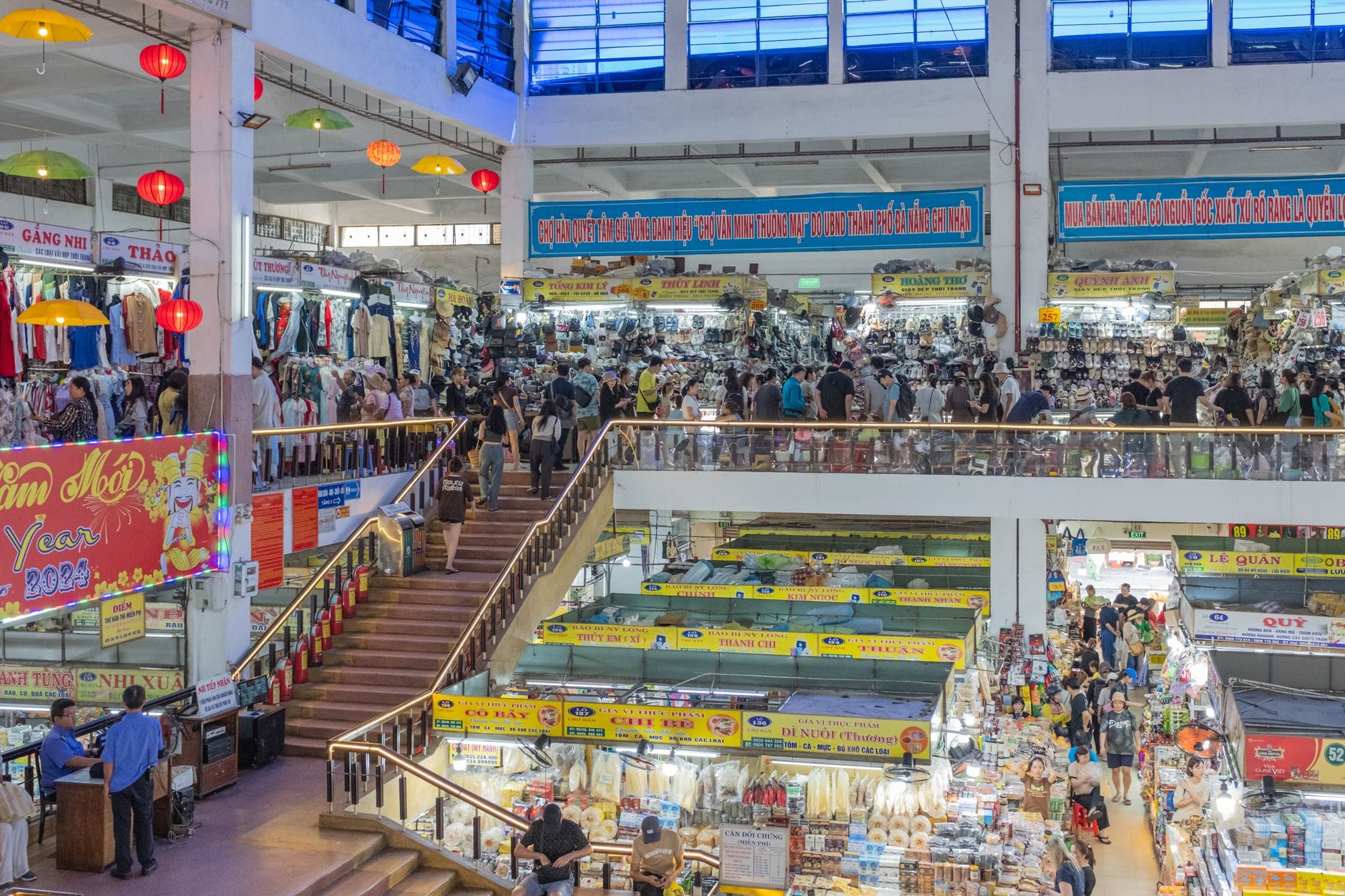
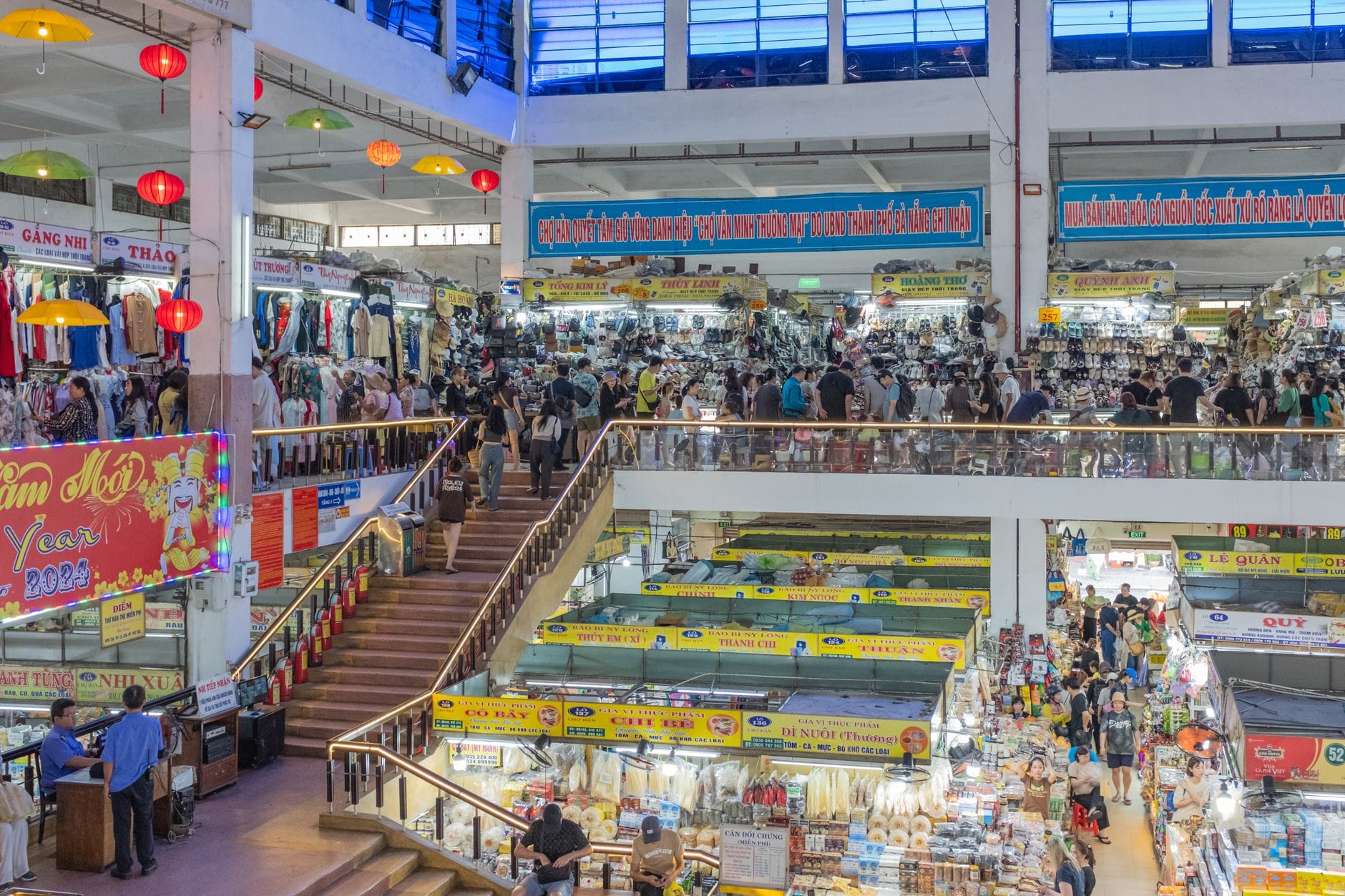
Han Market (Chợ Hàn) at 119 Trần Phú is the most tourist-oriented of Da Nang's major markets and the logical first stop for souvenir hunters. It opens around 6:00 AM and most stalls wind down by 6:00–7:00 PM. The ground floor focuses on fresh produce, dried seafood, and local snacks, while the upper floor is dense with clothing, fabric, souvenirs, and silk. Prices here are higher than at Con Market because of the tourist footfall, so expect the opening ask to reflect that.
Con Market (Chợ Cồn) is larger, less polished, and far more oriented toward everyday Vietnamese shopping. It operates on similar hours to Han Market but many stalls close earlier in the late afternoon. Prices for identical goods are generally lower here than at Han Market. It is worth the short trip if you want a more authentic market atmosphere, or if you are buying in bulk. The Han River downtown area sits between both markets, making it easy to visit both in a single morning.
- Han Market Best for: silk scarves, dried seafood snacks, Vietnamese coffee, tourist-friendly souvenirs. Open ~6:00 AM–7:00 PM. Address: 119 Trần Phú.
- Con Market Best for: everyday goods, local food staples, clothing at lower prices. Open ~6:00 AM–6:00 PM, with earlier closures on some stalls.
- Helio Night Market Best for: evening street food, casual shopping for novelty items, and Da Nang's younger crowd. Operates Thursday to Sunday from around 5:00 PM.
The Helio Night Market is a separate experience from the traditional daytime markets. It runs on Thursday through Sunday evenings and leans heavily toward street food and casual entertainment. Shopping is secondary here, but you will find phone accessories, cheap clothing, and novelty items at fixed-to-low-negotiation prices. It is a social space as much as a retail one.
⚠️ What to skip
Both Han Market and Con Market reduce hours or close entirely on Tết (Vietnamese Lunar New Year) and on National Day (September 2). If your trip falls around these dates, check in advance — you may arrive to a mostly shuttered building. The week before Tết, however, markets are exceptionally busy and atmospheric.
Malls and Modern Retail: Fixed Prices, Air Conditioning, and Convenience
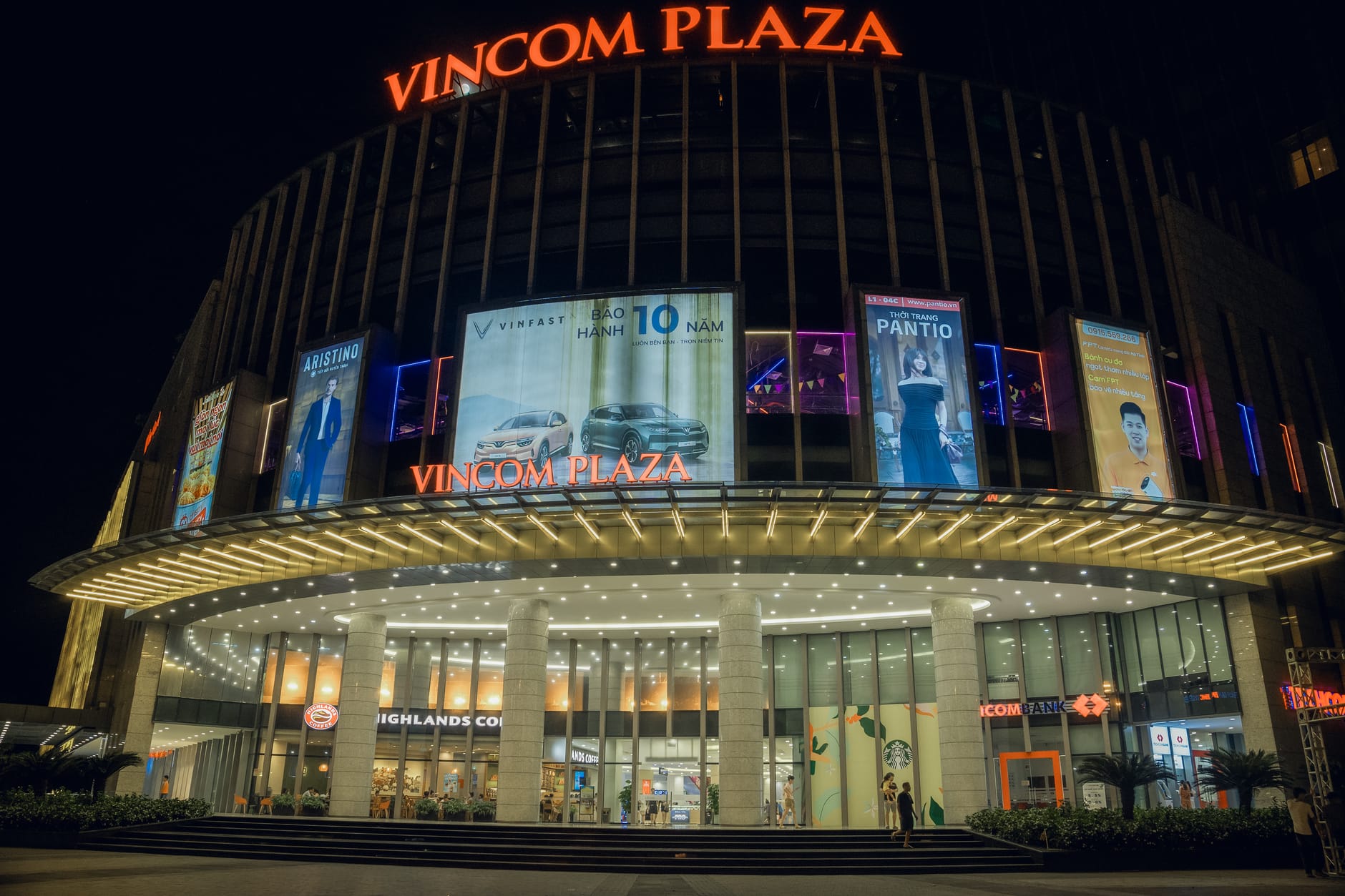
Da Nang has several shopping malls that cater to both residents and visitors who want predictable pricing and a broader retail mix. Vincom Plaza Da Nang is the most established, with international and Vietnamese fashion brands, a cinema, a supermarket, and a food court. Opening hours are typically around 9:30–10:00 AM to 10:00 PM, sometimes later on weekends.
Lotte Mart is a Korean-operated hypermarket that many visitors prefer for food shopping. It stocks a wide range of packaged Vietnamese goods that travel well as gifts: instant pho, Vietnamese drip coffee packets, dried fruit, shrimp crackers, and premium bagged teas. Prices are fixed and clearly marked, quality is consistent, and the produce section is cleaner and more organized than a traditional market. For anyone who finds market bargaining stressful, Lotte Mart is a genuinely good alternative for food souvenirs.
✨ Pro tip
Supermarkets inside malls — particularly Lotte Mart and VinMart — are often the best place to buy packaged Vietnamese coffee, spices, and snacks at consistent prices with labeling in multiple languages. Check the weight and compare brands: Trung Nguyen and Highlands Coffee branded retail packs are widely available and make reliable gifts.
The Best Souvenirs to Buy in Da Nang (and Where to Find Them)
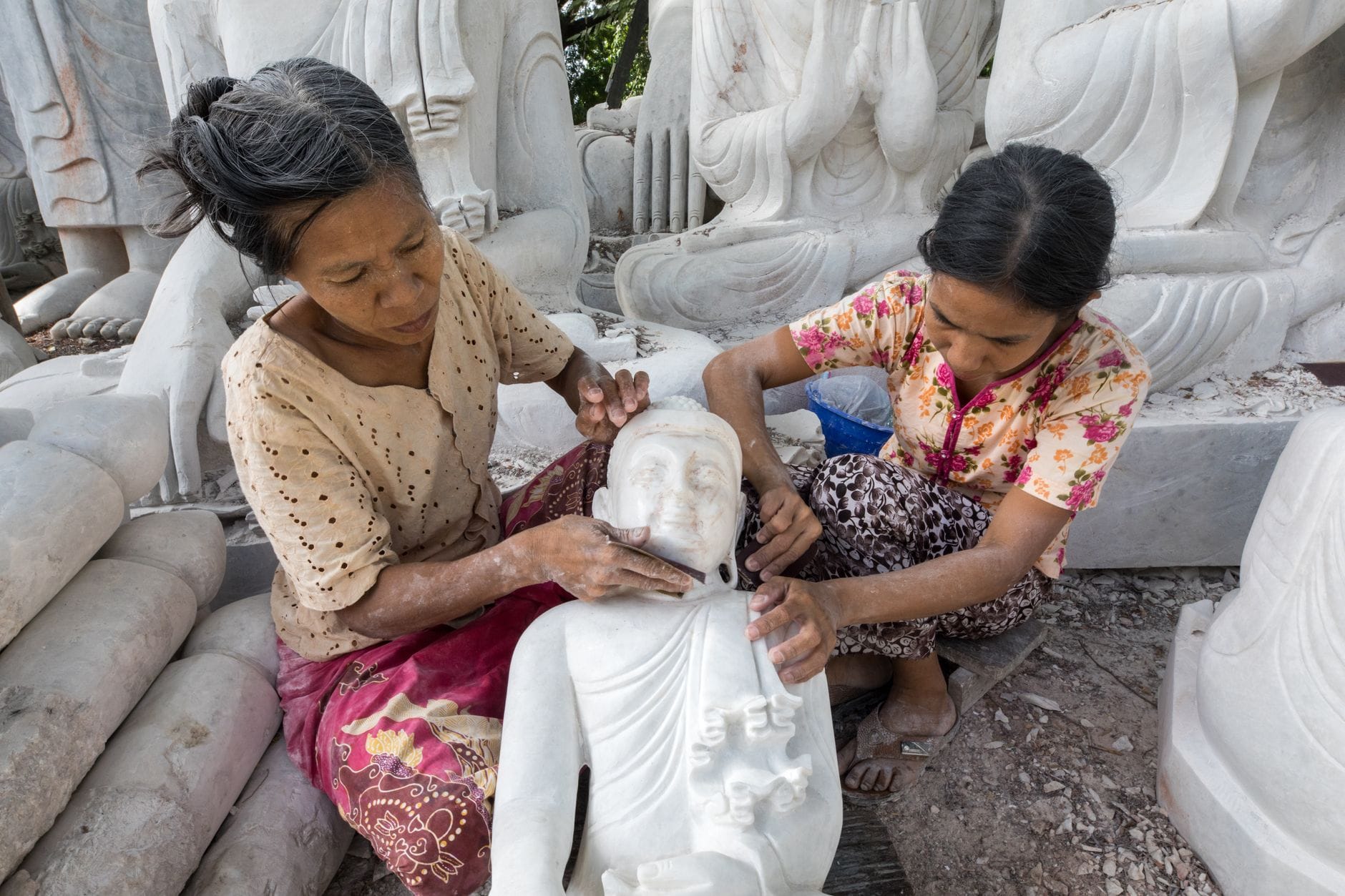
Marble carvings are Da Nang's most distinctive souvenir category, produced by craftspeople in the workshops clustered around Non Nuoc Stone Carving Village near the Marble Mountains. Small figurines — Buddhas, animals, abstract carvings — typically start around $15–20 for simple pieces. Larger decorative items can run into hundreds of dollars. Buying directly from the village workshops is preferable to buying identical items at Han Market, where margins are higher and provenance is less certain.
Vietnamese coffee is a near-universal souvenir from central Vietnam and a genuinely good one. Prices at Han Market start around $2 for 500g of unbranded blends. For named brands like Trung Nguyen, expect to pay $4–8 for similar quantities. If you want to give someone the full experience, pair the coffee with a traditional Vietnamese phin (drip filter), which sells for $2–5 at most markets. These filters are lightweight and pack flat.
- Marble carvings: Buy at Non Nuoc Stone Carving Village for the best selection and direct pricing.
- Vietnamese coffee and phin filters: Available at Han Market, Con Market, and supermarkets. Budget $2–8 depending on brand and quantity.
- Silk scarves and fabric: Han Market's upper floor. Silk scarves run around $8–15; quality varies significantly, so feel the fabric.
- Lacquerware and hand-painted artwork: Look for pieces at the Da Nang Fine Arts Museum shop or reputable craft stores near the city center.
- Dried seafood and regional snacks: Ground floor of Han Market and Con Market — mực khô (dried squid) and bánh tráng (rice paper) are common picks.
- Ao dai fabric: Con Market has a stronger selection of fabric-by-the-meter than Han Market if you plan to have something tailored.
Silk quality in Vietnam is inconsistent across price points, and Da Nang is no exception. Much of what is sold as silk in Han Market is a synthetic blend. If fabric quality matters to you, consider making the 30-minute trip to Hoi An, which has a far more developed tailoring and silk trade with better quality control. Da Nang's silk market is convenient but not the region's strongest option.
Shopping by Area: Where to Go Depending on Where You're Staying
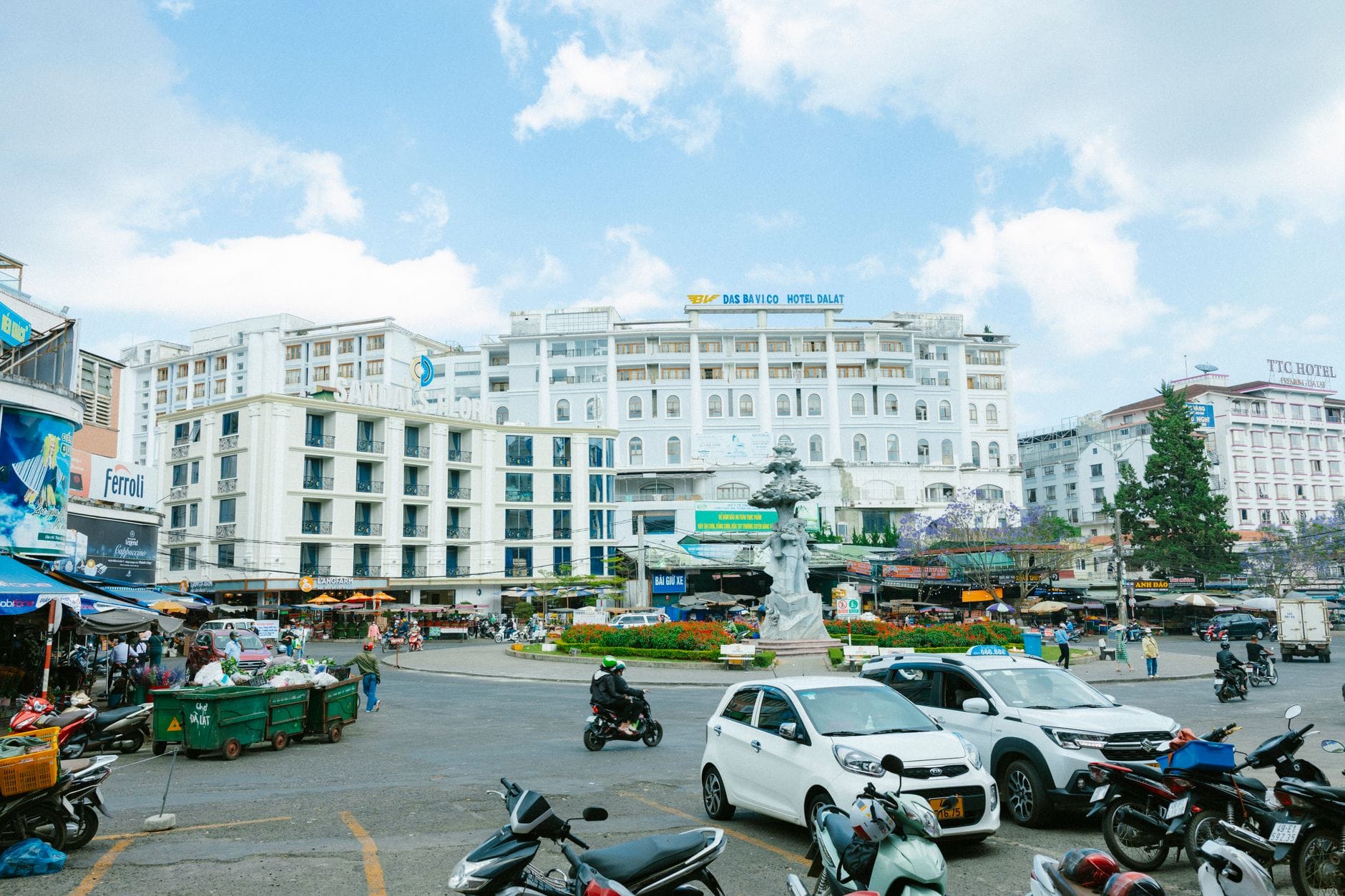
Most of Da Nang's major shopping venues cluster in Hai Chau District, the commercial heart of the city. Han Market, Con Market, and Vincom Plaza are all within a few kilometers of each other. If you are staying near My Khe Beach, the nearest convenient shopping is along the beachfront strip — small souvenir shops, resort-wear boutiques, and convenience stores. Prices here are predictably higher than downtown markets.
The An Thuong tourist street area near My Khe has a growing number of small boutiques, independent cafes selling branded merchandise, and art shops. It is not a major shopping destination in itself but worth exploring if you are already in the area. For a broader overview of how the city's neighborhoods fit together, the where to stay in Da Nang guide gives useful context on which districts are closest to the main retail zones.
Practical Tips Before You Shop
Go to markets in the morning. Both Han Market and Con Market are at their best before 10:00 AM when produce is freshest, stalls are fully stocked, and sellers are still in the mood to negotiate. Afternoon visits mean wilting produce and vendors who are already mentally packing up. The light is also better for inspecting fabric and carvings.
Dress practically for market visits: closed shoes if you want to avoid puddles near the wet market sections, and a small cross-body bag that keeps your hands free. Pickpocketing is relatively uncommon in Da Nang compared to larger Vietnamese cities, but the Da Nang safety tips guide covers common scams worth knowing about. The main one relevant to shopping: vendors quoting prices in thousands while you assume they mean the full VND figure, leading to confusion at the point of payment.
- Bring small-denomination VND notes to markets. Sellers frequently claim they cannot break large bills as a tactic to get you to keep the change.
- Photograph items before buying if you want to compare prices across stalls — vendors expect this.
- A basic phrase goes a long way: 'Bao nhiêu?' means 'How much?' and signals you are engaged rather than just browsing.
- Do not accept items placed in your hands without agreeing on a price first — this is a common pressure tactic at tourist-facing stalls.
- Malls are significantly cooler than markets and are a genuine relief during Da Nang's hot months (May through August).
ℹ️ Good to know
Da Nang's best shopping month for range and atmosphere is December through February during the dry season. Markets are busy but manageable, the heat is far less intense than summer, and the period around the Da Nang International Fireworks Festival (usually late April to early June) brings extra vendors and extended evening market activity near the Han River.
FAQ
Is bargaining expected at Da Nang markets?
Yes, at traditional markets like Han Market and Con Market, haggling is standard practice. Start around 40–50% below the asking price and negotiate from there. Do not try to bargain in malls, supermarkets, or any store with fixed price tags — it will not work and may cause embarrassment.
What are the best souvenirs to buy in Da Nang?
The most distinctive souvenirs are marble carvings from Non Nuoc Stone Carving Village near the Marble Mountains, Vietnamese drip coffee with a phin filter, dried seafood snacks from Han Market, and locally produced silk items. For quality silk or tailoring, many visitors prefer to make the trip to Hoi An instead.
Where is the best shopping mall in Da Nang?
Vincom Plaza Da Nang is the most established mall with international brands, a supermarket, cinema, and food court. It typically opens around 9:30–10:00 AM and closes around 10:00 PM. Lotte Mart is the better choice specifically for food souvenirs and packaged Vietnamese goods at consistent prices.
Are markets in Da Nang open every day?
Han Market and Con Market are open daily under normal circumstances, roughly 6:00 AM to 6:00–7:00 PM. However, they may close or significantly reduce hours during Tết (Vietnamese Lunar New Year) and other major public holidays like National Day on September 2. Always check locally if your visit falls around these dates.
Is Da Nang good for shopping compared to Hoi An?
Da Nang and Hoi An serve different shopping needs. Da Nang is better for everyday market shopping, malls, and marble carvings. Hoi An is far superior for tailoring, quality silk, lanterns, and artisan crafts. If shopping is a priority, allocating time to both towns is worthwhile — they are only about 30 minutes apart.
Tickets & tours
Live prices and dates from our booking partner. If you book, we may earn a commission at no extra cost to you.
Planning a trip? Discover personalized activities with the Nomado app.