Mountains Near Da Nang: Hiking, Viewpoints & Nature Escapes
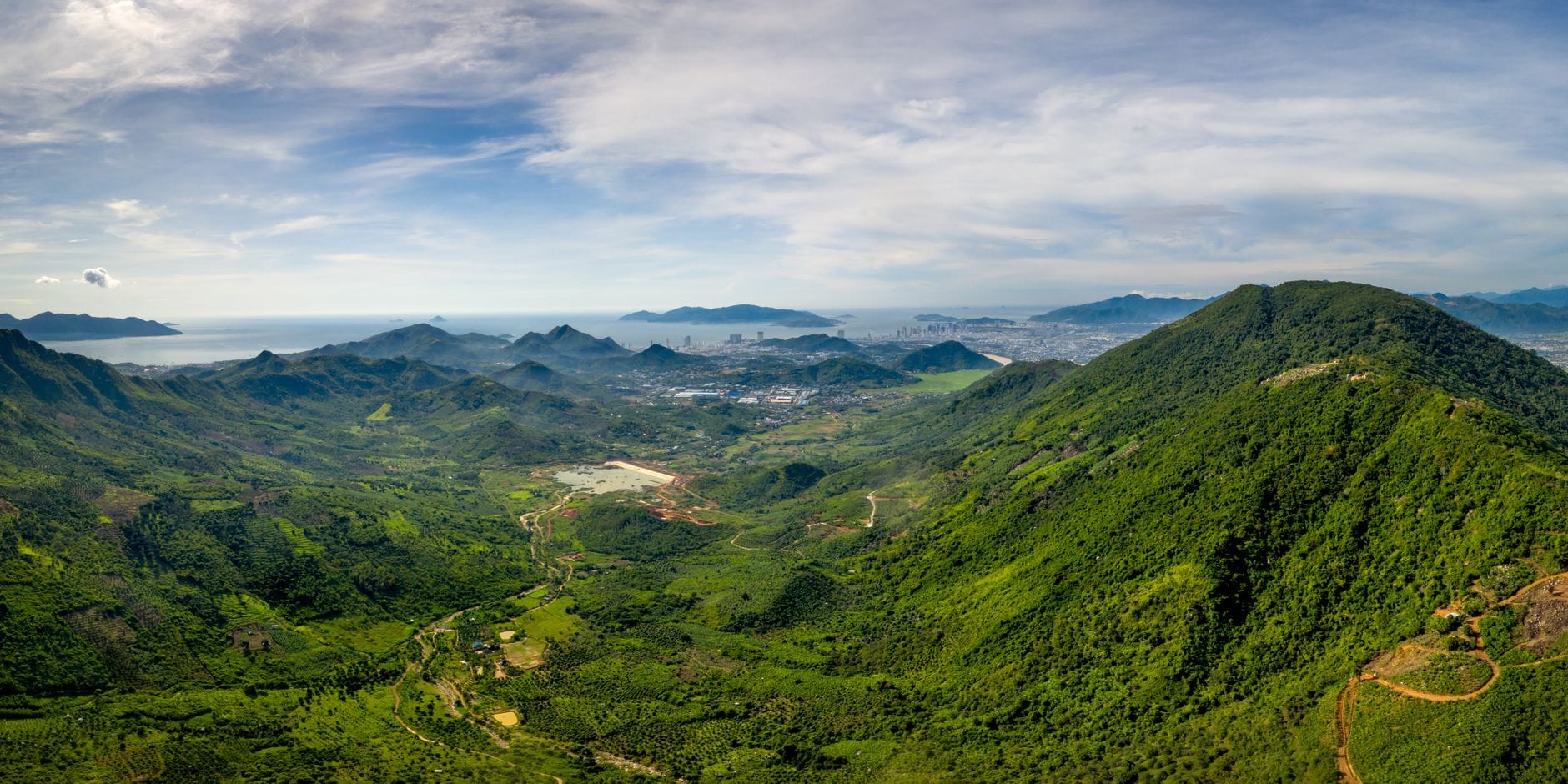
Da Nang is better known for its beaches, but the mountains surrounding the city offer some of central Vietnam's most rewarding day trips. This guide covers every major peak, trail, and viewpoint within reach, with practical advice on difficulty, access, and the best time to go.
Tickets & tours
Live prices and dates from our booking partner. If you book, we may earn a commission at no extra cost to you.
TL;DR
- Da Nang is encircled by mountains: Son Tra Peninsula (Monkey Mountain) is within city limits, Marble Mountains are 9 km south, and Hai Van Pass is 30 km north.
- The best hiking season runs January to July; trails at the Marble Mountains and Son Tra Peninsula are safest and most scenic from February through April.
- Bach Ma National Park (60 km away) is the top full-day mountain escape, ideal for serious hikers and birdwatchers.
- Marble Mountains charge a small entrance fee (around 40,000 VND); Marble Mountains are not free, despite what some older guides claim.
- Son Tra's Ban Co Peak trail covers 15.4 km with 781 m of elevation gain — it is a proper hike, not a casual stroll.
Why Da Nang Is a Surprisingly Good Base for Mountain Adventures

Da Nang sits at a geographic crossroads that most visitors underestimate. The city is backed by the Truong Son mountain range to the west, flanked by the Son Tra Peninsula to the north, and bookended by the Hai Van Pass on its northern edge. Within 90 minutes of the city center by road, you can reach limestone caves, dense rainforest, coastal ridgelines with sea views, and one of Vietnam's most biodiverse national parks.
The mountains here are not just scenic backdrops. They shape the city's microclimate, shelter its beaches from northern winds, and have defined Da Nang's history since the Cham kingdom carved temples into their cliffs. For travelers, this geography translates into practical options at every fitness level, from a 20-minute elevator ride up to a cave pagoda to a full-day ridge hike with an early start and a packed lunch.
ℹ️ Good to know
Da Nang's wet season (September to January) brings heavy rain and occasionally typhoons. Trails become slippery, and some paths on Son Tra and Hai Van are genuinely hazardous when wet. Plan mountain trips between February and August for the most reliable conditions.
Son Tra Peninsula: The City's Own Mountain
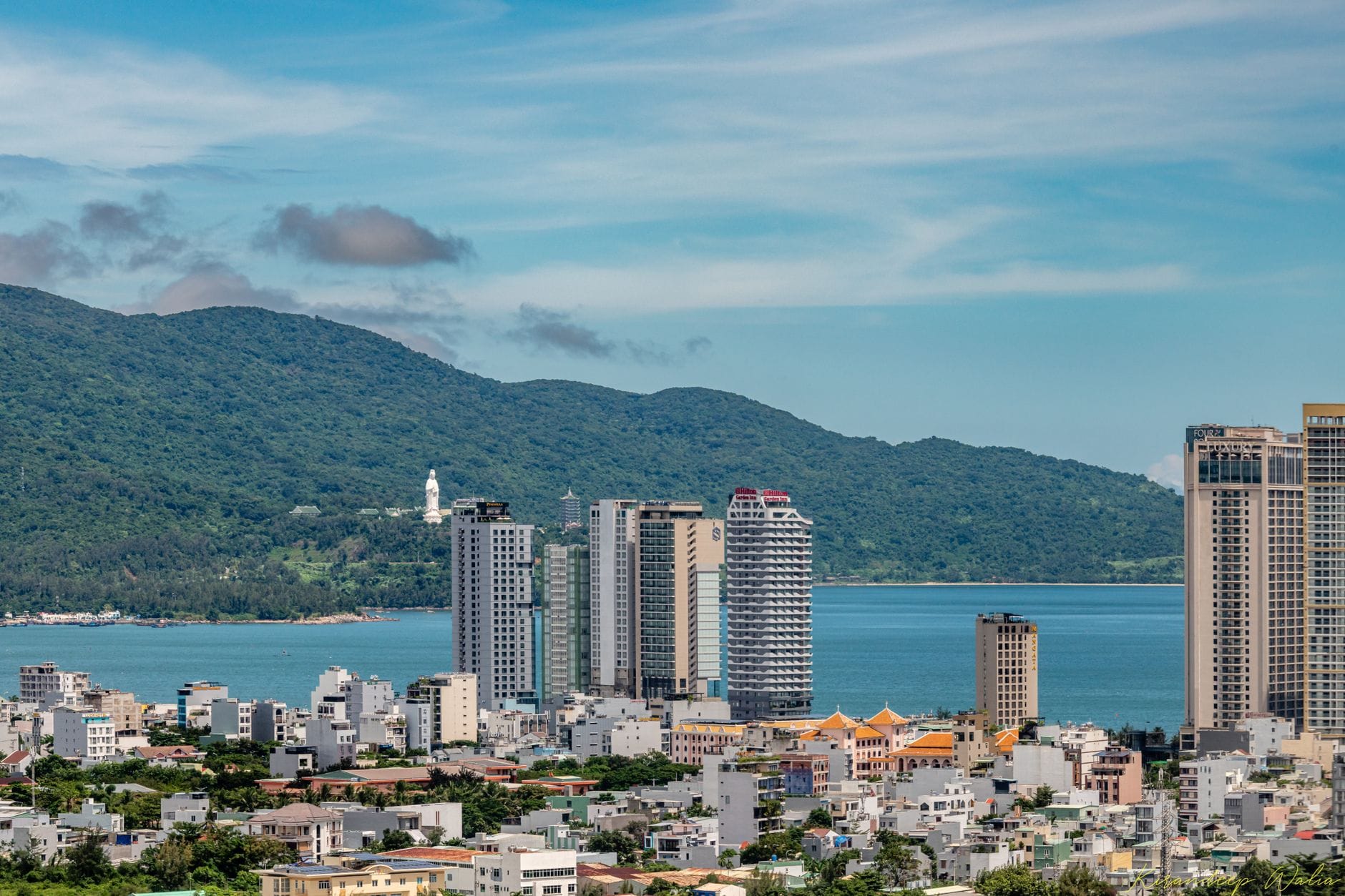
The Son Tra Peninsula rises directly from Da Nang's northeastern edge, reaching its highest point at Ban Co Peak (Dinh Ban Co) at around 696 m above sea level. Because it is officially a nature reserve, the jungle here is thick enough to feel genuinely wild, yet the road to the summit is paved all the way, making it accessible by motorbike even if you skip the trail.
For hikers, the Ban Co Peak trail via Son Tra Mountain is 15.4 km with 781 m of elevation gain, rated difficult on AllTrails. The route passes through dense forest where red-shanked douc langurs (a striking primate found almost nowhere else in such numbers) are commonly spotted in the morning. Start before 6:30 AM to catch the langurs active and avoid the midday heat, which builds quickly from May onward.
At the summit, the views stretch across Da Nang Bay, south toward Non Nuoc Beach and the Marble Mountains, and north past the Hai Van Pass ridge on clear days. The pagoda at the top, Linh Ung, is one of three temples in Da Nang sharing that name, and the giant white Lady Buddha statue here is visible from much of the city and bay below.
- Trail length 15.4 km round trip, rated difficult — allow 5 to 7 hours.
- Elevation gain 781 m — comparable to a solid day hike anywhere in Southeast Asia.
- Best time to go Early morning (before 7 AM) from February to May for cool temperatures and langur sightings.
- Access by motorbike The paved road to Ban Co Peak takes 20 to 30 minutes from central Da Nang — no hiking required if you just want the view.
- What to bring 2+ liters of water, sun protection, and sturdy footwear. There are no shops on the trail itself.
⚠️ What to skip
Son Tra is a protected nature reserve with restricted vehicle access on certain roads. Rules change periodically, and checkpoints occasionally turn vehicles around. Check locally before driving up, especially on weekends when park rangers enforce access limits more strictly.
Marble Mountains (Ngu Hanh Son): History Inside Limestone
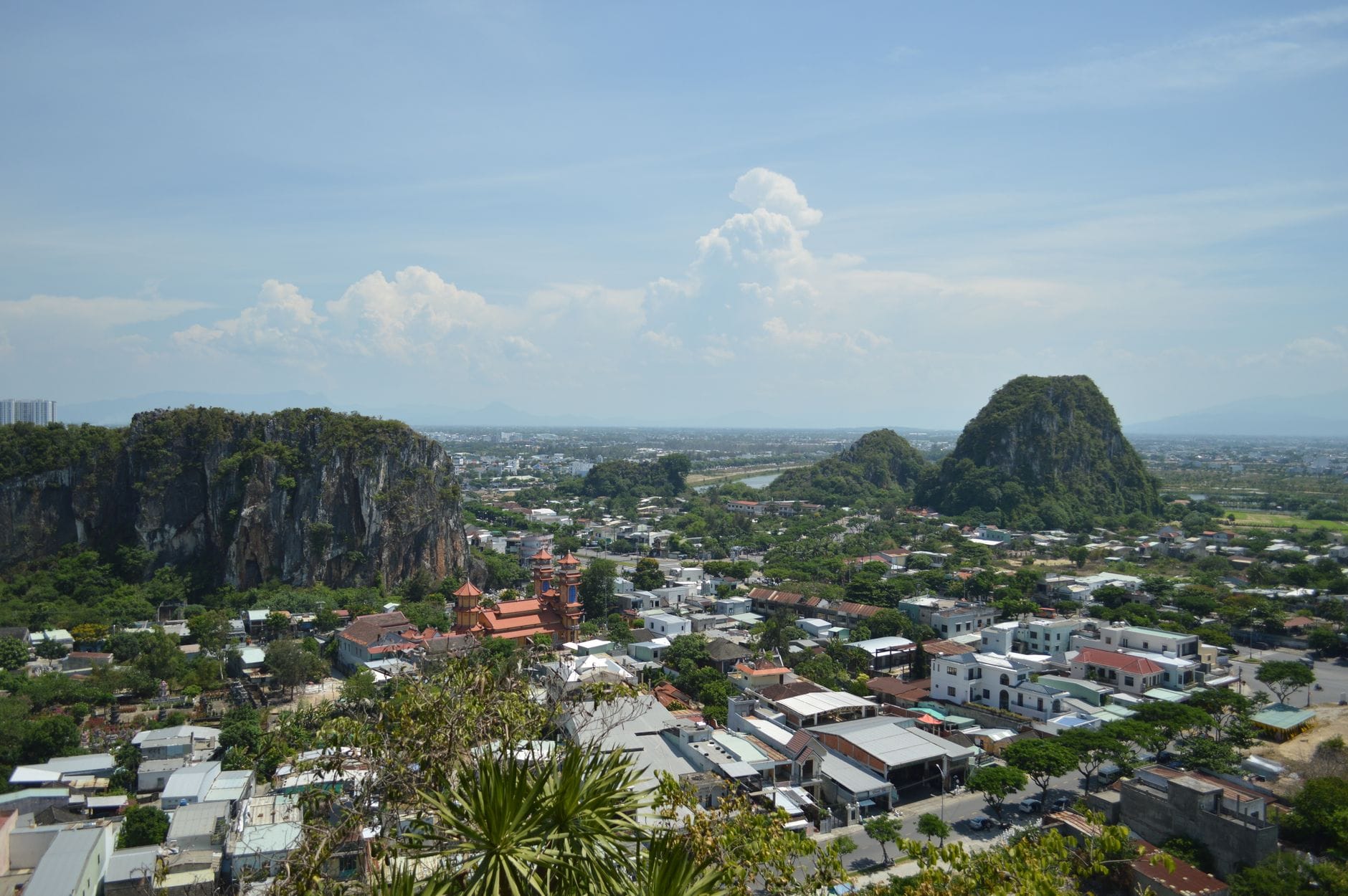
The Marble Mountains, known in Vietnamese as Ngu Hanh Son, are a cluster of five limestone and marble peaks about 7 km southeast of Da Nang city center in Ngu Hanh Son District. Their names correspond to the five elements: Kim (Metal), Moc (Wood), Hoa (Fire), Tho (Earth), and Thuy (Water). The naming dates to 1825 under Emperor Minh Mang. Most visitors focus on Thuy Son (Water Mountain), the largest, which contains cave pagodas, ancient Cham carvings, and tunnels used as field hospitals during the American War.
This is not really a hike in the athletic sense. Thuy Son involves climbing stone staircases through cave systems, past Buddhist altars set inside natural chambers, and up to a summit with views over Non Nuoc Beach and the surrounding lowlands. The physical effort is moderate, but the steps are steep in places. An elevator runs from the base for those who prefer not to climb — it costs 15,000 VND extra on top of the entrance fee, which is currently 40,000 VND per person.
Opening hours are approximately 07:00 to 17:30 daily. The site gets crowded between 9 AM and 2 PM, particularly from October to March when tour buses arrive from Hoi An and Da Nang hotels. Going at opening time or after 3 PM dramatically improves the experience. The village at the base, Non Nuoc Stone Carving Village, is worth a short detour to see artisans working with the local marble, though the shops lean toward mass-market souvenirs.
- Getting there: 20-minute drive from central Da Nang via Vo Nguyen Giap and Le Van Hien streets, with clear signage.
- By bus: Route 1 (Da Nang to Hoi An) stops at Marble Mountains, around 30 minutes from central Da Nang.
- Entrance fee: 40,000 VND; elevator costs 15,000 VND extra each way.
- Best for: culture-focused travelers, families, and anyone combining a half-day here with Non Nuoc Beach nearby.
- Skip if: you are specifically looking for a workout or wilderness experience — this is an archaeological and religious site, not a nature trail.
Hai Van Pass: Vietnam's Most Cinematic Mountain Road
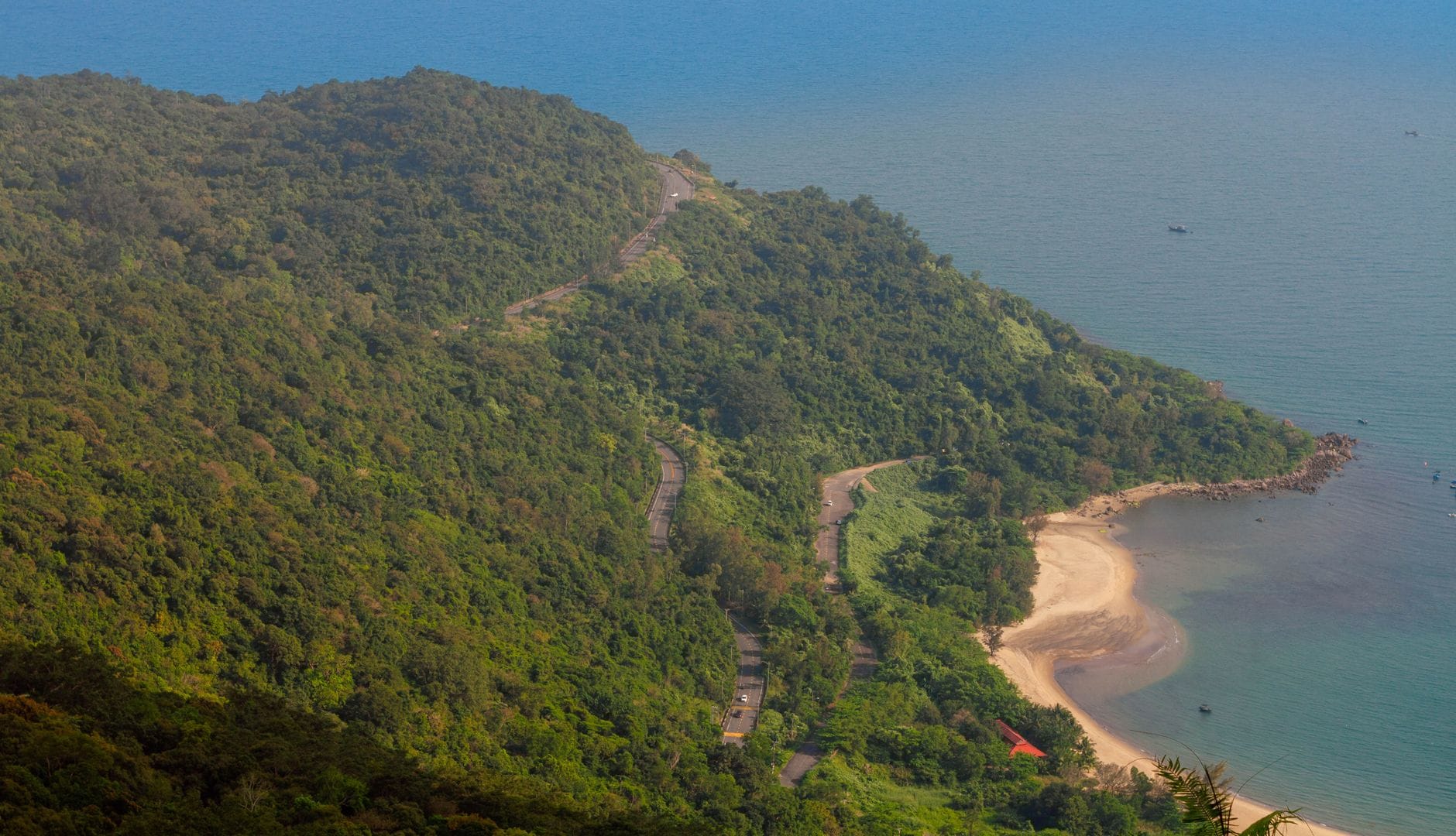
The Hai Van Pass (Deo Hai Van, literally 'Ocean Cloud Pass') runs along a ridge at roughly 500 m, separating Da Nang from Thua Thien Hue province to the north. The 21 km road over the pass has been described as one of the most beautiful coastal mountain roads in the world, and for once, that description holds up. On a clear morning the views take in Lang Co Bay to the north and Da Nang Bay to the south simultaneously.
Most tourists drive or ride the pass rather than hike it, and that is completely reasonable. At the summit, the old French and then American-era military fortification (Hai Van Gate) still stands and is worth exploring for 20 to 30 minutes. There are food stalls selling banh mi and coffee at the top. The drive takes around 45 minutes to an hour from central Da Nang by motorbike.
For a softer mountain nature experience near the pass, Suoi Luong Park offers forest walks, stream crossings, and picnic areas on the southern slopes. It is popular with local families on weekends and suits travelers who want shade and greenery without technical difficulty. The full Ba Na Hills visitor guide covers another mountain option in the same direction, though Ba Na Hills is a cable car resort experience rather than a hiking destination.
💡 Local tip
Ride the Hai Van Pass from south to north (Da Nang toward Hue) in the morning so the sun is behind you and the coastal views are in front. Return via the Hai Van Tunnel if you are short on time — the tunnel is the fast route used by most local traffic, leaving the mountain road relatively quiet on weekdays.
Bach Ma National Park: The Full-Day Mountain Escape
Bach Ma is the most serious mountain destination within day-trip range of Da Nang. The national park sits about 60 km northwest of the city, covering a range that rises steeply from the coastal plain to peaks above 1,400 m. The drive typically takes around 1.5 to 2 hours by private car. There is no direct public bus service from Da Nang, so most visitors either rent a motorbike or book a private transfer. Expect to pay around 1,200,000 VND or more for a private round-trip transfer from central Da Nang.
The park is one of the most biodiverse areas in Vietnam. Trails range from a short walk to the Rhododendron Garden to multi-hour hikes to summit viewpoints and multiple waterfalls. Hai Vong Dai (Five Lakes Cascade) and Do Quyen Waterfall are the most visited routes and can be combined into a half-day loop. The summit trail to Bach Ma Peak itself is around 14 km round trip with significant elevation change and requires an early start.
Bach Ma is genuinely different from the other mountains near Da Nang. The forest here is cooler, denser, and wilder. It is particularly good for birdwatching, with endemic species found nowhere else in the region. Combine it with a stop at Lang Co Bay on the way back for one of the best full-day itineraries reachable from Da Nang. Check the park's official entry requirements and trail conditions before visiting, as access to some areas requires guide accompaniment.
Practical Advice: Seasons, Gear, and Getting Around
Timing matters more for mountain trips from Da Nang than for most other activities in the city. The best time to visit Da Nang for hiking is February through April: the wet season has passed, temperatures are comfortable (low-to-mid 20s Celsius in the mornings), and trails are dry enough to be safe. May through August is also workable but gets hot quickly after 9 AM, especially at lower elevations. September through January brings increasing rain risk, and November in particular can see prolonged wet weather that makes exposed ridgeline paths and the marble steps at Ngu Hanh Son genuinely slippery.
For getting to most of these mountains, a rented motorbike gives the most flexibility. Grab and Be are widely available in Da Nang for shorter trips, and both apps cover the city well. For Bach Ma specifically, a private car or organized tour is the most practical option. A broader overview of transport logistics is in the getting around Da Nang guide.
- Footwear Trail shoes or sturdy sneakers for Son Tra and Bach Ma. Flip-flops are fine for the Marble Mountains if you only use paved paths, but not recommended for cave interiors.
- Water Carry more than you think you need. Shops are available at Marble Mountains and Hai Van Pass summit, but not on Son Tra trails or in Bach Ma forest sections.
- Sun protection The Son Tra ridgeline and Hai Van Pass have long exposed sections. Factor 50 sunscreen and a hat are not optional from April onward.
- Early starts All mountain destinations are better before 9 AM: cooler, less crowded, and better light for photography.
- Fog at Hai Van The pass earns its 'Ocean Cloud' name — fog can reduce visibility to near zero, especially October to February. Check conditions before riding.
✨ Pro tip
If you only have one day for mountains near Da Nang, combine Marble Mountains in the morning (2 to 3 hours) with a motorbike ride up to the Son Tra Peninsula viewpoint in the late afternoon. The light on Da Nang Bay from Ban Co Peak or the Linh Ung Pagoda lookout is best from 4 PM onward, and the round trip from the city takes under an hour.
FAQ
What is the easiest mountain hike near Da Nang for beginners?
The Marble Mountains (Ngu Hanh Son) are the most accessible option: short distances, paved paths, and an elevator to skip the main staircase. For a nature experience with minimal effort, driving to the Son Tra Peninsula by motorbike and walking the short paths around the Linh Ung Pagoda viewpoint is another low-difficulty choice.
Can you hike Son Tra Peninsula without a guide?
Yes, the Ban Co Peak trail is used regularly by independent hikers and does not require a guide. Download the trail on AllTrails before you go since mobile signal can be patchy in the forest. Start early (before 6:30 AM) and let someone know your plan. The paved road to the top is a simpler alternative if you are not confident on unmarked trails.
How much does it cost to enter the Marble Mountains?
Entrance to Thuy Son (the main peak) costs 40,000 VND per person. The elevator, which skips the main staircase ascent, costs an additional 15,000 VND each way. These prices were current as of recent reports but should be verified locally as they may change.
Is the Hai Van Pass dangerous to ride by motorbike?
In good conditions, the Hai Van Pass is a safe but demanding road — it has tight switchbacks, a narrow lane in sections, and significant elevation change. The main risks are fog (which can appear suddenly, especially October to February) and heavy rain that makes the road surface slippery. Avoid riding it in poor visibility or immediately after heavy rain. Experienced riders handle it without difficulty on a clear day.
What mountain day trips from Da Nang are best for families with children?
Marble Mountains work well for families with older children who can manage stairs. Suoi Luong Park near Hai Van offers easy forest walks and stream play suitable for younger kids. Bach Ma National Park has shorter trail options but requires a longer drive. Ba Na Hills, while not a hiking destination, offers a cable car and resort activities that children typically enjoy — see the Ba Na Hills visitor guide for details.
Tickets & tours
Live prices and dates from our booking partner. If you book, we may earn a commission at no extra cost to you.
Planning a trip? Discover personalized activities with the Nomado app.