Best Museums in Guangzhou: A Guide to the City's Top Cultural Institutions
Guangzhou has one of the richest museum scenes in southern China, spanning 2,000 years of trade, art, and revolutionary history. This guide covers the best museums across every category, from ancient archaeology to Cantonese opera, with practical tips on booking, admission, and where to go first.
Plan and book this trip
Tools from our partner Travelpayouts help you compare flights and hotels. If you book through them, we may earn a commission at no extra cost to you.
Flights
Hotels map
Guangzhou's museum landscape reflects the city's unusual position in Chinese history: a port that faced the world for centuries, a cradle of revolution, and the cultural capital of Cantonese civilization. The best institutions are spread across the city, from the historic Yuexiu district to the modern Flower City Square in Zhujiang New Town. If you're planning your first visit, the Guangzhou first-timer guide pairs well with this list. A key practical note: most major museums are closed on Mondays, and several free-admission venues require advance online reservation. Always book ahead during public holidays and school breaks.
💡 Local tip
Several of Guangzhou's best museums are free but require timed-entry reservations, including the Guangdong Museum. Book in advance, especially during national holidays and free-admission days.
Archaeology & History Museums
Guangzhou's history stretches back over 2,000 years, and a handful of museums preserve it with genuine depth. The Yuexiu district is the historic core, and most of the key archaeological and civic history institutions are clustered here, making it possible to visit two or three in a single day.
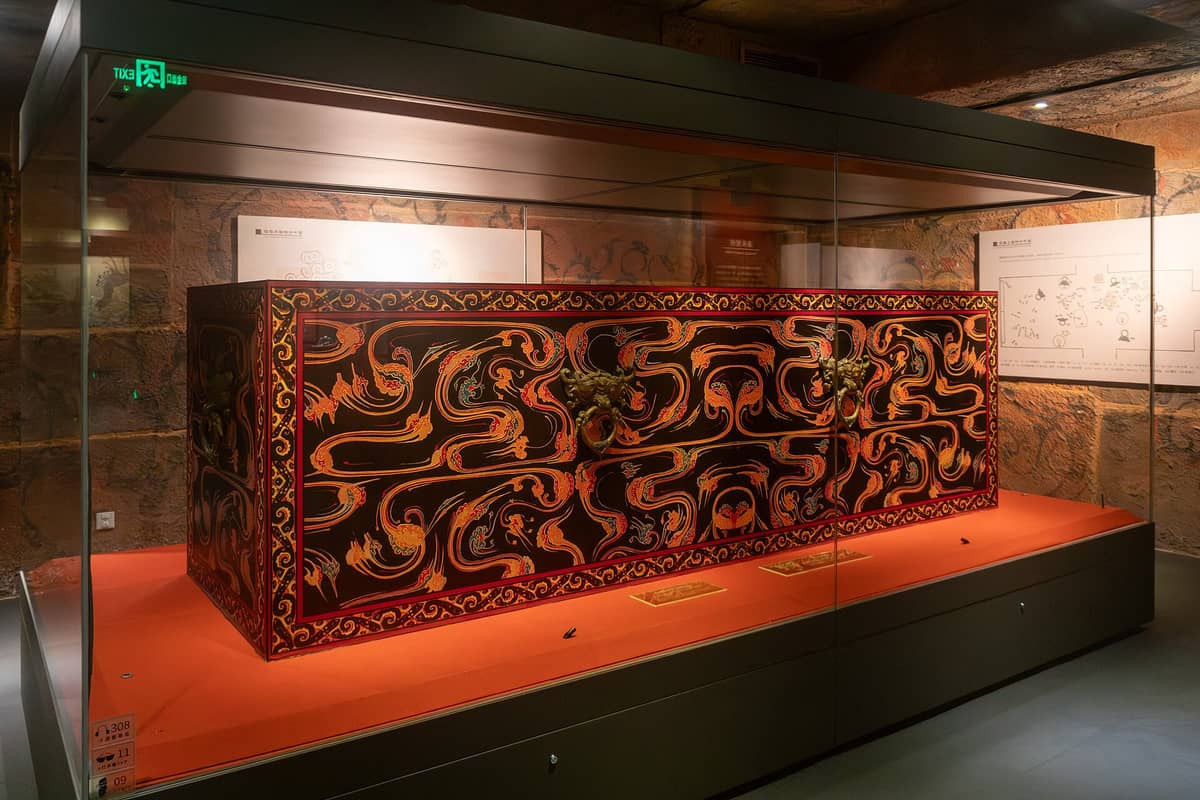
1. Step Inside a 2,000-Year-Old Tomb at the Nanyue King Museum
Built over the intact burial chamber of the second Nanyue king, this museum displays thousands of Han Dynasty artifacts in situ. The jade burial suit alone is worth the visit. Open Tue-Sun; admission is RMB 10 adults, RMB 5 concessions.
Explore1. Step Inside a 2,000-Year-Old Tomb at the Nanyue King Museum
Built over the intact burial chamber of the second Nanyue king, this museum displays thousands of Han Dynasty artifacts in situ. The jade burial suit alone is worth the visit. Open Tue-Sun; admission is RMB 10 adults, RMB 5 concessions.
Explore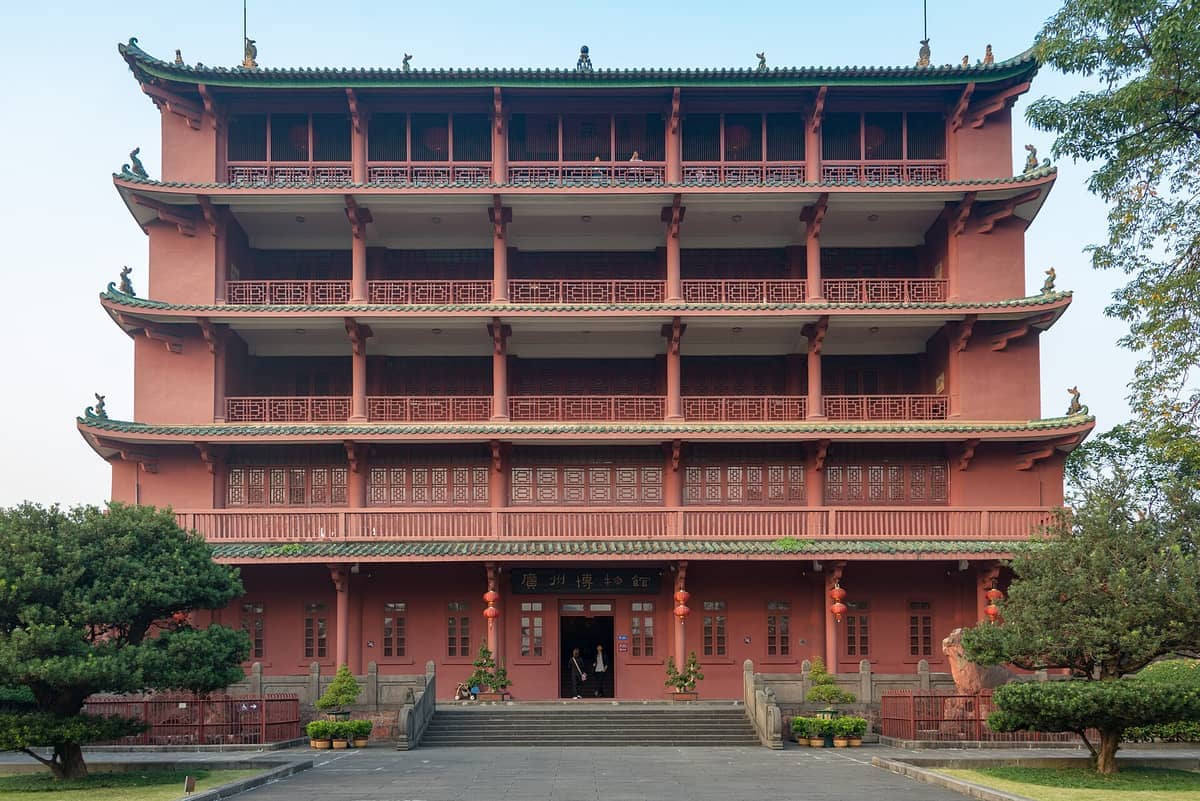
2. Trace 2,000 Years of City History at the Guangzhou Museum
The red-walled Zhenhai Tower atop Yuexiu Mountain houses the Guangzhou Museum's chronological collection of city artifacts, from ancient trade goods to Republican-era relics. The hilltop setting adds sweeping city views. Open Tue-Sun; RMB 10 admission.
Explore2. Trace 2,000 Years of City History at the Guangzhou Museum
The red-walled Zhenhai Tower atop Yuexiu Mountain houses the Guangzhou Museum's chronological collection of city artifacts, from ancient trade goods to Republican-era relics. The hilltop setting adds sweeping city views. Open Tue-Sun; RMB 10 admission.
Explore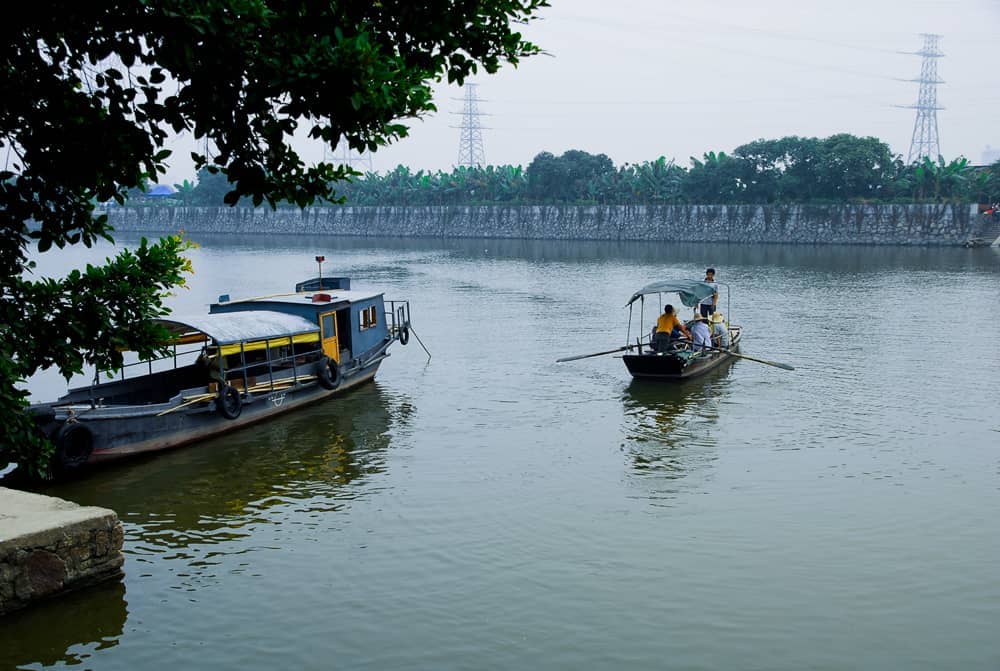
3. Explore the Gateway to the Maritime Silk Road at Huangpu Ancient Port
This restored waterfront complex marks where Guangzhou's global trade began, with a museum covering over 1,000 years of maritime commerce, ancient warehouse reconstructions, and a scenic riverside walk. It's historically significant and rarely overcrowded.
Explore3. Explore the Gateway to the Maritime Silk Road at Huangpu Ancient Port
This restored waterfront complex marks where Guangzhou's global trade began, with a museum covering over 1,000 years of maritime commerce, ancient warehouse reconstructions, and a scenic riverside walk. It's historically significant and rarely overcrowded.
Explore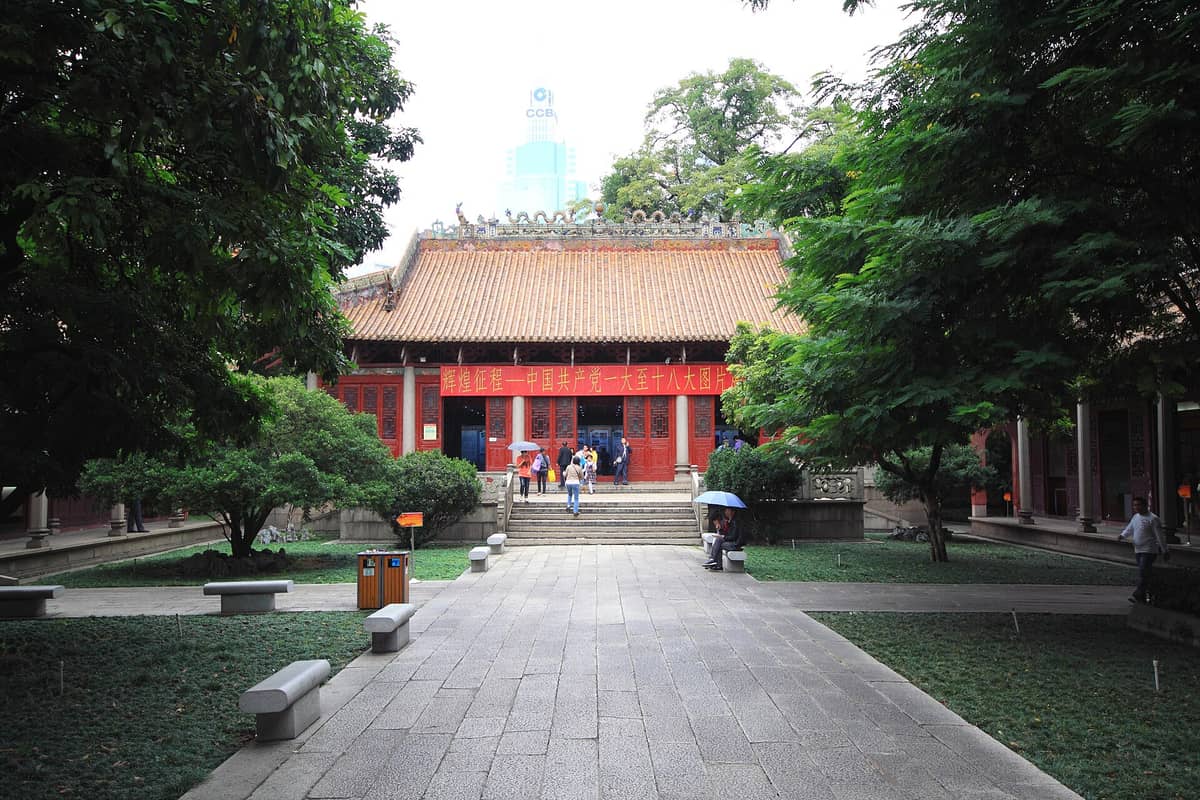
4. Examine the Origins of Modern China at the Peasant Movement Training Institute
Mao Zedong ran revolutionary training courses here in the 1920s, and the preserved lecture halls, dormitories, and exhibits offer a detailed look at the Communist movement's early years in Guangzhou. A compact but revealing site for modern history.
Explore4. Examine the Origins of Modern China at the Peasant Movement Training Institute
Mao Zedong ran revolutionary training courses here in the 1920s, and the preserved lecture halls, dormitories, and exhibits offer a detailed look at the Communist movement's early years in Guangzhou. A compact but revealing site for modern history.
Explore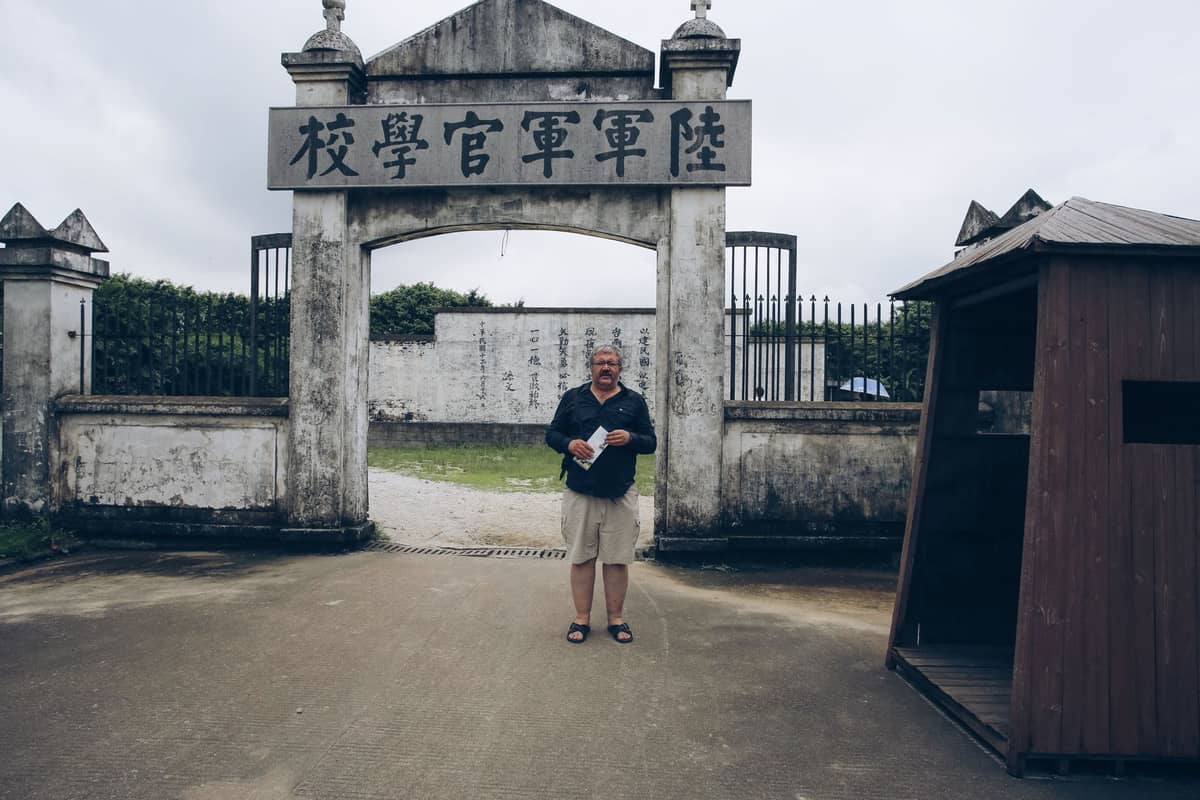
5. Visit the Military School That Shaped Modern China at Whampoa
The Whampoa Military Academy on Changzhou Island trained both Nationalist and Communist officers in the 1920s, and the restored campus explains its outsized role in 20th-century Chinese history. Budget a half-day including travel to the island.
Explore5. Visit the Military School That Shaped Modern China at Whampoa
The Whampoa Military Academy on Changzhou Island trained both Nationalist and Communist officers in the 1920s, and the restored campus explains its outsized role in 20th-century Chinese history. Budget a half-day including travel to the island.
ExploreArt & Folk Culture Museums
Southern China's artistic traditions are distinct from those of Beijing and Shanghai, and Guangzhou's art and folk museums reflect that difference. For a broader cultural context, the Cantonese opera guide and the architecture guide both connect closely to the institutions listed below.
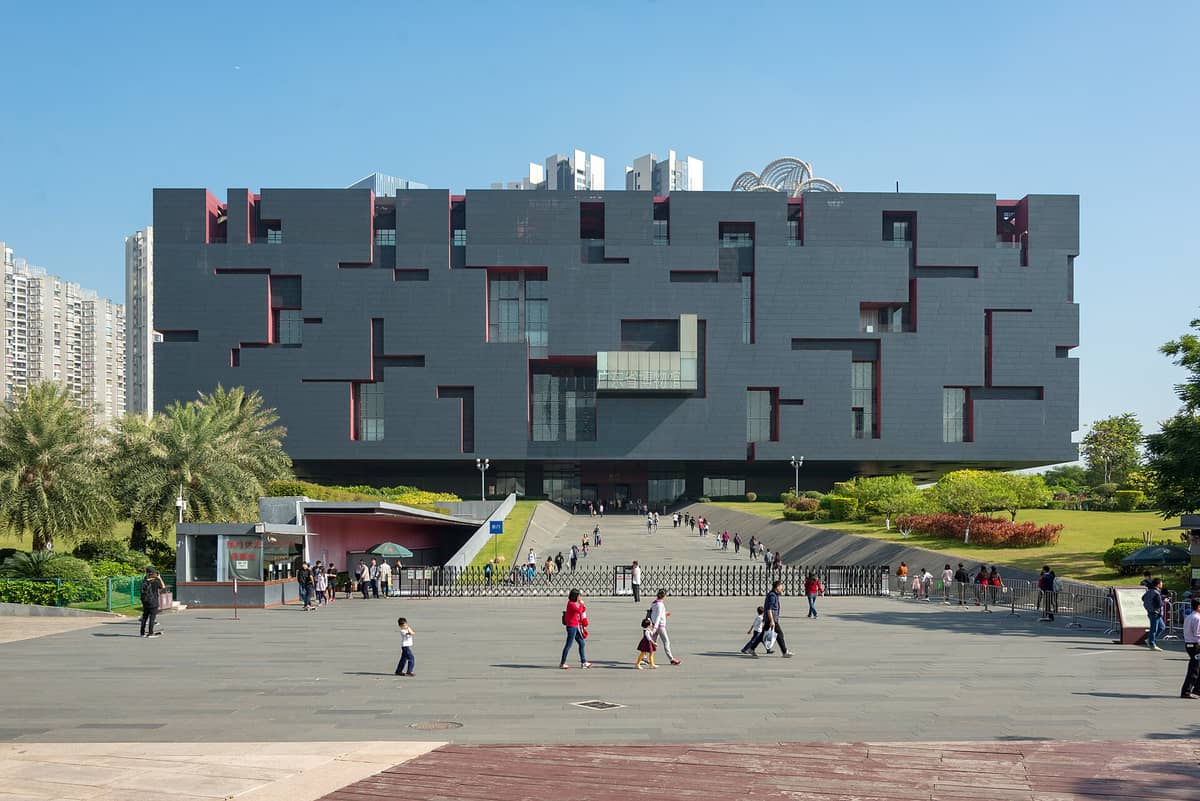
6. See Southern China's Finest Collections at the Guangdong Museum
The Guangdong Museum's exterior mimics a lacquerware box, and the interior delivers: Cantonese ceramics, natural history galleries, and regional cultural artifacts across multiple floors. Free entry with advance reservation required. Open Tue-Sun, 9:00-17:00.
Explore6. See Southern China's Finest Collections at the Guangdong Museum
The Guangdong Museum's exterior mimics a lacquerware box, and the interior delivers: Cantonese ceramics, natural history galleries, and regional cultural artifacts across multiple floors. Free entry with advance reservation required. Open Tue-Sun, 9:00-17:00.
Explore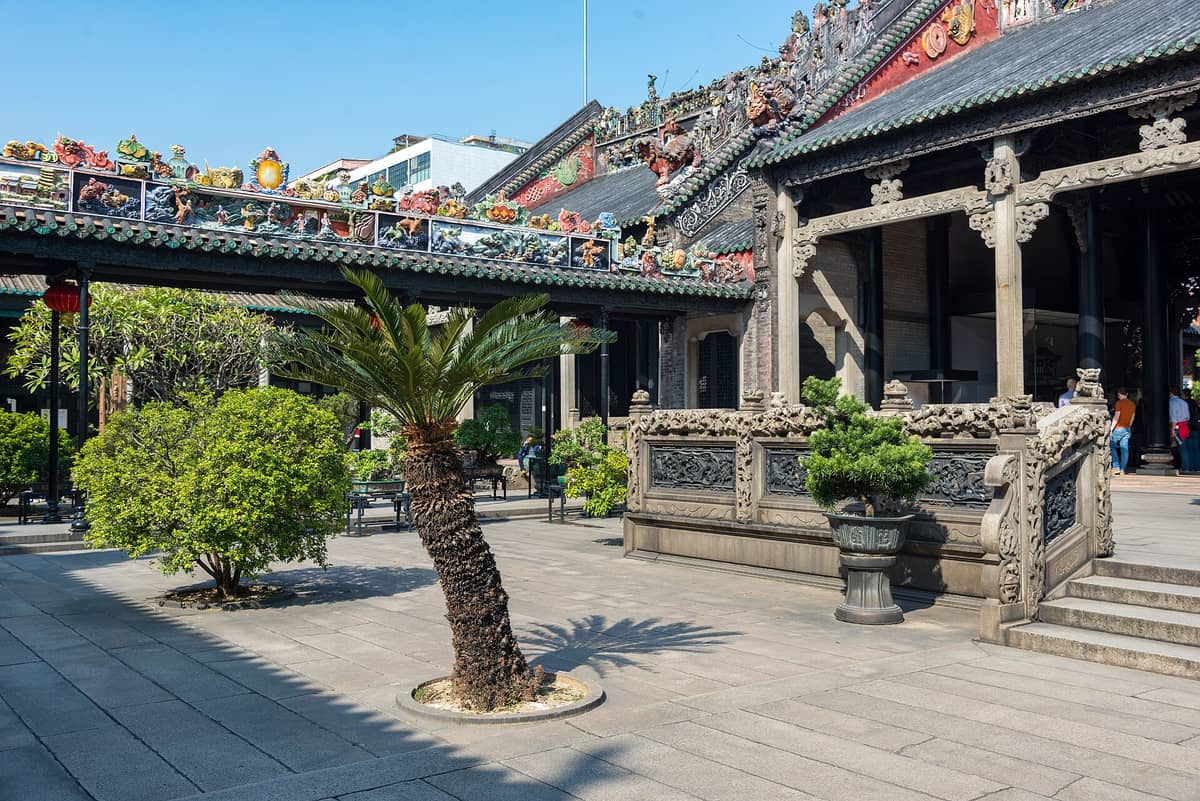
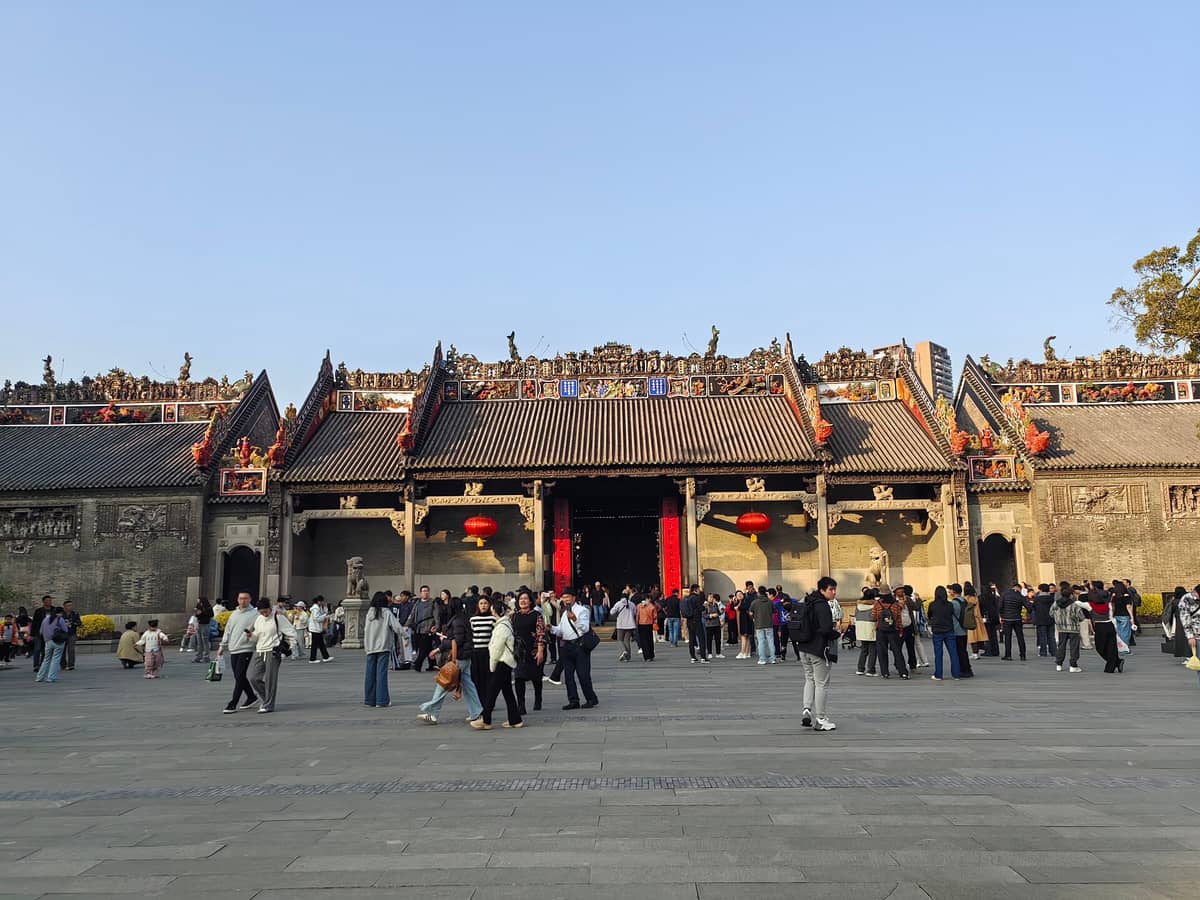
7. Marvel at Lingnan Craftsmanship at the Guangdong Folk Art Museum
The Chen Clan Ancestral Hall is the most ornate building in Guangzhou, its rooflines covered in thousands of ceramic figures and stone carvings. It now houses the Guangdong Folk Art Museum. Plan at least 90 minutes. Admission is RMB 10 adults, RMB 5 concessions.
Explore7. Marvel at Lingnan Craftsmanship at the Guangdong Folk Art Museum
The Chen Clan Ancestral Hall is the most ornate building in Guangzhou, its rooflines covered in thousands of ceramic figures and stone carvings. It now houses the Guangdong Folk Art Museum. Plan at least 90 minutes. Admission is RMB 10 adults, RMB 5 concessions.
Explore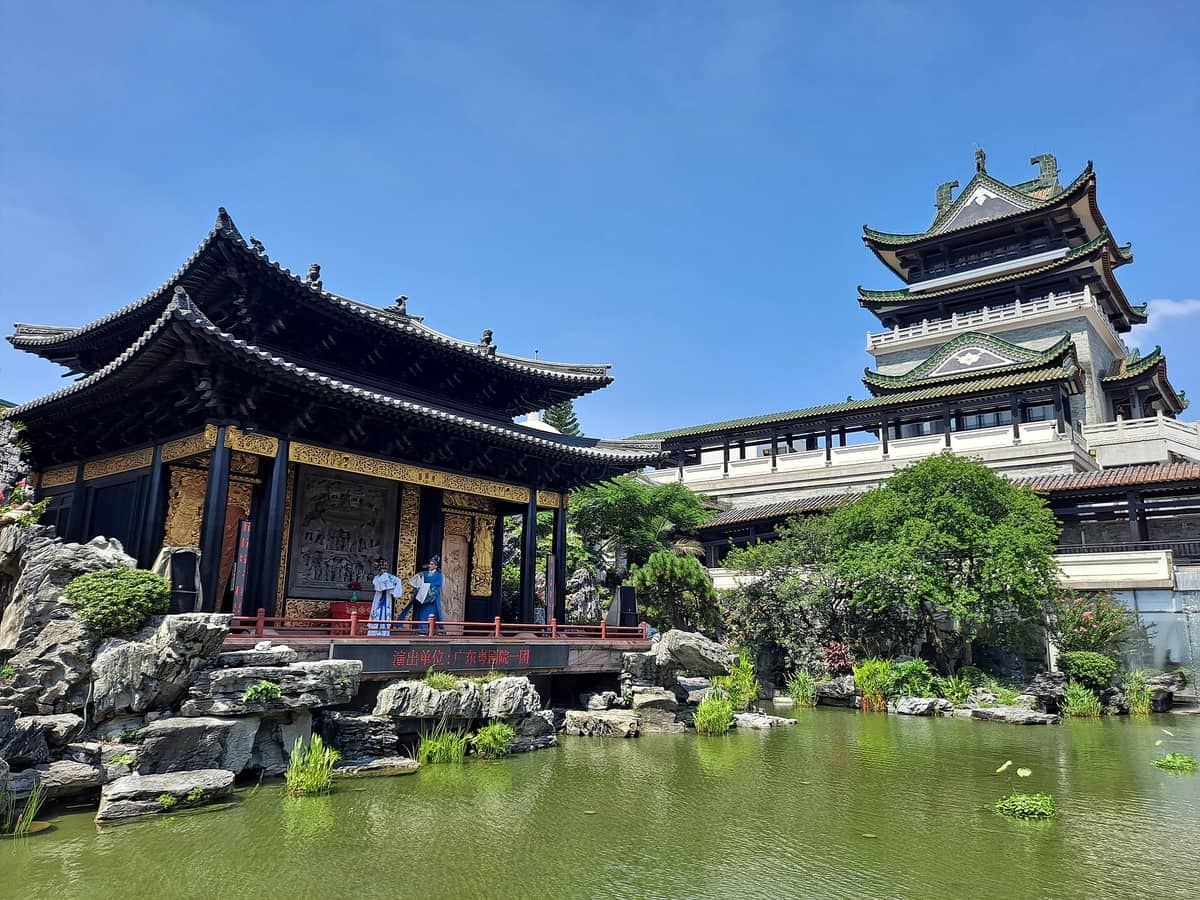
8. Discover the World of Cantonese Opera at Its Dedicated Museum in Liwan
This museum in Liwan uses elaborate costumes, stage props, and a traditional Lingnan garden setting to bring Cantonese opera history to life. Small live performances are sometimes staged here. One of the most immersive cultural visits in the city.
Explore8. Discover the World of Cantonese Opera at Its Dedicated Museum in Liwan
This museum in Liwan uses elaborate costumes, stage props, and a traditional Lingnan garden setting to bring Cantonese opera history to life. Small live performances are sometimes staged here. One of the most immersive cultural visits in the city.
Explore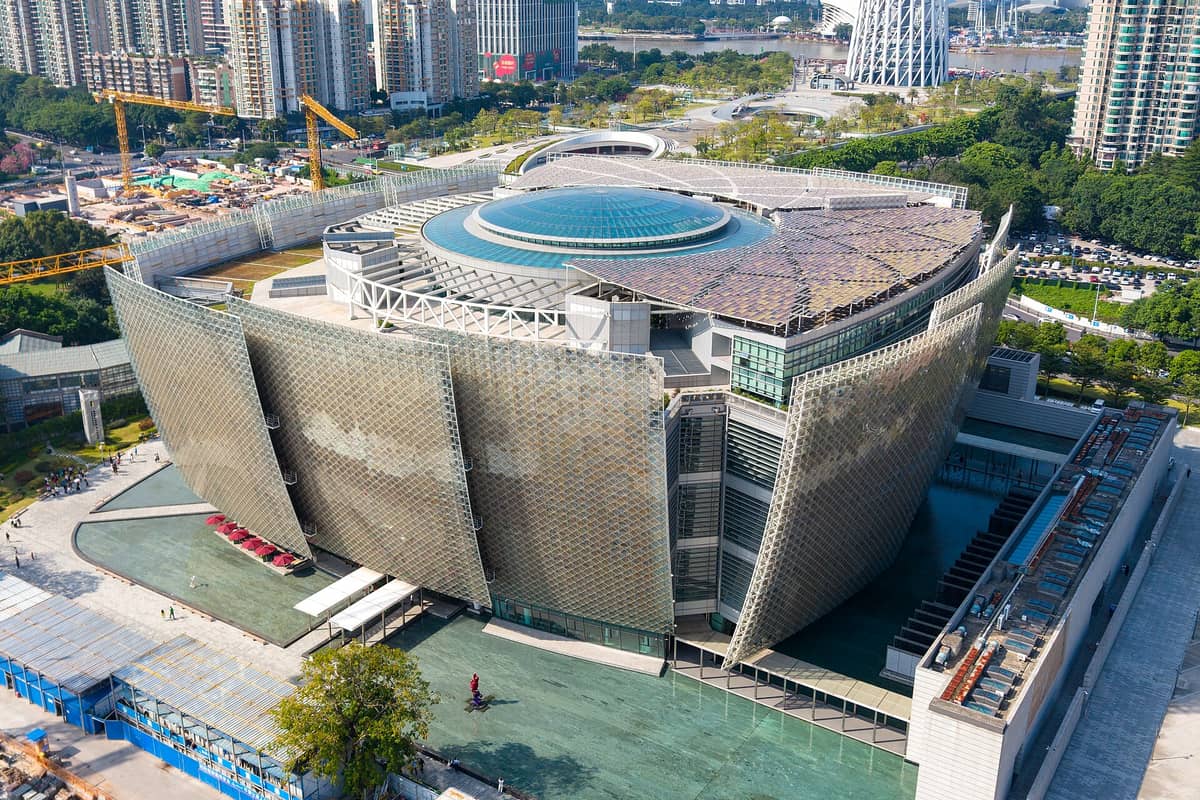
9. Spend an Afternoon with Classical and Contemporary Art on Ersha Island
The Guangzhou Museum of Art on Ersha Island holds one of the most important collections of traditional Chinese painting and calligraphy in southern China, alongside contemporary works. The riverside island setting makes a pleasant half-day cultural itinerary.
Explore9. Spend an Afternoon with Classical and Contemporary Art on Ersha Island
The Guangzhou Museum of Art on Ersha Island holds one of the most important collections of traditional Chinese painting and calligraphy in southern China, alongside contemporary works. The riverside island setting makes a pleasant half-day cultural itinerary.
ExploreLiving Heritage & Open-Air Museums
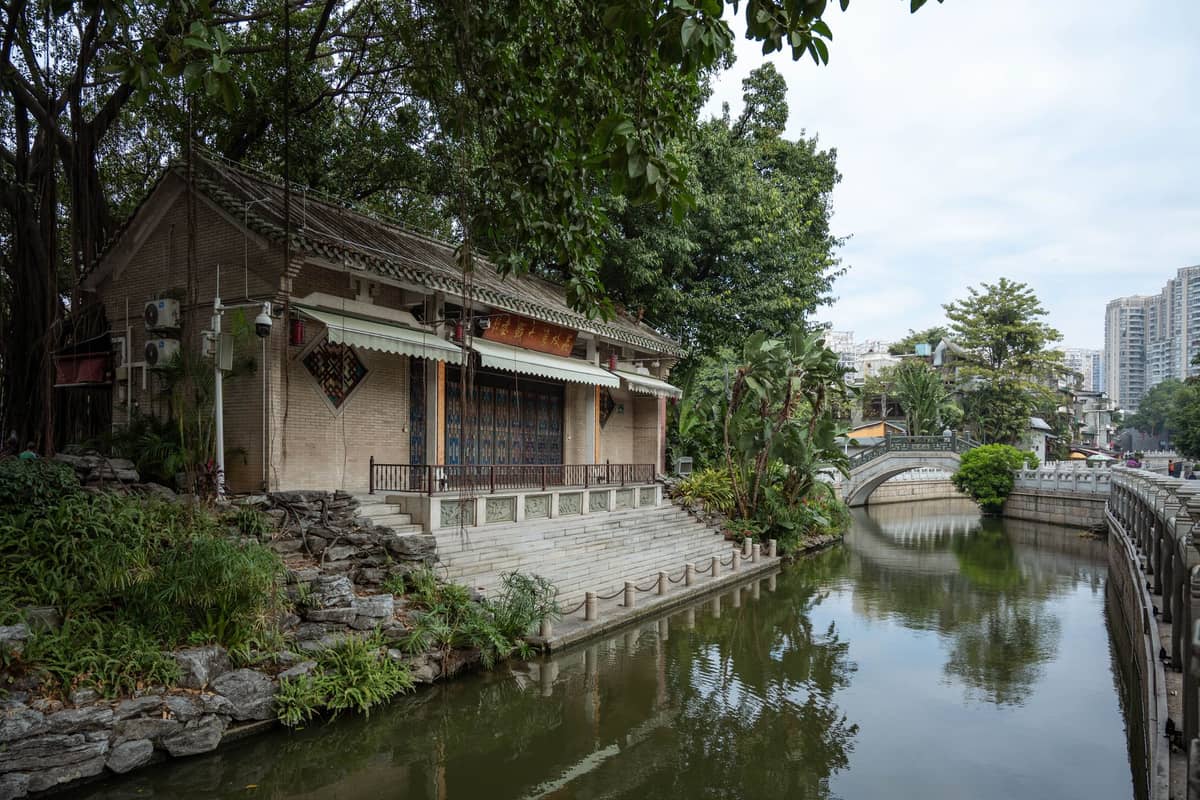
Some of Guangzhou's most compelling museum experiences are not contained within a building. The old districts of Liwan and the ancient towns on the city's outskirts preserve Lingnan culture in ways that formal institutions cannot replicate. These sites work well as half-day or full-day excursions paired with food and walking.
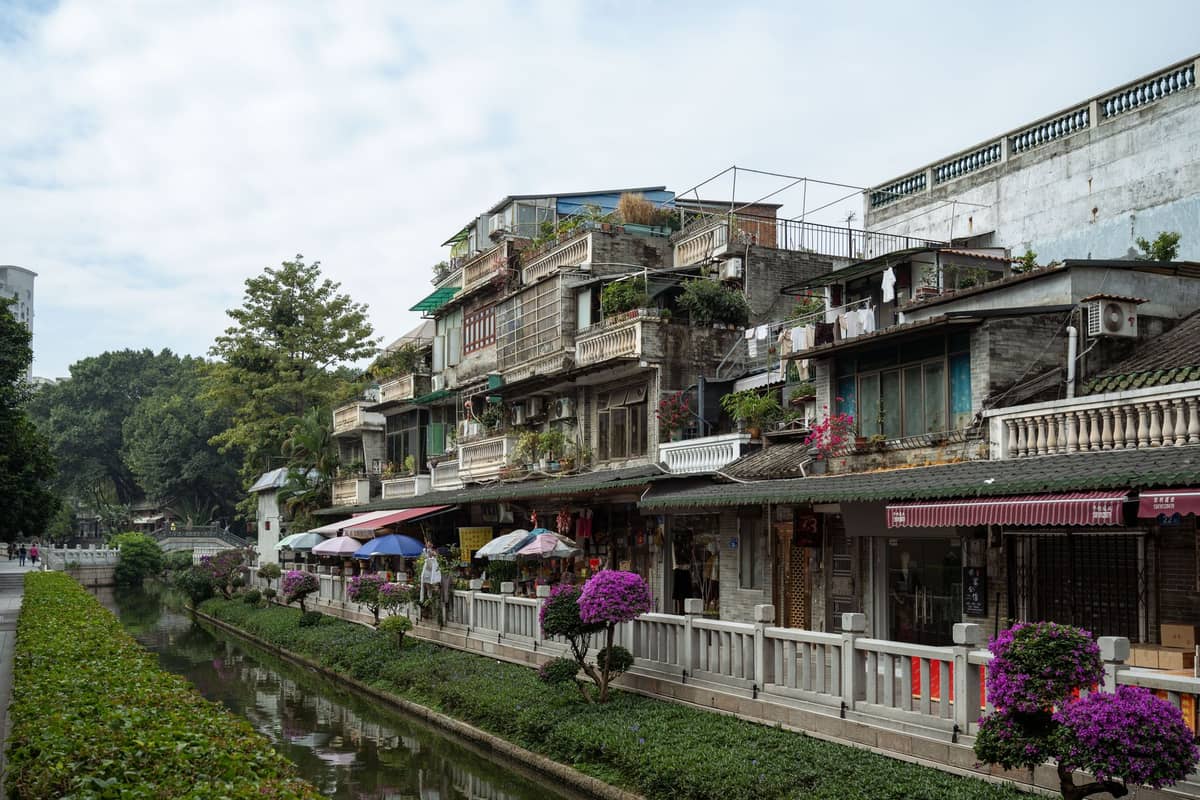
10. Walk Through a Living Song Dynasty Village at Shawan Ancient Town
Shawan has been continuously inhabited since the Song Dynasty, its ancestral halls and cobblestone lanes largely intact. Artisan workshops demonstrate traditional Lingnan crafts, and local food stalls sell specialties you won't find elsewhere. A genuinely unhurried experience.
Explore10. Walk Through a Living Song Dynasty Village at Shawan Ancient Town
Shawan has been continuously inhabited since the Song Dynasty, its ancestral halls and cobblestone lanes largely intact. Artisan workshops demonstrate traditional Lingnan crafts, and local food stalls sell specialties you won't find elsewhere. A genuinely unhurried experience.
Explore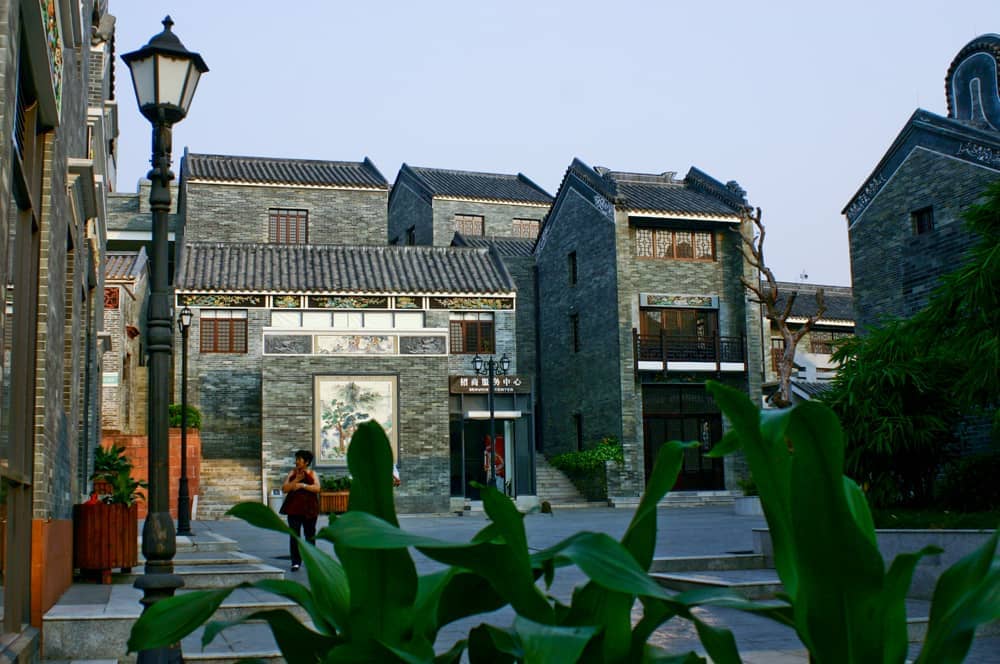
11. Get an Accessible Overview of Lingnan Culture at Lingnan Impression Park
This large open-air park in Panyu recreates traditional Lingnan village architecture with folk art demonstrations, artisan workshops, and Cantonese street food. It covers a lot of ground, so arrive early. Best for families or visitors new to the region's culture.
Explore11. Get an Accessible Overview of Lingnan Culture at Lingnan Impression Park
This large open-air park in Panyu recreates traditional Lingnan village architecture with folk art demonstrations, artisan workshops, and Cantonese street food. It covers a lot of ground, so arrive early. Best for families or visitors new to the region's culture.
Explore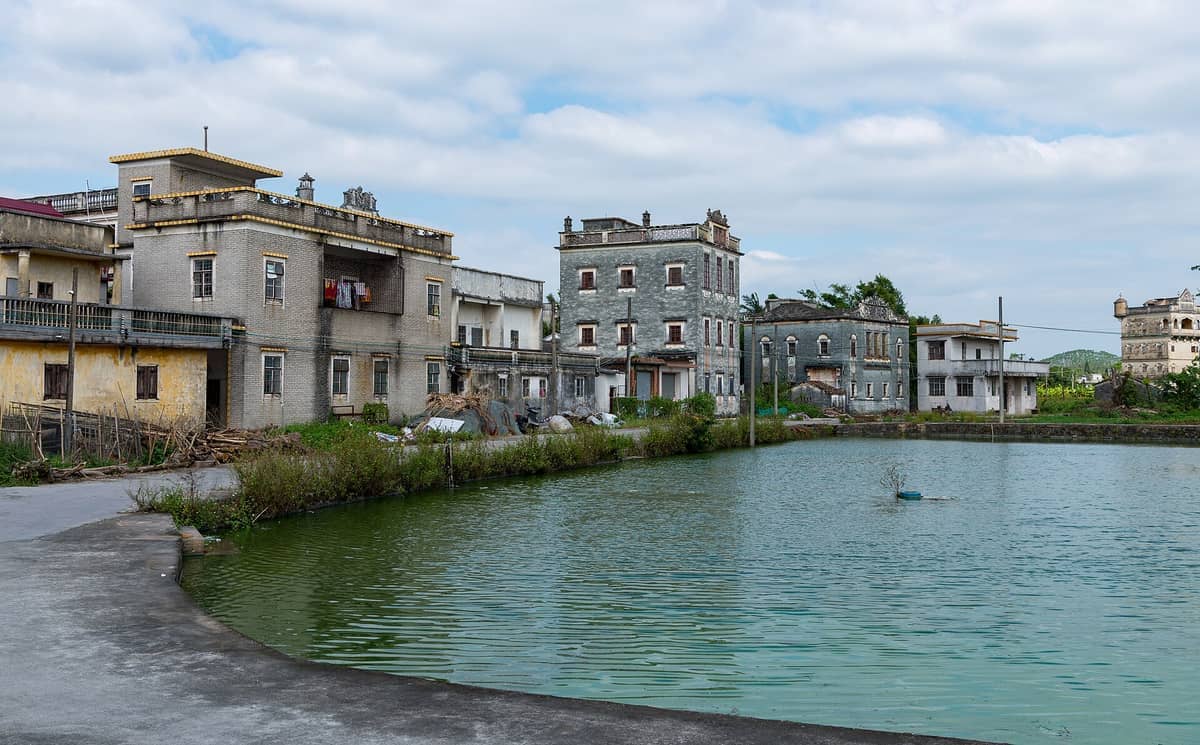
12. Day Trip to the UNESCO-Listed Kaiping Diaolou Watchtower Villages
The Kaiping Diaolou are a UNESCO World Heritage Site: early 20th-century watchtower mansions fusing Chinese and European styles, built by returning emigrants. About two hours from Guangzhou by high-speed rail. Allow a full day; the landscape is unlike anything else in China.
Explore12. Day Trip to the UNESCO-Listed Kaiping Diaolou Watchtower Villages
The Kaiping Diaolou are a UNESCO World Heritage Site: early 20th-century watchtower mansions fusing Chinese and European styles, built by returning emigrants. About two hours from Guangzhou by high-speed rail. Allow a full day; the landscape is unlike anything else in China.
Explore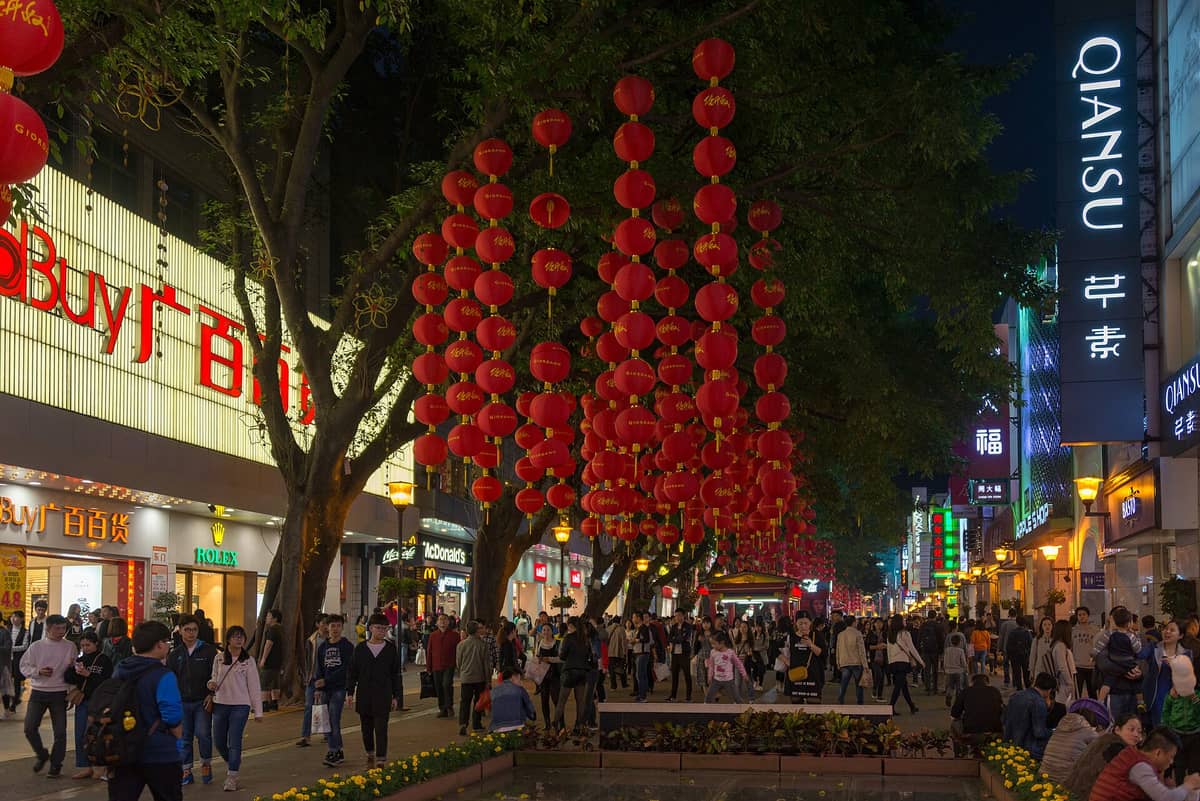
13. Look Down Through Glass at 2,000 Years of Road History on Beijing Road
Glass panels set into the pavement on Beijing Road reveal excavated layers of road surface dating back to the Tang and Song dynasties. It's an easy five-minute stop that packs a genuine historical punch in the middle of a busy shopping street.
Explore13. Look Down Through Glass at 2,000 Years of Road History on Beijing Road
Glass panels set into the pavement on Beijing Road reveal excavated layers of road surface dating back to the Tang and Song dynasties. It's an easy five-minute stop that packs a genuine historical punch in the middle of a busy shopping street.
Explore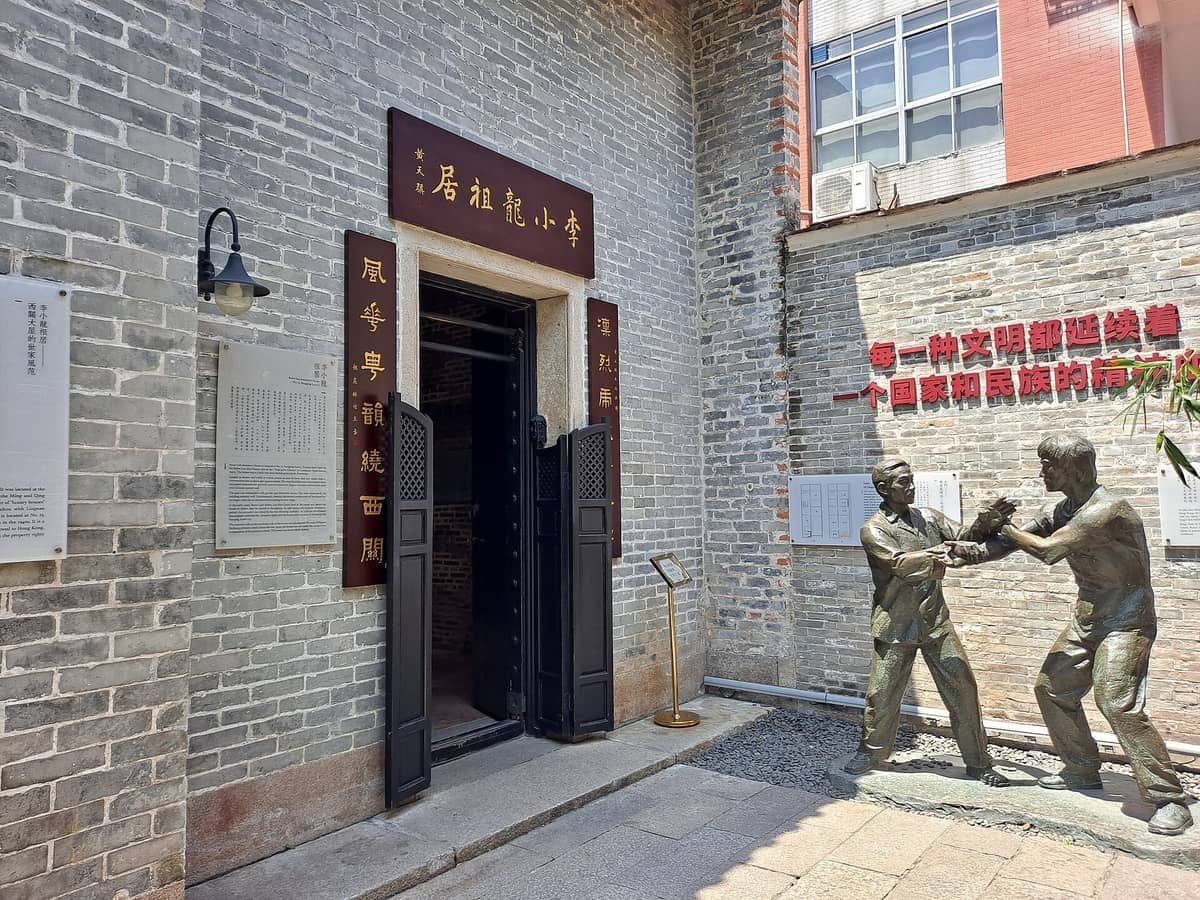
14. Visit Bruce Lee's Ancestral Home Inside Yongqingfang
This small heritage site in the Yongqingfang complex traces Bruce Lee's Cantonese family roots with photos, memorabilia, and background on his grandfather's life in Guangzhou. It's compact and quick, but rewarding for anyone interested in the martial arts icon's origins.
Explore14. Visit Bruce Lee's Ancestral Home Inside Yongqingfang
This small heritage site in the Yongqingfang complex traces Bruce Lee's Cantonese family roots with photos, memorabilia, and background on his grandfather's life in Guangzhou. It's compact and quick, but rewarding for anyone interested in the martial arts icon's origins.
ExploreMemorial & Political History Sites
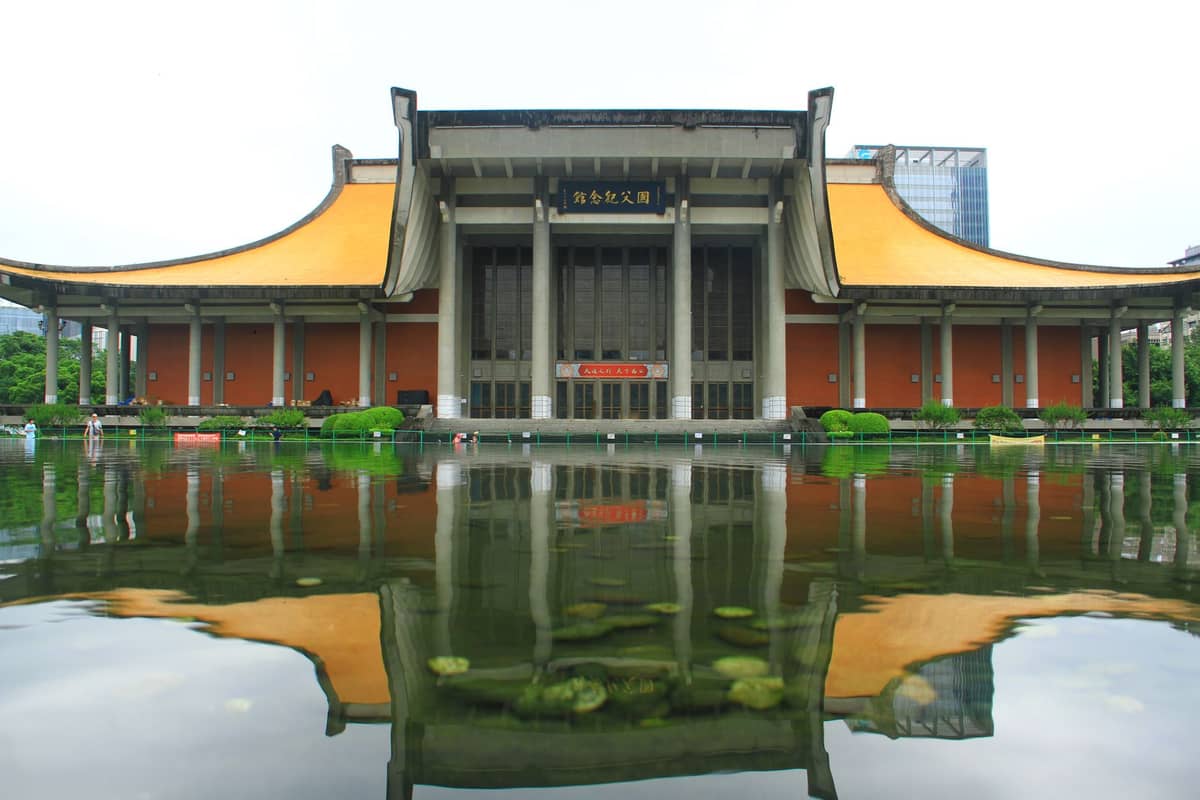
Guangzhou was at the center of China's revolutionary upheaval in the early 20th century, and several memorial sites function as outdoor museums of that era. These work well alongside a broader walking tour of the city focused on historic Yuexiu.
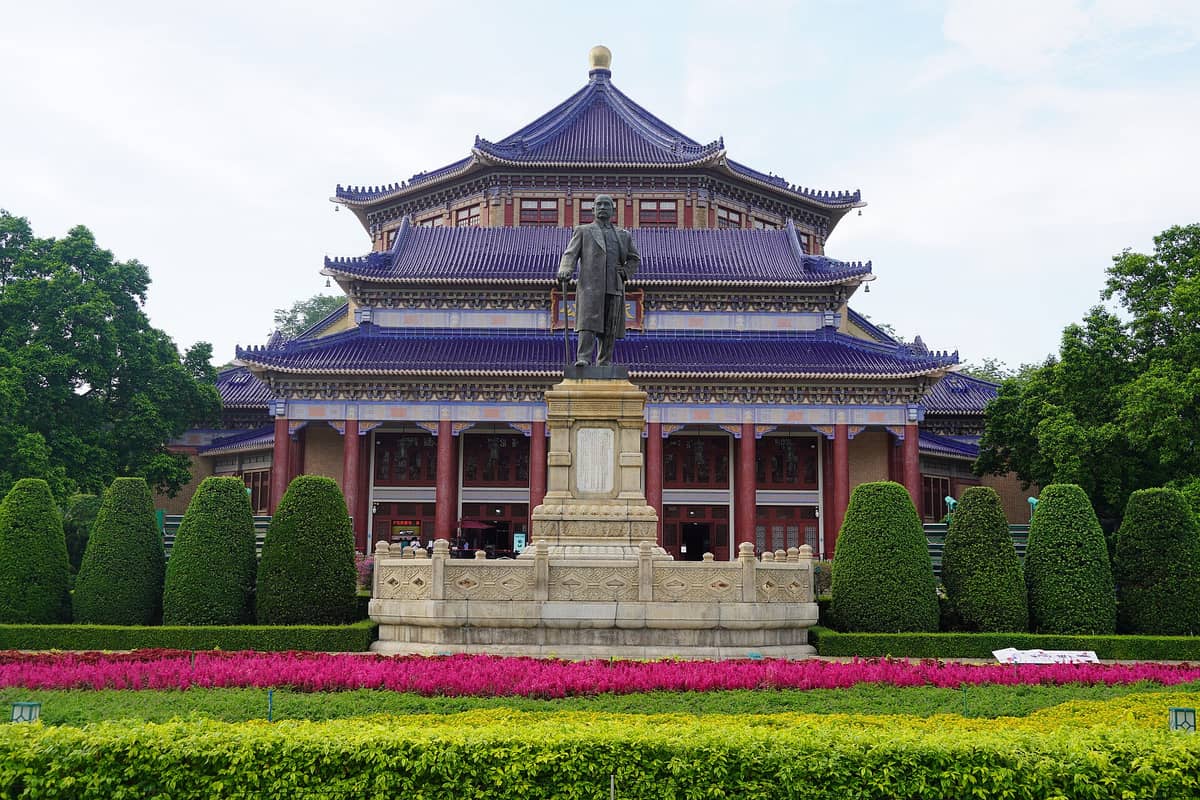
15. Visit the Architectural Tribute to the Father of Modern China
Built in 1931, this grand octagonal hall fuses traditional Chinese palace design with modern engineering and serves as both a museum and performance venue. The formal garden and detailed interior make it one of Guangzhou's most impressive civic buildings. Free to enter the grounds.
Explore15. Visit the Architectural Tribute to the Father of Modern China
Built in 1931, this grand octagonal hall fuses traditional Chinese palace design with modern engineering and serves as both a museum and performance venue. The formal garden and detailed interior make it one of Guangzhou's most impressive civic buildings. Free to enter the grounds.
Explore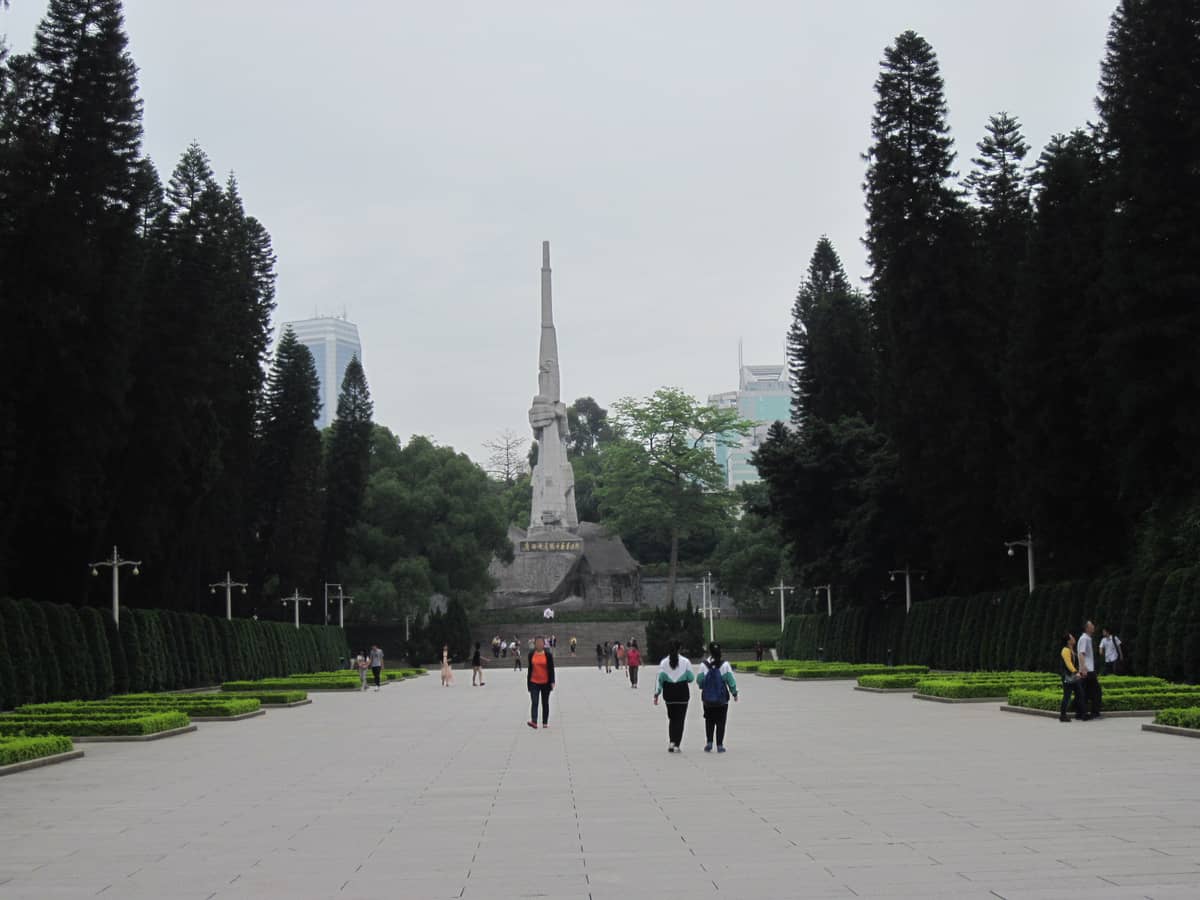
16. Reflect at the Solemn Memorial Garden Commemorating the 1927 Uprising
The Martyrs' Memorial Garden honors those killed in the 1927 Guangzhou Uprising with carefully landscaped grounds, stone monuments, and a museum detailing the Communist movement's early struggles. Quiet and well-maintained, it offers a reflective pause from the city's pace.
Explore16. Reflect at the Solemn Memorial Garden Commemorating the 1927 Uprising
The Martyrs' Memorial Garden honors those killed in the 1927 Guangzhou Uprising with carefully landscaped grounds, stone monuments, and a museum detailing the Communist movement's early struggles. Quiet and well-maintained, it offers a reflective pause from the city's pace.
ExploreArchitecture as Museum: Buildings Worth Visiting for Their Design
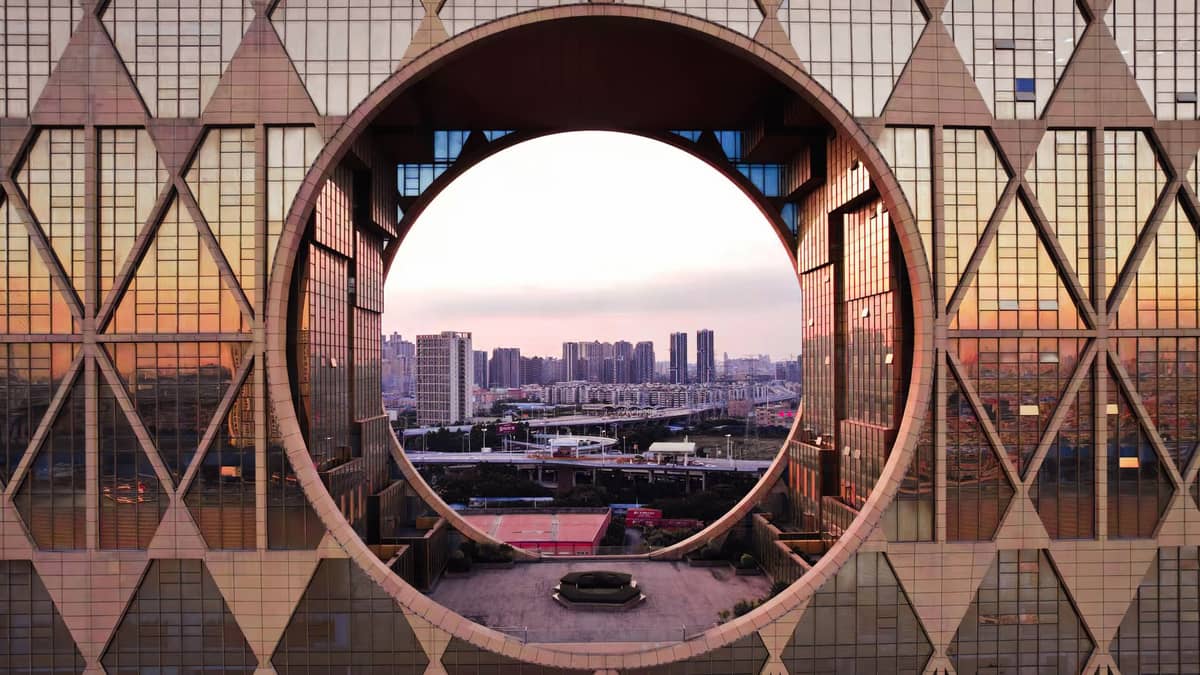
Several of Guangzhou's most important museum experiences are inseparable from the buildings themselves. Guangzhou's architecture spans from ancient pagodas to Zaha Hadid, and the architecture guide goes deeper on the full citywide picture.
17. Explore Traditional Lingnan Garden Design and Folk Art at Baomo Garden
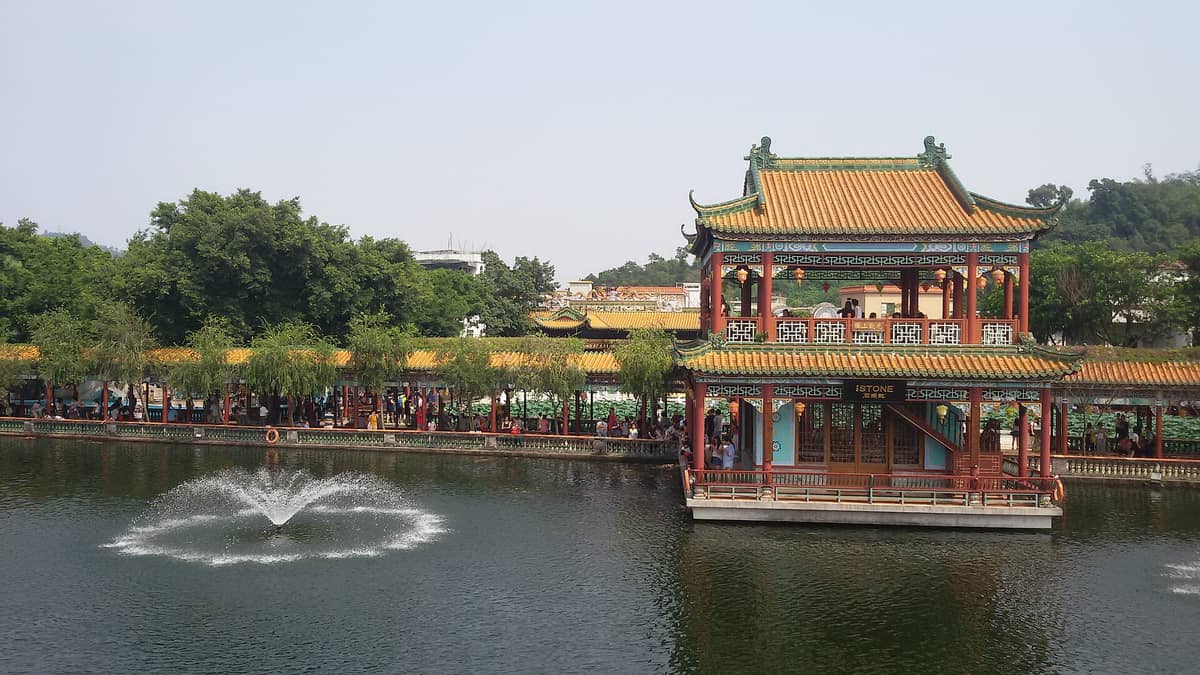
Baomo Garden in Panyu is a privately built classical Cantonese garden with ornate pavilions, rockeries, and a collection of folk art and antiques displayed throughout. The garden design itself is the exhibit. Expect to spend 2 hours walking the grounds.
Explore17. Explore Traditional Lingnan Garden Design and Folk Art at Baomo Garden
Baomo Garden in Panyu is a privately built classical Cantonese garden with ornate pavilions, rockeries, and a collection of folk art and antiques displayed throughout. The garden design itself is the exhibit. Expect to spend 2 hours walking the grounds.
Explore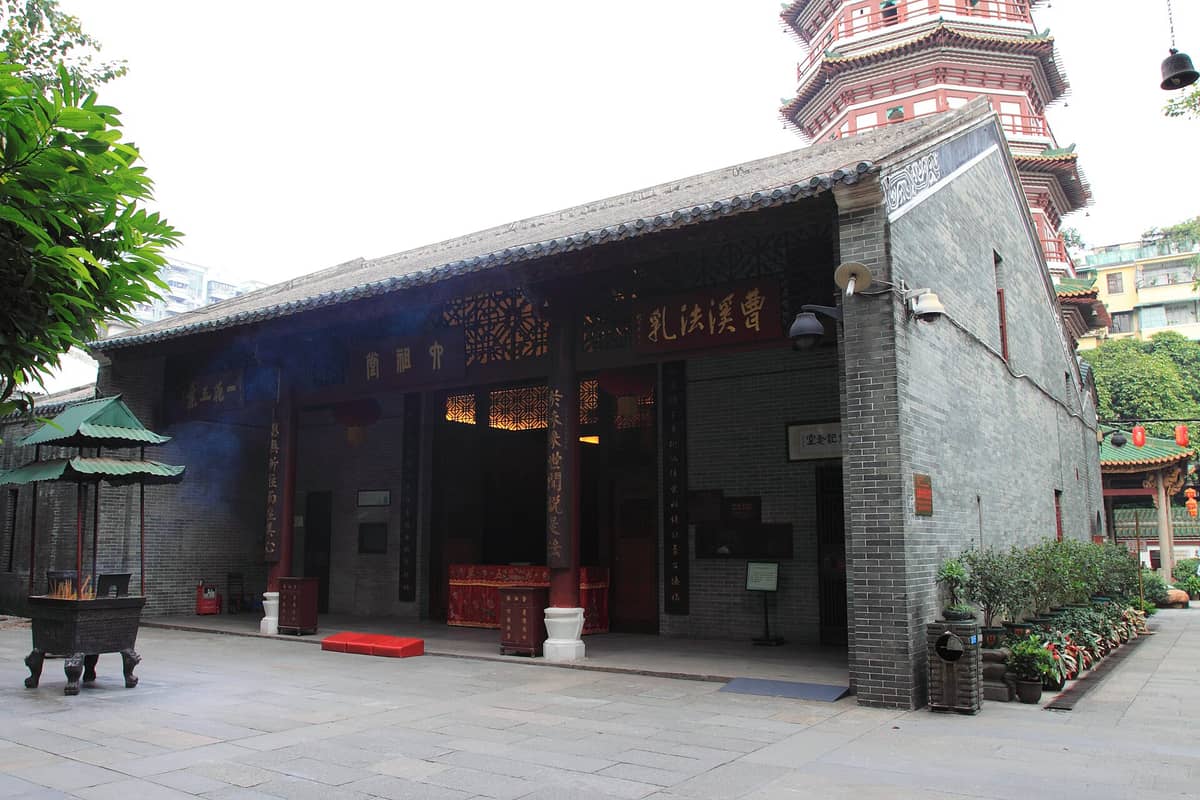
18. Climb the 1,500-Year-Old Flower Pagoda at the Temple of the Six Banyan Trees
Founded in 537 AD, this active Buddhist temple's 17-story Flower Pagoda has anchored Guangzhou's skyline for centuries. The temple complex itself functions as a living museum of Buddhist art and Lingnan religious architecture. Located centrally in Yuexiu.
Explore18. Climb the 1,500-Year-Old Flower Pagoda at the Temple of the Six Banyan Trees
Founded in 537 AD, this active Buddhist temple's 17-story Flower Pagoda has anchored Guangzhou's skyline for centuries. The temple complex itself functions as a living museum of Buddhist art and Lingnan religious architecture. Located centrally in Yuexiu.
Explore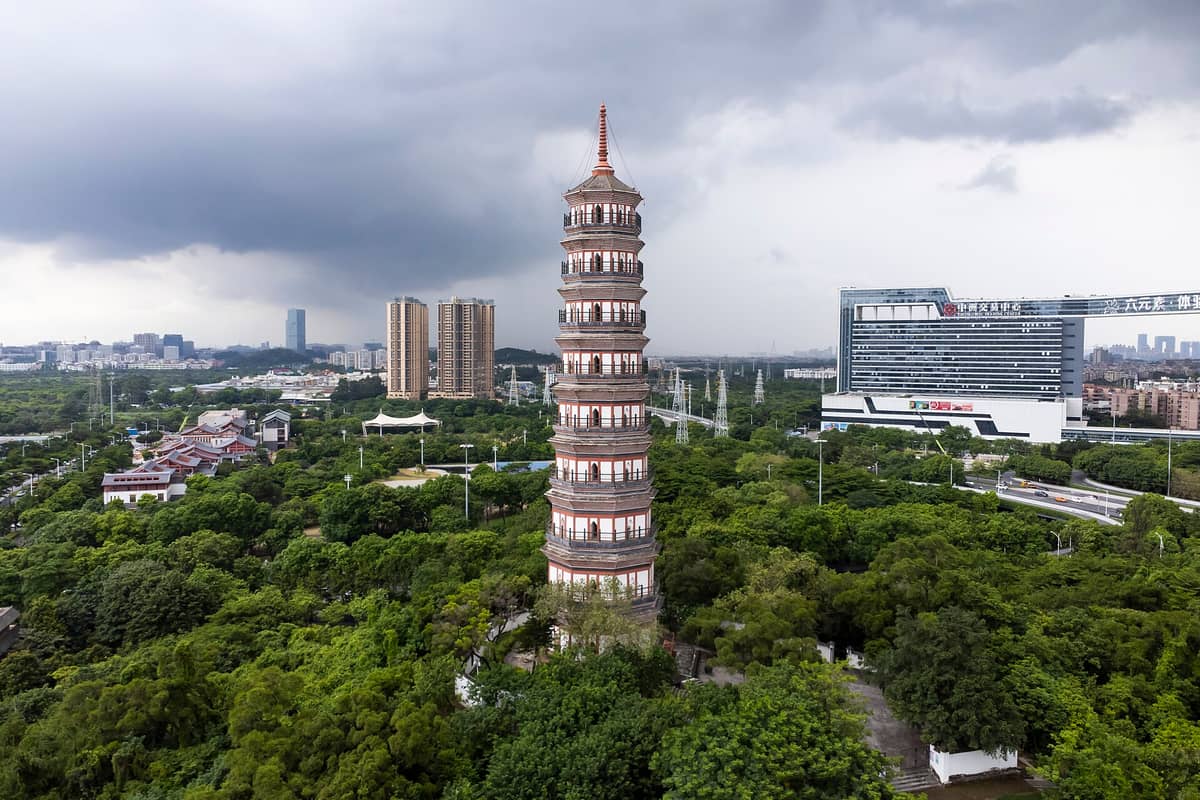
19. Find a Quiet Ming Dynasty Pagoda Hidden Near the Canton Fair Complex
The well-preserved Pazhou Pagoda is one of the few Ming Dynasty structures left standing in the rapidly modernized Pazhou area. It takes 20 minutes to visit and offers a striking contrast to the enormous Canton Fair complex nearby. Easy to combine with a Haizhu trip.
Explore19. Find a Quiet Ming Dynasty Pagoda Hidden Near the Canton Fair Complex
The well-preserved Pazhou Pagoda is one of the few Ming Dynasty structures left standing in the rapidly modernized Pazhou area. It takes 20 minutes to visit and offers a striking contrast to the enormous Canton Fair complex nearby. Easy to combine with a Haizhu trip.
Explore✨ Pro tip
The Chen Clan Ancestral Hall, Guangdong Museum, and Nanyue King Museum are the three institutions most first-timers should prioritize. If time is short, this trio covers folk art, regional culture, and ancient history in roughly half a day each.
FAQ
Are museums in Guangzhou free to enter?
Several major museums are free, including the Guangdong Museum, but most require advance online reservation. Others charge modest admission fees, including the Nanyue King Museum and Guangdong Folk Art Museum. Always check the official website before visiting, as free-admission days fill up quickly.
Which day of the week are Guangzhou museums closed?
Many major museums in Guangzhou are closed on Mondays. A few exceptions exist, but planning your museum days from Tuesday to Sunday is a safe rule. Closing days can change during national holidays, so verify in advance.
How do I book tickets for the Guangdong Museum?
The Guangdong Museum is free but requires a timed-entry reservation made through its official website or WeChat account. Book in advance, and further in advance during public holidays and school breaks when capacity fills quickly.
What is the best area to visit multiple museums in one day?
Yuexiu district is the most museum-dense area. The Zhenhai Tower (Guangzhou Museum), Nanyue King Mausoleum Museum, and Sun Yat-sen Memorial Hall are all close to each other, and Yuexiu Park connects several of them. Add the Chen Clan Ancestral Hall in Liwan for an afternoon extension.
Is the Guangdong Museum worth visiting even if I'm not a museum person?
Yes. The building alone is architecturally spectacular, and the Cantonese ceramics and folk art galleries are accessible and visually engaging without requiring deep background knowledge. Budget 1.5 to 2 hours. The surrounding Flower City Square in Zhujiang New Town is also worth a walk.