Cantonese Opera in Guangzhou: Where to Watch and What to Know
Cantonese opera is one of southern China's most distinctive art forms, and Guangzhou is the best city in the world to experience it. This guide covers the top venues, the essential museum visit, seasonal advice, and practical tips for first-timers and returning visitors alike.
Plan and book this trip
Tools from our partner Travelpayouts help you compare flights and hotels. If you book through them, we may earn a commission at no extra cost to you.
Flights
Hotels map
TL;DR
- Cantonese opera (粤剧, Yuèjù) is a UNESCO-recognized art form performed in the Cantonese dialect, distinct from Peking opera in both style, language, and regional roots.
- The Cantonese Opera Art Museum in Liwan District is the best cultural starting point: free admission, open Tuesday to Sunday, 9:00 AM to 5:00 PM.
- Major performance venues include the Guangdong Cantonese Opera Art Center, Jiangnan Grand Theatre, and the historic Southern Theatre, along with other Cantonese opera venues in the city.
- Autumn and winter (October to February) are the most comfortable seasons for attending performances, especially outdoor courtyard shows.
- Book tickets through venue box offices or major Chinese ticketing platforms; check official venue channels for current showtimes as schedules change frequently.
What Is Cantonese Opera? A Quick Cultural Primer
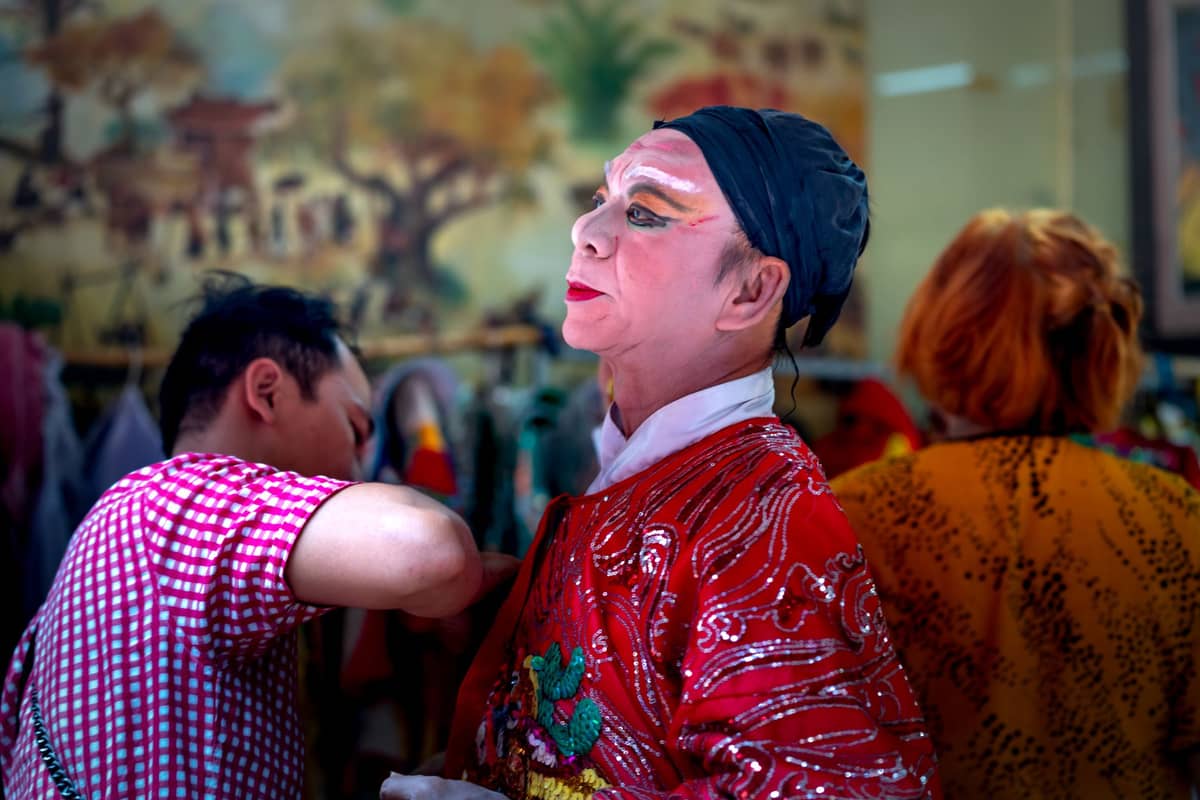
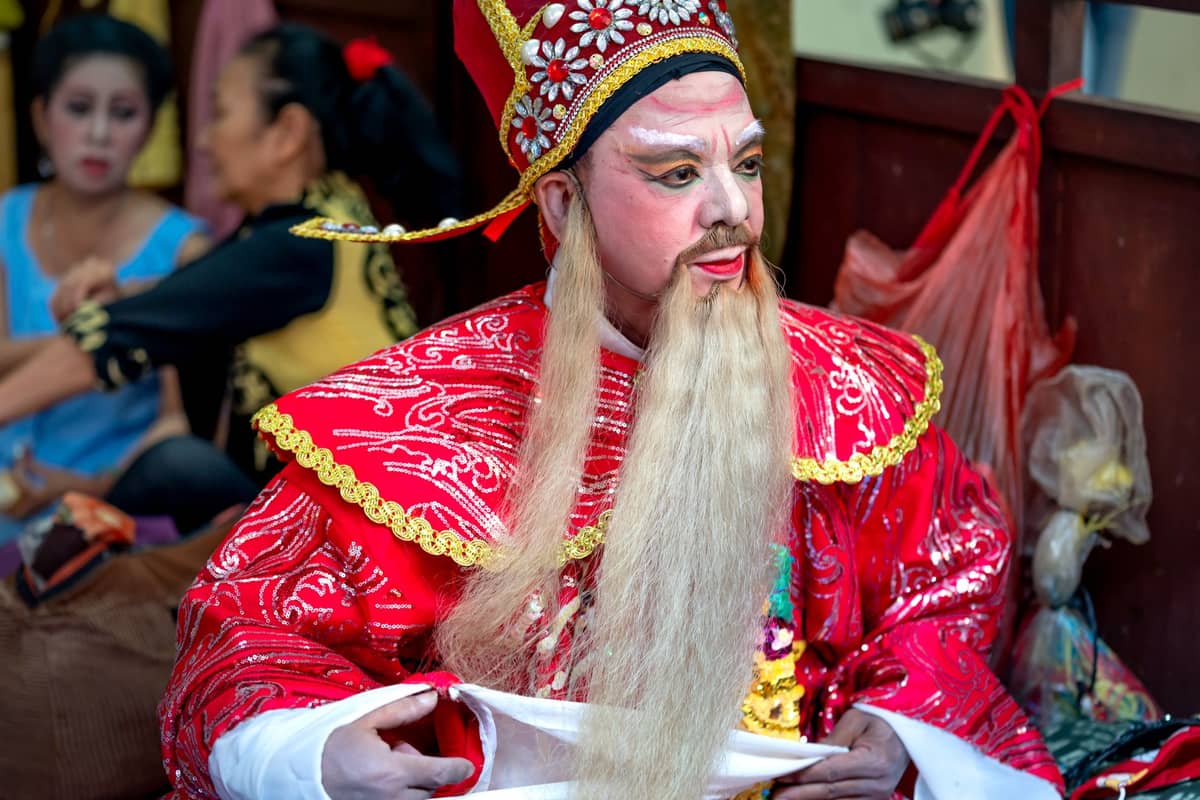
Cantonese opera, known in Chinese as 粤剧 (Yuèjù), is a traditional performing art rooted in Guangdong Province and performed in the Cantonese dialect. It weaves together singing, stylized recitation, acting, acrobatics, and martial arts sequences into a single theatrical form. Costumes are elaborate, face paint conveys character type and moral standing, and the musical accompaniment blends wind, string, and percussion instruments into a sound quite unlike anything in northern Chinese theatrical traditions.
The form has been recognized both as part of China's national intangible cultural heritage and as a UNESCO Intangible Cultural Heritage of Humanity. That recognition matters for visitors: you are not watching a tourist recreation. Cantonese opera is still performed regularly for local audiences, still taught in conservatories, and still debated and contested by practitioners who care deeply about its future. The audience at a serious performance will be predominantly local, often older, and thoroughly engaged.
ℹ️ Good to know
Cantonese opera is not Peking opera. Peking opera (京剧, Jīngjù) is a northern tradition performed in Mandarin with a different musical system, vocal style, and movement vocabulary. If you have seen Peking opera and expect the same experience, you will notice significant differences in tempo, sound, and staging conventions.
The Cantonese Opera Art Museum: Start Here
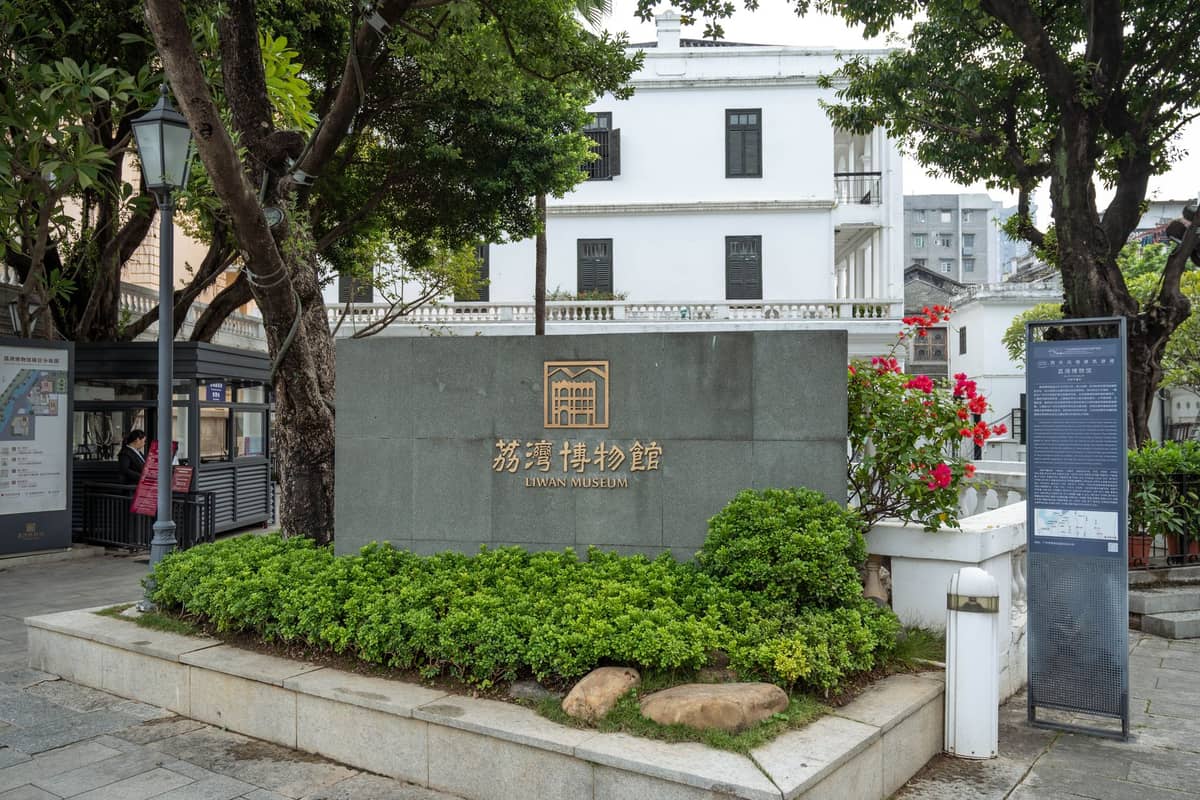
Before attending a live performance, a visit to the Cantonese Opera Art Museum in Liwan District is strongly recommended. The museum occupies a beautifully constructed complex of traditional Lingnan-style architecture: carved wooden screens, open courtyards, and covered walkways that create a setting appropriate to the art form it celebrates.
The permanent collection covers the history of Cantonese opera from its origins through its contemporary forms, with displays of historic costumes, props, musical instruments, and archival photography. Dioramas and video installations explain performance conventions that would otherwise be opaque to uninitiated viewers, such as why specific face-paint colors signal specific character types, or how hand gestures carry narrative meaning.
- Opening hours Tuesday to Sunday, 9:00 AM to 5:00 PM. Closed Mondays.
- Admission Free. Walk-in access is generally available; no advance booking required for standard entry.
- Location Liwan District, accessible via Guangzhou Metro. The surrounding Enning Road area has well-preserved Lingnan shophouse architecture worth exploring before or after your visit.
- Time needed Allow 1.5 to 2.5 hours for a thorough visit. The courtyard areas are pleasant for lingering.
💡 Local tip
The museum sometimes hosts live demonstrations or small-scale performances in its courtyard spaces, particularly on weekends and during cultural festival periods. Check the museum's official WeChat account or official website for current schedules before your visit, as these events are not always listed on third-party platforms.
Where to Watch Cantonese Opera in Guangzhou
Guangzhou has several dedicated venues for Cantonese opera, ranging from purpose-built modern theaters to historic performance spaces. Each has a different character, audience, and programming approach.
- Guangzhou Cantonese Opera House (广州粤剧院) The primary institutional home of Cantonese opera in the city, staging major productions throughout the year. This is the place for full-scale, high-production-value performances with established troupes. Ticket prices vary widely by production and seating tier; check the venue box office or official online channels.
- Guangdong Cantonese Opera Art Center (广东粤剧艺术中心) A significant regional venue programming both classical repertoire and newer Cantonese opera works. Attracts productions from across Guangdong Province, not just city-based troupes.
- Jiangnan Grand Theatre (江南大戏院) A larger multipurpose theater that includes Cantonese opera in its regular programming alongside other performing arts. Good for catching mid-scale productions in a comfortable modern venue.
- Southern Theatre (南方剧院) One of Guangzhou's historic theater spaces with a long association with Cantonese performing arts. The programming can be more varied, and the atmosphere is different from modern venues.
- Park and community venues Yuexiu Park and various district cultural centers host open-air or semi-formal Cantonese opera sessions, particularly during public holidays and major festivals. These are informal, free or very low cost, and give a completely different experience from ticketed professional performances.
For context on the broader cultural geography of the city, Yuexiu District and Liwan are the historic cores of Cantonese cultural life in Guangzhou. Both districts have higher concentrations of traditional opera venues, tea houses where informal performances sometimes occur, and the kind of older neighborhood fabric where the art form still has an everyday presence rather than being confined to formal institutions.
When to Go: Seasonal and Festival Timing
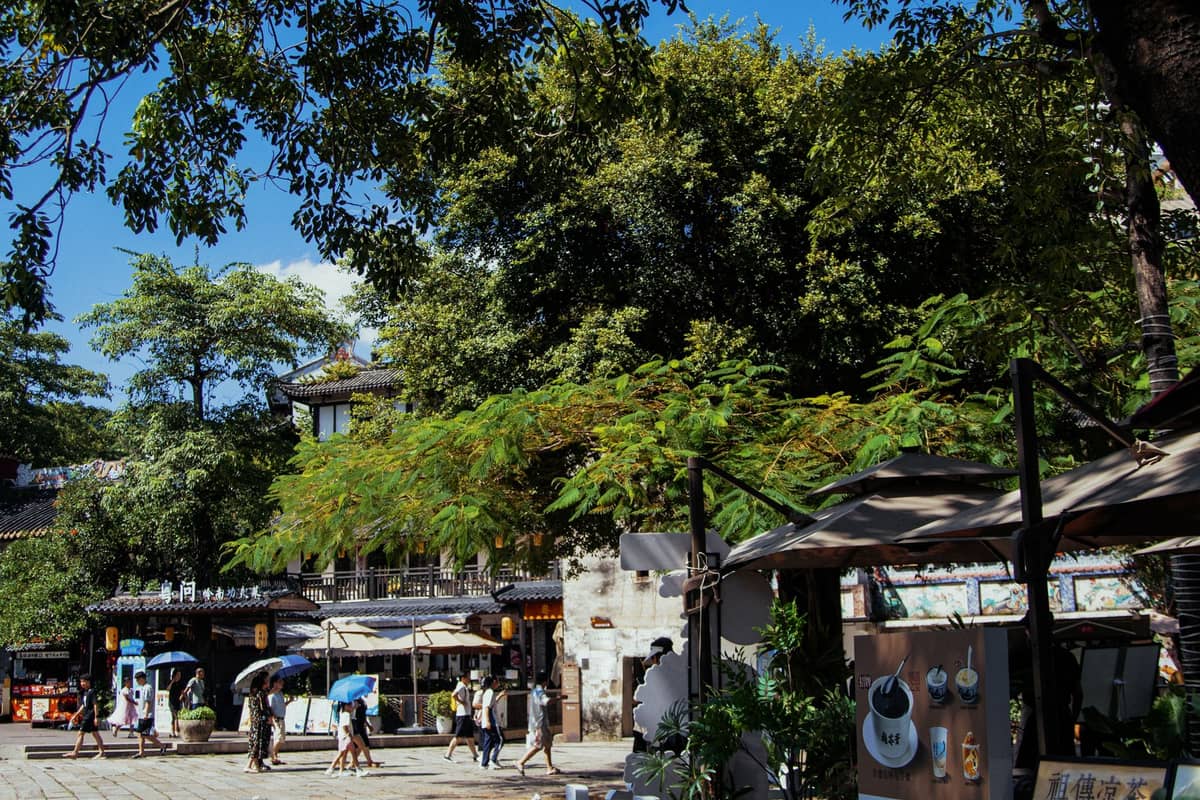
Guangzhou's climate has a real effect on the Cantonese opera calendar. The city sits in a humid subtropical zone: summers (June through August) are hot and heavy with humidity, which makes outdoor performances uncomfortable and affects attendance. The most active performance season runs from October through April, when cooler, drier conditions make indoor and especially outdoor courtyard venues far more pleasant.
Festival periods bring elevated programming. The Chinese New Year period (late January to mid-February depending on the lunar calendar) is one of the highest-profile times for Cantonese opera performances, with special productions and gala events at major venues. The Mid-Autumn Festival and National Golden Week (early October) also generate concentrated programming.
If you are planning a trip specifically around Cantonese opera, autumn is the ideal season: weather is mild, programming is strong, and the city itself is at its most comfortable for walking between venues and exploring the cultural districts. See the Guangzhou in autumn guide for broader seasonal context.
⚠️ What to skip
Performance schedules in Chinese theaters are not always updated on international ticketing platforms. Relying solely on apps like Trip.com or Klook for Cantonese opera showtimes risks missed or outdated listings. Always verify directly with the venue's official WeChat account, official website, or by phone before making travel plans around a specific production.
Practical Tips for First-Time Viewers
Cantonese opera performances can run two to four hours for a full program, sometimes longer for major classical works. If you are new to the form, this is a lot to absorb without context. The museum visit described above helps considerably, but you should also go in with calibrated expectations: you are not expected to understand every lyric or follow every plot point. The visual spectacle, the vocal techniques, and the theatrical conventions are rewarding on their own terms even without linguistic comprehension.
Surtitles (supertitles) in Chinese are standard at most venues, and some productions at larger venues include English surtitles, though this is not guaranteed. If English surtitles are important to you, contact the venue directly before booking. At community or informal performances, there will typically be no surtitles at all.
- Arrive early to examine the program notes and get settled; audiences at formal venues are generally quiet and attentive during performances.
- Dress neatly but not formally for most venues; major theaters appreciate smart-casual attire, while park performances are entirely casual.
- Photography and video policies vary by venue and production; when in doubt, follow the lead of the local audience.
- Tickets for popular productions at major venues can sell out, particularly during festival periods. Book several days in advance through the venue box office or official online channels.
- If your budget is tight or you want a low-commitment introduction, attend a free community performance at a park or cultural center before committing to a ticketed show.
Cantonese opera pairs naturally with a broader exploration of traditional Guangzhou culture. The Chen Clan Ancestral Hall nearby in Liwan District is another showcase of Lingnan decorative arts and worth combining with a museum visit. For a complete picture of traditional performing arts in the Lingnan region, the Guangzhou walking tours guide covers routes through the districts where this cultural heritage is most concentrated.
Cantonese Opera Beyond the Theater
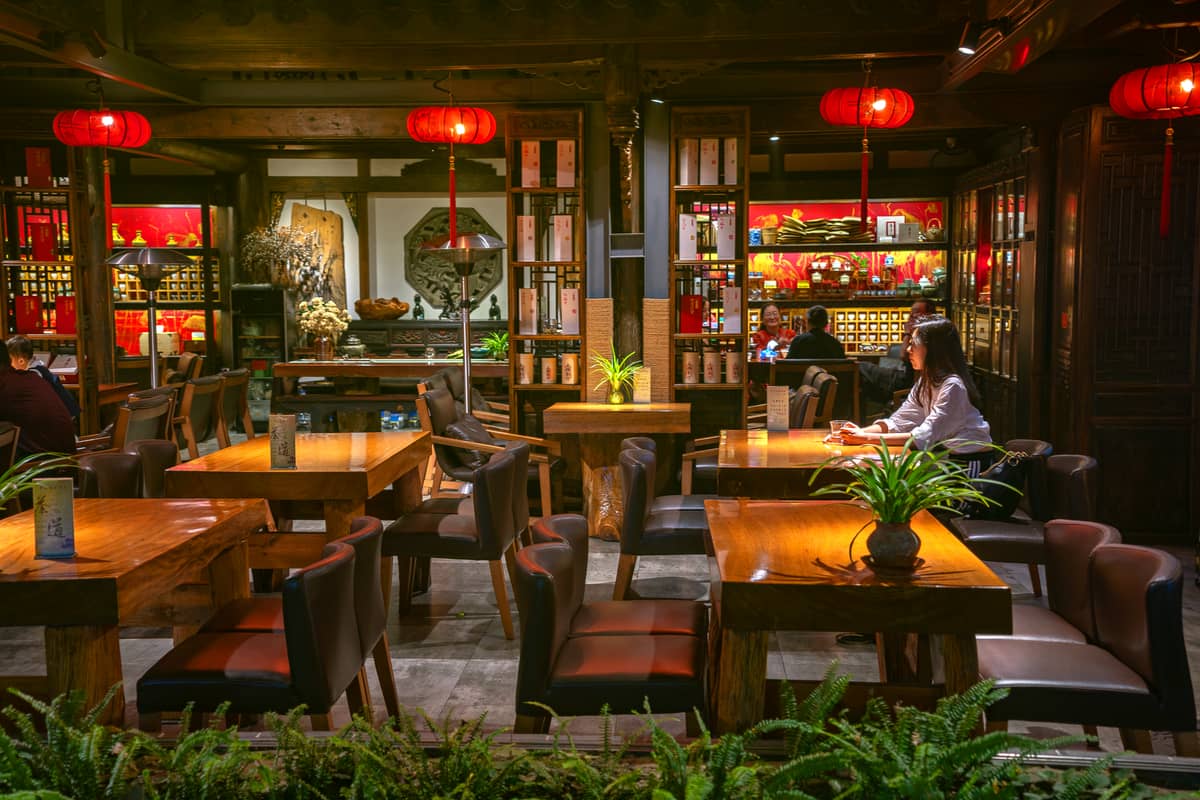
Cantonese opera in Guangzhou is not confined to formal theater buildings. Tea house performances, sometimes called 'tea theater' (茶座) events, are a traditional way of experiencing the art form in a more relaxed social setting, though these are less common today than they were decades ago. Some upscale Cantonese restaurants in older neighborhoods still host occasional cultural evenings with live opera segments, particularly around major festivals.
Community amateur troupes (自娱自乐) are a living part of Cantonese opera culture. In parks, particularly early mornings or on weekend afternoons, you will sometimes encounter amateur singers performing for themselves and passers-by, accompanied by a small ensemble of musicians. This grassroots practice is one of the most genuine expressions of how deeply embedded Cantonese opera remains in local identity, separate from its institutional life. Yuexiu ParkLiwan Lake Park is one of the places where this kind of informal activity is most likely to be encountered.
For visitors interested in the broader intangible cultural heritage of Guangzhou, the Guangzhou museums guide covers additional institutions where traditional arts and local history are documented, and the Guangzhou temples guide touches on the ceremonial occasions that have historically been major contexts for opera performances in Guangdong.
FAQ
Do I need to speak Cantonese to enjoy a Cantonese opera performance?
No, though it helps with following the plot. The visual elements, costumes, acrobatics, and musical performance are rewarding regardless of language ability. Larger venues sometimes provide Chinese surtitles, and a small number of productions include English surtitles. Visiting the Cantonese Opera Art Museum before your first performance will give you enough context to follow the broad dramatic arc of most classical works.
How much do Cantonese opera tickets cost in Guangzhou?
Prices vary considerably by venue, production, and seating tier. Community or park performances are typically free. Tickets for mid-scale professional productions at venues like Jiangnan Grand Theatre often range from around 80 to 300 CNY. Major productions at the Guangzhou Cantonese Opera House or Guangdong Cantonese Opera Art Center can go higher for premium seating. Always check the current pricing directly with the venue, as prices change by production.
Is the Cantonese Opera Art Museum worth visiting even if I'm not interested in opera?
Yes, for most visitors to Guangzhou. The museum building itself, built in traditional Lingnan architectural style with carved woodwork and open courtyards, is architecturally significant. The exhibits on costume, props, and performance history are accessible and well-presented. It is free to enter and is conveniently located in the Liwan District near other traditional cultural sites, making it easy to include in a broader itinerary.
What is the best time of year to see Cantonese opera in Guangzhou?
October through April is the main performance season, with the richest programming and most comfortable conditions. The Chinese New Year period (late January to mid-February) and the weeks around the Mid-Autumn Festival are particularly strong for special and gala productions. Avoid trying to attend outdoor or courtyard performances in July and August, when heat and humidity make them significantly less pleasant.
Is Cantonese opera the same as Cantonese cuisine?
They share a regional identity rooted in Guangdong Province and the Cantonese-speaking world, but they are completely separate traditions. Cantonese opera (粤剧) is a performing art; Cantonese cuisine refers to the cooking traditions of Guangdong, including dishes like dim sum. Guangzhou is a world-class destination for both, and combining a cultural evening of opera with a serious Cantonese meal is one of the better ways to experience the city's cultural depth.