Best Temples in Guangzhou: Buddhist, Taoist, and Beyond
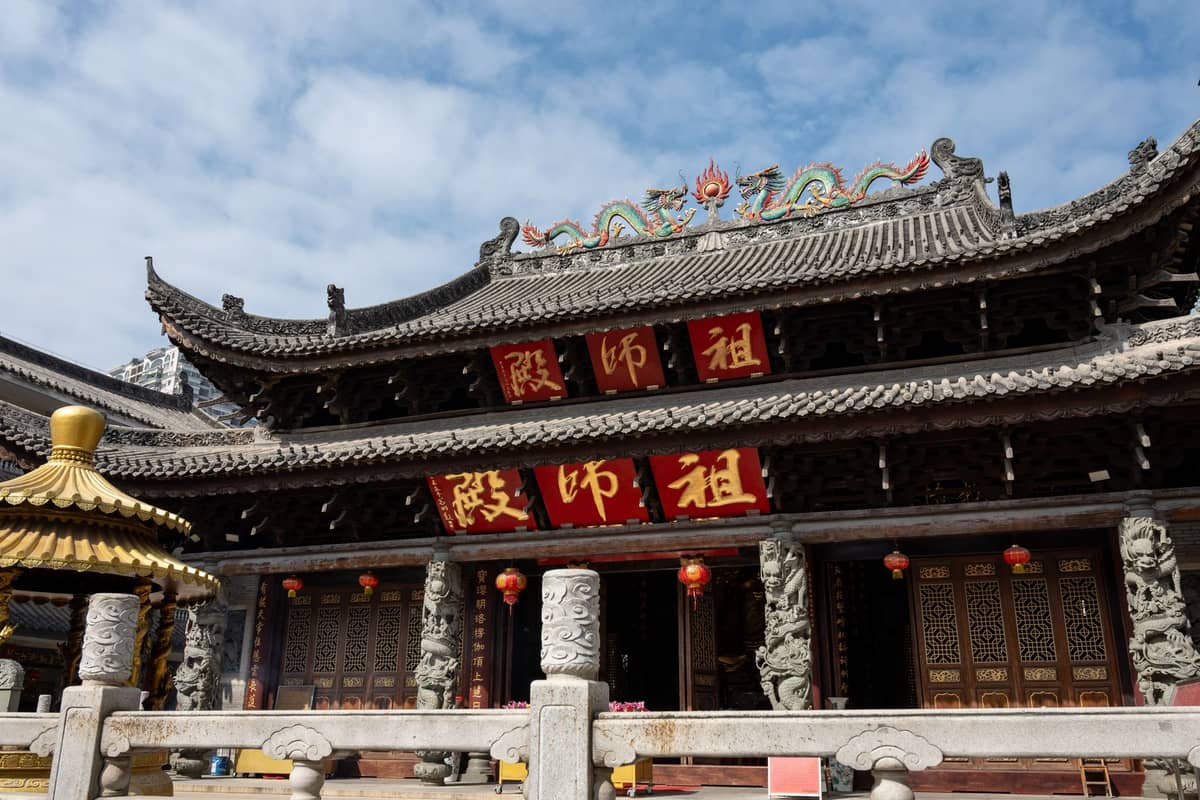
Guangzhou has been a city of traders, pilgrims, and believers for over two thousand years, and its temples reflect every strand of that history. This guide covers the finest Buddhist, Taoist, Islamic, and colonial Christian sites in the city, from ancient pagodas in Yuexiu to a spectacular Mazu complex on the Pearl River Delta.
Plan and book this trip
Tools from our partner Travelpayouts help you compare flights and hotels. If you book through them, we may earn a commission at no extra cost to you.
Flights
Hotels map
Guangzhou's sacred sites span an extraordinary range of faiths and eras. The city's religious heritage is rooted in Buddhism and Taoism, with temples dating back to the 4th and 6th centuries, but it also encompasses one of the world's oldest mosques, Gothic cathedrals built by French missionaries, and a colossal Mazu complex drawing pilgrims from across southern China and Southeast Asia. For a broader view of the city's historic districts where most of these sites cluster, the Guangzhou walking tours guide is a useful companion. If you're planning a full itinerary, the 3 days in Guangzhou guide pairs well with the temples listed here. Dress modestly when visiting active places of worship, remove shoes where indicated, and arrive on weekday mornings to avoid weekend crowds.
💡 Local tip
Not all Guangzhou temples are free. Guangxiao Temple charges a small entry fee (reported at CNY 5), while the Temple of the Six Banyan Trees also charges an admission fee. Always verify admission prices at the gate as they can change.
Ancient Buddhist Temples
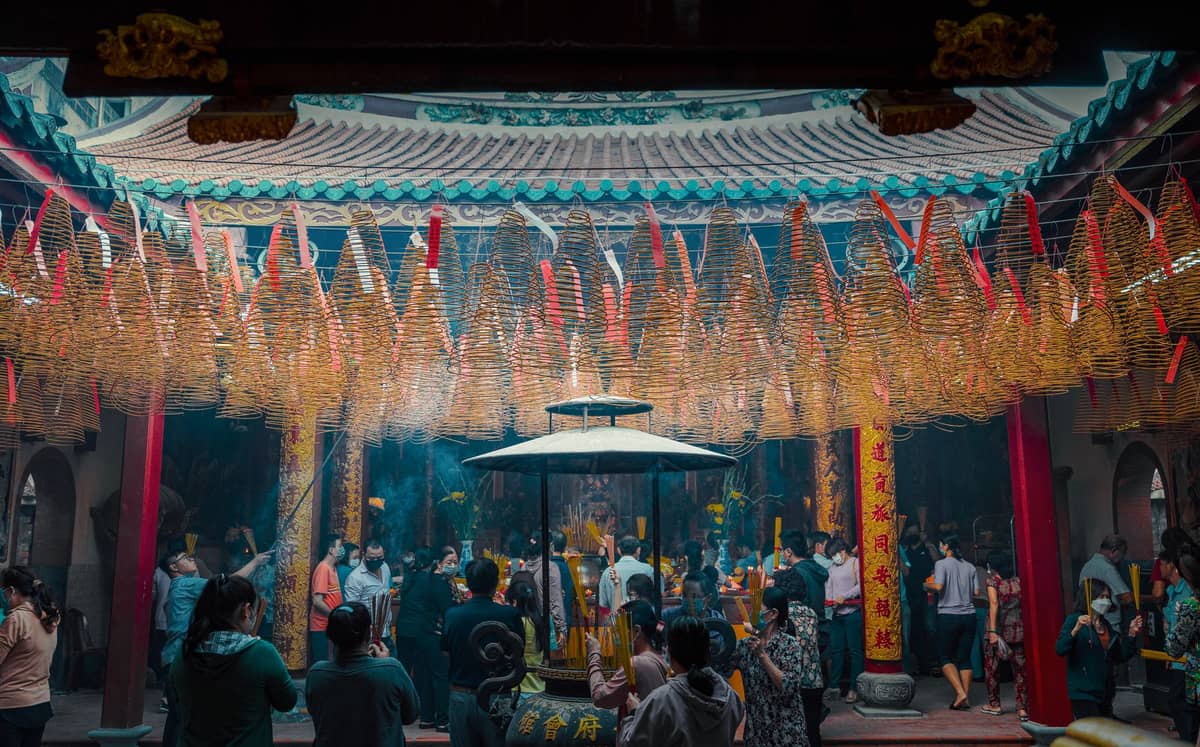
Guangzhou's Buddhist heritage is concentrated in Yuexiu District, where several temples have been continuously active for over a thousand years. These are working monasteries as much as heritage sites: incense burns through the morning, monks conduct rituals, and devotees come to pray rather than pose for photographs. The two temples below are the most historically significant Buddhist sites in the city and deserve at least half a day between them.
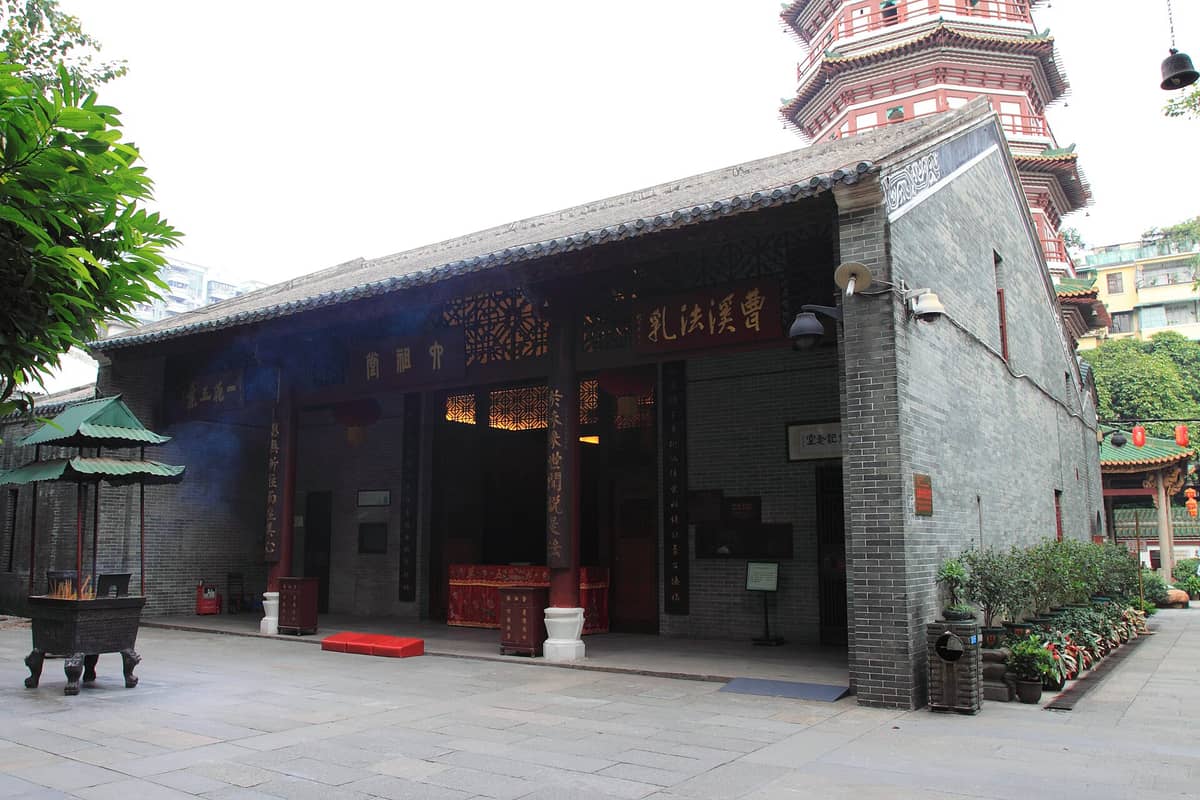
1. Visit Guangzhou's Oldest Buddhist Pagoda at the Temple of the Six Banyan Trees
Founded in AD 537, this temple is crowned by the 57.6-meter Flower Pagoda, an octagonal tower that has anchored Guangzhou's skyline for centuries. Entry is free, morning chanting happens on weekdays, and the surrounding courtyards are serene despite the central location.
Explore1. Visit Guangzhou's Oldest Buddhist Pagoda at the Temple of the Six Banyan Trees
Founded in AD 537, this temple is crowned by the 57.6-meter Flower Pagoda, an octagonal tower that has anchored Guangzhou's skyline for centuries. Entry is free, morning chanting happens on weekdays, and the surrounding courtyards are serene despite the central location.
Explore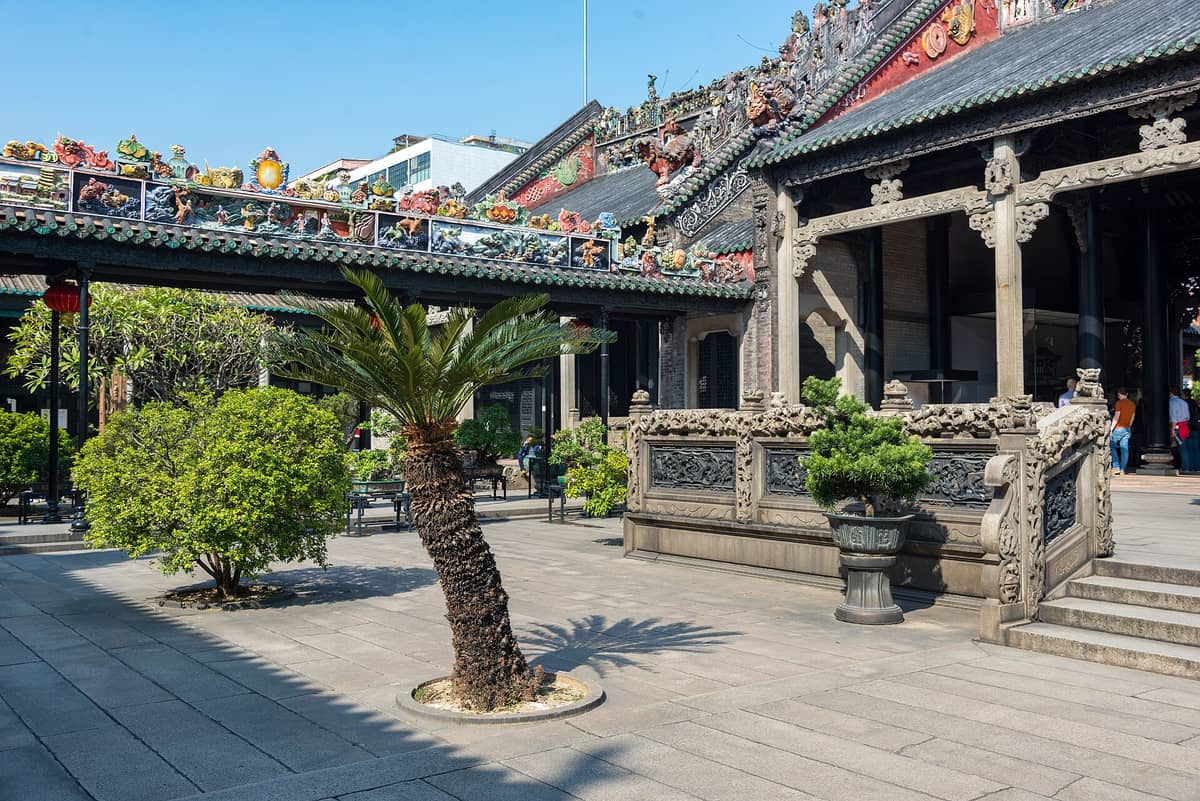
2. Marvel at the Ceramic Rooflines of the Chen Clan Ancestral Hall
Though technically an ancestral hall rather than a temple, this 1894 Lingnan masterpiece functions as a sacred civic space, its rooflines packed with thousands of ceramic figures depicting Buddhist and Taoist mythology. It now houses the Guangdong Folk Art Museum. Allow 90 minutes.
Explore2. Marvel at the Ceramic Rooflines of the Chen Clan Ancestral Hall
Though technically an ancestral hall rather than a temple, this 1894 Lingnan masterpiece functions as a sacred civic space, its rooflines packed with thousands of ceramic figures depicting Buddhist and Taoist mythology. It now houses the Guangdong Folk Art Museum. Allow 90 minutes.
ExploreTaoist & Folk Religion Sites
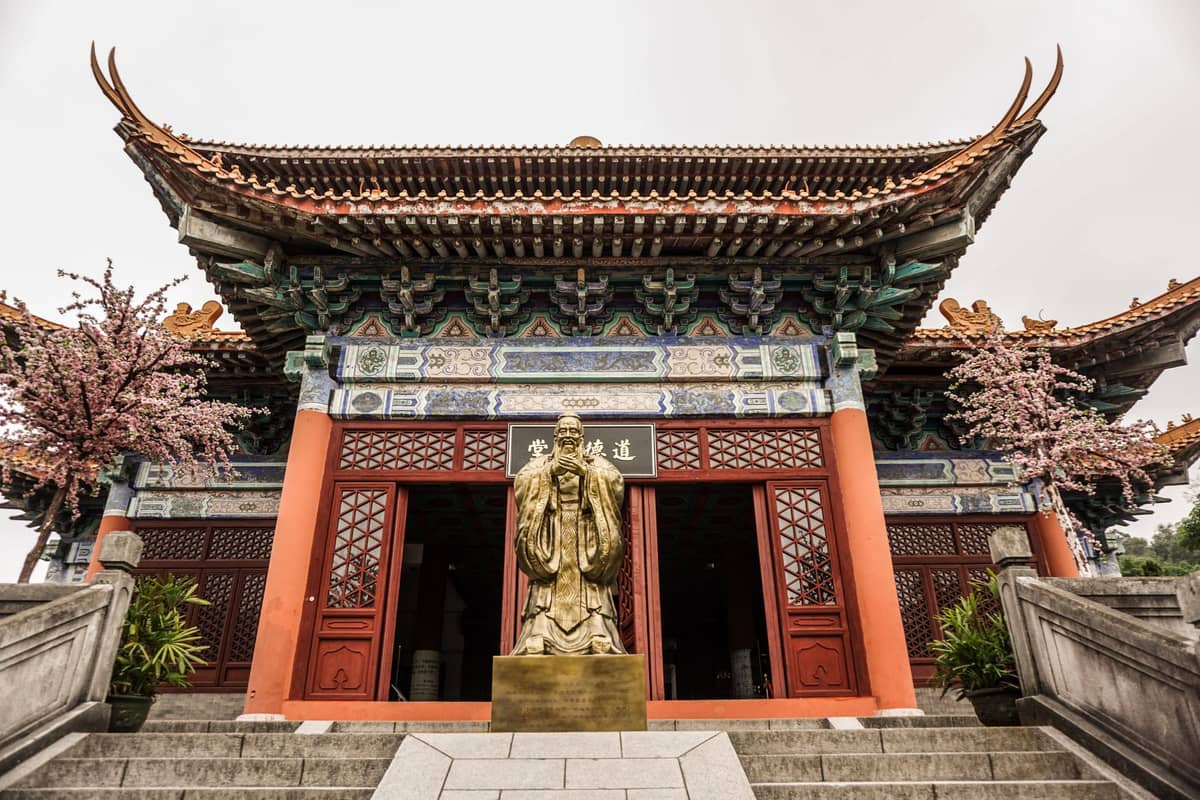
Taoism and Cantonese folk religion are deeply woven into everyday life in Guangzhou. The temples in this section range from a quiet incense-filled sanctuary in the old city to a dramatic hillside complex on the Pearl River Delta. The Guangzhou first-timer guide covers which neighborhoods to base yourself in when visiting these sites.
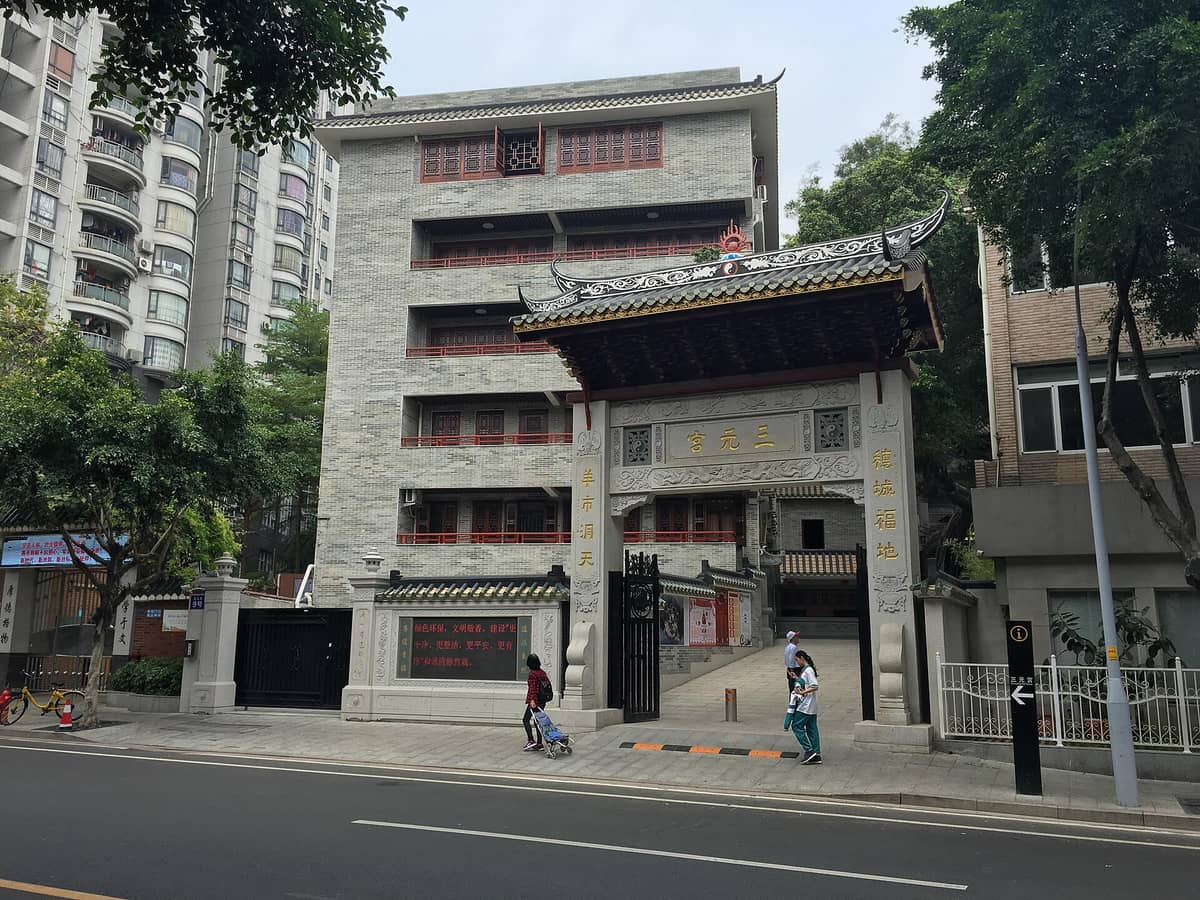
3. Step Inside Guangzhou's Most Atmospheric Taoist Temple at Sanyuan Palace
One of the city's oldest Taoist temples, Sanyuan Palace is dedicated to the Three Primordials of Taoist cosmology. The halls fill with incense smoke from early morning, making it one of the most genuinely atmospheric religious spaces in Guangzhou. Weekday visits are far quieter than weekends.
Explore3. Step Inside Guangzhou's Most Atmospheric Taoist Temple at Sanyuan Palace
One of the city's oldest Taoist temples, Sanyuan Palace is dedicated to the Three Primordials of Taoist cosmology. The halls fill with incense smoke from early morning, making it one of the most genuinely atmospheric religious spaces in Guangzhou. Weekday visits are far quieter than weekends.
Explore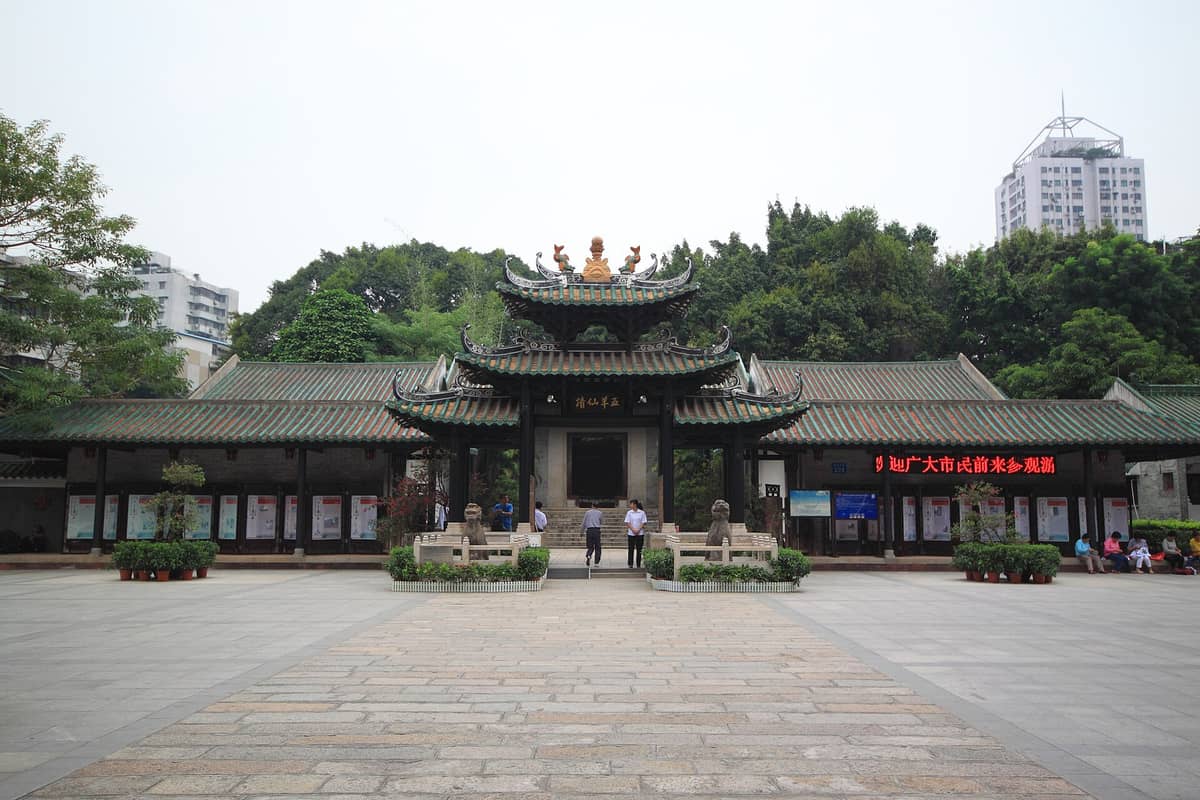
4. See the Rock Carved by a God at the Temple of the Five Immortals
This temple commemorates Guangzhou's founding myth: five celestial beings descending on rams to bring rice to the people. The highlight is a massive footprint carved into a rock, said to belong to one of the immortals. The courtyard also houses a famous ancient bell.
Explore4. See the Rock Carved by a God at the Temple of the Five Immortals
This temple commemorates Guangzhou's founding myth: five celestial beings descending on rams to bring rice to the people. The highlight is a massive footprint carved into a rock, said to belong to one of the immortals. The courtyard also houses a famous ancient bell.
Explore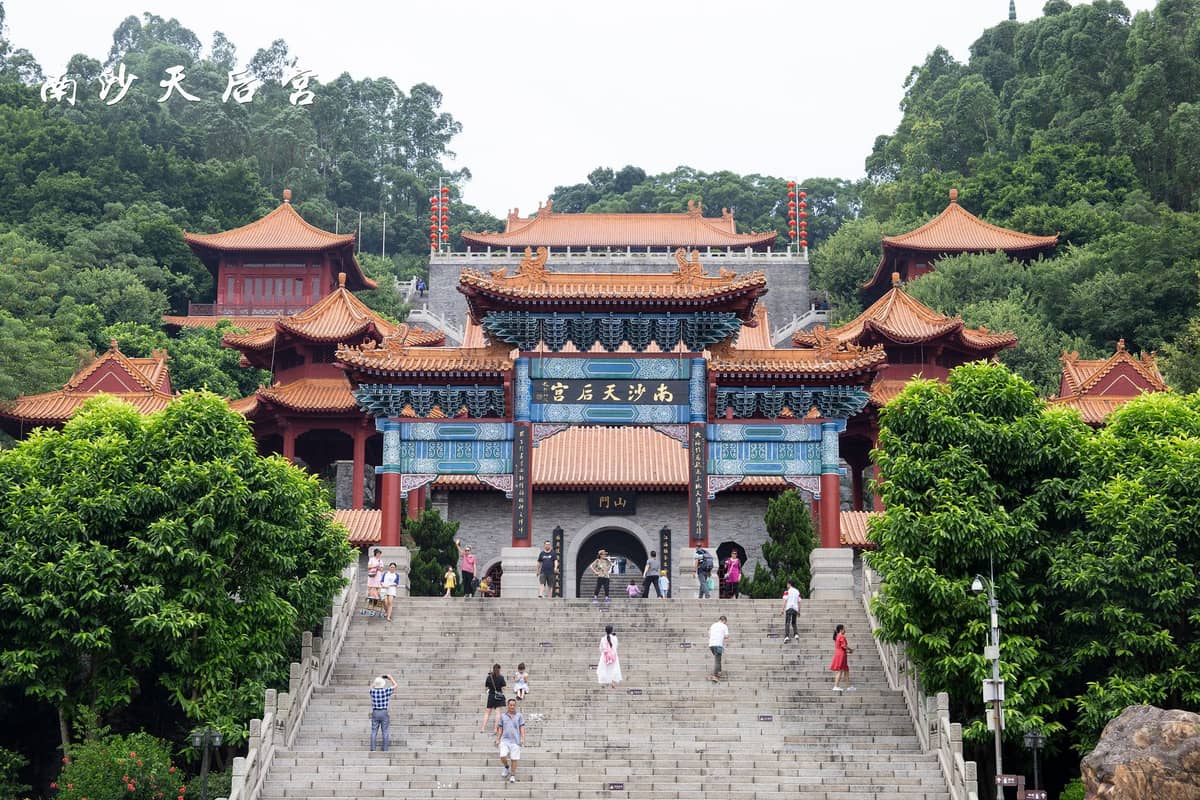
5. Make a Pilgrimage to the Largest Mazu Temple in Southern China
The Nansha Tianhou Palace is one of the world's largest Mazu temples, a grand hilltop complex of halls and pavilions overlooking the Pearl River Delta. It draws thousands of pilgrims, especially during Mazu's birthday in spring. The views from the upper terrace are exceptional.
Explore5. Make a Pilgrimage to the Largest Mazu Temple in Southern China
The Nansha Tianhou Palace is one of the world's largest Mazu temples, a grand hilltop complex of halls and pavilions overlooking the Pearl River Delta. It draws thousands of pilgrims, especially during Mazu's birthday in spring. The views from the upper terrace are exceptional.
Explore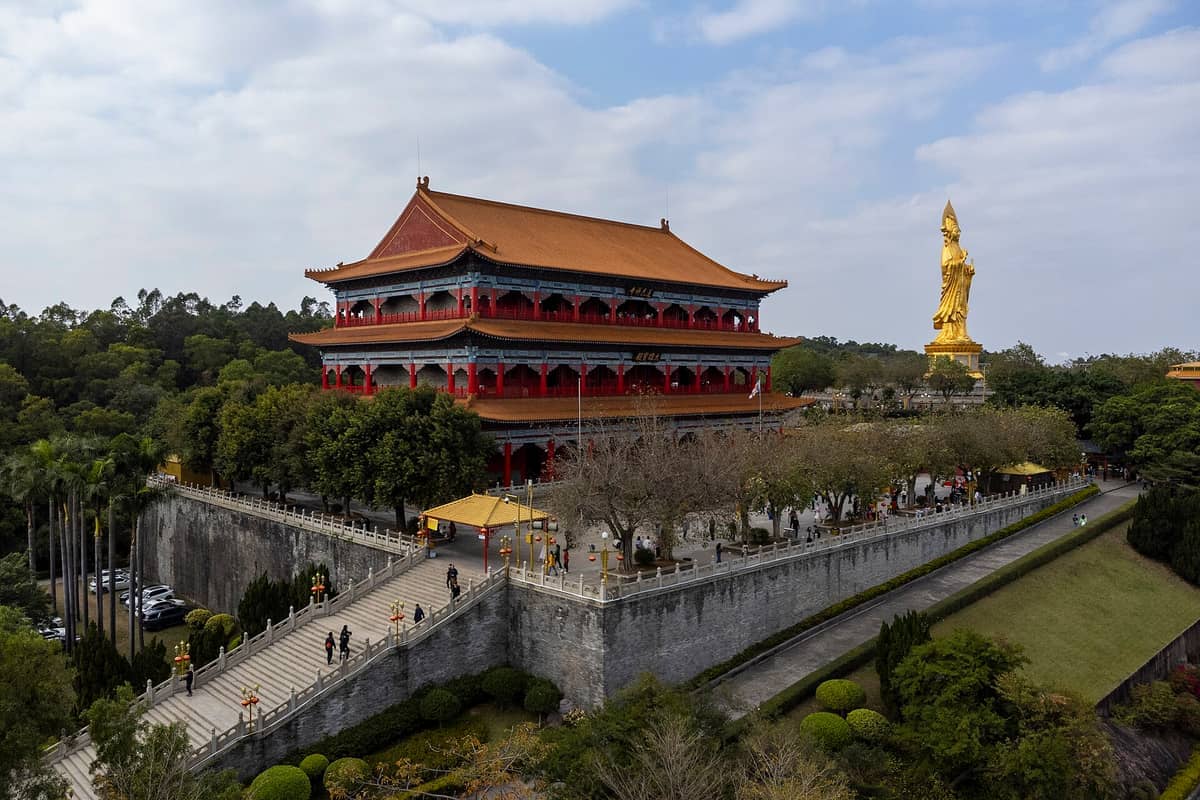
6. Combine Ancient Quarry Cliffs with Buddhist Shrines at Lotus Mountain
Lotus Mountain pairs dramatic Han Dynasty-era granite cliffs with a working Buddhist temple complex and a giant gilded Guanyin statue visible from the Pearl River. The quarry rock formations are genuinely spectacular. Budget 2 to 3 hours and wear comfortable shoes for the stairs.
Explore6. Combine Ancient Quarry Cliffs with Buddhist Shrines at Lotus Mountain
Lotus Mountain pairs dramatic Han Dynasty-era granite cliffs with a working Buddhist temple complex and a giant gilded Guanyin statue visible from the Pearl River. The quarry rock formations are genuinely spectacular. Budget 2 to 3 hours and wear comfortable shoes for the stairs.
ExploreIslamic & Christian Heritage Sites
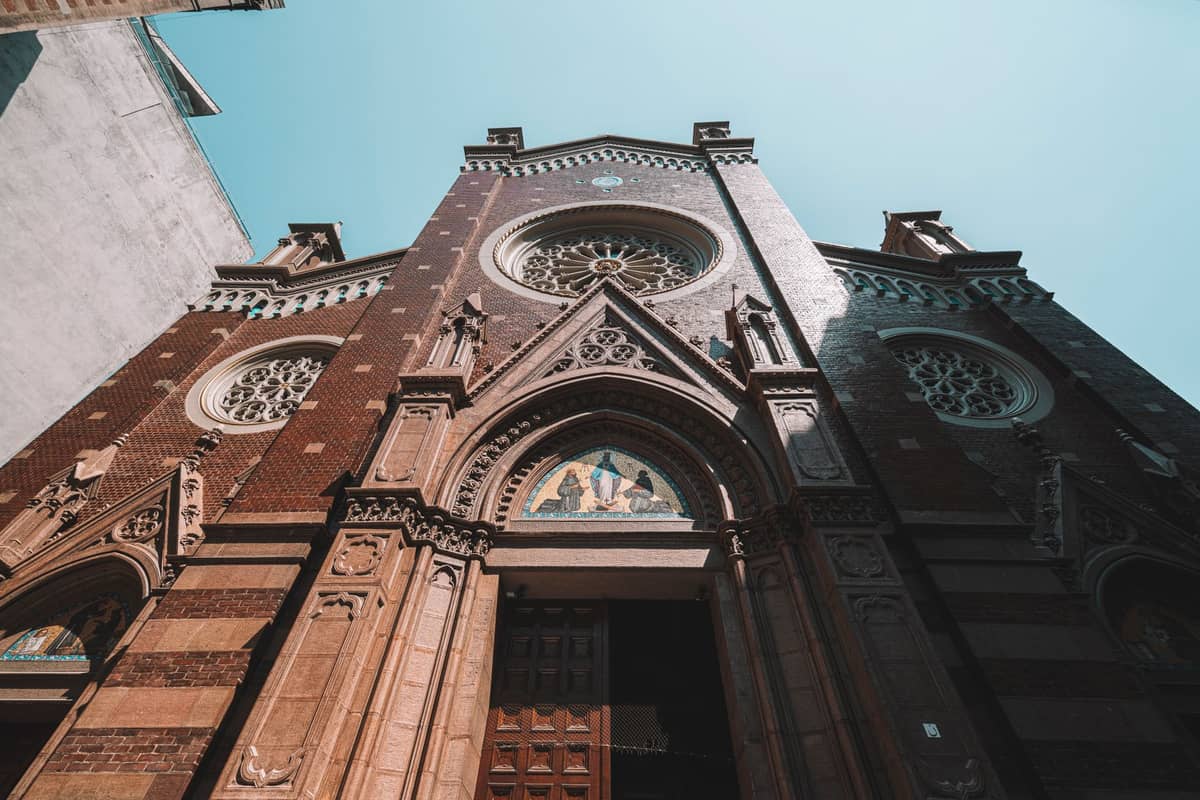
Guangzhou's position as China's main southern trading port for over a thousand years brought Arab merchants, French missionaries, and British colonialists to its shores, each leaving behind places of worship that still stand today. Shamian Island preserves the most intact cluster of colonial-era religious buildings in the city, while Huaisheng Mosque in Yuexiu is among the oldest surviving mosques anywhere in the world.
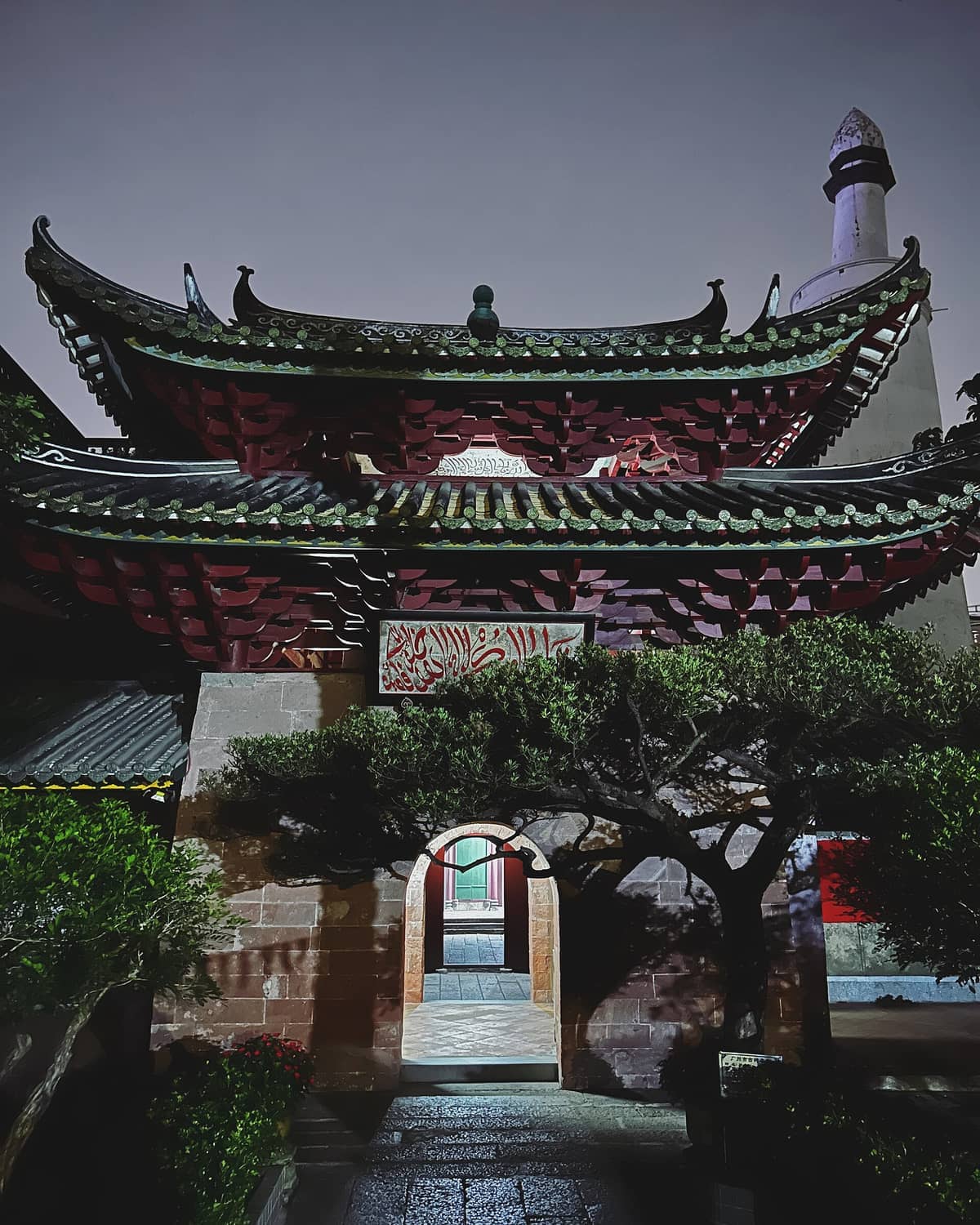
7. Visit One of the World's Oldest Mosques at Huaisheng
Reportedly founded in the 7th century AD, Huaisheng Mosque is one of the oldest mosques in the world. Its Guangta minaret has guided ships on the Pearl River for over a millennium. Non-Muslim visitors are welcome outside prayer times; dress conservatively and enter respectfully.
Explore7. Visit One of the World's Oldest Mosques at Huaisheng
Reportedly founded in the 7th century AD, Huaisheng Mosque is one of the oldest mosques in the world. Its Guangta minaret has guided ships on the Pearl River for over a millennium. Non-Muslim visitors are welcome outside prayer times; dress conservatively and enter respectfully.
Explore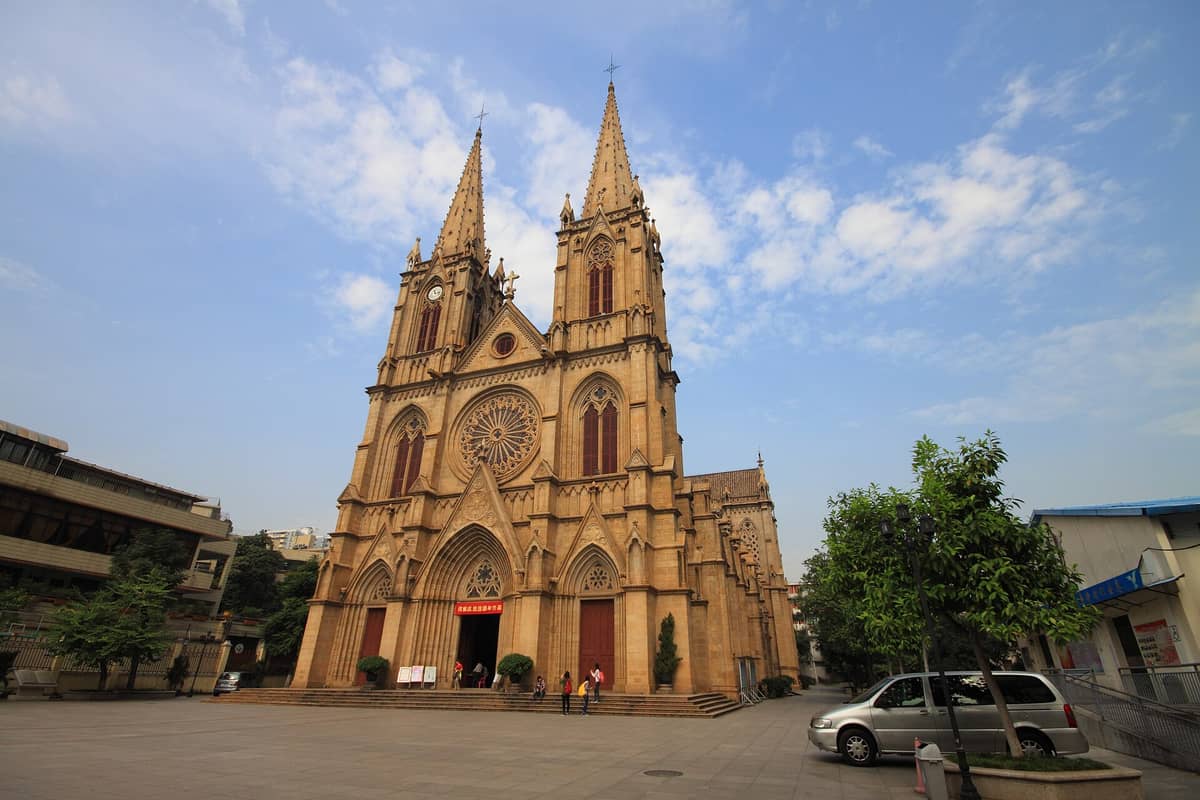
8. Admire the Gothic Granite Spires of Sacred Heart Cathedral
Built entirely from granite between 1863 and 1888, Sacred Heart Cathedral is nicknamed the 'Stone House' by Guangzhou locals. Its twin Gothic Revival spires are a dramatic landmark in Yuexiu. The interior is open to visitors outside Mass hours and the stained glass is worth seeing.
Explore8. Admire the Gothic Granite Spires of Sacred Heart Cathedral
Built entirely from granite between 1863 and 1888, Sacred Heart Cathedral is nicknamed the 'Stone House' by Guangzhou locals. Its twin Gothic Revival spires are a dramatic landmark in Yuexiu. The interior is open to visitors outside Mass hours and the stained glass is worth seeing.
Explore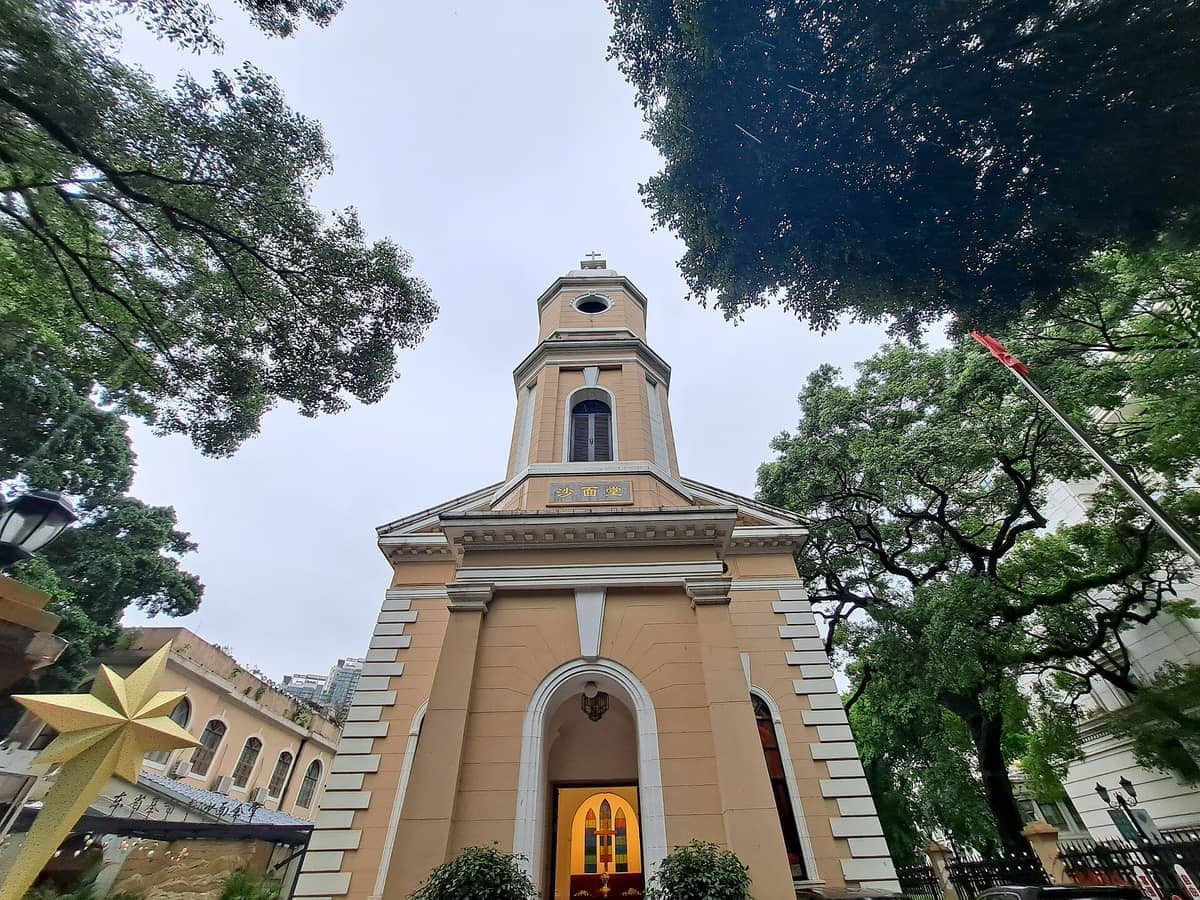
9. Photograph the Red-Brick Church of the British Concession on Shamian Island
The Shamian Christian Church is a well-preserved Protestant church from the British concession era, its red-brick Gothic facade standing out vividly against the island's tropical tree canopy. It's one of the most photographed buildings on Shamian and still holds regular services.
Explore9. Photograph the Red-Brick Church of the British Concession on Shamian Island
The Shamian Christian Church is a well-preserved Protestant church from the British concession era, its red-brick Gothic facade standing out vividly against the island's tropical tree canopy. It's one of the most photographed buildings on Shamian and still holds regular services.
Explore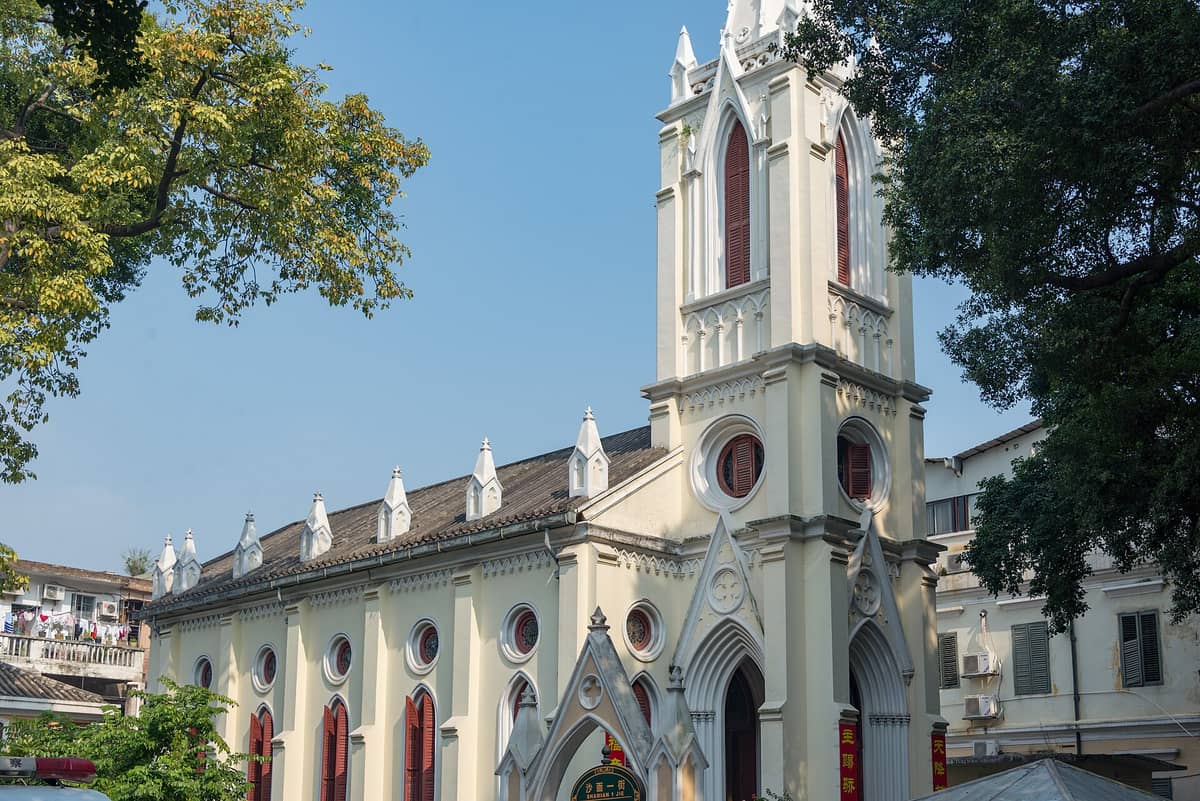
10. Find the Quiet French Chapel Hidden on Shamian Island
This small Catholic chapel dates to the French concession period and remains one of the best-preserved colonial religious buildings in Guangzhou. Its white facade, arched windows, and shaded courtyard make it a peaceful stop. It still holds regular services and feels genuinely lived-in.
Explore10. Find the Quiet French Chapel Hidden on Shamian Island
This small Catholic chapel dates to the French concession period and remains one of the best-preserved colonial religious buildings in Guangzhou. Its white facade, arched windows, and shaded courtyard make it a peaceful stop. It still holds regular services and feels genuinely lived-in.
ExplorePagodas & Historic Towers
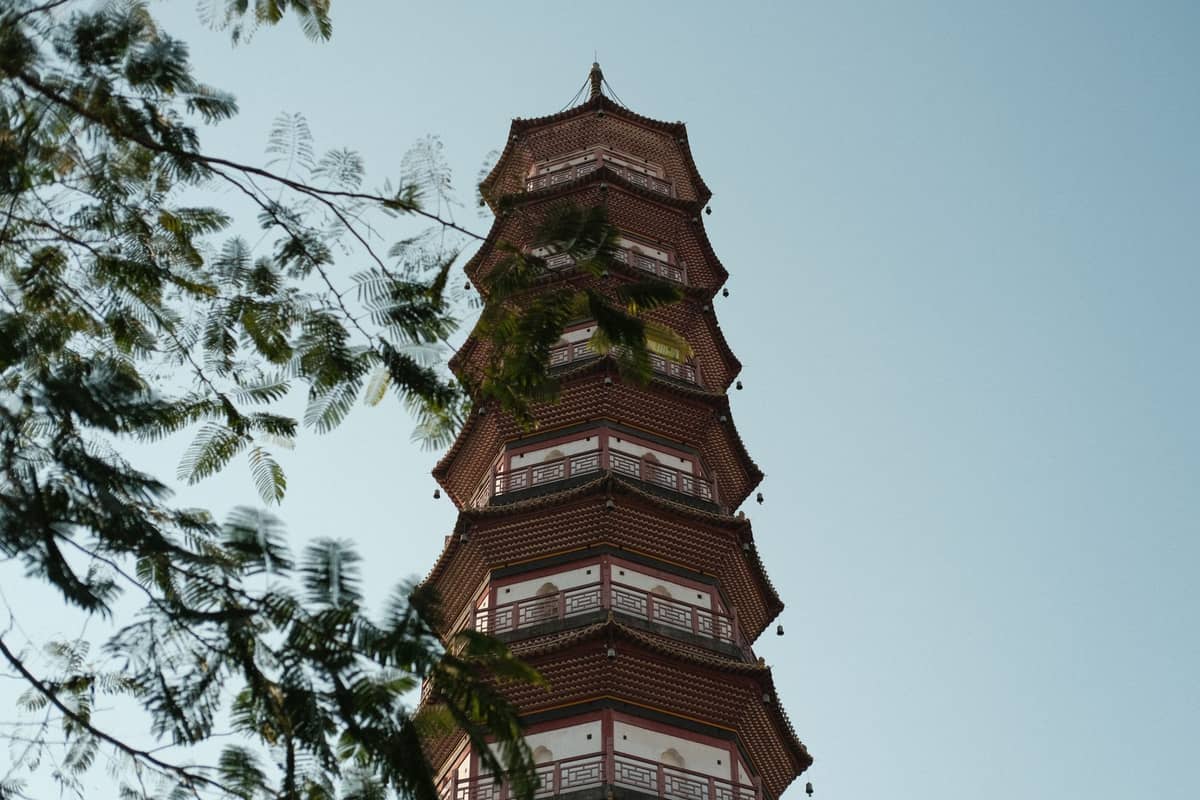
Several of Guangzhou's most iconic historical structures are pagodas that double as religious sites, built as acts of Buddhist merit and to anchor sacred geography. The Guangzhou architecture guide covers these structures in greater depth alongside the city's broader built heritage.
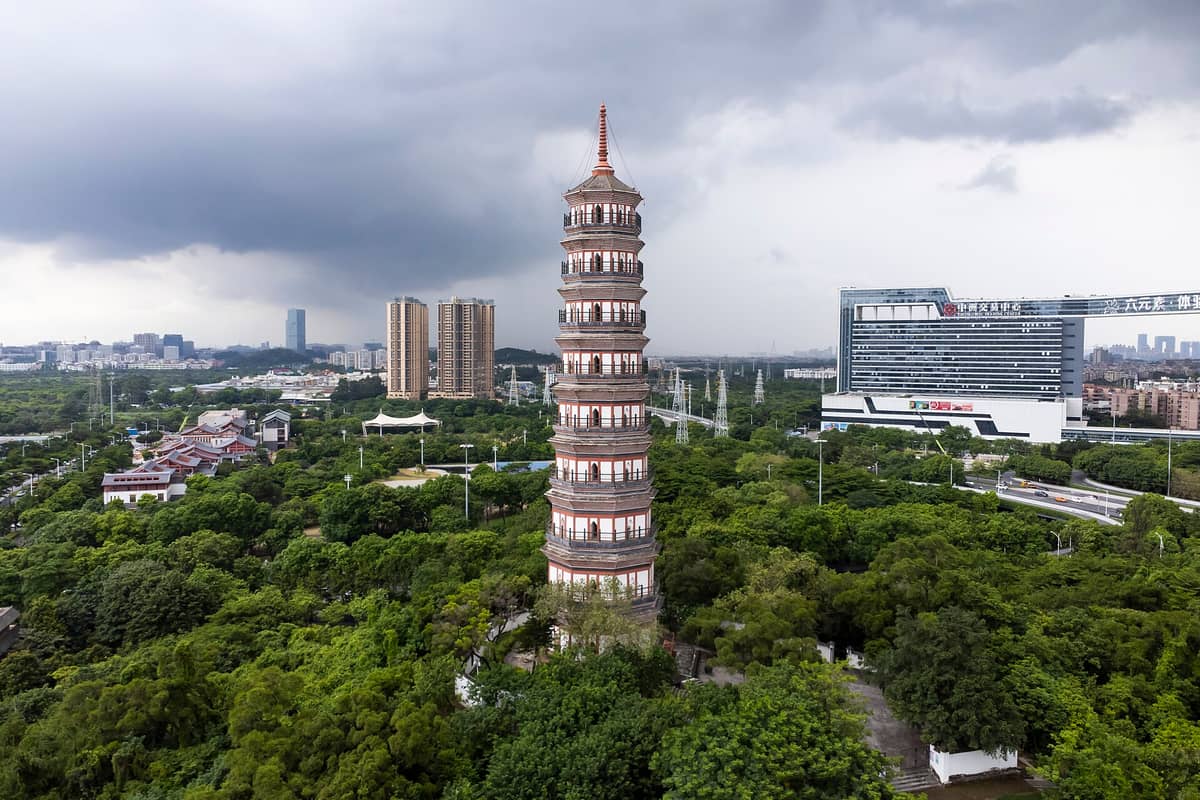
11. Discover a Surviving Ming Dynasty Pagoda Amid Pazhou's Modern Development
The Pazhou Pagoda is one of the few Ming Dynasty structures still standing in a district now dominated by the Canton Fair complex. It offers a striking contrast to its surroundings and a quiet moment of historical reflection. The site is small but well-maintained and rarely crowded.
Explore11. Discover a Surviving Ming Dynasty Pagoda Amid Pazhou's Modern Development
The Pazhou Pagoda is one of the few Ming Dynasty structures still standing in a district now dominated by the Canton Fair complex. It offers a striking contrast to its surroundings and a quiet moment of historical reflection. The site is small but well-maintained and rarely crowded.
Explore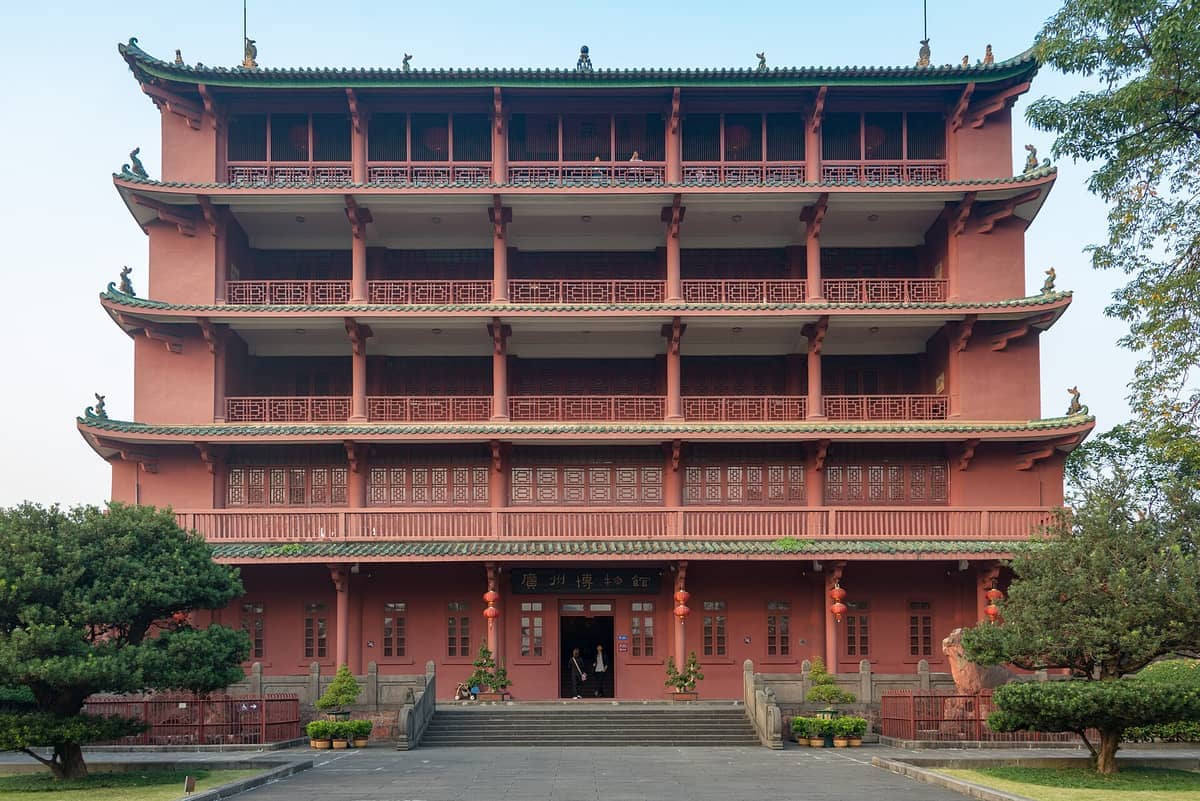
12. Climb to the Red-Walled Zhenhai Tower in Yuexiu Park
Perched atop Yuexiu Mountain, the red-walled Zhenhai Tower is one of Guangzhou's oldest surviving structures and carries deep ceremonial significance in the city's history. It now houses the Guangzhou Museum and offers sweeping views from the hill. Combine it with a walk through Yuexiu Park.
Explore12. Climb to the Red-Walled Zhenhai Tower in Yuexiu Park
Perched atop Yuexiu Mountain, the red-walled Zhenhai Tower is one of Guangzhou's oldest surviving structures and carries deep ceremonial significance in the city's history. It now houses the Guangzhou Museum and offers sweeping views from the hill. Combine it with a walk through Yuexiu Park.
ExploreOut-of-Town Temples Worth the Trip
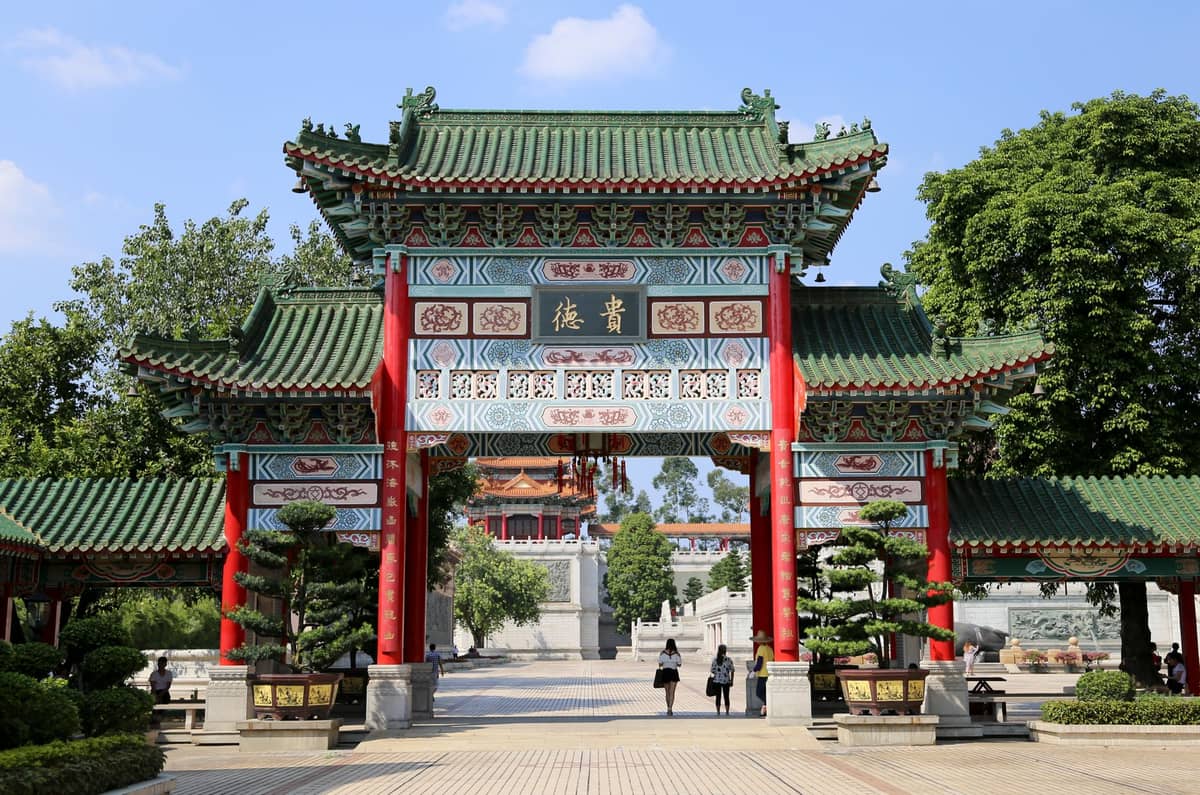
Some of the most impressive religious and heritage sites in the Guangzhou region require a short journey beyond the urban core. The day trips from Guangzhou guide has full logistics for reaching Nansha and Panyu by metro and bus.
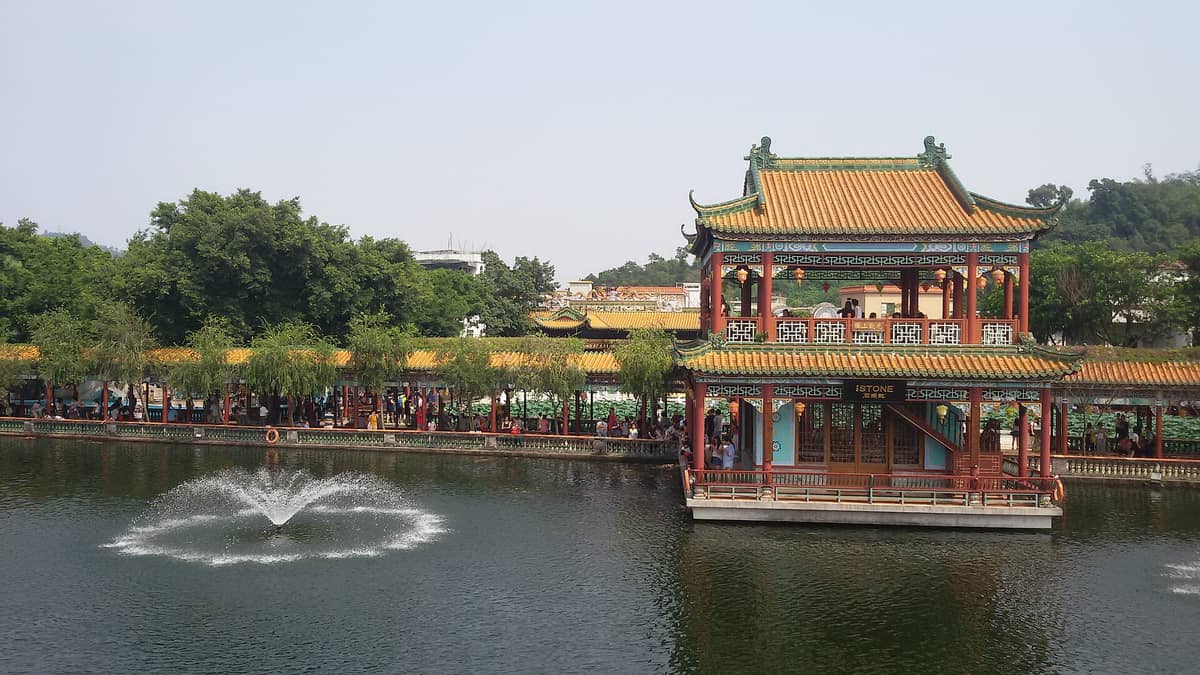
13. Explore the Ornate Lingnan Garden Shrines of Baomo Garden in Panyu
Baomo Garden in Panyu is a classical Lingnan garden built around pavilions, rockeries, and ponds, with folk religious shrines woven throughout the landscape. It's one of the finest examples of traditional Cantonese garden design and combines spiritual atmosphere with architectural beauty.
Explore13. Explore the Ornate Lingnan Garden Shrines of Baomo Garden in Panyu
Baomo Garden in Panyu is a classical Lingnan garden built around pavilions, rockeries, and ponds, with folk religious shrines woven throughout the landscape. It's one of the finest examples of traditional Cantonese garden design and combines spiritual atmosphere with architectural beauty.
Explore✨ Pro tip
Temple visits are busiest during Chinese New Year, Buddha's Birthday (April/May), and Golden Week in October. For the most peaceful experience at any active temple, arrive before 9am on a weekday morning when morning chanting is often still underway.
FAQ
Which is the oldest temple in Guangzhou?
Guangxiao Temple is generally considered Guangzhou's oldest Buddhist temple, with a history of over 1,700 years. The Temple of the Six Banyan Trees dates to AD 537 and is another strong contender. Huaisheng Mosque, reportedly founded in the 7th century AD, is among the oldest mosques in the world.
Are Guangzhou's temples free to enter?
Not all of them. Not all of them. The Temple of the Six Banyan Trees charges admission. Guangxiao Temple charges a small admission fee (reported at CNY 5). The Temple of the Five Immortals, Sanyuan Palace, and the colonial churches on Shamian Island are generally free. Always confirm at the entrance as prices can change.
What should I wear when visiting temples in Guangzhou?
Dress modestly: cover shoulders and knees, and avoid sleeveless tops or short shorts. Remove shoes when entering prayer halls where a sign or mat indicates this. This applies to Buddhist, Taoist, and Islamic sites alike. The colonial churches have no strict dress code but conservative attire is respectful.
How do I get to the main Buddhist temples in Guangzhou by metro?
The Temple of the Six Banyan Trees is near Gongyuanqian Station on Metro Lines 1 and 2. Guangxiao Temple is closest to Ximenkou Station on Line 1. Sanyuan Palace and the Temple of the Five Immortals are also within walking distance of Yuexiu District metro stations. Nansha Tianhou Palace requires a longer journey south by metro to Nansha.
What is the best time of year to visit Guangzhou's temples?
October to December is ideal: cooler temperatures, lower humidity, and smaller crowds than during Chinese New Year or Golden Week. Spring (March to May) is also pleasant but temples can be busy around Buddha's Birthday. Summer (June to September) is hot and humid but early morning visits are still manageable.