Guangzhou at Chinese New Year: What to Expect
Chinese New Year in Guangzhou is not a single night of fireworks. It is a rolling season of flower fairs, lantern exhibitions, temple activities, and district-level events that stretches from late January through early March. This guide covers what happens, when, where, and how to navigate it without getting caught out.
Plan and book this trip
Tools from our partner Travelpayouts help you compare flights and hotels. If you book through them, we may earn a commission at no extra cost to you.
Flights
Hotels map
TL;DR
- Chinese New Year in Guangzhou runs for weeks, not days: major events for 2026 span late January through March, anchored by the Lantern Festival season.
- The main fireworks display is scheduled for February 17, 2026 (New Year's Day) at Baietan in Liwan District.
- Flower fairs run citywide in mid-February across Liwan, Yuexiu, Tianhe, and other districts — these are a distinctly Cantonese tradition you will not find at this scale anywhere else.
- Lantern shows at Yuexiu Park and Sun Yat-sen Memorial Hall run from late January to early March, with ticketed entry around 32–40 yuan.
- This is peak travel season in China: book accommodation well in advance and expect crowds at every major venue during the holiday week.
Understanding the Season: It Is Not Just One Day
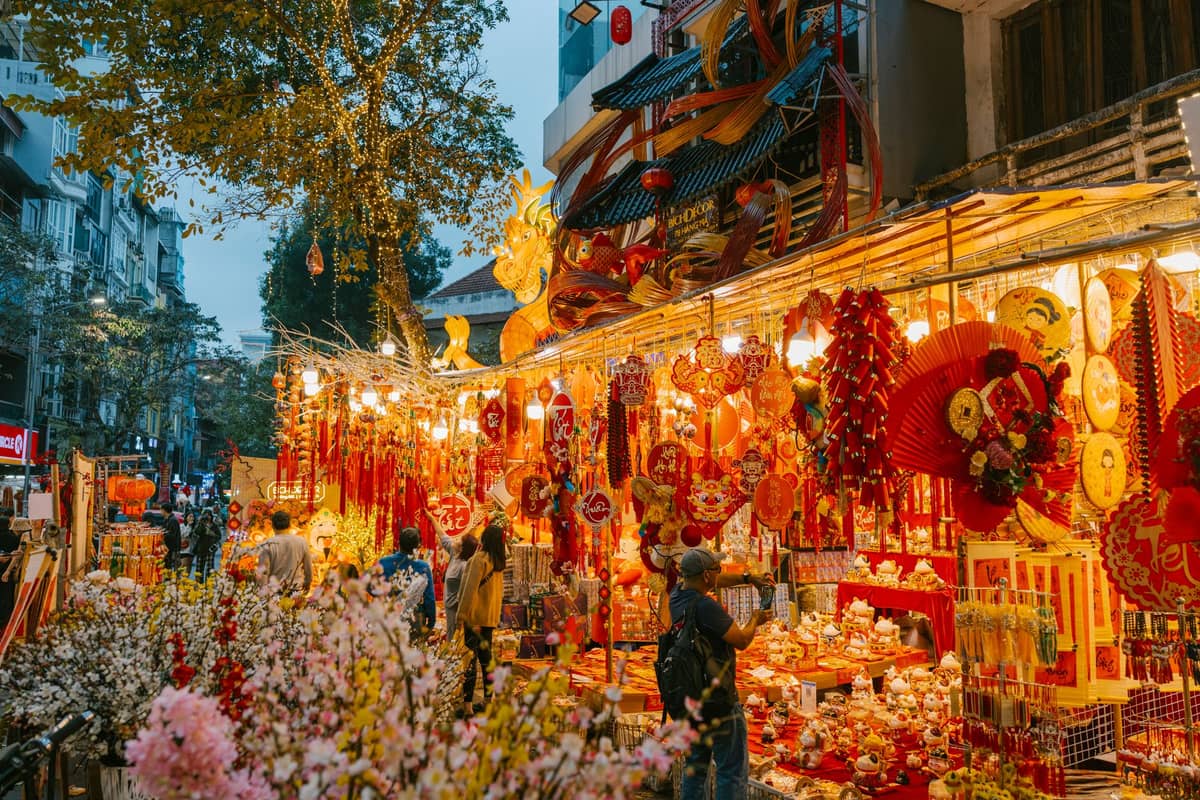
Chinese New Year, known locally as Chūnjié (春节) or the Spring Festival, follows the lunar calendar and falls on a different Gregorian date each year. In 2026, New Year's Day lands on February 17. But in Guangzhou, treating this as a single-day event will cause you to miss most of what makes the city's celebration distinctive. The season effectively opens with flower fairs a few days before the new year and does not close until the Lantern Festival concludes in early March.
This extended calendar reflects Guangzhou's deep Cantonese cultural heritage. The city was historically known in the West as Canton, and the traditions observed here during the Spring Festival, particularly the flower markets and lantern displays, are rooted in Lingnan customs that differ noticeably from those of northern China. Guangzhou's municipal government typically announces over 2,000 cultural and tourism events across the full holiday period, spread across all eleven districts from Tianhe to Nansha to Conghua.
ℹ️ Good to know
Chinese New Year dates shift every year. In 2026, New Year's Day falls on February 17. If you are planning a visit in a different year, confirm the lunar calendar date in advance, as all flower fair and lantern festival schedules are anchored to it.
Flower Fairs: The Heart of Guangzhou's New Year
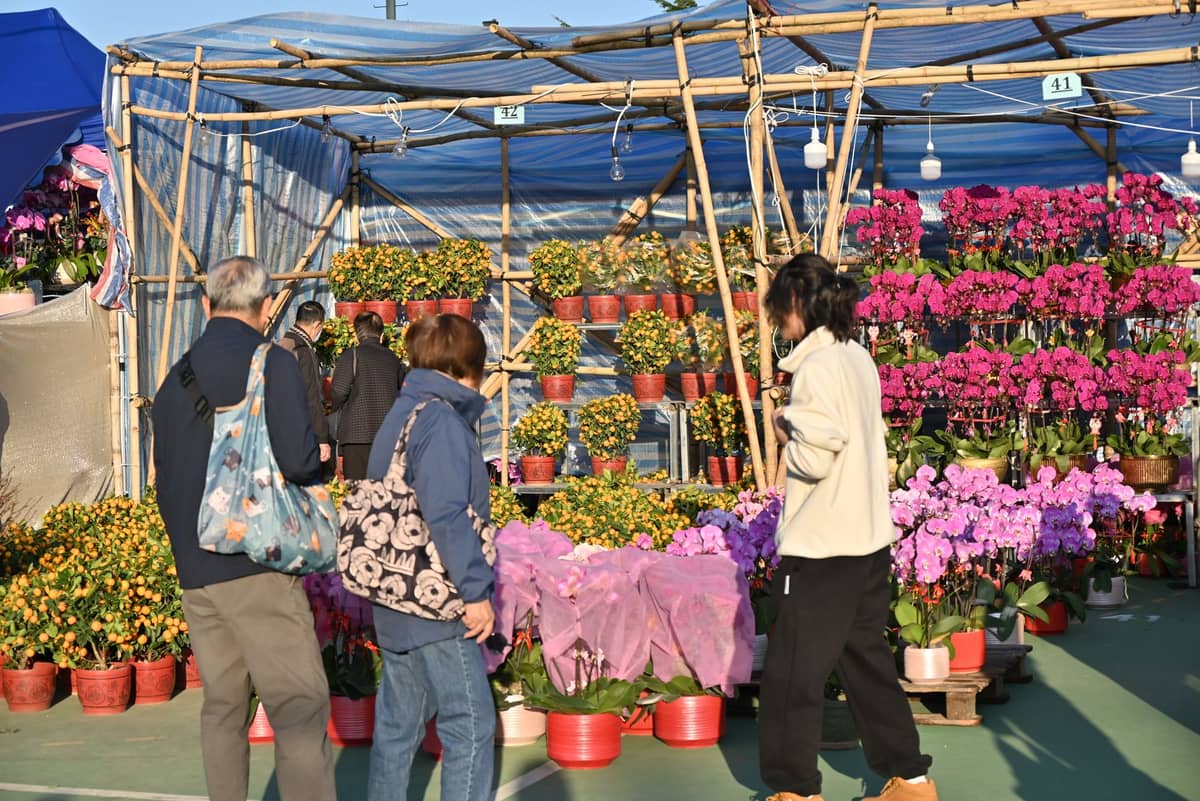
Nothing defines Guangzhou's Spring Festival more than its flower fairs (花市, huā shì). These temporary open-air markets set up across the city in the days leading up to New Year's Eve, transforming major streets and parks into forests of peach blossom branches, narcissus, kumquat trees, and orchids. Buying flowers and plants for the home is considered auspicious, and the fairs are as much a social event as a shopping trip: families stroll together late into the night, snack vendors set up alongside flower stalls, and the atmosphere is genuinely festive without being manufactured.
For 2026, reported dates for the main district fairs are: Liwan (February 14–17), Yuexiu (February 13–17), and Tianhe (February 13–17). Other districts including Haizhu, Baiyun, and Panyu run their own versions. The fairs typically close on New Year's Eve as vendors sell off remaining stock at steep discounts — arriving in the final two hours before closing is a local tradition in itself.
💡 Local tip
Visit the flower fairs after 9 PM on the final night (New Year's Eve) for dramatically reduced prices as vendors clear remaining stock. Expect crowds, but the atmosphere at this hour is unlike anything else in the city.
- What to buy Peach blossom branches (桃花) are the most iconic purchase. Kumquat trees (金桔) symbolize prosperity and are popular for homes and offices. Narcissus bulbs (水仙) are affordable and fragrant.
- What to expect on pricing Prices vary widely and bargaining is normal. A small kumquat tree typically costs 50–150 yuan depending on size and the time of your visit.
- Getting around the fairs The fairs generate significant foot traffic and road closures. Use the metro and walk; taxis and ride-hailing apps face heavy delays near market streets during peak hours.
Fireworks, Lantern Shows, and Official Events
The headline spectacle for 2026 is the Bai'etan Spring Festival fireworks display, scheduled for February 17 over the waters of Bai'etan in Liwan District. This is a large-scale municipal event with significant crowds; the riverfront and surrounding streets fill up well before the display begins. Arriving early and identifying a good viewing spot in advance is essential. Public transport around Liwan will be congested for hours after the show ends.
The lantern season runs considerably longer. For 2026, the Guangzhou Spring Lantern Show is scheduled from January 30 to March 8 at multiple venues including Yuexiu Park and the Sun Yat-sen Memorial Hall. Yuexiu Park tickets were reported at 40 yuan standard and 20 yuan concession, with a promotional rate of 32 yuan for full-price tickets during February 15–23. Always verify current pricing at the venue before visiting, as ticketing structures can change.
In the south of the city, the Greater Bay Area Lantern Festival runs from February 10 to May 10, 2026, at venues in Nansha, including Nansha Tianhou Palace Scenic Area and Nansha Binhai Park. This is a longer-running and less crowded alternative to the central city shows, particularly suited to visitors who want the lantern experience without peak-week crowds.
⚠️ What to skip
Not all major attractions close during the holiday. In fact, many headline events are scheduled specifically for this period. However, some government offices, local businesses, and smaller restaurants do close for several days around New Year's Day. Check ahead for any specific venue you plan to visit.
Navigating the City During Peak Season
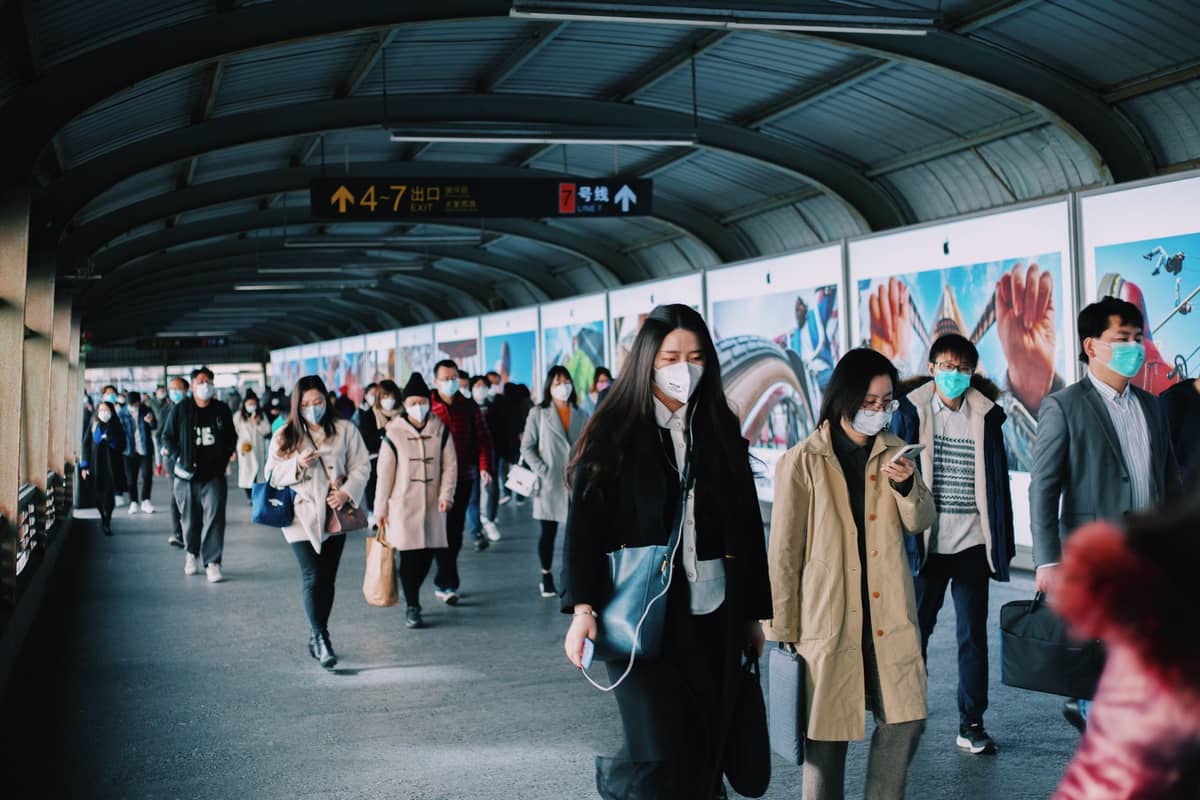
Chinese New Year is the single busiest domestic travel period in China. Guangzhou, as one of the country's largest cities and a major rail hub in southern China, sees enormous population movement in both directions: migrant workers returning to home provinces, and domestic tourists arriving for the celebrations. In practical terms, this means trains and intercity buses book out weeks in advance, accommodation prices rise sharply, and popular areas of the city are genuinely packed during the holiday week.
The Guangzhou Metro runs extended hours during major holiday events and is the most reliable way to move around the city. Buses cover areas not served by metro lines, and DiDi (China's dominant ride-hailing app) operates across the city, though surge pricing applies around fireworks displays and large events. For first-time visitors, a read of the getting around Guangzhou guide before arrival will save significant confusion.
- Book hotels at least 4–6 weeks in advance for any stay during February 13–23. Prices in central districts like Tianhe and Yuexiu increase substantially during this window.
- Train tickets from Guangzhou to other destinations (Hong Kong, Shenzhen, Beijing) sell out weeks ahead during the New Year period. Book through the 12306 app or verified third-party platforms well in advance.
- The flower fairs cause road closures around main market streets. Factor in extra time for any journey near Liwan, Yuexiu, or Tianhe during February 13–17.
- Many smaller local restaurants close for 3–7 days around New Year's Day. Hotel restaurants, chain restaurants, and larger establishments typically remain open.
Where to Be and When: A District-by-District View
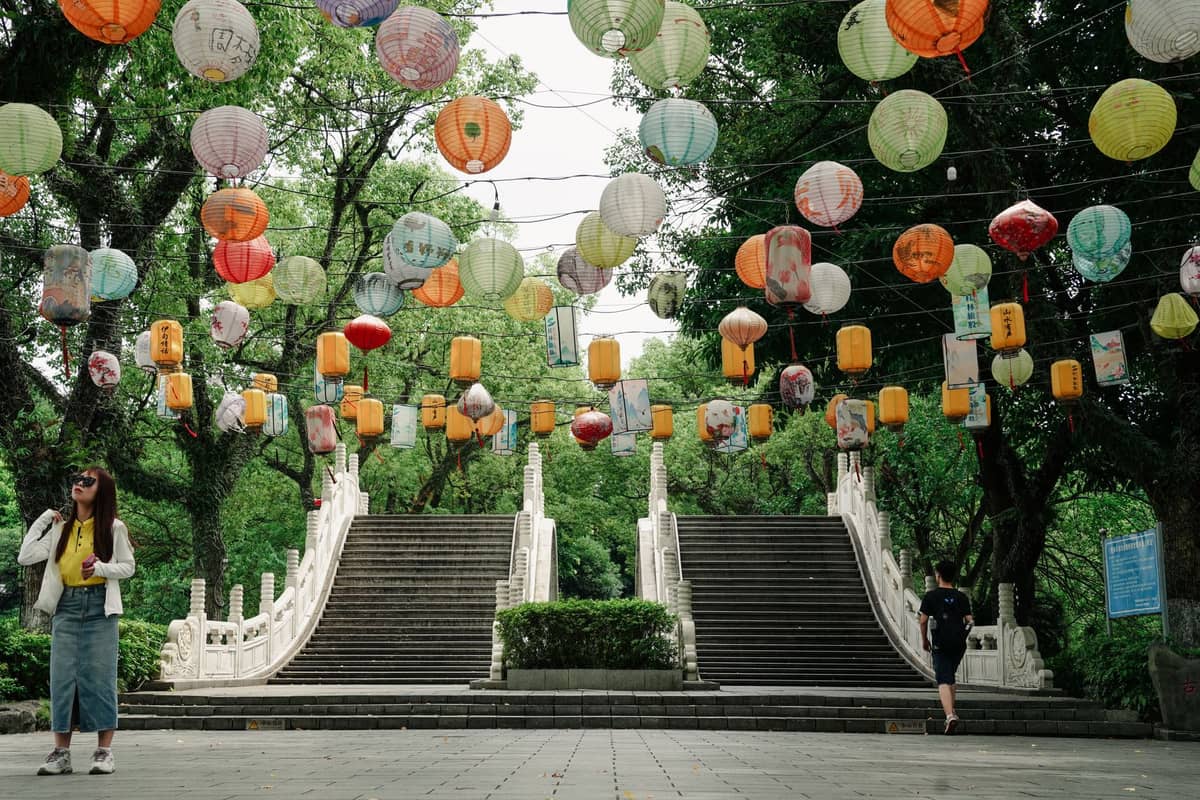
The celebrations are not confined to one part of the city. Yuexiu, the historic core of Guangzhou, hosts the Yuexiu Park lantern show and one of the main flower fairs. The area around Beijing Road and Shangxiajiu Pedestrian Street in Liwan sees heavy footfall during the holiday week and is a reasonable base for watching how locals celebrate at street level.
For a less crowded take on the lantern season, the Nansha venues run through May, meaning you can experience the displays long after the peak-week rush has passed. Visitors combining Guangzhou with other destinations might also consider timing: the Guangzhou to Hong Kong route is heavily traveled during the New Year period, so build buffer time into any cross-border plans.
If you are visiting with children, the Spring Festival period is one of the more rewarding times to do so, as many parks and cultural sites run special programming. Guangzhou with kids has more detail on family-friendly options that align well with the holiday season.
Practical Preparation for a Chinese New Year Visit
Guangzhou's weather in February is cool and generally dry. Temperatures typically sit between 12°C and 20°C, which is comfortable for walking around outdoor markets and riverside areas. Light layers work well; a jacket for evenings near the water is advisable. This is part of Guangzhou's drier season (October through March), so rain is less likely than in summer, but occasional cool fronts can bring brief showers.
Payment in Guangzhou is overwhelmingly cashless, with WeChat Pay and Alipay dominating. Foreign visitors may face friction using these platforms without a Chinese bank account, though both apps have introduced some international card linkage in recent years. Carrying some cash in CNY (Chinese yuan/renminbi) as a backup is sensible, especially at flower fair stalls and smaller vendors. ATMs accepting international cards are available at major banks and in larger hotels.
- Cash in CNY: keep 300–500 yuan on hand for flower fairs and street food where mobile payment may not be accepted by all vendors.
- Accommodation: Tianhe and Yuexiu are the most convenient central bases for accessing main events by metro.
- Event schedules: published dates and venues for 2026 events can change; cross-reference with Guangzhou's official municipal news channels (gz.gov.cn and eguangzhou.gov.cn) closer to your travel date.
- Noise: fireworks and firecrackers are loud and unpredictable in timing, even outside of official display windows. Light sleepers staying in central areas should bring earplugs.
- Photography: the lantern shows at Yuexiu Park photograph well after dark. Arrive at opening time if you want images without crowds; waits at popular spots can be significant on peak evenings.
✨ Pro tip
If you want the full flower fair experience without the worst of the crowds, visit on the evening of February 13 or 14 rather than the final night. The fairs are fully stocked, the atmosphere is lively, and you can move around without the shoulder-to-shoulder density of New Year's Eve itself.
FAQ
When exactly is Chinese New Year in Guangzhou in 2026?
Chinese New Year's Day in 2026 falls on February 17. In Guangzhou, the season starts earlier, with flower fairs opening around February 13–14 and lantern shows beginning as early as January 30. Events continue through the Lantern Festival period into early March, with some exhibitions in Nansha running as late as May 10.
Are the flower fairs free to enter?
The flower fairs themselves are generally free to walk through; they are open-air street markets rather than ticketed events. You pay for anything you buy. The lantern shows at venues like Yuexiu Park are ticketed, with reported prices around 32–40 yuan for 2026. Always check the specific venue's current admission policy before visiting.
Is it worth visiting Guangzhou during Chinese New Year, or is it too crowded?
It depends on your tolerance for crowds and your ability to plan ahead. The flower fairs are genuinely impressive and distinctly Cantonese in character, the fireworks display at Baietan is spectacular, and the lantern shows are well-produced. The trade-off is that accommodation costs more, transport is congested, and some local restaurants close. If you book early and manage expectations around crowd levels, the New Year period is one of the most culturally rich times to be in Guangzhou.
Do shops and attractions close during Chinese New Year in Guangzhou?
Not universally. Many of Guangzhou's headline holiday events are scheduled specifically for this period, and large attractions typically stay open. Smaller local businesses and family-run restaurants often close for several days around New Year's Day, sometimes longer. Government offices and some administrative services will be closed during the official public holiday. Check directly with any specific venue you plan to visit.
Where is the best place to watch the Guangzhou New Year fireworks?
The main 2026 fireworks display is scheduled at Baietan in Liwan District on February 17. The Baietan waterfront area offers direct views. Arrive at least 90 minutes before the scheduled start time to secure a spot, and use the metro rather than taxis to avoid traffic gridlock. The surrounding streets will be heavily crowded both before and after the display.