Getting Around Guangzhou: Metro, Taxis & Airport Transfers
Guangzhou is a sprawling city of nearly 19 million people across 7,434 km², but its transport network is one of the most efficient in China. This guide covers the metro system, taxis, ride-hailing, airport connections, and everything else you need to move around the city confidently.
Plan and book this trip
Tools from our partner Travelpayouts help you compare flights and hotels. If you book through them, we may earn a commission at no extra cost to you.
Flights
Hotels map
TL;DR
- The Guangzhou Metro is the fastest and cheapest way to get around, with fares from ¥2 to ¥20 based on distance and trains running roughly every 4–7 minutes.
- Most metro lines operate from around 6:00 a.m. to midnight, but last-train times vary by line — always check the platform board if you're traveling after 11:00 p.m.
- Baiyun International Airport (CAN) connects directly to the city via metro — useful fare benchmarks: airport to Canton Fair Complex is ¥8, and to Guangzhou South Railway Station is ¥10.
- DiDi is the dominant ride-hailing app; standard taxis use meters and are reliable, but few drivers speak English — have your destination written in Chinese.
- For route planning across the city, see our 3-day Guangzhou itinerary which factors in travel time between major districts.
The Guangzhou Metro: Your Primary Tool for the City
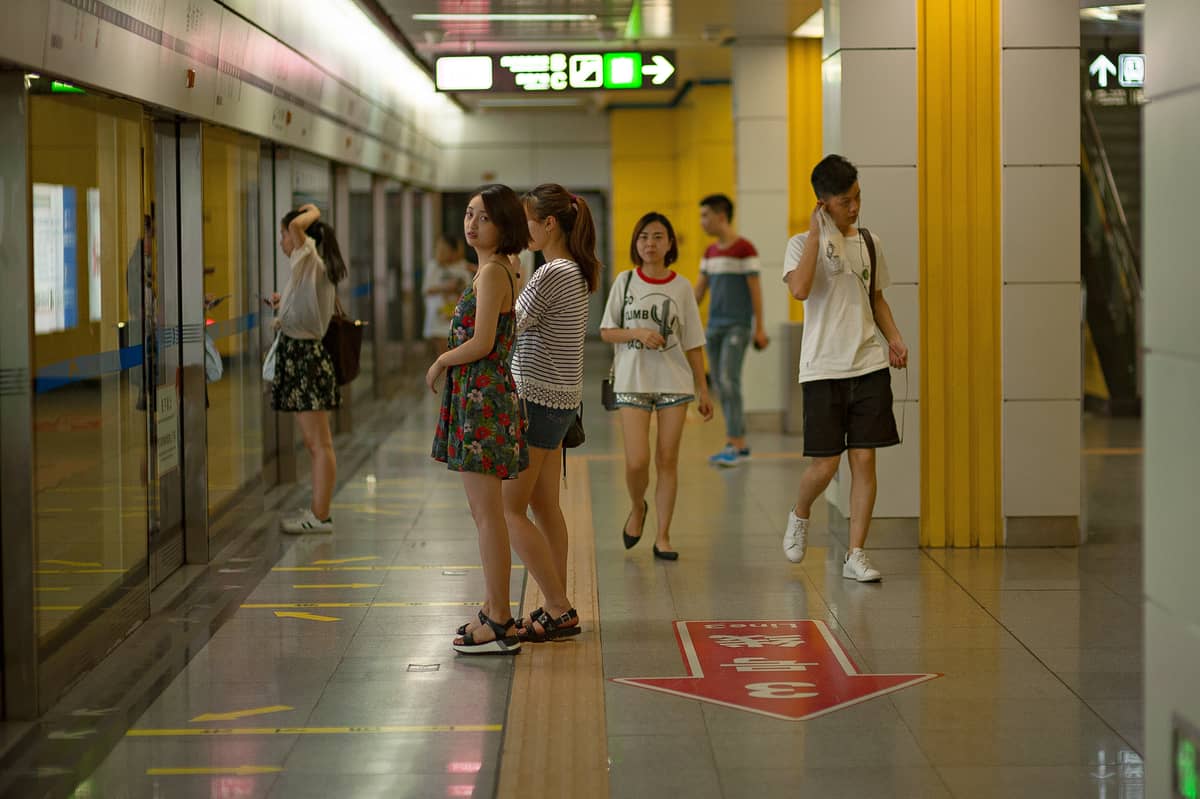
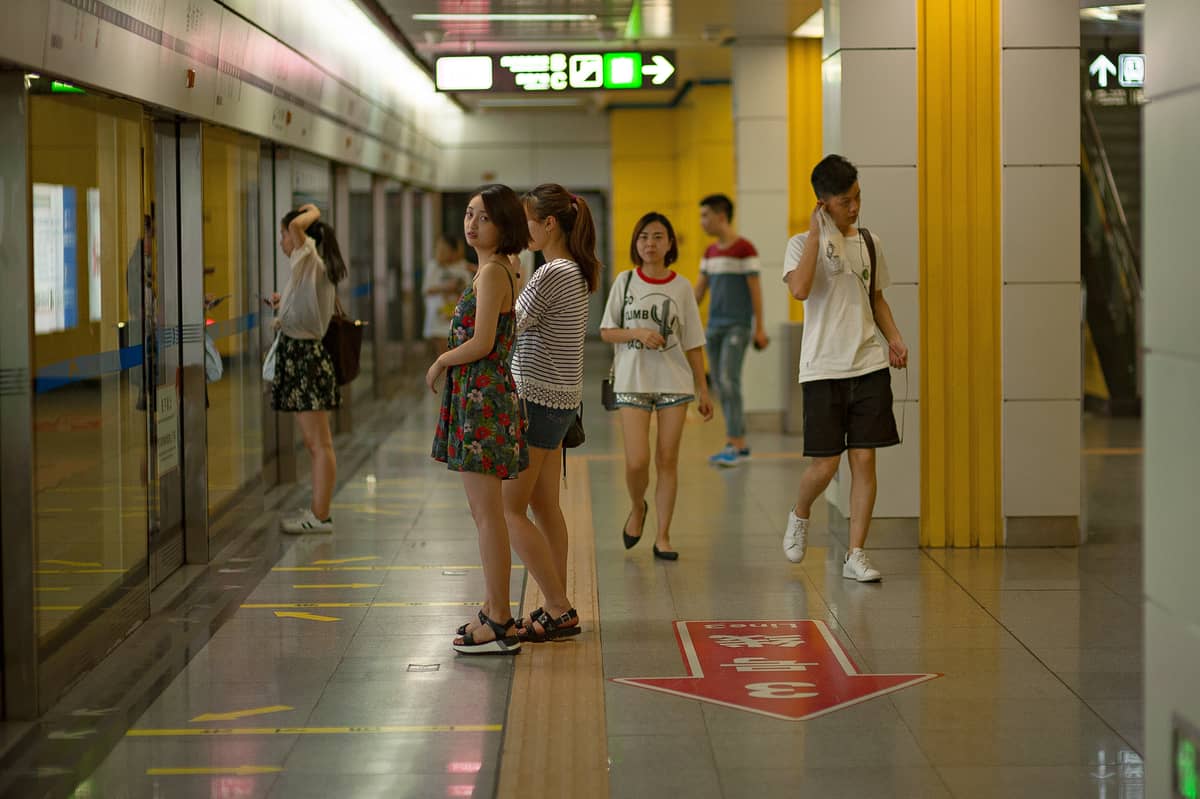
Getting around Guangzhou by metro is genuinely practical for most visitors. The system is extensive, affordable, and clearly signed in both Chinese and English, which removes much of the friction that comes with navigating a Cantonese-speaking city where English is not widely spoken. For a city covering 7,434 km² with nearly 19 million permanent residents, having a metro that reaches the airport, all major rail stations, and most tourist areas is a serious advantage.
Fares are distance-based, starting at ¥2 for short trips and capping at ¥20 for the longest cross-city journeys. The one exception is the APM Line (Automated People Mover), which runs a flat ¥2 fare and connects key points in the Zhujiang New Town financial district — useful if you're staying in Tianhe or heading to the Guangzhou Opera House area. For context on published fares: Baiyun Airport to the Canton Fair Complex costs about ¥8, Canton Fair Complex to Guangzhou South Railway Station about ¥6, and the airport to Guangzhou South about ¥10. These figures give a realistic sense of what cross-city travel actually costs.
⚠️ What to skip
Do not assume the metro closes at midnight. Last-train times differ by line and by direction. If you're heading back from a late dinner in Liwan or a night out in Tianhe, check the departure board at the station — not a general website. Missing the last train means a taxi or DiDi, which can be expensive during peak demand.
Train frequency is good throughout the day: around 4–7 minutes between trains on most lines, dropping to 2.5–3 minutes on the busiest corridors during morning and evening peaks (roughly 7:30–9:30 a.m. and 5:30–7:30 p.m.). Avoid these windows if you have luggage. Carriages get genuinely crowded on Lines 1, 2, 3, and 5, which are the main urban arteries.
- Payment options Use a Yangcheng Tong transit card (reloadable, available at metro service counters) or pay with Alipay or WeChat Pay via QR code at the turnstile. Single-journey tokens from machines also work but require exact navigation of Chinese-language menus unless you find an English-mode screen.
- Route planning apps Moovit and the Guangzhou Metro official app both show live timetable data. Google Maps works for metro routing in Guangzhou but can lag on real-time changes. Baidu Maps is more accurate locally but requires Chinese literacy or a translation workaround.
- Luggage considerations All metro stations have security screening (bag X-ray, body scan). Large suitcases are permitted but awkward during peak hours. Arrive at the airport metro station at least 10 minutes before your train departs to allow for queuing.
Airport Transfers: Baiyun International Airport (CAN)
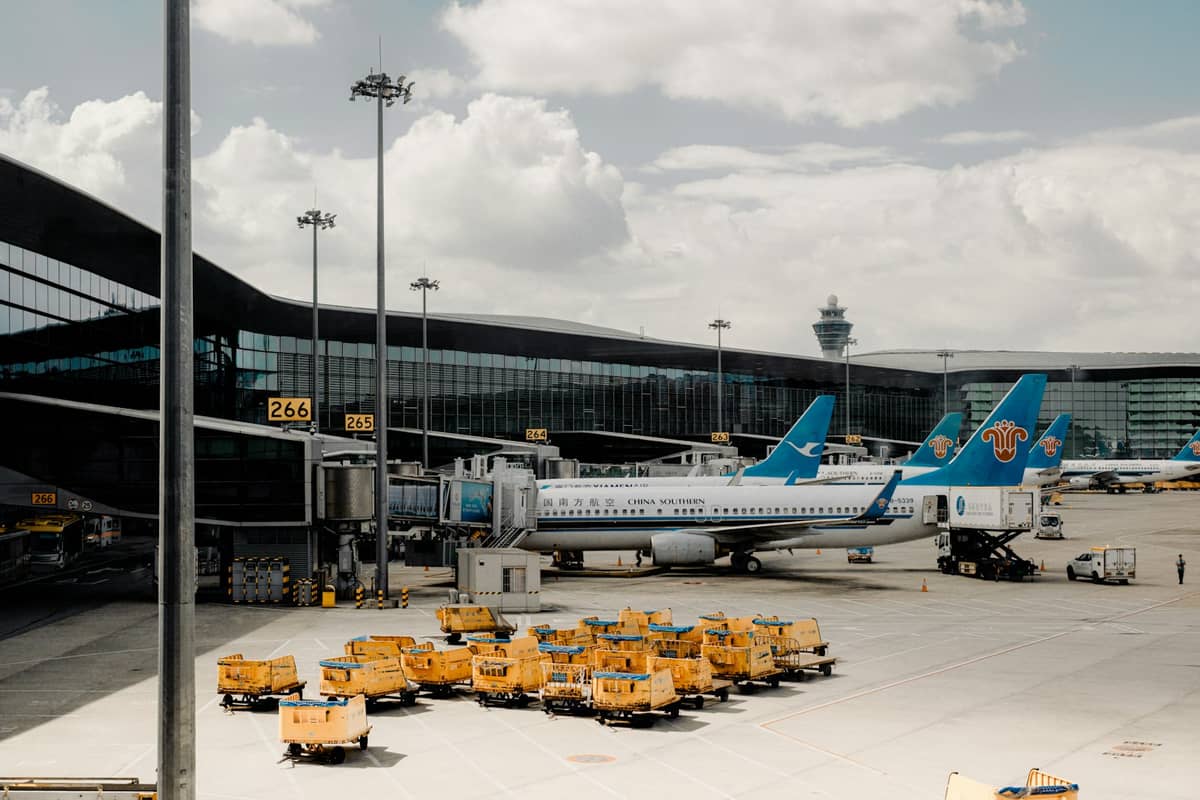
Guangzhou Baiyun International Airport sits in the northern part of the city in Baiyun District. The metro is almost always the best option for getting into the city centre unless you have multiple large bags or are arriving very late at night. Metro Lines 3 (North Extension) and 9 serve the airport, connecting to the main Line 3 corridor that runs through central Guangzhou and down to Tianhe, the modern business district.
Taxis from the airport are metered and legitimate from the official taxi rank, but be aware that journey times to central areas vary considerably with traffic. Guangzhou's ring roads can bottleneck badly during the morning and evening rush, and on days when the Canton Fair is running, traffic around the Pazhou area adds significant time. A fare to central Guangzhou should typically fall in a range you'd expect for a 30–40 minute metered ride, but verify current rates locally as taxi pricing in China is subject to regional adjustment.
💡 Local tip
If you're arriving during the Canton Fair period (typically April and October), book your airport transfer or hotel transport in advance. Demand for taxis and DiDi cars spikes sharply, wait times increase, and surge pricing applies on ride-hailing apps. The metro becomes the most reliable option during these weeks.
For travelers connecting between Baiyun Airport and Guangzhou South Railway Station (the main hub for high-speed trains to Hong Kong, Shenzhen, and across Guangdong Province), the metro fare is ¥10 and the journey involves a transfer. It is slower than a taxi in off-peak hours but significantly more predictable in cost and timing. See our Guangzhou airport guide for full terminal layout and check-in logistics.
Taxis and DiDi: When to Use Them
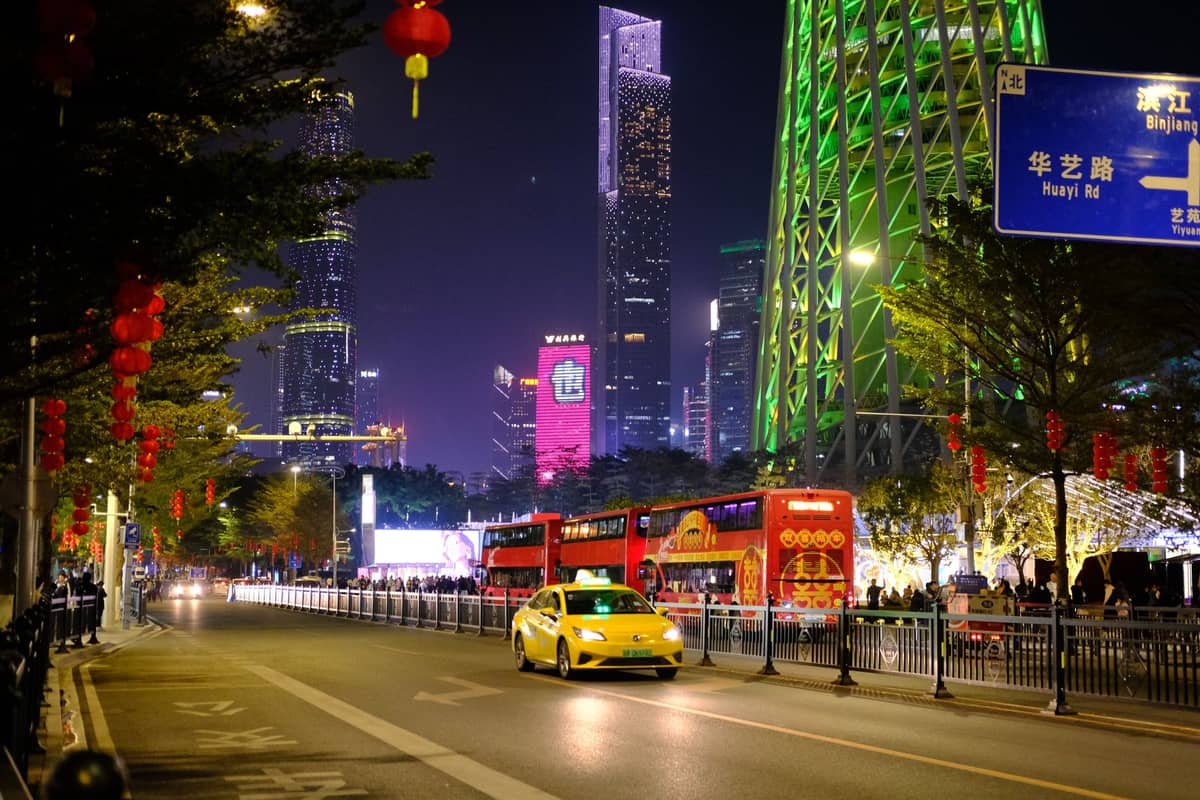
Standard taxis in Guangzhou are metered, with a flag-fall fare that covers the first few kilometres, then a per-kilometre rate after that. Drivers are generally honest with the meter, and the risk of being overcharged by a licensed taxi is low. The practical problem for most foreign visitors is communication: the vast majority of Guangzhou taxi drivers speak Cantonese and limited Mandarin, with almost no English. Having your destination written in Chinese characters (not pinyin romanisation) is non-negotiable. Screenshot a map pin or a typed Chinese address before you get in.
DiDi is the default ride-hailing platform in mainland China, equivalent to Uber in function. It operates in Guangzhou and allows destination input in the app, which solves the language barrier problem entirely. You need a Chinese phone number to register a full account, but DiDi has expanded international registration options — verify current availability for your country before travel, as access rules change. Pricing is transparent in the app before you confirm, and the service covers the whole city including suburban districts like Panyu and Nansha where taxis can be harder to flag down.
✨ Pro tip
For late-night returns from dinner in older neighborhoods like Liwan or Shangxiajiu, DiDi is often faster than finding a street taxi. Pull up the app, set your hotel address in advance, and you'll have a driver and plate number confirmed before you've even finished paying the bill.
- Use taxis for short hops across central areas during off-peak hours when traffic is moving freely.
- Use DiDi when you need a guaranteed price upfront, are traveling with luggage, or are in a district where street taxis are scarce.
- Use the metro for all airport transfers unless you arrive after midnight or have more than two large bags.
- Avoid taxis from unofficial touts at the airport arrivals hall — use the official metered taxi rank outside the terminal.
Buses, Ferries, and Other Options
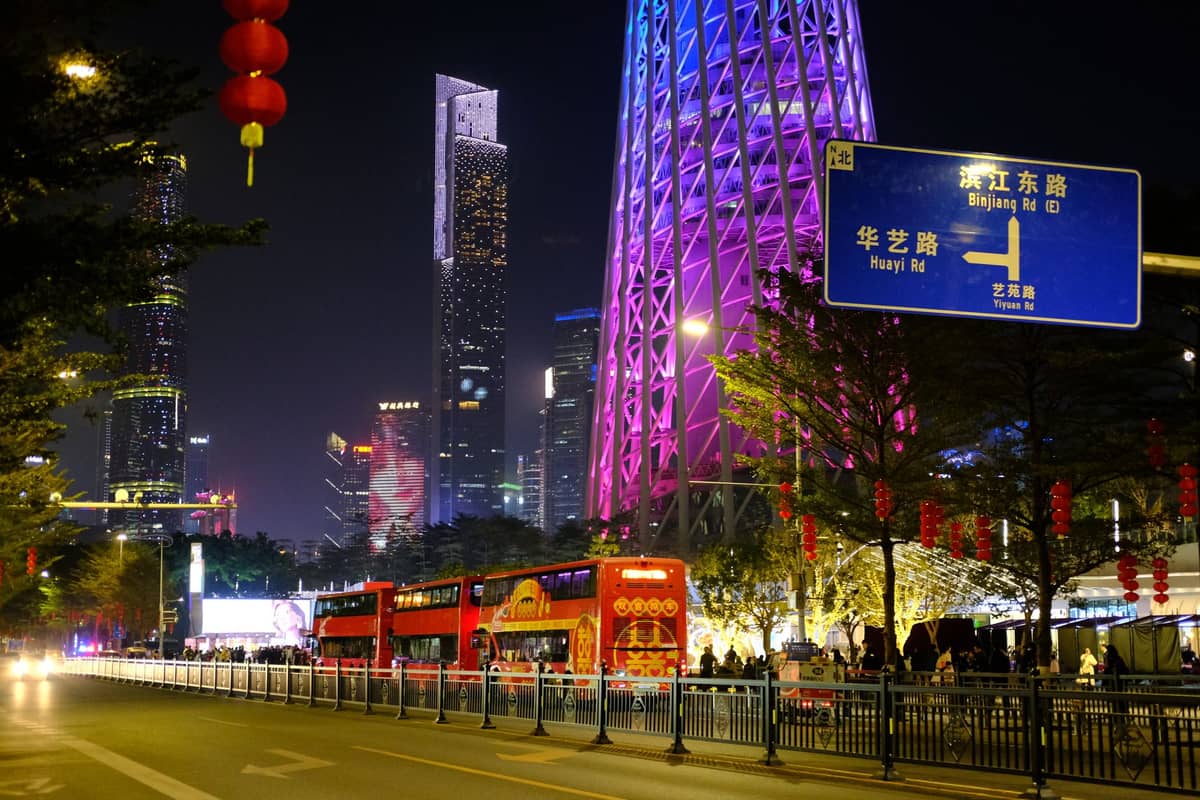
Guangzhou has an extensive bus network that covers every corner of the city, including routes that reach areas the metro doesn't serve. The practical challenge for visitors is that buses are almost entirely in Chinese, with little English on route boards or stop announcements. Unless you are comfortable with mapping apps in Chinese or have a local contact to help, buses are best reserved for neighborhoods you already know well or routes you've confirmed in advance.
Pearl River ferry services connect several riverside points and are worth considering if you're exploring the historic waterfront. They're not a primary commuter option but can be useful for reaching Shamian Island or crossing between the north and south banks of the Pearl River in certain areas. Ticket prices are low. For a broader look at the river as part of a Guangzhou itinerary, the Pearl River guide covers cruise options and waterfront access in more detail.
Cycling is increasingly viable in central Guangzhou thanks to a growing bike-share network (Hello Bike and Meituan Bike are the main operators). These require a Chinese phone number and payment app to unlock, which is a barrier for short-stay visitors. If you have Alipay set up, it's worth exploring for flat, central areas — though traffic and the summer heat make cycling uncomfortable from June through September.
Navigating Between Districts: Practical Distance Context
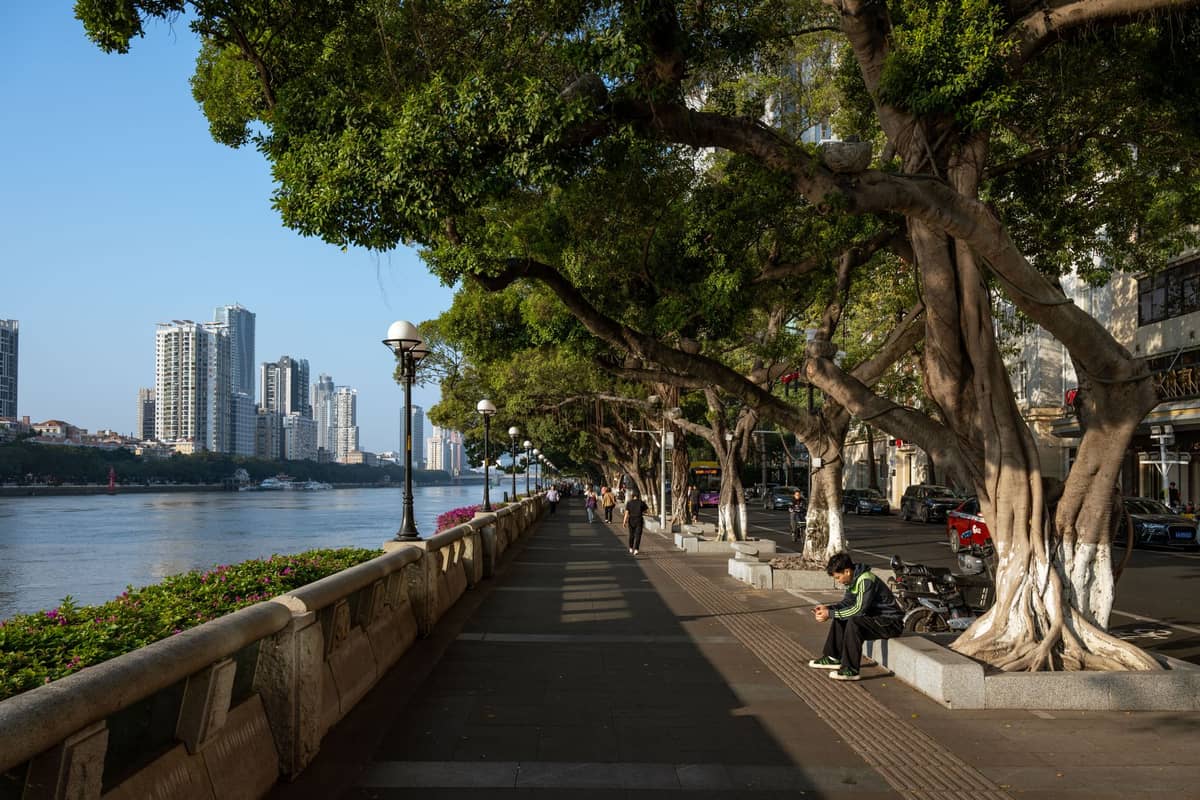
Guangzhou is not a compact city. The distance from the historic core in Yuexiu District to the southern tip of Nansha District is over 60 kilometres. Even within what most visitors think of as "central Guangzhou," the gap between Shamian Island in Liwan and the Canton Tower in Haizhu is around 5–6 kilometres by road. Factor travel time into every itinerary.
The most visited areas for first-time travelers cluster around three metro-accessible zones: historic Yuexiu and Liwan (Lines 1, 5, and 6), modern Tianhe and Zhujiang New Town (Lines 3 and APM), and the Pearl River waterfront including Haizhu (Lines 2 and 8). Most day trips between these zones take 20–35 minutes by metro. Venturing further to Panyu for Chimelong or to Baiyun Mountain takes 45–60 minutes from the city centre.
ℹ️ Good to know
Guangzhou uses CNY (Chinese yuan/renminbi) exclusively. Transport fares, taxis, and DiDi all require CNY payment or a linked Chinese payment app (Alipay or WeChat Pay). Foreign credit cards are not accepted on the metro or in standard taxis. Set up Alipay with an international card before you arrive — this now works for most foreign passport holders and solves the majority of payment friction across transport, food, and shopping.
High-Speed Rail: Connections Beyond the City
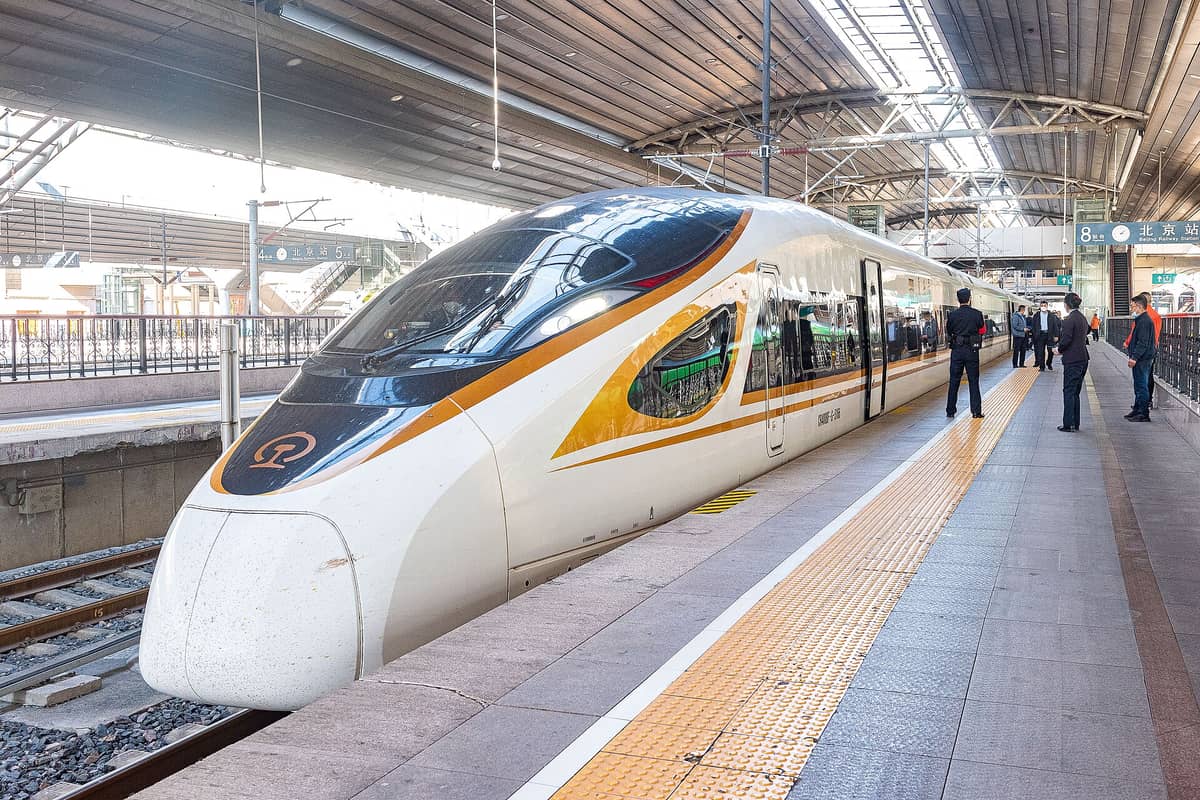
Guangzhou is one of southern China's main rail hubs, with three major stations: Guangzhou South (高铁 high-speed services to Hong Kong, Shenzhen, Beijing, and most of the national HSR network), Guangzhou Station (traditional rail, some regional services), and Guangzhou East Station (services toward Shenzhen and the east). Guangzhou is one of southern China's main rail hubs, with three major stations: Guangzhou South (high-speed services to Hong Kong, Shenzhen, Beijing, and most of the national HSR network), Guangzhou Station (traditional rail, some regional services), and Guangzhou East Station (services toward Shenzhen and the east). Guangzhou South is by far the most important for visitors and connects to the metro via Line 2 and Line 7. The journey to Hong Kong West Kowloon Station takes about an hour on the Guangzhou-Shenzhen-Hong Kong Express Rail Link. For full details on cross-border options, the guide covers ticketing, border formalities, and timing. For full details on cross-border options, the Guangzhou to Hong Kong guide covers ticketing, border formalities, and timing.
FAQ
How much does the Guangzhou Metro cost?
Metro fares are distance-based, starting at ¥2 for short journeys and reaching a maximum of ¥20 for the longest trips. The APM Line in Zhujiang New Town charges a flat ¥2 regardless of distance. Common cross-city fares include ¥8 from Baiyun Airport to Canton Fair Complex and ¥10 from the airport to Guangzhou South Railway Station.
What time does the Guangzhou Metro close?
Most lines operate from approximately 6:00 a.m. to midnight, but last-train times vary by line and by direction of travel. Do not rely on a single closing time — check the departure board at the station, particularly if you're traveling after 11:00 p.m. Missing the last metro means taking a taxi or DiDi.
Is DiDi available in Guangzhou for foreign tourists?
Yes, DiDi operates in Guangzhou and is the most practical ride-hailing option. International registration has expanded, but you typically need a foreign phone number and a payment method such as an international card linked through the app. Availability and registration requirements can change, so check the current version of the DiDi app before your trip.
How do I get from Baiyun Airport to central Guangzhou?
The metro is the recommended option for most travelers. Lines 3 (North Extension) and 9 connect the airport to the main metro network. The fare to central areas is typically ¥6–¥10 depending on your destination. Taxis are available from the official rank outside the terminal but cost significantly more and are subject to traffic delays, especially during the Canton Fair period in April and October.
Do I need cash to use public transport in Guangzhou?
Not necessarily, but you do need Chinese yuan or a Chinese payment app. The metro accepts Alipay and WeChat Pay QR codes at turnstiles, as well as the Yangcheng Tong transit card (purchased and topped up at metro service counters). Standard taxis are typically cash only unless the driver's car has a payment terminal. DiDi charges directly through the app. Foreign credit cards are not accepted on the metro or in most taxis.