Töölö sits on the western side of the Helsinki peninsula, combining two distinct districts, Etu-Töölö and Taka-Töölö, into one of the city's most architecturally coherent and culturally rich neighborhoods. Wide boulevards lined with Nordic classicist apartment blocks lead past national museums, the Olympic Stadium, and Temppeliaukio Church, while Töölönlahti Bay wraps around the eastern edge. It is a neighborhood that rewards slow exploration: residential without being suburban, cultured without being stuffy.
Töölö is where Helsinki keeps its grandest cultural institutions and its most handsome early 20th-century streetscapes. Two districts, Etu-Töölö to the south and Taka-Töölö to the north, form a coherent residential and cultural belt just west of the city centre, framed by Töölönlahti Bay on one side and the Parliament House on the other. If you want to understand Helsinki at its most architecturally self-assured, this is the neighborhood to walk.
Orientation
Töölö occupies the western inner city of the Helsinki peninsula, divided administratively into two sub-districts. Etu-Töölö, meaning 'Front Töölö', is the southern half, starting just north of the Parliament House and Kamppi and extending up toward Töölöntori square. Taka-Töölö, or 'Back Töölö', continues north from there toward the Olympic Stadium and Sibelius Park. Together they form a long, roughly rectangular band of city, bounded by Töölönlahti Bay and its surrounding parkland to the east, and by Meilahti and Ruskeasuo to the north and west.
The main north-south spine is Runeberginkatu, a broad, tree-lined boulevard that runs the full length of the neighborhood and gives it much of its visual character. Mannerheimintie, Helsinki's principal artery, forms the eastern boundary of Etu-Töölö and connects Töölö directly to the city centre and to Helsinki Central Railway Station, roughly a 15-minute walk or a short tram ride to the south. Arkadiankatu and Nordenskiöldinkatu serve as east-west cross streets, helping define the grid that urban planners laid out in the 1920s and 1930s.
To the east, Töölönlahti Bay creates a natural boundary that doubles as one of the city's best urban walking circuits. The bay is flanked by Töölönlahti Bay's park pathway, which connects Töölö to Hakaniemi in the northeast and to the Esplanadi corridor in the south, making it easy to walk between Töölö and Helsinki's central waterfront without using any major roads. Neighboring Kamppi sits immediately to the southeast, while Kallio lies across the bay.
Character & Atmosphere
Töölö has a particular kind of Helsinki gravity to it: serious architecture, wide sidewalks, and a residential calm that persists even on weekdays. The neighborhood developed primarily between 1910 and 1940, following an urban planning competition that set the tone for its Nordic classicist and early functionalist buildings. The result is a streetscape unusually consistent for a European city, dominated by five- and six-story stone and rendered apartment blocks with generous courtyards, ornamental cornices, and ground-floor retail that has mostly stayed small-scale and local.
In the mornings, Runeberginkatu and the streets around Töölöntori square fill with residents heading to work, parents cycling children to school, and people stopping at bakeries for coffee. The light in late spring and summer hits the west-facing facades of the apartment blocks from the side in the early afternoon, giving the whole area a warm, almost southern European quality despite being at 60 degrees north. By evening, the neighborhood quiets down noticeably compared to Kallio or Kamppi: this is primarily a place where people live, and the after-dark scene reflects that.
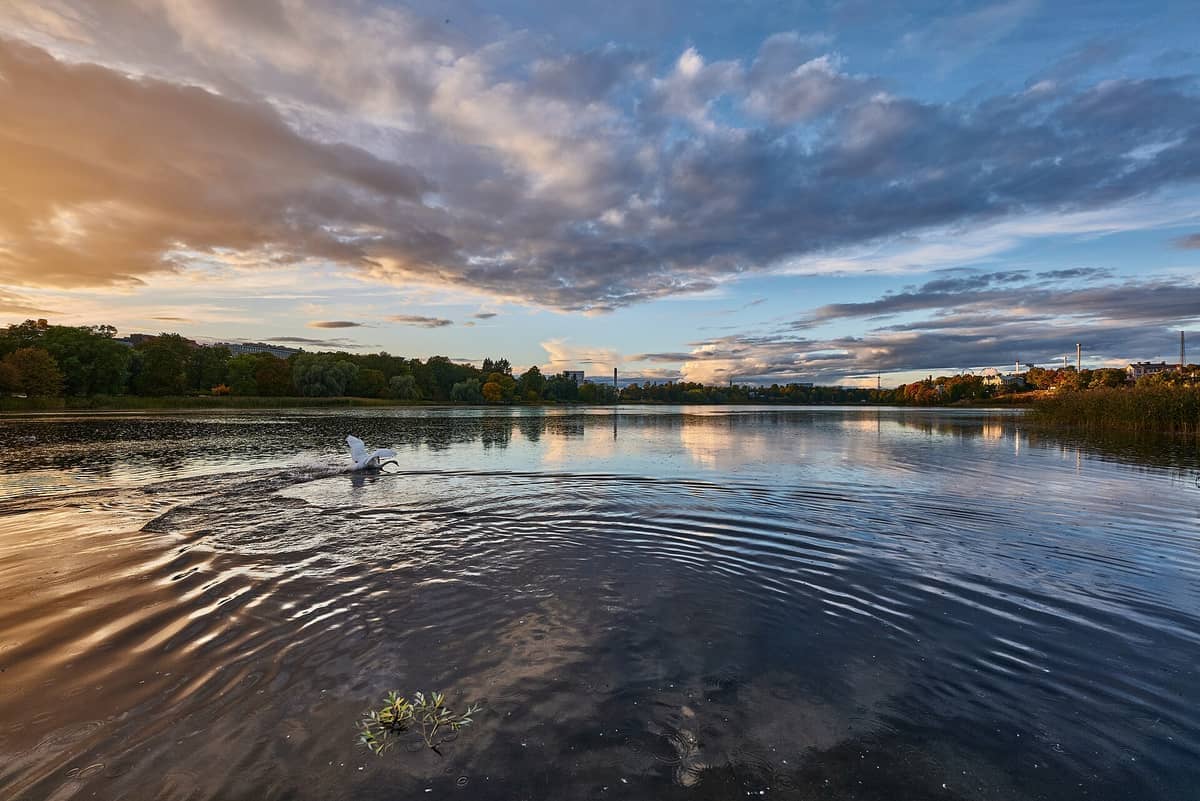
Tourist traffic is concentrated around specific landmarks, particularly Temppeliaukio Church and the National Museum, and is largely absent from the residential streets between them. That contrast is part of what makes Töölö interesting: you can spend ten minutes in a queue at one of Europe's most photographed churches and then walk two blocks to streets where you are almost certainly the only non-resident. The bay-side park path draws joggers and cyclists at all hours, particularly at dusk in summer when the light over the water is exceptional.
💡 Local tip
The Töölönlahti Bay loop is one of Helsinki's best free walks: a roughly 3 km circuit around the bay connecting Töölö to Hakaniemi and the city centre, passing the Finnish National Opera, Finlandia Hall, and multiple park benches. It is at its best in the hour before sunset in summer.
What to See & Do
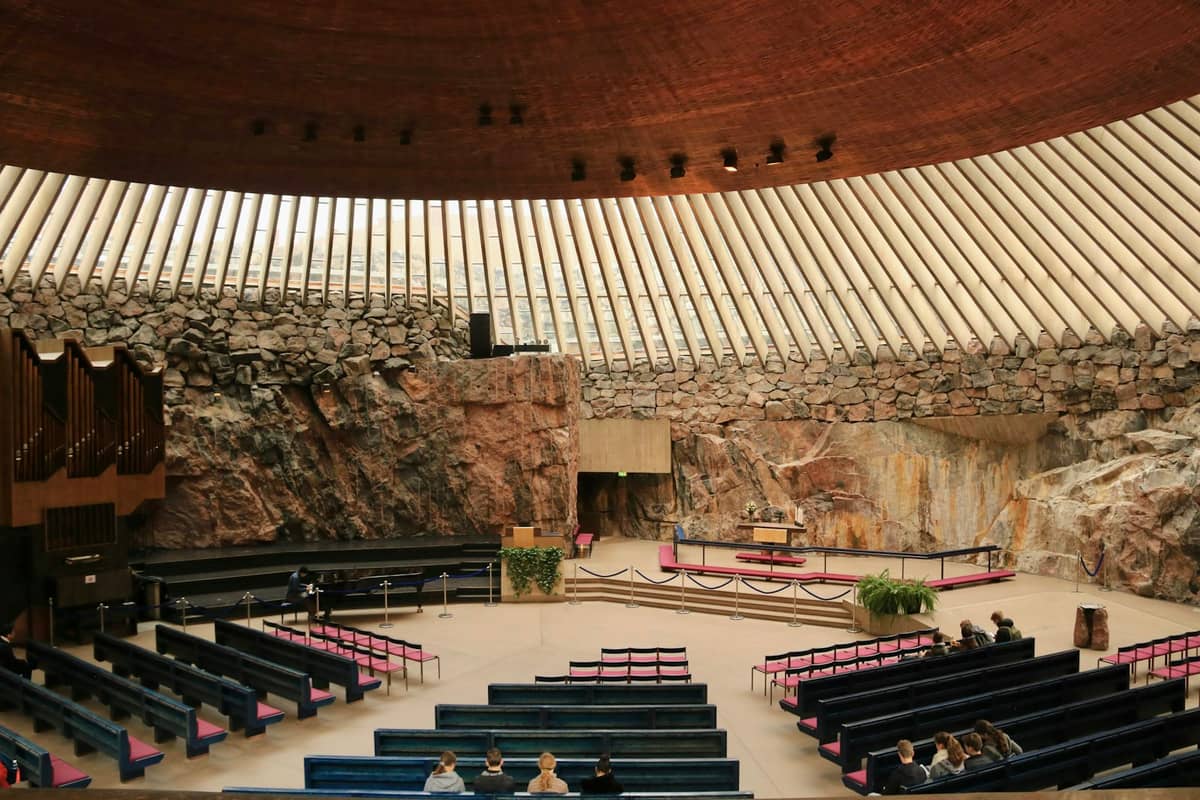
The most famous single sight in Töölö is Temppeliaukio Church, the so-called Rock Church excavated directly into a granite outcrop on Lutherinkatu in Etu-Töölö. Designed by brothers Timo and Tuomo Suomalainen and completed in 1969, it is genuinely unlike almost any other church in the world: the rough rock walls, copper dome, and extraordinary acoustics make it worth the entrance fee even for non-religious visitors. Arrive early in the morning to avoid the worst of the tour group crowds.
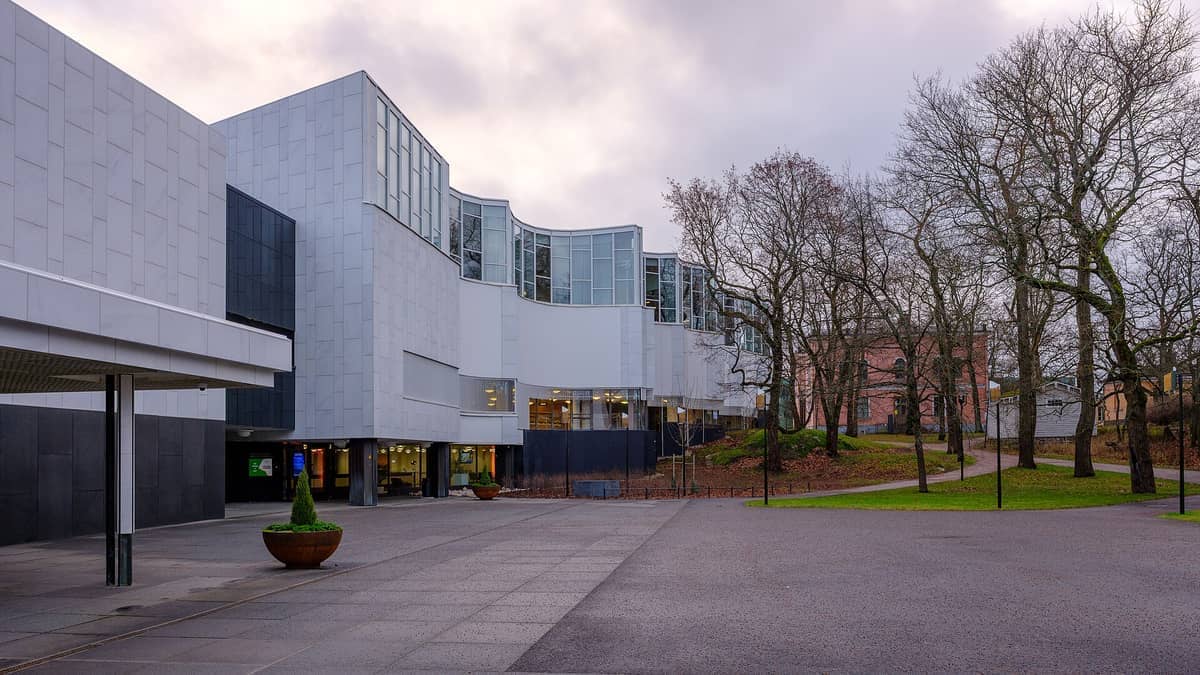
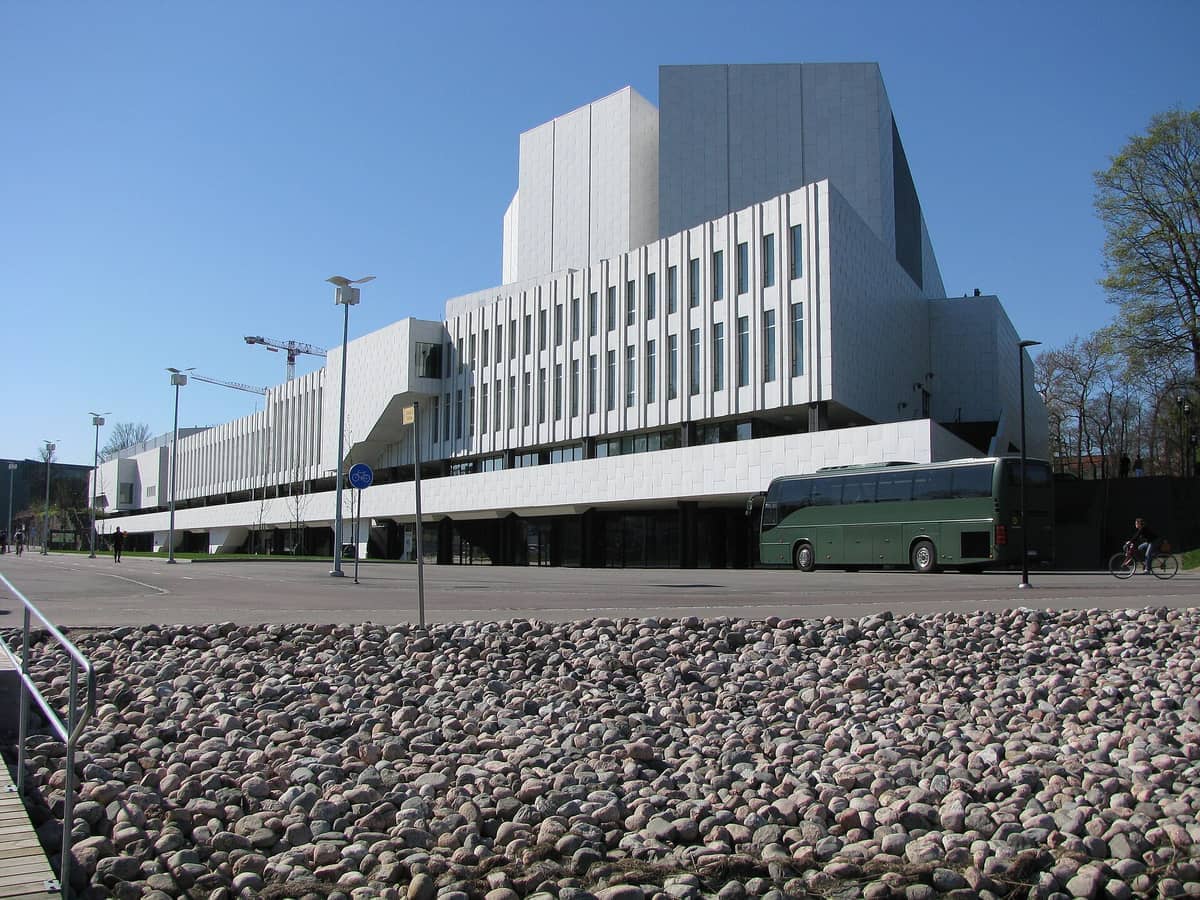
Walking north along Mannerheimintie from Etu-Töölö, the National Museum of Finland occupies a striking National Romantic building completed in 1916, recognizable by its medieval-inspired tower. The collection spans Finnish history from the Stone Age to the present. Nearby, Finlandia Hall, Alvar Aalto's white marble congress and concert venue on the bay edge, is one of the most important works of Finnish modernist architecture. The building, one of the most important works of Finnish modernist architecture, reopened to the public in January 2025 after a major renovation and again hosts concerts, exhibitions, and public events year-round.
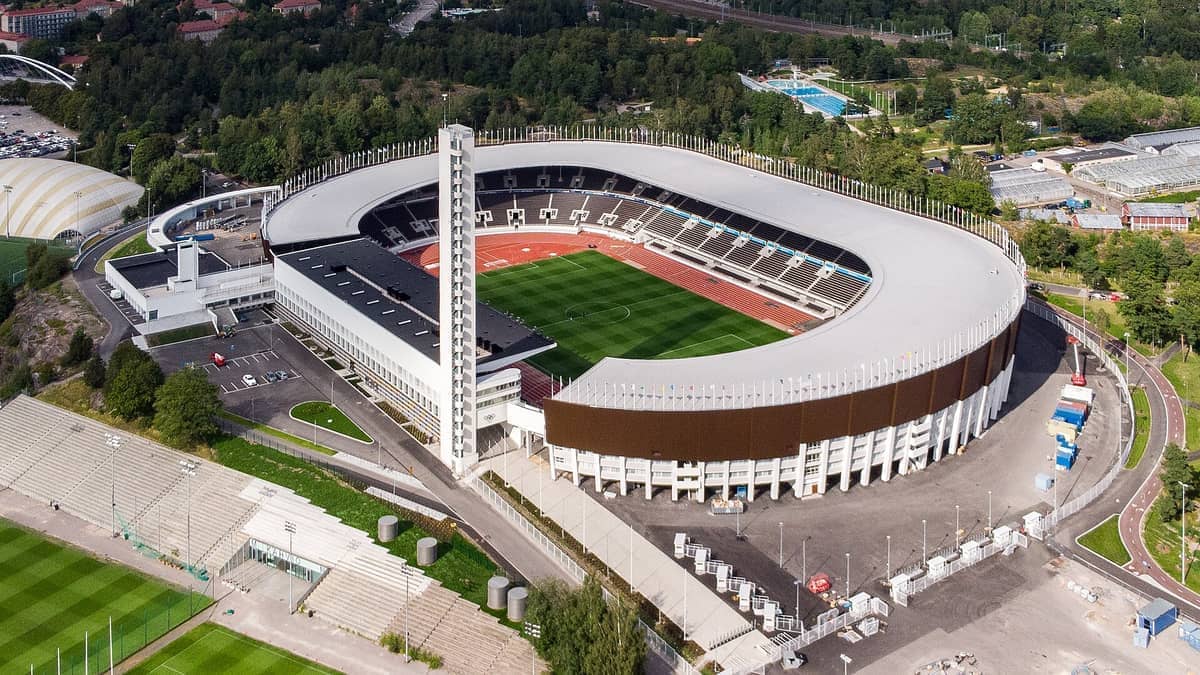
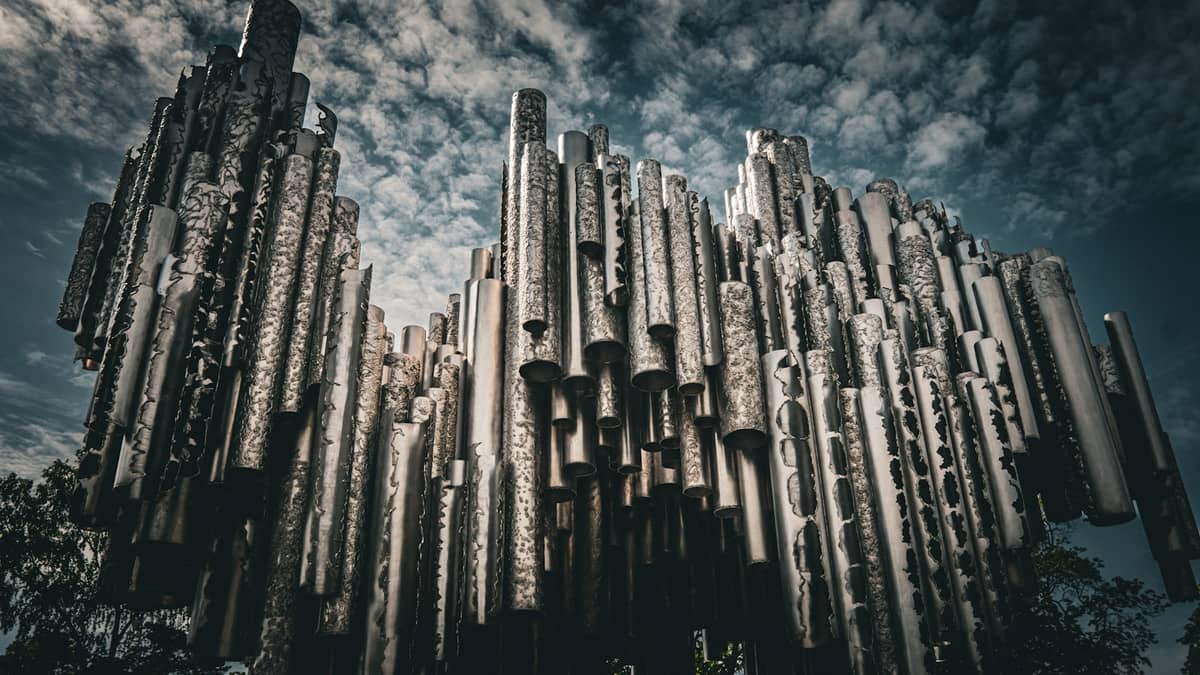
At the northern end of Taka-Töölö, the Helsinki Olympic Stadium is a landmark of Finnish functionalism, built for the 1940 Olympics (postponed to 1952 due to World War II) and still in active use for football and athletics. The 72-meter tower offers one of Helsinki's best panoramic views and is open to visitors. A short walk west brings you to Sibelius Monument in Sibelius Park, Eila Hiltunen's 1967 abstract steel sculpture dedicated to composer Jean Sibelius: a mass of vertical steel pipes that makes an unexpectedly ethereal sound in the wind.
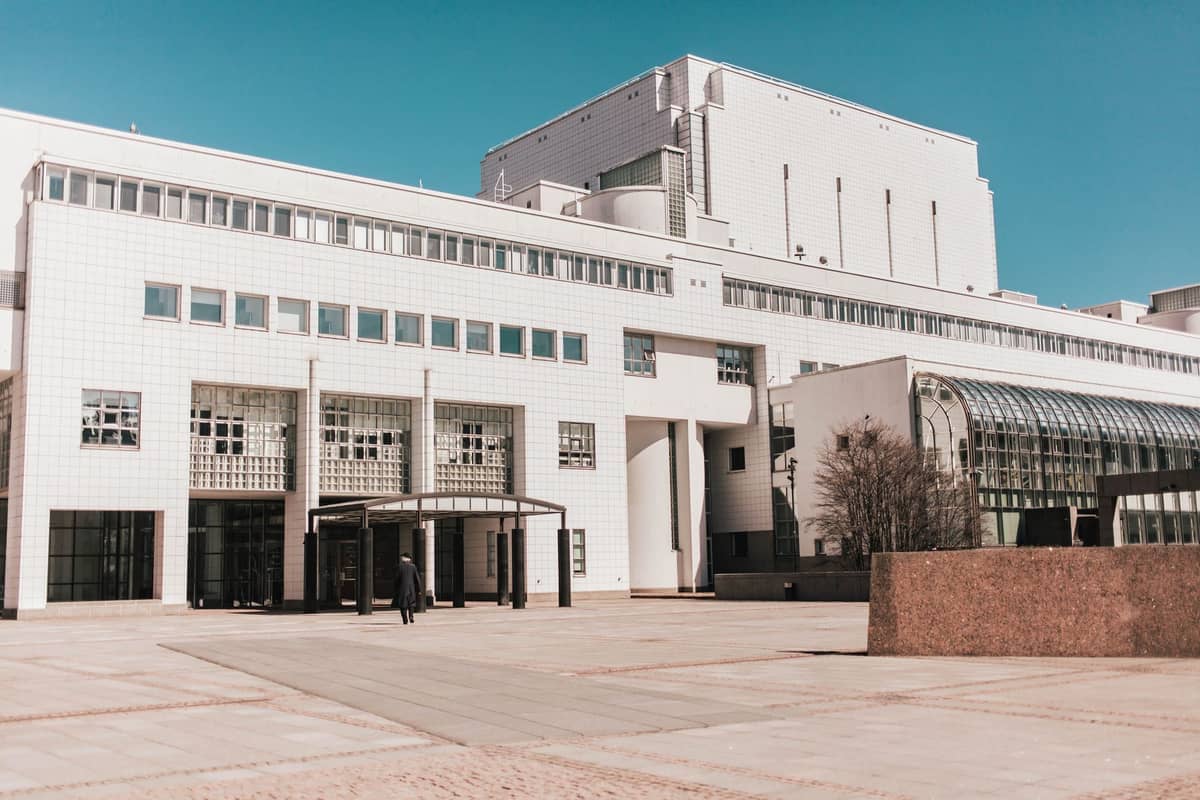
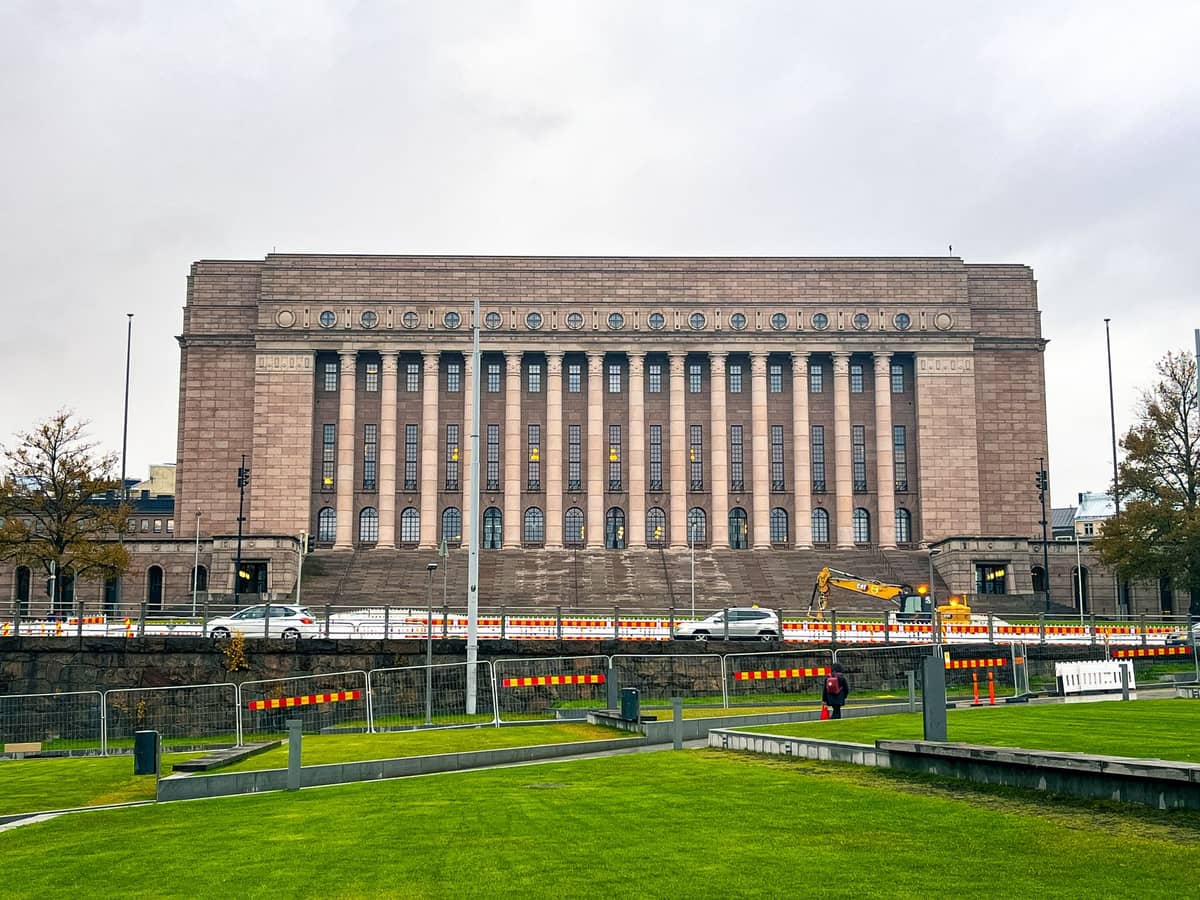
The Finnish National Opera building sits on the northeastern edge of Töölö at the top of Töölönlahti Bay. Even if you are not attending a performance, the building and its surroundings are worth a look. The Parliament House on Mannerheimintie marks the southern boundary of the neighborhood and, while access to the interior is limited, the neoclassical granite facade is one of Helsinki's most photographed exteriors.
Temppeliaukio Church (Rock Church) on Lutherinkatu: excavated into granite bedrock, open daily
National Museum of Finland on Mannerheimintie: Finnish history from prehistory to the present
Finlandia Hall on Karamzininranta: Alvar Aalto masterpiece with bay views, reopened to the public in January 2025 after a major renovation
Helsinki Olympic Stadium tower: panoramic city views, stadium tours available
Sibelius Monument and Park: steel sculpture in a quiet residential park setting
Finnish National Opera on Helsinginkatu 58: evening performances and guided tours
Töölönlahti Bay walking circuit: 3 km park loop with views of the bay and city skyline
Parliament House on Mannerheimintie: notable neoclassical exterior
ℹ️ Good to know
Töölö has an unusually high concentration of national-level cultural institutions for a residential neighborhood. Many are within comfortable walking distance of each other: the National Museum, Finlandia Hall, the Opera, and Temppeliaukio Church can all be visited in a single well-paced day on foot.
Eating & Drinking
Töölö is not Helsinki's dining destination in the way that Punavuori or Kallio are, but it has a solid neighborhood food scene oriented toward residents rather than tourists. The streets around Töölöntori square and along Runeberginkatu have the highest concentration of cafés and restaurants. Expect a mix of Finnish lunch spots, traditional bakeries, Italian trattorias, and a handful of Japanese and Asian restaurants that have established themselves in the area over the past decade.
Café culture is strong here: Töölö has several independent cafés that serve as neighborhood anchors, especially on weekend mornings when the streets are quieter and families settle in for long breakfasts. These tend to be warmer and less sceney than comparable spots in Kallio, with prices at mid-range Helsinki levels. Coffee quality has improved markedly in recent years as specialty roasters have moved into the area.
For evening dining, the neighborhood offers a range of options from casual Finnish comfort food to more refined Nordic cooking. Given the proximity of the Opera house and Finlandia Hall, there are a few restaurants clearly designed for pre-performance dining, with efficient service and menus that can be completed in under two hours. Bar options are limited compared to central or east Helsinki neighborhoods: Töölö winds down earlier, and residents seeking a late night tend to move south to Kamppi or east to Kallio. There are a few reliable neighborhood bars, particularly around Töölöntori, but nightlife in the strict sense is not what this area is known for.
💡 Local tip
If you are attending an evening performance at the Finnish National Opera, book a restaurant in advance: the few eateries near the Opera fill quickly on performance nights, especially in autumn and winter.
Getting There & Around
Töölö is well connected to central Helsinki by tram. Tram lines 1T and 8T serve key stops along Runeberginkatu and Arkadiankatu, running regularly and connecting the neighborhood to the city centre and beyond. From Helsinki Central Railway Station, the walk to southern Etu-Töölö takes roughly 15 to 20 minutes along Mannerheimintie, passing the Parliament House. Several bus lines including routes 37, 63, and 69 also serve Töölöntori and nearby stops on Runeberginkatu and Arkadiankatu.
The nearest metro station is Kamppi, approximately a 5-minute walk from the southern edge of Etu-Töölö. Kamppi is one of Helsinki's main transit hubs and provides metro connections east toward the city centre and west toward Lauttasaari and Espoo, as well as access to the Kamppi long-distance bus terminal. For visitors based in Töölö, the tram network tends to be more useful for local movement than the metro, since the metro does not pass through the neighborhood itself.
On foot, Töölö is very walkable internally: the distance from Etu-Töölö at the Parliament House to the Olympic Stadium at the northern end of Taka-Töölö is around 2 km, a comfortable 30-minute walk along Runeberginkatu. The Töölönlahti Bay path on the eastern side provides a pleasant alternative route between Töölö and the central waterfront, passing Finlandia Hall and the Opera. For a practical overview of Helsinki's transit options, see the guide to getting around Helsinki.
Where to Stay
Töölö is not Helsinki's main hotel district, but it has a number of well-regarded accommodation options that appeal to travelers who prefer a quieter, more residential base with easy access to cultural landmarks. The area around Etu-Töölö is particularly well positioned: central enough to walk to the main sights and shopping of the city core, but away from the noise of the train station area. For a broader look at where to stay across Helsinki, the where to stay in Helsinki guide provides neighborhood comparisons.
The southern part of Etu-Töölö, close to the Parliament House and Mannerheimintie, suits travelers who want to walk to central Helsinki sights quickly and have tram access in multiple directions. The streets around Töölöntori are a good choice for those who want a genuine neighborhood feel with nearby cafés and local shops. Taka-Töölö is quieter and slightly removed from the main tourist circuit, which suits longer-stay visitors or those who specifically want to be near the Stadium or Sibelius Park.
Töölö is a particularly good base for first-time Helsinki visitors who want to cover the cultural landmarks efficiently without staying in a more touristy or noisy central location. Families and older travelers often find the wide, calm streets and good tram connections well suited to their needs. Budget travelers may find better value in Kallio or Kamppi, where hostel options are more plentiful.
Practical Notes
Töölö is a safe, calm neighborhood with no particular safety concerns for visitors at any time of day or night. Noise is not a significant issue except on major event days at the Olympic Stadium, when large crowds move through the northern end of the area. On those days, the streets around the stadium can become congested in the hours before and after events. Check the stadium schedule if you are staying in Taka-Töölö. For tips on timing your visit to Helsinki more broadly, the best time to visit Helsinki guide is useful.
Winter in Töölö is cold but rewarding in its own way: the wide, snow-covered boulevards and the frozen bay create a very different atmosphere from the summer neighborhood. Many attractions remain open year-round. For seasonal expectations, see the guide to Helsinki in winter. In summer, the long evenings transform the bay path and parks into social spaces that fill with residents until late, making Töölö surprisingly lively in a low-key way from June through August.
⚠️ What to skip
Temppeliaukio Church charges an entrance fee and attracts significant tour group traffic, particularly from late morning onward. If you want the interior to yourself, aim to visit when it first opens or in the late afternoon on weekdays.
TL;DR
Töölö is Helsinki's premier neighborhood for cultural landmarks: Temppeliaukio Church, the National Museum, Finlandia Hall, the Olympic Stadium, and the Finnish National Opera are all here or within easy walking distance.
The neighborhood has a calm, residential character shaped by Nordic classicist and functionalist architecture from the 1920s and 1930s, with wide boulevards and consistent streetscapes.
It is well connected to central Helsinki by tram (lines 1T and 8T), on foot via Mannerheimintie and the Töölönlahti Bay path, and by metro from nearby Kamppi station.
The food and bar scene is modest and neighborhood-oriented rather than destination-level; Töölö is better for daytime café culture than for nightlife.
Best suited for first-time Helsinki visitors, culture-focused travelers, families, and anyone who wants a quieter residential base without sacrificing proximity to major sights.
Helsinki rewards a focused two-day visit better than almost any other Nordic capital. This itinerary covers the essential landmarks, best neighborhoods, and a few genuinely worthwhile detours — with practical transport details, honest cost breakdowns, and seasonal advice built in.
Helsinki offers more than its compact scale suggests when it comes to museums. From the golden-age canvases at the Ateneum to open-air farmhouses on a forested island, the city's collections span Finnish identity, world-class design, and contemporary art. This guide covers the best museums in Helsinki, with practical advice on what to expect at each.
Helsinki rewards visitors in every season, but the experience varies dramatically. This guide breaks down weather, crowd levels, prices, and what actually happens on the ground across all four seasons, so you can pick the timing that matches your priorities.
Helsinki is compact enough to explore in a couple of days, but the surrounding region rewards further exploration. From the medieval streets of Tallinn across the Gulf of Finland to the wooden old town of Porvoo and the wilderness of Nuuksio National Park, these are the day trips worth building time into your itinerary for.
Finnish food is more than fish and potatoes. This guide covers the essential dishes to try in Helsinki, where to find them, what they cost, and which seasonal specialties are worth planning around.
Helsinki punches well above its weight for free experiences. From permanently free museums and UNESCO World Heritage sites to urban beaches, sweeping architecture, and peaceful island walks, this guide covers the best free things to do in Helsinki across every season.
Helsinki has one of the most logical public transport systems in Northern Europe, built around a zone-based ticketing network that covers buses, trams, metro, commuter trains, and ferries. This guide covers every mode of transport, from landing at Helsinki Airport to island-hopping by ferry, with practical advice on what to use and what to skip.
The Helsinki Card promises free entry to 25+ attractions plus sightseeing tours from €51 for 24 hours. But does it actually save you money? This guide runs the real numbers, explains the three card versions, and tells you exactly when it's worth buying and when it isn't.
Helsinki's Christmas market season runs from late November through December, centered on the atmospheric Tuomaan Markkinat at Senate Square. This guide covers dates, opening hours, what to expect, and how to make the most of your visit in the Finnish winter.
Helsinki offers more than its compact scale suggests when it comes to design. From the combined Architecture and Design Museum to the underground wonder of Amos Rex, plus one of Europe's most concentrated design shopping districts, this guide covers everything you need to experience the city's design culture properly.
Summer transforms Helsinki into one of Northern Europe's most rewarding city destinations. Nearly 19 hours of daylight, major arts festivals, waterfront saunas, and island escapes make June through August the city's peak season. This guide covers everything you need to plan a summer trip, from the reality of the midnight sun to navigating Midsummer closures.
Helsinki in winter is a different city entirely. Snow-dusted streets, just six hours of daylight, and a culture built for cold. This guide covers everything from average temperatures and transport to the best seasonal activities, so you can decide if a winter visit is right for you.
Helsinki is defined by its archipelago. With dozens of islands ranging from a UNESCO World Heritage fortress to tiny sauna islands, knowing which to visit and how to reach them makes the difference between a great trip and a missed opportunity. This guide covers the best islands for every type of visitor.
Helsinki's market halls are the city's most reliable year-round food destinations, offering everything from fresh Finnish fish and game to evening dining and weekend flea markets. This guide covers all three halls — Old Market Hall, Hakaniemi, and Hietalahti — with practical details on what to eat, when to go, and how to get there.
Helsinki's nightlife runs later than most visitors expect, with licensed venues legally permitted to serve alcohol until 04:00 and some clubs closing even later. This guide covers the best neighborhoods, key venues, alcohol laws, and how to get home safely after a long night in the Finnish capital.
Helsinki has a reputation for being expensive, and it partly deserves it. But with the right strategy, you can see the best of Finland's capital without hemorrhaging euros. This guide covers transport costs, free attractions, the Helsinki Card, and practical tips for keeping your daily spend under control.
Sauna is not a wellness trend in Helsinki — it is infrastructure. This guide breaks down the best public saunas in the city by type, price, and experience, with practical advice on booking, etiquette, and what each venue actually delivers.
Helsinki is a surprisingly strong shopping destination. This guide covers the city's best shopping districts, indoor market halls, open-air markets, and the Finnish design brands worth seeking out, with practical hours, seasonal tips, and practical advice on what to skip.
The Helsinki to Tallinn ferry is one of the busiest short sea crossings in Europe, with up to 6 daily sailings per direction, crossing times as short as 2 hours, and fares starting around €15. This guide covers every operator, pricing reality, port logistics, and seasonal tips so you can book smart.
Vappu transforms Helsinki into Finland's largest outdoor celebration every 30 April and 1 May. From the iconic Havis Amanda statue capping ceremony to sprawling picnics in Kaivopuisto Park, this guide covers everything you need to know to experience the festivities like a local.
Helsinki is a city defined by water, sky, and open horizon. Whether you're scanning the harbour from a cathedral terrace or watching the sun set from a rooftop bar, these are the best viewpoints in the city, ranked and organised by type.
This guide walks you through the best self-guided route across central Helsinki, covering Senate Square, the waterfront, Esplanadi Park, Oodi Library, and beyond. Get practical stop-by-stop advice, timing tips, and honest notes on what to skip.
Helsinki's climate swings from dark, snowy winters to long-lit summers with near-19 hours of daylight. This guide breaks down Finland weather month by month, covering temperatures, precipitation, daylight, and exactly what to wear and plan for each season.
Helsinki is one of Northern Europe's most practical cities for families, with a compact layout, excellent public transport, and a strong mix of indoor and outdoor attractions that work across all seasons. This guide covers the best kid-friendly experiences, clear pricing, seasonal logistics, and what to skip.
Helsinki divides opinion. Some travelers leave wondering what the fuss was about; others come back every year. This guide cuts through the noise with specific costs, seasonal realities, and an honest take on what the Finnish capital actually delivers — and where it falls short.
Helsinki packs an extraordinary range of experiences into a compact, walkable city on the Baltic coast. This guide covers the best things to do in Helsinki across culture, nature, food, and nightlife, with practical advice on what's worth your time and what to skip.
Helsinki is compact enough that almost any central neighbourhood works as a base, but the right choice depends on your budget, travel style, and priorities. This guide breaks down the best areas to stay, typical hotel prices by category, and what to watch out for before you book.