Hietaniemi Beach (Hietaranta): Helsinki's Best Urban Sandy Shore
Known locally as 'Hietsu', Hietaniemi Beach is the closest thing Helsinki has to a classic city beach. A broad stretch of pale sand on the edge of the Töölö district, it draws swimmers, sunbathers, and volleyball players from early June through August. Entry is free, and it is reachable by tram or bus in under 30 minutes from the city centre.
Quick Facts
- Location
- Hiekkarannantie 11, 00100 Helsinki (Töölö district)
- Getting There
- Trams 1 or 2 to Apollonkatu, then ~15–20 min walk; or Bus 24 to Sandudd/Hietaranta stop
- Time Needed
- 1.5–3 hours for a swim and beach visit; longer if you bring a picnic
- Cost
- Free (public beach, no tickets required)
- Best for
- Summer swimming, people-watching, and relaxed outdoor time close to the city centre
What Hietaniemi Beach Actually Is
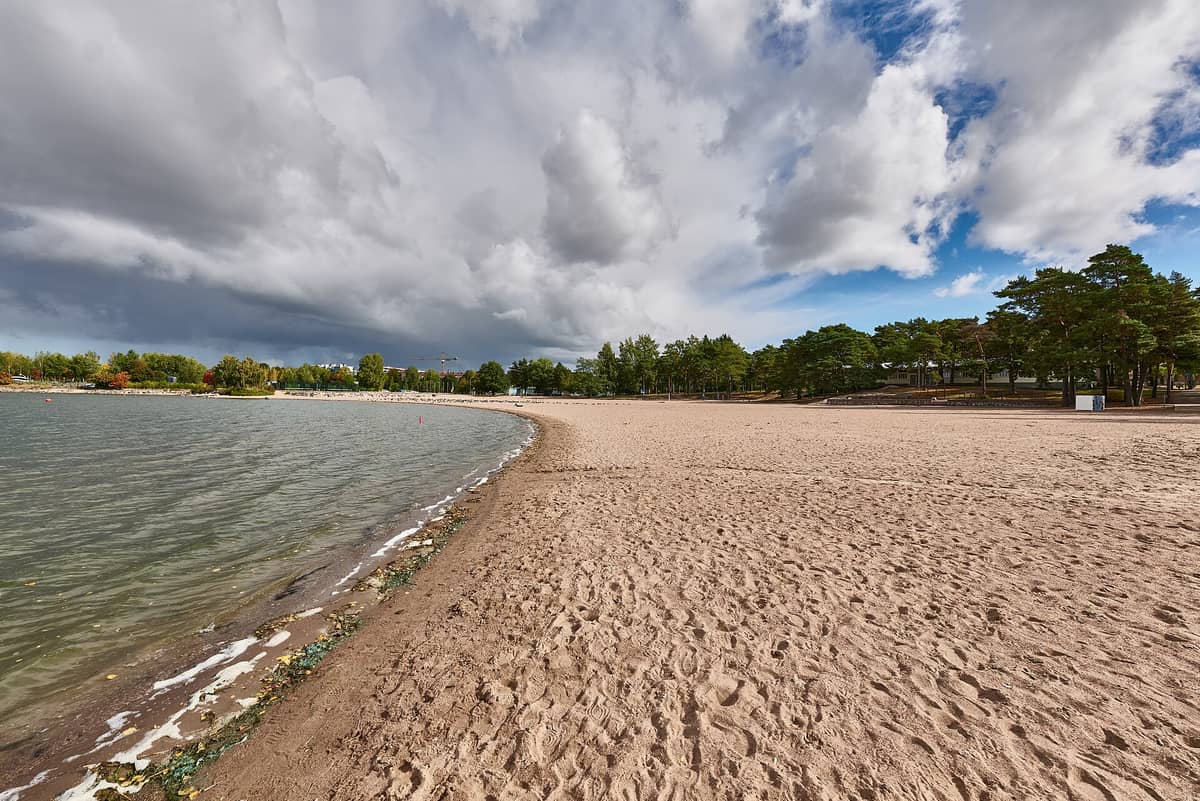
Hietaniemi Beach, or Hietaniemen uimaranta in Finnish, is the most visited public beach in Helsinki and one of the few places in the city where you get a proper stretch of sand rather than bare rock or a pier. Locals call it 'Hietsu', and that nickname alone tells you something about how embedded the place is in city life.
The beach sits on the western edge of the Töölö district, about 2.5 kilometres from Helsinki Central Railway Station along the shoreline. It fronts the open waters of the Gulf of Finland, facing southwest, which means afternoon and evening light hits it directly. The water is clean and shallow for a considerable distance from shore, making it genuinely suitable for swimming rather than just wading.
Hietaniemi is also adjacent to the Hietaniemi Cemetery, one of Helsinki's oldest and most historically significant burial grounds, and the broader Töölö area contains several of the city's cultural landmarks. If you're planning a longer day in the neighbourhood, the Töölönlahti Bay walking loop is within easy reach, and the district gives access to the Helsinki Olympic Stadium just to the north.
ℹ️ Good to know
Admission is free. The beach is a public space open around the clock year-round. Staffed facilities in the café building (toilets, indoor showers, dressing rooms) close at 19:30, and additional outdoor changing shelters and showers are available on the beach outside those hours.
How the Beach Changes Through the Day
On a warm summer weekday, the beach at 10:00 is calm and largely populated by parents with small children and morning swimmers doing laps parallel to shore. The sand is cool, the light is still coming from the east, and the café has just opened. This is the easiest time to find a good spot, spread out, and take a proper look at the layout.
By early afternoon, particularly on weekends in July, the dynamic shifts completely. Volleyball nets fill up, the water becomes noisier, and the entire stretch of sand becomes a patchwork of towels and folding chairs. The smell of sunscreen mixes with whatever is coming off the nearby grill. Finding shade requires either arriving early or walking further toward the northern end of the beach where the crowds thin slightly.
Evening is arguably the most rewarding time to visit in midsummer. Around 19:00–21:00, the peak crowd has dispersed, the light turns golden and low across the water, and the beach takes on a quieter, more social atmosphere. Swimmers are still in the water until well past 20:00, and the long Nordic twilight keeps the scene pleasant long after the official lifeguard supervision hours end. If you want photographs that actually look interesting, come in the late evening.
💡 Local tip
Lifeguard supervision runs during the summer season, typically around 10:00–20:00 in June, July, and August. Always check current hours with the City of Helsinki before visiting, as these can vary by season and staffing.
Tickets & tours
Hand-picked options from our booking partner. Prices are indicative; availability and final rates are confirmed when you complete your booking.
Helsinki Beautiful Canal Route, archipelago cruise
From 26 €Instant confirmationFree cancellationHelsinki Panorama Sightseeing Bus Tour With Audio Guide
From 35 €Instant confirmationFree cancellationHelsinki Pasila Street art district tour with a local
From 99 €Instant confirmationFree cancellationSurvival suit floating experience
From 125 €Instant confirmationFree cancellation
The Water and What You Can Do In It
The Gulf of Finland is not a warm sea. Water temperatures at Hietaniemi typically reach their peak in July and early August, commonly ranging between 18°C and 22°C in a warm summer, though this varies significantly year to year. In June and early July, temperatures in the 14–17°C range are common, which is bracing but entirely swimmable for most people.
The sandy bottom stays shallow for a good distance, which makes it easy for children to wade and for adults to take gradual entries rather than diving straight in. There are no strong currents to worry about in normal conditions, and the beach faces a relatively sheltered arc of water. On choppy days, the waves rarely exceed half a metre, so even nervous swimmers are rarely troubled.
Beyond swimming, beach volleyball is a serious activity here, with dedicated nets that get heavy use on summer afternoons. Frisbee, paddleboarding and kayaking are also common sights. Some visitors bring small portable grills, though it is worth checking current city regulations on open fires before doing so.
Facilities and What Is Actually There
A permanent café and changing facility building sits at the centre of the beach. Inside, you'll find toilets, indoor showers, and dressing rooms, all accessible during the building's open hours (closing at 19:30). Outdoor changing shelters and outdoor showers are available 24 hours a day.
The café serves drinks and simple food. It is not a restaurant, but it handles the typical beach requirements: something cold to drink, a snack, ice cream. Lines can be long at peak hours on a hot Saturday; if you want to avoid queuing, bring your own food and drink. There are bins and generally a reasonable level of maintenance throughout the summer season.
The city's beach page includes accessibility information and a service map link covering accessible routes, toilets, and parking arrangements. On-street and nearby parking is available for those arriving by car, including time-limited free parking options, though specific parking regulations should be verified before your visit. For those using public transport, the tram and bus connections are genuinely straightforward.
Getting There Without a Car
Trams 1 and 2 stop at Apollonkatu, from which the beach is about a 15–20-minute walk west through a residential street. This is the most reliable tram option, well-connected to the central tram network. Bus 24 from the Kamppi or Rautatientori area runs to the Sandudd/Hietaranta stop, which leaves a 5–10 minute walk. Either option takes well under 30 minutes from the city centre.
The beach is also walkable from the city centre in around 30 minutes along pleasant residential streets and the western shore. If you are exploring central Helsinki more broadly, check the guide to getting around Helsinki for current tram and bus route details, as timetables and numbers are updated periodically by HSL.
💡 Local tip
The HSL transit app or website gives real-time routing from your current location to the beach. A single HSL ticket covers trams and buses; day passes are available if you plan to use public transport extensively.
Seasonality and Honest Expectations
Hietaniemi Beach is a summer attraction. In practical terms, that means mid-June through August, with the strongest experience in July when both air temperatures (typically 18–25°C) and water temperatures peak. May and early September can be pleasant for a walk along the sand or a very cold swim, but the café may not be open and the facilities will be restricted.
The beach exists and is technically accessible year-round, and in winter it takes on a quietly dramatic character: a wide, empty expanse of frozen or snow-covered sand with the Gulf ice-grey in the distance. This has its own appeal, but it is not a swimming destination in any conventional sense outside the summer months.
If you're visiting Helsinki outside summer and want a water-based experience, the city's sauna and sea pool culture is a better option. The Löyly sauna and the Allas Sea Pool operate year-round and offer outdoor swimming in heated or naturally cold water in ways that are designed for non-summer conditions. For more on the sauna scene, the Helsinki sauna guide covers the main options.
On peak summer days, particularly Saturdays in July, Hietaniemi gets genuinely crowded. This is not a secluded spot and it does not try to be. If you want a quieter beach experience closer to the city, there are smaller options on some of Helsinki's islands. But for the experience of seeing how Helsinki collectively relaxes in warm weather, the crowded version of Hietaniemi is not something to avoid. It is part of the point.
Who May Not Enjoy This Beach
Visitors who need warm water, constant sun, or resort-level facilities will likely be disappointed. The Gulf of Finland is cold by Mediterranean standards, Helsinki's summer sun is not guaranteed, and the on-site café is basic. Those expecting a broad range of water sports rentals, sun lounger hire, or any kind of managed beach experience will need to adjust their expectations significantly.
People with significant mobility difficulties may find the soft sand and limited hard-surface access challenging beyond the central facilities area. The city provides accessibility information on its beach page and that is worth consulting in advance.
Insider Tips
- The northern end of the beach stays less crowded even at peak times. Walk past the main facility building and keep going along the shore for 5–10 minutes to find more space.
- If you arrive by tram, the walk from Apollonkatu takes you through a quiet residential section of Töölö that is pleasant in its own right and avoids the main road entirely.
- Facility showers and dressing rooms close at 19:30. If you plan a late-evening swim in midsummer, bring a towel you can use outside and plan on changing at your accommodation.
- The beach faces southwest. For the best natural light and the warmest direct sun, come from mid-afternoon onward rather than in the morning.
- Water temperatures are posted on the City of Helsinki beach page and updated regularly in summer. Check before you go if temperature matters for your swim.
Who Is Hietaniemi Beach (Hietaranta) For?
- Families with children who want easy access to a sandy, shallow swimming beach
- Travelers visiting Helsinki in July or August wanting a genuine local beach day
- Budget-conscious visitors, as the beach itself costs nothing
- People interested in seeing how Helsinki residents use public space in summer
- Anyone combining a beach afternoon with a broader Töölö neighbourhood walk
Nearby Attractions
Other things to see while in Töölö:
- Finlandia Hall
Finlandia Hall is Helsinki's most architecturally significant congress and concert venue, designed by Alvar Aalto and completed on the western shore of Töölönlahti Bay. Whether you come for the permanent Aalto exhibition, a concert evening, or simply to study the building's striking white marble facade up close, the hall sits at the intersection of Finnish cultural identity and modernist design.
- Finnish National Opera and Ballet
The Finnish National Opera and Ballet, known locally as Kansallisooppera ja -baletti, is Finland's foremost performing arts institution, occupying a purpose-built house on the edge of Töölönlahti Bay. Whether you are new to opera or a longtime ballet devotee, the venue delivers a polished, accessible experience at the heart of Helsinki's cultural calendar.
- Helsinki Central Library Oodi
Opened on 5 December 2018, Helsinki Central Library Oodi is a landmark public building at Kansalaistori Square, steps from the Central Railway Station. It combines a working library with makerspaces, a cinema, a rooftop terrace, and a cafe, all free to enter. The architecture alone justifies a visit, but the building earns its reputation by being genuinely useful.
- Helsinki Olympic Stadium
Built for the 1952 Summer Olympics, the Helsinki Olympic Stadium in Töölö is Finland's most storied sports venue. Visitors can climb its landmark tower for sweeping city views, tour the TAHTO Sports Museum, and walk the same track that once hosted the world's greatest athletes.