Finnish National Opera and Ballet: Helsinki's Home of Opera and Dance
The Finnish National Opera and Ballet, known locally as Kansallisooppera ja -baletti, is Finland's foremost performing arts institution, occupying a purpose-built house on the edge of Töölönlahti Bay. Whether you are new to opera or a longtime ballet devotee, the venue delivers a polished, accessible experience at the heart of Helsinki's cultural calendar.
Quick Facts
- Location
- Helsinginkatu 58, 00260 Helsinki, next to Töölönlahti Bay
- Getting There
- Tram and bus stop 'Ooppera', approx. 1.5 km from Helsinki Central Railway Station
- Time Needed
- 2.5–3.5 hours for a full performance; 30–45 min to explore the foyer and surrounds
- Cost
- Ticket prices vary by production and seat category; check the official site for current listings
- Best for
- Classical performing arts lovers, architecture enthusiasts, evening cultural outings
- Official website
- oopperabaletti.fi/en
What the Finnish National Opera and Ballet Actually Is
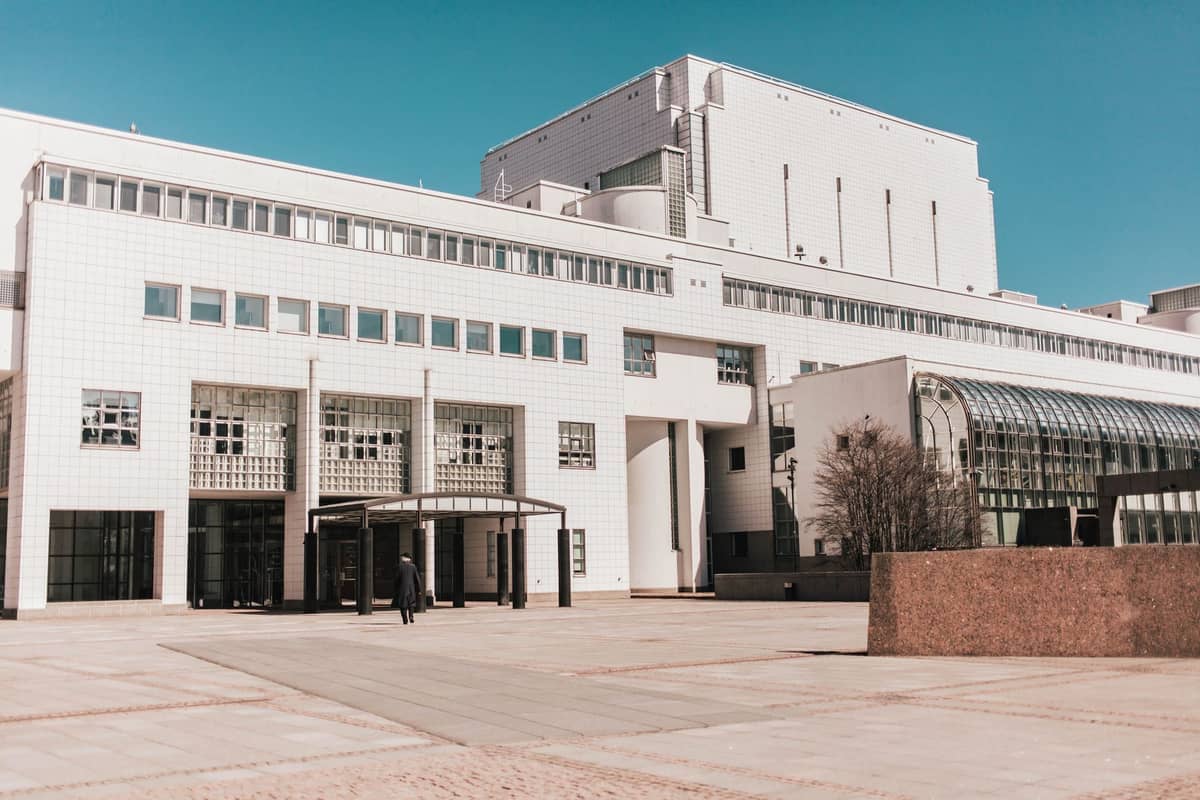
The Finnish National Opera and Ballet, or Kansallisooppera ja -baletti in Finnish, is the national institution responsible for producing and presenting opera and ballet in Finland. The building at Helsinginkatu 58 is home to two performance spaces: the Main Stage, which seats a large auditorium audience, and the more intimate Almi Hall, used for chamber productions and experimental programming. Together they host a full season running from autumn through spring, with a programme that balances canonical European repertoire alongside Finnish premieres and contemporary works.
The building sits directly on the western shore of Töölönlahti Bay, a slender freshwater inlet that cuts into the city from the north. The waterside setting means that arriving for a performance in summer involves a genuinely pleasant approach: the light on the bay stays golden until late in the evening, and the landscaped path along the water edge is easy to stroll. In winter the atmosphere shifts entirely. The bare birches alongside the bay pick up frost, and arriving theatregoers in dark overcoats give the whole scene a Nordic seriousness that suits Sibelius or Verdi equally well.
ℹ️ Good to know
The Opera House doors typically open well before a performance. Use this time to explore the foyer, check the costume and set exhibitions that are often displayed in the public areas, and pick up a printed programme from the ticket desk. Use this time to explore the foyer, check the costume and set exhibitions that are often displayed in the public areas, and pick up a printed programme from the ticket desk.
The Building and Its Setting
The Opera House is one of the more coherent pieces of late-twentieth-century architecture in Helsinki. Its facade faces Helsinginkatu with a restrained civic character, using light stone and large glazed surfaces that open the lobby to natural light during the day. From the Töölönlahti side, accessible from Oopperankuja 2, the building reads differently: lower, more horizontal, with the bay forming an open backdrop. This secondary entrance is also the accessible entrance, and it provides a more direct sightline to the water.
Inside, the main foyer is wide and uncluttered. The interior is finished in warm-toned materials, and the spatial sequence from the entrance through the cloakroom level up toward the stalls gives even a first-time visitor a sense of orientation without confusion. The Main Stage auditorium itself has good acoustics and clear sightlines from most of the house, including the upper balconies.
The Opera House occupies a corner of the Töölö neighbourhood, which rewards any visitor who arrives early or stays late. The Töölönlahti Bay path is a short walk away and circles a calm stretch of water popular with joggers, waterfowl, and anyone wanting a quiet break from the city centre. The nearby Finlandia Hall, Alvar Aalto's congress and concert building, is visible from parts of the waterfront path and makes a logical architectural pairing for anyone interested in how Helsinki has used this bay edge as a cultural precinct.
Tickets & tours
Hand-picked options from our booking partner. Prices are indicative; availability and final rates are confirmed when you complete your booking.
Helsinki Beautiful Canal Route, archipelago cruise
From 26 €Instant confirmationFree cancellationHelsinki Panorama Sightseeing Bus Tour With Audio Guide
From 35 €Instant confirmationFree cancellationHelsinki Pasila Street art district tour with a local
From 99 €Instant confirmationFree cancellationSurvival suit floating experience
From 125 €Instant confirmationFree cancellation
Attending a Performance: What to Expect
Tickets for opera and ballet at the Finnish National Opera and Ballet are sold through the official website and through Lippu.fi. Prices vary significantly depending on production, seat zone, and whether you are booking a premiere or a mid-run date. The ticket desk at the Opera House is open Monday from noon to 16:00 and Tuesday through Friday from 16:00 to 19:00. On Saturdays and public holidays, the desk opens two hours before a performance at the Main Stage or Almi Hall and closes at the performance start. If you are visiting Helsinki on a short trip and want to attend, booking online before arrival is the more reliable approach.
Dress code is not formally enforced, but the audience at major productions tends to dress smartly. You will see everything from jeans to evening wear, especially on premiere nights. The cloakroom is well-organised and staff are accustomed to handling coats efficiently during busy pre-show windows. Allow around ten minutes for cloakroom and seating even if you arrive on time.
Programming typically follows a classical European model: full-scale operas by Verdi, Puccini, Wagner, and Mozart share the season with Finnish works, and the ballet company presents both story ballets and shorter mixed programmes. The company performs entirely in its original language, with surtitles in Finnish and English for opera productions, which removes the main barrier for international visitors unfamiliar with the source language.
💡 Local tip
Check the season calendar well in advance if you are targeting a specific production. Popular performances, particularly premieres and holiday-season ballet programmes, sell out weeks or months ahead.
Accessibility
The accessible entrance is on the Töölönlahti side of the building at Oopperankuja 2, and a dedicated car park for visitors with limited mobility is located nearby. Wheelchair-accessible seating in the Main Stage is available in boxes on the first and second balconies, which are reached by lift. Almi Hall also has accessible seats. Note that the Stalls and the third balcony are accessible by stairs only, with handrails.
Assistants accompanying disabled visitors are generally entitled to a ticket at processing-fee cost when booking accessible seats through Lippu.fi. The policy and applicable rates should be confirmed at time of booking, as conditions may be updated.
Getting There and Practical Logistics
The Opera House is approximately 1.5 kilometres from Helsinki Central Railway Station, making it walkable in around 20 minutes on a pleasant evening. Tram and bus stops labelled 'Ooppera' serve the building directly. If you are arriving from another part of the city, the Helsinki public transport network, operated by HSL, connects the area with multiple routes. Tickets for public transport are integrated across tram, bus, and metro, and single-journey fares can be paid via the HSL app or at vending machines at major stops.
For visitors planning a broader evening in the area, the Töölö neighbourhood has a modest selection of restaurants within a short walk of the Opera House. Booking a table before a performance rather than after is the practical choice, since curtain-down times vary and post-show dining can be rushed. The neighbourhood is calm and residential by Helsinki standards, so do not expect a wide late-night dining scene directly on the doorstep.
If you are building a full cultural day around the visit, the Kiasma Museum of Contemporary Art and the Helsinki Art Museum HAM are both reachable on foot and make logical daytime companions to an evening performance.
Who Should and Should Not Make This a Priority
If performing arts are a significant part of how you engage with a city, the Finnish National Opera and Ballet is worth planning around. The technical production standards are high, the building is comfortable and easy to navigate, and attending an evening performance here gives genuine insight into how Helsinki takes its cultural institutions seriously.
If you have no particular interest in opera or ballet and are simply curious about the building, the exterior and the Töölönlahti setting can be appreciated without buying a ticket. The foyer is accessible in the hours before performances if the house is open. However, the architecture is not the most dramatic in Helsinki and would not rate as a standalone destination for someone primarily interested in buildings or views.
Families with younger children should consider carefully whether a full-length opera suits their group. The ballet programme is more likely to hold a child's attention, and the company does produce shorter family-oriented performances at certain times of year. Check the season listings for family-labelled events if this applies to you.
Insider Tips
- The Töölönlahti-side entrance at Oopperankuja 2 is quieter and closer to the bay path. If you arrive early, enter from this side and walk along the water before the performance.
- The programme booklets sold in the foyer are detailed and well-produced. Even if you know the work, the Finnish National Opera and Ballet's house notes often include interviews with the production team that add context to what you are about to see.
- If you are flexible on dates, mid-run performances of popular productions are easier to book at short notice than opening or closing nights, and the performance quality is typically equivalent.
- Surtitles in English are displayed for most opera productions, but not always for ballet. If language comprehension matters to you, confirm the surtitle availability for your chosen performance on the official website before booking.
- The cloakroom is complimentary and efficient, but the queue builds quickly in the final ten minutes before the house opens. Arriving 45 minutes ahead rather than the minimum 30 makes the pre-show window noticeably more relaxed.
Who Is Finnish National Opera and Ballet For?
- Opera and ballet enthusiasts looking for a high-quality Nordic production
- Travellers building a full cultural day or evening in Helsinki
- Architecture-curious visitors interested in Finnish civic buildings of the late twentieth century
- Couples or groups seeking a formal but accessible evening out
- Visitors who want to understand how Helsinki functions as a serious European cultural capital
Nearby Attractions
Other things to see while in Töölö:
- Finlandia Hall
Finlandia Hall is Helsinki's most architecturally significant congress and concert venue, designed by Alvar Aalto and completed on the western shore of Töölönlahti Bay. Whether you come for the permanent Aalto exhibition, a concert evening, or simply to study the building's striking white marble facade up close, the hall sits at the intersection of Finnish cultural identity and modernist design.
- Helsinki Central Library Oodi
Opened on 5 December 2018, Helsinki Central Library Oodi is a landmark public building at Kansalaistori Square, steps from the Central Railway Station. It combines a working library with makerspaces, a cinema, a rooftop terrace, and a cafe, all free to enter. The architecture alone justifies a visit, but the building earns its reputation by being genuinely useful.
- Helsinki Olympic Stadium
Built for the 1952 Summer Olympics, the Helsinki Olympic Stadium in Töölö is Finland's most storied sports venue. Visitors can climb its landmark tower for sweeping city views, tour the TAHTO Sports Museum, and walk the same track that once hosted the world's greatest athletes.
- Helsinki Swimming Stadium
Helsinki Swimming Stadium — known locally as Uimastadion or Maauimala — is the city's iconic open-air Olympic-style pool complex in Taka-Töölö. Open from May to September, it draws early-morning lap swimmers, families on long summer afternoons, and everyone in between. Here is everything you need to know before visiting.