Helsinki Art Museum (HAM): What to Expect Before You Go
Housed in a converted 1930s sports arena next to Kamppi, Helsinki Art Museum (HAM) is the city's dedicated venue for modern and contemporary art, plus the official custodian of Helsinki's public art collection. It rewards unhurried visits and surprises people who write it off as a secondary stop.
Quick Facts
- Location
- Eteläinen Rautatiekatu 8, Tennis Palace, 00100 Helsinki
- Getting There
- Kamppi metro station (2-min walk); multiple tram and bus stops at Kamppi
- Time Needed
- 1.5 to 2.5 hours depending on current exhibitions
- Cost
- €20 standard / €12 reduced / free under-18s and Museum Card holders
- Best for
- Contemporary art, Finnish design context, rainy-day culture, Museum Card users
- Official website
- www.hamhelsinki.fi/en
What Helsinki Art Museum (HAM) Actually Is
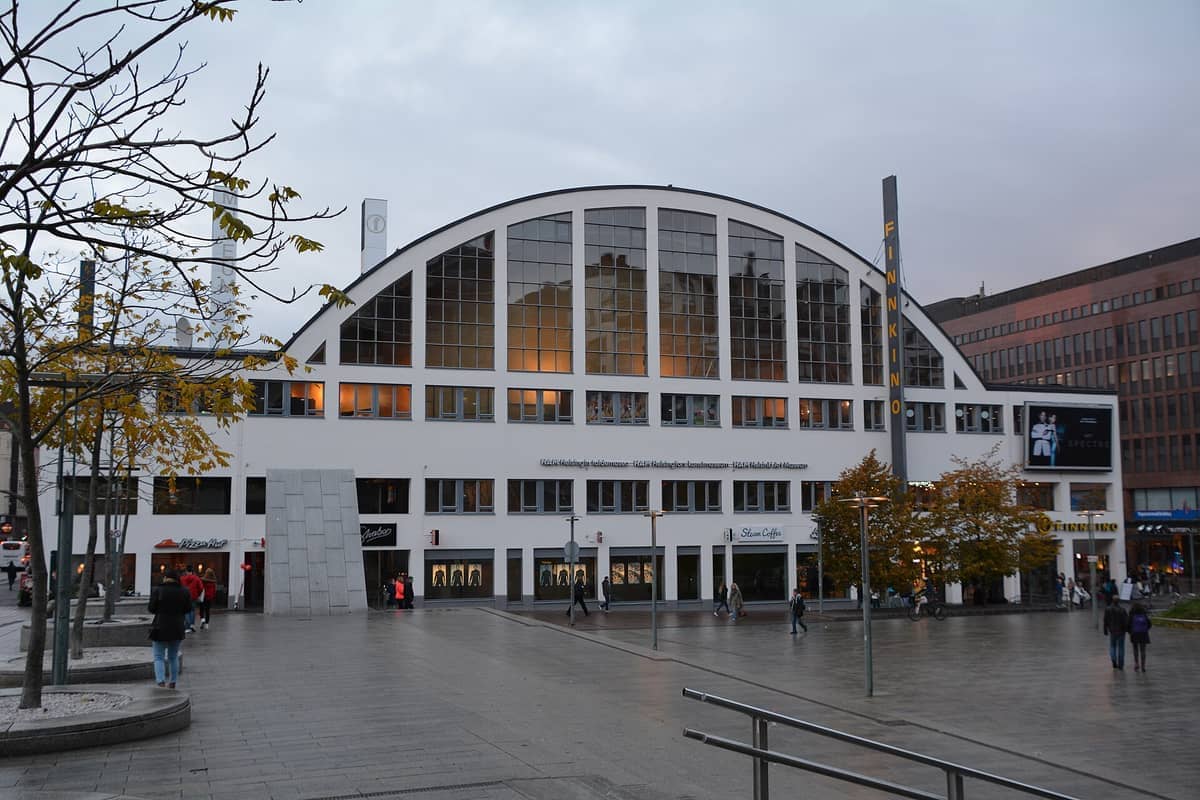
Helsinki Art Museum, known universally by its acronym HAM, occupies the second floor of Tennis Palace, a low-slung functionalist building completed in 1939 in the lead-up to the 1940 Olympics. The games never happened due to the war, but the building survived, and today it does double duty as a cinema complex on the lower levels and a serious art institution above. The combination sounds incongruous, but in practice the museum entrance sits apart from the multiplex crowd, reached by lifts near the building exits rather than through the lobby.
HAM holds two distinct roles in Helsinki's cultural landscape. It mounts changing exhibitions of modern and contemporary art, often with a strong international programme. It also manages Helsinki's public art collection, which runs to thousands of works installed across the city's parks, squares, and metro stations. That second function makes HAM something more than a gallery: it is effectively the art department of the city itself.
ℹ️ Good to know
The museum entrance and ticket counter are on the second floor. Take the lifts near the building exits rather than the cinema escalators or you may end up in the wrong part of the building; exhibition spaces extend onto the third floor as well.
The Building and Its Surroundings
Tennis Palace sits at the northern edge of Kamppi, flanked by the Kamppi Shopping Centre to one side and a wide open forecourt facing Salomoninkatu. The architecture is understated Finnish functionalism: horizontal bands of windows, clean rendered surfaces, and very little ornament. It does not announce itself the way a grand civic museum might. First-time visitors sometimes walk past it looking for a more imposing entrance.
The surrounding area is among the most transit-dense in Helsinki. Kamppi metro station is a two-minute walk, and the Kamppi and southern Helsinki area is served by a concentration of bus and tram routes that make it reachable from almost anywhere in the city without a transfer. This matters more than it sounds: if your time is limited and you want to combine HAM with other central stops, the logistics are genuinely easy.
Inside, the second-floor galleries are spacious and well-lit, with high ceilings that reflect the building's original sports-hall proportions. The natural light entering from the long windows is softened for conservation purposes, giving the spaces an even, neutral quality that works well for most media. The floors are polished concrete, which carries footsteps and keeps ambient noise present but not intrusive.
Tickets & tours
Hand-picked options from our booking partner. Prices are indicative; availability and final rates are confirmed when you complete your booking.
Helsinki Pasila Street art district tour with a local
From 99 €Instant confirmationFree cancellationArt and culture tour in Helsinki with a local
From 81 €Instant confirmationFree cancellationHelsinki Beautiful Canal Route, archipelago cruise
From 26 €Instant confirmationFree cancellationHelsinki Panorama Sightseeing Bus Tour With Audio Guide
From 35 €Instant confirmationFree cancellation
What the Exhibitions Are Like
HAM does not have a permanent hang in the conventional sense. The galleries rotate between major thematic exhibitions, solo retrospectives, and smaller focused shows, typically running for several months at a time. The programming skews toward 20th and 21st century work, with recurring attention to Finnish artists alongside international figures. Past programming has included large-scale installations, photography surveys, and retrospectives of artists with significant ties to Helsinki's urban history.
Because the content changes entirely between exhibitions, what you see on one visit may bear no resemblance to what a friend saw six months earlier. Before going, check the current exhibition listings on the official HAM website. The difference between a visit timed to a major retrospective and one that lands between shows can be significant in terms of gallery space used and depth of content.
💡 Local tip
Check hamhelsinki.fi before visiting to confirm which exhibitions are currently open. Some major shows fill nearly all the gallery space; others run concurrently in different wings. Knowing what is on helps you allocate time.
The public art collection context is worth engaging with even if you only visit the galleries. HAM produces detailed documentation on the works installed across Helsinki, and the museum shop and information points carry maps and publications connecting what you see inside to pieces you may have already passed on the street or in a metro station without knowing their origin.
Time of Day and Crowd Patterns
HAM is open Tuesday through Sunday, closed Mondays. Tuesday hours run 10:00 to 17:00; Wednesday through Friday the museum is open from 11:00 to 19:00; Saturday and Sunday run 11:00 to 17:00. The extended weekday evening hours on Wednesday, Thursday, and Friday are useful for visitors with packed daytime schedules, and the galleries are noticeably quieter in the final two hours before closing on those evenings.
Weekend midday is the busiest window, particularly when a major exhibition is in its final weeks. If you are visiting on a Saturday or Sunday, arriving at opening time (11:00) gives you the galleries at their calmest. The cinema complex below draws its own separate crowd throughout the day, but that foot traffic rarely spills into the museum proper.
Rainy days push visitors indoors across Helsinki, and HAM benefits from this. On a grey November Tuesday, the galleries can feel almost private. On a warm July Saturday afternoon, particularly during peak tourist season, the main exhibition spaces fill up more than the room sizes suggest they should.
Practical Walkthrough: Getting In and Getting Around
The lifts that serve the museum are positioned near the building's street exits rather than inside the main cinema lobby. Look for signage on the exterior of Tennis Palace directing you toward the museum entrance. Once on the second floor, the ticket counter is immediately visible. Staff generally speak English.
Standard admission is €20. A reduced ticket at €12 covers students, seniors, and other eligible groups; documentation may be requested. Under-18s enter free. Museum Card holders, a subscription product widely used by regular Helsinki museum visitors, also enter free. If you plan to visit three or more Helsinki museums during a trip, the Museum Card covers entry at HAM and a large number of other institutions across the city, and can be purchased at the ticket counter.
The Helsinki Card, a separate tourist pass, also covers HAM admission. If you are weighing whether that pass makes financial sense for your trip overall, the Helsinki Card guide covers the current inclusions and pricing in detail.
Coat and bag storage is available at the entrance level. Large bags are typically required to be checked. The museum has an accessible toilet on the second floor, and the building is described as accessible, with lift access from street level throughout.
Photography, the Shop, and Honest Caveats
Photography policies at HAM depend on the specific exhibition. Some shows permit personal photography without flash; others, where works are under licence from international rights holders, prohibit it entirely. Signage at the entrance to each show indicates the policy for that exhibition. Attempting to photograph in a restricted show will draw a response from gallery staff fairly quickly.
The museum shop is small but well-curated, with publications on Finnish art, architecture, and design, along with exhibition catalogues and a thoughtful selection of prints. It is worth browsing even if you are not a heavy buyer of art books.
One honest caveat: HAM is not the obvious first stop for visitors with a single day in Helsinki and a checklist to work through. The Ateneum Art Museum holds the national collection of Finnish art from the 19th century onward and may feel more immediately essential for first-time visitors. HAM's strength is contemporary work and its connection to the city's living art ecosystem. If that interests you, it consistently delivers. If you are primarily looking for an overview of Finnish art history, Ateneum serves that purpose more directly.
HAM also sits within easy walking distance of other central Helsinki institutions. Kiasma Museum of Contemporary Art is roughly ten minutes on foot and covers overlapping territory with a different institutional focus and a more architecturally dramatic building. Combining both in one afternoon is feasible if you are focused on contemporary art, though it makes for an intensive half-day.
Seasonal and Weather Considerations
Helsinki's weather has a direct effect on how people distribute their time between indoor and outdoor attractions. In summer, when the city runs at its most appealing and the long Helsinki summer evenings draw people outdoors, museums like HAM see lighter weekday traffic. In winter, when daylight is short and temperatures drop well below zero, the calculus reverses and indoor cultural venues fill up. HAM is a particularly logical choice on a cold or wet day when outdoor options lose their appeal.
Note that HAM observes holiday closures including Midsummer, Christmas (24–26 December), and New Year's Day. If your visit falls near any Finnish public holiday, confirm opening on the official website before making it part of your day's plan.
Insider Tips
- Wednesday through Friday evening hours run until 19:00 (11:00–19:00 on those days). The galleries thin out considerably after 17:00 on those days, giving you more space and a calmer atmosphere than any weekend slot.
- The Museum Card pays for itself quickly if you plan to visit HAM plus two or three other Helsinki museums. It is sold at the ticket counter and activates on first use, covering a rolling 12-month period from that date.
- HAM's second-floor windows look out over the Kamppi forecourt and the city to the south. The view costs nothing and gives you a useful orientation point for the surrounding area.
- Exhibition changeover periods sometimes leave parts of the gallery closed for installation. If you are travelling specifically for a show, verify it is open for the full duration of your travel dates via the official HAM exhibitions page.
- The Tennis Palace building also houses several cinema screens. If you arrive early before the museum opens, the ground-floor café in the building operates independently of the museum and is a reasonable place to wait.
Who Is Helsinki Art Museum (HAM) For?
- Contemporary art enthusiasts who want to see what is happening in the Nordic art scene right now
- Museum Card holders looking to maximise value during a Helsinki stay
- Visitors on rainy or cold days who want a substantive indoor option in the city centre
- Travellers with an interest in how public art functions in an urban environment
- Those combining a cultural half-day with Kiasma or the Design Museum nearby
Nearby Attractions
Other things to see while in Kamppi & Southern Helsinki:
- Cable Factory (Kaapelitehdas)
Once the largest cable manufacturer in the Nordic countries, the Cable Factory (Kaapelitehdas) in Helsinki's Ruoholahti district is now one of Finland's biggest cultural centers. Multiple museums, galleries, studios, and event spaces occupy the sprawling brick complex — entry to the building itself is free, making it easy to explore at your own pace.
- Kaivopuisto Park
Kaivopuisto is Helsinki's oldest public park, a roughly 16-hectare coastal green space on a peninsula in the southern city. Free to enter at any hour, it draws locals for morning runs, lunch breaks, and one of the city's best May Day celebrations. The views across the Gulf of Finland are quietly impressive.
- Kamppi Chapel of Silence
The Kamppi Chapel of Silence sits on Narinkka Square in central Helsinki, a curved wooden capsule designed for quiet reflection directly beside one of the city's busiest transport hubs. Admission is €5 for adults, and the experience of stepping inside is distinctive among places in the Finnish capital.
- Löyly Seaside Sauna
Löyly is a contemporary wooden sauna and restaurant complex on Helsinki's Hernesaari waterfront, where traditional Finnish sauna culture meets award-winning architecture. Whether you're after a two-hour steam session with a Baltic Sea plunge or a waterfront meal at sunset, this is one of the most distinctive experiences in the city.