Helsinki in Summer: Midnight Sun, Festivals & Outdoor Life
Summer transforms Helsinki into one of Northern Europe's most rewarding city destinations. Nearly 19 hours of daylight, major arts festivals, waterfront saunas, and island escapes make June through August the city's peak season. This guide covers everything you need to plan a summer trip, from the reality of the midnight sun to navigating Midsummer closures.
Plan and book this trip
Tools from our partner Travelpayouts help you compare flights and hotels. If you book through them, we may earn a commission at no extra cost to you.
Flights
Hotels map
TL;DR
- Helsinki summer runs June to August, with temperatures averaging 15–21°C and around 18–19 hours of daylight near the solstice.
- Helsinki does not sit above the Arctic Circle, so there is no true 24-hour midnight sun — but it stays light most of the night from mid-June to late July.
- Midsummer (Juhannus, 19–21 June 2026) shuts much of the city down — plan around it or embrace island festivities like the bonfires on Seurasaari Island.
- Helsinki Festival runs 18 August to 5 September 2026, making late August the sweet spot for culture plus warm weather.
- The HSL public transport network covers the whole city; see the full getting around Helsinki guide for fares and ticketing options.
What Summer Actually Looks Like in Helsinki
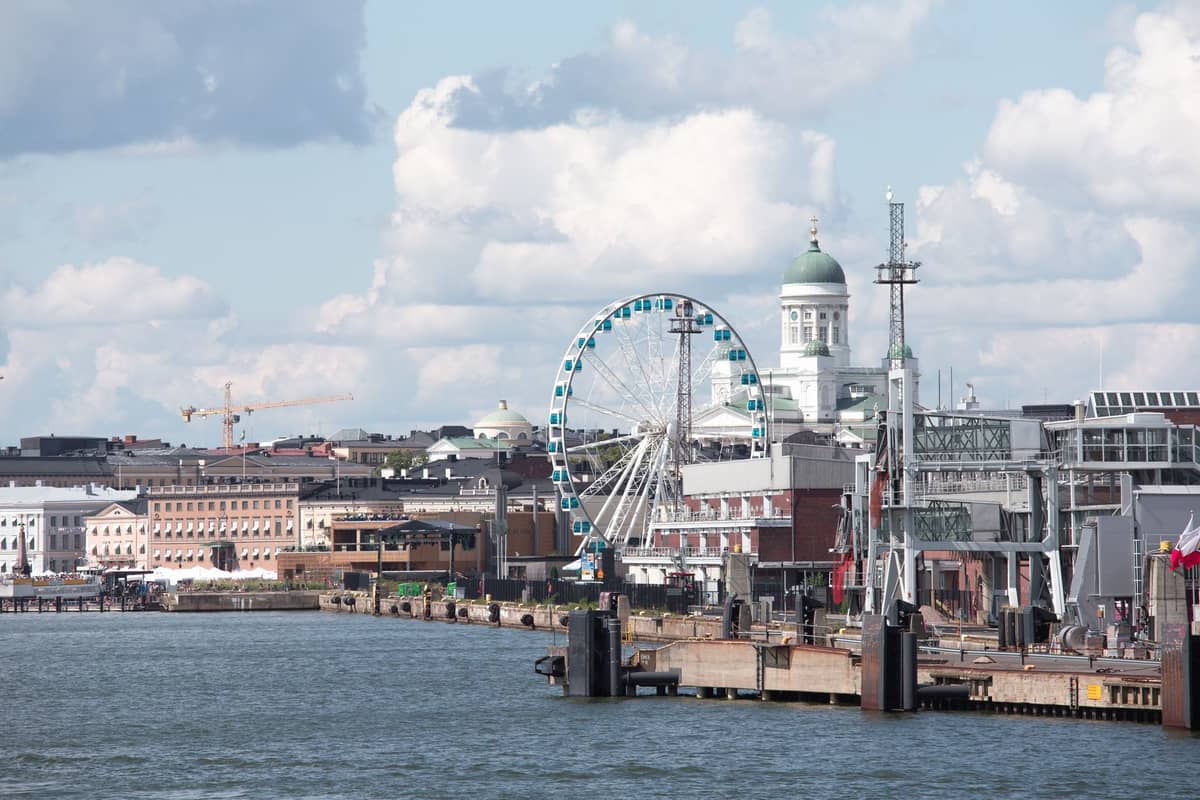
Helsinki sits at approximately 60.2°N latitude, well south of the Arctic Circle at 66.5°N. That geographical fact matters when setting expectations: you will not experience true midnight sun here. What you will experience is something almost as striking. Around the summer solstice in late June, the sun rises before 04:00 and sets before 23:00, leaving only a brief twilight period rather than genuine darkness. The sky never fully blacks out between mid-June and late July. Photographers describe it as a permanent golden hour.
Temperatures between June and August typically range from 16°C on cooler days up to 24°C or occasionally higher during heat waves. July is the warmest month, averaging around 17–18°C. Rainfall peaks in August at around 73–80mm for the month, so carry a light rain jacket even in peak summer. The flip side: late spring (May into early June) is statistically one of the drier periods, making it worth considering if you want long days without the rain risk.
ℹ️ Good to know
The midnight sun myth: Many travel articles describe Helsinki as having 'midnight sun.' Technically, the sun dips below the horizon for only a short time around midnight in June. What you actually get is white nights — constant twilight, bright enough to read by, but not 24-hour sunlight. If you want true midnight sun, you need to travel to Lapland, roughly 900 km north.
The long daylight fundamentally changes the city's rhythm. Outdoor terraces fill up after 21:00, evening runs along Töölönlahti Bay continue past 22:00, and sunset kayaking tours into the archipelago depart as late as 20:30. If your body clock is used to darkness triggering sleep, bring an eye mask.
The Summer Festival Calendar
Helsinki's summer festival scene is serious. The city invests heavily in outdoor programming, and the quality of free events is genuinely high. That said, nothing runs every day — the calendar is clustered around specific weeks, and assuming there is always something happening is a planning mistake.
- Midsummer / Juhannus (19–21 June 2026) Finland's most significant summer celebration. Bonfires are lit on islands and parks; Seurasaari Open-Air Museum hosts a traditional public bonfire ceremony. Critically, many restaurants, smaller shops, and some attractions reduce hours or close entirely for 2–3 days around Midsummer. Book any dining reservations well in advance or expect disappointment.
- Helsinki Festival (18 August – 5 September 2026) The city's flagship multi-arts festival, covering music, theatre, dance, visual arts, and large-scale outdoor installations. Venues span the entire city. Tickets for headline events sell out weeks in advance; many satellite events and outdoor performances are free. Program published at helsinkifestival.fi.
- Summer in Alppipuisto (various dates, June–August) Free outdoor concerts and events in Alppipuisto Park, typically held on summer weekends. Low-key, family-friendly, and genuinely local. Worth checking the City of Helsinki events calendar for exact dates.
- Flow Festival (typically August) One of Scandinavia's most respected urban music and arts festivals, held at the Suvilahti area. Known for a strong international lineup and significant Finnish acts. Tickets sell out early; accommodation prices spike during festival weekend.
⚠️ What to skip
Midsummer in Helsinki: If you are visiting around 19–21 June 2026, do not assume the city will be operating normally. A significant portion of the local population leaves for summer cottages in the countryside or islands. Some neighborhoods feel noticeably quiet, and smaller businesses may be closed for 2–3 days. Check operating hours in advance for any specific restaurant or attraction you plan to visit.
Outdoor Activities: What to Do With All That Daylight
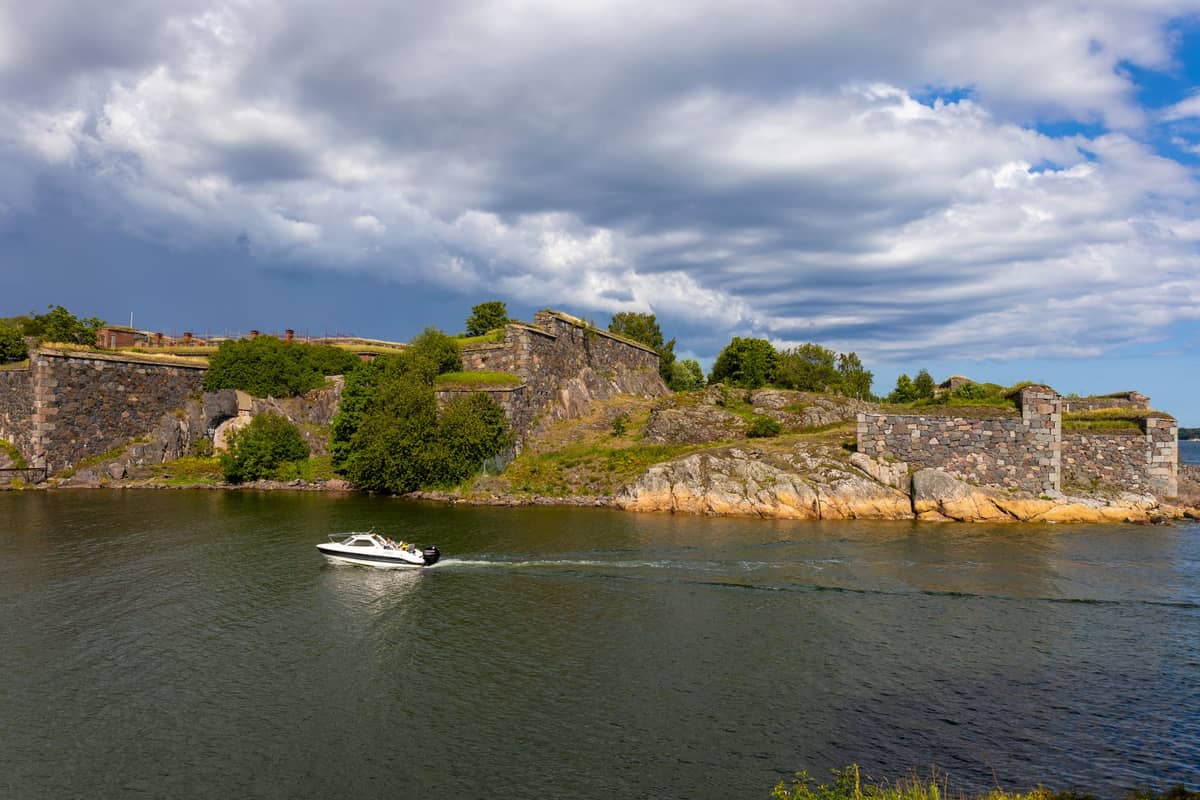
The combination of warmth and extended light makes summer the right season for Helsinki's outdoor offer. The city's coastline, archipelago, and parks come into their own. Helsinki's islands are the headline attraction: Suomenlinna is the most visited, but the outer islands like Vallisaari and Lonna offer a wilder, quieter experience that most visitors miss entirely.
Waterfront saunas are central to summer in Helsinki. Löyly in Hernesaari and Allas Sea Pool near Market Square are the two most prominent public options, combining sauna, outdoor pools, and sea swimming. Both get busy on summer evenings and weekends; book Löyly in advance online. For a deeper dive into the sauna culture itself, the Helsinki sauna guide covers the full range of options, from public saunas to private bookings.
- Late-evening kayaking tours in the archipelago depart from the South Harbour area; tours typically run 2–3 hours and operate into late June and July when light persists past 22:00.
- Cycling is practical all summer: city bikes (Helsinki City Bike scheme) are available at docking stations across the centre from May through October.
- Hietaniemi Beach (Hietsu) is the main urban beach, about 2 km west of the centre; reached easily by tram. Aurinkolahti Beach in eastern Helsinki is larger and popular with families.
- Archipelago cruises range from 1-hour scenic loops to full-day island-hopping experiences; boats depart from Market Square (Kauppatori).
- Nuuksio National Park, roughly 35 km northwest of the city centre, is accessible by HSL bus and train combination; ideal for hiking, wild swimming, and seeing Finnish nature without a car.
For families, summer is the most straightforward time to visit. Linnanmäki amusement park and Helsinki Zoo on Korkeasaari island both operate full summer schedules. The zoo is reached by ferry from Hakaniemi or Hakaniemi Market, which adds an enjoyable water element to the trip. The broader Helsinki with kids guide has detailed logistics for family visits.
Navigating the City in Summer
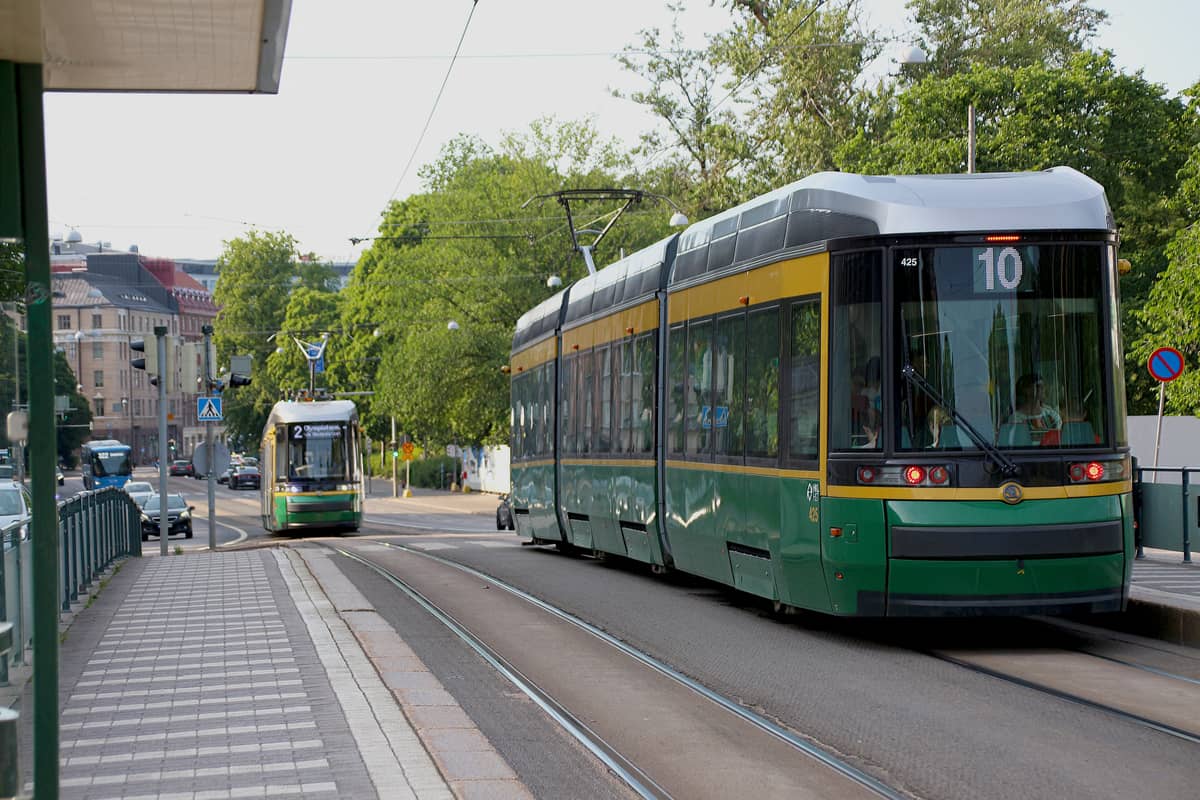
Helsinki operates on EEST (UTC+3) during summer, which means daylight extends very late even by local clock time. The HSL public transport network — metro, trams, buses, and local trains — runs extended summer schedules, including late-night services on weekends. As of 2026, a standard ABC-zone single ticket costs around €4.40 when bought via the HSL app or travel card. A one-day AB-zone ticket starts at approximately €10.60. Prices are reviewed annually, so verify current fares at hsl.fi before your trip.
Getting from Helsinki-Vantaa Airport (HEL), located about 17 km north of the city centre, is straightforward: the ring rail line connects the airport to Helsinki Central Railway Station in approximately 30 minutes, with frequent departures. Buses also serve the route. Taxis are available outside arrivals; fares vary by operator. For a full breakdown of all transport options and zones, the getting around Helsinki guide covers every scenario.
✨ Pro tip
Summer crowds peak between late June and early August. Market Square (Kauppatori), the Esplanade, and the ferry to Suomenlinna are all noticeably busier during this window. If you want the islands to yourself, visit on a Tuesday or Wednesday morning rather than a weekend afternoon. Early July is the single busiest week of the year.
The city centre is compact and walkable: most major sights are within a 2–3 km radius of Helsinki Central Railway Station. Senate Square, the waterfront, and the Design District are all reachable on foot from the station. Trams fill in the gaps efficiently.
What to Eat and Drink in Summer Helsinki
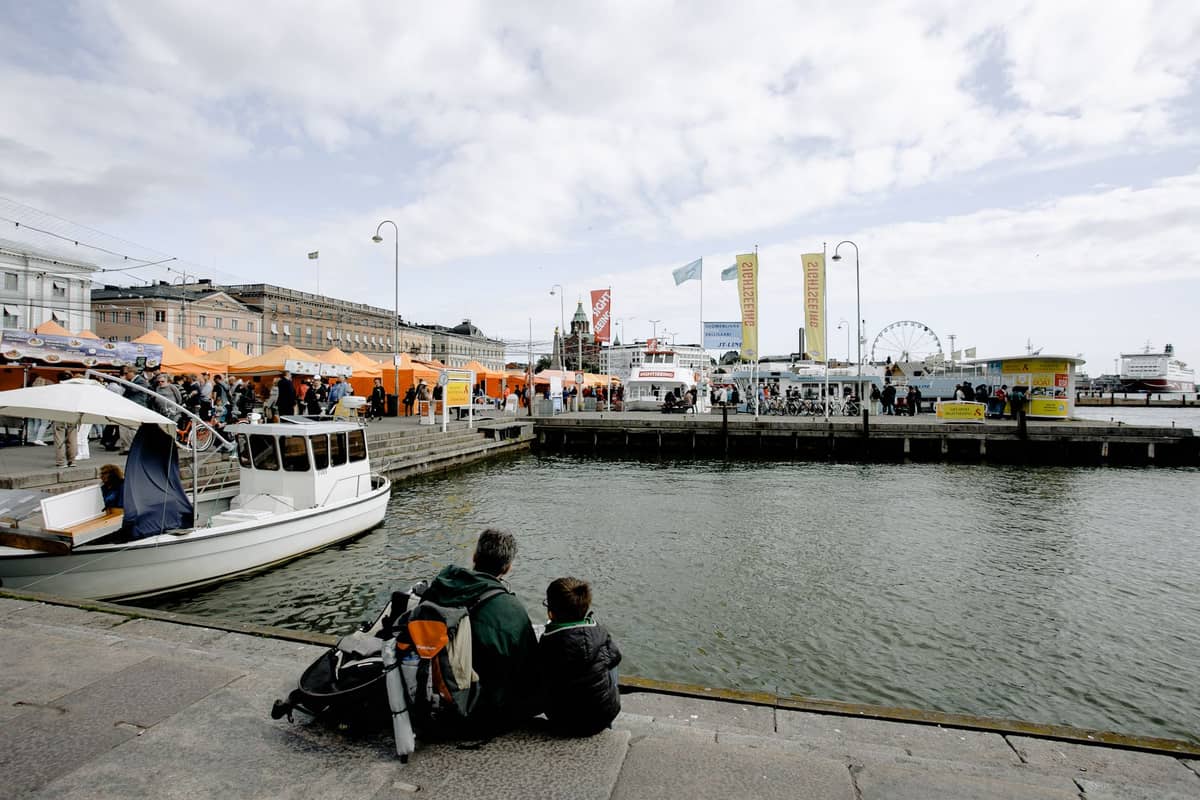
Summer is peak season for Helsinki's outdoor market culture. Market Square (Kauppatori) transforms in summer: fresh strawberries, new potatoes, and smoked fish appear from June onward. Finnish strawberries in July are worth planning around — they are genuinely different from imported varieties. The Finnish food guide explains the seasonal produce calendar in more detail.
Outdoor terraces (terassi) are a defining feature of summer Helsinki. Bars and restaurants that are unremarkable inside become entirely different places when they open their terraces in May and June. The Esplanade Park area has multiple terrace options; Kallio neighbourhood terraces attract a younger, local crowd. Tipping is not obligatory in Finland — service charges are included in prices — though rounding up is becoming more common at upscale venues.
Practical Summer Planning: What First-Time Visitors Get Wrong
The biggest planning error is assuming Helsinki will feel like a typical European capital in summer. It has its own rhythm, and a few specific things catch visitors off guard. Knowing them in advance saves wasted time.
- Midsummer is not a party for tourists: it is a deeply Finnish family occasion. Do not come expecting nightlife or busy city streets on Juhannus weekend.
- The long daylight disrupts sleep for many visitors. Pack an eye mask and consider blackout curtains if your accommodation does not have them — many Helsinki hotels do not.
- Museum and attraction opening hours can shift in summer; some extend hours, others run reduced schedules around public holidays. Always check directly with the venue.
- Accommodation prices are at their annual peak in July. Booking 2–3 months in advance is standard; last-minute availability in central Helsinki in July is limited and expensive.
- Ferry services to outer islands like Vallisaari operate only in summer (roughly May to September); outside this window, access is not possible.
Budget-conscious travellers should note that summer is the most expensive season. For strategies that work year-round, the Helsinki on a budget guide covers free attractions, cheap eating, and transport savings. The Helsinki Card can offer savings if your itinerary is museum-heavy, but run the numbers for your specific plans before buying.
💡 Local tip
For a well-paced two-day summer itinerary that balances sights, islands, and local neighbourhoods, the 2 days in Helsinki guide builds a practical schedule around the best of what summer offers without rushing.
FAQ
Does Helsinki have midnight sun?
Not technically. Helsinki sits at 60.2°N, south of the Arctic Circle (66.5°N), so the sun does set in summer — but only briefly. Around the June solstice, sunrise is before 04:00 and sunset is after 23:00, meaning the sky stays bright all night with only a short twilight period. For true 24-hour midnight sun, you need to travel to Finnish Lapland.
What is the best month to visit Helsinki in summer?
Late June to early August offers the warmest temperatures (averaging 17–24°C) and the longest days. June has slightly lower rainfall than August and includes the dramatic near-midnight light. Late August is ideal if you want to combine good weather with Helsinki Festival (18 August – 5 September 2026). July is the busiest and most expensive month.
What happens in Helsinki during Midsummer (Juhannus)?
Midsummer 2026 falls on 19–20 June. It is Finland's biggest summer celebration, but it is primarily a local holiday rather than a tourist event. Many Helsinkians leave the city for summer cottages. Shops and restaurants may close or reduce hours. If you are in Helsinki, the traditional bonfire ceremony at Seurasaari Open-Air Museum is worth attending. Book any dining well in advance.
Is Helsinki expensive in summer?
July is the peak pricing period for accommodation, with central hotels at their most expensive. Flights also reflect high demand. Restaurants and activities are priced the same year-round, but limited last-minute hotel availability can force visitors into pricier options. Booking accommodation 2–3 months ahead significantly improves value. Public transport remains good value regardless of season.
What outdoor activities are available in Helsinki in summer?
Options include archipelago cruises and island ferry trips (Suomenlinna, Vallisaari, Lonna), waterfront saunas at Löyly and Allas Sea Pool, sea kayaking tours that depart in the evening, urban beaches at Hietaniemi and Aurinkolahti, city bike hire, and day trips to Nuuksio National Park for hiking. Most island-based activities and beach swimming are mainly available June through August or early September.