What to Eat in Helsinki: A Complete Finnish Food Guide
Finnish food is more than fish and potatoes. This guide covers the essential dishes to try in Helsinki, where to find them, what they cost, and which seasonal specialties are worth planning around.
Plan and book this trip
Tools from our partner Travelpayouts help you compare flights and hotels. If you book through them, we may earn a commission at no extra cost to you.
Flights
Hotels map
TL;DR
- Finnish food in Helsinki ranges from rye pastries under €3 to tasting menus over €100 per person — budget accordingly.
- Start with karjalanpiirakka (Karelian pies) and korvapuusti at the Old Market Hall or Market Square for the most authentic introduction to local flavors.
- Lunch is the best-value meal — most restaurants offer a set lunch for €12–18 that includes bread, salad, and a main course.
- Seasonal dishes matter: crayfish in August, Runeberg torte in early February, and laskiaispulla around Shrove Tuesday.
- Tipping is not obligatory in Finland — service charges are included in prices, so rounding up is a gesture, not a requirement. See our Helsinki budget guide for more money-saving strategies.
The Finnish Food Philosophy: What to Expect
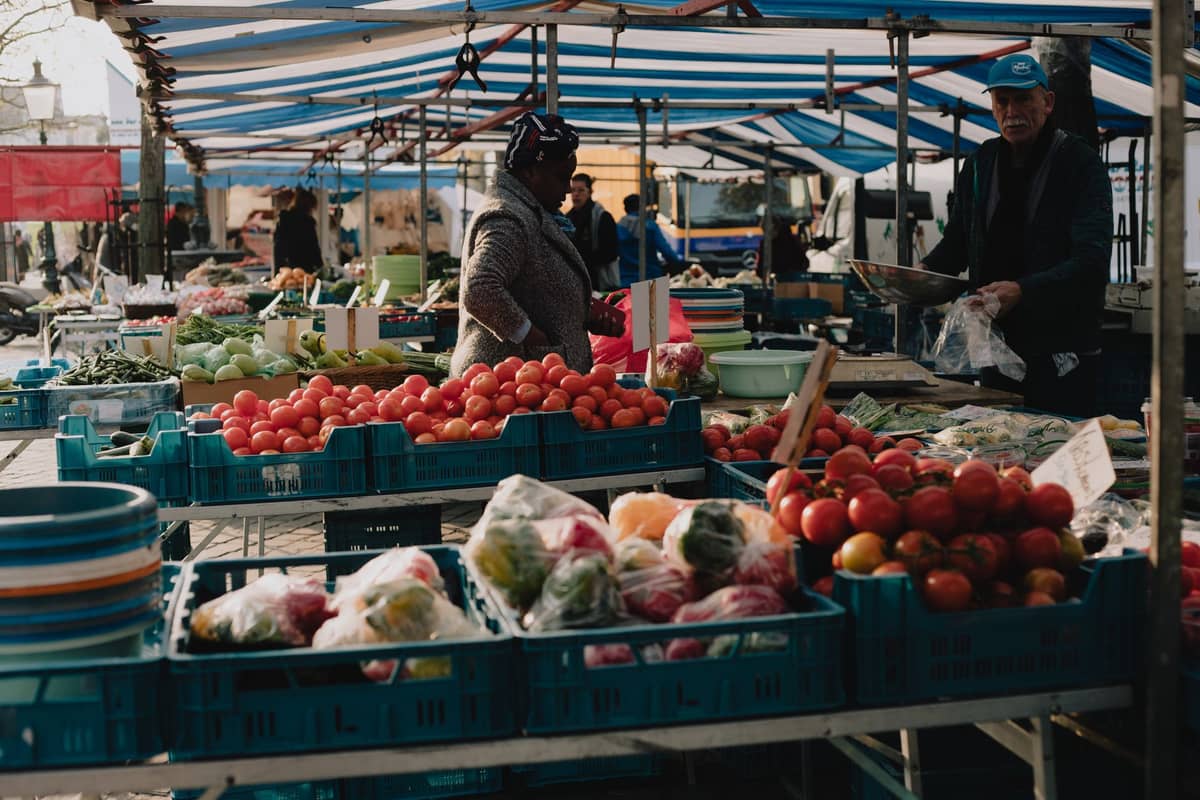
Finnish food has a reputation for being plain, which is partly fair and mostly outdated. The traditional cooking of Finland was shaped by long winters, a short growing season, and a rural economy — which means preserved fish, rye bread, root vegetables, foraged berries, and dairy feature heavily. But in Helsinki today, those same ingredients are treated with serious culinary attention. The city has developed a modern Nordic dining scene that builds directly on these foundations.
What you will not find here: spicy food as a baseline, elaborate sauces, or cuisines built on olive oil. What you will find: exceptional bread, extremely fresh fish, game meats like elk and reindeer in autumn and winter, foraged mushrooms and berries in late summer, and a genuine dairy tradition that includes everything from buttermilk to squeaky cheese. Finnish food rewards patience and curiosity. The flavors are subtle — sour, smoky, slightly bitter, occasionally sweet — but the quality of ingredients is consistently high.
ℹ️ Good to know
Finnish cuisine is officially bilingual on menus: dishes appear in Finnish (and sometimes Swedish). Learning a few names helps: lohikeitto = salmon soup, karjalanpiirakka = Karelian pie, korvapuusti = cinnamon roll. Most Helsinki restaurants provide English menus or are happy to explain.
Essential Dishes to Try in Helsinki
These are the dishes that best represent Finnish food culture in Helsinki — not a checklist to rush through, but a starting point for understanding what the cuisine is actually about.
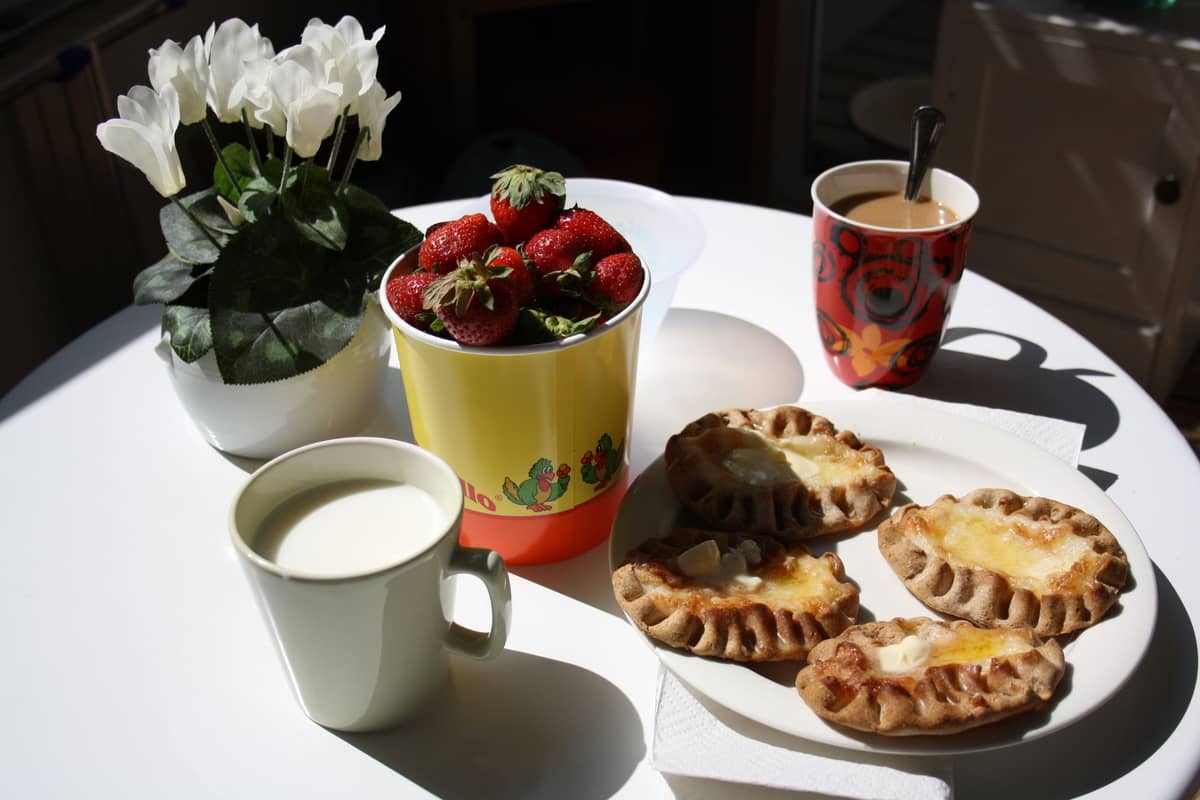
- Karjalanpiirakka (Karelian Pie) Thin rye-crust pastry filled with creamy rice porridge, served warm with egg butter (munavoi). Originally from Karelia in eastern Finland, these are the country's most iconic snack. Prices start around €0.30–3 at bakeries and market stalls. The Old Market Hall has reliable versions year-round.
- Lohikeitto (Salmon Soup) Creamy, dill-scented soup with large pieces of salmon, potatoes, and leek. It is filling, comforting, and one of the best introductions to Finnish cooking. Expect to pay €8–15 depending on whether you are at a market stall or a sit-down restaurant.
- Korvapuusti (Finnish Cinnamon Roll) Denser and more cardamom-forward than the Swedish version, with larger twisted folds and a chewier texture. Café Ekberg on Bulevardi is one of the most respected addresses. Budget around €3–4 per roll at a traditional bakery.
- Kalakukko (Fish Pie) A Savonian specialty — a dense rye loaf baked around fish, typically vendace (muikku) and pork fat, then slow-cooked for hours until the rye crust softens. It is a commitment to eat and an acquired taste for many visitors, but genuinely traditional. Available at market halls and specialist shops for around €9–11.
- Leipäjuusto (Finnish Squeaky Cheese) Fresh cheese with a mild flavor and a distinctive squeaking texture when eaten. Often served warm, drizzled with cloudberry jam. Found at market halls and some traditional restaurants.
- Muikku (Vendace) Small freshwater fish, typically pan-fried or deep-fried, served with sour cream. They appear at Market Square stalls in summer and are one of the most satisfying cheap eats in the city — often €6–10 for a portion.
- Poronkäristys (Sautéed Reindeer) Thinly sliced reindeer meat sautéed with onions, served with mashed potatoes and lingonberries. A Lappish dish available in Helsinki at traditional Finnish restaurants. Most common in autumn and winter menus.
Where to Eat Finnish Food in Helsinki
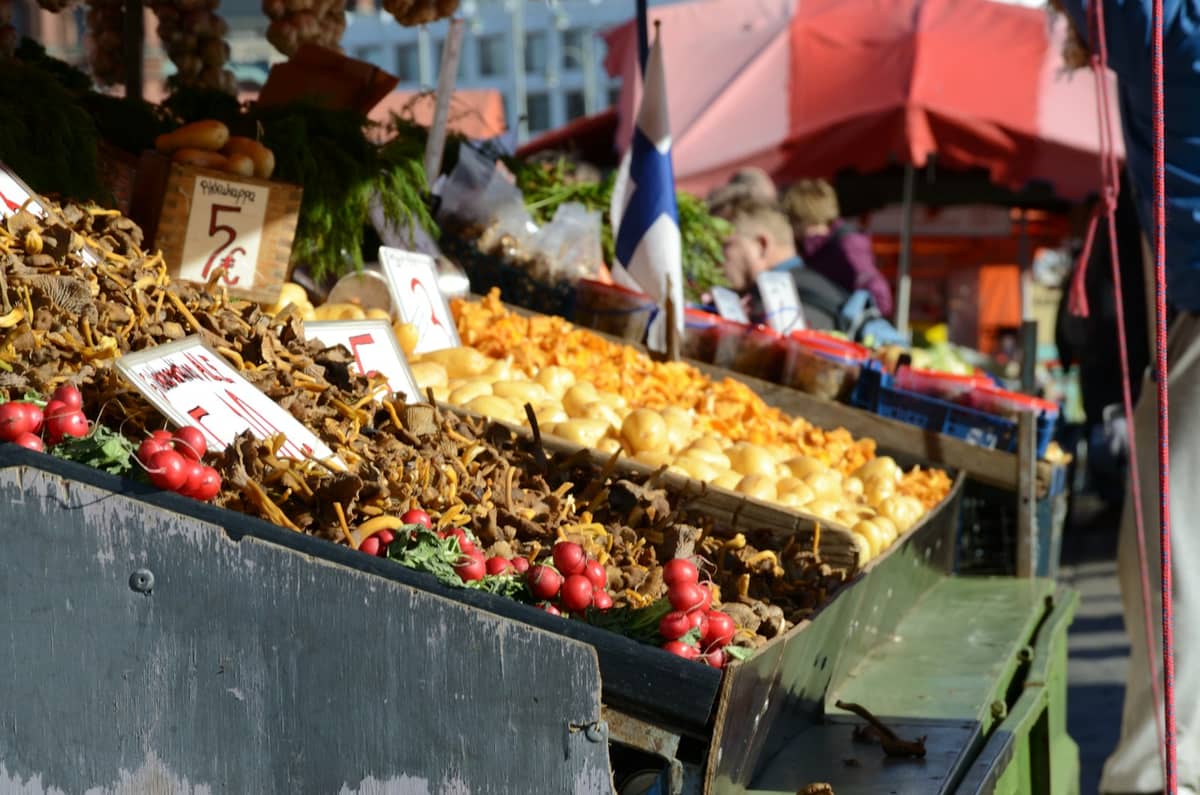
The best places to encounter Finnish food are not always restaurants. The two main market halls — the Old Market Hall (Vanha Kauppahalli) near the waterfront and Hakaniemi Market Hall in the working-class neighborhood of the same name — both stock local produce, smoked fish, traditional pastries, and prepared foods at reasonable prices. They are also considerably less touristy than the stalls at Kauppatori (Market Square), which is better suited for a quick snack than a serious meal.
For sit-down meals, the price tier matters more than the neighborhood. Helsinki restaurants typically offer a lunch menu on weekdays — usually a set plate for €12–18 including bread, salad, and coffee. This is the most practical way to eat well without overspending. Dinner at the same restaurant can cost two to three times more for the same volume of food. If your schedule is flexible, plan your main Finnish food experiences at lunch.
The Design District and Punavuori neighborhood has a concentration of independent cafés and restaurants that lean toward modern Finnish cooking. Kallio has a more local, neighborhood-restaurant atmosphere with less tourist pricing. The city center is convenient but tends to attract the highest markups.
💡 Local tip
The weekday lunch special (lounas) is the best value in Helsinki dining. Most cafés and restaurants offer a set menu from around 11am to 2pm for €12–18, often including a main course, salad bar, bread, and coffee or tea. Look for 'lounas' signs in windows.
Seasonal Finnish Food: What to Eat and When
Finnish food has a stronger seasonal rhythm than most European cuisines, partly due to climate and partly due to cultural tradition. Visiting at the right time of year can significantly change what is available and how good it is.
- Crayfish Season (August–September) Late summer is crayfish season in Finland, celebrated with outdoor parties and special menus. Restaurants serve crayfish (rapu) with dill, bread, and strong cheese. It is a social ritual as much as a meal — informal, abundant, and best enjoyed slowly. Book ahead if you want a dedicated crayfish menu at a restaurant.
- Runeberg Torte (Early February) Eaten on and around February 5 (Runeberg Day, named after Finnish poet J.L. Runeberg), this cylindrical almond and rum pastry with raspberry jam and icing appears in bakeries from early January onwards. It disappears quickly after the date has passed.
- Laskiaispulla (Shrove Tuesday, February or March) Cardamom buns split open and filled with whipped cream and either strawberry jam or almond paste. Available at virtually every bakery and café in the weeks before Shrove Tuesday. The filling is a divisive issue among Finns — jam versus almond paste is a genuine annual debate.
- New Potatoes and Strawberries (June–July) Finnish summer produce is taken very seriously. New potatoes (uudet perunat) with butter and dill, alongside local strawberries, appear at markets from June. Simple but genuinely excellent quality.
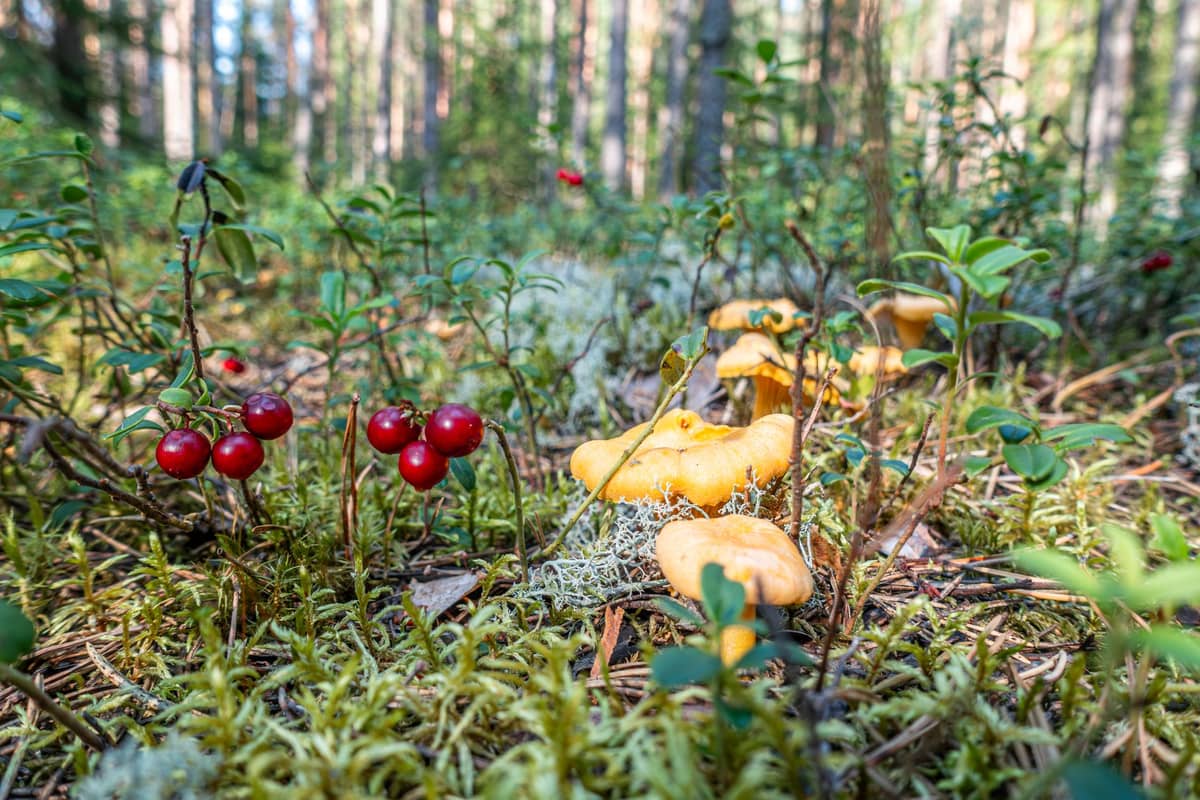
- Mushrooms and Game (Autumn) Autumn brings foraged mushrooms (chanterelles, porcini), lingonberries, and game meats. Restaurant menus shift toward elk, reindeer, and duck from September onwards. This is arguably the most interesting season for eating in Helsinki.
Helsinki Food Prices: What to Budget
Helsinki is an expensive city by European standards, but the gap between budget and mid-range eating is wider than in many capitals. Street food and market snacks can cost under €5; a casual restaurant dinner runs €15–25 per person; a mid-range restaurant dinner for two with drinks lands around €80–100. Fine dining tasting menus at the top of the market exceed €100 per person before drinks.
For travelers watching their budget, the free activities in Helsinki guide covers options that pair well with market-stall eating. The city's market halls offer prepared Finnish food at prices that undercut most restaurants significantly — a bowl of salmon soup at the Old Market Hall typically costs €10–15 and is filling enough for a meal.
- Karjalanpiirakka at a bakery or market stall: €0.30–3
- Korvapuusti (cinnamon roll) at a café: €3–4
- Muikku (fried vendace) at a market stall: €6–10
- Salmon soup at a market hall: €10–15
- Weekday lunch set menu at a restaurant: €12–18
- Dinner main course at a casual restaurant: €15–25
- Three-course dinner for two at a mid-range restaurant: €80–100
- Fine dining tasting menu (per person, without wine): €100+
⚠️ What to skip
Kauppatori (Market Square) by the harbor is the most tourist-heavy spot for food in Helsinki. Prices for fried fish and pastries here are noticeably higher than at the Old Market Hall a short walk away. It is scenic and convenient, but not where locals eat regularly.
Finnish Food Myths Worth Addressing
Several persistent assumptions about Finnish food cause visitors to either avoid dishes they would enjoy or arrive with unrealistic expectations. A few clarifications are useful.
The idea that Finnish food is exclusively fish and potatoes ignores significant parts of the cuisine: rye bread in multiple forms, a serious dairy tradition including several regional cheeses, hearty meat soups, game dishes, an enormous variety of baked goods, and a modern restaurant scene drawing on Nordic new-wave cooking. Fish is prominent, but it is not the whole story.
The assumption that traditional food is always cheap is also misleading. While snacks at markets are genuinely affordable, restaurant versions of traditional dishes — properly made salmon soup, elk stew, or a grilled Arctic char — cost as much as equivalent dishes elsewhere in Northern Europe. Quality Finnish cooking is not inexpensive; it is simply worth the price more often than the city's reputation suggests.
Finally, Helsinki's dining scene is more international than many visitors expect. The city has strong Vietnamese, Thai, and Middle Eastern restaurant communities alongside its Finnish and Nordic offerings. If you need a break from rye bread and salmon, options are plentiful. The Kallio neighborhood in particular has a density of affordable international restaurants that reflects the area's diverse population.
FAQ
What is the most famous Finnish food in Helsinki?
Karjalanpiirakka (Karelian pie) is probably the most iconic Finnish snack — a thin rye crust filled with rice porridge and served with egg butter. For a full dish, salmon soup (lohikeitto) is the most widely recognized Finnish meal and appears on most traditional restaurant menus.
Is Helsinki food expensive compared to other European cities?
Yes, Helsinki is one of the more expensive cities in Europe for dining. A casual restaurant dinner costs around €15–25 per person for a main course; mid-range dinner for two runs €80–100. However, weekday lunch set menus (€12–18) and market hall food offer significantly better value. Budget travelers can eat well if they plan around lunch rather than dinner.
Where is the best place to try traditional Finnish food in Helsinki?
The Old Market Hall (Vanha Kauppahalli) near the South Harbour is the most practical single location — it has multiple vendors selling smoked fish, Karelian pies, salmon soup, and local produce under one roof. Hakaniemi Market Hall is another good option with a slightly more local clientele. For sit-down meals, look for restaurants describing themselves as serving 'Finnish' or 'Nordic' cuisine in the Punavuori or city center area.
What Finnish food is available in summer vs winter?
Summer brings fresh new potatoes, local strawberries, outdoor market stalls, and the start of crayfish season in August. Winter menus feature game meats like reindeer and elk, hearty soups, and seasonal pastries like Runeberg torte (around February 5) and laskiaispulla (around Shrove Tuesday). Autumn is the best season for mushroom and game dishes.
Do Helsinki restaurants have English menus?
Yes, in the vast majority of cases. Helsinki is an English-friendly city, and most restaurants serving visitors provide English menus or have staff who can explain dishes. Market hall vendors and traditional bakeries may be more Finnish-only, but pointing at items works perfectly well and sellers are generally helpful.