Punavuori is the compact central-south Helsinki neighborhood that forms part of the city's official Design District. Roughly 200 member businesses, from contemporary galleries and vintage boutiques to independent cafés and late-night bars, occupy the district's walkable grid of streets between Esplanadi Park and the Hietalahti waterfront. It is the most design-focused neighborhood in a city that takes design seriously.
Punavuori and the Helsinki Design District overlap in a compact grid of streets south of Kamppi, where a high concentration of galleries, boutiques, independent cafés and bars makes this one of the most creatively dense areas in the Finnish capital., where a high concentration of galleries, boutiques, independent cafés and bars makes this the most creatively dense neighborhood in the Finnish capital. The area is small enough to explore on foot in a morning yet layered enough to fill several days if you follow your curiosity down every side street.
Orientation
Punavuori covers Punavuori covers roughly 45 hectares in the central-south part of Helsinki, sitting directly below Kamppi and above the quieter residential enclave of Eira. Its northern boundary runs along streets near Uudenmaankatu, which also marks the start of the denser Design District concentration. To the west, the neighborhood opens toward Hietalahdenranta and the waterfront. To the east, Iso Roobertinkatu acts as a lively commercial spine before the streets transition into Ullanlinna. Bulevardi forms the southwestern edge, a wide boulevard lined with older apartment buildings and a few theatres.
The official Design District extends across about 25 blocks in Punavuori and the adjacent neighborhoods, with its heaviest concentration of member businesses along Fredrikinkatu, Annankatu and Uudenmaankatu., with its heaviest concentration of member businesses along Fredrikinkatu, Annankatu and Uudenmaankatu. You can stand at the intersection of Iso Roobertinkatu and Fredrikinkatu and be within a five-minute walk of the Design Museum Helsinki, the Museum of Finnish Architecture, and a dozen independent galleries. This density is what makes the area different from other Helsinki neighborhoods.
To build a mental map: Kamppi shopping centre and bus terminal sit at the northern edge, roughly a ten-minute walk from the heart of Punavuori. The Esplanadi Park and the Market Square are a further ten minutes northeast. Punavuori is genuinely central: you are never more than 20 minutes on foot from Helsinki's main railway station, and the neighborhood has excellent tram connections in multiple directions.
Character & Atmosphere
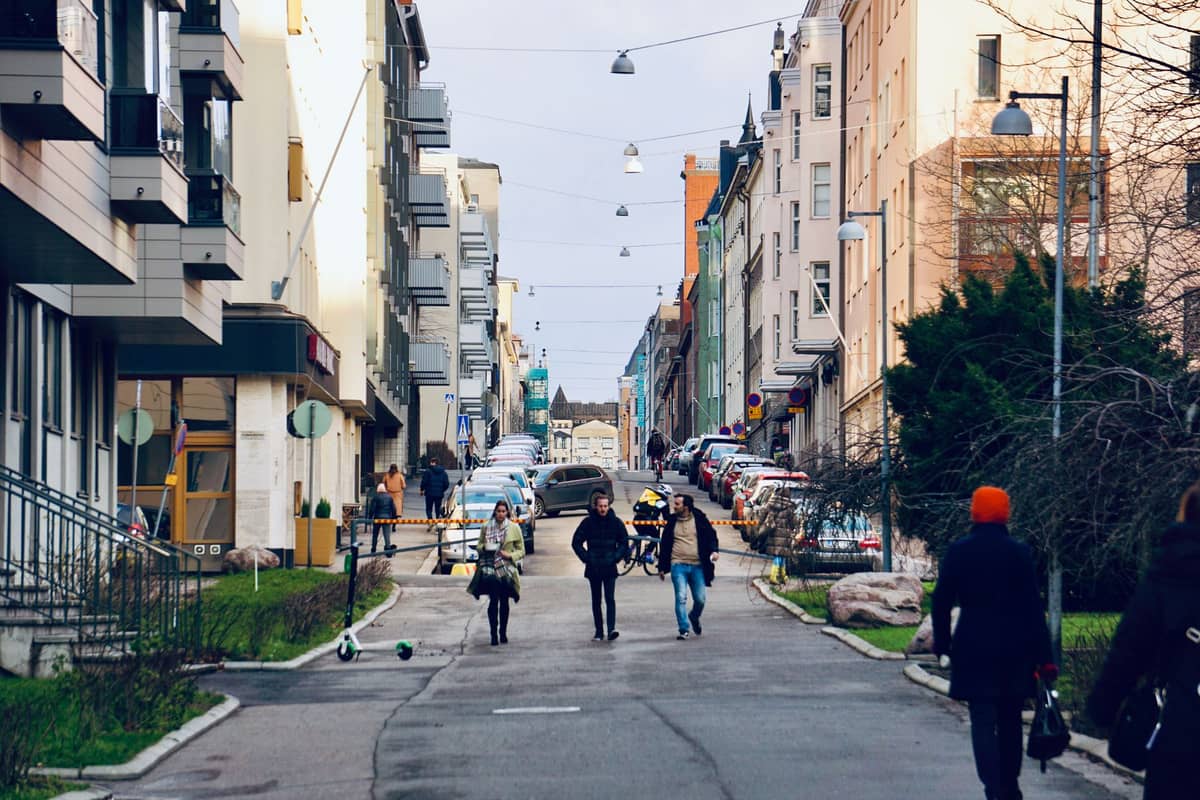
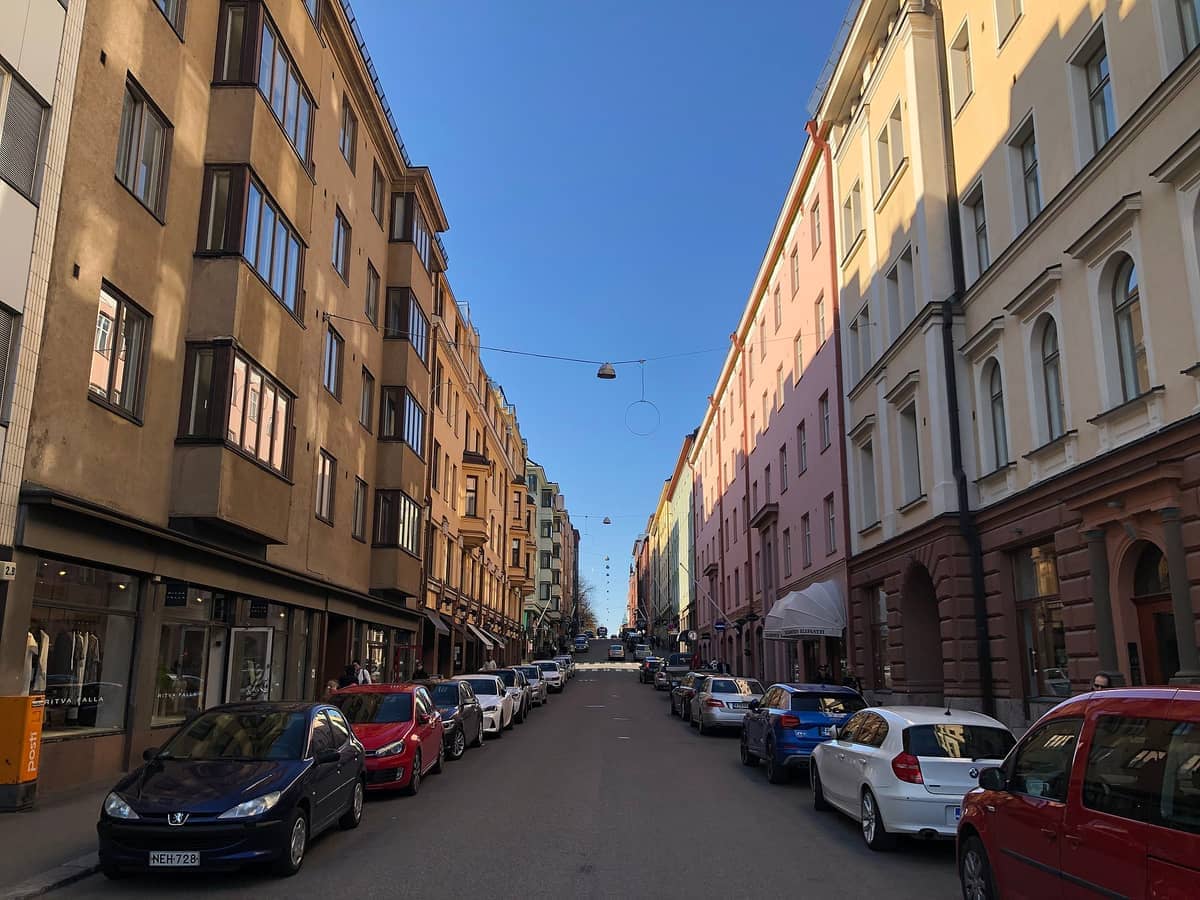
The streets in Punavuori follow a fairly regular grid, but the scale feels human rather than monumental. Buildings are mostly late-19th and early-20th century apartment blocks in the Helsinki jugendstil and neoclassical style, with ground floors colonized by small shops, studios and cafés. Storefronts are narrow, windows are full of ceramics or clothing or vintage furniture, and very few chains have moved in. The overall effect is of a neighborhood that takes its own character seriously without being precious about it.
On weekday mornings, Punavuori belongs to its residents. The cafés on Fredrikinkatu and Iso Roobertinkatu fill with people working on laptops, the bakeries put out fresh bread, and the streets are quieter than you might expect from a major design quarter. By mid-morning the galleries and shops open, and the area begins to shift. Afternoon light falls cleanly along the east-west streets, catching the painted facades in a way that makes even a simple walk feel considered. This is the best time to browse slowly, when the streets are active but not crowded.
Weekends are markedly different. Iso Roobertinkatu in particular draws a steady flow of visitors and locals alike, and the pavement terraces on Uudenmaankatu fill quickly on any afternoon with decent weather. By evening, the bar concentration along these streets creates a noticeable change in tone: younger crowds, louder music spilling from open doors, and a general increase in foot traffic. Punavuori has a genuine nightlife scene, not just a restaurant strip, and after midnight the atmosphere near the bar cluster is exactly what you would expect from a dense urban neighborhood in a Nordic capital.
ℹ️ Good to know
The Helsinki Design District is an official membership organization with around 200 member businesses. Look for the D logo in shop windows: it indicates a verified member of the network. A free map of member locations is available from most hotels and from the tourist office near Market Square.
One thing worth saying clearly: this is not a sanitized tourist district. The mix of design shops and late-night bars means that Uudenmaankatu on a Friday night feels quite different from Uudenmaankatu on a Tuesday morning. Visitors looking for a calm, design-focused experience will do best on weekday afternoons. Those looking for a neighborhood with good nightlife will find that too, but should not be surprised by the noise.
What to See & Do
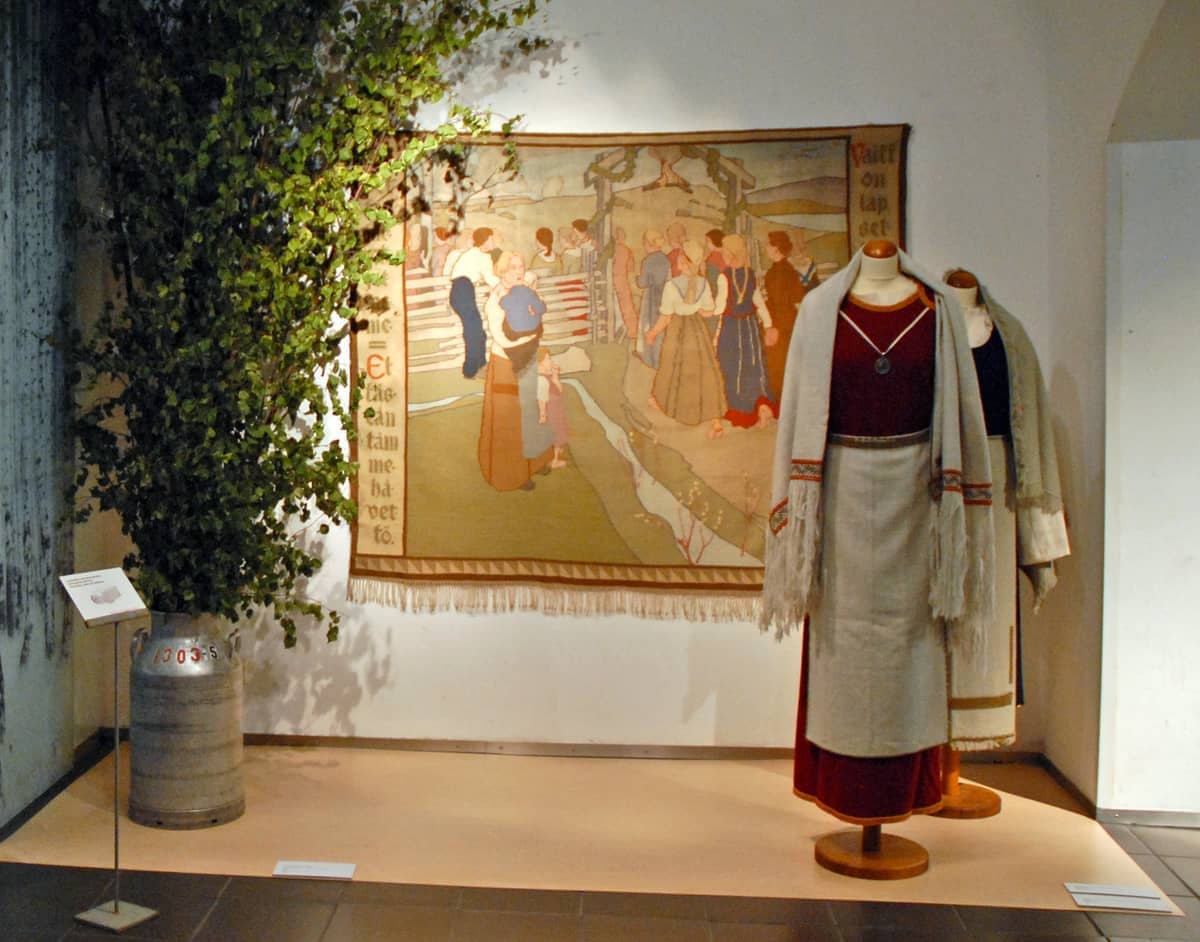
The two anchor cultural institutions in the neighborhood sit close together on Korkeavuorenkatu. The Design Museum Helsinki holds a permanent collection tracing Finnish design from the 19th century to the present, including furniture, textiles, glassware and industrial objects. Across the street, the Museum of Finnish Architecture runs changing exhibitions on Finnish and international architecture, with a well-regarded archive and bookshop. Both museums are compact enough to visit in a single morning without feeling rushed.
Beyond the major institutions, the Design District's strength is in its independent galleries and studios. Dozens of small commercial galleries occupy ground-floor spaces throughout the grid, and many of them have no fixed ticket price or simply open their doors for browsing. For visitors with a genuine interest in contemporary Finnish design and applied arts, this is the most concentrated place to engage with that scene in Helsinki. The Helsinki design guide covers the wider design landscape across the city, including showrooms and flagship stores outside the district.
Architecture & Design Museum Helsinki: permanent and temporary exhibitions on Finnish design history
Museum of Finnish Architecture: changing shows, strong bookshop and archive
St John's Church (Johanneksenkirkko): a large neo-Gothic church on Korkeavuorenkatu worth seeing from the exterior and often open to visitors
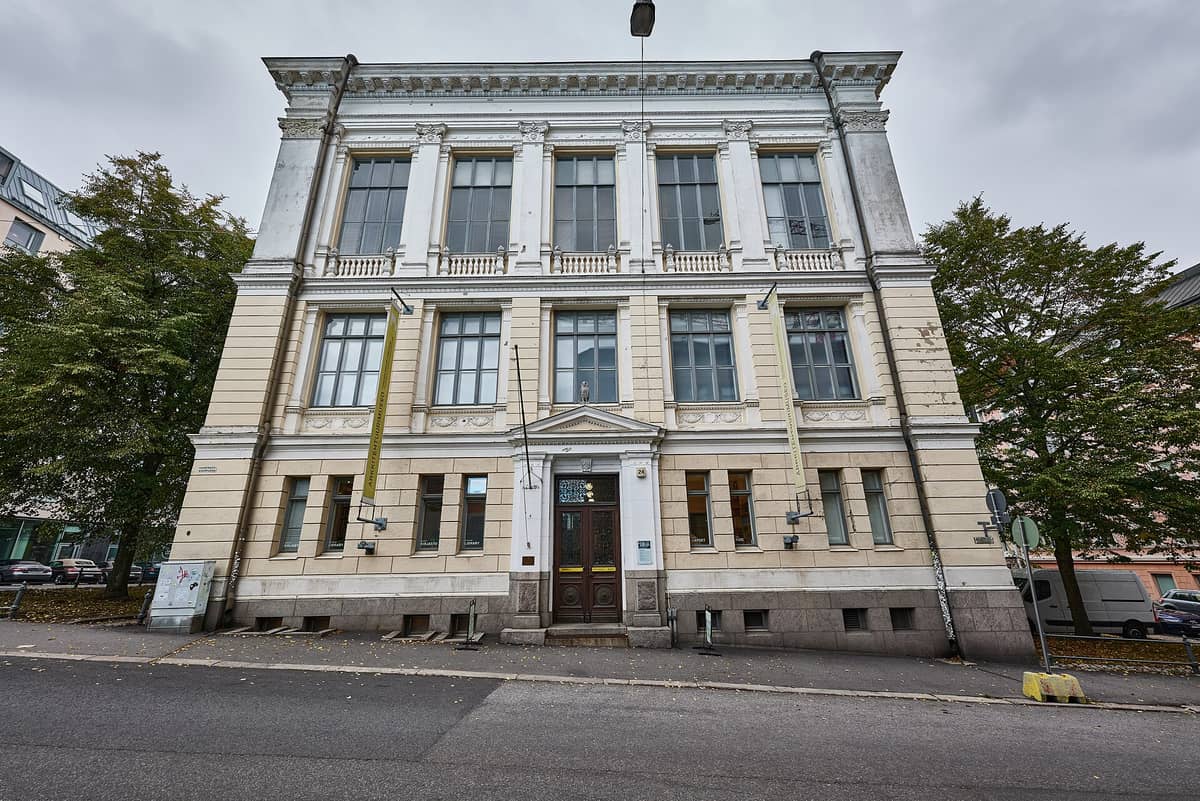
Rikhardinkatu Library: one of Helsinki's oldest public libraries, a graceful 19th-century building a short walk from the district
Hietalahti flea market: an outdoor and indoor market at the western edge of the neighborhood, particularly lively on weekend mornings
Independent galleries and design studios: browse along Fredrikinkatu, Annankatu and Uudenmaankatu for the highest density
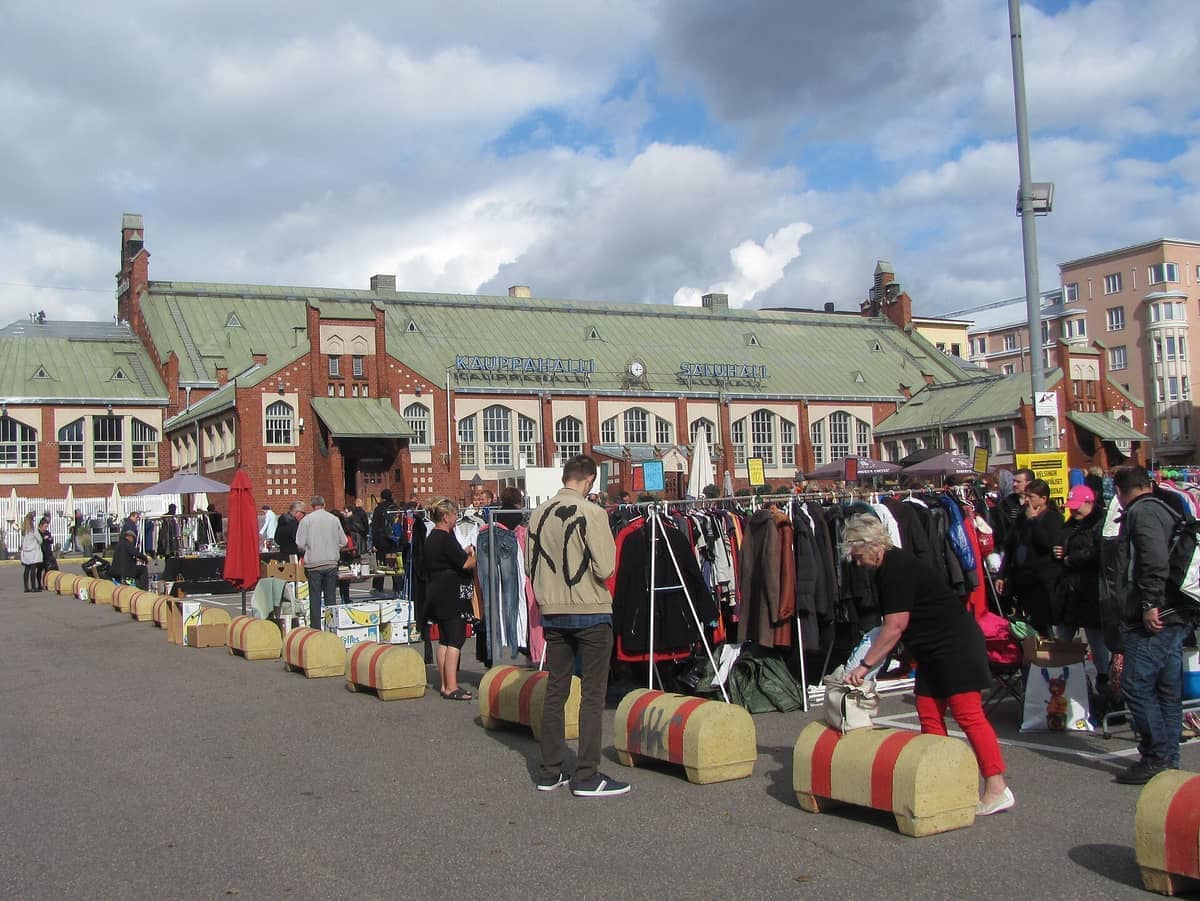
At the western edge of Punavuori, Hietalahdenranta meets the water, and the Hietalahti Market Hall sits just here, a converted 19th-century market building now housing food vendors, a lunch restaurant and occasional evening events. The outdoor flea market in the square outside runs from spring through autumn and is one of the better places in Helsinki to find vintage Finnish objects, secondhand clothing and the occasional surprising piece of design.
💡 Local tip
If you are visiting multiple Helsinki museums, check whether the Helsinki Card covers your planned institutions before buying individual tickets. The Design Museum and Museum of Finnish Architecture are both included. See the Helsinki Card guide for current coverage details.
Eating & Drinking
Punavuori has one of the better food and drink scenes in central Helsinki, and it covers a wide range: morning coffee and pastries, lunch spots aimed at the local working population, dinner restaurants that take their cooking seriously, and a significant concentration of bars. Prices are broadly mid-range by Helsinki standards, which means higher than most European cities but not the outlier they once were.
The café culture in this neighborhood rewards slow walking. Independent coffee shops on Fredrikinkatu and Iso Roobertinkatu tend to roast or source carefully, and most have food worth eating alongside the coffee. For a broader picture of what Finnish food looks like in a market setting, the Hietalahti Market Hall is the nearest option, with vendors selling Finnish fish dishes, open sandwiches, soups and baked goods. It is quieter and less touristic than the Old Market Hall near Esplanadi, which makes it a better option for an actual lunch rather than a sightseeing stop.
Dinner options in and around Punavuori range from small neighborhood restaurants serving modern Scandinavian cooking to places with more international menus. Iso Roobertinkatu in particular has a high density of restaurants at different price points. Reservations are recommended on Thursday and Friday evenings at any of the better-regarded spots, as the neighborhood has a loyal local following and weekend tables fill early.
The bar scene on Uudenmaankatu and the surrounding streets is a real part of the neighborhood's identity. Several of Helsinki's better cocktail bars and wine bars are located here, alongside more casual spots. For those interested in Helsinki's wider nightlife geography, Punavuori connects naturally to Kallio further north, which has its own distinct bar culture. The Helsinki nightlife guide maps out how these areas relate to each other and which suits different tastes.
⚠️ What to skip
Tipping is not obligatory in Finnish restaurants and cafés. Service charges are typically included in listed prices. Rounding up or leaving a small tip is appreciated but never expected. Do not feel pressured by payment terminals that present tip options.
Getting There & Around
Punavuori is walkable from most central Helsinki hotels. From Helsinki Central Railway Station, From Helsinki Central Railway Station, the walk south along Fredrikinkatu or Annankatu takes around 20 minutes. From the Kamppi metro and bus terminal, the northern edge of Punavuori begins almost immediately: cross Urho Kekkosen katu heading south and you are in the neighborhood within two minutes.. From the Kamppi metro and bus terminal, the northern edge of Punavuori begins almost immediately: cross Urho Kekkosen katu heading south and you are in the neighborhood within two minutes.
By tram, several lines serve the neighborhood's edges. Trams running along Bulevardi and toward the Hietalahti area connect west toward the waterfront and north toward the city centre. The HSL network app provides real-time routing from any point in the city. For context on how Helsinki's public transport system works across the city as a whole, the getting around Helsinki guide covers tram, metro, bus and ferry connections in detail, including ticketing.
The Kamppi metro station (M1/M2 lines) is the most convenient underground option, sitting at the neighborhood's northern boundary. From Kamppi you can reach the eastern harbor area, the central station and connections westward to Ruoholahti and beyond. Several bus lines run along Iso Roobertinkatu, Merimiehenkatu and Fredrikinkatu, giving good connections across the peninsula.
Cycling is practical within Punavuori. The streets are mostly flat and the grid layout makes navigation straightforward. Helsinki's city bike scheme operates from spring through autumn and has several stations within the neighborhood. For visitors exploring the wider Design District on foot, comfortable shoes matter more than transit: the entire area can be covered on a single walk, though you will cover it more thoroughly over multiple visits.
Where to Stay
Punavuori itself has a small number of boutique hotels and design-focused accommodation options, which suit the neighborhood's character well. Staying here puts you within walking distance of the Design District institutions, the Hietalahti market, and the Kamppi transit hub, while keeping you slightly removed from the heaviest tourist concentration around Market Square and Esplanadi. The trade-off is that you are further from the Senate Square and harbor attractions, though neither is more than 20 minutes on foot.
For visitors whose primary interest is Helsinki's design and contemporary art scene, Punavuori is the most logical base. For those who want to move easily between the main sights, waterfront and islands, staying closer to the center or in Katajanokka gives slightly better access to ferry connections. The where to stay in Helsinki guide compares all the main neighborhoods in detail and helps match accommodation location to travel priorities.
Note that accommodation on Uudenmaankatu and Iso Roobertinkatu, directly above the bar concentration, can be noisy on Thursday, Friday and Saturday nights. If you are a light sleeper, look for options on the quieter streets further south toward Tehtaankatu or on Bulevardi, where the residential character is more settled and late-night noise less prevalent.
Honest Verdict
Punavuori and the Design District are not for every type of traveler. The area works best for people who find genuine pleasure in browsing independently owned shops, who want to engage with Finnish design and contemporary art beyond the major national museums, and who appreciate a neighborhood with its own rhythm rather than one organized entirely around tourists. It is compact, walkable and genuinely interesting at street level, but there are no grand sights here in the conventional sense: no cathedral, no harbor panorama, no single landmark that justifies a visit on its own.
What the area does well it does consistently: the concentration of quality design retail, independent galleries and serious cafés is real and hard to find at this density anywhere else in Helsinki. The nightlife is a genuine bonus for those who want it, and the central location means you are never far from the parts of the city that do have the grand sights. Most visitors to Helsinki benefit from spending at least a half-day here, even if they choose to stay elsewhere.
TL;DR
Best for: design enthusiasts, gallery browsers, independent shoppers, and visitors who enjoy café culture and evening bars
Key institutions: Key institutions: Architecture & Design Museum Helsinki and Museum of Finnish Architecture, both on Korkeavuorenkatu
Transit: Kamppi metro and bus terminal at the northern edge; tram lines along Bulevardi and nearby streets
Honest drawback: bar streets can be noisy on weekend nights; no single unmissable landmark makes it essential for short-stay visitors
Recommended time: half a day minimum for the museums and a browse; a full day or more if you want to engage seriously with the gallery and retail scene
Helsinki rewards a focused two-day visit better than almost any other Nordic capital. This itinerary covers the essential landmarks, best neighborhoods, and a few genuinely worthwhile detours — with practical transport details, honest cost breakdowns, and seasonal advice built in.
Helsinki offers more than its compact scale suggests when it comes to museums. From the golden-age canvases at the Ateneum to open-air farmhouses on a forested island, the city's collections span Finnish identity, world-class design, and contemporary art. This guide covers the best museums in Helsinki, with practical advice on what to expect at each.
Helsinki rewards visitors in every season, but the experience varies dramatically. This guide breaks down weather, crowd levels, prices, and what actually happens on the ground across all four seasons, so you can pick the timing that matches your priorities.
Helsinki is compact enough to explore in a couple of days, but the surrounding region rewards further exploration. From the medieval streets of Tallinn across the Gulf of Finland to the wooden old town of Porvoo and the wilderness of Nuuksio National Park, these are the day trips worth building time into your itinerary for.
Finnish food is more than fish and potatoes. This guide covers the essential dishes to try in Helsinki, where to find them, what they cost, and which seasonal specialties are worth planning around.
Helsinki punches well above its weight for free experiences. From permanently free museums and UNESCO World Heritage sites to urban beaches, sweeping architecture, and peaceful island walks, this guide covers the best free things to do in Helsinki across every season.
Helsinki has one of the most logical public transport systems in Northern Europe, built around a zone-based ticketing network that covers buses, trams, metro, commuter trains, and ferries. This guide covers every mode of transport, from landing at Helsinki Airport to island-hopping by ferry, with practical advice on what to use and what to skip.
The Helsinki Card promises free entry to 25+ attractions plus sightseeing tours from €51 for 24 hours. But does it actually save you money? This guide runs the real numbers, explains the three card versions, and tells you exactly when it's worth buying and when it isn't.
Helsinki's Christmas market season runs from late November through December, centered on the atmospheric Tuomaan Markkinat at Senate Square. This guide covers dates, opening hours, what to expect, and how to make the most of your visit in the Finnish winter.
Helsinki offers more than its compact scale suggests when it comes to design. From the combined Architecture and Design Museum to the underground wonder of Amos Rex, plus one of Europe's most concentrated design shopping districts, this guide covers everything you need to experience the city's design culture properly.
Summer transforms Helsinki into one of Northern Europe's most rewarding city destinations. Nearly 19 hours of daylight, major arts festivals, waterfront saunas, and island escapes make June through August the city's peak season. This guide covers everything you need to plan a summer trip, from the reality of the midnight sun to navigating Midsummer closures.
Helsinki in winter is a different city entirely. Snow-dusted streets, just six hours of daylight, and a culture built for cold. This guide covers everything from average temperatures and transport to the best seasonal activities, so you can decide if a winter visit is right for you.
Helsinki is defined by its archipelago. With dozens of islands ranging from a UNESCO World Heritage fortress to tiny sauna islands, knowing which to visit and how to reach them makes the difference between a great trip and a missed opportunity. This guide covers the best islands for every type of visitor.
Helsinki's market halls are the city's most reliable year-round food destinations, offering everything from fresh Finnish fish and game to evening dining and weekend flea markets. This guide covers all three halls — Old Market Hall, Hakaniemi, and Hietalahti — with practical details on what to eat, when to go, and how to get there.
Helsinki's nightlife runs later than most visitors expect, with licensed venues legally permitted to serve alcohol until 04:00 and some clubs closing even later. This guide covers the best neighborhoods, key venues, alcohol laws, and how to get home safely after a long night in the Finnish capital.
Helsinki has a reputation for being expensive, and it partly deserves it. But with the right strategy, you can see the best of Finland's capital without hemorrhaging euros. This guide covers transport costs, free attractions, the Helsinki Card, and practical tips for keeping your daily spend under control.
Sauna is not a wellness trend in Helsinki — it is infrastructure. This guide breaks down the best public saunas in the city by type, price, and experience, with practical advice on booking, etiquette, and what each venue actually delivers.
Helsinki is a surprisingly strong shopping destination. This guide covers the city's best shopping districts, indoor market halls, open-air markets, and the Finnish design brands worth seeking out, with practical hours, seasonal tips, and practical advice on what to skip.
The Helsinki to Tallinn ferry is one of the busiest short sea crossings in Europe, with up to 6 daily sailings per direction, crossing times as short as 2 hours, and fares starting around €15. This guide covers every operator, pricing reality, port logistics, and seasonal tips so you can book smart.
Vappu transforms Helsinki into Finland's largest outdoor celebration every 30 April and 1 May. From the iconic Havis Amanda statue capping ceremony to sprawling picnics in Kaivopuisto Park, this guide covers everything you need to know to experience the festivities like a local.
Helsinki is a city defined by water, sky, and open horizon. Whether you're scanning the harbour from a cathedral terrace or watching the sun set from a rooftop bar, these are the best viewpoints in the city, ranked and organised by type.
This guide walks you through the best self-guided route across central Helsinki, covering Senate Square, the waterfront, Esplanadi Park, Oodi Library, and beyond. Get practical stop-by-stop advice, timing tips, and honest notes on what to skip.
Helsinki's climate swings from dark, snowy winters to long-lit summers with near-19 hours of daylight. This guide breaks down Finland weather month by month, covering temperatures, precipitation, daylight, and exactly what to wear and plan for each season.
Helsinki is one of Northern Europe's most practical cities for families, with a compact layout, excellent public transport, and a strong mix of indoor and outdoor attractions that work across all seasons. This guide covers the best kid-friendly experiences, clear pricing, seasonal logistics, and what to skip.
Helsinki divides opinion. Some travelers leave wondering what the fuss was about; others come back every year. This guide cuts through the noise with specific costs, seasonal realities, and an honest take on what the Finnish capital actually delivers — and where it falls short.
Helsinki packs an extraordinary range of experiences into a compact, walkable city on the Baltic coast. This guide covers the best things to do in Helsinki across culture, nature, food, and nightlife, with practical advice on what's worth your time and what to skip.
Helsinki is compact enough that almost any central neighbourhood works as a base, but the right choice depends on your budget, travel style, and priorities. This guide breaks down the best areas to stay, typical hotel prices by category, and what to watch out for before you book.