Shopping in Helsinki: Best Areas, Markets & Finnish Brands
Helsinki is a surprisingly strong shopping destination. This guide covers the city's best shopping districts, indoor market halls, open-air markets, and the Finnish design brands worth seeking out, with practical hours, seasonal tips, and practical advice on what to skip.
Plan and book this trip
Tools from our partner Travelpayouts help you compare flights and hotels. If you book through them, we may earn a commission at no extra cost to you.
Flights
Hotels map
TL;DR
- Shopping in Helsinki is concentrated in the city centre around Aleksanterinkatu, plus the Design District in Punavuori.
- The Old Market Hall and Market Square are the go-to spots for Finnish food products and souvenirs near the waterfront.
- Finnish design brands like Marimekko, Iittala, and Artek are well represented across the city, with flagship and concept stores in the centre.
- Outdoor market stalls typically operate Mon–Fri 6:30–18:00, Sat 6:30–16:00, Sun 10:00–17:00 — the square is accessible 24 hours but the stalls are not.
- For a deeper look at Helsinki's creative retail scene, see the Helsinki design guide.
The Main Shopping Areas
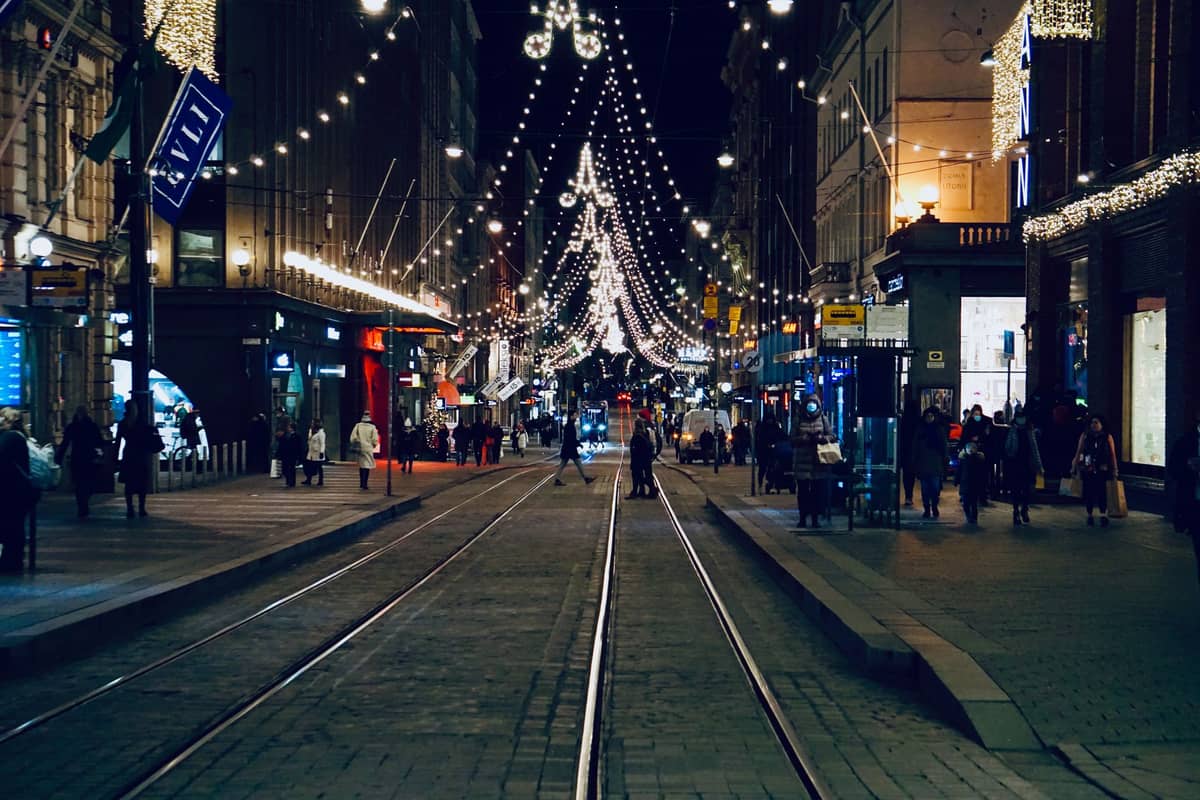
Helsinki's shopping geography is straightforward once you understand the layers. The city centre, anchored by Aleksanterinkatu and the streets around Helsinki Central Railway Station, handles mainstream retail and department store shopping. A short walk southwest brings you into Punavuori and the Design District, where independent Finnish brands, concept stores, and vintage shops dominate. These two zones alone cover the vast majority of what most visitors come to buy.
Aleksanterinkatu is Helsinki's main commercial street. It runs east from the railway station toward Senate Square, lined with international fashion chains and anchored by Stockmann at number 52. The pedestrianised stretches around Keskuskatu and Forum shopping centre fill in the gaps with more international brands. If you've shopped any major European city, this stretch will feel familiar.
The Design District covers roughly 25 blocks between Punavuori and Kamppi, and it's where Helsinki's retail identity becomes genuinely distinct. Around 200 shops, studios, showrooms, and galleries are clustered here. The density of Finnish-made goods — ceramics, textiles, furniture, glassware, jewellery — makes it the most rewarding area for anyone who wants to bring home something with actual provenance.
💡 Local tip
If you only have a few hours, prioritise Esplanadi Park and the blocks immediately south toward Punavuori. You'll pass through the Marimekko and Iittala flagship zone, hit the Old Market Hall, and graze the edge of the Design District without excessive walking.
Stockmann and Department Store Shopping
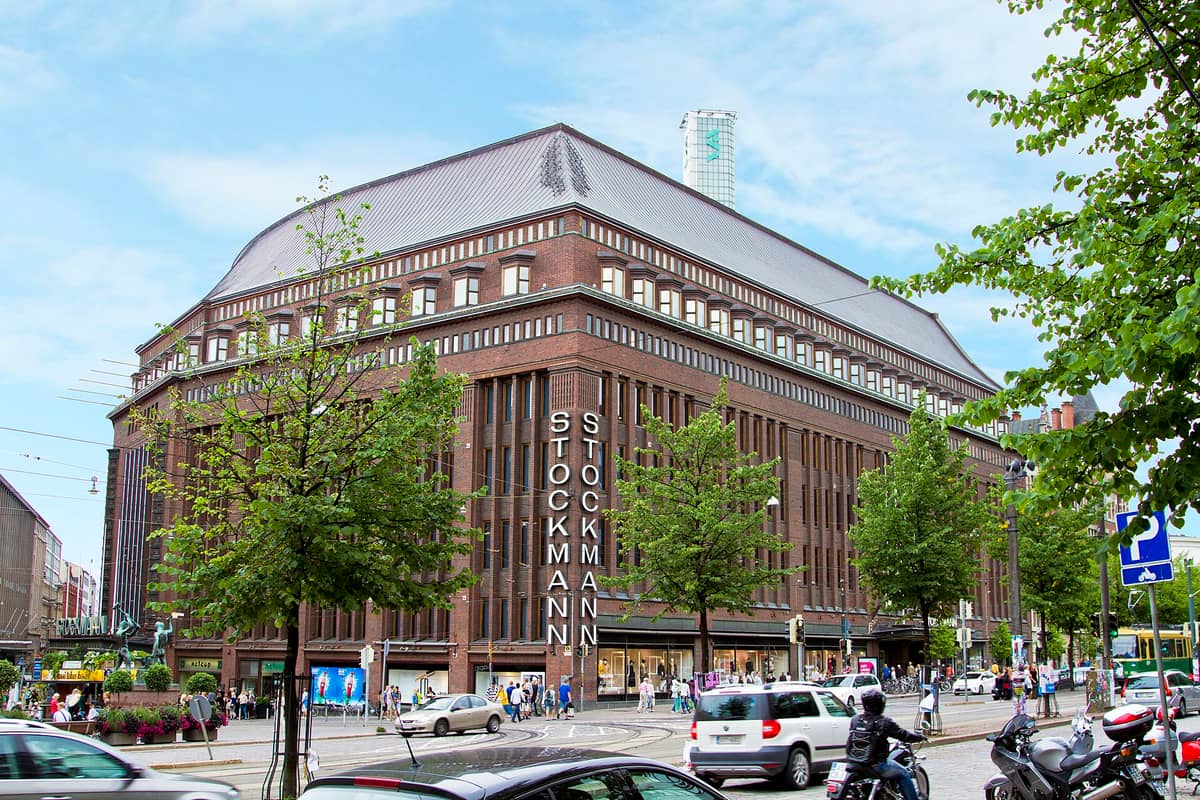
Stockmann at Aleksanterinkatu 52 is Finland's best-known department store and one of the largest in the Nordic countries. It covers fashion, cosmetics, home goods, books, food, and a basement supermarket that stocks a solid range of Finnish specialities. Standard opening hours are Monday to Friday 10:00–20:00, Saturday 10:00–19:00, and Sunday 12:00–18:00, though these shift around public holidays. The Christmas and Midsummer periods in particular bring early closures or full-day closures, so checking ahead is worthwhile.
Stockmann hosts shop-in-shop boutiques for several international luxury brands, including Louis Vuitton, operating on the same base schedule. For most visitors, the most useful floors are the Finnish design section and the basement food hall, where you can pick up Fazer chocolates, Finnish rye bread varieties, and locally produced spirits without trekking to a specialist shop.
⚠️ What to skip
Stockmann's 'Crazy Days' sale, held twice a year, draws enormous crowds and can make shopping genuinely unpleasant. If you're visiting Helsinki during late January or late August, check whether Crazy Days coincides with your trip and plan accordingly.
The Forum and Kamppi shopping centres offer more affordable alternatives nearby. Forum, across the street from Stockmann, has a mix of Finnish and international mid-range chains. Kamppi centre, built around the intercity bus terminal, skews practical rather than aspirational — useful for everyday items, drugstore goods, and fast food. Neither is especially distinctive, but both are convenient if the weather turns.
Markets: Open-Air and Covered
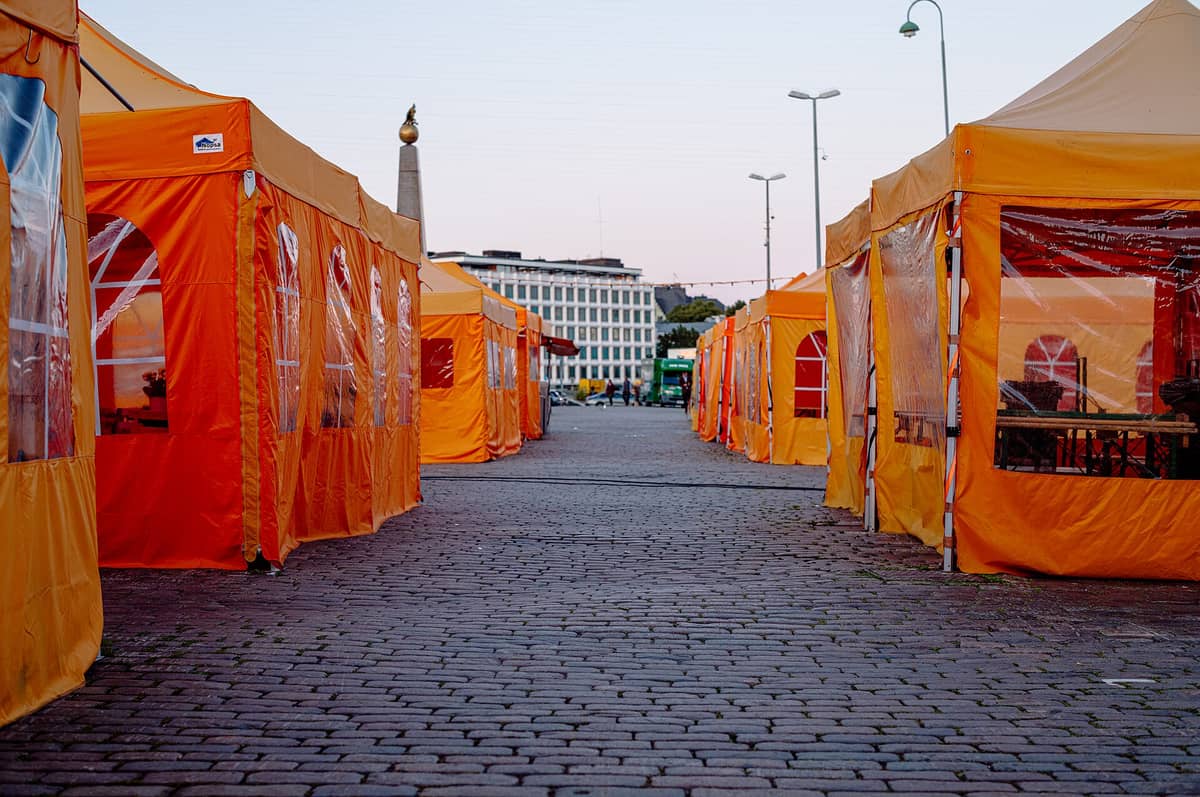
Helsinki's market culture is one of the most tangible parts of its everyday life. Market Square (Kauppatori)Kauppatori by the South Harbour is the most visited, and it earns its reputation in summer when vendors sell seasonal berries, smoked fish, reindeer sausages, and fresh flowers from wooden stalls facing the water. The square is publicly accessible around the clock, but trading hours are Monday to Friday 6:30–18:00, Saturday 6:30–16:00, and Sunday 10:00–17:00. Some guides still quote the old 8:00–16:00 window — that's outdated.
Seasonal variation matters here. In summer, especially July, Market Square operates closer to the outer edge of those hours and has the fullest selection of stalls. In winter, many vendors close by 15:00 regardless of official schedules, and the number of stalls drops considerably. The experience is still worthwhile in cold months — cured fish and warm drinks taste better in the cold — but don't arrive expecting a full market at 17:00 in January.
A five-minute walk from the square, the Old Market Hall (Vanha Kauppahalli) is the more curated option. Built in 1889, the hall houses specialty food vendors selling Finnish cheeses, cured meats, pastries, fresh fish, mushrooms, and coffee. Typical weekday hours run around 8:00–18:00 with earlier closing on weekends, though individual stall hours vary and it's worth checking the hall's website for current schedules. This is the better spot for considered food gift shopping compared to the outdoor stalls.
The Hakaniemi Market Hall in the Kallio district, about 1.5 km north of the centre, is a less-touristed alternative with two floors: fresh produce, meat, and fish on the ground level; textiles, household goods, and Finnish handicrafts above. The outdoor Hakaniemi market square adjacent to it runs Monday to Saturday roughly 8:00–18:00 and is closed on Sundays. It has a more local character than Kauppatori and is noticeably less oriented toward souvenir shopping.
- Market Square (Kauppatori) Best for: summer atmosphere, smoked fish, berries, coffee with a harbour view. Hours: Mon–Fri 6:30–18:00, Sat 6:30–16:00, Sun 10:00–17:00.
- Old Market Hall (Vanha Kauppahalli) Best for: Finnish food gifts, specialty cheese, fresh fish, Finnish pastries. Roughly 8:00–18:00 weekdays, earlier close at weekends.
- Hakaniemi Market Hall Best for: everyday local shopping, Finnish textiles, less tourist-heavy. Mon–Sat approx. 8:00–18:00, closed Sunday.
- Hietalahti Market Square Best for: flea market and second-hand finds (weekend mornings particularly). Mon–Fri 6:30–18:00, Sat 6:30–16:00, Sun 10:00–17:00.
Finnish Design Brands Worth Knowing
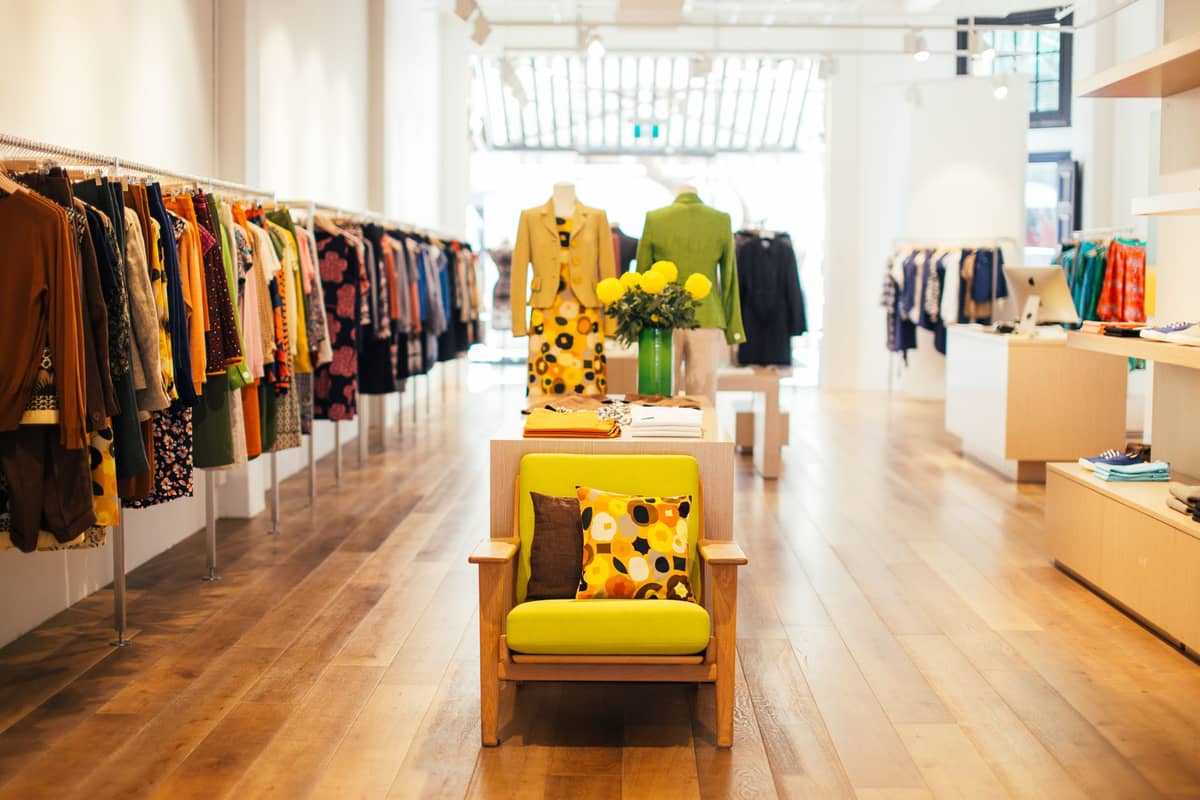
Finnish design has a distinct identity rooted in functionality, natural materials, and restrained aesthetics. Several brands have international reputations but are meaningfully cheaper, better stocked, or offer exclusive items when bought in Helsinki. These are the names to prioritise.
- Marimekko The most globally recognised Finnish brand. Known for bold graphic prints on textiles, bags, and homeware. Flagship store on Pohjoisesplanadi. Prices are not cheap, but the range in Finland is broader than in export markets.
- Iittala Glassware and tableware brand dating to 1881. The Aalto vase is the iconic piece, but the Teema tableware series is more practical to carry home. Multiple locations including a design store on Esplanadi.
- Artek Furniture and lighting design founded in 1935 by Alvar Aalto and others. The Helsinki flagship on Eteläesplanadi is as much a design exhibition as a shop. Not backpack-friendly, but worth visiting.
- Moomin Shop Character merchandise from Tove Jansson's Moomin stories. Tove Jansson was Finnish-Swedish and the Moomins are a genuinely Finnish cultural product, not generic licensed merchandise. The Forum shopping centre location has the widest selection.
- Lapuan Kankurit Finnish textile brand producing linen and cotton household textiles, blankets, and saunas towels in traditional patterns. Sold at the Design District and selected stockists.
- Fazer Finnish confectionery company. Fazer Blue chocolate and Karl Fazer products are among the most common food souvenirs. Available in supermarkets, the Fazer Café on Kluuvikatu, and airport duty-free.
The concentration of Finnish brands is highest in the Design District. A morning walk through Punavuori covers Fredrikinkatu, Iso Roobertinkatu, and Uudenmaankatu — three parallel streets lined with independent boutiques, vintage dealers, and local label stores. This is also where you'll find the Design Museum Helsinki and the Museum of Finnish Architecture if you want context alongside the shopping.
✨ Pro tip
Tax-free shopping (VAT refund) is available to non-EU visitors on purchases above a minimum threshold. Look for the Tax Free logo in shop windows and request a refund form at the time of purchase — you'll claim it at the airport before departure. Finland's standard VAT rate is 25.5%, so the refund on higher-value purchases is significant.
Flea Markets and Second-Hand Shopping
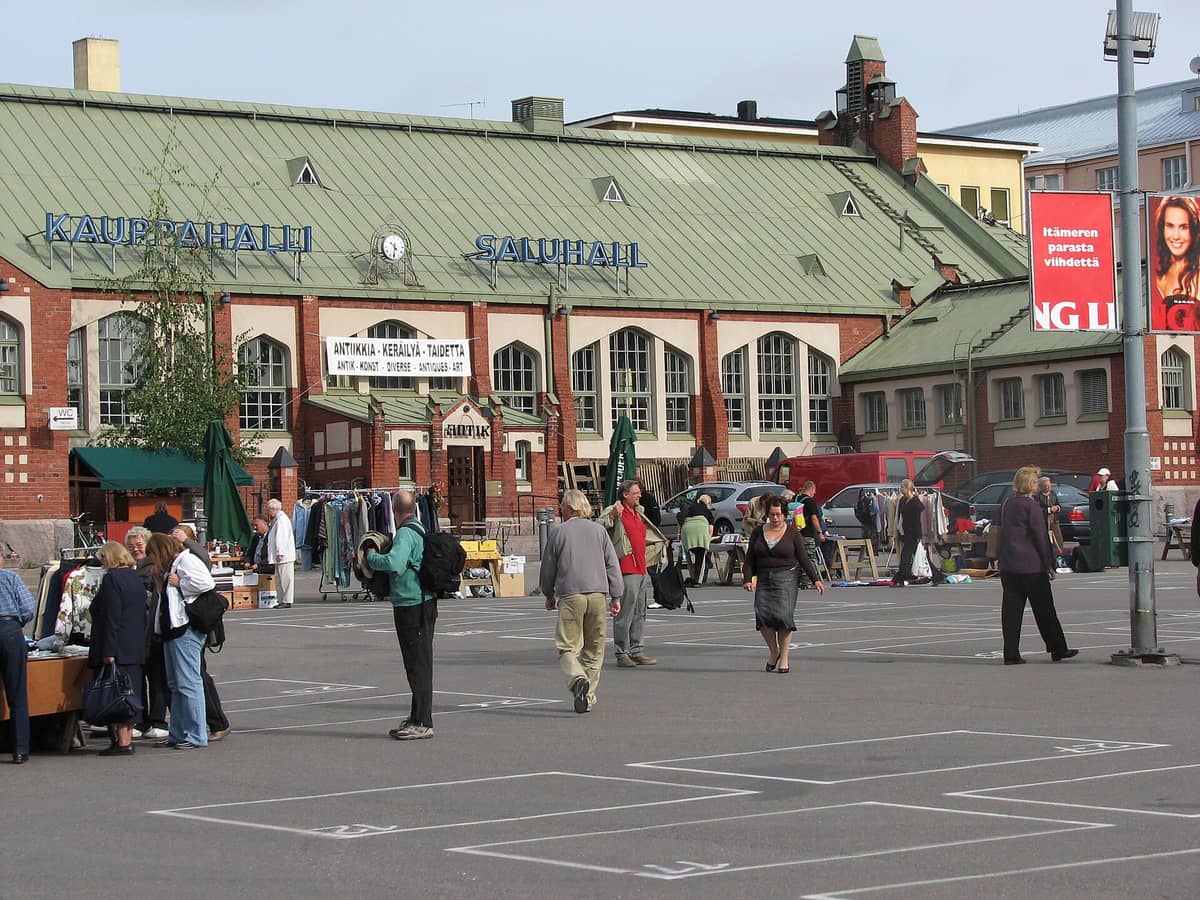
Helsinki has a strong second-hand culture. The Hietalahti flea market at Hietalahdentori is the city's most established outdoor flea market, running on the same schedule as other city markets but with the most activity on Saturday and Sunday mornings. Vendors sell everything from Finnish vintage glassware and ceramics to clothing, books, and furniture. Prices are reasonable and haggling is acceptable in a relaxed way, though it's not the high-pressure bargaining culture of southern European markets.
UFF (U-landshjälp från Folk till Folk) is a Finnish charity chain with multiple locations across the city, selling donated second-hand clothing at low prices. For more curated vintage, the Design District has several independent vintage clothing boutiques on Fredrikinkatu. The Hietalahti Market Hall itself, a short walk from the open-air flea market, has been partly redeveloped and now hosts a mix of food vendors and artisan sellers alongside more traditional stalls.
Practical Tips for Shopping in Helsinki
Helsinki is an expensive city, and shopping prices reflect that. Branded Finnish design items like Iittala glassware or Marimekko fabrics cost more than in discount markets elsewhere in Europe, but are still typically priced lower than in export countries. Budget for spending more than you expect if you're drawn to Finnish design goods.
- Card payments are universal — cash is rarely needed anywhere in the city, including market stalls, many of which now accept contactless card payment.
- Most shops close earlier on Saturdays than weekday hours suggest, and Sunday hours are shorter across the board. Plan weekend shopping for mid-morning to avoid disappointment.
- Public holidays, particularly Midsummer (late June), Christmas, and May Day (Vappu), see major closures across markets, department stores, and many independent shops.
- The airport at Helsinki-Vantaa has a Marimekko outlet and a decent range of Finnish food gifts (Fazer, Lapponia, etc.) at duty-free prices for departing non-EU passengers — useful if you run out of time in the city.
- English is spoken fluently in virtually every retail environment in Helsinki, including outdoor market stalls.
If you're managing a tight budget, shopping on a budget in Helsinki is genuinely possible through the flea markets, UFF charity shops, and supermarket food sections — Finnish grocery stores like K-Market and S-Market sell local products at everyday Finnish prices, which are far lower than souvenir shop equivalents. Rye bread, cloudberry jam, and salmiakki liquorice are all available for a few euros per item.
ℹ️ Good to know
Helsinki's market halls and outdoor markets are not just tourist infrastructure — they are working neighbourhood markets used by residents. Behave accordingly: don't block narrow stall aisles for photos, don't handle produce without intent to buy, and tip generously if vendors prepare food to order. The experience is better when treated as participation rather than spectacle.
FAQ
What is the best area for shopping in Helsinki?
For Finnish design and independent brands, the Design District in Punavuori is the most rewarding area. For mainstream international retail and department stores, the streets around Aleksanterinkatu and the Stockmann building are the central hub. For food markets and souvenirs, the waterfront area around Market Square and the Old Market Hall is hard to beat.
What are the opening hours for Market Square in Helsinki?
Market Square (Kauppatori) stalls typically trade Monday to Friday 6:30–18:00, Saturday 6:30–16:00, and Sunday 10:00–17:00. The square itself is publicly accessible at all hours, but vendors are not operating outside these windows. In winter, many stalls close earlier in practice even if official hours suggest otherwise.
What Finnish brands or souvenirs should I buy in Helsinki?
The most distinctive purchases are Marimekko textiles or bags, Iittala glassware (particularly the Aalto vase), Moomin merchandise (genuinely Finnish origin), Lapuan Kankurit linen textiles, and Fazer chocolate for food gifts. These are all well-represented in the city and better priced than in export markets.
Is Helsinki good for second-hand and flea market shopping?
Yes. The Hietalahti flea market is the most established outdoor option, best on Saturday and Sunday mornings. The Design District has curated vintage clothing boutiques, and UFF charity shops are scattered across the city for budget second-hand clothing. Finnish vintage ceramics and glassware regularly appear at these markets.
Are shops in Helsinki open on Sundays?
Most shops open on Sundays but with reduced hours, typically 12:00–18:00 for department stores and shopping centres. Outdoor market stalls at locations like Market Square open from around 10:00–17:00 on Sundays. Independent boutiques in the Design District may keep limited Sunday hours or close entirely — checking ahead is wise.