Things to Do in Helsinki: The Definitive Guide
Helsinki packs an extraordinary range of experiences into a compact, walkable city on the Baltic coast. This guide covers the best things to do in Helsinki across culture, nature, food, and nightlife, with practical advice on what's worth your time and what to skip.
Plan and book this trip
Tools from our partner Travelpayouts help you compare flights and hotels. If you book through them, we may earn a commission at no extra cost to you.
Flights
Hotels map
TL;DR
- The top things to do in Helsinki span island fortresses, world-class museums, Nordic saunas, and excellent food markets, all reachable by public transport for around €3-4 per trip.
- Visit Suomenlinna Sea Fortress on any valid HSL AB-zone ticket (€3.30 in 2026), the ferry runs year-round from Market Square.
- Summer (June-August) gives you the longest opening hours and warmest weather, but Helsinki in winter has its own appeal with Christmas markets, frozen sea landscapes, and fewer crowds.
- Tipping is not expected in Finland; service charges are included in prices. English is widely spoken across all tourist areas.
- The Helsinki Card covers unlimited public transport and free entry to dozens of attractions, worth calculating against your planned itinerary.
What Makes Helsinki Worth Visiting
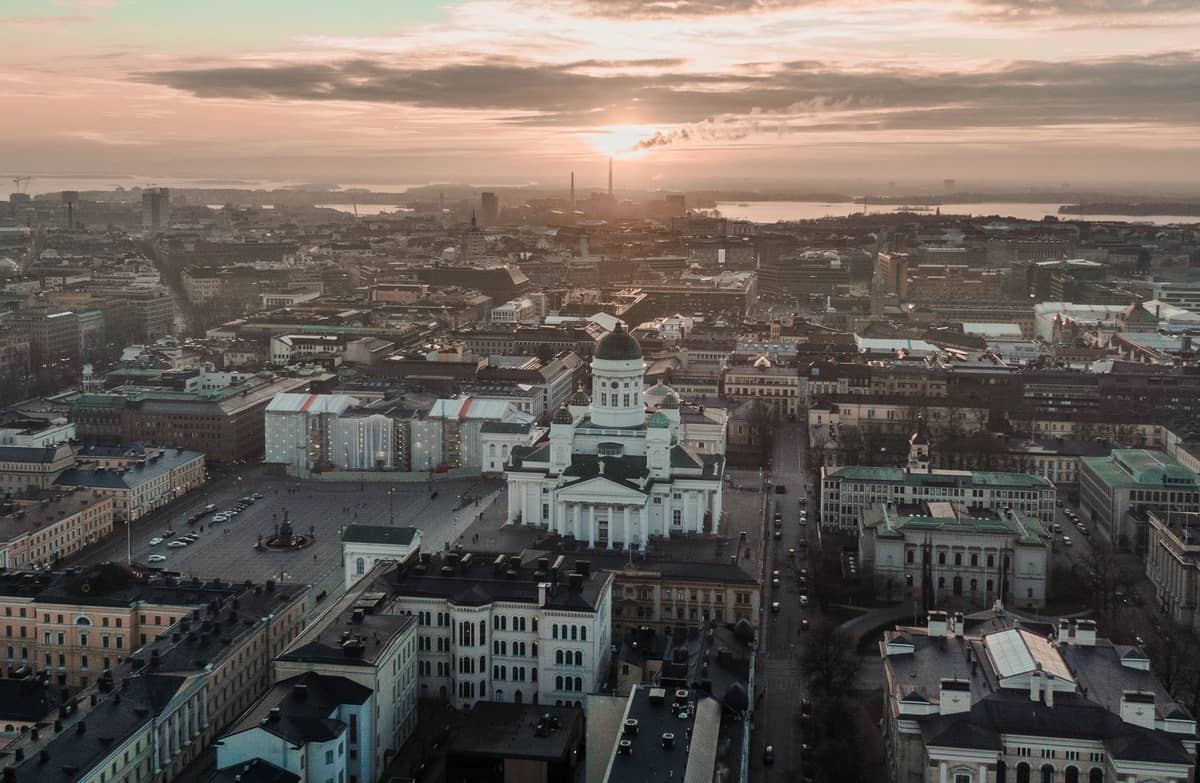
Helsinki is Finland's capital and by far its largest city, home to around 694,000 people within a metropolitan area of about 1.6 million. It sits on the southern coast of Finland at 60°N latitude, on the Gulf of Finland, which means dramatic seasonal contrasts: nearly 19 hours of daylight in midsummer and barely 6 in midwinter. That geography shapes everything about how and when you experience the city. For a full breakdown of what to expect month by month, see the best time to visit Helsinki guide.
The city is compact and extremely walkable in the centre, but it also spreads across dozens of coastal islands and peninsulas. Its architecture mixes neoclassical government buildings from the Russian imperial era, National Romantic stonework from the early 20th century, and sharp contemporary design. The result is a city that feels coherent without being monotonous. It's also genuinely bilingual, with Finnish and Swedish as official languages, though English is spoken so widely in tourism and services that language is rarely a barrier for visitors.
ℹ️ Good to know
Finland uses the euro (EUR). Tap water in Helsinki is safe to drink and meets EU standards. Electricity is 230V / 50Hz with Type C and F plugs (standard European). Emergency services: dial 112.
Iconic Landmarks and Sights
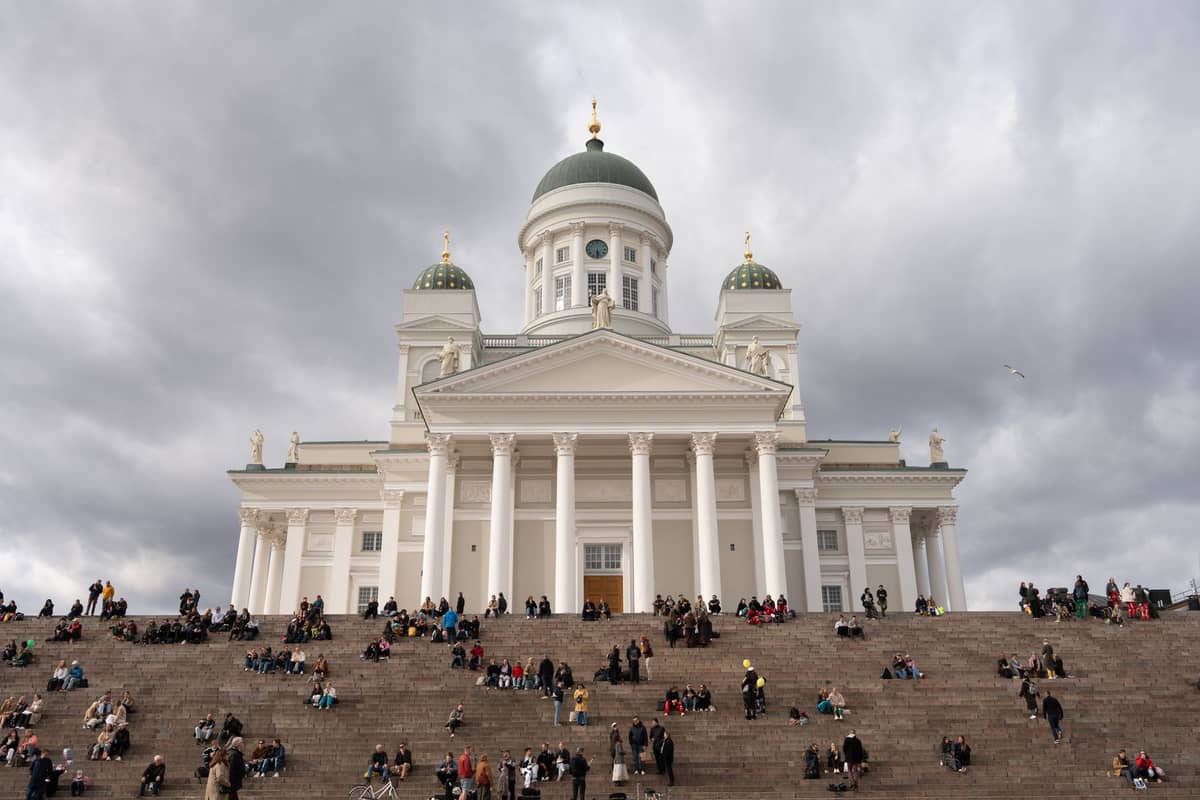
The most logical starting point for first-time visitors is Senate Square, the neoclassical heart of the city. The white Helsinki Cathedral dominates the square from its hilltop position, and the surrounding buildings, including the University of Helsinki's main building and the Government Palace, form a unified ensemble rarely found outside St Petersburg. Visitor admission applies in peak season (typically €10 adults in summer 2026; under-18s free) and it is worth a few minutes inside for the austere Lutheran interior, a deliberate contrast to the baroque grandeur of the exterior.
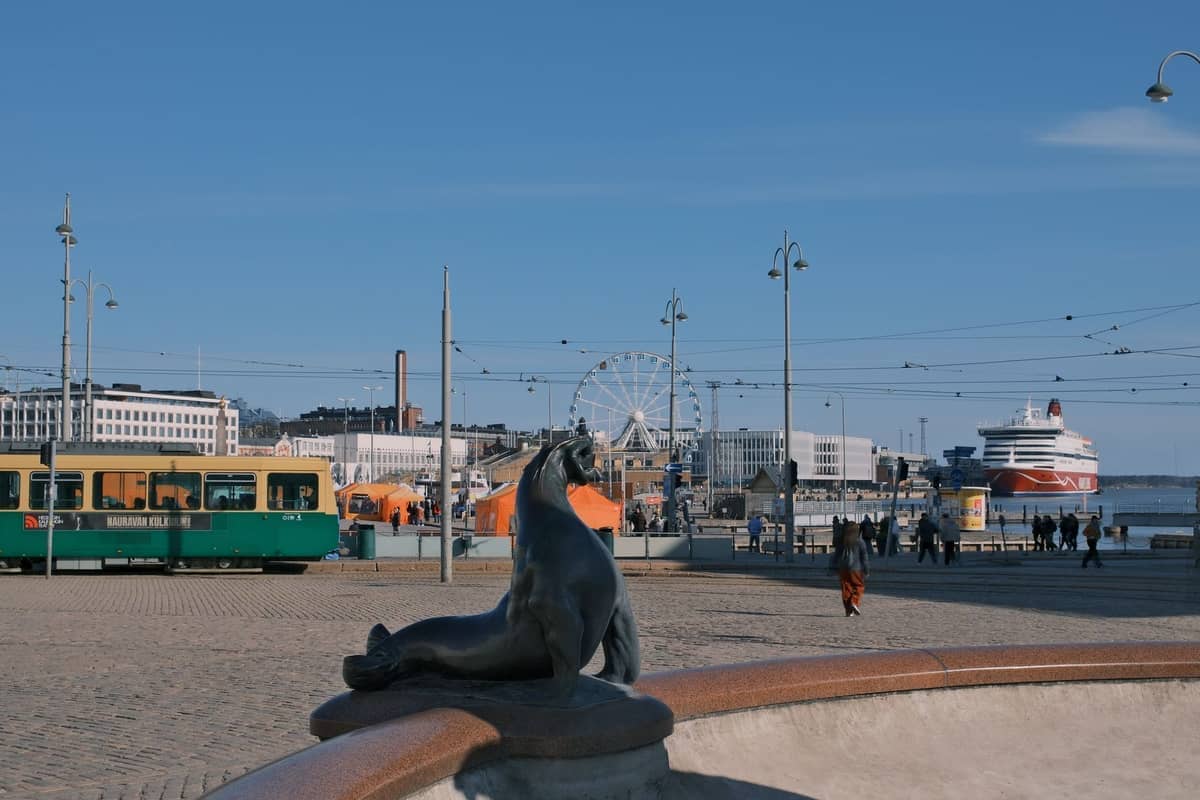
A short walk away on the waterfront, Market Square (Kauppatori) is both a practical transit hub and one of the city's most photographed spots. The outdoor market operates daily and sells everything from fresh fish to strawberries in summer. This is also where you catch the HSL ferry to Suomenlinna, included in any valid AB-zone ticket.
Across the water from Market Square, Suomenlinna Sea Fortress is one of the best half-day trips in the city. The 18th-century sea fortress was built by Sweden, passed to Russia, and eventually became part of independent Finland; it's now a UNESCO World Heritage Site and a living neighbourhood with around 800 permanent residents. The HSL ferry takes about 15 minutes each way and runs daily from early morning to late night. Most museums on the island open daily around 10:00-18:00 in summer (May-August), with shorter hours (around 10:00-16:00) in winter. Always verify current hours on the official Suomenlinna website before visiting.
💡 Local tip
Suomenlinna does not close in winter. The island and ferry operate year-round. Some cafes and smaller museums reduce hours or close from October to April, but the fortress grounds, walking paths, and main visitor centre remain accessible throughout the year.
Museums and Culture
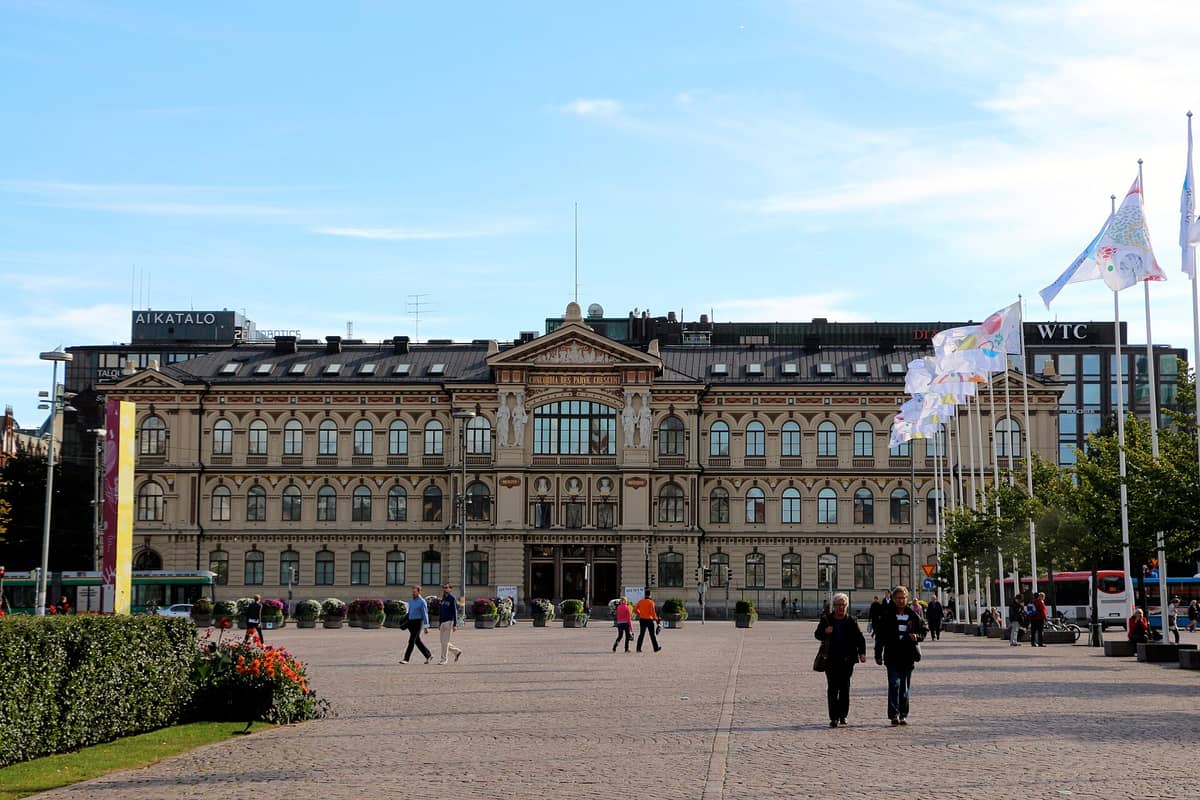
Helsinki has a cultural scene larger than its population suggests. The Ateneum Art Museum holds Finland's largest collection of classical Finnish art and is the right place to understand painters like Akseli Gallen-Kallela, whose mythology-inspired works defined the country's national identity in the late 19th century. The permanent collection is free for visitors under 18 and reasonably priced for adults; check the official site for current entry fees.
For contemporary work, Kiasma Museum of Contemporary Art occupies a striking Steven Holl-designed building near Parliament House. Hours vary by day and season, with Tuesday typically having extended evening hours. The permanent collection leans toward Finnish and Nordic contemporary art, while the temporary exhibitions are genuinely ambitious. Not every visitor will connect with the work, but the building alone is an architectural argument.
Design is central to Helsinki's cultural identity. The Design Museum covers Finnish industrial and graphic design from the late 19th century to the present, with an especially strong section on the postwar Scandinavian design movement. It's located in the Design District, a compact zone of about 25 streets southwest of the city centre where independent boutiques, galleries, and studios cluster together. Plan at least a morning here if design or contemporary craft interests you.
- Ateneum Art Museum Finland's premier collection of classical Finnish and European art, in a grand 19th-century building near the Central Railway Station.
- Kiasma Museum of Contemporary Art Internationally recognized contemporary art museum; the architecture is part of the experience.
- Helsinki City Museum Free entry, traces the city's history from a small town to a Nordic capital, good for context before exploring the streets.
- Museum of Finnish Architecture Specialist but accessible; useful if you're interested in how Finland developed one of the world's most respected architectural traditions.
- Seurasaari Open-Air Museum Historic wooden buildings relocated from across Finland to a forested island; best visited in summer when costumed guides are present.
Outdoor Spaces, Islands, and the Waterfront
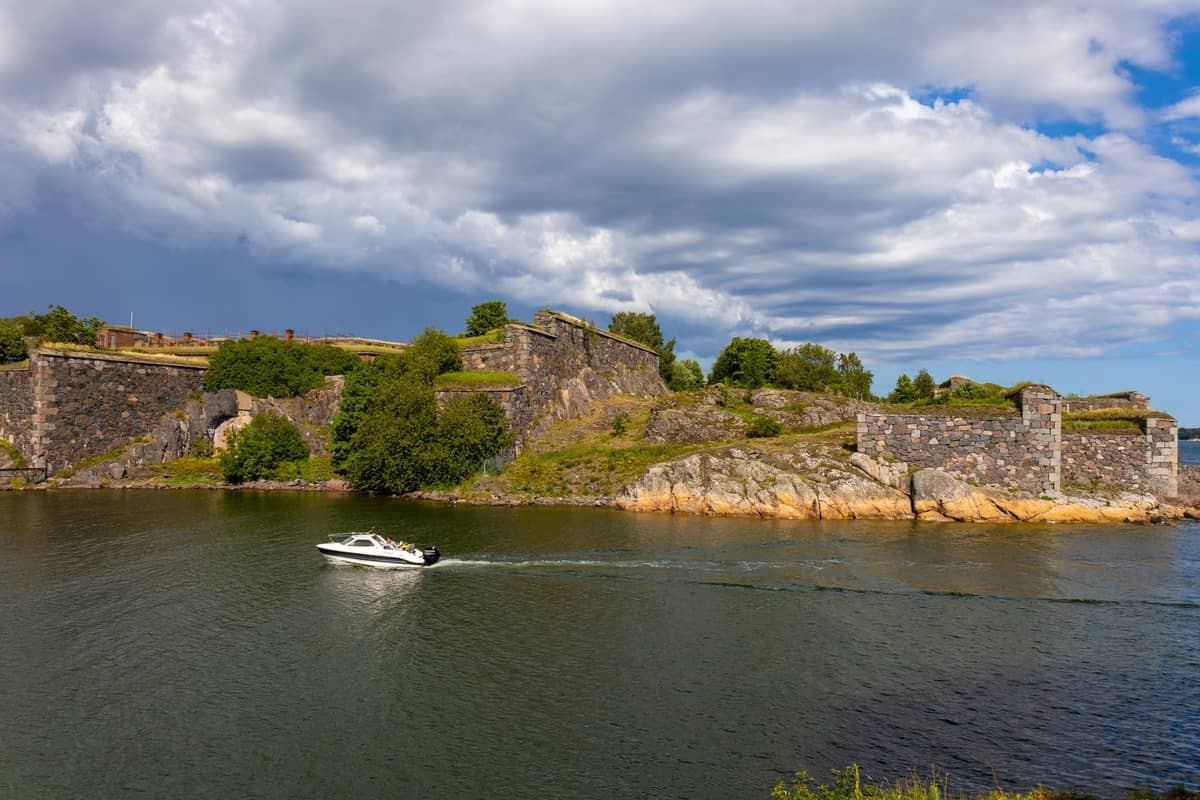
Helsinki's relationship with water is not incidental; the city is defined by it. The waterfront stretches for kilometres and several inhabited and uninhabited islands are reachable by public ferry or private water taxi. For a full overview of how to approach this part of the city, the Helsinki islands guide covers ferry routes, logistics, and which islands suit different travellers.
In summer, Hietaniemi Beach is the most accessible city beach, about 2 km west of the centre. It's genuinely popular with locals and fills up on warm July days. For a less urban swimming experience, Pihlajasaari Island is reachable by water bus from Merisatama harbour and has calm coves on one side and a nudist beach on the other. Both are completely free to access.
For green space close to the centre, Kaivopuisto Park in the south of the peninsula is the right choice: large, well-maintained, with sea views and a relaxed atmosphere year-round. The Esplanadi Park is narrower and more formal, running east-west from the city centre toward the waterfront, and functions as a daily outdoor living room for the neighbourhood. On a summer evening, you'll find buskers, families, and people eating takeaway from nearby market stalls.
Saunas, Food, and Experiences Unique to Helsinki
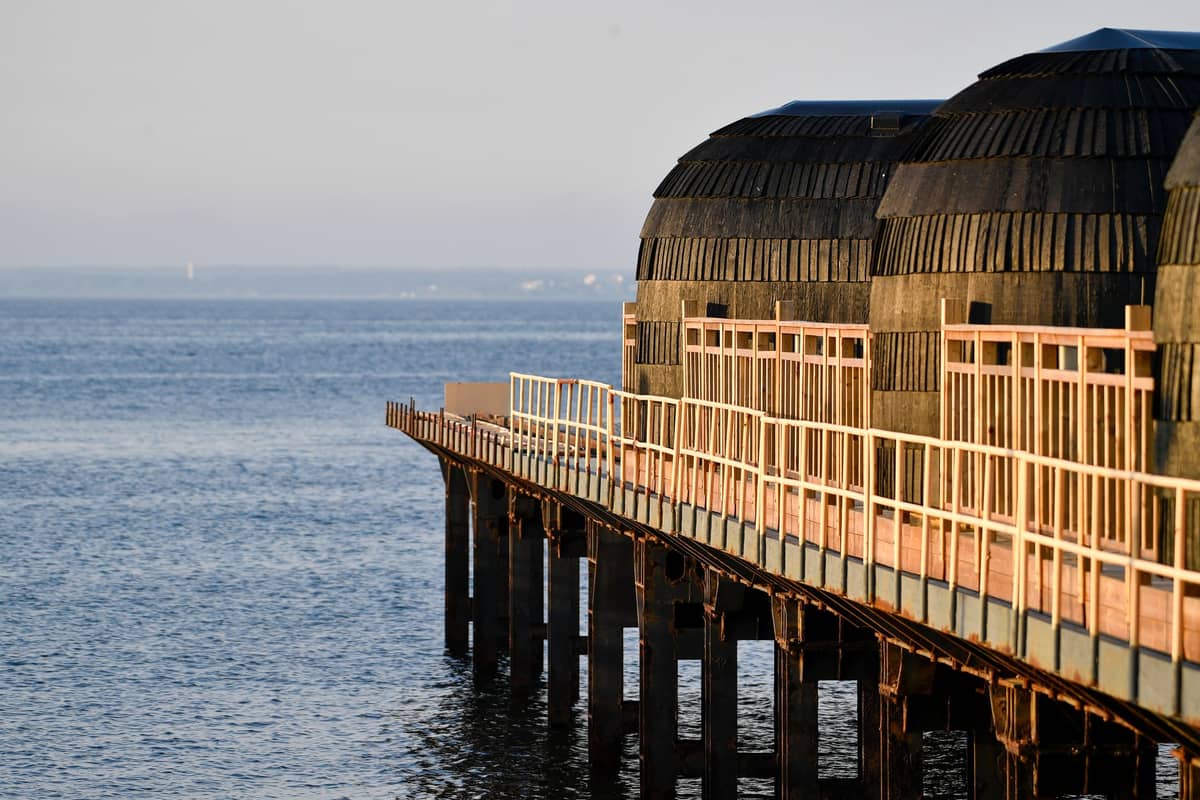
No guide to things to do in Helsinki Finland is complete without the sauna. This is not a novelty activity; it's a genuine cultural institution, and visiting a public sauna is one of the most authentic experiences available to a visitor. Löyly Sauna in Hernesaari is the most architecturally striking option, with a wood-clad building right on the sea and a cold-water swim platform. It's popular and bookings are recommended. For a more local atmosphere, check out the neighbourhood saunas in Kallio or consult the Helsinki sauna guide for a detailed comparison of options across the city.
The food scene in Helsinki has changed considerably over the past decade. The Old Market Hall (Vanha kauppahalli) near the harbour is the most atmospheric place to eat a quick lunch: reindeer sandwiches, smoked salmon, Finnish pastries, and good coffee in a late 19th-century iron hall. For a broader look at what and where to eat, the Finnish food guide for Helsinki covers everything from street food to fine dining.
The Helsinki Central Library Oodi is not just a library; it's a public building worth visiting on its own terms. Opened in 2018 and designed by ALA Architects, it offers free Wi-Fi, stunning views of Parliament House and Kiasma, rooftop terrace access, maker spaces with 3D printers, and recording studios available to the public. Entry is free.
✨ Pro tip
If you're covering multiple attractions in one or two days, run the numbers on the Helsinki Card before buying. It includes unlimited HSL public transport across zones AB, entry to dozens of museums and attractions, and discounts on tours. For a single full day of museum-hopping it typically pays for itself, but if you're spending most of your time outdoors or on free attractions, individual tickets work out cheaper.
Getting Around and Practical Logistics
Helsinki's public transport is run by HSL (Helsingin seudun liikenne), covering metro, tram, bus, commuter rail, and the Suomenlinna ferry on a single integrated ticketing system. An AB-zone single ticket covers the city centre and costs around €3.10-3.30 in 2026 (valid about 80–90 minutes). Day tickets covering zones AB are roughly €9-11 for 24 hours. Always verify current fares on the HSL website, as prices change annually. For a full breakdown of transport options, routes, and how to navigate the system as a visitor, see the getting around Helsinki guide.
From Helsinki-Vantaa Airport, located about 17 km north of the centre in the city of Vantaa, the ring rail line (I and P trains) connects directly to Helsinki Central Railway Station in around 30 minutes. An ABC-zone single ticket covers this journey. Taxis are available outside arrivals but fares vary by operator; current estimates should be checked before travel. The HSL airport train is almost always the most reliable and cost-effective option for independent travellers.
- Trams 2 and 3 form a useful loop around the central peninsula, covering most tourist sights.
- The metro runs east-west and extends to Espoo; it is most useful for reaching eastern districts and neighbouring Espoo.
- City bikes (HSL's Fillarit system) operate from spring to autumn across central Helsinki and are integrated with the transport card.
- Walking is practical between Senate Square, Market Square, Esplanadi, and the Design District, roughly 20-25 minutes end to end.
- The Suomenlinna ferry departs from the South Harbour (Eteläsatama) next to Market Square on any valid AB-zone ticket.
⚠️ What to skip
The Hop-On Hop-Off bus service only runs from approximately early May to early/mid October. If you're visiting outside this window, it is not an option. During off-season months, the tram loop and walking routes cover the same central sights more efficiently anyway.
FAQ
How many days do you need in Helsinki?
Two full days is enough to cover the main landmarks comfortably: Senate Square, Suomenlinna, a museum or two, and the waterfront. Three days allows you to add the Design District, a sauna experience, and a longer island trip. If you're planning day trips to Porvoo or Tallinn, budget at least four days total.
Is Helsinki expensive for tourists?
Helsinki is one of Europe's pricier capitals. Restaurant meals at a sit-down lunch spot typically run €15-25 per person at mid-range places; a coffee is around €4-5. That said, public transport is good value, many of the best outdoor spaces and views are free, and the Helsinki City Museum has no entry fee. With some planning, it's possible to have a full day of quality experiences for under €50 including transport and meals.
What is the best time of year to visit Helsinki?
June to August offers the warmest weather (typically 18-25°C), the longest daylight hours, and the widest range of open attractions and outdoor events. July is peak season and accommodation prices rise accordingly. May and September are solid shoulder-season options with fewer crowds and lower prices. Winter (December-February) is cold, dark, and genuinely beautiful if you're prepared for temperatures around -5°C and short days.
Can you visit Suomenlinna in winter?
Yes. The HSL ferry runs year-round from Market Square and takes about 15 minutes. The fortress grounds are always accessible and the island looks striking under snow. Some smaller museums and cafes close or reduce hours from October to April, so check the official Suomenlinna website for current seasonal opening times before making it the centrepiece of your visit.
Do I need to speak Finnish to visit Helsinki?
No. English is spoken widely across Helsinki's tourism, hospitality, and retail sectors. Helsinki is officially bilingual (Finnish and Swedish), but visitors will find English entirely sufficient for navigating the city. Menus, transport apps, and museum signage are routinely available in English.