Pihlajasaari Island: Helsinki's Summer Island Escape
Pihlajasaari is a traditional recreational island in Helsinki's southern archipelago, reachable by a short ferry ride from the city waterfront. Known for its sandy beaches, smooth granite outcrops, and pine-shaded paths, it offers one of the most accessible slices of Finnish island nature within the capital.
Quick Facts
- Location
- Pihlajasaari, 00150 Helsinki — southern archipelago off Hernesaari
- Getting There
- JT-Line ferry from Merisatama pier (Merisatamanranta 10) or Ruoholahti pier; approx. 10-minute crossing
- Time Needed
- 2–4 hours for a relaxed half-day; longer if you pack a picnic
- Cost
- No island entrance fee; ferry ticket required (check current JT-Line prices). Card and MobilePay accepted.
- Best for
- Swimming, sunbathing, coastal walks, and escaping city heat in summer
What Pihlajasaari Actually Is
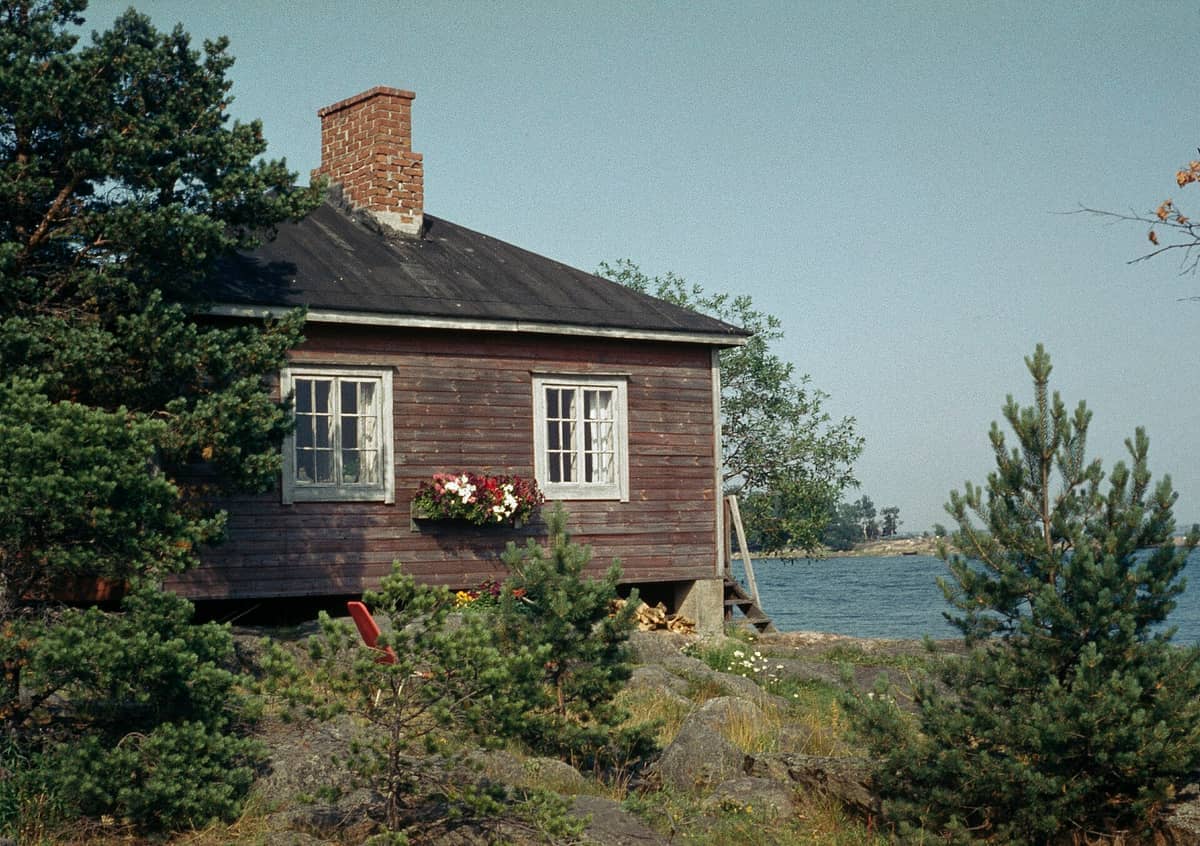
Pihlajasaari — known in Swedish as Rönnskär — is a small island group in the Gulf of Finland, located off the Hernesaari district about 10 minutes by sea from the mainland. The name translates loosely to 'Rowan Island', a nod to the rowan trees that dot its rocky interior. Though modest in size, the island has served as a beloved outdoor retreat for Helsinki residents for generations, offering the kind of unhurried island atmosphere that the city's urban waterfront cannot replicate.
The island group consists of two main islands connected by a narrow isthmus, with the larger western island home to the main beach and most visitor facilities. The terrain shifts quickly from sand to smooth granite to pine woodland, meaning you can move through several distinct environments within a short walk.
ℹ️ Good to know
Pihlajasaari is a seasonal destination. The JT-Line ferry service operates daily from approximately the beginning of June to the end of August. Outside this window, there is no scheduled public boat service to the island.
The Ferry Crossing and Arrival
The journey to Pihlajasaari begins at one of two city-side piers. The Merisatama pier near Café Carusel (Merisatamanranta 10) is the more central option and is generally considered the more accessible departure point, with a gentler approach to the boat than at Ruoholahti, where the ramps are noticeably steep. From either location, the crossing takes roughly 10 minutes, threading past small islets and open water before the forested silhouette of Pihlajasaari comes into view.
On warm summer days, particularly weekends in July, the ferry fills quickly and there can be queues at peak hours around midday. If you plan to visit on a Saturday or Sunday in peak season, arriving at the pier by 10:00 or after 16:00 significantly reduces waiting time. The return journey is equally popular in the late afternoon, when beach-goers head back before dinner.
The ferry is operated by JT-Line and payment is accepted by debit and credit card as well as MobilePay — cash is not required. For more about moving around Helsinki's waterfront areas, the Helsinki islands guide covers ferry logistics across the city's archipelago in detail.
Tickets & tours
Hand-picked options from our booking partner. Prices are indicative; availability and final rates are confirmed when you complete your booking.
Helsinki Beautiful Canal Route, archipelago cruise
From 26 €Instant confirmationFree cancellationHelsinki Panorama Sightseeing Bus Tour With Audio Guide
From 35 €Instant confirmationFree cancellationHelsinki Pasila Street art district tour with a local
From 99 €Instant confirmationFree cancellationSurvival suit floating experience
From 125 €Instant confirmationFree cancellation
Beaches, Rocks, and the Feel of the Island
The main beach on the western island is a proper sandy shore by Finnish standards: wide enough to spread out on, with clear, cold water that comes as a genuine shock in early June but becomes genuinely refreshing by July. The water temperature in the Gulf of Finland typically peaks in late July and early August, hovering between 18°C and 22°C in good summers. Swimmers who prefer calmer, shallower water tend to cluster near the sandy section, while those who prefer diving from height gravitate toward the granite shelves on the southern and eastern sides of the island.
The rocks deserve attention of their own. The island's exposed Baltic granite has been smoothed by glacial activity and weathering into broad flat platforms, warm to the touch after a few hours of sun. Lying on them in the late afternoon, when the sun is lower and the light turns amber across the water, is a different experience entirely from the midday beach crowd. The smell of warm rock, pine resin, and sea salt is one of those sensory combinations that feels distinctly Finnish.
Away from the beach, a network of informal paths crosses the wooded interior, passing through stands of pine and birch. These trails are short — you can walk the perimeter of the larger island in under 30 minutes — but they offer enough separation from the beach activity that the island feels larger than it is. The quieter eastern island sees far fewer visitors and rewards those willing to explore.
💡 Local tip
For the best light and fewer crowds, arrive on the first or second ferry of the morning. The beach is often nearly empty before 11:00, and the quality of light on the water is at its sharpest.
Facilities and What to Bring
Pihlajasaari has a café and kiosk near the main beach that operates during the ferry season, offering coffee, soft drinks, ice cream, and basic snacks. There are also changing rooms, outdoor showers, and toilet facilities near the beach area. A small sauna is available on the island, though the capacity is limited and availability should be checked in advance.
The facilities are adequate but not extensive. Visitors planning to spend most of the day on the island would do well to bring their own food and water. A cooler bag, sunscreen, a towel, and footwear that handles uneven rock comfortably will cover most situations. On days with direct sun and no wind, the exposed granite areas can become very warm, and the shade of the interior paths offers useful respite.
If Pihlajasaari forms part of a wider day exploring Helsinki's coastline, it pairs naturally with a walk along the city's southern waterfront. The Kaivopuisto park is one of the nearest green spaces on the mainland and offers a pleasant pre- or post-ferry stroll.
How the Island Changes Through the Day
Early morning arrivals find the island near-silent. The ferry season starts in mid-May, when the trees are in fresh leaf and the air still carries the chill of a Scandinavian spring. At this hour, the sound is primarily wind through pines and the occasional gull. The beaches are empty enough to feel privately yours, and the light has the particular clarity of Nordic mornings.
By midday in July, Pihlajasaari is at full summer intensity. The beach fills with families, groups of friends, and paddlers in kayaks circumnavigating the island from the city. The kiosk queue stretches, towels cover most of the good sand, and the water echoes with voices. This is the island as Helsinki uses it most: an unpretentious, democratic summer playground where everyone from elderly sunbathers to toddlers in rubber rings coexists on the same patch of shore.
Late afternoon brings a gradual quieting as day-trippers catch earlier ferries home. The golden hour on Pihlajasaari's western rocks, with the Helsinki city skyline visible as a low silhouette across the water, is one of the more quietly impressive views available in the capital without any climbing required. Photographers working in natural light will find this window — roughly 17:00 to 20:00 in midsummer — offers the most rewarding conditions.
Practical Notes on Accessibility and Limitations
Pihlajasaari is officially described as a challenging destination for visitors with limited mobility. The island's terrain of loose sand, exposed rock, and unpaved paths is difficult to navigate with a wheelchair or mobility aid. The concrete section of the island pier is accessible, and the waterbus from Merisatama typically docks here, while the Ruoholahti approach involves steeper ramps. There are no designated accessible parking spaces near either pier.
For visitors travelling with a Finnish disability card marked 'A', personal assistants travel free of charge on the JT-Line ferry. Guide and assistance dogs are permitted on the vessels and on the island, but they are not allowed on the beaches or in children's play areas. The City of Helsinki continues to develop accessibility on the island, so conditions may improve over time — it is worth checking the current situation directly with JT-Line before visiting.
⚠️ What to skip
Pihlajasaari has no shelter from summer storms. If the weather turns during your visit, the island offers limited protection from wind or rain. Check the forecast before departure, and note that ferry services may be suspended in rough conditions.
Pihlajasaari in Context: Helsinki's Island Culture
Pihlajasaari is one of several islands accessible from central Helsinki by public ferry, each with a distinct character. The fortified island of Suomenlinna draws far larger visitor numbers and carries significant historical weight as a UNESCO World Heritage Site. Pihlajasaari, by contrast, is almost entirely about nature and recreation. It has no historical fortifications, no museums, and no monuments. This is precisely its appeal for many Helsinki residents who are looking for a beach, not a sightseeing itinerary.
For visitors interested in comparing Helsinki's island options more broadly, the waterfront islands of Helsinki each offer something different, from the wild meadows of Vallisaari to the compact tranquillity of Lonna. Pihlajasaari sits closest to the classic Finnish summer island experience: swimming, sun, rocks, and very little else to worry about.
If you are trying to plan how an island visit fits into a broader Helsinki itinerary, the 2-day Helsinki itinerary offers a practical framework for combining waterfront experiences with city sightseeing.
Insider Tips
- Take the first or second morning ferry to have the sandy beach almost entirely to yourself. By 12:00 on a sunny weekend in July, good spots on the main beach are claimed.
- The eastern island sees a fraction of the foot traffic of the western one. The rocky shoreline there, while less beach-friendly, offers complete quiet and unobstructed sea views.
- Warm granite rocks on the southern side of the island retain heat well into the evening and make a far more comfortable place to dry off after swimming than the crowded main beach area.
- The Merisatama pier departure is convenient and has a gentler boarding experience. Check current tram and metro routes to Merisatamanranta and Ruoholahti before heading out, as Ruoholahti involves a short walk from the nearest stops.
- Card payment works on the ferry, but in peak July heat the kiosk on the island can run short of popular items by early afternoon. Bringing your own food and cold drinks is a safer strategy for a full day visit.
Who Is Pihlajasaari Island For?
- Helsinki residents and visitors looking for a proper Finnish summer beach day without leaving the city
- Families with children who want calm, shallow water and sandy shoreline close to the city
- Photographers seeking golden-hour light on Baltic granite with the Helsinki skyline as a backdrop
- Anyone wanting a genuine outdoor nature experience rather than a historical or cultural sightseeing stop
- Couples or solo travellers looking for quiet afternoon sun on the rocks once the midday crowds thin
Nearby Attractions
Other things to see while in Helsinki Waterfront & Islands:
- Helsinki Zoo (Korkeasaari)
Helsinki Zoo, known in Finnish as Korkeasaari Zoo, sits on its own island a short ferry ride from the city centre. One of the oldest zoos in the world, it operates year-round with a full day of wildlife, rocky island terrain, and sea views thrown in.
- Lonna Island
Just 1.5 kilometres from the city shore, Lonna Island packs a public sauna, waterfront restaurant, and sweeping Gulf of Finland views into roughly 150 metres of Baltic rock. It runs seasonally, the crowd is refreshingly local, and the ferry ride alone reframes the city.
- Seurasaari Island
Seurasaari is a forested island about 15 minutes from central Helsinki, accessible year-round for free. From mid-May to mid-September, the Seurasaari Open-Air Museum brings together historic wooden farmsteads, manor houses, and cottages relocated from across Finland. Outside museum season, the island functions as a quiet nature escape popular with locals.
- Seurasaari Open-Air Museum
The Seurasaari Open-Air Museum transplants over a century of Finnish countryside life onto a wooded island just minutes from central Helsinki. Traditional farmsteads, manor buildings, and craftsmen's cottages relocated from across Finland create a living archive of rural architecture — surrounded by birch forest and rocky shoreline.