2 Days in Helsinki: The Perfect Itinerary
Helsinki rewards a focused two-day visit better than almost any other Nordic capital. This itinerary covers the essential landmarks, best neighborhoods, and a few genuinely worthwhile detours — with practical transport details, honest cost breakdowns, and seasonal advice built in.
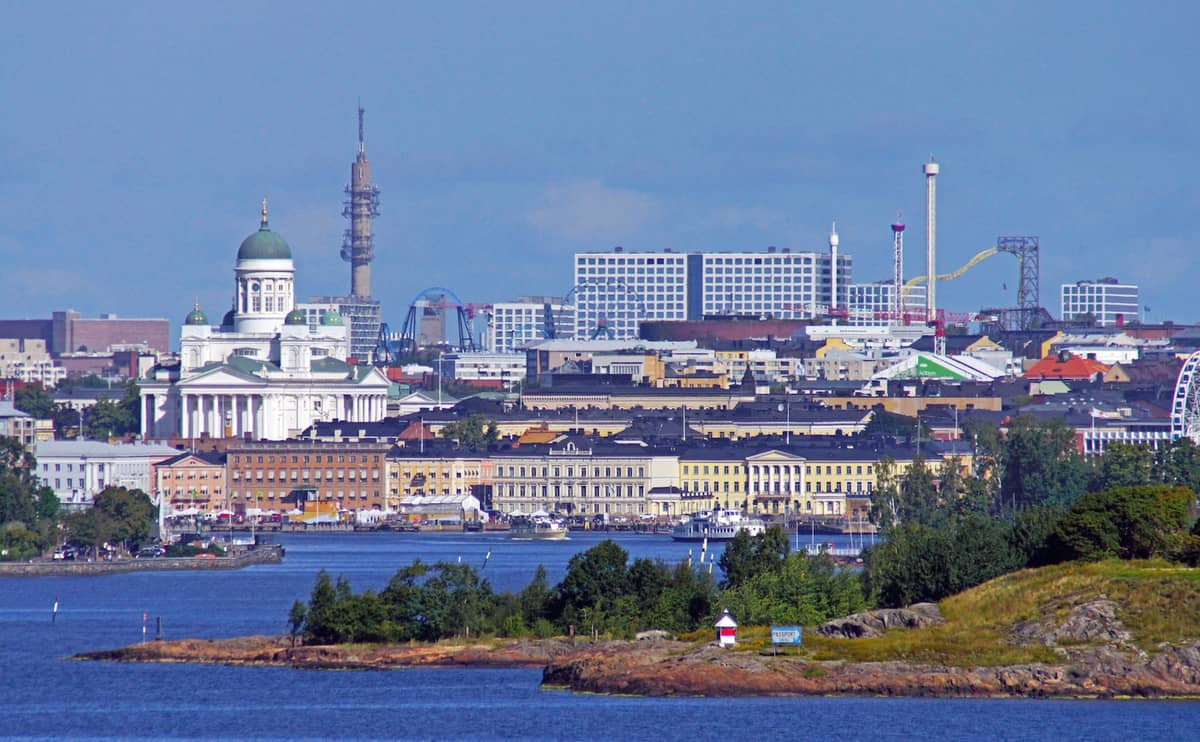
Plan and book this trip
Tools from our partner Travelpayouts help you compare flights and hotels. If you book through them, we may earn a commission at no extra cost to you.
Flights
Hotels map
TL;DR
- Two full days is enough to cover Helsinki's core: Senate Square, Suomenlinna, the Design District, and a proper Finnish sauna.
- The HSL public transport network (trams, metro, buses, ferry) handles almost everything — a 1-day AB zone pass costs around €9-10.60 and covers the Suomenlinna ferry too.
- Most major sights cluster within walking distance of each other in the centre — Helsinki's compact geography is one of its biggest practical advantages.
- Summer (June-August) gives the longest days and best weather, but winter Helsinki has its own atmosphere — snow, saunas, and far fewer crowds.
- Tipping is not expected; service charges are included in prices. Tap water is safe to drink. Emergency number: 112.
Before You Arrive: Practical Essentials
Helsinki is the capital of Finland, located on the southern coast on the Gulf of Finland at roughly 60°N latitude. That position matters for planning: in June, you get nearly 19 hours of daylight; in December, fewer than 6. The city has a humid continental climate (Köppen Dfb), meaning cold winters averaging around -5°C and mild summers typically reaching 18-25°C. For a two-day trip, timing your visit around May through August gets you the most comfortable conditions for walking the city.
Helsinki-Vantaa Airport (IATA: HEL) is 17 km north of the city centre in the neighboring city of Vantaa. The most efficient transfer is the ring rail line to Helsinki Central Railway Station, taking roughly 30 minutes with frequent departures. HSL buses also serve the route. For two days in the city, you will not need a car at any point.
- Currency Euro (EUR, €). Finland is in the eurozone. Card payments are near-universal, even at market stalls.
- Language Finnish and Swedish are official languages. English is widely spoken in all tourist-facing services — communication is rarely a problem.
- Transport card HSL AB zone single tickets cost €3.30 and are valid for 80 minutes with free transfers. A 1-day AB pass (€10.60) pays for itself after 3 trips and covers the Suomenlinna ferry.
- Electricity 230V, 50Hz, Type C and F plugs (standard European Schuko). Bring an adapter if traveling from the UK or North America.
- Tipping Not obligatory. Service is included in bills. Rounding up is polite but never expected.
- Emergency 112 for police, ambulance, and fire. Country dialing code: +358.
💡 Local tip
Buy your HSL day ticket through the HSL app (available on Android and iOS) before you board your first tram or metro. You activate it when you're ready to use it, so there's no rush buying it at the airport. Tickets are also available at R-kioski convenience stores and ticket machines throughout the city.
Day 1: The Historical Centre and the Sea Fortress
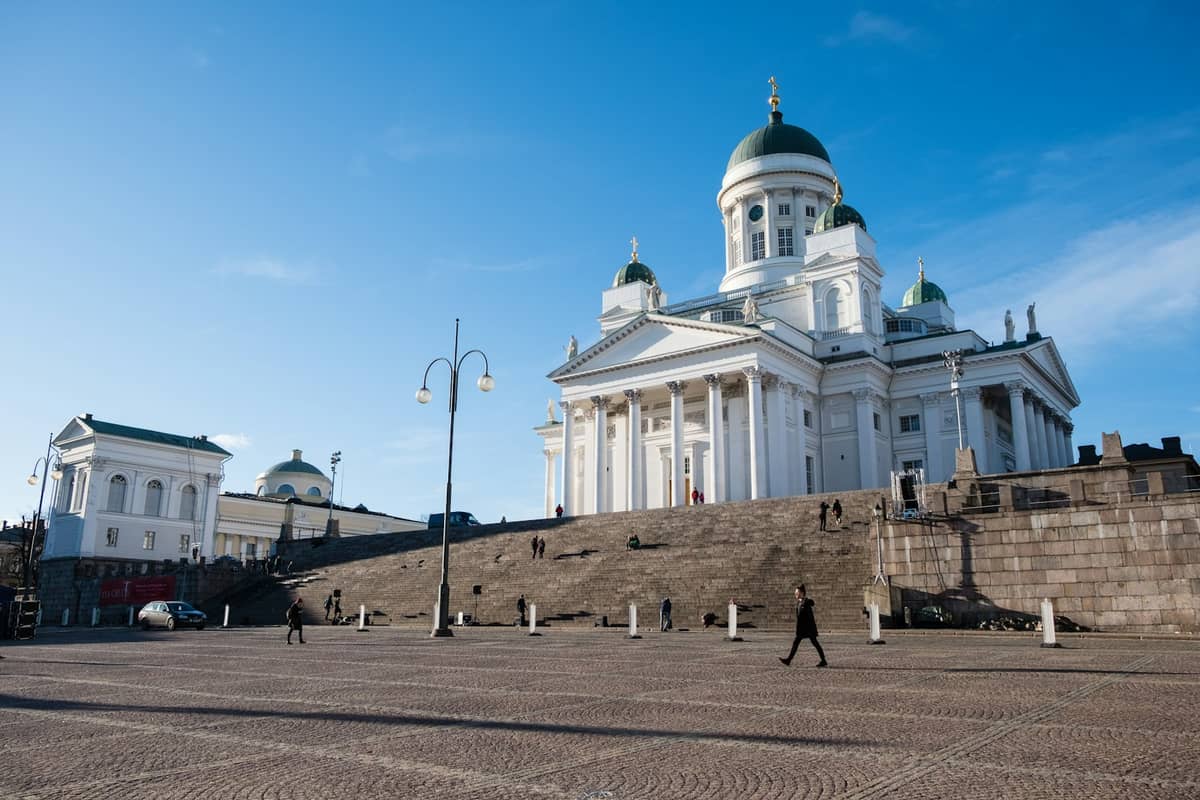
Start your first morning at Senate Square, Helsinki's most architecturally cohesive public space. The square is framed by Carl Ludwig Engel's neoclassical masterplan: Helsinki Cathedral to the north, the Government Palace to the east, the University of Helsinki Main Building to the west, and merchant houses to the south. City Hall sits a short walk south on the harbour front. It takes about 30-45 minutes to walk the perimeter and go inside the cathedral, which charges seasonal visitor admission.
From Senate Square, walk five minutes downhill to Market Square (Kauppatori), the open-air market on the waterfront. In summer this is where vendors sell fresh fish, berries, and Finnish pastries. It is also your departure point for the Suomenlinna ferry — and this should be your next stop.
Suomenlinna is a UNESCO World Heritage Site: an 18th-century sea fortress built across a cluster of islands that now functions as a living neighborhood of around 800 residents. The ferry ride takes about 15 minutes and is part of the HSL network, meaning your day ticket covers it. Plan to spend 2-3 hours here. The fortifications themselves are free to walk; the Suomenlinna Museum charges a small admission. The island also has a brewery, a handful of cafes, and genuinely photogenic coastal scenery regardless of season.
⚠️ What to skip
In winter, Suomenlinna ferries run every 40-60 minutes and paths can be icy. Check current timetables at suomenlinnanliikenne.fi before you go — the schedule varies significantly between summer and winter, and late-evening services can run very late but are less frequent.
Back on the mainland by early afternoon, head to the Old Market Hall (Vanha Kauppahalli) for lunch. This covered market hall on the waterfront dates to 1888 and sells everything from reindeer sandwiches to Finnish cheeses. It is compact, slightly pricey, and worth every cent for the quality. After lunch, walk north along the Esplanadi to Esplanadi Park, Helsinki's central green promenade connecting the waterfront to the city's main shopping streets.
End your first afternoon at Temppeliaukio Church, the 1969 rock church excavated directly into a granite outcrop in Töölö. It is architecturally unique and acoustically brilliant — the copper-wire ceiling and raw rock walls create a striking interior that photos do not fully capture. Admission is a few euros. From here, walk 10 minutes to the Sibelius Monument in Sibelius Park for a brief detour before dinner.
Day 2: Design, Art, and a Proper Finnish Sauna
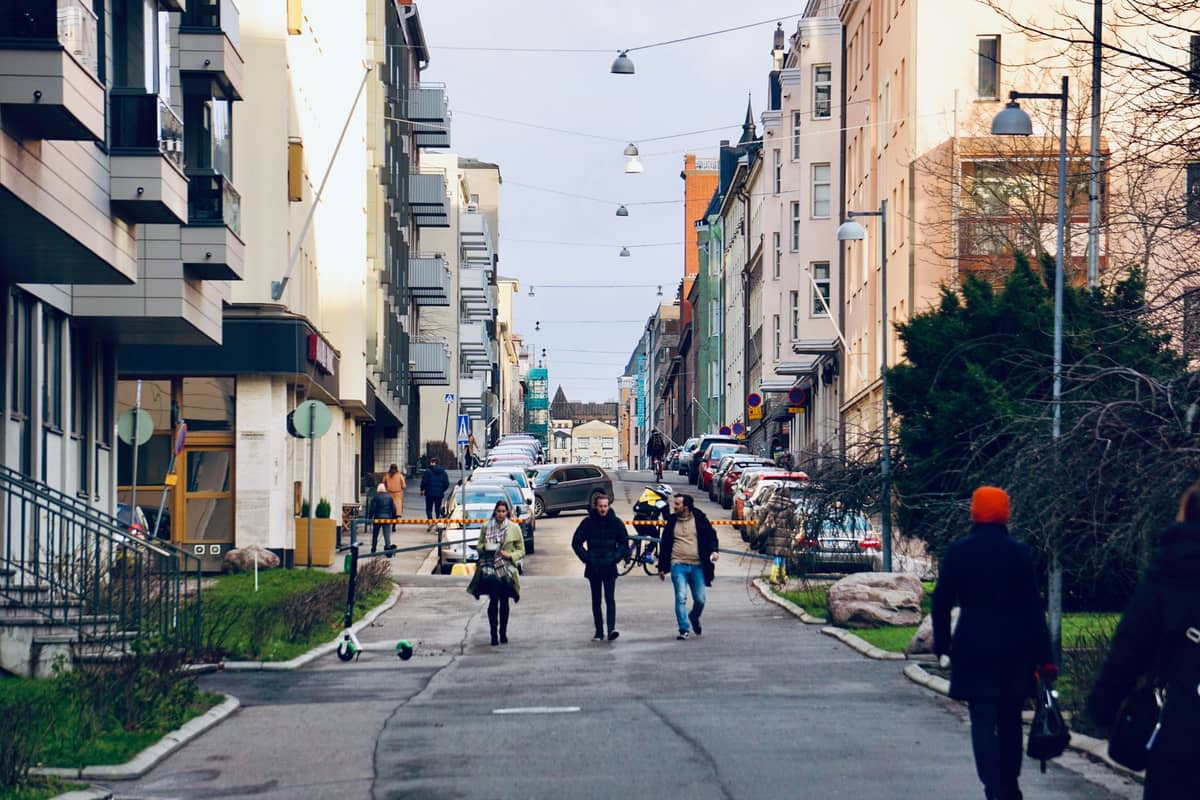
Your second day should start in the Design District in Punavuori, the roughly 25-block area southwest of the city centre where most of Helsinki's design studios, galleries, and concept stores are concentrated. It is walkable from the city centre in about 20 minutes. The area around Iso Roobertinkatu and Fredrikinkatu has the densest cluster of independent shops.
Within the Design District, the Design Museum Helsinki traces Finnish design from the 19th century to the present, with a permanent collection covering Alvar Aalto, Marimekko, and Iittala alongside strong temporary exhibitions. Budget 60-90 minutes. The Museum of Finnish Architecture is half a block away if you want to go deeper on Helsinki's built environment.
After the Design District, take a tram or metro north to Kallio, the inner-city neighborhood that feels the most lived-in and least touristy of any central district. It has a long working-class history and is now a dense urban neighborhood with independent cafes, record shops, and some of Helsinki's better lunch spots. The Hakaniemi Market Hall at the neighborhood's edge is worth a stop.
✨ Pro tip
If your trip overlaps with a weekday morning, the Hakaniemi Market Hall (Hakaniemen kauppahalli) on the ground floor sells fresh produce, fish, and Finnish deli items at lower prices than the more tourist-facing Old Market Hall. The upper floor has textiles and housewares. It's a good spot to pick up affordable Finnish rye bread, sausages, or cloudberry jam.
For your final afternoon, consider the Ateneum Art Museum next to Helsinki Central Railway Station. It holds Finland's largest collection of classic Finnish art, including the Golden Age painters of the late 19th century. If contemporary work interests you more, Kiasma is five minutes away and consistently strong on Nordic and international contemporary art.
Finish your two days the way most locals would: in a sauna. Löyly on the Hernesaari waterfront is the most architecturally striking option, combining wood-burning and steam saunas with a cold sea plunge and an outdoor terrace. It is popular and requires advance booking, especially on weekends. For a fuller overview of the city's public sauna scene, the Helsinki sauna guide covers traditional smoke saunas, pool saunas, and waterfront options across different price points.
Navigating Helsinki: Transport Logistics
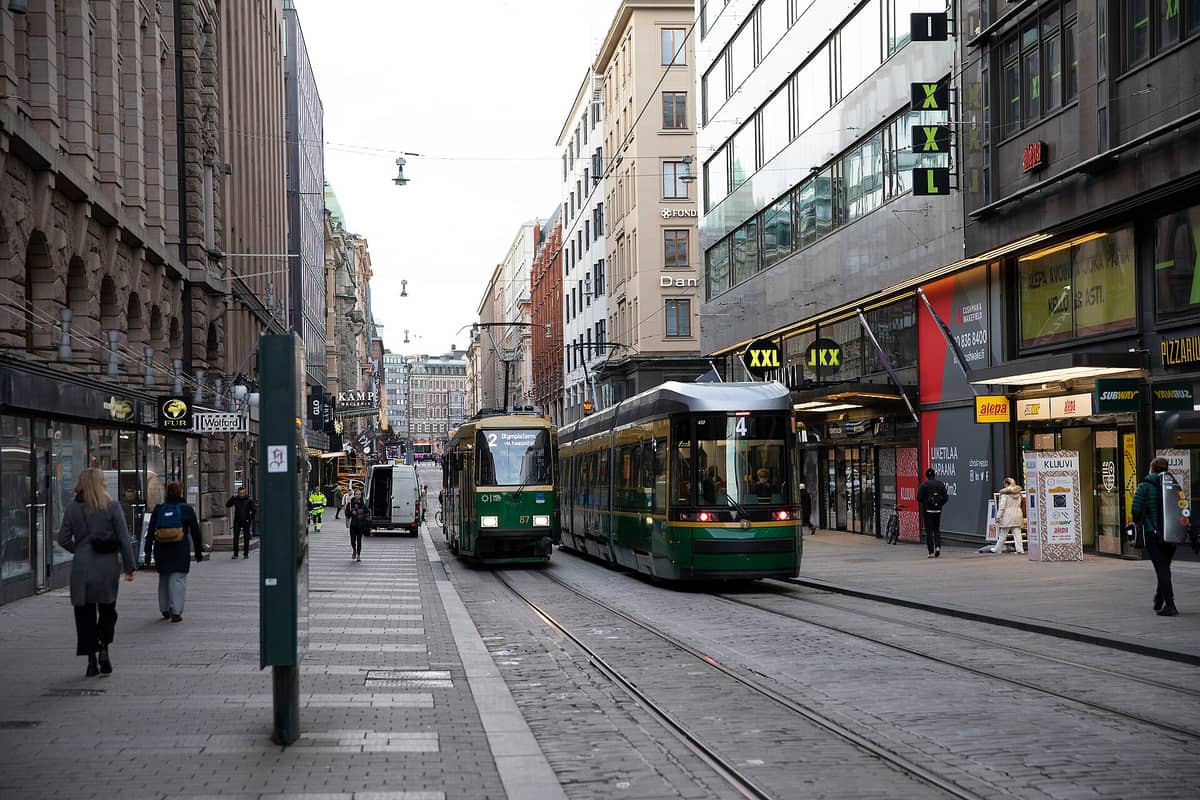
Helsinki's public transport system (HSL) is one of the cleanest and most reliable in Europe. For two days of sightseeing, you will primarily use trams and the metro. The tram network is particularly useful in the city centre — lines 2, 3, and 7 cover many parts of the itinerary above. The metro runs east-west and is useful for reaching Kallio (Hakaniemi station) and the western waterfront (Ruoholahti direction).
- Single ticket (€3.30) Valid 80-110 minutes with unlimited transfers. Worthwhile if you are only making 1-2 trips in a session.
- 1-day pass (~€9-10.60) Best value once you make 3+ trips in a day. Covers trams, metro, buses, and the Suomenlinna passenger ferry.
- 2-day pass Available via the HSL app; per-day cost drops slightly. Logical choice for a full 2-day visit.
- Walking Senate Square to Kamppi is about 1 km. The city centre is entirely walkable — only Löyly sauna (Hernesaari) and Suomenlinna require a tram or ferry.
One thing worth noting: HSL fares increased by approximately 3.1% in January 2026, so any prices cited online before that date will be slightly outdated. Always verify current fares at hsl.fi before your trip. For a broader orientation to moving around the city, the guide to getting around Helsinki covers zone maps, night buses, and cycling options.
Seasonal Adjustments: What Changes by Time of Year
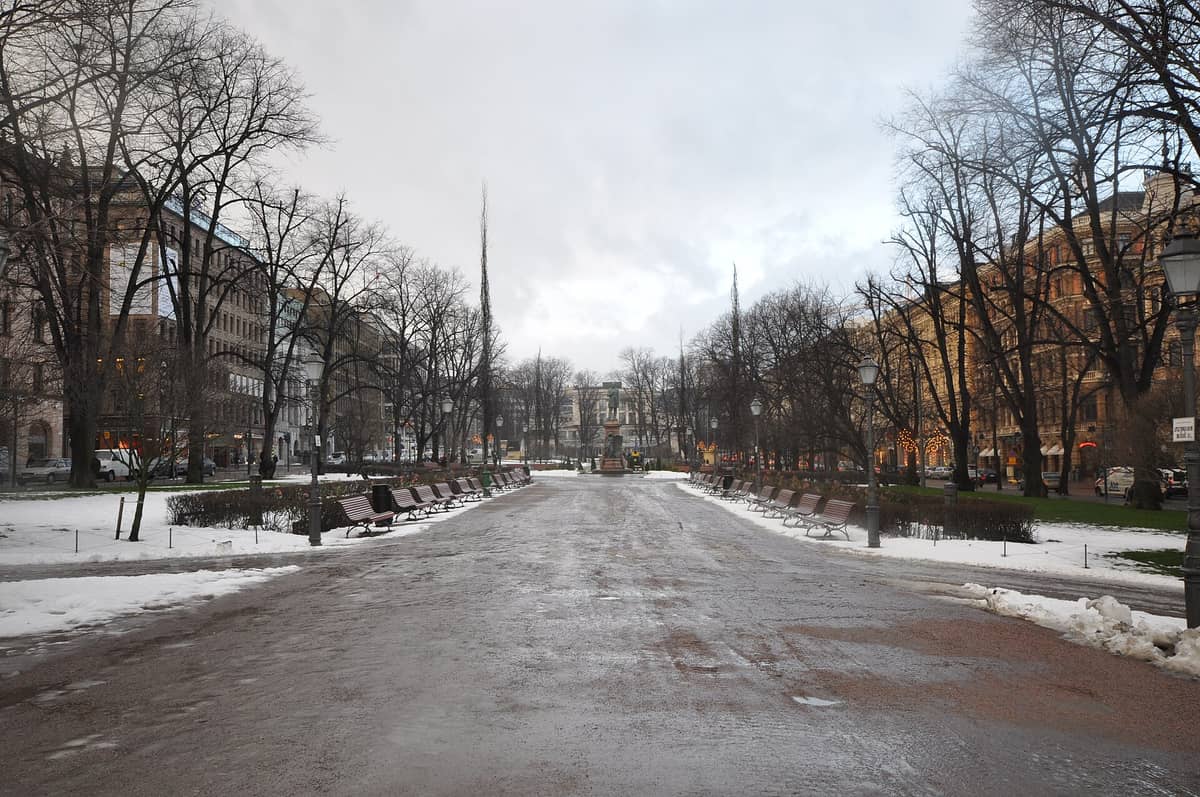
The two-day itinerary above works in any season, but your experience will differ significantly depending on when you go. Summer (June-August) is the straightforward choice: temperatures average 18-25°C, daylight lasts until 10 or 11pm, outdoor markets and Suomenlinna are at their most appealing, and the city's waterfront culture fully activates. The tradeoff is that this is also peak season, meaning Löyly sauna needs advance booking and popular spots are busier.
Winter (December-February) runs around -5°C with regular snowfall and only 6 hours of daylight. The itinerary compresses: you focus more on indoor spaces in the afternoon, when it gets dark early. On the other hand, museum crowds are thinner, the city looks striking under snow, and the sauna experience feels more authentic in cold weather. The Suomenlinna crossing is windier and ferry intervals are longer, but the fortress is beautiful in frost. Visiting Helsinki in winter requires different pacing but is genuinely worth considering.
May and September are solid shoulder months: fewer crowds than peak summer, prices typically lower, and weather that is cool but usually manageable. May in particular has long evenings and a good balance of conditions. April can still feel genuinely cold (averaging around 4-5°C), so pack accordingly if you visit early spring.
What to Skip (and What's Overrated)
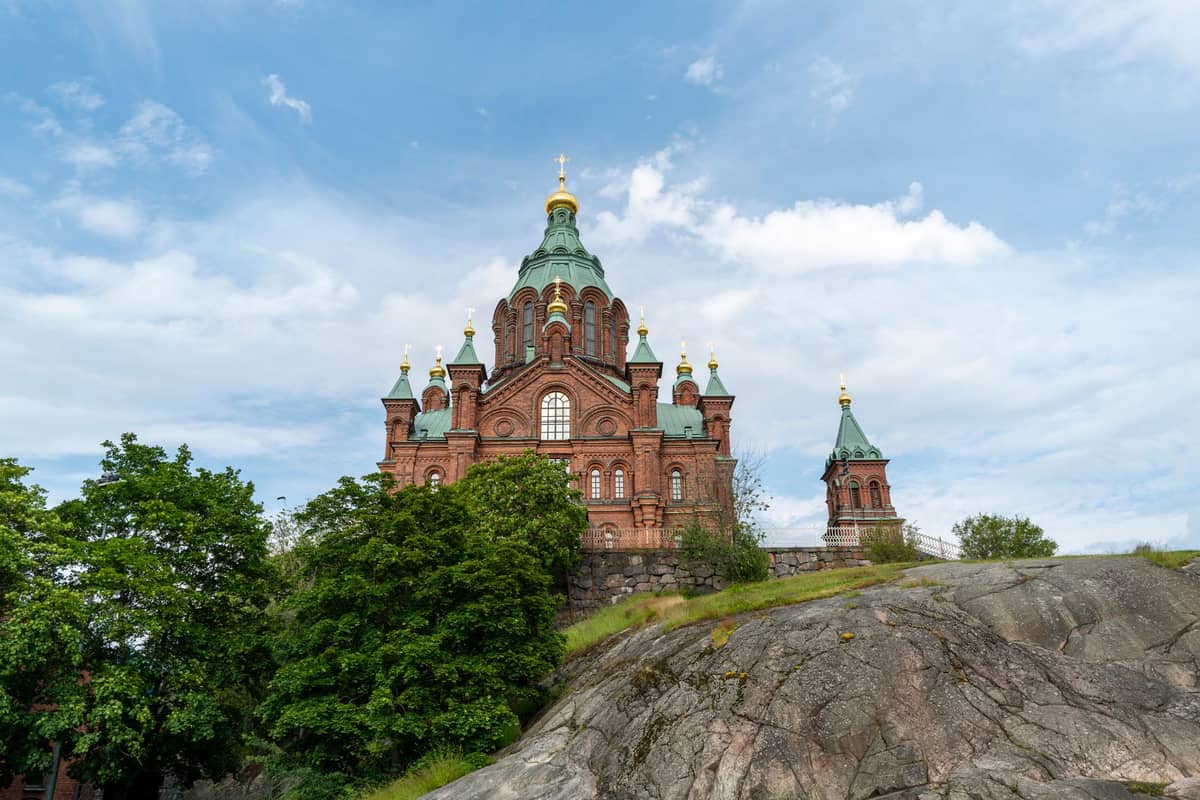
With only two days, prioritization matters. The Uspenski Cathedral on Katajanokka gets a lot of attention for its striking red-brick Byzantine exterior, but the interior is relatively modest. Worth a five-minute look in passing if you're near the waterfront, but not worth a dedicated journey. Similarly, the Presidential Palace on Market Square is photogenic from the outside but closed to the public on most days.
The Oodi central library is genuinely worth 30-45 minutes if architecture interests you — the building opened in 2018 and is consistently cited as one of the best new public buildings in Europe. It is free to enter and sits just across from the Parliament building. However, if you are short on time and not particularly interested in library architecture, it is skippable.
Linnanmäki amusement park is the right choice if you are traveling with children, but it adds little to an adult two-day itinerary. The Helsinki Zoo on Korkeasaari island is similarly best filed under 'with kids.' Both require travel time that cuts into your core sightseeing.
ℹ️ Good to know
The Helsinki Card (a city-wide attraction pass) can save money if you plan to visit multiple paid museums in two days. It typically includes entry to Suomenlinna, Ateneum, Kiasma, and around 30 other attractions, plus unlimited public transport. Whether it pays off depends on your specific itinerary — run the numbers against individual admission prices before buying.
FAQ
Is two days enough for Helsinki?
Yes, two days is a workable amount of time to see Helsinki's most important highlights: Senate Square and the cathedral, Suomenlinna, the Design District, at least one world-class museum, and a sauna. The city's compact geography helps — most of the centre is walkable, and nothing on this itinerary requires more than a 20-minute tram ride. That said, two days will leave out Kallio's full depth, the island beaches, and the broader archipelago. If your schedule allows three days, the extra time opens up day trips to places like Porvoo or a more relaxed pace through the Design District.
Does the Suomenlinna ferry require a separate ticket?
No. The regular HSL public transport ticket and day passes are valid on the Suomenlinna passenger ferry from Market Square (Kauppatori). You do not need to buy a special tourist ticket. The only boats requiring separate tickets are private water taxis and charter services.
What is the best way to get from Helsinki Airport to the city centre?
The ring rail line connects Helsinki-Vantaa Airport directly to Helsinki Central Railway Station in roughly 30 minutes with frequent departures. A standard HSL ticket covers the journey — no airport surcharge or express train premium. This is almost always the fastest and cheapest option. Buses also serve the route, and licensed taxis are available outside arrivals for those with heavy luggage, though fares are significantly higher.
When should I book Löyly sauna?
Book as far in advance as possible, especially for weekend evenings between May and September. Löyly is genuinely popular and slots fill up. Midweek and winter visits are easier to book on shorter notice. If you can't get a Löyly reservation, Allas Sea Pool near Market Square offers a similar waterfront sauna and pool experience and is slightly easier to access.
Is Helsinki expensive for two days?
Helsinki is a high-cost Nordic capital, but a two-day trip is manageable with planning. A 2-day HSL transport pass removes the worry of per-journey costs. Museum admissions typically run €10-20 per institution. Lunch at a market hall or a local lunch spot (Finnish restaurants often offer an affordable 'lounas' lunch special on weekdays) costs €10-15. Dinner at a mid-range restaurant runs €25-45 per person. For a detailed breakdown, the guide to Helsinki on a budget covers where to cut costs without sacrificing the best experiences.