Best Time to Visit Helsinki: A Season-by-Season Guide
Helsinki rewards visitors in every season, but the experience varies dramatically. This guide breaks down weather, crowd levels, prices, and what actually happens on the ground across all four seasons, so you can pick the timing that matches your priorities.
Plan and book this trip
Tools from our partner Travelpayouts help you compare flights and hotels. If you book through them, we may earn a commission at no extra cost to you.
Flights
Hotels map
TL;DR
- Summer (June to August) is peak season: expect temperatures of 19-22°C, nearly 19 hours of daylight near the solstice, major festivals, and hotel prices roughly 20-30% higher than winter. See our Helsinki in summer guide for full detail.
- May and September are the sweet spots for budget travelers: comfortable temperatures, far fewer crowds, and noticeably lower accommodation rates than peak summer.
- Winter (December to February) is not a consolation prize. Snow, sauna culture, Christmas markets, and some of the cheapest flights of the year make it genuinely worthwhile for the right traveler.
- The best time to visit Helsinki depends entirely on what you want: outdoor island-hopping, cultural immersion, or a quiet city break. The Helsinki weather guide has month-by-month data if you need granular detail.
- Northern lights are not reliably visible from Helsinki. For aurora chasing, you need to travel north to Finnish Lapland, roughly 700 km away.
Understanding Helsinki's Climate Before You Book
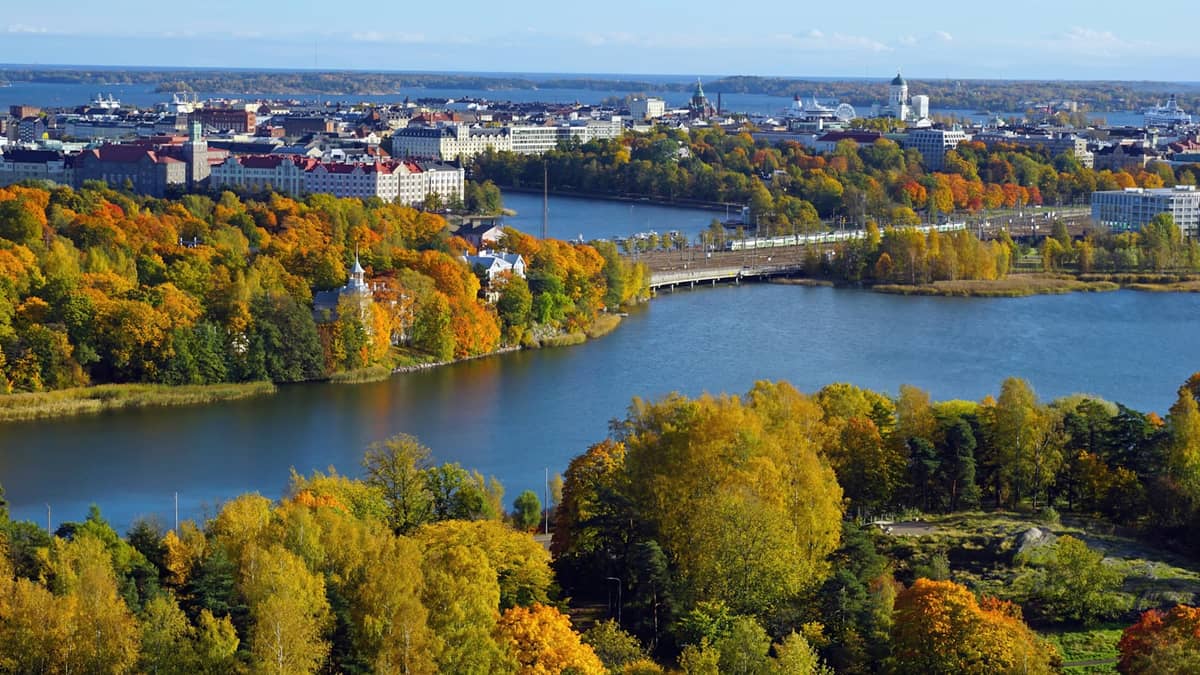
Helsinki sits at 60°N latitude on the Gulf of Finland, which gives it a humid continental climate with genuinely dramatic seasonal swings. February averages around -0°C to -4°C and sees regular snow. July averages around 16-18°C with occasional spikes above 25°C. Rainfall is spread fairly evenly across the year with no monsoon season, but late summer and early autumn are the wettest months. April and May are actually the driest part of the year, which is one underappreciated reason to visit in spring.
The single biggest variable is daylight. In late June, Helsinki gets around 19 hours of usable daylight. In December, that drops to around 6 hours. This affects everything: your energy levels, what activities are practical, how cafes and parks feel, and how locals behave. Helsinki in June is an outdoor city. Helsinki in January is a candlelit, indoor city. Neither is worse, they are just fundamentally different trips.
ℹ️ Good to know
Helsinki is officially bilingual (Finnish and Swedish), but English is widely spoken in shops, restaurants, and transport. You will have virtually no language barrier as a visitor at any time of year.
Summer (June to August): Peak Season, Peak Payoff
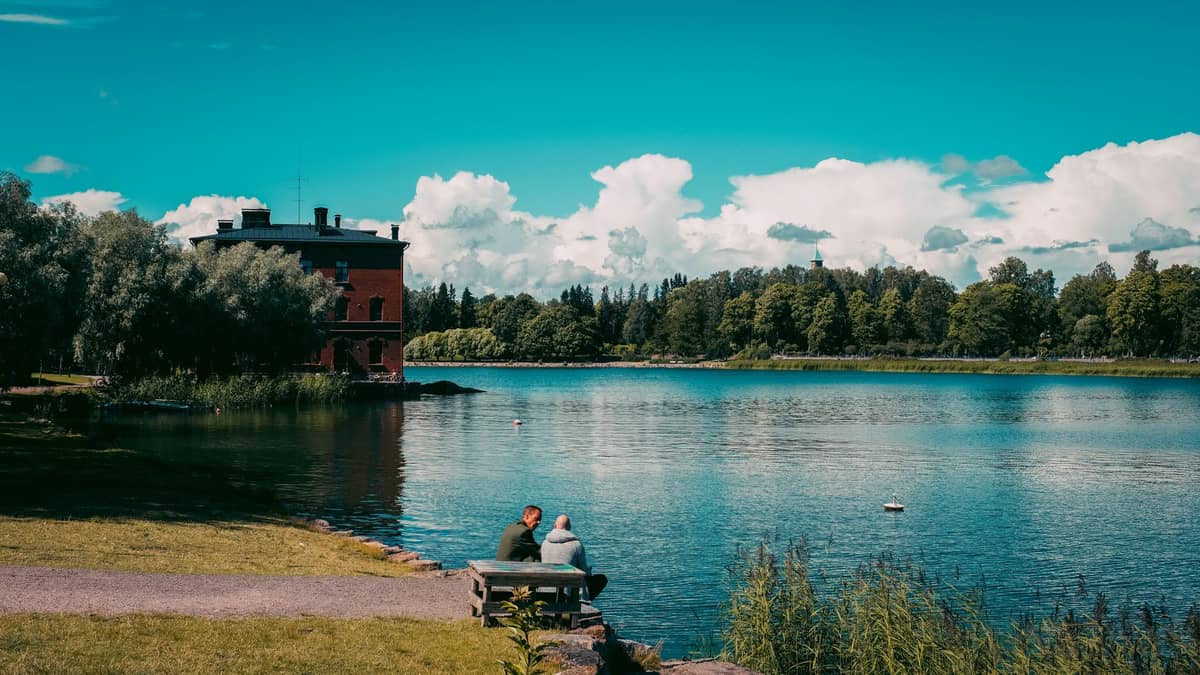
This is unambiguously the most popular time to visit Helsinki, and the reasons are obvious. Temperatures typically sit between 18°C and 22°C in July and August, outdoor terraces fill every plaza, the archipelago islands are fully accessible by ferry, and the city runs a packed calendar of festivals. Around the summer solstice in late June, twilight barely deepens before the sky begins to lighten again. It never gets fully dark. If you have never experienced near-midnight golden light over the Baltic, it is a legitimately strange and beautiful thing.
The Suomenlinna sea fortress is at its most atmospheric in summer when ferries run frequently and the bastions are easy to explore. Similarly, outdoor pools like the Allas Sea Pool come into their own, and beaches such as Hietaniemi beach actually get warm enough to use. The Helsinki islands are a summer-specific highlight: ferries to Lonna, Vallisaari, and Pihlajasaari run from late spring through early autumn only.
- Helsinki Festival (late August) The largest arts festival in the Nordic countries, spanning music, theatre, and visual arts across the city.
- Midsummer (Juhannus, late June) A major Finnish public holiday. The city empties as locals head to summer cottages, which means central Helsinki is quieter than you might expect on the holiday weekend itself.
- Flow Festival (August) A large international music festival held in the Suvilahti area, drawing significant crowds and requiring advance accommodation booking.
- Vappu (1 May) Technically late spring, but one of Finland's biggest celebrations. Students flood parks like Kaivopuisto in costume. Arrive a day early to catch the full atmosphere.
⚠️ What to skip
Hotel prices in June-August can be around 20-30% higher than winter rates. Book at least 6-8 weeks ahead for July, and significantly earlier if you are visiting during Flow Festival or Helsinki Festival weekends. Last-minute summer accommodation in central Helsinki is expensive and limited.
The honest drawback of summer is cost and, during specific festival weekends, congestion at popular sights. The ferry to Suomenlinna queues at peak hours. The Market Square is crowded. None of this ruins the trip, but it is worth knowing that the same city at a fraction of the price exists in May or September.
Shoulder Seasons (May and September): The Best-Value Window
May and September are the two months that experienced Helsinki visitors tend to recommend most enthusiastically. May brings the city's best weather-to-price ratio: temperatures climb to around 10-15°C, daylight is already generous at 15-16 hours, and most outdoor attractions are open. Cafe terraces appear as soon as the snow is gone, which in Helsinki can be as early as late March in mild years. May is also statistically one of the driest months, which matters for a city where rain is otherwise always a possibility.
September sits on the other side of the peak: temperatures drop back to around 10-12°C, trees turn in the parks, and the light takes on a lower, cooler quality that looks striking in a city surrounded by water. The Kaivopuisto park and Töölönlahti bay are genuinely beautiful in autumn foliage. Most island ferries still run in early September, though service typically winds down by October. Hotel rates begin to fall noticeably from mid-September.
✨ Pro tip
If you are visiting on a budget, late September through October offers some of the cheapest accommodation of the year outside of January and February, with weather that is cool but still walkable. Pack layers and waterproofs and you will be fine.
Winter (December to February): Cold, Dark, and Genuinely Rewarding
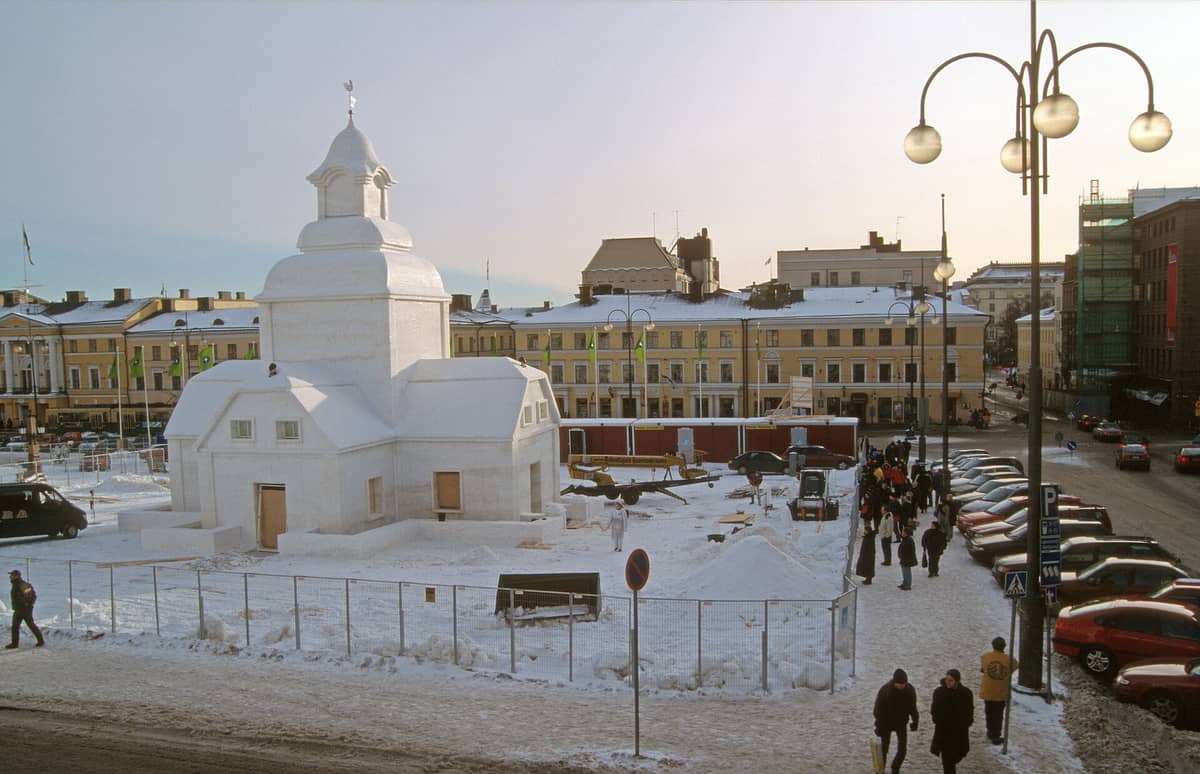
Winter in Helsinki is not for everyone, and it is worth being direct about that. Average temperatures from December through February hover roughly between -5°C and 0°C, with some weeks dropping colder. Daylight is limited to around 6 hours in December, which means you will spend significant time in darkness. The city does not grind to a halt, Finnish infrastructure handles snow efficiently, public transport runs normally, and roads are cleared. But if you need sunshine and warmth to enjoy a city, book summer instead.
For travelers who can embrace the cold, winter Helsinki has a distinct atmosphere that summer cannot replicate. The sauna culture is central to winter here, and public saunas like Löyly are at their best when the alternative is standing outside in minus temperatures. Museum-going becomes natural rather than a consolation activity. The Helsinki museum scene is genuinely strong, covering everything from contemporary art at Kiasma to Finnish history and architecture.
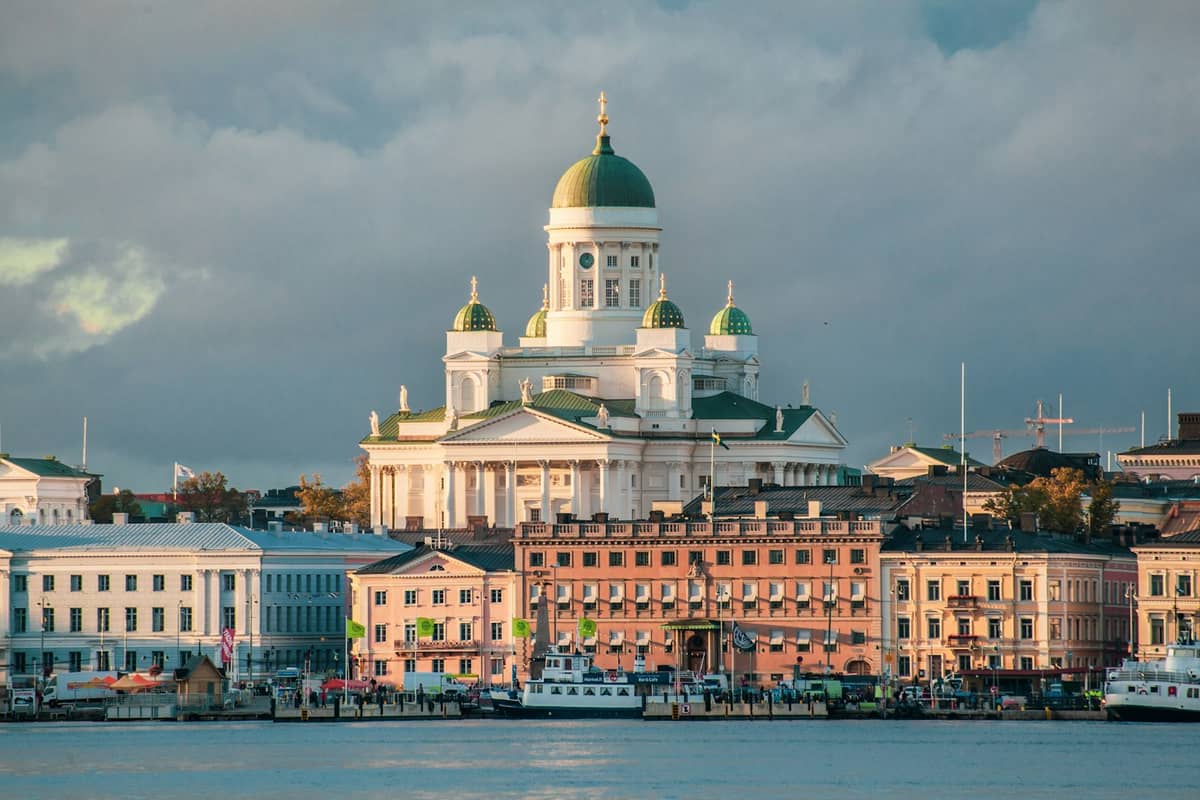
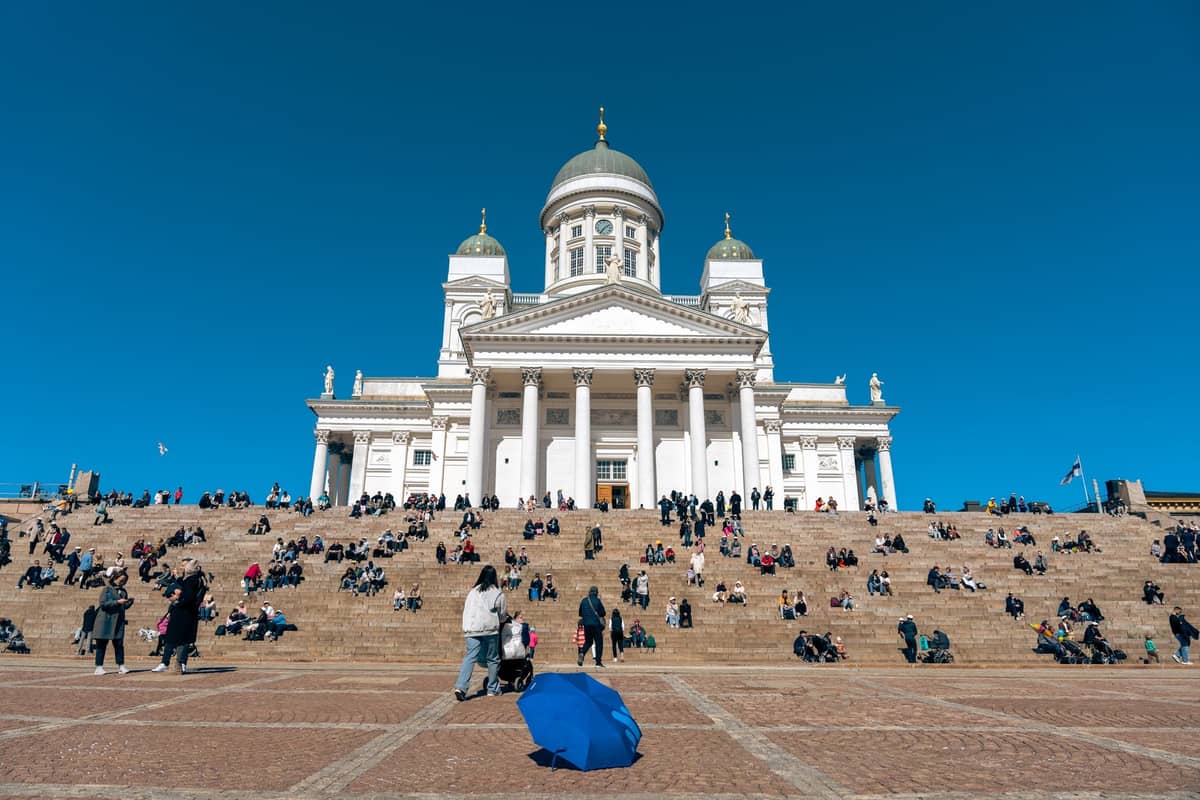
The Helsinki Christmas market on Senate Square runs through December and is one of the more authentic Nordic Christmas markets in the region. Senate Square itself, framed by the white Helsinki Cathedral, looks particularly good under snow. January and February are often the cheapest months to visit: hotel rates drop significantly, flights are cheaper, and queues at popular attractions are short. If you are traveling on a tight budget, this window is hard to beat financially.
- Expect roughly 6 hours of daylight in December-January.
- Snow is typical from December through February, but not guaranteed. Some winters are milder and grey rather than white.
- Dress in proper layers: a base layer, insulating mid-layer, and a windproof outer shell. Waterproof boots matter more than anything else.
- Tipping is not obligatory in Helsinki at any time of year. Service charges are typically included in prices.
Spring (March to May): Slow Start, Strong Finish
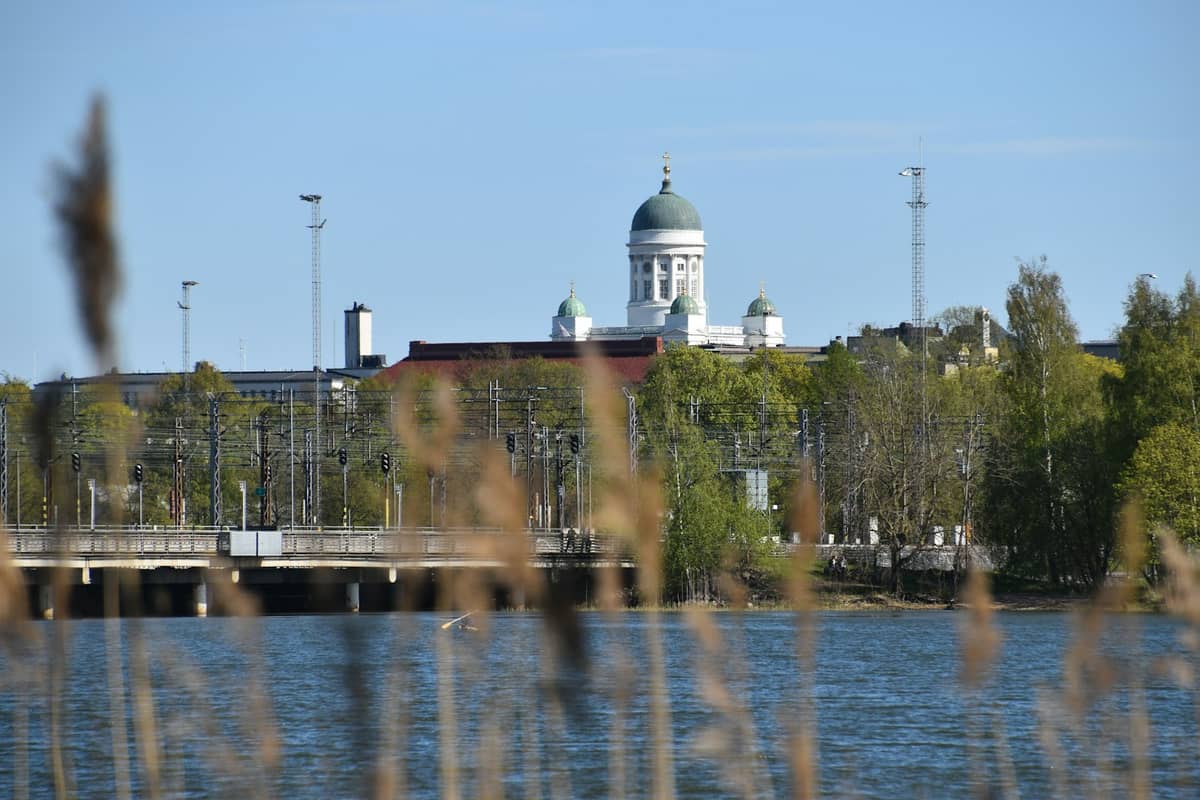
March is the awkward month. Snow is often still present, temperatures average around -2°C to 2°C, and the city has not yet switched into its warmer mode. It is not unpleasant, but it is firmly a cold-weather trip. By April, temperatures creep toward 5°C and daylight expands noticeably past 13 hours. The real shift happens in May, when Helsinki undergoes a visible transformation: people return to outdoor cafes, parks fill up, and the whole city reorients toward its coastline.
Vappu, the Finnish May Day celebration on 1 May, is one of the year's highlights and worth timing a visit around. Helsinki Vappu is a student-led festival with a carnival atmosphere in Kaivopuisto park. It is raucous, colorful, and very Finnish. Spring is also when the Market Square at the waterfront starts coming back to life, with vendors setting up through April and May.
Common Misconceptions About Timing Your Helsinki Visit
A few persistent myths are worth clearing up. First, Helsinki is not only a summer destination. The city's indoor culture, architecture, and food scene are strong year-round, and several visitors find it more atmospheric in winter than summer precisely because it feels more authentic and less crowded.
Second, northern lights are not something you should plan to see from Helsinki. Aurora Borealis viewing requires dark skies and high geomagnetic activity, both of which are far more reliably found in Finnish Lapland, roughly 700-900 km to the north. Very occasionally, intense aurora events are visible further south, but counting on this for a Helsinki trip is not realistic planning.
Third, the midnight sun is not quite the same thing in Helsinki as it is in northern Lapland. True midnight sun, where the sun never actually dips below the horizon, happens only above the Arctic Circle. In Helsinki in late June, the sky does not go fully dark, and there is a prolonged twilight that lasts most of the night, which is striking and worth experiencing. But the sun does technically set, briefly, even at the solstice.
💡 Local tip
If you want to combine Helsinki with wider Finland exploration, summer is best for the coast and archipelago, while winter is the only viable time for Lapland's northern lights and snowmobile experiences. The two work well as a combined itinerary with good domestic rail and flight connections.
For most first-time visitors asking about the best time to visit Finland and Helsinki specifically, June through August delivers the most complete city experience. For return visitors or budget-focused travelers, May or September are genuinely better choices. If you are curious about what Helsinki does well regardless of season, the things to do in Helsinki guide covers the city's highlights with seasonal context, and the Helsinki on a budget guide has specific advice on keeping costs down whichever month you visit.
FAQ
What is the best time to visit Helsinki for good weather?
June through August offers the warmest and brightest conditions, with temperatures typically between 18-22°C and up to around 19 hours of daylight near the solstice. May and September are close alternatives with more reasonable prices and comfortable walking temperatures around 10-15°C.
Is Helsinki worth visiting in winter?
Yes, for the right traveler. Winter Helsinki (December to February) has strong sauna culture, Christmas markets, excellent museums, and the cheapest hotel rates of the year. The tradeoff is around 6 hours of daylight, temperatures averaging -5°C to 0°C, and a city that operates at a slower, more inward-looking pace. It is not for everyone, but it is a genuinely different and rewarding experience.
When is Helsinki the cheapest to visit?
January and February are often the cheapest months, with hotel rates roughly 20-30% below peak summer levels. Late September through October also offers good value. May and September hit a middle ground: cheaper than peak summer but with most attractions and outdoor activities still running.
Can you see the midnight sun in Helsinki?
Not technically. True midnight sun, where the sun never sets, only occurs above the Arctic Circle. In Helsinki in late June, the sky stays in twilight through the night but the sun does dip below the horizon briefly. You still get close to 19 hours of daylight and a beautiful, prolonged golden light that lasts most of the night around the solstice.
When should I avoid visiting Helsinki?
There is no month where Helsinki becomes unpleasant, but March can feel like the worst of both worlds: winter's cold and darkness without snow or Christmas atmosphere, and not yet warm enough for spring activities. If you have a flexible schedule, March is probably the month to skip. Budget travelers who dislike crowds should avoid late July, especially during major festival weekends when accommodation fills up weeks in advance.