Helsinki Weather: What to Expect Every Month of the Year
Helsinki's climate swings from dark, snowy winters to long-lit summers with near-19 hours of daylight. This guide breaks down Finland weather month by month, covering temperatures, precipitation, daylight, and exactly what to wear and plan for each season.
Plan and book this trip
Tools from our partner Travelpayouts help you compare flights and hotels. If you book through them, we may earn a commission at no extra cost to you.
Flights
Hotels map
TL;DR
- Helsinki has a humid continental climate (Köppen Dfb): cold winters averaging around -5°C and mild summers peaking near 20-21°C in July.
- Daylight is the most dramatic variable: about 6 hours in December versus nearly 19 hours in late June.
- June through August is the most comfortable time to visit for outdoor activities. For a full seasonal breakdown, see the best time to visit Helsinki guide.
- Winter is real: expect ice, slush, and sub-zero temperatures from December through February. Pack accordingly.
- There is no dry season as such — rainfall is spread fairly evenly year-round, peaking in August and dipping in April.
Understanding Helsinki's Climate
Helsinki sits at 60.17°N latitude on the southern coast of Finland, on the Gulf of Finland's shoreline. That position puts it roughly on par with Anchorage, Alaska, in terms of latitude — and the climate reflects it. What softens things slightly is the proximity to the Baltic Sea, which moderates temperatures compared to inland Finland. The result is a humid continental climate (Dfb) with four genuinely distinct seasons, sharp daylight swings, and enough variability that two visits in the same calendar month can feel quite different.
Annual precipitation in Helsinki runs to around 650-700 mm spread over the year. Unlike Mediterranean or tropical destinations, there is no monsoon season or extended dry spell. Late summer and early autumn tend to be the wettest months, while April and May are the driest. Rain can arrive on any given day in any season, so a compact umbrella or waterproof jacket belongs in your bag regardless of when you travel.
ℹ️ Good to know
Common misconception: Helsinki is not an Arctic city. The Finnish capital gets genuine summer warmth, with July highs regularly reaching 20-24°C and occasional heat waves above 30°C. Northern Finland (Lapland) is a completely different climate story.
Month-by-Month Temperature and Daylight Guide
The table below gives approximate average temperatures and daylight hours for each month. These are long-term averages; individual years vary, and Helsinki's coastal position means unexpected warm spells in winter and cool, overcast stretches in summer both happen regularly.
- January Average -3°C to -5°C. Around 7-8 hours of daylight. Expect snow cover, ice on pavements, and short grey days. Wind chill can push the feels-like temperature well below -10°C.
- February The coldest month. Average lows around -7°C, highs near -2°C. Daylight increases slightly to about 9-10 hours by month's end. Snow is most reliable in February.
- March Average -2°C to 3°C. Daylight climbs noticeably. Snowmelt begins, creating slushy, wet conditions on streets. Not the prettiest month but increasingly light.
- April Average 1°C to 9°C. Around 13-14 hours of daylight. The driest month of the year. Spring arrives unevenly — snow is still possible early in the month, while late April can feel genuinely mild.
- May Average 6°C to 16°C. Around 15-17 hours of daylight. Trees bud and parks come to life. A popular shoulder-season month with pleasant conditions and lower visitor numbers than summer.
- June Average 11°C to 20°C. Nearly 19 hours of daylight around the solstice — the famous white nights. Warmest period begins. Rain is possible but rarely ruins a day.
- July The warmest month. Average highs 20-21°C, lows around 13°C. Heat waves above 30°C are possible but not guaranteed. Highest tourist traffic of the year.
- August Average 12°C to 20°C. Daylight starts dropping noticeably. The wettest month of the year by precipitation. Still warm and enjoyable, but the first hints of autumn appear.
- September Average 7°C to 14°C. Around 12 hours of daylight. Autumn foliage in parks. Noticeably cooler, especially in the evenings. Rain gear becomes more essential.
- October Average 2°C to 8°C. Daylight drops to around 9-10 hours. First frosts likely by mid to late month. Outdoor terraces close up. A quiet, atmospheric month for city exploration.
- November Average -1°C to 3°C. Around 7 hours of daylight. Grey, wet, and often rainy before snow settles. Least-visited month and arguably the hardest to enjoy for first-timers.
- December Average -3°C to 0°C. Only about 6 hours of daylight near the solstice. Christmas markets and festive lighting compensate for darkness. Snow is likely but not always present.
Winter in Helsinki (December to February)
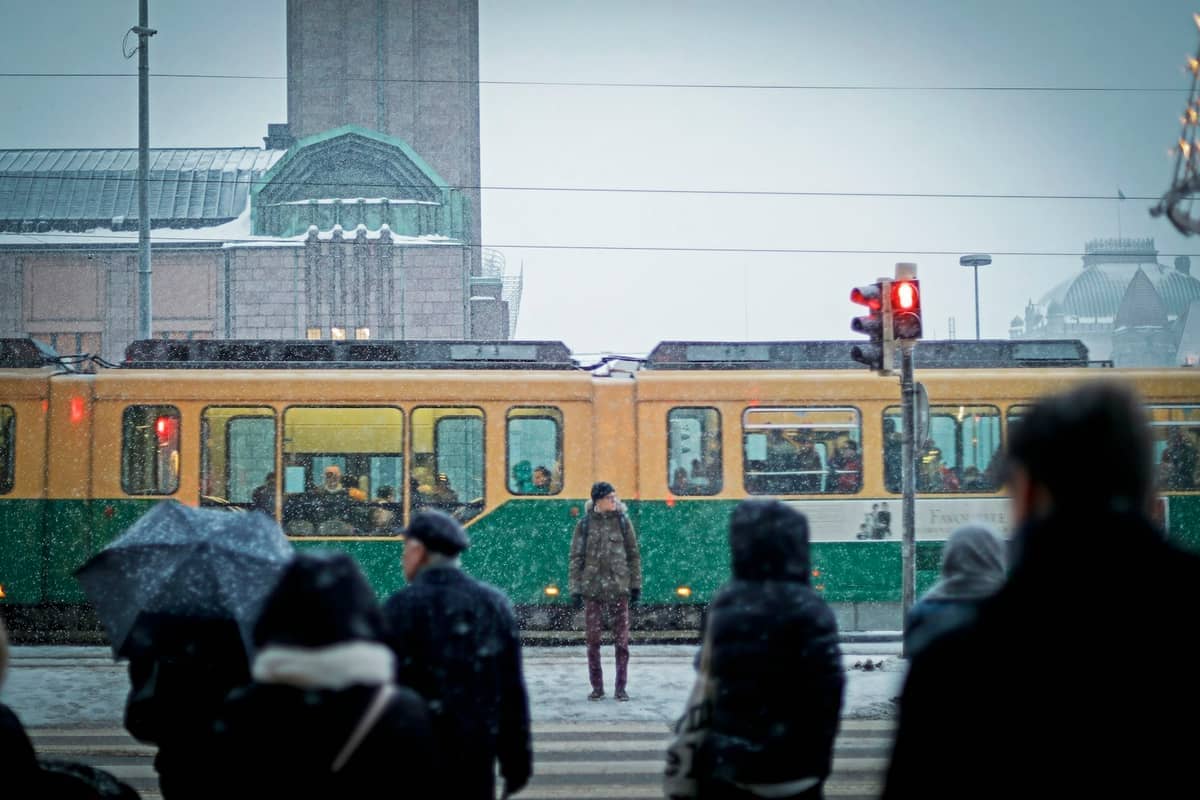
Winter in Helsinki is cold, dark, and genuinely atmospheric — if you prepare for it. The critical thing to understand is that 6 hours of daylight in December does not mean 6 hours of total darkness. Sunrise around 09:20 and sunset around 15:15 means you have a short but real window of daylight, often in soft, low-angle golden light that makes the Senate Square and frozen harbour genuinely beautiful.
Temperatures average between -5°C and -3°C through the core winter months, but wind off the Gulf of Finland can make it feel significantly colder. Snow cover in the city centre is not guaranteed in December or early January — milder years bring rain rather than snow — but by February, snow is most reliable. Pavements ice over regularly, and the city sands them, but footwear with proper grip is not optional. Fashion boots with smooth soles are a recipe for a bad fall.
Winter is also peak sauna season. Helsinki's sauna culture reaches its social height in the cold months — a 30-minute session at a waterfront sauna followed by a dip in the sea at 2°C is a genuine local ritual. Löyly sauna on the Hernesaari shoreline is the most famous option, though booking ahead in winter is strongly advised. For a broader overview, the Helsinki sauna guide covers the full range of options.
⚠️ What to skip
November is the one month most seasoned travelers advise skipping. It has the worst combination: minimal daylight, frequent rain, no snow to make things scenic, and fewer open terraces and outdoor activities. If your dates are flexible, December at least offers Christmas markets and festive atmosphere.
Spring in Helsinki (March to May)
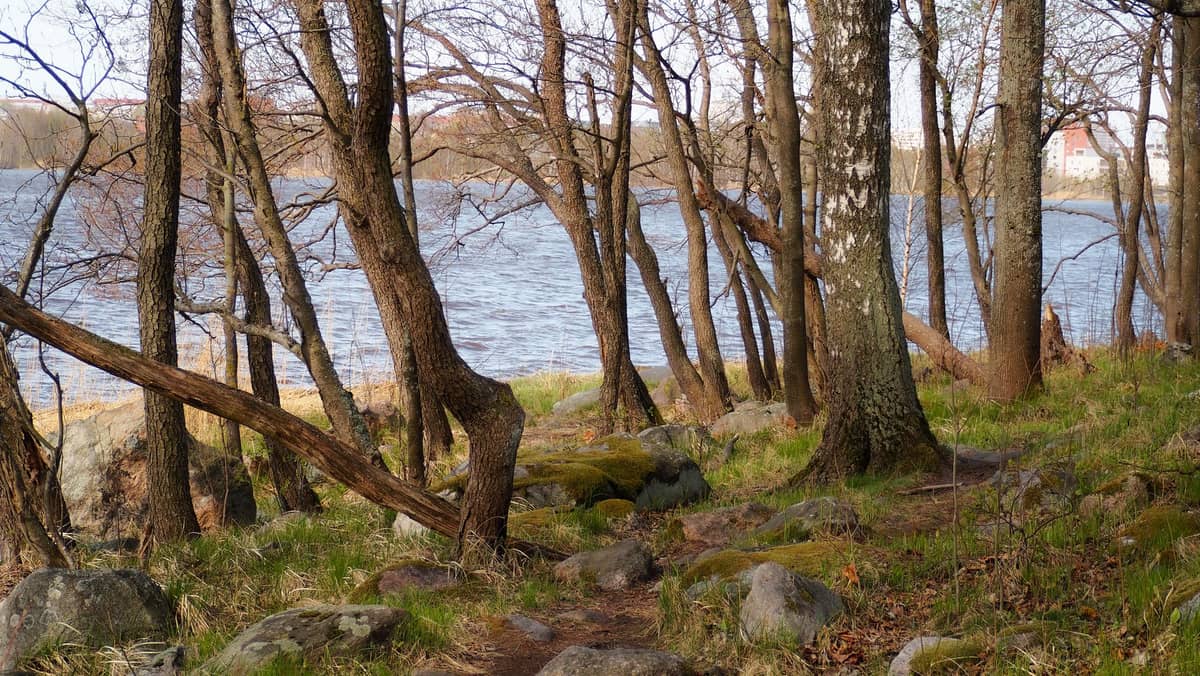
Spring is one of Helsinki's most underrated seasons and, in many ways, the most dramatic. Daylight increases faster than in almost any other season — you gain roughly 4–5 minutes per day around the equinox. By late April, Helsinki has around 14.5–15.5 hours of light, and the difference from February's grey twilight is striking.
March is transitional and often messy: snowmelt creates slush, temperatures hover near freezing, and conditions can swing between winter and spring within a single week. April is the turnaround point. It is also statistically the driest month, which makes it a reasonable time to visit if you accept that it can still be cold. May, however, is genuinely excellent — mild temperatures, long evenings, blooming parks, and far fewer tourists than summer. The city's outdoor spaces, from Esplanadi Park to Kaivopuisto Park, come alive in May in a way that feels almost celebratory after winter.
The last day of April brings Vappu, Finland's biggest street festival — a student-driven celebration that takes over the city regardless of weather. It can be cold, it can be sunny, but it is always crowded and festive. See the Helsinki Vappu guide for what to expect.
Summer in Helsinki (June to August)
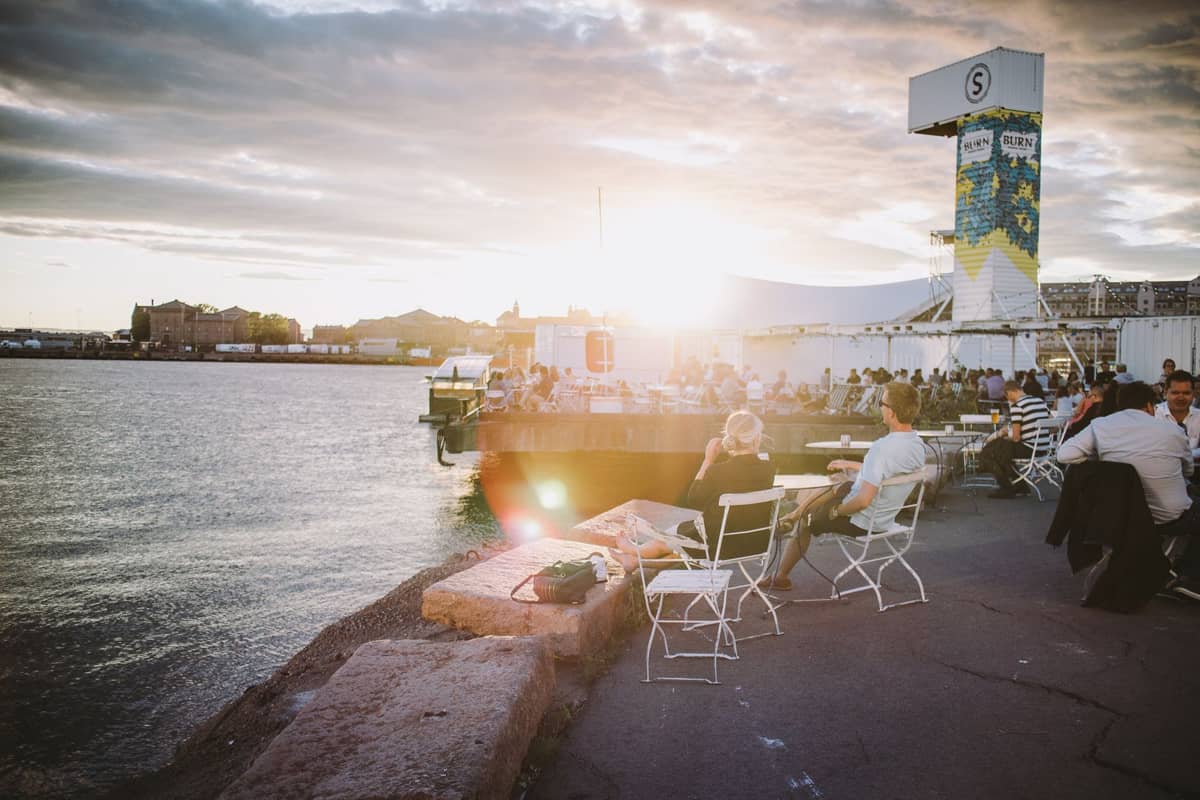
This is why people come to Helsinki. The white nights around the June solstice are real and disorienting in the best possible way: the sun sets around 22:48 and rises again before 04:00, meaning the sky never fully darkens. Restaurants spill onto terraces, islands fill up with swimmers, and the entire city operates on a different social rhythm.
July is the warmest month, with average highs of 20-21°C and occasional heat waves pushing above 30°C. These hot spells are notable precisely because they are not guaranteed — some Julys are overcast and breezy with highs only reaching 17°C. If you are counting on beach days at Hietaniemi Beach or swimming at the Allas Sea Pool, build flexibility into your schedule. August is slightly wetter, and by mid-August the light is already visibly shorter, though it remains warm and very enjoyable.
Summer is also the season for Helsinki's islands. The ferry to Suomenlinna fortress runs frequently in summer, and smaller islands like Vallisaari and Pihlajasaari become genuine summer retreats. The Helsinki in summer guide covers the full picture of what the season offers.
💡 Local tip
Pack a light sleep mask if you're sensitive to light. The near-continuous brightness of the June solstice period means hotel curtains may not fully block the night sky — particularly in older or budget properties.
Autumn in Helsinki (September to November)
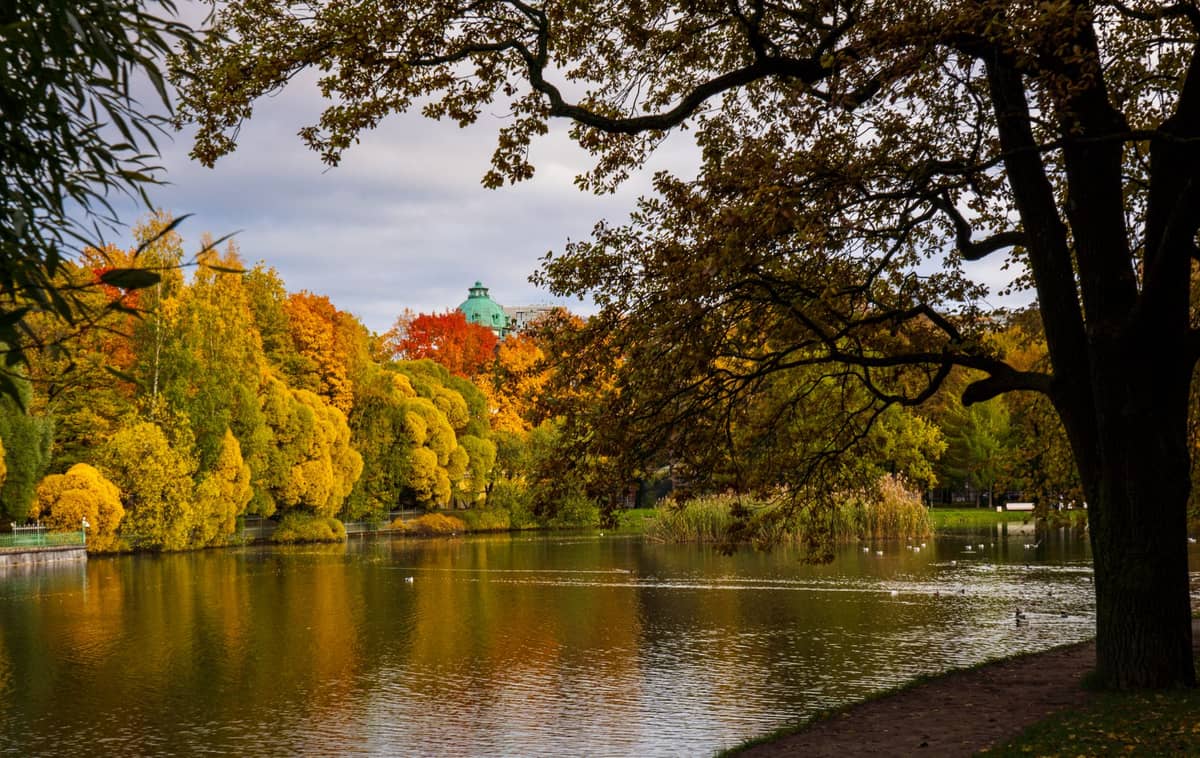
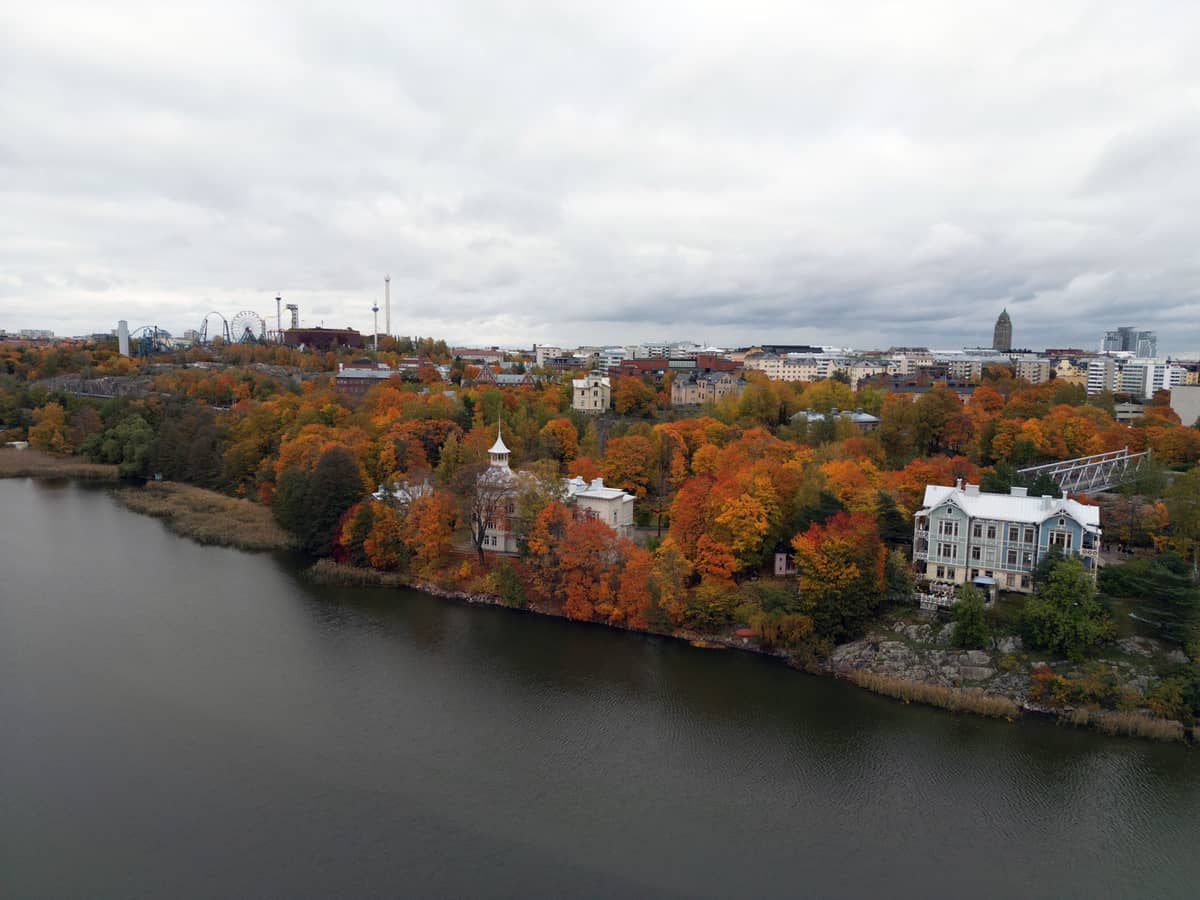
September is the best autumn month without question. Temperatures average 11-14°C, the foliage turns amber and red in the city's parks, and the summer crowds have thinned. It is a genuinely good time to visit: you get the city without the peak-season prices, and the light, while diminishing, is still rich and golden in the afternoons.
October cools sharply. By mid-month, temperatures are regularly below 5°C in the evenings, and the first frosts arrive. The city pivots indoors — museums, market halls, and indoor attractions take centre stage. Helsinki's market halls are excellent in autumn: the Old Market Hall near the harbour and the Hakaniemi Market Hall are ideal places to spend a grey October morning.
What to Pack: Season by Season
- Winter (Dec-Feb) Thermal base layers, a heavy insulated coat, waterproof boots with grip soles, wool hat, gloves, and a scarf. Merino wool next-to-skin layers outperform cotton in wet-cold conditions.
- Spring (Mar-May) Layers are key. A mid-weight waterproof jacket works from March through May. In March, add a warm layer underneath. By May, light trousers and a sweater suffice on warmer days.
- Summer (Jun-Aug) Light clothing for warm days, but always carry a light rain jacket or packable layer for cool evenings. July heat waves can mean shorts and a t-shirt, but the Baltic breeze surprises visitors on boat trips.
- Autumn (Sep-Nov) A waterproof mid-layer or jacket is essential from September. By October, add a warm hat and gloves for evenings. November requires near-winter gear — treat it like early winter.
FAQ
What is the weather like in Helsinki in winter?
Helsinki winters run from December through February with average temperatures between -5°C and 0°C. Snow is common, especially in February, and pavements can ice over. Daylight is limited — around 6 hours in December — but the city stays active with indoor attractions, Christmas markets, and sauna culture. Waterproof, insulated boots with grip soles are essential.
How hot does Helsinki get in summer?
July is the warmest month, with average highs of 20-21°C. Heat waves above 30°C occur occasionally but are not guaranteed. Some summers are cooler and overcast, with highs only reaching 16-18°C. Evenings in June and early July rarely get dark due to the white nights near the solstice.
Does Helsinki get a lot of rain?
Helsinki's annual rainfall is around 650-700 mm, spread fairly evenly across the year. August is statistically the wettest month and April the driest. There is no pronounced rainy season — a compact umbrella or waterproof jacket is useful in any month.
What is the best month to visit Helsinki for good weather?
June and July offer the best combination of warmth and long daylight hours. June has the longest days (nearly 19 hours near the solstice) and is slightly drier than August. May is an excellent shoulder option — mild, increasingly bright, and less crowded than peak summer. September works well for those who prefer cool weather and autumn foliage.
How much daylight does Helsinki get in December?
Around 6 hours. Sunrise is approximately 09:20 and sunset around 15:15 near the winter solstice. It is not 24-hour darkness — a common misconception — but the short days are noticeable and should factor into your sightseeing schedule. Planning outdoor activities for midday makes the most of available light.