Helsinki in Winter: What to Expect and What to Do
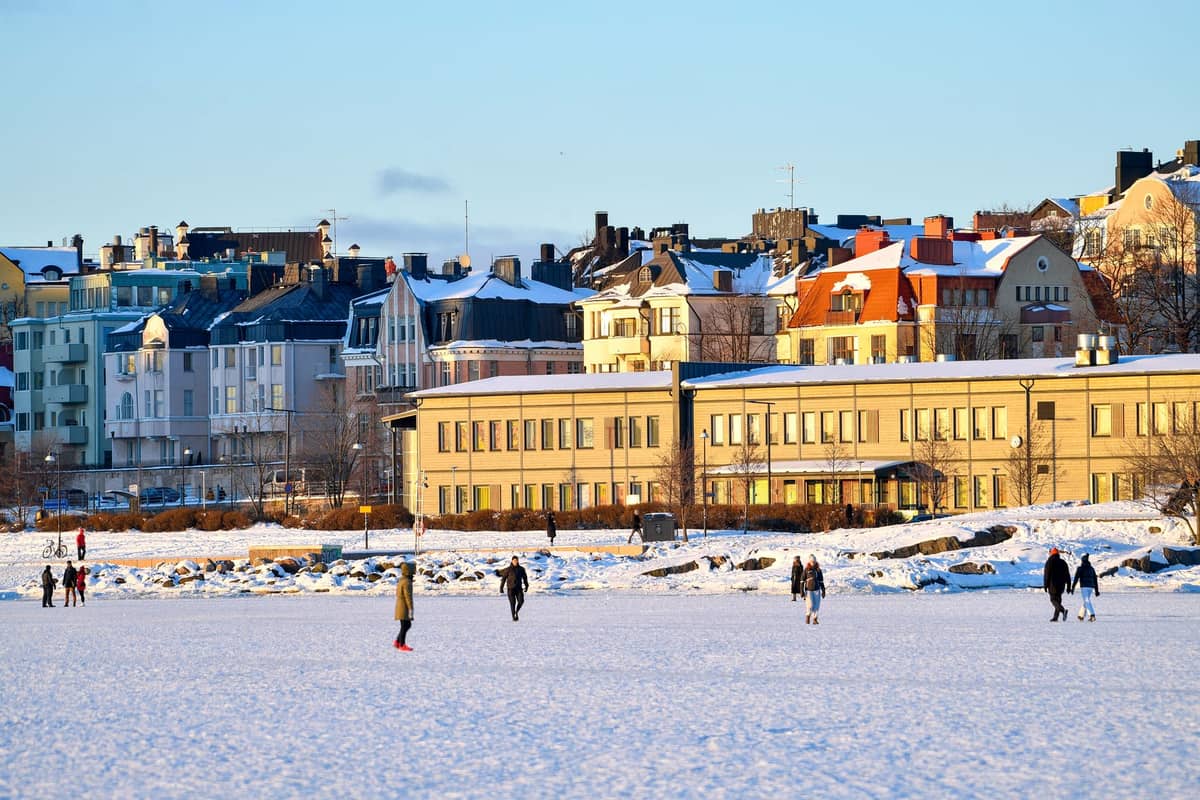
Helsinki in winter is a different city entirely. Snow-dusted streets, just six hours of daylight, and a culture built for cold. This guide covers everything from average temperatures and transport to the best seasonal activities, so you can decide if a winter visit is right for you.
Plan and book this trip
Tools from our partner Travelpayouts help you compare flights and hotels. If you book through them, we may earn a commission at no extra cost to you.
Flights
Hotels map
TL;DR
- Helsinki winter runs December through March, with average temperatures between -5°C and 0°C and roughly 6 hours of daylight in January.
- Saunas, ice swimming, and indoor cultural attractions like Kiasma and the Ateneum make excellent winter anchors.
- Public transport runs reliably in winter; the airport train reaches the city centre in about 30 minutes on an ABC ticket (around €4.40 as of mid-2026, verify with HSL before travel).
- Helsinki is significantly milder than Finnish Lapland in winter — expect cold, not polar extremes.
- Check our Helsinki weather guide for month-by-month breakdowns and packing advice.
What the Weather Actually Looks Like
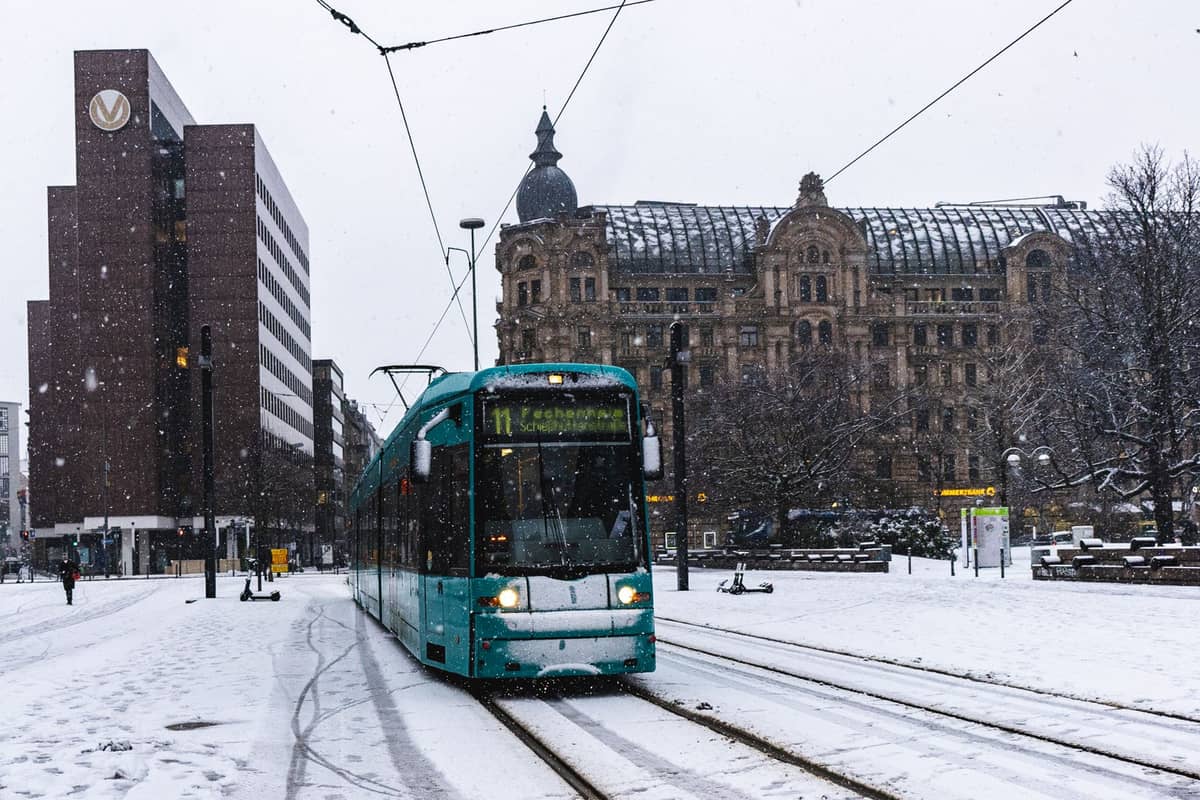
Helsinki sits at 60°N on the southern coast of Finland, which means winter is cold but not extreme by Nordic standards. December through February sees average temperatures hovering between -5°C and 0°C, with February typically the coldest month at around -4°C to -6°C. Daytime highs often stay below freezing, so compacted snow and icy pavements are the norm rather than the exception. Dress accordingly: think insulated boots with grip, not fashion sneakers.
Snow usually arrives in December and can persist through March. That said, Helsinki's coastal position means some winters are slushier than others. A proper snowfall transforms the city into something genuinely beautiful, but a wet, grey January is also entirely possible. If fresh snow and crisp blue-sky days matter to you, late January through February tends to deliver the most reliable winter conditions.
ℹ️ Good to know
Helsinki is considerably milder than Finnish Lapland in winter. While Lapland destinations often sit below -10°C to -15°C in deep winter, Helsinki averages closer to -3°C to -8°C during cold spells rather than as a constant deep-freeze range. If you want guaranteed snow, reindeer, and aurora hunting, Lapland is the better choice. If you want a European capital experience with a genuine winter atmosphere, Helsinki delivers.
Daylight in Winter: The Reality Check
This is the part that surprises most visitors. In early January, Helsinki gets roughly six and a half hours of daylight, with sunrise around 9:20am and sunset before 3:50pm. That is short, but it is not the polar night of Lapland, where the sun may not rise above the horizon at all. You still get light, you just need to plan outdoor activities around it.
The practical consequence: if you want to photograph Senate Square or walk the waterfront in daylight, do it between 10am and 2pm. By late February, days lengthen noticeably, and by March you're approaching eight to nine hours of daylight. The city compensates with aggressive lighting: Christmas lights from late November, the Lux Helsinki light art festival in January, and well-lit streets and public spaces throughout the season.
- Early December Around 6.5 hours of daylight. The city is lit up with Christmas markets and seasonal decorations.
- January The darkest stretch, roughly 6 hours of daylight. Midday is genuinely precious for outdoor plans.
- February Daylight increases noticeably, reaching 8+ hours by month's end. Often the coldest month, but conditions stabilize.
- March Spring light returns fast. Expect 10-11 hours of daylight and softening temperatures, though snow can linger.
What to Do in Helsinki in Winter
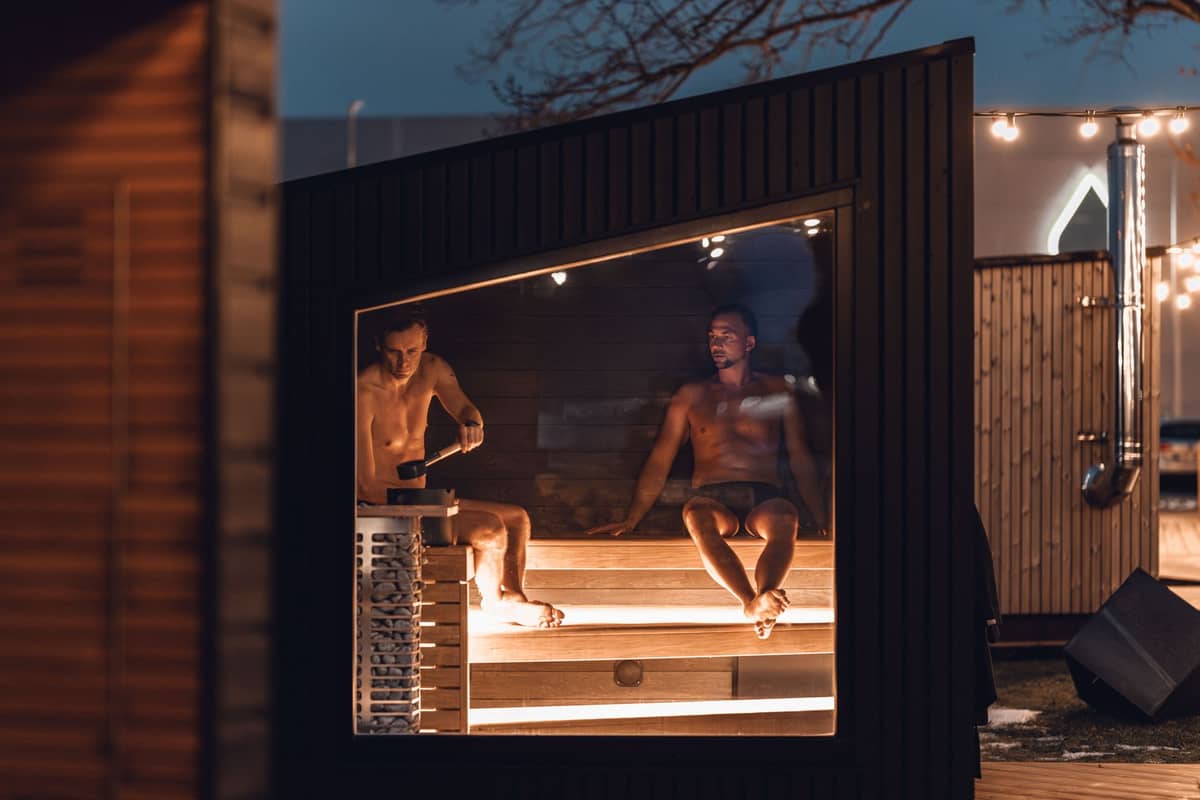
The sauna is not a tourist activity in Finland, it is a cultural institution. Winter is arguably the best time to experience one properly: step out of a hot löyly into the cold air or take a dip in the sea, and you will understand immediately why Finns consider this essential. Löyly sauna on the waterfront is one of the most architecturally striking options, with wood-burning saunas and sea swimming year-round. For a deeper dive into the culture, the Helsinki sauna guide covers public saunas, private rentals, and ice swimming spots across the city.
Museums and galleries come into their own in winter when there's no competing pressure to be outside. The Ateneum Art Museum holds Finland's largest collection of classic Finnish art, while Kiasma covers contemporary and international work in a striking Steven Holl-designed building. Both are within easy walking distance of the central railway station. The Oodi central library is worth visiting for the architecture alone and is completely free to enter.
The Temppeliaukio Church, carved directly into bedrock and naturally lit through a copper-ringed skylight, is one of those places that earns its reputation. In winter, the contrast of cold stone exterior and warm interior makes the experience feel particularly atmospheric. Book ahead or check opening times as it closes for services and private events.
- Sauna and ice swimming at Löyly, Allas Sea Pool, or a public lakeside sauna
- Lux Helsinki light art festival (typically January — check official dates each year)
- Helsinki Christmas Market at Senate Square (late November through December)
- Indoor market halls: Old Market Hall (Vanha Kauppahalli) and Hakaniemi Market Hall for food and warmth
- Day trip to Porvoo Old Town, about 50km east, which looks particularly good under snow
- Suomenlinna sea fortress by ferry — quieter in winter, moody and atmospheric with fewer crowds
💡 Local tip
The Allas Sea Pool near Market Square stays open year-round and offers heated pools alongside the option to swim in the Baltic Sea. In winter, the heated pool is extremely popular with locals. Arrive early on weekends or book in advance. Check the Allas website for current opening hours and prices before visiting.
Getting Around in Winter
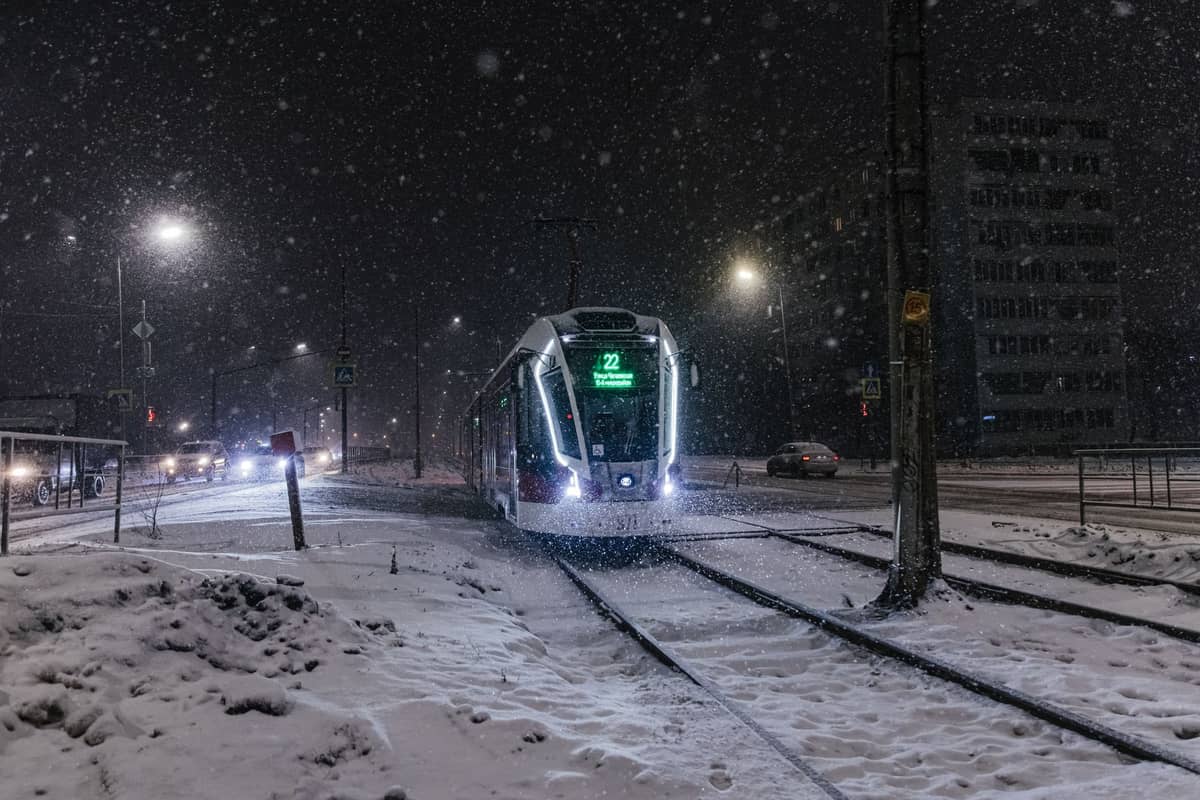
Helsinki's public transport network, run by HSL (Helsingin seudun liikenne), operates reliably through winter. Trams, metro, buses, and commuter trains all run on normal schedules. Snow and cold do occasionally cause minor delays, but the infrastructure is designed for it. Tram stops can be icy, so watch your footing getting on and off.
From Helsinki Central Railway Station, the airport ring rail line reaches Helsinki-Vantaa Airport in around 30 minutes. You need an ABC zone ticket for this journey, priced at €4.50 via the HSL app as of 2026. Always verify current fares at hsl.fi before travel, as prices change. A single AB ticket covering most city centre journeys costs €3.30 and is valid for 80 minutes across all HSL modes. For a full breakdown of zone logic and route planning, the getting around Helsinki guide explains the ticketing system in detail.
⚠️ What to skip
Cycling is popular in Helsinki year-round, including in winter, but only if you have the right tyres and confidence on ice. City bike share schemes typically reduce availability or pause entirely in the coldest months, with the public city bikes only running from April to late October. Do not assume bikes will be available in January. Check current operator status before planning a cycling day.
Practical Tips for a Winter Visit
Layering is non-negotiable. Base layer, mid layer, and a windproof outer shell will cover most conditions. The real enemy in Helsinki winter is not extreme cold but persistent damp cold combined with wind off the Gulf of Finland. A waterproof outer layer matters more than a maximally insulated parka. Merino wool base layers are worth the investment for any trip lasting more than a weekend.
Footwear deserves special attention. Helsinki's pavements are treated with grit and sand rather than salt in many areas, but icy patches are common, especially in the morning. Boots with a rubber lug sole rated for ice or with built-in microspikes are the practical choice. Fashionable but smooth-soled ankle boots will have you on the ground by day two.
- Pack insulated, waterproof boots with grip — not fashion footwear
- Layer: base, mid, and windproof outer. Denim does not work in -5°C wind
- Carry a hat and gloves at all times — wind off the sea is brutal near the waterfront
- Download the HSL app for real-time transport tracking and mobile tickets
- Expect short daylight: plan outdoor sightseeing between 10am and 2:30pm
- Tipping is not obligatory in Finland — rounding up is the local norm at most places
- Tap water is safe to drink throughout Helsinki; skip buying bottled water
- Emergency number in Finland is 112
If budget is a concern, winter can actually work in your favour. Hotel prices tend to be lower than peak summer, and many attractions are covered under the Helsinki Card, which bundles public transport and museum entry into a single price. The card typically pays for itself within one full day of sightseeing. For more ideas on keeping costs down, the Helsinki on a budget guide has current strategies.
Is Helsinki Worth Visiting in Winter?
Honestly, it depends on what you want. If you are drawn to long outdoor days, archipelago boat trips, and terrace dining, come in summer. But if you want fewer tourists, lower prices, a genuine sense of Finnish daily life, and the specific pleasure of warming up in a sauna after cold air and sea, winter offers something that summer cannot replicate.
The city's cultural scene does not take winter off. Major museum exhibitions, the opera season, and events like Lux Helsinki make January and February genuinely interesting months to be here. The Finnish National Opera runs a full winter programme and tickets are often more available than in summer. For a fuller comparison of seasons, the best time to visit Helsinki guide weighs all four seasons against different travel priorities.
Winter Helsinki is not for everyone. The short days require genuine psychological adjustment, especially in a first visit. But the city is functional, well-lit, and culturally active in a way that makes it far more rewarding than a simple cold-weather city break might suggest. Come prepared and with realistic expectations, and you are likely to leave impressed.
FAQ
How cold does Helsinki get in winter?
Average temperatures in Helsinki during winter range from about -5°C to 0°C, with February typically the coldest month averaging around -4°C to -6°C. Daytime highs can stay below freezing for stretches, especially in January and February. It is genuinely cold but considerably milder than Finnish Lapland, where averages often fall below -10°C.
How many hours of daylight does Helsinki get in winter?
Around 6 hours in early January, the darkest point of the year. Sunrise is roughly 9:30am and sunset around 3:30pm. By late February, daylight increases to around 9 hours. Helsinki does not experience polar night — unlike northern Lapland — so there is always some usable daylight each day.
What is there to do in Helsinki in winter?
Winter activities include sauna and ice swimming, visiting indoor museums and galleries, the Lux Helsinki light festival in January, Christmas markets in late November and December, and exploring the Suomenlinna sea fortress by ferry. The city's indoor cultural scene — opera, theatre, galleries — is fully active through winter.
Is public transport reliable in Helsinki in winter?
Yes. Helsinki's HSL network of metro, tram, bus, and commuter rail runs reliably through winter conditions. Minor delays can occur during heavy snowfall, but the infrastructure is designed for the climate. The airport train to Helsinki Central takes about 30 minutes and requires an ABC zone ticket.
What should I pack for Helsinki in winter?
Insulated waterproof boots with good grip are the single most important item. Layer clothing: merino wool base layer, a warm mid layer, and a windproof outer shell. Always carry a hat and gloves. Avoid smooth-soled footwear as pavements are frequently icy. A daypack with a reusable water bottle is fine since Helsinki tap water is safe to drink.