Getting Around Helsinki: The Complete Transport Guide
Helsinki has one of the most logical public transport systems in Northern Europe, built around a zone-based ticketing network that covers buses, trams, metro, commuter trains, and ferries. This guide covers every mode of transport, from landing at Helsinki Airport to island-hopping by ferry, with practical advice on what to use and what to skip.
Plan and book this trip
Tools from our partner Travelpayouts help you compare flights and hotels. If you book through them, we may earn a commission at no extra cost to you.
Flights
Hotels map
TL;DR
- Helsinki's public transport is run by HSL and uses a zone-based system (zones A–D), not distance-based fares. Most visitors only need zones AB or ABC.
- Getting from Helsinki Airport (HEL) to the city center takes around 30 minutes by train. The airport sits in Zone C, so you need an ABC ticket, not the standard AB.
- A single AB ticket costs around €3.30 (valid 80 minutes); an ABC ticket around €4.50. You cannot buy a single-zone ticket.
- The Helsinki Card includes unlimited transport: CITY covers zones AB, REGION covers ABC including the airport.
- Trams are the best way to navigate the city center. The metro is faster for east-west trips and reaching Espoo. Walking is genuinely practical for the compact historic core.
Understanding the HSL Zone System
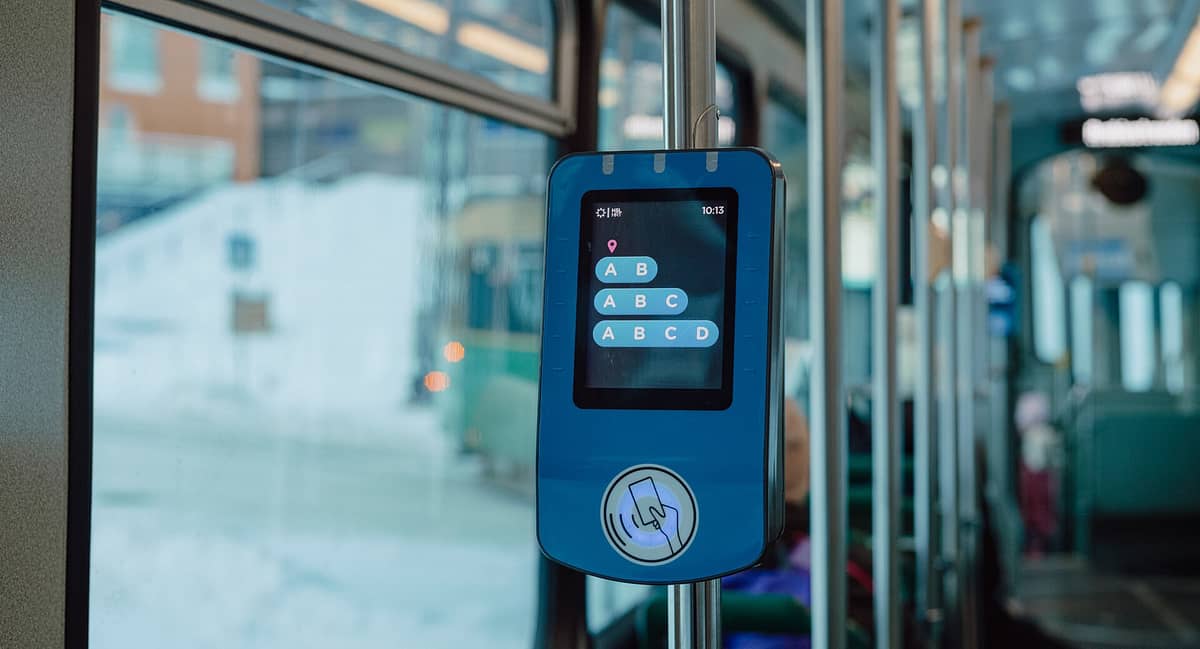
Getting around Helsinki starts with understanding one key concept: the HSL zone system. The Helsinki Regional Transport Authority (HSL, or Helsingin seudun liikenne) runs an integrated network of buses, trams, metro, commuter trains, and some ferries across the greater Helsinki region. Fares are not based on distance but on which zones your journey covers.
The zones are arranged in arcs outward from the city center, labeled A through D. Zone A is the inner core of Helsinki, roughly within 5 km of Central Railway Station. Zone B covers the rest of Helsinki plus nearby parts of Espoo, Vantaa, and Kauniainen. Zone C extends to the outer parts of Espoo and Vantaa, and crucially, it includes Helsinki Airport. Zones D and E reach further-out municipalities like Kerava, Sipoo, Kirkkonummi, and Järvenpää.
⚠️ What to skip
You cannot buy a single-zone ticket in Helsinki. The minimum purchase is a two-zone combination, typically AB. If you buy an AB ticket but travel into Zone C (for example, toward the airport), you will need to upgrade or risk a fine.
Tickets are sold as zone combinations: AB, ABC, ABCD, and so on. A single AB ticket costs around €3.30 and is valid for 80 minutes, allowing free transfers between any modes within the zone during that window. An ABC ticket runs around €4.40–4.50 and covers up to 90 minutes. For multi-day travel, a 24-hour AB ticket is around €10.60, or about €13–14 for ABC. These prices are subject to change, so always confirm current fares on the official HSL website or app before you travel.
- HSL App The fastest way to buy tickets. Activate your ticket just before boarding. Works on iOS and Android.
- Ticket Machines Available at metro stations and key tram/bus stops. Accept cards and cash.
- Kiosks and R-Kiosks Sell HSL tickets at transport hubs. Useful if you prefer not to use the app.
- On the Bus Some bus drivers sell tickets, but this costs more than buying in advance. Trams do not sell tickets onboard.
Getting from Helsinki Airport to the City Center
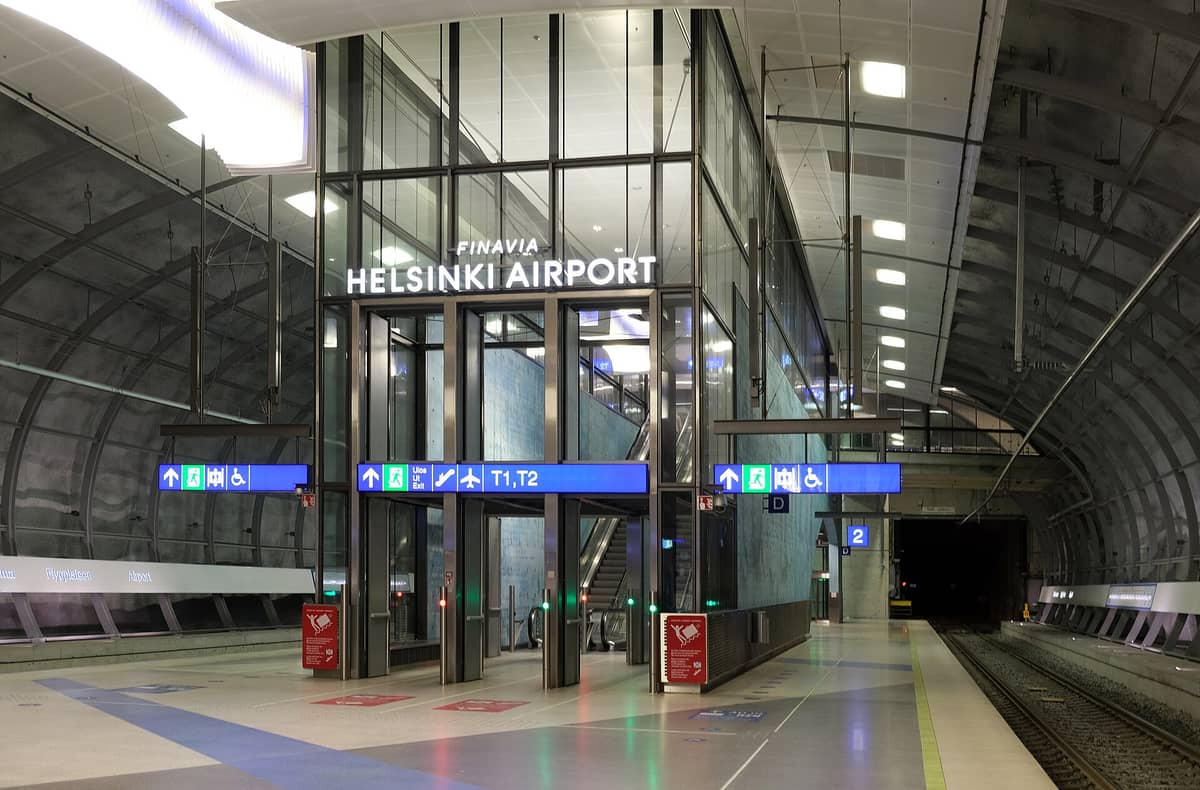
Helsinki-Vantaa Airport (IATA: HEL) is located in the city of Vantaa, about 17 km north of Helsinki city center. Despite the distance, reaching central Helsinki is straightforward, and the train is the clear first choice for most travelers.
The Ring Rail Line connects the airport directly to Helsinki Central Railway Station with trains running roughly every 10 minutes during peak hours. The journey takes around 30 minutes and runs via either the I or P train lines. Since the airport is in Zone C, you need an ABC ticket (around €4.50). This is one of the most common mistakes travelers make: buying a standard AB city ticket and then getting caught without valid coverage.
💡 Local tip
Trains run early in the morning and late at night, making the Ring Rail Line reliable even for early departures or late arrivals. Check the HSL journey planner or the airport departures board for live timetables.
Several HSL bus lines also connect the airport to the city, and in the past Finnair City Bus offered a direct coach service to the city center but this has since been discontinued. Taxis are available from a designated rank outside arrivals. Fares from the airport to central Helsinki typically run between €30 and €50 depending on traffic and time of day, but taxi pricing in Finland is deregulated, so operators set their own rates. Always check the displayed tariff before getting in, or use a ride-hailing app where the price is confirmed upfront.
✨ Pro tip
If you have the Helsinki Card REGION, your airport train journey is already included. The CITY version only covers zones AB and will not get you to the airport. This distinction catches a lot of visitors off guard.
Trams, Metro, and Buses: Which to Use When
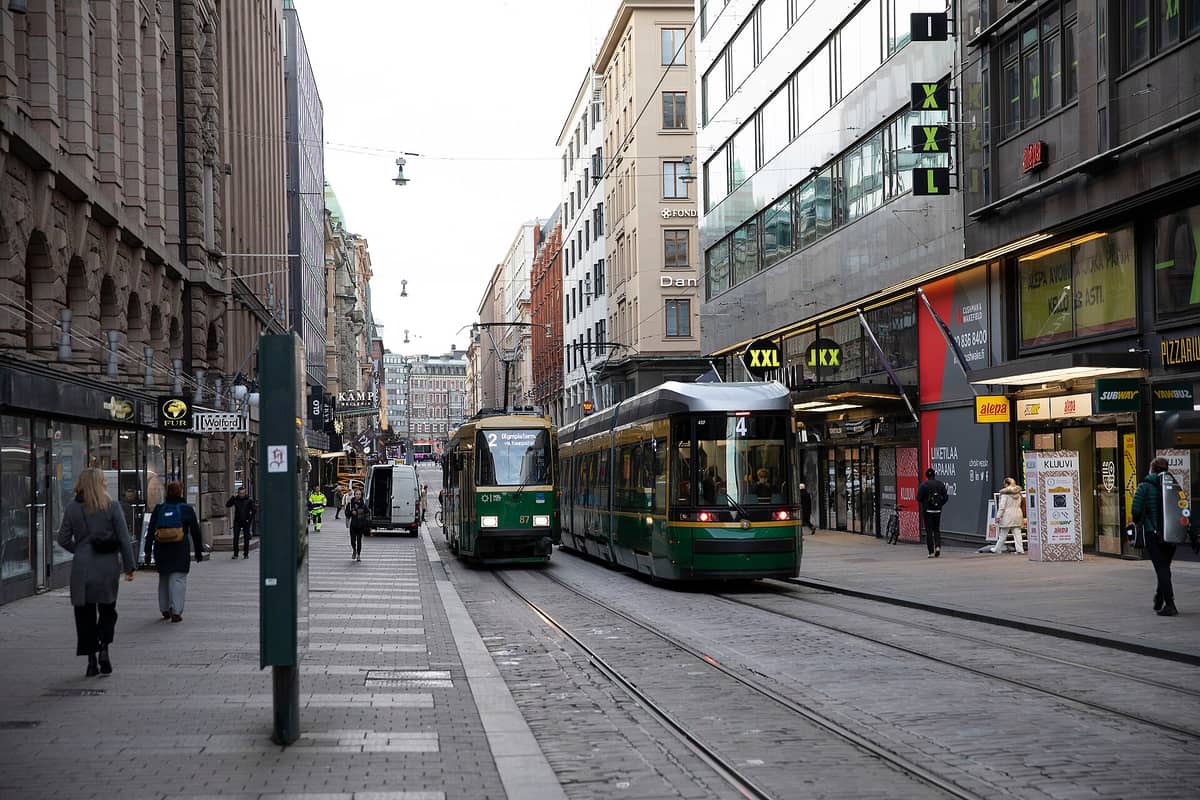
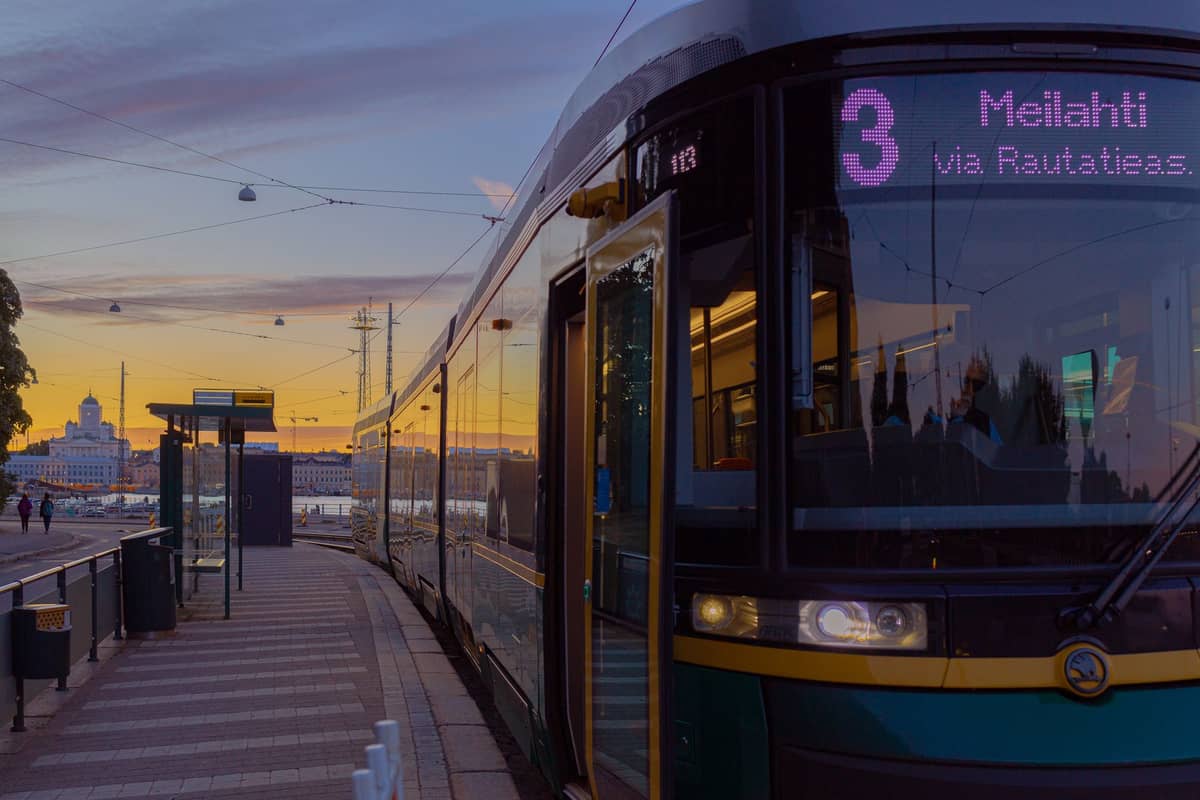
For most sightseeing in central Helsinki, trams are the most useful mode of transport. The network weaves through the historic core, connecting the Market Square, the Senate Square area, and the Design District with minimal hassle. Tram 2 and Tram 3 form a useful loop around the center; Tram 6 connects the city core with Hietaniemi beach and Lauttasaari.
The metro (Länsimetro) is primarily an east–west system running from Matinkylä in Espoo through the city center to eastern termini such as Mellunmäki, operated as two overlapping lines. It is fast and frequent but limited in geographic reach. For visitors, the metro is most useful for reaching Kallio, the Itäkeskus shopping area, or for making the westward trip into Espoo. Transfers between metro and tram are free within the ticket validity window.
Buses fill the gaps that trams and metro do not cover. They are particularly useful for reaching neighborhoods like Kallio from the far north, or for getting to suburban attractions. For most of the major tourist sites concentrated in the city center, you will rarely need a bus if you are also using trams.
- Trams: best for central Helsinki sightseeing and short city-center hops
- Metro: best for fast east-west travel and reaching Espoo
- Commuter trains: best for airport transfers and day trips to Espoo or Vantaa
- Buses: best for outer neighborhoods and filling coverage gaps
- Ferries: essential for reaching Suomenlinna and seasonal island destinations
Ferries and Island Connections
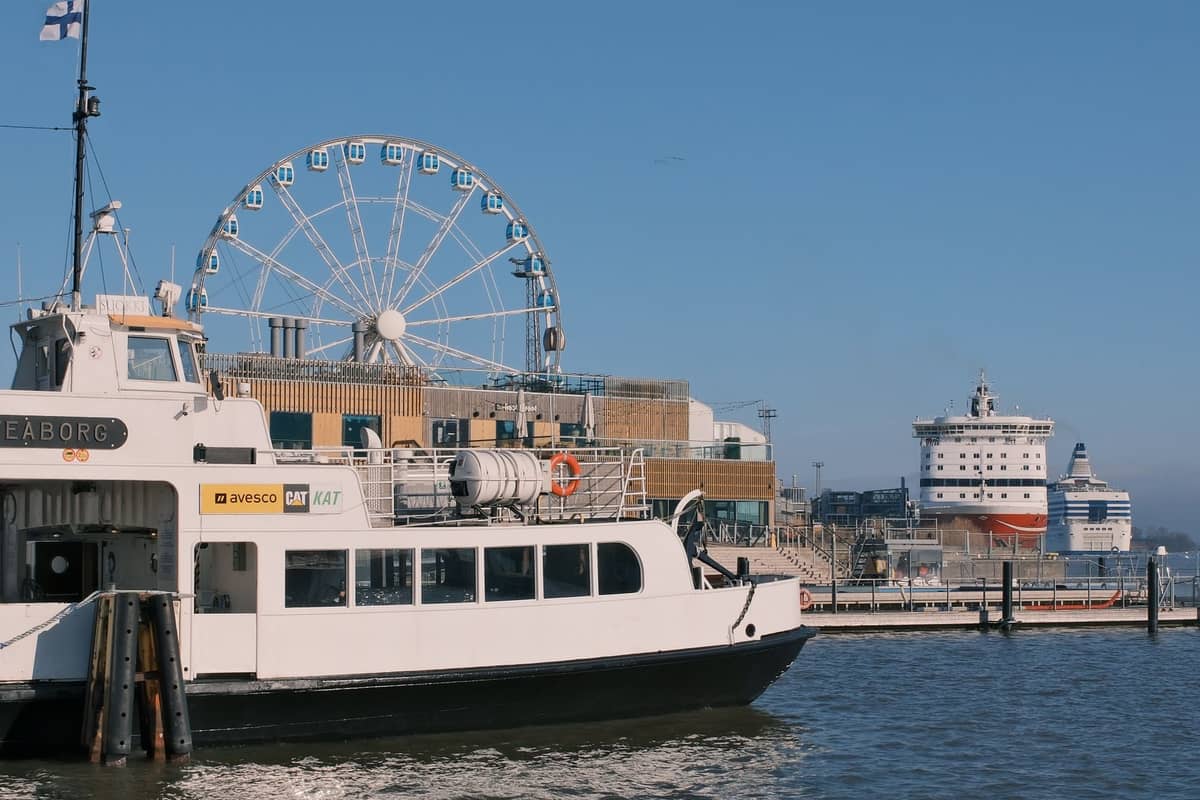
Helsinki sits on a fragmented coastline dotted with islands, and ferries are not just scenic extras. The HSL ferry to Suomenlinna departs from Market Square (Kauppatori) approximately every 15-30 minutes depending on the season, and the crossing takes around 15 minutes. Critically, this is an HSL service, which means a standard AB ticket covers the journey. You do not need a separate boat ticket.
Other islands like Vallisaari and Pihlajasaari are served by private operators rather than HSL, so separate tickets apply. These services operate seasonally, generally from late spring through early autumn. Timetables shift between years, so check operator websites before planning around a specific island visit.
For a broader look at what Helsinki's islands offer, the Helsinki islands guide covers which are worth visiting and how to reach each one.
Cycling, Walking, and Taxis
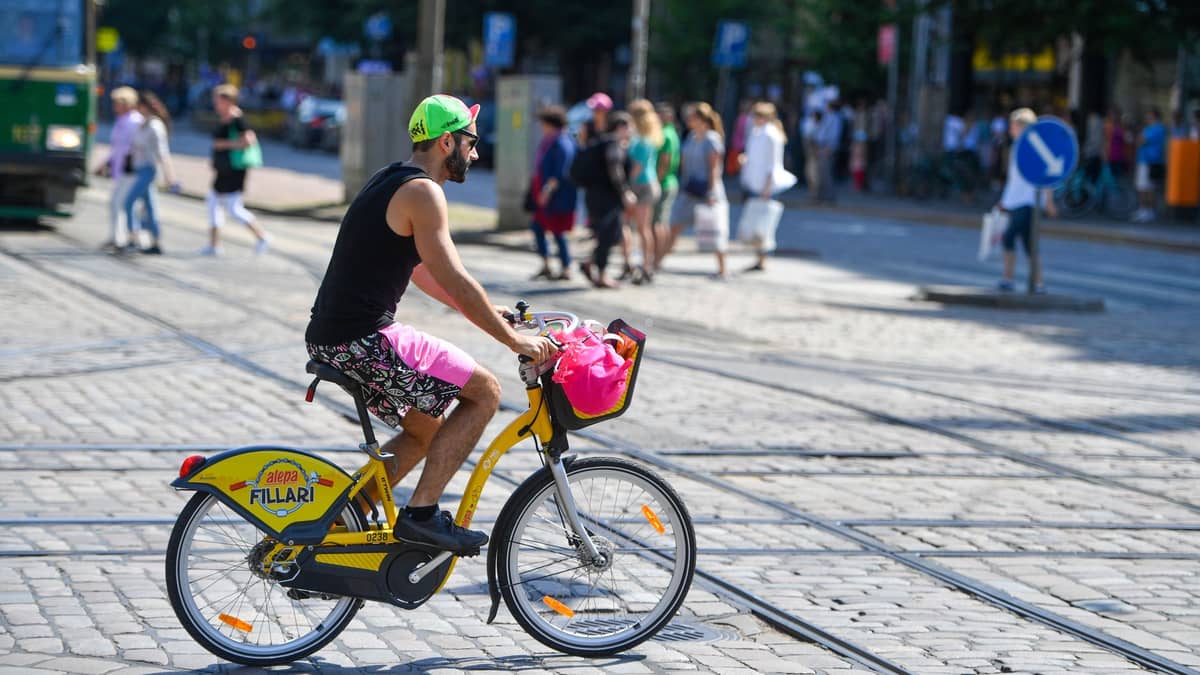
Helsinki's compact city center makes walking a genuinely practical choice. The distance from Central Railway Station to the Market Square is under 1 km, and from the cathedral to the Design District is around 1.5 km. On dry days in summer, you can cover most of the main central attractions on foot without ever boarding a tram.
City bikes (Kaupunkipyörät) are available across Helsinki and Espoo from spring through autumn (roughly April to October). The network has hundreds of docking stations throughout the center and inner neighborhoods. Bikes can be rented via the city bike app or website, with options for single journeys or seasonal passes. Helmets are not provided at docking stations, so bring your own if that matters to you. Cycling infrastructure in central Helsinki is reasonably good, though it can feel congested near the waterfront in summer.
Taxis in Finland operate under a deregulated pricing system, meaning fares vary between companies. Apps like Bolt and local taxi operators are widely used in Helsinki. Always confirm the price estimate before confirming a ride-hailing booking, or check the tariff card in a street taxi before getting in. The airport-to-center trip can range significantly depending on the operator and time of day, so it pays to compare options.
ℹ️ Good to know
Tipping is not standard practice in Finland. In taxis and restaurants, service charges are typically included in the price. Rounding up is common but never expected. Do not feel obligated to tip.
Practical Tips for Getting Around Helsinki
If you are planning two or more days of heavy sightseeing, the Helsinki Card may be worth calculating. The CITY version covers unlimited transport in zones AB plus free or discounted entry to major attractions. The REGION version adds Zone C, covering the airport. Whether it saves money depends entirely on which attractions you visit and how much you use public transport.
For first-time visitors trying to orient themselves, a useful starting point is the Helsinki walking tour which covers the central districts on foot. Pair that with a tram day pass and you can reach virtually every major sight without needing a taxi.
- Download the HSL app before you arrive. Buy your first ticket on the app during the flight, but only activate it when boarding.
- Zone C means airport. Never assume a city-center ticket will cover the train to HEL.
- Validate tram tickets before boarding or use the app. Inspectors do check, and fines are steep.
- City bikes are plentiful in summer but stations near tourist spots empty out fast on warm afternoons.
- The emergency number in Finland is 112. Finland's international dialing code is +358.
- Tap water in Helsinki is safe to drink and excellent quality. No need to buy bottled water.
- Bring an adapter if you use UK or US plugs. Finland uses Type C and Type F (230V, 50Hz) standard across mainland Europe.
Helsinki is a year-round destination, but transport conditions do shift seasonally. Winters bring snow and shorter daylight hours, but the core HSL network is engineered for Nordic conditions and runs reliably. Summer brings longer days and the opening of seasonal ferry routes to islands. For timing your visit around these factors, the best time to visit Helsinki guide breaks down what to expect month by month.
FAQ
How do I get from Helsinki Airport to the city center?
Take the Ring Rail Line commuter train (I or P line) from Helsinki Airport station to Helsinki Central Railway Station. The journey takes around 30 minutes and trains run roughly every 10 minutes during the day. You need an ABC ticket (around €4.40–4.50), since the airport is in Zone C. Taxis and buses are also available but are slower and more expensive.
What is the cheapest way to get around Helsinki?
Walking covers most of the central sightseeing area for free. For trips beyond the center, an HSL AB single ticket (around €3.30, valid 80 minutes) is the most cost-effective option for casual travel. If you plan to use public transport heavily across multiple days, a 24-hour or 48-hour day ticket offers better value than buying individual tickets.
Is Helsinki Airport in the city center zone?
No. Helsinki-Vantaa Airport is in Zone C, not the central zones A or B. You need at minimum an ABC ticket to travel between the airport and the city center. An AB-only ticket is not valid on the airport train.
Can I use the Helsinki Card for public transport?
Yes. The Helsinki Card CITY covers unlimited public transport in zones AB. The Helsinki Card REGION covers zones ABC, which includes the airport. The card is activated on first use and valid for 24, 48, or 72 hours from that point.
Are there good options for getting around Helsinki without a car?
Yes. Helsinki is one of the most car-optional cities in Northern Europe for visitors. The tram network covers the historic center thoroughly, the metro handles east-west and Espoo connections, commuter trains reach the airport and suburbs, and the compact city center is highly walkable. City bikes add flexibility from May to October. Most visitors to Helsinki do not need a car at all.