Helsinki Zoo (Korkeasaari): The Island Zoo Worth the Trip
Helsinki Zoo, known in Finnish as Korkeasaari Zoo, sits on its own island a short ferry ride from the city centre. One of the oldest zoos in the world, it operates year-round with a full day of wildlife, rocky island terrain, and sea views thrown in.
Quick Facts
- Location
- Korkeasaari Island, Helsinki (address: Mischan ja Maschan aukio 1, 00570 Helsinki)
- Getting There
- Seasonal ferry from Market Square (Kauppatori), or bridge/road from Mustikkamaa
- Time Needed
- 3–4 hours for a full visit; allow extra time for the ferry
- Cost
- Adults €26 online / €29 at gate; children (4–17) €18 online / €20 at gate; under 4 free. Summer evening tickets from €19. Valid until 1 Sep 2026.
- Best for
- Families with children, wildlife enthusiasts, anyone wanting a half-day out of the city
- Official website
- korkeasaari.fi/en
What Korkeasaari Zoo Actually Is
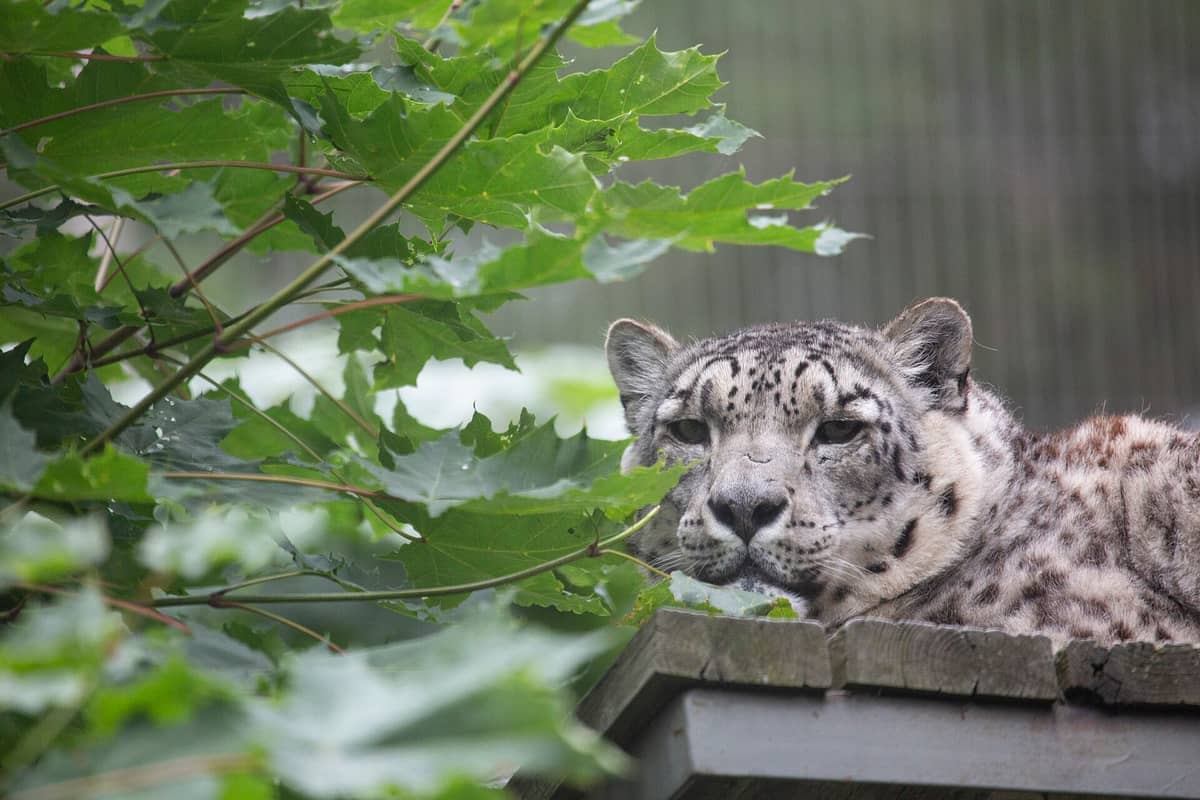
Helsinki Zoo, officially Korkeasaaren eläintarha, is not a city-centre attraction you pass on the way to something else. It is a deliberate destination: a full zoo spread across a rocky island in the Gulf of Finland, about one kilometre from the mainland shore. The island itself is part of the experience, with granite outcrops, forested paths, and open water visible between enclosures. On a clear summer afternoon, you can watch snow leopards against a backdrop of Baltic sea light. That combination of serious zoo and natural island setting is what makes Korkeasaari different from a typical urban wildlife park.
The zoo's history stretches back to the 19th century, making it one of the oldest zoological institutions in the world. Today it operates as a conservation-focused organisation, participating in international breeding programmes for endangered species. Visitors will find a mix of large mammal enclosures, bird houses, reptile facilities, and open Nordic habitats populated with animals native to Finland alongside species from Central Asia, Africa, and South America.
💡 Local tip
Buy tickets online in advance. You save €3 per adult and €2 per child compared to gate prices, and you skip the queue at busy summer weekends. Ticket sales close one hour before the zoo does.
Getting to the Island
There are two ways onto Korkeasaari. The more atmospheric option, at least in summer, is the ferry from Market Square (Kauppatori) in central Helsinki. The crossing takes roughly 15–20 minutes and gives you a low, water-level view of the Helsinki shoreline before the island comes into sight. The ferry operates seasonally, so check current timetables before planning your day around it.
The year-round alternative is to reach the island via road and bridge connections through the Mustikkamaa area. From central Helsinki, bus services run to Mustikkamaa, from where the bridge to Korkeasaari is walkable. This route works in winter when the ferry is not running, and it is the most straightforward option for visitors arriving by public transport outside the summer season. For more detail on navigating Helsinki's transit network, see the guide to getting around Helsinki.
Driving to Korkeasaari is possible, with paid parking available near the entrance. If you are travelling as a family with young children and a stroller, the road route may be more practical than the ferry, which involves boarding steps.
⚠️ What to skip
Guide dogs and assistance animals are not permitted inside the zoo due to its quarantine area status. Verify this directly with the zoo before visiting if this affects your plans.
Tickets & tours
Hand-picked options from our booking partner. Prices are indicative; availability and final rates are confirmed when you complete your booking.
Helsinki Beautiful Canal Route, archipelago cruise
From 26 €Instant confirmationFree cancellationHelsinki Panorama Sightseeing Bus Tour With Audio Guide
From 35 €Instant confirmationFree cancellationHelsinki Pasila Street art district tour with a local
From 99 €Instant confirmationFree cancellationArchitecture tour of Helsinki
From 60 €Instant confirmationFree cancellation
The Island on Foot: What to Expect
Korkeasaari covers about 22 hectares of genuine island terrain. The paths are a mix of paved walkways and gravel tracks, with notable elevation changes as you move across the island's granite ridges. The zoo is not flat. Some sections involve genuine uphill climbs, and while the main visitor routes are accessible, parts of the island will challenge visitors with limited mobility or those pushing heavy strollers.
The layout is roughly circular with branching loops, so most visitors naturally cover the main areas without backtracking too much. Plan for at least three hours to see the zoo properly; four hours is more realistic if you stop at enclosures, visit indoor exhibits, and take a food break. The island has a cafe and a restaurant, so a full half-day here is comfortable.
Signage is in Finnish, Swedish, and English throughout, so navigation and animal information panels are accessible to international visitors without any preparation needed.
Time of Day and Season: How the Experience Changes
Summer mornings, between 10:00 and noon, are the calmest period. Animal activity is highest when temperatures are moderate, and the island has not yet filled with weekend families. By early afternoon on a sunny Saturday in July, the main paths around the large mammal enclosures can feel genuinely crowded, with school-age children running ahead of parents and queues forming at the cafe. If you have flexibility, arriving at opening time on a weekday in June or August is measurably more pleasant.
The summer evening ticket (available from 16:00, June through August) is worth serious consideration. At €19 for adults and €13 for children at the gate, it costs significantly less than a full-day ticket, the crowds thin out noticeably after 17:00, and the long Nordic evening light lasts well past closing time. The low sun angle across the enclosures also makes for better photographs than the flat midday light.
In winter, Korkeasaari is open but quieter and operationally different. Hours shorten to 10:00–16:00 on most days, some outdoor enclosures have reduced animal visibility as species adapt to colder conditions, and the island is blanketed in snow from roughly December through February. The atmosphere is stark and genuinely beautiful if you are dressed for it. Finnish families with children visit year-round, and a winter trip has its own character: fewer people, cleaner air, and the occasional snow leopard or Arctic fox more visibly active in cold temperatures than in summer heat.
If you are planning a winter visit to Helsinki more broadly, the guide to Helsinki in winter covers what to expect from the city in the colder months.
Ticket Prices and What to Know Before You Pay
As of the prices valid until 1 September 2026: full-day adult tickets cost €29 at the gate or €26 purchased online in advance. Children aged 4–17 pay €20 at the gate or €18 online. Children under 4 enter free. The summer evening ticket, available at the gate from 16:00 during June, July, and August, costs €19 for adults and €13 for children. Online advance purchase is straightforward via the official website and saves a meaningful amount per person for a family.
The Helsinki Card, which covers many city attractions and transport, does not typically include Korkeasaari Zoo, so check current card benefits before assuming coverage. For a breakdown of what the card does and does not include, see the Helsinki Card guide.
ℹ️ Good to know
Ticket prices listed here are valid until 1 September 2026. Always verify current prices on the official Korkeasaari website before your visit, as seasonal pricing structures can change.
Accessibility and Practical Considerations
The main entrance building is accessible, and most of the primary visitor routes are either fully accessible or nearly so. However, the island's natural terrain means some paths involve slopes and uneven surfaces that are genuinely difficult for wheelchair users or visitors with significant mobility limitations. If accessibility is a priority, check the detailed information on the official site before visiting rather than assuming the whole zoo is navigable.
Strollers are manageable on the main paths but harder work on the steeper connecting sections. Compact, lightweight strollers handle the terrain better than large travel systems. Comfortable, waterproof walking shoes are advisable regardless of season: the island paths can be muddy in spring and autumn, and in winter, ice and packed snow make grip essential.
There is no particular dress code, but weather protection matters more here than at most city-centre attractions. The island is exposed to sea wind, which makes temperatures feel colder than in the city centre, particularly in shoulder seasons. In summer, bring sunscreen: the open granite sections offer little shade.
Is Korkeasaari Worth It?
At €26–€29 per adult, Korkeasaari is not a casual decision for budget-conscious travelers. It sits at the higher end of Helsinki attraction pricing, comparable to a museum with a major temporary exhibition. For families with children, the value calculation is easier: four hours of engagement, outdoor exercise, and genuine wildlife, including large cats, primates, bears, and Arctic species, is a substantial offering. For adult-only visitors, the appeal is more conditional on an active interest in wildlife or a desire for a half-day of island walking away from the city core.
Visitors primarily interested in Helsinki's human history and architecture may find a morning at the Suomenlinna fortress more directly rewarding for the time and cost. Those looking for free outdoor space and sea views might consider exploring Helsinki's waterfront islands without the zoo admission.
Who should skip it: travelers on a very tight budget, those with significant mobility limitations who cannot manage uneven terrain, and visitors with only one or two days in Helsinki who want to prioritise the city's architectural and cultural core. The zoo rewards a slower, more relaxed itinerary.
Insider Tips
- The summer evening ticket (16:00 entry, June–August) is the best value option if you arrive in Helsinki mid-afternoon: lower price, thinner crowds, and better light for photography.
- Snow leopards and Arctic foxes tend to be more active during cooler parts of the day, especially in early morning or on overcast days. Midday summer heat sends many animals to shaded areas where visibility is limited.
- The ferry from Market Square is seasonal and can have queues on busy summer weekends. Check the timetable in advance and consider the bridge route from Mustikkamaa as your backup, especially if you have a set departure time.
- Ticket sales close one hour before the zoo closes. If you are arriving late in the day outside of the summer evening ticket window, check the gate closing time carefully to avoid a wasted trip.
- The zoo cafe gets crowded between noon and 14:00. If you plan to eat on the island, arriving early and having lunch before the main rush, or waiting until after 15:00, makes for a noticeably calmer experience.
Who Is Helsinki Zoo (Korkeasaari) For?
- Families with children aged 3–12 looking for a full half-day outdoor activity
- Wildlife and conservation enthusiasts with a specific interest in Nordic and Central Asian species
- Visitors who want to combine a zoo visit with a scenic ferry trip on Helsinki's waterfront
- Travelers on a multi-day Helsinki itinerary with time for a relaxed island excursion
- Winter visitors seeking an unusual and uncrowded experience in snowy island surroundings
Nearby Attractions
Other things to see while in Helsinki Waterfront & Islands:
- Lonna Island
Just 1.5 kilometres from the city shore, Lonna Island packs a public sauna, waterfront restaurant, and sweeping Gulf of Finland views into roughly 150 metres of Baltic rock. It runs seasonally, the crowd is refreshingly local, and the ferry ride alone reframes the city.
- Pihlajasaari Island
Pihlajasaari is a traditional recreational island in Helsinki's southern archipelago, reachable by a short ferry ride from the city waterfront. Known for its sandy beaches, smooth granite outcrops, and pine-shaded paths, it offers one of the most accessible slices of Finnish island nature within the capital.
- Seurasaari Island
Seurasaari is a forested island about 15 minutes from central Helsinki, accessible year-round for free. From mid-May to mid-September, the Seurasaari Open-Air Museum brings together historic wooden farmsteads, manor houses, and cottages relocated from across Finland. Outside museum season, the island functions as a quiet nature escape popular with locals.
- Seurasaari Open-Air Museum
The Seurasaari Open-Air Museum transplants over a century of Finnish countryside life onto a wooded island just minutes from central Helsinki. Traditional farmsteads, manor buildings, and craftsmen's cottages relocated from across Finland create a living archive of rural architecture — surrounded by birch forest and rocky shoreline.