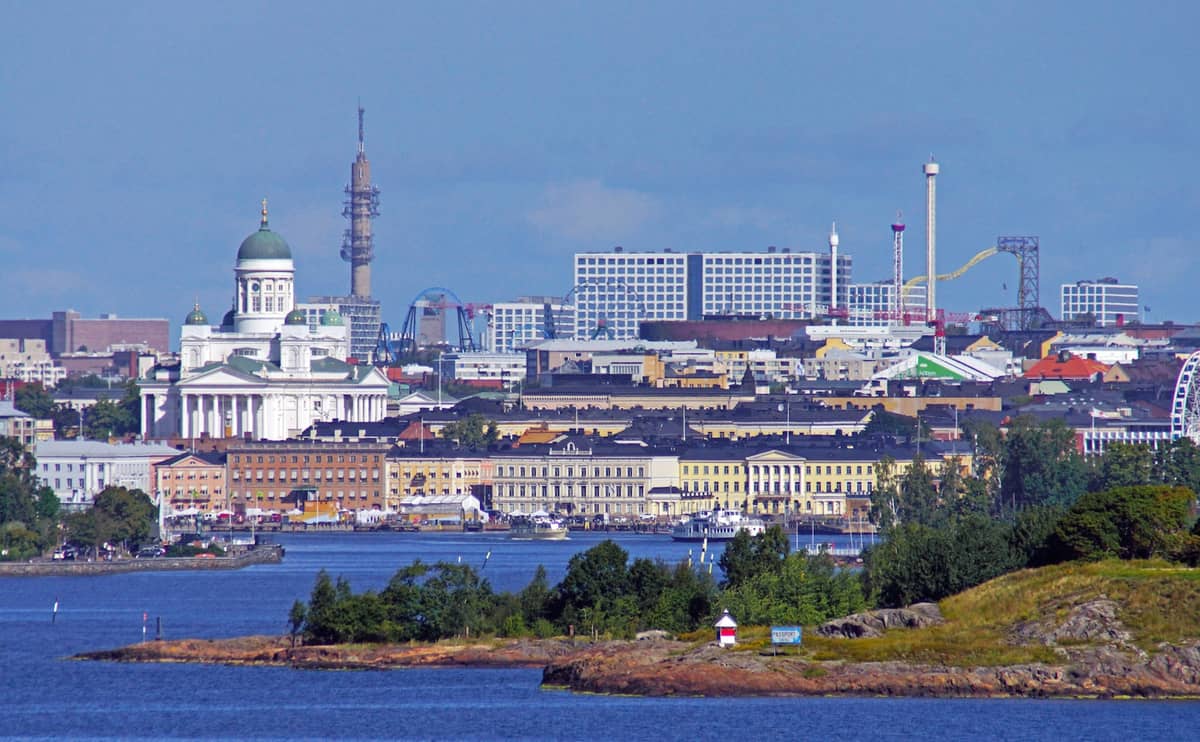
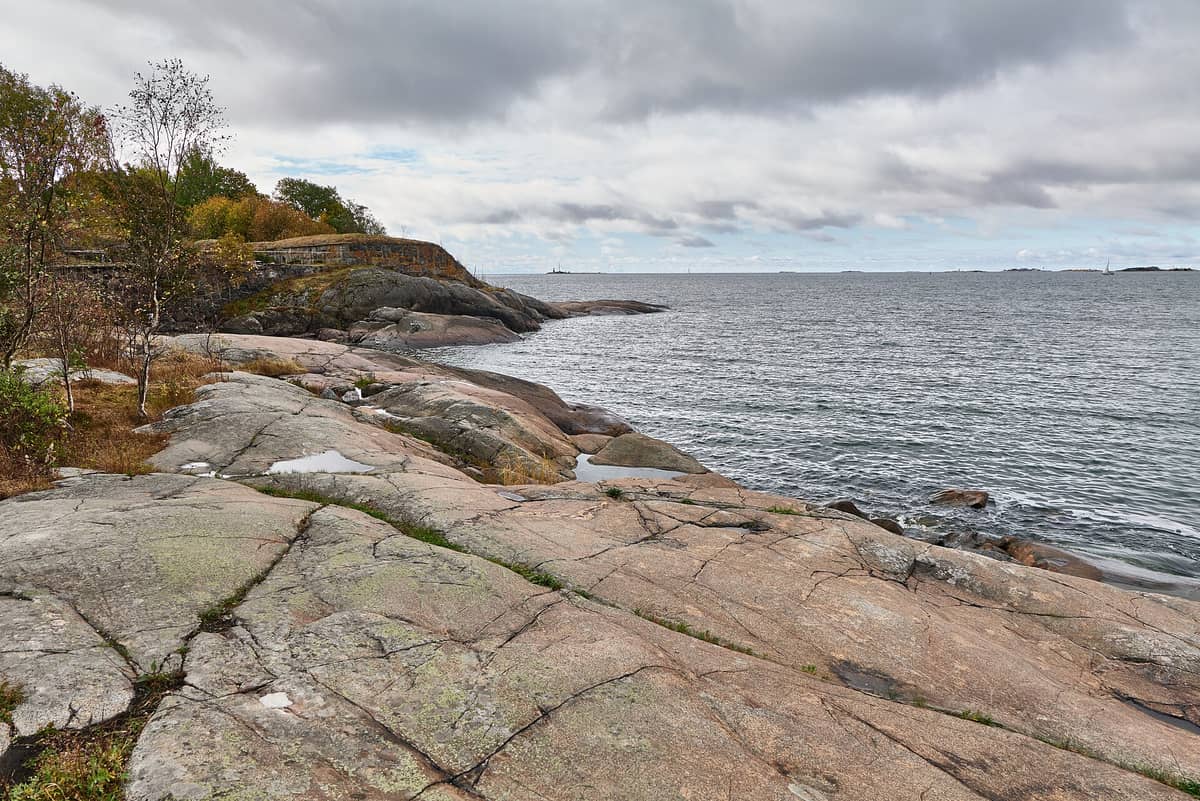
Helsinki's waterfront stretches from the bustling Market Square south along the Kaivopuisto shoreline, with ferry routes threading out to the island fortress of Suomenlinna and smaller archipelago islands. This is where the city turns its face to the sea, and where the contrast between urban life and open Baltic water is most immediate.
Helsinki has always been defined by water, and nowhere is that relationship more tangible than along the southern waterfront and its offshore islands. From the ferry piers at Kauppatori to the granite ramparts of Suomenlinna, this is the part of the city where maritime history, everyday recreation, and some of Helsinki's most dramatic scenery all converge.
Orientation
Helsinki's waterfront zone runs along the city's southern edge, roughly between the central harbor at Kauppatori (Market Square) and the residential peninsula of Kaivopuisto to the southwest. The postal area for much of this southern shoreline is 00140, and the waterfront road Merisatamanranta traces the coast between the two. To the north, the waterfront blends into the city centre around Senate Square and the South Harbor; to the west it gives way to the Punavuori and Design District neighborhoods.
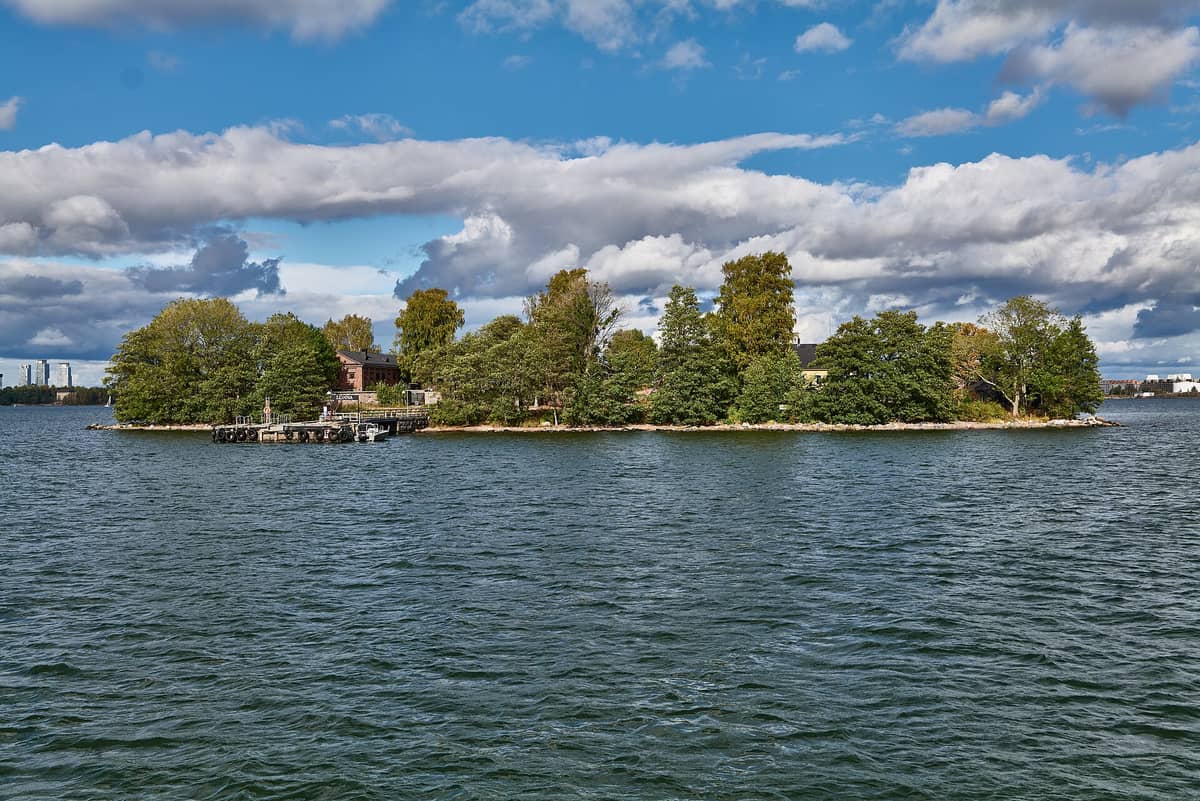
The offshore islands are not merely attractions visited from the mainland; they are administratively part of Helsinki. SuomenlinnaSuomenlinna sits roughly 3 kilometers by sea from Market Square, while smaller islands like Harakka and Lonna are even closer. Understanding the waterfront means understanding it as a two-part territory: the coastal strip you can walk, and the island cluster you reach by ferry.
The closest mainland reference points are Senate Square and the Presidential Palace, which sits directly above the ferry pier at Kauppatori. Helsinki Central Railway Station is about one kilometer north of Market Square, a roughly 15 to 20 minute walk. Trams are the most practical surface transit for moving between the waterfront and other central neighborhoods.
Character & Atmosphere
The waterfront operates on a rhythm set by ferries, light, and season. Early morning at Market Square is one of the more quietly striking urban experiences Helsinki offers: the harbor is calm, the vendors are setting up their stalls on the cobblestones, and the silhouette of Suomenlinna is visible on the horizon to the south. The smell of coffee and fresh pastries mixes with salt air. Trams rattle past on Pohjoisesplanadi, but down at the water's edge, the pace is unhurried.
By midday in summer, Market Square fills with visitors, and the area between the Old Market Hall and the ferry terminal becomes genuinely crowded. The outdoor stalls sell everything from wild strawberries and new potatoes to smoked fish and carved wooden goods. This is one of the most overtly tourist-facing parts of Helsinki, and it makes no apologies for it. The energy is festive rather than frantic, but if you are looking for quiet local life at lunch, you will need to walk south toward Kaivopuisto.
Kaivopuisto itself occupies the southwestern tip of the mainland waterfront. The park is large, leafy, and genuinely popular with Helsinki residents for weekend walks, jogging, and summer picnics. The shoreline promenade, around two and a half kilometers long, follows the coast with unobstructed sea views. On clear afternoons the light on the water here is exceptionally good, especially in late summer when the sun hangs low in the west. The park also contains a small beach area and, in summer, the celebrated waterfront sauna and swimming venue Löyly Sauna, located on Hernesaarenranta a short walk north of the park. This stretch of the waterfront feels like a different city from the tourist activity around Kauppatori.
After dark, the waterfront quiets significantly outside of summer. In winter the harbor can be almost deserted by evening, with ice forming along the shoreline and the fortress islands barely visible through the darkness. Summer evenings are the opposite: long Nordic light means the sky stays bright until 11pm, and the waterfront promenade stays active well into the night.
ℹ️ Good to know
Finns use the phrase 'merellinen Helsinki' (maritime Helsinki) to describe this whole coastal and archipelago zone. The term signals a deliberate civic identity built around the sea, not just a geographical description.
What to See & Do
The centerpiece of any visit to the islands is the Suomenlinna Sea Fortress, a UNESCO World Heritage Site spread across several islands. Construction began under Swedish rule in 1748, and the fortifications passed to Russian control in 1808 before becoming part of independent Finland in 1917. Today about 800 people live permanently on Suomenlinna, giving it a genuinely inhabited quality unlike most historic fortress complexes. You can spend a full day here: walking the ramparts, visiting the dry dock museum, exploring the underground passages, and eating lunch at one of the island's cafes.
Back on the mainland, Market Square (Kauppatori) is worth at least an hour, particularly in summer when the outdoor market is in full operation. The square faces directly onto the South Harbor and has been Helsinki's commercial waterfront since the city was founded. The neoclassical Presidential Palace and City Hall frame the northern edge of the square, while the iconic golden-domed Uspenski Cathedral rises on the Katajanokka peninsula to the east.
The Old Market Hall sits at the western end of Market Square, a late 19th-century iron-and-brick market building that still operates as a food hall. It is a good place to shelter during rain and to try Finnish specialties including smoked fish, reindeer products, and local cheeses.
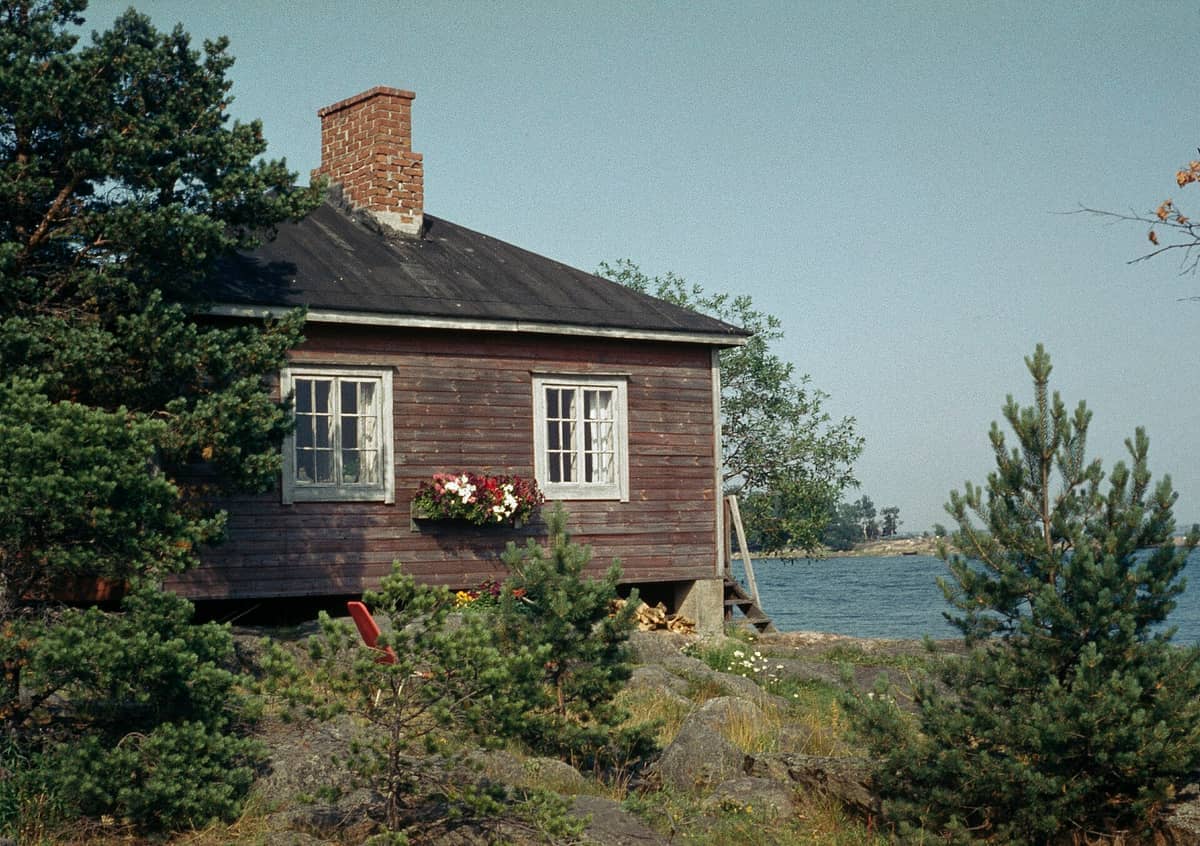
Harakka Island is a short boat ride off the Kaivopuisto shore and is managed as a nature reserve. It is a quieter and less-visited alternative to Suomenlinna, favored by birdwatchers and those wanting genuine solitude close to the city center. Lonna Island, accessible by ferry in summer, offers another low-key escape with a small cafe and sauna facilities. For a full overview of island options, the Helsinki islands guide covers the archipelago in detail.
Along the shoreline between Market Square and Kaivopuisto, the Allas Sea Pool offers year-round outdoor swimming in filtered Baltic seawater, with sauna facilities and a terrace restaurant directly above the harbor. It is a short walk from the ferry terminal and makes a natural complement to a Suomenlinna day trip.
Suomenlinna Sea Fortress: allow 3 to 5 hours for a thorough visit; the ferry crossing takes about 15 minutes
Kaivopuisto shoreline promenade: a flat, easy walk of nearly three kilometers with consistent sea views
Old Market Hall: indoor food market in a historic building constructed in 1888 and opened in 1889 at the western end of Kauppatori
Allas Sea Pool: outdoor sea swimming and sauna on the harbor, open year-round
Löyly Sauna: design-forward waterfront sauna on Hernesaarenranta, book ahead in summer
Harakka Island nature reserve: seasonal boat access, good for birdwatching and quiet walks
Lonna Island: summer-only ferry, small cafe and public sauna
Eating & Drinking
The food scene along the waterfront covers a wide range, from the casual market stalls at Kauppatori to proper restaurants with harbor views. For a genuine local food experience, the Old Market Hall remains one of the best places in Helsinki to eat Finnish produce: fresh fish, cured meats, rye bread, and seasonal berries. The hall has been operating since 1889 and the current vendors are a mix of longtime traders and newer food businesses. Prices are moderate and the quality is reliable.
The outdoor stalls on Market Square itself sell hot salmon soup, which has become something of a Helsinki institution. It is served from large pots, ladled into plastic bowls, and eaten standing at wooden counters overlooking the harbor. It is not refined dining, but it is good and emblematically Finnish. In summer the stalls also sell crayfish, new potatoes with dill, and a rotating supply of wild berries.
Löyly Sauna on Hernesaarenranta has a terrace restaurant and bar that is one of the more sought-after summer spots on the waterfront. The food leans Nordic: fresh fish, seasonal vegetables, well-made cocktails. Reservations are strongly advised in June, July, and August. Allas Sea Pool has its own restaurant and a rooftop terrace that works well for a casual lunch or afternoon drink after swimming.
On Suomenlinna itself, there are several cafes and a restaurant that operates through the summer season. The island is not the place to go for dinner unless you plan specifically around ferry times. Confirm the last ferry departure before committing to an evening meal on the island. For a broader look at where to eat across Helsinki, the Finnish food guide provides useful context on local cuisine and what to try.
💡 Local tip
Tipping is not obligatory in Finland. Service charges are included in prices, and rounding up is common but not expected. At outdoor market stalls, the price you see is the price you pay.
Getting There & Around
The most practical way to reach the waterfront from central Helsinki is by tram. Lines 1, 2, and 4 serve stops around Market Square and the adjacent streets, including Kauppatori, Ritarihuone, and Katajanokka. The nearest metro station is Helsingin yliopisto (Helsinki University), roughly a 10-minute walk north from the ferry terminal. Helsinki Central Railway Station is about one kilometer from Market Square, walkable in 15 to 20 minutes via Pohjoisesplanadi.
The Suomenlinna ferry (HSL route 19) operates year-round from the eastern side of Market Square, directly in front of the Presidential Palace. The crossing takes approximately 15 minutes and runs frequently throughout the day. This is part of the regular Helsinki public transport network: you need a valid HSL ticket for the ferry, but there is no separate island admission charge for the crossing itself. A private water taxi is also available for those who want a faster or more flexible connection.
A secondary ferry route runs from Katajanokanranta on the Katajanokka peninsula to Suomenlinna's service pier on weekdays. This is primarily used by residents and workers on the island but is also accessible to visitors. The Katajanokka stop is served by tram line 4.
⚠️ What to skip
Ferry schedules to Suomenlinna and the smaller islands change seasonally. Check current HSL timetables before visiting, and note the last departure time if you plan to spend the evening on Suomenlinna. Missing the ferry means waiting for the next one, as the island has no bridge or road connection for visitors.
For navigating the broader Helsinki transport network, the guide to getting around Helsinki covers tickets, tram routes, and the HSL app in detail. Current fares and timetables should always be verified directly with HSL, as they are subject to change.
Where to Stay
The waterfront zone itself has limited hotel stock compared to the central city, which can be an advantage or a drawback depending on priorities. Staying close to Market Square puts you within walking distance of the ferry terminal, the Old Market Hall, and the Senate Square area, and is one of the most convenient positions in Helsinki for those who want to walk to most major sights.
Katajanokka, the peninsula immediately east of Market Square, has a handful of hotels including some in converted historic buildings, and is served by tram line 4. It offers slightly quieter streets than the central waterfront while remaining very close to the ferry piers and the Uspenski Cathedral. The Kaivopuisto area to the southwest is largely residential with few hotels, but is well-suited to anyone who values proximity to the park and the quieter southern shoreline over nightlife or restaurant density.
For travelers weighing the entire city's accommodation options, the Helsinki neighborhood guide for accommodation covers the trade-offs between staying here, in Kamppi, in Kallio, and in other central areas.
Practical Notes & Seasonal Considerations
The waterfront experience changes dramatically by season. Summer (June to August) is when the outdoor market is fully operational, the islands are accessible on extended schedules, and the evening light on the water is extraordinary. Helsinki's latitude means near-continuous daylight near midsummer, and the waterfront captures this better than almost anywhere else in the city. For what to expect across seasons, the guide to Helsinki in summer and the best time to visit Helsinki provide useful context.
Winter visits are a different proposition. The harbor can freeze in cold years, and the outdoor market operates in reduced form. Suomenlinna remains open year-round and takes on a stark, photogenic quality in snow, but visitor numbers drop significantly and some island facilities close. The ferry continues operating regardless of season, making it a genuinely year-round destination for those prepared for the cold.
Accessibility is better here than in much of historic Helsinki. The Suomenlinna ferry accommodates wheelchair users and mobility scooters, and passengers using a wheelchair as a mobility aid travel at no charge on the HSL service. The Kaivopuisto promenade and much of the harbor area is flat and paved. Suomenlinna itself has uneven cobbled paths and grass-covered ramparts that can be difficult for those with limited mobility, though the main pier area and some sections of the island are accessible.
ℹ️ Good to know
Suomenlinna is a living community, not just a tourist site. Around 800 people live there permanently, and the island has a school, library, and local shops. Treat it with the same consideration you would any residential neighborhood.
TL;DR
The Helsinki waterfront and islands is the city's most photogenic and historically significant coastal zone, anchored by Market Square, Kaivopuisto park, and the UNESCO-listed Suomenlinna fortress.
Best visited in summer when the outdoor market, island ferries, and waterfront saunas are all fully operational and evening light extends past 11pm.
Suomenlinna alone justifies a half-day or full-day trip and is accessible with a regular HSL ferry ticket, making it exceptional value.
The area has a noticeable tourist presence around Kauppatori; for quieter, more residential atmosphere, walk southwest toward Kaivopuisto.
Ideal for history-focused travelers, outdoor enthusiasts, sauna-seekers, and anyone who wants to understand Helsinki's deep relationship with the Baltic Sea.
Helsinki rewards a focused two-day visit better than almost any other Nordic capital. This itinerary covers the essential landmarks, best neighborhoods, and a few genuinely worthwhile detours — with practical transport details, honest cost breakdowns, and seasonal advice built in.
Helsinki offers more than its compact scale suggests when it comes to museums. From the golden-age canvases at the Ateneum to open-air farmhouses on a forested island, the city's collections span Finnish identity, world-class design, and contemporary art. This guide covers the best museums in Helsinki, with practical advice on what to expect at each.
Helsinki rewards visitors in every season, but the experience varies dramatically. This guide breaks down weather, crowd levels, prices, and what actually happens on the ground across all four seasons, so you can pick the timing that matches your priorities.
Helsinki is compact enough to explore in a couple of days, but the surrounding region rewards further exploration. From the medieval streets of Tallinn across the Gulf of Finland to the wooden old town of Porvoo and the wilderness of Nuuksio National Park, these are the day trips worth building time into your itinerary for.
Finnish food is more than fish and potatoes. This guide covers the essential dishes to try in Helsinki, where to find them, what they cost, and which seasonal specialties are worth planning around.
Helsinki punches well above its weight for free experiences. From permanently free museums and UNESCO World Heritage sites to urban beaches, sweeping architecture, and peaceful island walks, this guide covers the best free things to do in Helsinki across every season.
Helsinki has one of the most logical public transport systems in Northern Europe, built around a zone-based ticketing network that covers buses, trams, metro, commuter trains, and ferries. This guide covers every mode of transport, from landing at Helsinki Airport to island-hopping by ferry, with practical advice on what to use and what to skip.
The Helsinki Card promises free entry to 25+ attractions plus sightseeing tours from €51 for 24 hours. But does it actually save you money? This guide runs the real numbers, explains the three card versions, and tells you exactly when it's worth buying and when it isn't.
Helsinki's Christmas market season runs from late November through December, centered on the atmospheric Tuomaan Markkinat at Senate Square. This guide covers dates, opening hours, what to expect, and how to make the most of your visit in the Finnish winter.
Helsinki offers more than its compact scale suggests when it comes to design. From the combined Architecture and Design Museum to the underground wonder of Amos Rex, plus one of Europe's most concentrated design shopping districts, this guide covers everything you need to experience the city's design culture properly.
Summer transforms Helsinki into one of Northern Europe's most rewarding city destinations. Nearly 19 hours of daylight, major arts festivals, waterfront saunas, and island escapes make June through August the city's peak season. This guide covers everything you need to plan a summer trip, from the reality of the midnight sun to navigating Midsummer closures.
Helsinki in winter is a different city entirely. Snow-dusted streets, just six hours of daylight, and a culture built for cold. This guide covers everything from average temperatures and transport to the best seasonal activities, so you can decide if a winter visit is right for you.
Helsinki is defined by its archipelago. With dozens of islands ranging from a UNESCO World Heritage fortress to tiny sauna islands, knowing which to visit and how to reach them makes the difference between a great trip and a missed opportunity. This guide covers the best islands for every type of visitor.
Helsinki's market halls are the city's most reliable year-round food destinations, offering everything from fresh Finnish fish and game to evening dining and weekend flea markets. This guide covers all three halls — Old Market Hall, Hakaniemi, and Hietalahti — with practical details on what to eat, when to go, and how to get there.
Helsinki's nightlife runs later than most visitors expect, with licensed venues legally permitted to serve alcohol until 04:00 and some clubs closing even later. This guide covers the best neighborhoods, key venues, alcohol laws, and how to get home safely after a long night in the Finnish capital.
Helsinki has a reputation for being expensive, and it partly deserves it. But with the right strategy, you can see the best of Finland's capital without hemorrhaging euros. This guide covers transport costs, free attractions, the Helsinki Card, and practical tips for keeping your daily spend under control.
Sauna is not a wellness trend in Helsinki — it is infrastructure. This guide breaks down the best public saunas in the city by type, price, and experience, with practical advice on booking, etiquette, and what each venue actually delivers.
Helsinki is a surprisingly strong shopping destination. This guide covers the city's best shopping districts, indoor market halls, open-air markets, and the Finnish design brands worth seeking out, with practical hours, seasonal tips, and practical advice on what to skip.
The Helsinki to Tallinn ferry is one of the busiest short sea crossings in Europe, with up to 6 daily sailings per direction, crossing times as short as 2 hours, and fares starting around €15. This guide covers every operator, pricing reality, port logistics, and seasonal tips so you can book smart.
Vappu transforms Helsinki into Finland's largest outdoor celebration every 30 April and 1 May. From the iconic Havis Amanda statue capping ceremony to sprawling picnics in Kaivopuisto Park, this guide covers everything you need to know to experience the festivities like a local.
Helsinki is a city defined by water, sky, and open horizon. Whether you're scanning the harbour from a cathedral terrace or watching the sun set from a rooftop bar, these are the best viewpoints in the city, ranked and organised by type.
This guide walks you through the best self-guided route across central Helsinki, covering Senate Square, the waterfront, Esplanadi Park, Oodi Library, and beyond. Get practical stop-by-stop advice, timing tips, and honest notes on what to skip.
Helsinki's climate swings from dark, snowy winters to long-lit summers with near-19 hours of daylight. This guide breaks down Finland weather month by month, covering temperatures, precipitation, daylight, and exactly what to wear and plan for each season.
Helsinki is one of Northern Europe's most practical cities for families, with a compact layout, excellent public transport, and a strong mix of indoor and outdoor attractions that work across all seasons. This guide covers the best kid-friendly experiences, clear pricing, seasonal logistics, and what to skip.
Helsinki divides opinion. Some travelers leave wondering what the fuss was about; others come back every year. This guide cuts through the noise with specific costs, seasonal realities, and an honest take on what the Finnish capital actually delivers — and where it falls short.
Helsinki packs an extraordinary range of experiences into a compact, walkable city on the Baltic coast. This guide covers the best things to do in Helsinki across culture, nature, food, and nightlife, with practical advice on what's worth your time and what to skip.
Helsinki is compact enough that almost any central neighbourhood works as a base, but the right choice depends on your budget, travel style, and priorities. This guide breaks down the best areas to stay, typical hotel prices by category, and what to watch out for before you book.