Is Helsinki Worth Visiting? An Honest Assessment
Helsinki divides opinion. Some travelers leave wondering what the fuss was about; others come back every year. This guide cuts through the noise with specific costs, seasonal realities, and an honest take on what the Finnish capital actually delivers — and where it falls short.
Plan and book this trip
Tools from our partner Travelpayouts help you compare flights and hotels. If you book through them, we may earn a commission at no extra cost to you.
Flights
Hotels map
TL;DR
- Helsinki is a compact, well-organized capital with excellent design, waterfront scenery, world-class saunas, and one of Northern Europe's best archipelago day-trip scenes.
- It is expensive by most standards — budget around €80–130 per day for mid-range travel including accommodation, food, and transport.
- Summer (June–August) is the obvious peak season with 18–25°C temperatures and near-endless daylight, but winter Helsinki has its own appeal for sauna culture, Christmas markets, and snow-dusted architecture.
- English is spoken virtually everywhere, public transport is reliable and easy to navigate, and the airport train takes about 30 minutes to the city centre on an ABC-zone ticket..
- If you like open spaces, good coffee, design culture, and nature within the city limits, Helsinki rewards you. If you need a packed nightlife strip or Mediterranean warmth, look elsewhere — or read our Helsinki nightlife guide before writing it off entirely.
What Kind of Traveler Will Love Helsinki
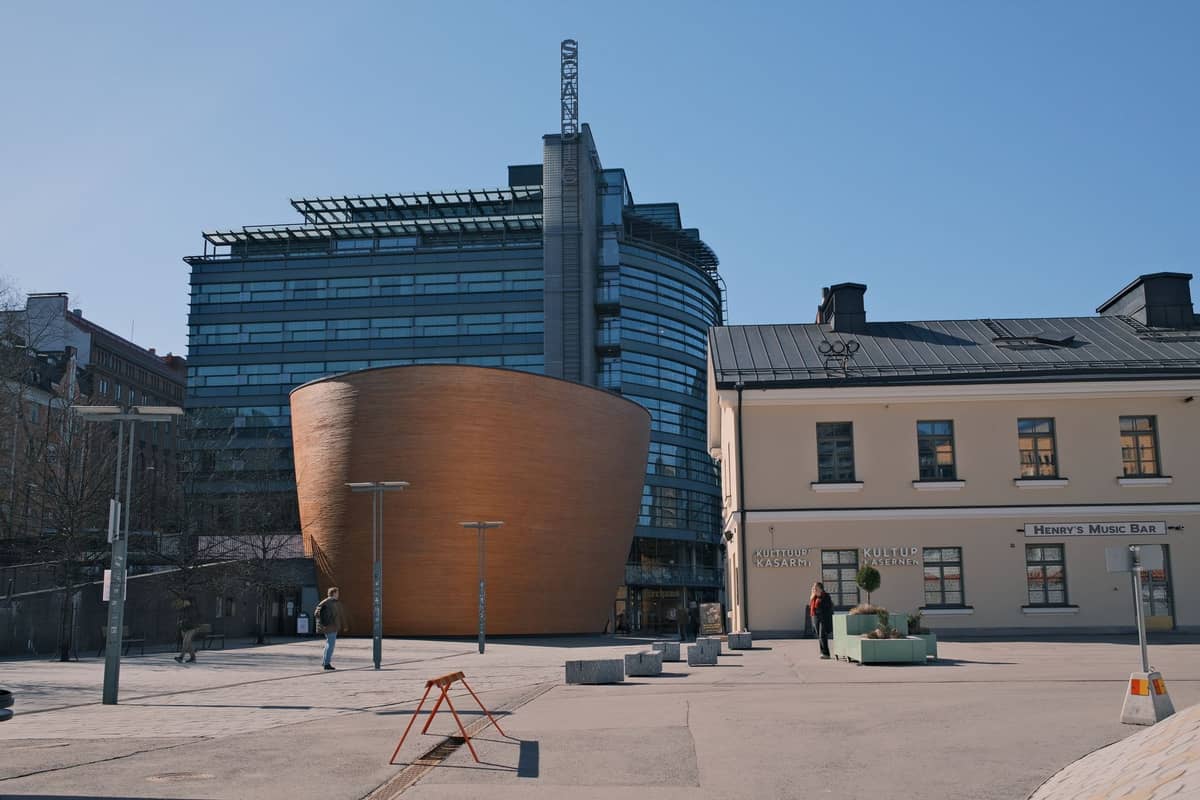
The question of whether Helsinki is worth visiting depends almost entirely on what you want from a city break. Helsinki rewards travelers who enjoy architecture, design, food culture, and nature in an urban setting. It is not a city that performs for you — there is no Eiffel Tower moment, no single landmark that makes the trip. The payoff is cumulative: the quality of the espresso, the way the harbor looks at 10pm in July when the sun has barely set, the silence inside Temppeliaukio Church, the steam of a wood-fired sauna beside the sea.
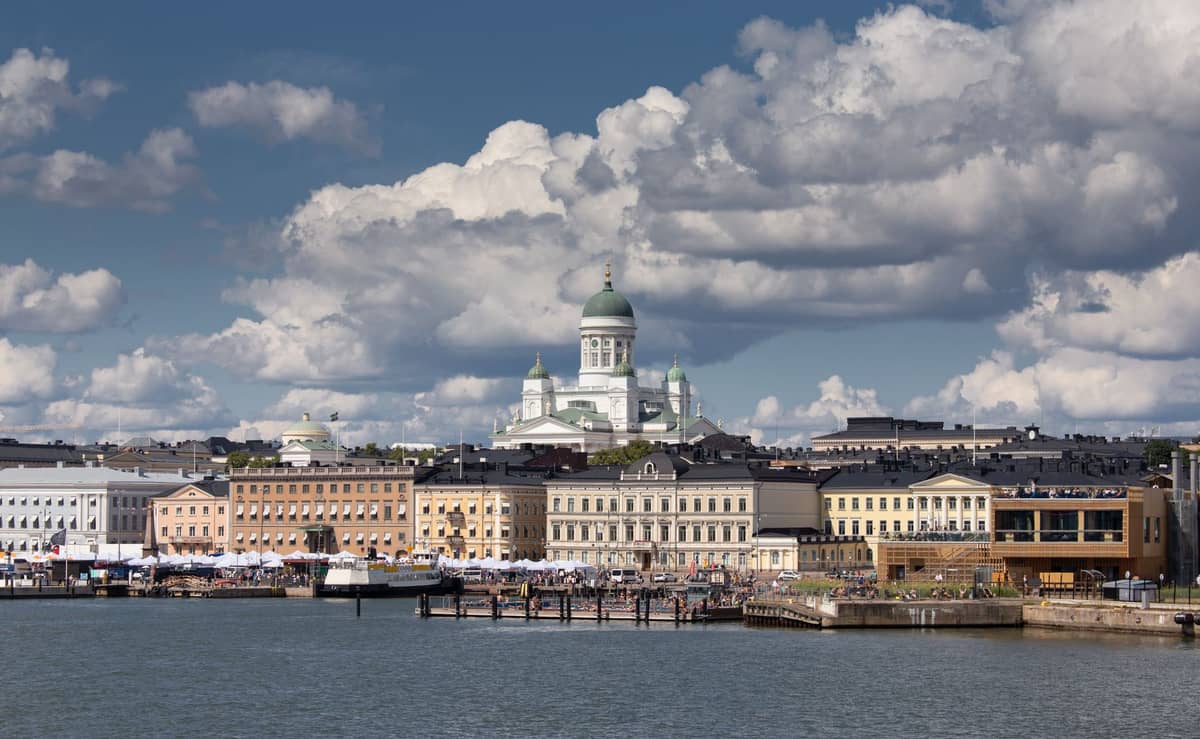
First-time visitors to Northern Europe often find Helsinki a confident introduction to Scandinavian and Nordic urban life. The Design District in Punavuori concentrates independent galleries, boutiques, and studios in a walkable grid. The waterfront from Kaivopuisto to the Market Square is genuinely beautiful on a clear day. And the archipelago — with islands accessible by public ferry in under 30 minutes — offers the kind of coastline most capital cities can only envy.
ℹ️ Good to know
Helsinki is officially bilingual (Finnish and Swedish), but English is the practical language for visitors. Service staff, transport signs, museum labels, and menus are routinely available in English. Language is not a barrier here.
The Honest Case Against Helsinki
Helsinki is one of the more expensive European capitals. A sit-down lunch in a mid-range restaurant typically runs €15–22 per person; a craft beer in a bar costs €7–10; a single HSL AB-zone public transport ticket is €3.30. Budget travelers will find it challenging without careful planning. Unlike Prague, Lisbon, or Krakow, Helsinki does not offer the combination of European heritage and low costs that makes some cities so easy to recommend unconditionally.
The city is also small by capital-city standards. With a municipal population of 694,392, Helsinki has a cultural scene larger than its size suggests, but a focused visitor can cover the main sightseeing areas in two to three days. If you are spending a week and expecting the scale of Paris or Berlin, you will run out of obvious things to do. That said, day trips from Helsinki to Porvoo, Tallinn, and Nuuksio National Park extend the trip considerably.
- Worth it for Design and architecture enthusiasts, sauna culture seekers, island and nature lovers, Nordic food fans, travelers on a city-break to a European capital they haven't done yet
- Less suited for Travelers on very tight budgets, those wanting warm Mediterranean weather, visitors expecting round-the-clock nightlife, anyone needing a theme-park density of sights
- Better in summer than winter if You prioritize outdoor activities, island hopping, and terrace dining — the city is genuinely transformed by warm weather and long days
- Better in winter if You want saunas, Christmas atmosphere, lower hotel rates, and fewer tourists — December to February is quieter and has its own stark beauty
What to Actually Do in Helsinki
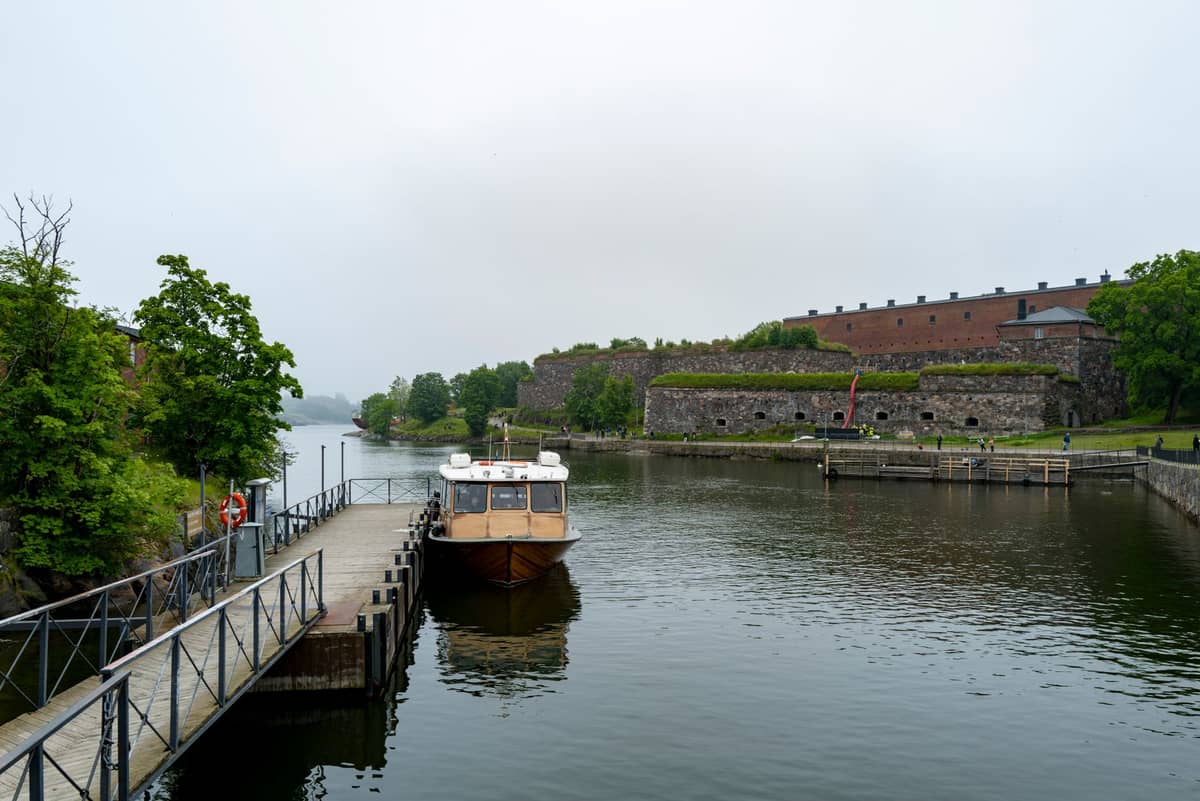
The two non-negotiable experiences are the archipelago and a proper sauna. For the archipelago, take the HSL ferry from the Market Square to Suomenlinna fortress — a UNESCO World Heritage sea fortress that doubles as a living neighborhood. The ferry is covered by a standard HSL AB-zone ticket and runs frequently. Suomenlinna alone justifies a half-day; combine it with a walk along the fortress walls, a visit to the museum, and lunch at one of the island's small restaurants.
For saunas, skip the hotel sauna and go to a dedicated public venue. Löyly saunaLöyly on the Hernesaari waterfront is the most architecturally striking option, with a wood-fired sauna and a cold-water dock directly on the sea. Allas Sea Pool near the Market Square combines outdoor swimming pools with sauna facilities in a harbor setting., with a wood-fired sauna and a cold-water dock directly on the sea. Allas Sea Pool near the Market Square combines outdoor swimming pools with sauna facilities in a harbor setting. Both require booking in advance, especially on weekends. Our Helsinki sauna guide covers every serious option with current pricing.
Beyond those two experiences, Helsinki's strengths are its museums and its walkability. The Ateneum Art Museum holds Finland's national art collection including Akseli Gallen-Kallela's Kalevala works. Kiasma covers contemporary art in a striking Steven Holl-designed building. The Temppeliaukio Church — carved directly into bedrock in 1969 — is one of the genuinely unusual architectural experiences in any European city. Helsinki's best museums cover everything from design history to Finnish national identity.
💡 Local tip
The Helsinki Card The Helsinki Card includes free entry to many attractions and unlimited public transport in the city zone. It makes financial sense if you plan to visit three or more paid attractions in a day. Check the current attraction list on the Helsinki Card website before buying — coverage changes seasonally. It makes financial sense if you plan to visit three or more paid attractions in a day. Check the current attraction list on the Helsinki Card website before buying — coverage changes seasonally.
Costs and Budgeting Realistically
Helsinki is not the most expensive city in Europe, but it is consistently in the top tier. The key cost categories to understand before you go are accommodation, food, transport, and attractions. Hotel prices in central Helsinki for a mid-range double room typically range from €100–180 per night in summer; budget options and hostels start around €40–60 per person. Airbnb and apartment rentals can offer better value for stays of three nights or more.
Public transport is well-priced relative to the service quality. An AB-zone single ticket costs €3.30, a 24-hour AB ticket is €10.60, and the airport train (ABC zone) costs €4.50 with 90 minutes of validity. Day tickets and multi-day passes make sense for active sightseers. The full guide to getting around Helsinki explains zones, apps, and ticketing in detail. For a comprehensive breakdown of how to stretch your budget, the Helsinki on a budget guide is the most practical starting point.
- Budget traveler (hostels, market halls, self-catering): approximately €50–70 per day
- Mid-range traveler (3-star hotel, sit-down lunches, paid attractions): approximately €120–180 per day
- Comfortable travel (4-star hotel, restaurant dinners, taxis): approximately €200–300 per day
- Tipping is not obligatory in Finland — service charges are included in prices. Rounding up is appreciated but never expected.
- Tap water in Helsinki is safe to drink and excellent quality — order it freely in restaurants to cut costs
When to Go: Seasonal Realities
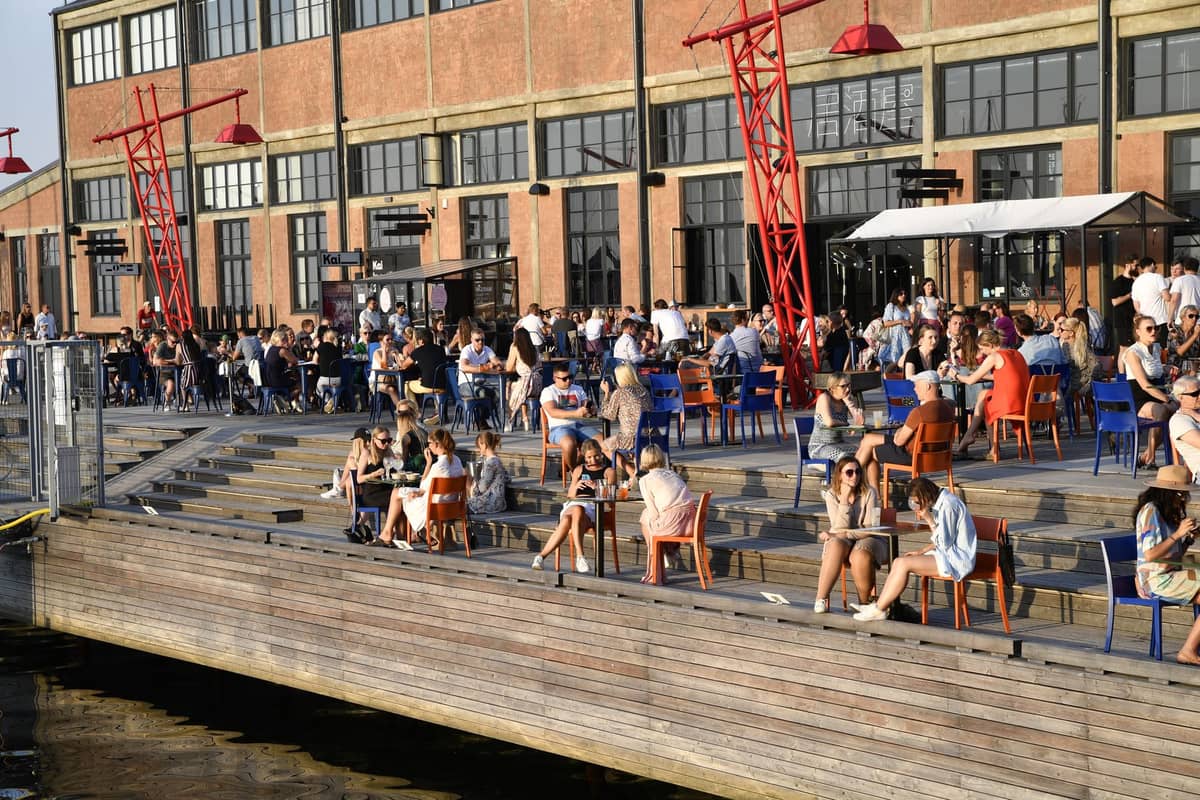
The honest answer is that Helsinki in summer (June–August) is a different city from Helsinki in winter. Summer temperatures are typically 18–25°C, daylight extends past 10pm near the solstice, terraces fill up, the islands become accessible, and the city's waterfront identity comes fully alive., daylight extends past 10pm near the solstice, terraces fill up, the islands become accessible, and the city's waterfront identity comes fully alive. June and July are peak season with the highest hotel prices and the most visitors. If you want summer with fewer crowds and slightly lower prices, late May and early September are solid alternatives. Our best time to visit Helsinki guide goes deeper on month-by-month conditions.
Winter runs December through February with average temperatures of -5°C to 0°C, regular snowfall, and roughly six hours of daylight. This is not a deterrent if you embrace it: the sauna culture is at its most relevant, the Helsinki Christmas markets run through December, and hotel rates drop noticeably. The city does not shut down in winter — it adapts. That said, outdoor sightseeing, island ferries, and terrace culture are largely off the table. Spring (March–May) is underrated: snow melts, days lengthen quickly, and by May the city is genuinely pleasant without the summer crowds.
⚠️ What to skip
July is peak tourist season and Helsinki's hotel capacity is limited relative to demand. Book accommodation at least 6–8 weeks in advance for summer travel, especially around Midsummer (late June) when many locals also travel and some city businesses close or reduce hours.
Practical Entry and Getting There
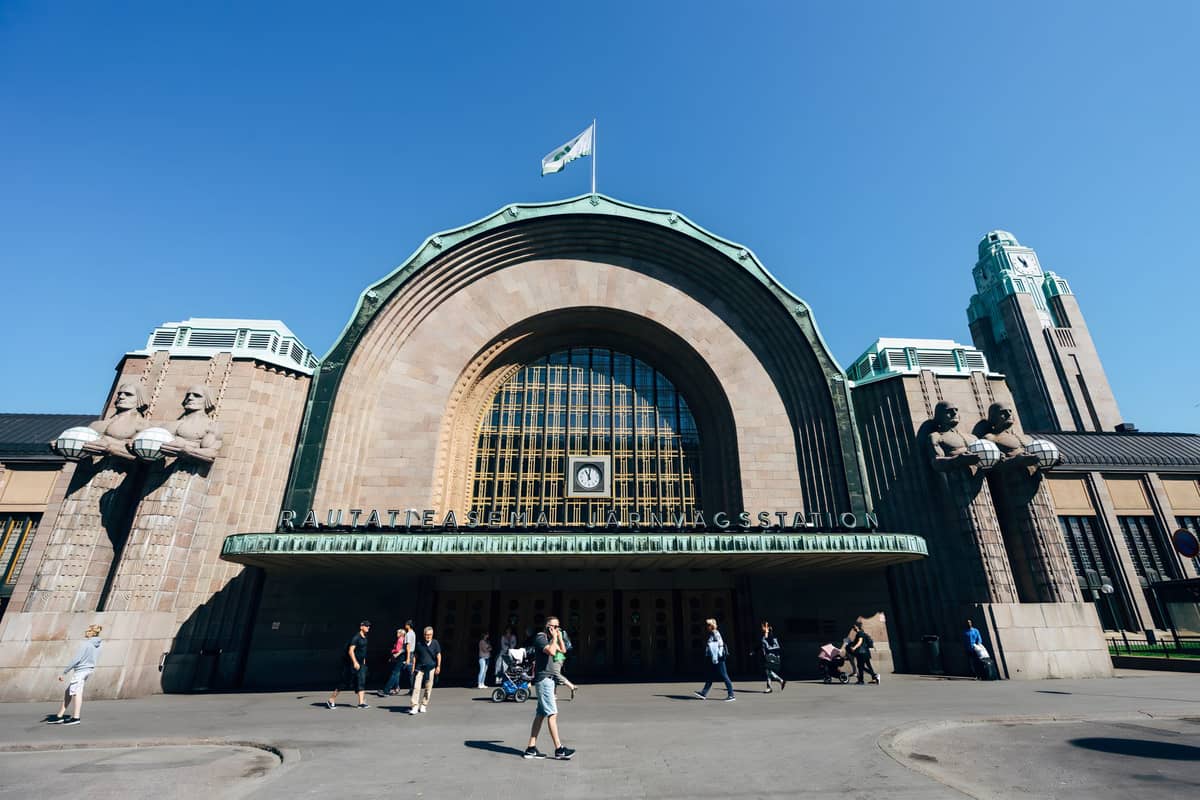
Helsinki is served by Helsinki-Vantaa Airport (IATA: HEL), located in the city of Vantaa about 17 km north of the city centre. The ring rail line connects the airport directly to Helsinki Central Railway Station in approximately 30 minutes. A single ABC-zone HSL ticket (currently €4.40) covers the journey and is valid for 90 minutes, allowing onward connections. Tickets can be bought via the HSL app, platform machines, or at R-kioski outlets in the terminal.
Finland is a Schengen Area member. Citizens of EU and EEA countries, as well as many other nationalities, can enter visa-free for tourism stays up to 90 days in any 180-day period. Exact entry requirements depend on your nationality and are subject to change — always check current conditions with the Finnish Ministry for Foreign Affairs or your country's official travel advisory before booking. Finland uses the Euro (EUR); cards are accepted almost universally, including for small purchases. The country dialing code is +358, and the emergency number is 112.
FAQ
Is Helsinki worth visiting for just 2 days?
Yes, two days is enough to cover the core of Helsinki well. Day one: Senate Square and the Cathedral, the Market Square, a ferry to Suomenlinna, and the Old Market Hall. Day two: Temppeliaukio Church, the Design District, Kiasma or Ateneum, and an evening sauna at Löyly or Allas Sea Pool. Two days won't exhaust the city but will give you a genuine sense of it.
Is Helsinki expensive compared to other European capitals?
Yes, Helsinki is among the pricier European capitals, comparable to Stockholm and Copenhagen. A mid-range sit-down lunch costs €15–22, a beer in a bar €7–10, and a mid-range hotel room €100–180 per night in summer. That said, public transport is affordable and efficient, tap water is free and excellent, and the market halls offer good-value food options.
Is Helsinki worth visiting in winter?
It depends on your priorities. Winter Helsinki (December–February) offers a genuine sauna culture experience, Christmas markets in December, and quieter streets with lower hotel rates. Daylight is limited to around 6 hours, island ferries are reduced, and temperatures average -5°C to 0°C. If you go in winter, lean into it: sauna evenings, warm market food, and the occasional snowfall make it atmospheric rather than gloomy.
How easy is it to get around Helsinki without a car?
Very easy. Helsinki has an integrated public transport network run by HSL covering metro, trams, buses, commuter rail, and some ferries — all on the same ticketing system. The city centre is compact and walkable. Most major attractions are within walking distance of each other or a short tram ride away. A car is not needed and would be a disadvantage given parking costs and the quality of public transport.
What is Helsinki most famous for?
Helsinki is known internationally for its design culture (it was a UNESCO City of Design), its sauna tradition, the Suomenlinna sea fortress (a UNESCO World Heritage Site), its neoclassical and Art Nouveau architecture, and its archipelago. It is also consistently ranked among the world’s most livable cities, which reflects in its clean streets, functional infrastructure, and high quality of public services. It is also consistently ranked among the world's most livable cities, which reflects in its clean streets, functional infrastructure, and high quality of public services.