Helsinki Market Halls: A Food Lover's Complete Guide
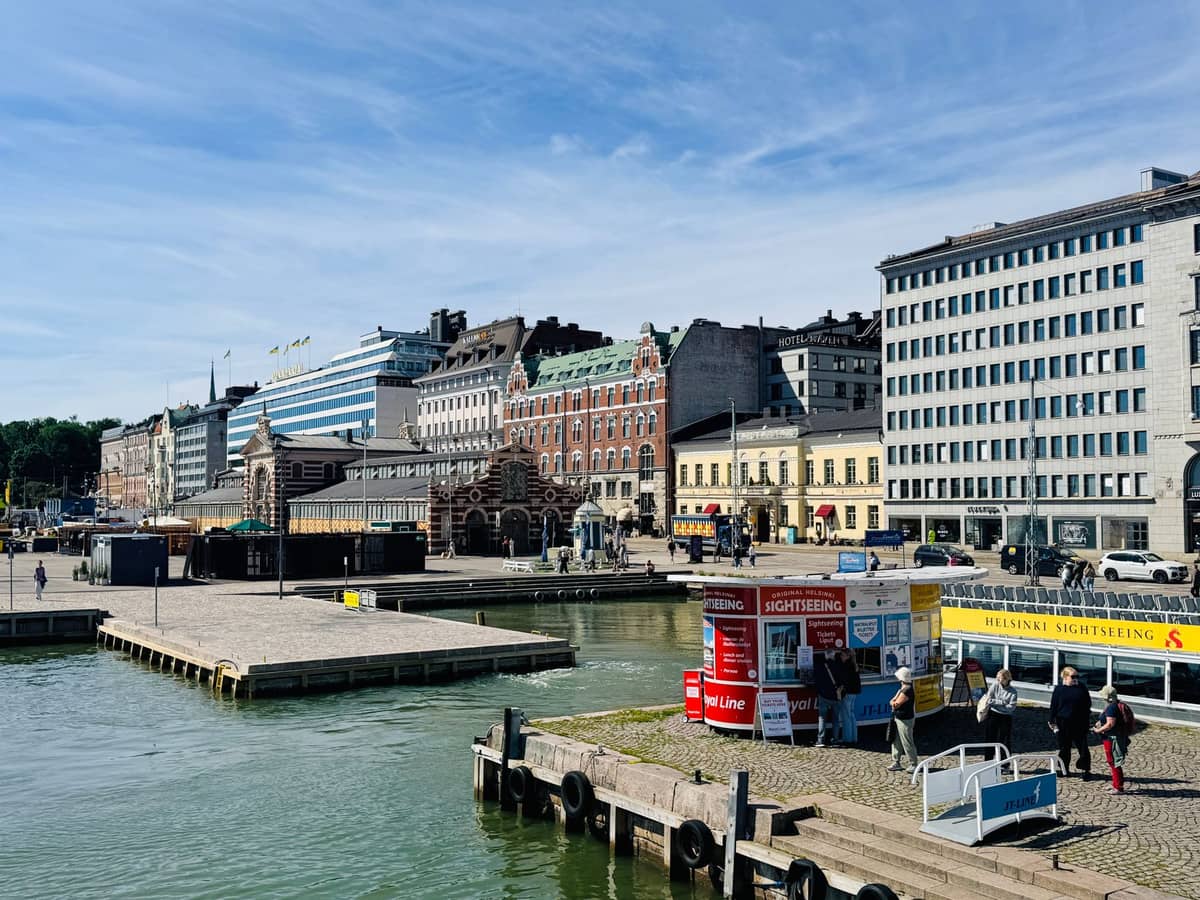
Helsinki's market halls are the city's most reliable year-round food destinations, offering everything from fresh Finnish fish and game to evening dining and weekend flea markets. This guide covers all three halls — Old Market Hall, Hakaniemi, and Hietalahti — with practical details on what to eat, when to go, and how to get there.
Plan and book this trip
Tools from our partner Travelpayouts help you compare flights and hotels. If you book through them, we may earn a commission at no extra cost to you.
Flights
Hotels map
TL;DR
- Helsinki has three main market halls: Old Market Hall (Vanha Kauppahalli) by the South Harbor, Hakaniemi Market Hall in the Kallio district north of the city center, and Hietalahti Market Hall near the Design District.
- All three operate year-round, making them far more reliable than outdoor markets in cold or rainy weather.
- Expect to pay around €10-20 for a lunch dish and under €7 for coffee and pastries. Card payments are widely accepted.
- Hietalahti doubles as an evening dining venue on Fridays and Saturdays — a detail most guides miss. For broader context on eating in Helsinki, see our Finnish food guide.
- Always verify hours before visiting — public holidays frequently cause closures or reduced opening times.
Why Helsinki's Market Halls Matter
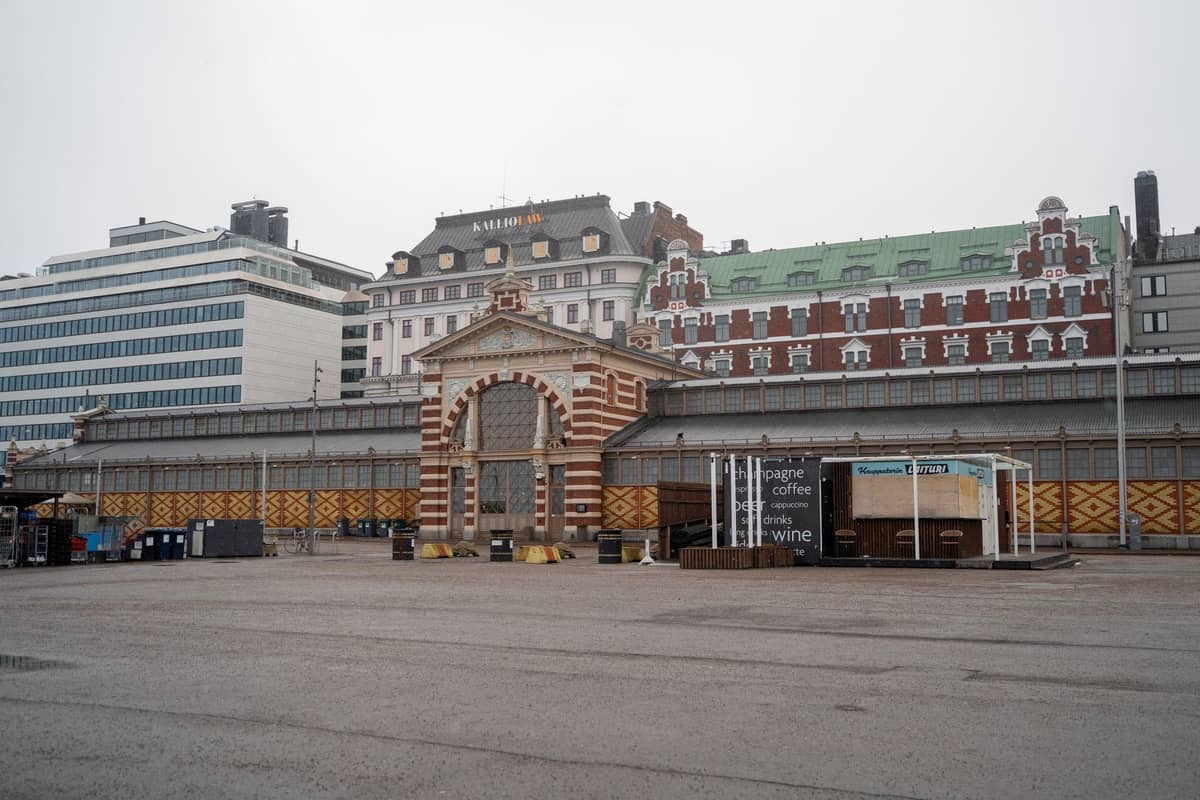
Outdoor markets in Helsinki are seasonal by necessity. When temperatures drop below freezing and daylight shrinks to six hours, the city's three indoor market halls become the real pulse of local food culture. These aren't tourist-facing food courts with generic menus — they're working markets where Helsinki residents shop for Finnish fish, forage-sourced mushrooms and berries, artisan cheeses, cured reindeer, and fresh rye bread. They also happen to be excellent places to eat lunch. For anyone serious about Finnish food, the market halls are essential stops.
The three halls each have distinct characters. Old Market Hall (Vanha Kauppahalli) is the most polished and tourist-friendly, sitting directly on the South Harbor next to the open-air market square. Hakaniemi is the most local — a working-class neighborhood hall that has survived urban change largely intact. Hietalahti has reinvented itself as an evening food destination with a weekend flea market attached. Together, they cover the full range of what Helsinki's food scene offers.
Old Market Hall (Vanha Kauppahalli)
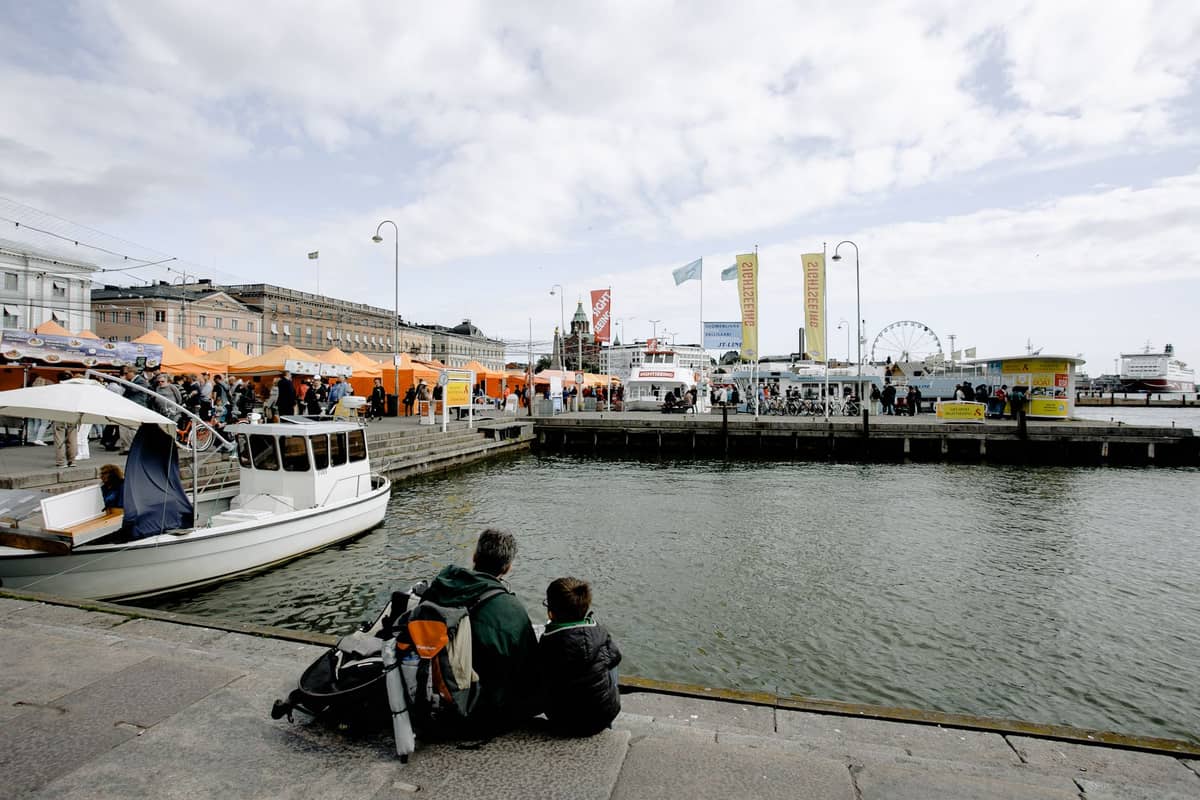
Located at Eteläranta 9 on the South Harbor, the Old Market Hall sits right next to the Kauppatori market square and is within easy walking distance of Helsinki Central Railway Station. The hall itself dates from 1889 and retains its original red-brick architecture, making it one of the more photogenic food markets in Northern Europe.
Inside, expect vendors selling smoked and salted fish (Baltic herring is the staple), reindeer products, Finnish cheeses, local honey, wild berry jams, and traditional pastries like korvapuusti (cinnamon rolls). Several stalls also serve hot lunches — fish soup, salmon dishes, and open-faced sandwiches are typical. It's compact enough to walk through in 20 minutes but rewards slower browsing. Prices here are slightly higher than at Hakaniemi, reflecting both the central location and the tourist footfall.
ℹ️ Good to know
Opening hours at the Old Market Hall are typically Monday to Saturday 8:00-18:00, with Sunday hours listed as 10:00-17:00 on the hall's official site. However, many third-party travel guides still list it as closed on Sundays — this is outdated information. Confirm directly before a Sunday visit, and note that major Finnish public holidays (Easter, Christmas, Midsummer) often bring closures or shortened hours.
The Old Market Hall is best visited on a weekday morning, when it's stocked and staffed fully, and crowds are thin. On summer weekends, the combination of the adjacent Market Square and Esplanadi area draws large numbers of day-trippers, and the hall can feel cramped. In winter, it's comfortably quieter and arguably more atmospheric.
Hakaniemi Market Hall
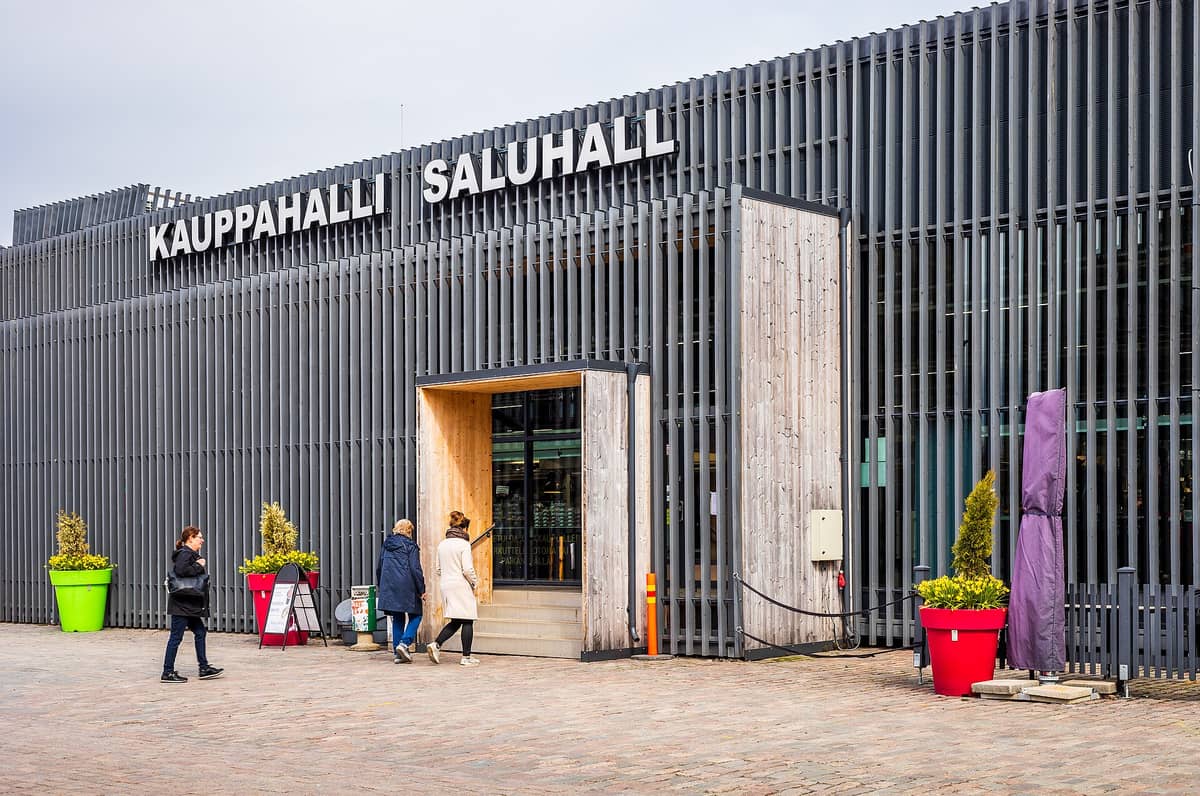
Hakaniemi Market Hall at Hämeentie 1a is the least glamorous of the three halls and the most authentic. Situated in the Hakaniemi district north of the city center, it's easily reached by metro (Hakaniemi station is directly outside), tram, or bus. The building has two floors: the ground floor handles fresh produce, meat, fish, and deli goods, while the second floor is given over to fabric, clothing, and household goods — a genuine working market that serves the neighborhood rather than visitors.
The hall is popular with the residents of Kallio, the dense inner-city neighborhood immediately to the north. If you want to see how Helsinki residents actually shop rather than how they perform shopping for outsiders, this is the right place. Lunch here is unpretentious and good value: expect traditional Finnish home-cooking dishes, hearty soups, and baked goods at prices closer to €10-15 for a full meal.
Official hours run Monday to Saturday 8:00-18:00 for the ground floor, with the second floor open at least Monday to Friday 10:00-17:00 and Saturday 10:00-15:00. Hakaniemi is a quieter hall than the Old Market Hall on most days, which makes it easier to take your time, talk to vendors, and get a clearer sense of what Finnish everyday food culture looks like.
✨ Pro tip
Hakaniemi also has an outdoor market square (Hakaniementori) directly in front of the hall. On warmer mornings, vendors spill outside with seasonal produce. The indoor hall is open year-round regardless of weather, making it the more reliable option when temperatures drop.
Hietalahti Market Hall (Hietalahden Kauppahalli)
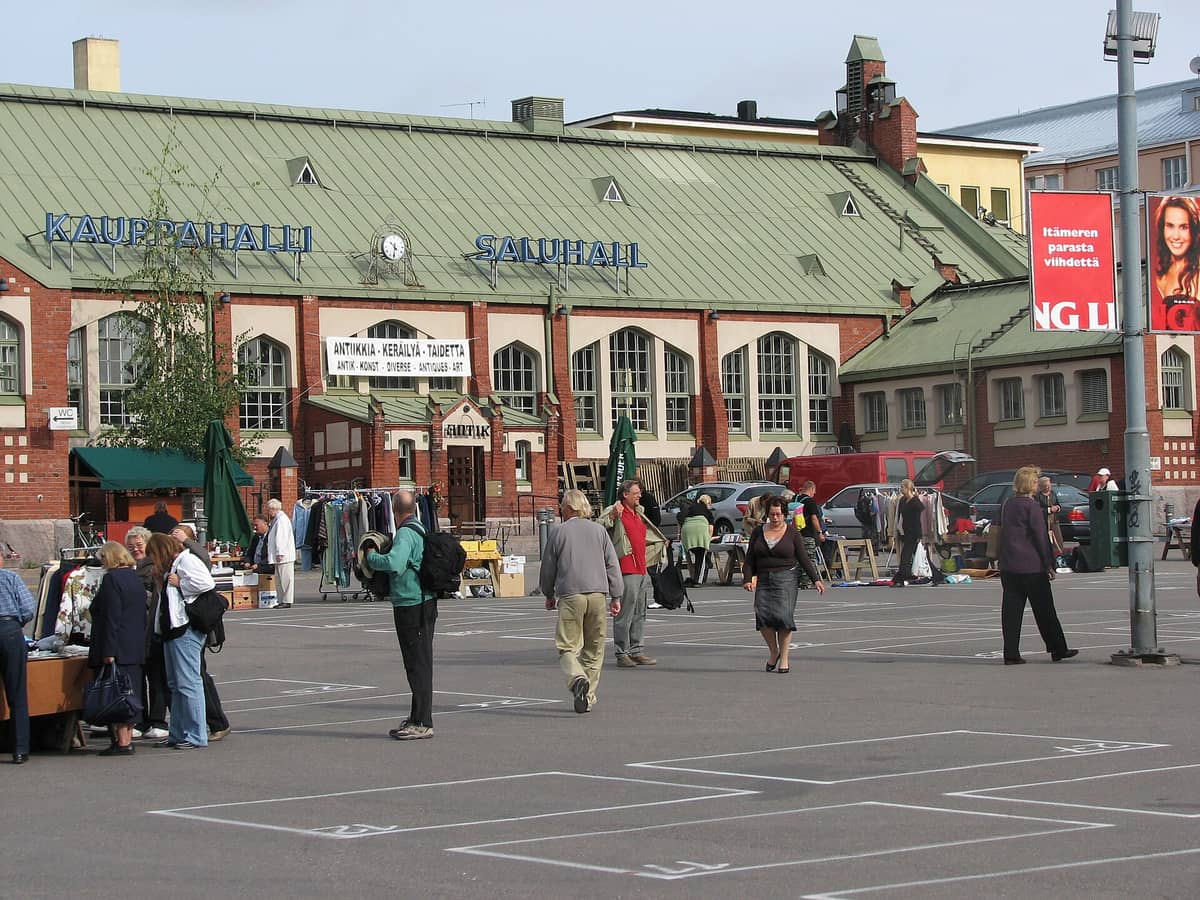
Hietalahti Market Hall at Lönnrotinkatu 34 sits at the edge of the Helsinki Design District and adjacent to the Hietalahti flea market square. Of the three halls, it has reinvented itself most dramatically in recent years, shifting from a daytime food market to a mixed daytime-and-evening destination.
During the day, Hietalahti operates like a conventional market hall with food stalls, delis, and lunch options. But on Wednesday through Saturday evenings, the hall stays open late — Fridays and Saturdays until around 23:00 — with restaurants serving full dinner menus. This evening function is still underreported in most travel guides, which continue to treat it purely as a daytime market. If you're looking for a relaxed Friday night out in a distinctive setting away from the main tourist corridors, it's worth knowing about.
The flea market at Hietalahdentori outside the hall operates on summer weekends from roughly May to September, typically around 10:00-15:00, with extended hours through July. It's one of the larger outdoor flea markets in the city and draws a mix of locals selling household items and more curated vintage goods. The combination of flea market, daytime food hall, and evening dining makes a Saturday visit here genuinely full-day territory.
⚠️ What to skip
Hietalahti's hours vary more than the other two halls — different vendors keep different schedules, and listed hours across sources sometimes conflict. The hall's general framework is roughly Monday-Tuesday 8:00-18:00, Wednesday-Thursday 8:00-21:00, Friday-Saturday 8:00-23:00, Sunday 10:00-18:00, but individual stalls may close earlier. Check before making it the sole purpose of an evening trip.
What to Eat: Finnish Market Hall Essentials
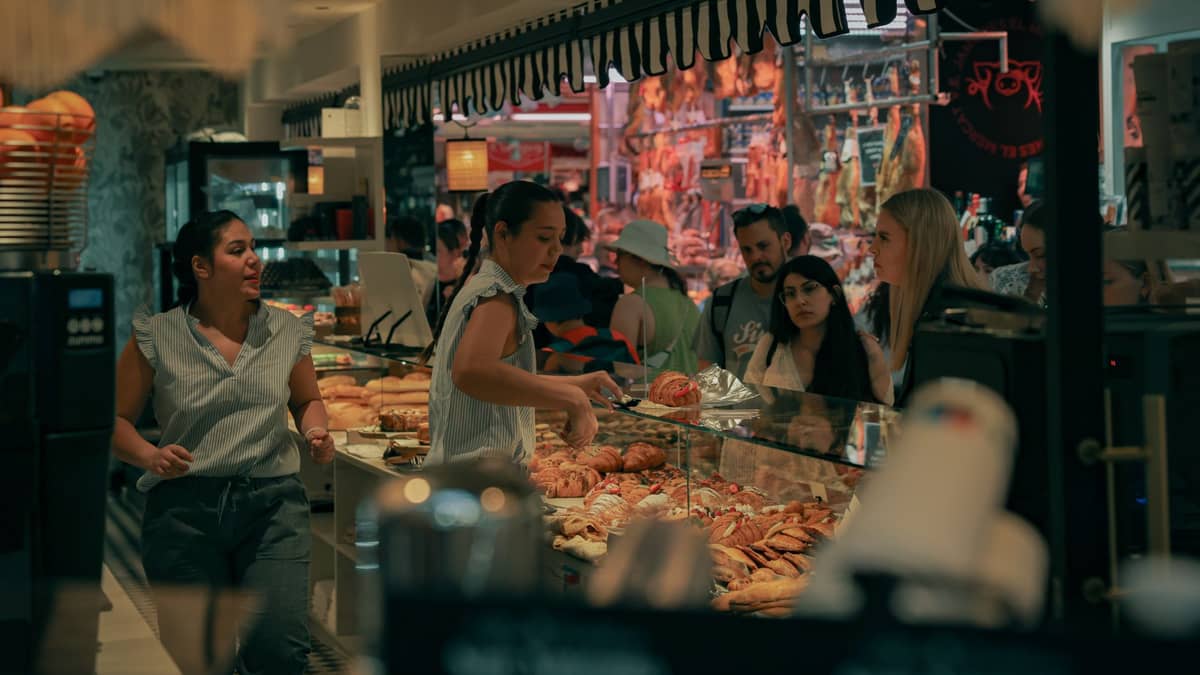
The market halls are one of the best introductions to Finnish food that Helsinki offers — more grounded and less performative than a dedicated restaurant experience. Several dishes and products appear across all three halls and are worth seeking out. For a fuller breakdown of Finnish cuisine and where to eat it across the city, the Finnish food guide goes deeper on context and recommendations.
- Lohikeitto (salmon soup) A creamy, dill-heavy salmon soup served hot with rye bread. The market hall version is typically fresher and more straightforward than restaurant adaptations. Expect around €8-12 for a bowl.
- Baltic herring (silakka) Finland's most important fish, available smoked, salted, marinated, or fried. The Old Market Hall has the widest selection of herring preparations. Cheap, flavourful, and entirely Finnish.
- Reindeer products Cured and smoked reindeer meat (poronkuivaliha) appears at most halls as both a prepared snack and a packaged product to take home. Flavour is mild, slightly gamey, and worth trying even if you're skeptical.
- Korvapuusti (Finnish cinnamon roll) Larger and denser than a Scandinavian-style cinnamon roll, flavoured with cardamom, and best eaten warm. Under €4 at most stalls. One of the more reliable pleasures of any market hall visit.
- Wild berries and mushrooms Seasonal produce that reflects Finland's strong foraging culture. Lingonberries, cloudberries, and bilberries appear in summer and autumn. Dried and preserved versions are available year-round.
- Finnish rye bread (ruisleipä) Dense, sour, and nothing like standard European rye bread. A loaf from a market hall bakery vendor makes a good and inexpensive souvenir that travels well if vacuum-packed.
Practical Information: Prices, Payments, and Getting There
Budgeting for a market hall visit is straightforward. A full lunch with a hot dish, bread, and a drink typically comes to €12-20 depending on the hall and vendor. Coffee and pastries rarely exceed €7 combined. Packaged goods — jams, dried fish, rye bread — vary widely but you can stock up on Finnish pantry staples for under €20 without difficulty. Tipping is not expected in Finland; service charges are included in prices, and rounding up is entirely optional.
Card payments are accepted at the vast majority of stalls across all three halls, though a few smaller vendors still prefer cash. Carrying some euros is sensible as a backup, particularly at Hakaniemi where the market retains a more traditional character.
- Old Market Hall Eteläranta 9. Tram lines 1, 2, 3 stop nearby at Kauppatori. 15-minute walk from Helsinki Central Railway Station. Most central of the three halls.
- Hakaniemi Market Hall Hämeentie 1. Metro line M1/M2, Hakaniemi station (exit directly onto the square). Several tram lines serve the area. About 1.5 km from the city center.
- Hietalahti Market Hall Lönnrotinkatu 34. Tram lines 6 and 8 stop at Hietalahti. Around 1 km southwest of the Central Railway Station, in the Design District.
If you're planning a broader food-focused itinerary, pairing the Old Market Hall with the outdoor Kauppatori waterfront and a walk along the Esplanadi makes a natural half-day route. Hietalahti pairs logically with time in the Design District and Punavuori. Hakaniemi fits well into a Kallio neighborhood walk.
💡 Local tip
If you're visiting Helsinki in winter, the market halls become even more valuable. Outdoor options like the open-air market square reduce significantly in activity between November and March, but all three indoor halls operate on their usual schedules. Plan market hall visits as anchor points for cold-weather days and build outward from there.
For a structured route that includes the market halls alongside the city's main sights, the Helsinki walking tour guide maps out logical sequences. If you're working with a tight budget, the market halls are also among the best-value eating options in the city — see the Helsinki on a budget guide for more on keeping costs down.
FAQ
What is the best market hall in Helsinki?
It depends on what you're after. The Old Market Hall is the most accessible and has the widest range of Finnish specialty products — best for first-time visitors. Hakaniemi is the most local and authentic, popular with residents rather than tourists. Hietalahti is the most versatile, functioning as both a daytime market and an evening dining venue. None is objectively 'best'; each fills a different role.
Is the Old Market Hall open on Sundays?
According to the hall's official website, yes — Sunday hours are listed as 10:00-17:00. However, many travel sites still show it as closed on Sundays, which is outdated. Individual vendors may keep different hours. Always check the official Vanha Kauppahalli website before making a Sunday visit, and be aware that major Finnish public holidays can bring closures regardless of day.
How much does lunch cost at Helsinki's market halls?
A typical lunch — a hot dish, bread, and a non-alcoholic drink — costs roughly €10-20 depending on the vendor and hall. Hakaniemi tends to be slightly cheaper than the Old Market Hall. Coffee and pastries are usually under €7 combined. The market halls are generally better value than sit-down restaurants in central Helsinki.
Are the market halls open in winter?
Yes. All three market halls operate year-round, which is one of their main advantages over Helsinki's outdoor markets. In winter, when the open-air market square scales back significantly, the indoor halls remain active. This makes them particularly useful for food shopping and warm lunches between November and March.
What Finnish foods should I try at the market halls?
The most worthwhile things to try are lohikeitto (creamy salmon soup), smoked or marinated Baltic herring, cured reindeer meat, korvapuusti (cardamom-spiced cinnamon rolls), and Finnish rye bread. Wild berries and mushrooms appear seasonally from summer through autumn. These products are either unavailable or significantly more expensive in regular supermarkets and tourist restaurants.