Where to Stay in Helsinki: The Best Neighbourhoods and Hotels for Every Budget
Helsinki is compact enough that almost any central neighbourhood works as a base, but the right choice depends on your budget, travel style, and priorities. This guide breaks down the best areas to stay, typical hotel prices by category, and what to watch out for before you book.
Plan and book this trip
Tools from our partner Travelpayouts help you compare flights and hotels. If you book through them, we may earn a commission at no extra cost to you.
Flights
Hotels map
TL;DR
- Helsinki hotels average around €130–€150 per night, with 3-star options from around €82 and 5-star from €169.
- Kamppi and Kluuvi (City Centre) are best for transport links and convenience; Punavuori and the Design District suit style-conscious travellers on a mid-to-high budget.
- Kallio is the most affordable central neighbourhood, but it has gentrified significantly and is no longer a budget guarantee.
- July is often cheaper than expected despite being peak summer; autumn and Christmas periods can be surprisingly expensive.
- If arriving by air, the airport train to Central Station takes about 30 minutes and connects to every major neighbourhood.
Understanding Helsinki's Layout Before You Book
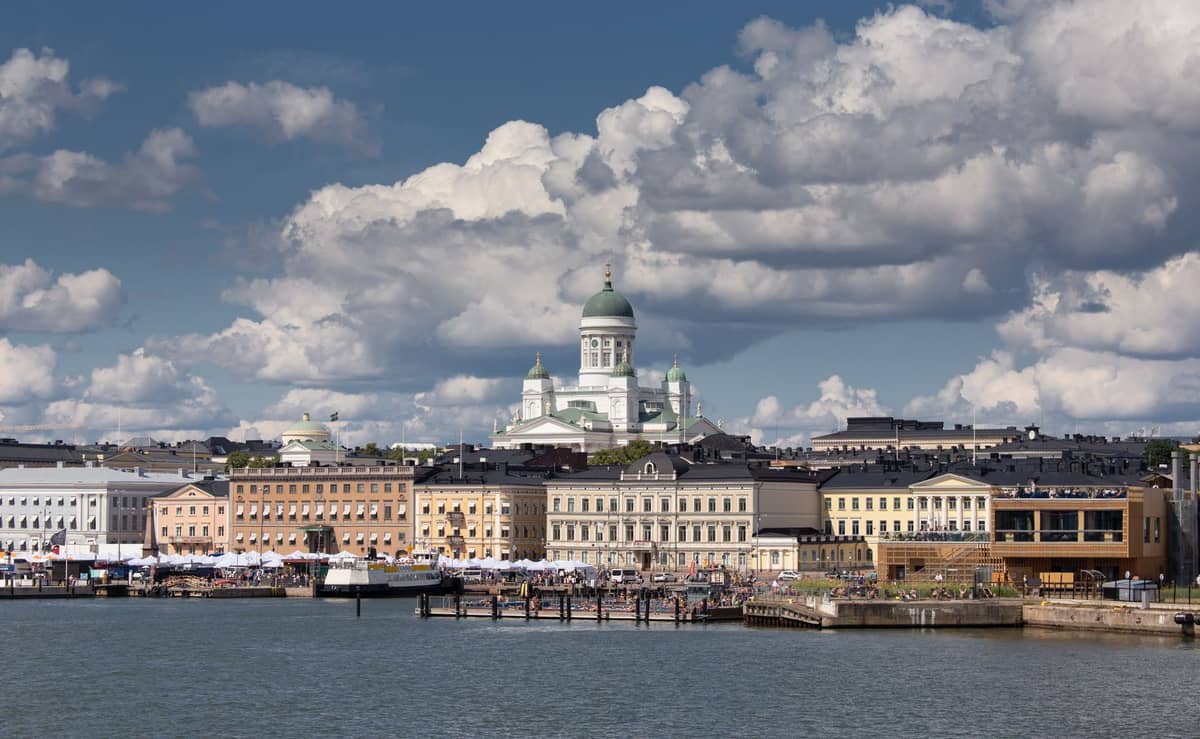
Helsinki is a small capital by European standards, with around 685,000 residents in the city proper. The upside for visitors is that most sights, restaurants, and transport hubs are concentrated within a few kilometres of Helsinki Central Railway Station. You are rarely more than a 20-minute tram or metro ride from wherever you need to be, which means neighbourhood choice is more about atmosphere and price than pure practicality.
The city sits on a peninsula jutting into the Gulf of Finland, which means the waterfront is never far away in any direction. Central neighbourhoods spread outward from the railway station: Kamppi and Kluuvi to the immediate west and east, Punavuori and the Design District to the southwest, Kallio across the bridge to the north, and the harbour districts of Katajanokka and Kruununhaka to the southeast. Each has a distinct character and a different price point.
ℹ️ Good to know
Helsinki uses the Euro (EUR). Finland is a Schengen Area member, so most Western passport holders can stay up to 90 days without a visa. Electricity is 230V / Type C and F plugs. Tap water is safe to drink. The emergency number is 112.
The Best Neighbourhoods to Stay in Helsinki
There is no single 'best' area to stay in Helsinki. The right neighbourhood depends on whether you prioritise transport access, nightlife proximity, design-led accommodation, or saving money. Here is an honest breakdown of the main options.
- Kamppi and Kluuvi (City Centre) The core around Central Railway Station. Home to the largest concentration of chain hotels, direct access to the airport train, long-distance bus terminal at Kamppi, and walking distance to the main sights. The trade-off is that it is the most commercial part of the city, with less local character. Best for: first-time visitors, short stays, business travellers.
- Punavuori (Design District) A 10-15 minute walk southwest of the station, Punavuori sits within Helsinki's Design District and is filled with independent boutiques, design studios, and cafés. Accommodation skews toward boutique hotels and stylish apartments. Prices are mid-to-high range. Best for: travellers who want atmosphere and style over pure convenience.
- Kallio North of the centre across Pitkäsilta bridge, Kallio is Helsinki's most well-known alternative neighbourhood. It has a high density of bars, independent restaurants, and smaller hotels and hostels. Still slightly cheaper than the centre, but the 'cheap working-class district' reputation is outdated. Best for: younger travellers, nightlife-seekers, longer stays.
- Katajanokka and Kruununhaka East of the railway station along the waterfront. Katajanokka has the Uspenski Cathedral and the western ferry terminal for Tallinn. A handful of upscale hotels here offer harbour views. Quieter and more residential than the centre. Best for: travellers who want a waterfront feel without paying South Harbour prices.
- Jätkäsaari and Ruoholahti Redeveloped harbour districts west of Kamppi with modern apartment-style hotels and easy metro access. Less walkable to sights but good value for families needing more space. Best for: longer stays, self-catering, families.
⚠️ What to skip
Punavuori is not a budget area. Its Design District status and high demand from design-conscious visitors mean some of the most expensive accommodation per square metre in the city. Do not book here expecting cheap options — verify prices carefully before assuming it is comparable to Kallio.
Helsinki Hotel Prices: What to Expect by Category
Helsinki is not cheap. It consistently ranks among the more expensive European capitals for accommodation. That said, prices vary more than many visitors expect depending on season, booking lead time, and district.
- Budget (hostels and 2-star hotels) Dorm beds in Helsinki hostels start around €30–45 per night. Private rooms in 2-star hotels typically run €69–118. Kallio and the outer edges of Kamppi have the best budget options.
- Mid-range (3-star hotels) Expect €82–185 per night for a standard double in a 3-star property. This is where you will find the widest range of options across all central neighbourhoods.
- Upper mid-range (4-star hotels) 4-star doubles run €109–260 per night. Central Helsinki has several strong options in this bracket, particularly around the station and the Design District.
- Luxury (5-star hotels) 5-star properties in Helsinki range from approximately €169 to €351 per night. There are fewer true luxury options than in Paris or London, but quality is consistently high.
The overall average across booking platforms sits at around €180 per night for a double room, based on recent pricing data. For more detailed advice on making your budget work, the Helsinki on a budget guide covers accommodation alongside food, transport, and free activities.
✨ Pro tip
July is often cheaper than you would expect for peak summer. Booking data consistently shows July averages often lower than some autumn and winter periods, making it a good month if you want summer weather without the very highest prices.
Seasonal Patterns: When Prices Rise and Fall
Helsinki has pronounced seasonal variation in both weather and hotel prices. Summer (June–August) is the most popular time to visit, with long daylight hours, outdoor events, and temperatures typically around the low 20s °C on many days. You can read more about what the season looks like in practice in the Helsinki in summer guide.
Counterintuitively, some of the highest hotel prices appear in autumn and around the Christmas period rather than at the peak of summer. Business travel and conferences drive up weekday rates in September and October. December sees a significant spike around the Christmas market period and the holiday weeks. January and February are typically the cheapest months for hotels, with the obvious trade-off of cold temperatures (average around -3°C to -4°C) and very short days.
Spring, particularly April and May, offers a reasonable compromise: improving weather, relatively affordable rates, and fewer crowds at major attractions like Suomenlinna fortress and the harbour markets. May can be especially appealing, with temperatures reaching around 10–15°C and the city emerging from winter.
Staying Near Helsinki Airport
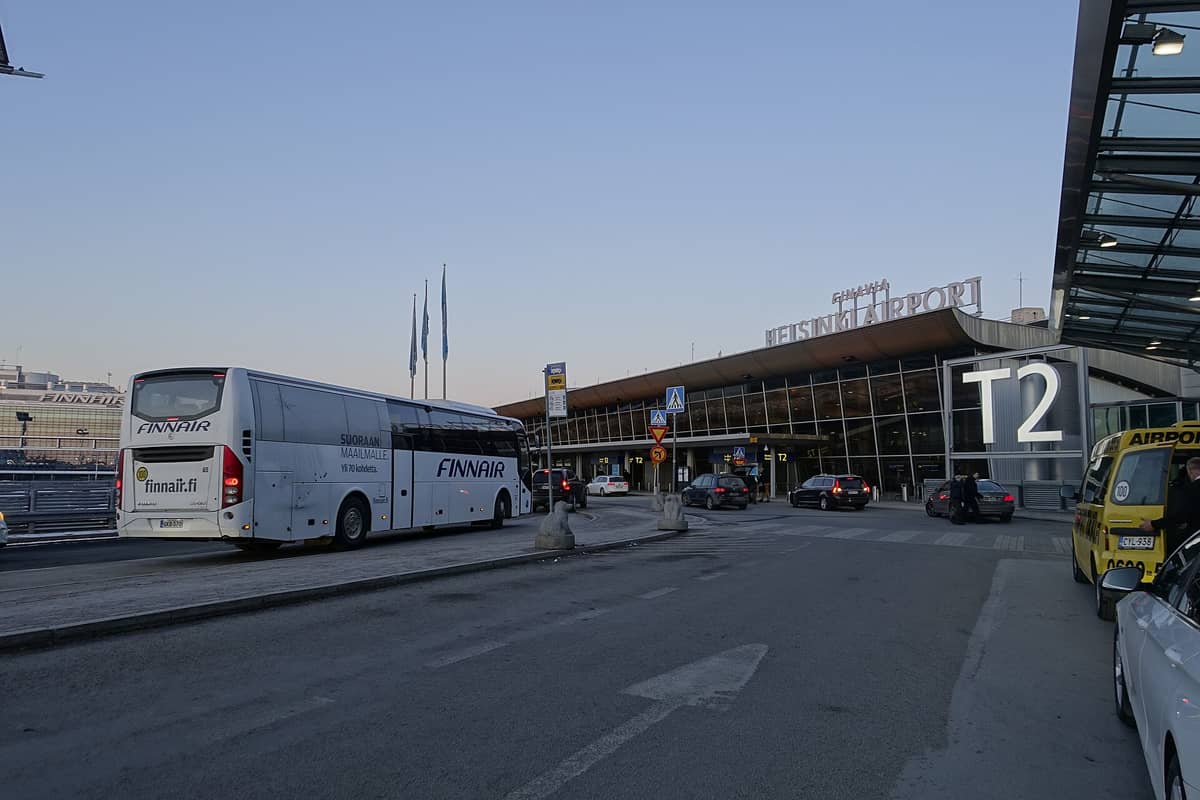
Helsinki Airport (officially Helsinki-Vantaa, IATA: HEL) is located in Vantaa, about 20 km north of the city centre. If you have a very early departure or a long layover, staying near the airport makes sense. Several hotels are within walking distance or a short shuttle ride from the terminal, and prices here tend to be lower than comparable options in central Helsinki.
That said, the airport area has no particular appeal as a base for exploring the city. The ring rail line connects Helsinki Airport directly to Central Railway Station in about 30 minutes, so unless your schedule demands it, staying in the city and using the train is the better option. Helsinki airport hotels are worth considering mainly for transit travellers or those with very early morning flights.
💡 Local tip
The airport train (I or P lines) runs frequently from Helsinki Airport station to the city centre and is a cheap and reliable airport transfer. Validate your HSL ticket before boarding. Taxi fares from the airport to the centre are significantly higher and vary by operator.
Practical Advice Before You Book
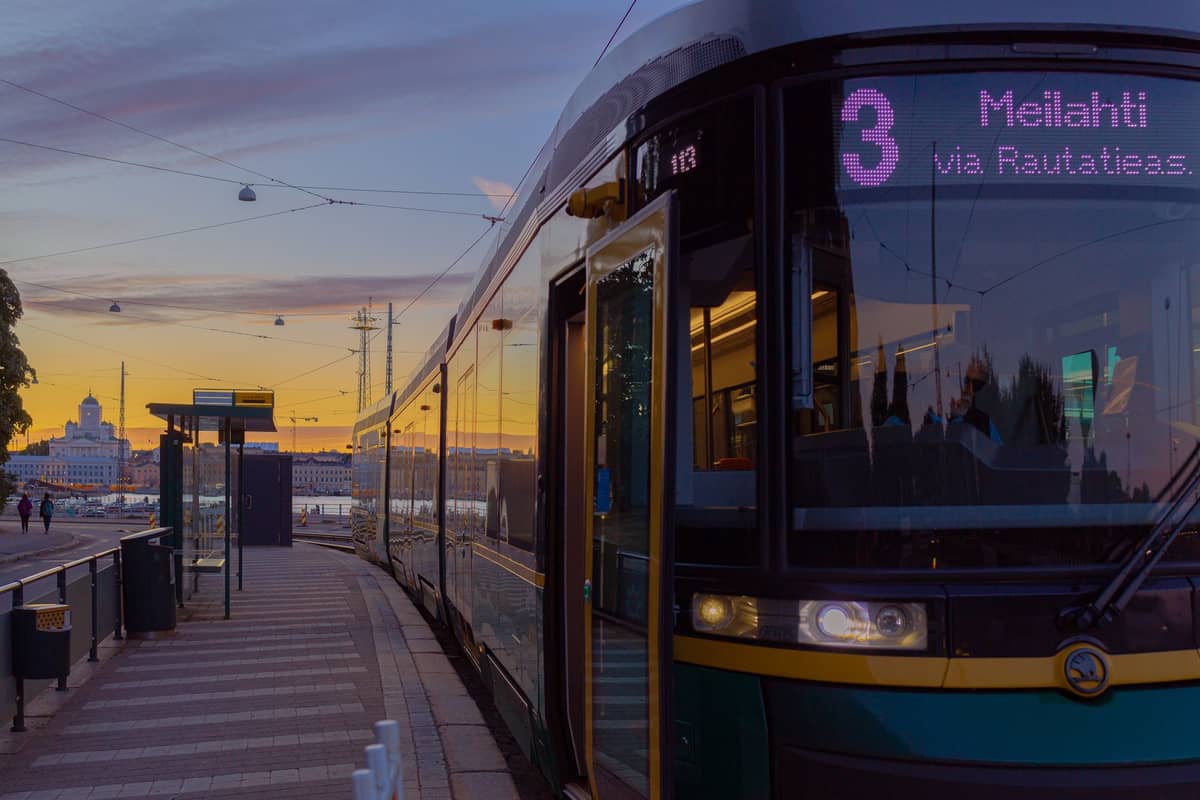
Helsinki's public transport is excellent, which means the question of where to stay is less critical than in car-dependent cities. The HSL network (Helsinki Regional Transport Authority) covers trams, metro, buses, and commuter rail under a single integrated ticketing system. A good introduction to moving around the city is covered in the getting around Helsinki guide.
If you are planning to visit multiple museums, the Helsinki Card includes unlimited public transport alongside museum entry and can offset costs significantly depending on your itinerary. It is worth calculating whether it saves you money before purchasing rather than buying on arrival.
Service charges are typically included in hotel and restaurant prices in Finland, and tipping is not expected. You are unlikely to feel social pressure to tip beyond rounding up a bill. English is spoken widely across the city, including at hotel desks, so language is rarely an obstacle.
For travellers with more time, it is worth knowing that staying centrally also puts you close to ferry connections: the Tallinn ferry departs from the West Harbour (Länsisatama) near Jätkäsaari, while the Suomenlinna ferry leaves from Market Square. The Helsinki to Tallinn ferry is a popular day trip or short extension that is far easier to arrange if you are already staying close to the harbour.
FAQ
Where is the best area to stay in Helsinki for first-time visitors?
Kamppi and Kluuvi, the districts immediately around Helsinki Central Railway Station, are the most practical choice for a first visit. You are within walking distance of the main sights, have direct access to the airport train, and have the widest selection of hotels at various price points. The area is more commercial than residential, but the convenience is hard to beat for a short trip.
Are Helsinki hotels expensive?
Helsinki is one of the more expensive European capitals for accommodation. Budget travellers can find hostel dorm beds from around €30-45 per night and private rooms from €69. A standard mid-range double room typically costs €100-185 per night. Luxury options start around €169 and can exceed €350. July tends to be cheaper than many expect despite being peak season.
Is Kallio a good neighbourhood to stay in Helsinki?
Kallio is a solid choice if you want lower prices, a lively bar and restaurant scene, and a more local atmosphere than the centre. It is about 1-2 tram stops or a 15-20 minute walk from the railway station. However, its reputation as a cheap, working-class district is outdated. It has gentrified considerably and some accommodation here is only marginally cheaper than the city centre.
Should I stay near Helsinki Airport or in the city centre?
For most visitors, staying in the city centre is the better choice. The airport train takes about 30 minutes and runs frequently, making central Helsinki very accessible from the airport. Helsinki airport hotels are a practical option mainly for transit passengers or those with very early morning flights. Prices near the airport are often lower than in the centre, but the area has no sightseeing or dining appeal.
What is the cheapest time to book a hotel in Helsinki?
January and February consistently offer the lowest hotel rates, but these months also bring the coldest temperatures and shortest days. July is often cheaper than expected despite being summer peak season, making it one of the better value months for combining good weather with reasonable prices. Avoid the Christmas and New Year period and major conference weeks in September-October if budget is a priority.