The Macau Waterfront and NAPE district is the SAR's modern face: a planned reclamation zone along the Outer Harbour that traded fishing grounds for casino towers, promenades, and commercial high-rises. It sits in deliberate contrast to the cobblestoned historic centre, offering a different but equally telling side of what Macau has become.
NAPE (Zona Nova de Aterros do Porto Exterior) is Macau's purpose-built waterfront district, reclaimed from the sea and developed into a strip of major casino resorts, cultural institutions, and wide boulevards that face the Pearl River Delta. It is the part of Macau that looks like the future, even as the historic centre remains the reason most visitors come in the first place.
Orientation
NAPE occupies the eastern waterfront of the Macau Peninsula, south of Avenida da Amizade (Friendship Avenue) and stretching toward the Outer Harbour. The district's rough footprint runs from Wynn Macau in the north to MGM Macau in the south, with Praça Song Yu Seng (宋玉生廣場) serving as a central reference point. Avenida do Dr. Rodrigo Rodrigues marks the western edge where NAPE transitions into older residential and commercial blocks of the inner peninsula.
The entire district is built on reclaimed land, which explains its grid-like street pattern and its conspicuous lack of historic architecture. Unlike the tangled lanes of the UNESCO-listed historic centre to the northwest, NAPE's roads are wide, the blocks are large, and the buildings are tall. This is deliberate: the area was planned as a tourism and business expansion zone, giving Macau room to grow without demolishing what made it worth visiting.
NAPE sits comfortably between two important transit points: the Outer Harbour Ferry Terminal to the north (where ferries from Hong Kong arrive) and the broader Macau Peninsula to the west. Visitors arriving by ferry from Hong Kong often step off the boat and find themselves at the edge of NAPE almost immediately, making it the first impression of Macau for many. From the terminal, Fisherman's Wharf is a short walk south along the waterfront promenade.
Character & Atmosphere
NAPE does not pretend to be something it is not. This is a district built for commerce, gaming, and modern hospitality, and it wears that identity openly. The boulevards are broad enough to feel slightly inhuman at street level during the day, particularly along the casino frontages where air-conditioned lobbies face outward over wide setback plazas. Pedestrians are secondary to the architecture here.
In the morning, the promenade along the Outer Harbour catches a clean easterly breeze off the water. The light is flat and silver at that hour, the Pearl River Delta hazy in the distance. Early risers and locals use the waterfront path for exercise: cycling, jogging, or simply walking with a takeaway coffee. The casino towers are quieter at this time, their lobbies already active but not yet crowded with the daytime flow of visitors. The contrast with the frantic energy of Senado Square, about twenty minutes on foot to the northwest, is sharp.
By afternoon, NAPE fills with the rhythm of its core purpose. Casino shuttle buses loop in from the ferry terminal and border gates, depositing visitors in front of the major resort entrances on Avenida da Amizade. The commercial streets behind the casino strip, lined with restaurants, bubble tea shops, and convenience stores, serve a mix of hotel workers on breaks and tourists who have wandered off the main drag. The side streets around Rua de Pequim and Rua de Xangai have a more local, workaday character than the polished resort frontages suggest.
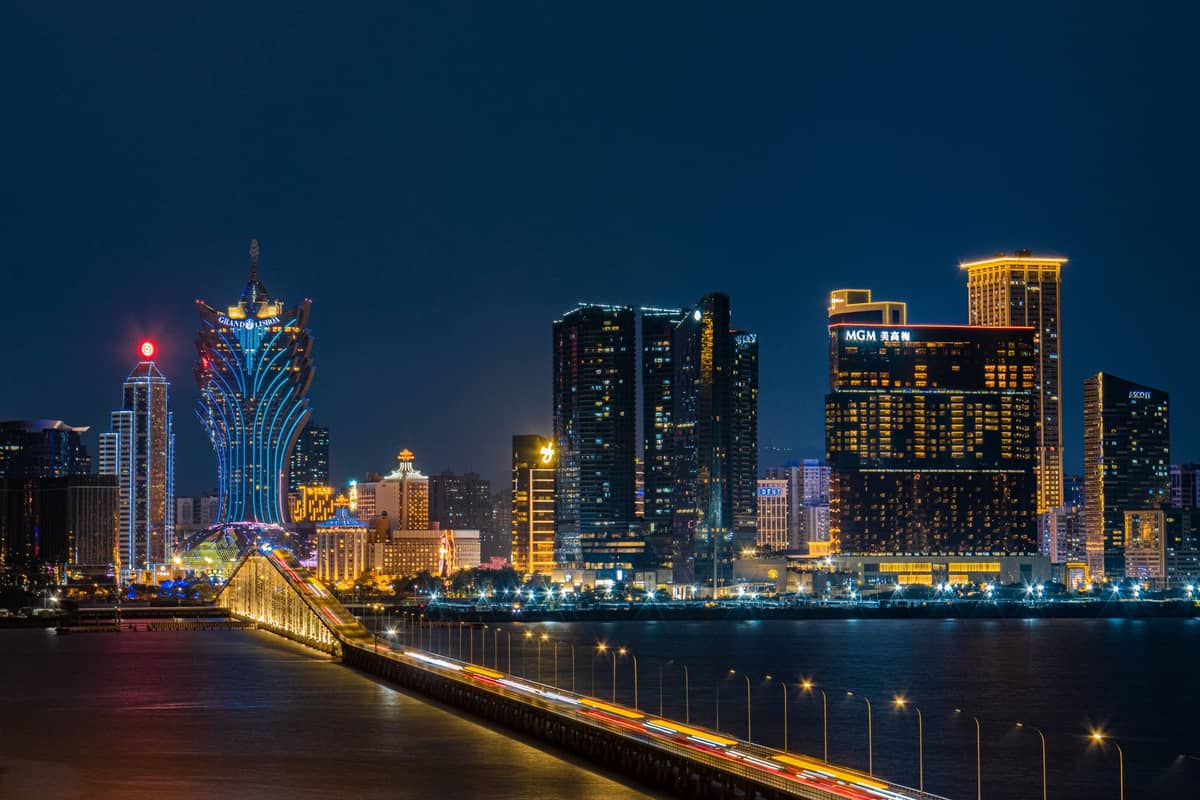
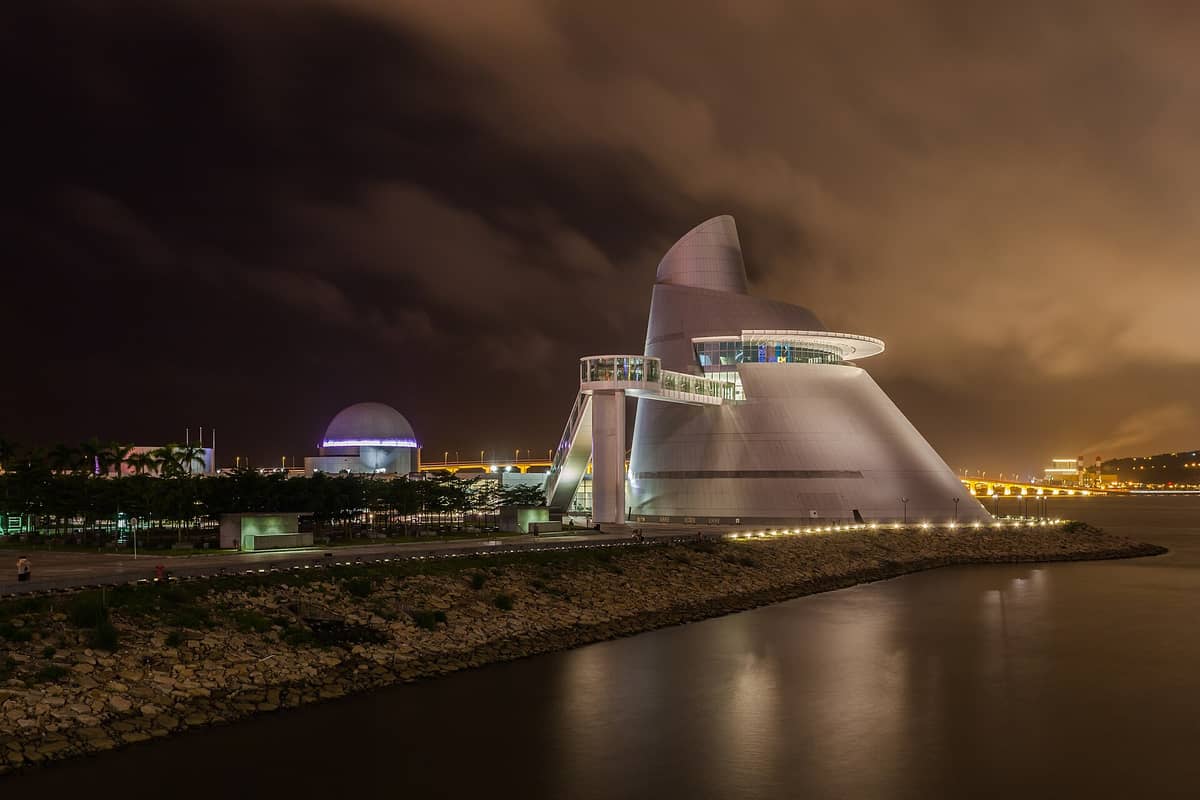
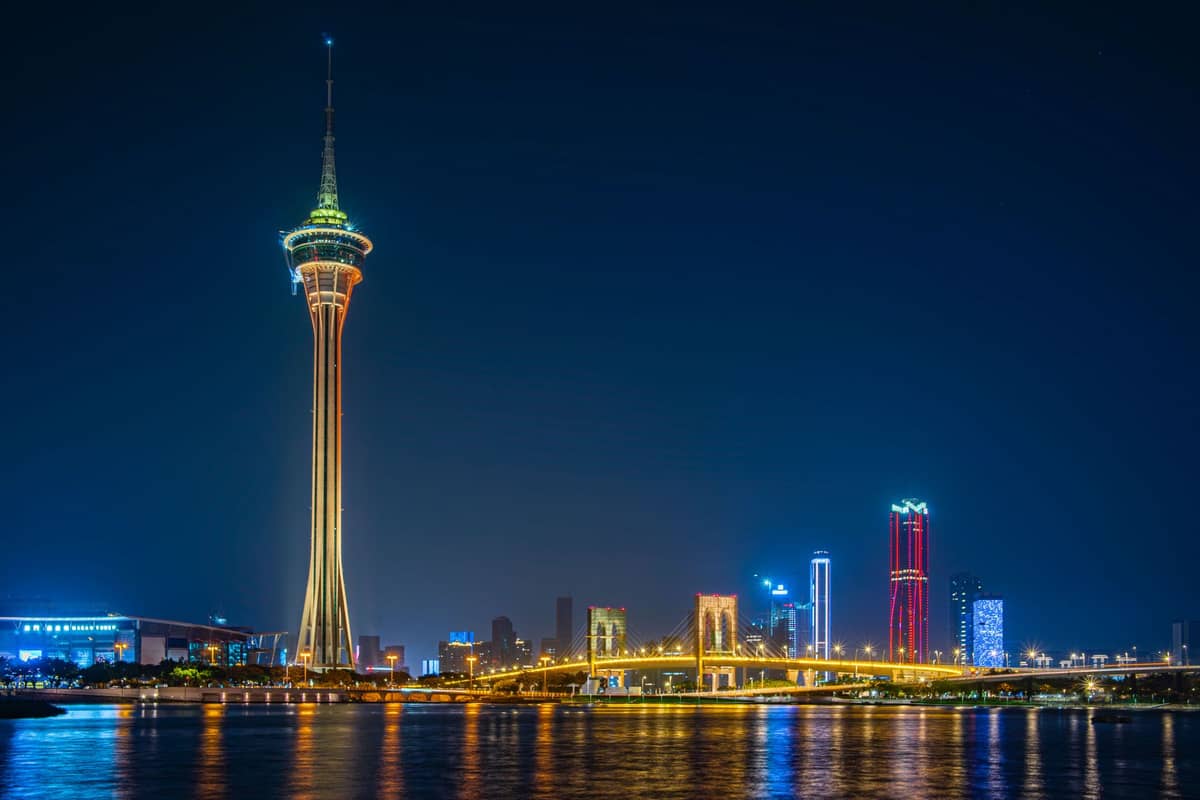
After dark, the district transforms in the way only a casino zone can. Neon and LED signage from Wynn Macau and MGM Macau reflect off the harbour water. The waterfront promenade takes on a romantic quality at night, particularly the stretch near the Macau Cultural Centre, where the illuminated skyline across the water provides a photogenic backdrop. The streets between the casinos stay active until well past midnight, with late-night eateries and hotel bars drawing a mix of gaming visitors and locals.
ℹ️ Good to know
NAPE is not the place to experience Macau's layered Portuguese-Chinese history. For that, you need to walk west into the historic centre. But as a base for casino activity, waterfront walks, and cultural institutions like the Macau Cultural Centre, it is practical and well-positioned.
What to See & Do
The most immediately visible draw is the casino strip along Avenida da Amizade. Grand Lisboa is visible from much of NAPE, its lotus-shaped tower rising just west of the district boundary at the edge of the historic peninsula. Within NAPE itself, Wynn Macau and MGM Macau anchor the northern and southern ends of the zone respectively, each offering casino floors, restaurants, performance spaces, and hotel lobbies worth walking through even for non-gamblers. Wynn in particular is known for its interior design and performance attractions.
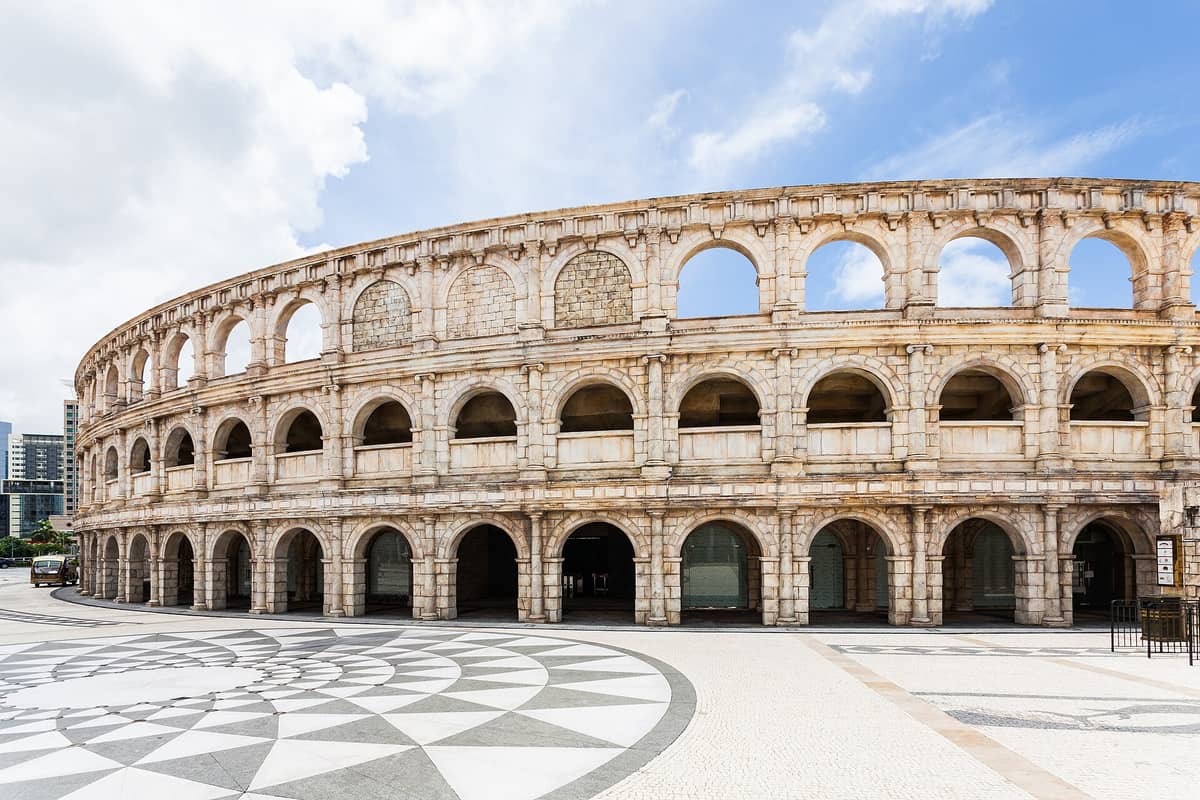
Macau Fisherman's WharfMacau Fisherman’s Wharf sits at the northern tip of NAPE along the Outer Harbour, adjacent to the ferry terminal. It is a mixed-use entertainment complex built around a theme park concept, with replicated architectural facades from around the world, a performance amphitheatre, and shopping. The concept is unashamedly tourist-facing, but the waterfront location makes it a reasonable place for an evening stroll and a meal with harbour views.
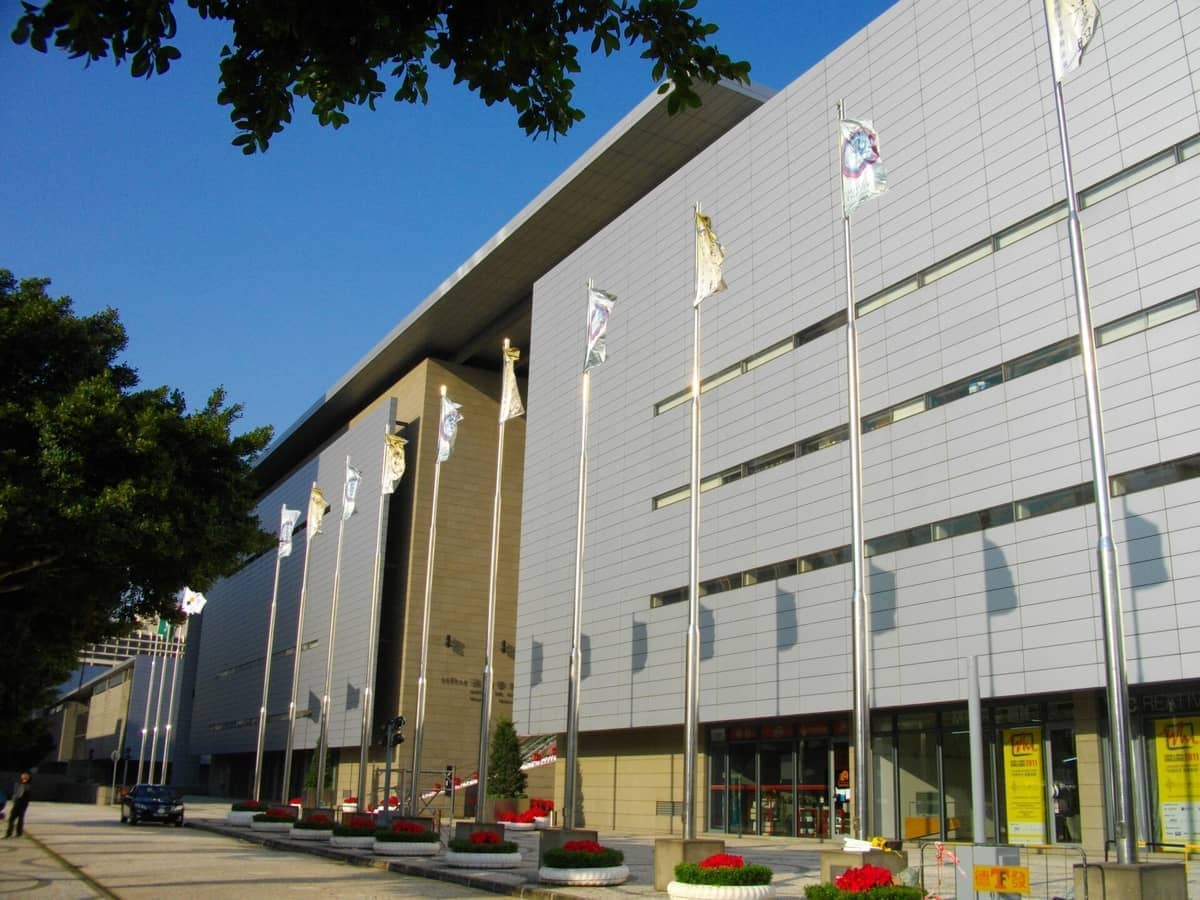
The Macau Cultural Centre (Centro Cultural de Macau), positioned on the waterfront near the southern end of NAPE, is one of the more architecturally significant buildings in the area. It houses concert halls and exhibition spaces and sits alongside the Macau Museum of Art, which holds a substantial permanent collection of paintings, ceramics, and works connecting Macau's dual Portuguese and Chinese heritage. Admission is low and the galleries are rarely crowded, making it a worthwhile detour from the casino strip.
From NAPE, the historic centre is a manageable walk or short bus ride away. The Ruins of St. Paul are roughly 20-25 minutes on foot heading northwest through the peninsula, passing through progressively older and more characterful streets as you go. This walk itself is one of the better ways to understand how dramatically Macau's urban fabric shifts across a short distance.
Wynn Macau: casino, hotels, and signature Performance Lake fountain shows
MGM Macau: distinctive wave-facade architecture, art installations in the Grande Praça atrium
Macau Museum of Art: rotating and permanent exhibitions, strong on regional art history
Macau Cultural Centre: live performances, opera, and concerts throughout the year
Outer Harbour promenade: walking and cycling path with views across to Taipa
💡 Local tip
The Macau Museum of Art is often overlooked by visitors fixated on the casino and heritage circuits. If you have two hours and want to understand the city's cultural self-image, this is one of the more honest places to spend them. Check current opening hours before visiting.
Eating & Drinking
NAPE's food scene splits into two distinct registers. Inside the casino resorts, dining options are extensive, polished, and priced accordingly. Wynn Macau and MGM Macau both house multiple restaurants covering Cantonese, international, and buffet formats. These are reliable for quality but rarely where you will find the most memorable meals in Macau.
The more interesting eating happens on the side streets behind the resort frontages. The blocks around Avenida do Dr. Rodrigo Rodrigues and the streets running parallel to the casino strip have a cluster of local Cantonese restaurants, noodle shops, and Portuguese-Macanese eateries that serve a working population as much as tourists. Prices here are significantly lower than resort dining, and the food is often better for it.
For context on what to eat and where to find it across Macau, the Macau food guide covers the full picture, including the Macanese dishes that blend Portuguese and Cantonese culinary traditions. Egg tarts, pork chop buns, and caldo verde are among the things worth seeking out, though the best versions tend to be found closer to the historic centre than NAPE.
Macau Fisherman's Wharf has a concentration of waterfront restaurants with outdoor seating and harbour views. Quality varies, and some lean heavily on atmosphere over food, but as a place for a beer or a casual dinner while watching the ferry traffic on the Outer Harbour, it works well. For the city's best street food, Rua de São Paulo and the lanes around Senado Square are the real destinations.
Getting There & Around
NAPE is one of the most accessible parts of Macau for new arrivals. Visitors coming by ferry from Hong Kong land at the Outer Harbour Ferry Terminal, which sits at the northern edge of the district. From there, the main NAPE casino strip is a short walk south along Avenida da Amizade. For the broader context of transport options across Macau, the getting around Macau guide covers bus routes, taxis, and the LRT in detail.
Public buses serve NAPE extensively, with stops along Avenida da Amizade and the surrounding streets. Routes including 3A, 3AX, 5X, 7, 8, 12, 23, and 60 pass through or near the district, connecting it to the historic centre, the border gates, and Taipa. Night routes N1A and N2 continue service after midnight, useful given the area's late-night activity. Bus fares in Macau are low and payable in Macanese patacas (MOP) or Hong Kong dollars.
Taxis are plentiful throughout NAPE, particularly around the casino entrances and the ferry terminal. They are metered, reasonably priced by regional standards, and the most practical option for reaching the historic centre quickly. Note that taxi drivers may have limited English, so having your destination written in Chinese characters is useful.
The Macau Light Rapid Transit (LRT) does not currently have a station within NAPE itself. The Taipa Line serves the airport and Cotai, and the closest access point for NAPE visitors is via connecting bus or taxi from Taipa LRT stations. This may change as extensions are developed, so check current LRT maps before your visit.
All major casino resorts in NAPE run complimentary shuttle buses connecting to the ferry terminals and border gates. These are free to use regardless of whether you are a guest or a visitor, and they run on regular schedules throughout the day and into the early hours. They are the most comfortable, if not always the fastest, way to move between NAPE and the arrival points.
⚠️ What to skip
Walking between NAPE and the historic centre is possible and takes around 20-25 minutes, but the route passes through streets that are wide and not particularly pedestrian-friendly in the heat of a Macau summer afternoon. In July and August, with temperatures regularly above 30°C and high humidity, take a bus or taxi rather than walk during the middle of the day.
Where to Stay
NAPE is primarily a hotel district at the higher end of the market. Wynn Macau, MGM Macau, and StarWorld are the main integrated resort properties within the zone, each offering casino access, multiple restaurants, pools, and entertainment. If proximity to the gaming floor is the priority, these are the obvious choices. For broader advice on where different types of traveler should base themselves, the where to stay in Macau guide lays out the tradeoffs across all the major districts.
Staying in NAPE puts you within a short walk of the Outer Harbour Ferry Terminal, which is useful if you are arriving from or departing to Hong Kong. The waterfront location is appealing, and the higher-floor rooms in the casino hotels have views across the harbour toward Taipa that are genuinely impressive, particularly at night. The tradeoff is that the historic centre and its UNESCO sites require a taxi or bus ride, and the immediate street-level environment around the casinos lacks the texture of older Macau neighborhoods.
Travelers who want heritage atmosphere and walkable access to the main historic sites will find the area around Senado Square or the inner peninsula more satisfying as a base. Those focused on casino activity, who are arriving by ferry, or who are splitting their time between NAPE and Cotai Strip resorts will find NAPE's location practical and well-connected.
Who NAPE Is For
NAPE is not the part of Macau that most people picture when they think about why the city is worth visiting. It does not have the layered history of the Barra district near A-Ma Temple, the cobblestone charm of Taipa Village, or the dramatic heritage monuments of the historic core. What it has is scale, modernity, and convenience for visitors whose primary interest is the casino economy.
That said, dismissing NAPE entirely would mean missing the Macau Museum of Art, skipping a genuinely pleasant waterfront walk, and overlooking the fact that the Outer Harbour Ferry Terminal makes it the most logical entry and exit point for visitors coming from Hong Kong. If you are traveling from Hong Kong to Macau, you will pass through NAPE regardless. The question is whether you stay or move on quickly.
For a full picture of whether Macau as a whole suits your travel style, is Macau worth visiting covers the broader question. NAPE specifically is worth at least an evening: the waterfront at night, a meal in one of the resort restaurants or the local spots on the back streets, and a look at the skyline from Fisherman's Wharf makes for a complete picture of the city's modern identity.
TL;DR
NAPE is Macau's modern Outer Harbour district, built on reclaimed land along the eastern waterfront of the peninsula, home to major casino resorts including Wynn Macau and MGM Macau.
Best suited for: visitors arriving by ferry from Hong Kong, casino travelers, and those combining a night of gaming with cultural visits to the Macau Museum of Art or Macau Cultural Centre.
The waterfront promenade and Fisherman's Wharf are the main non-casino draws; evenings here, with harbour reflections and illuminated resort facades, are more atmospheric than the daytime street-level experience.
Transit is strong: ferry terminal on the doorstep, multiple bus routes, and complimentary casino shuttles to all major arrival points. The LRT does not currently serve NAPE directly.
Not the right base for travelers primarily interested in historic Macau: the UNESCO heritage sites require a 20-25 minute walk or short bus ride, and the immediate environment lacks the character of the older peninsula neighborhoods.
Macau packs an extraordinary amount into a tiny 33.3 km² territory: UNESCO-listed baroque ruins, Portuguese-Chinese temples, world-class casino resorts, and some of the best street food in Asia. This two-day itinerary sequences everything logically, so you spend less time commuting and more time experiencing. Whether you arrive by ferry from Hong Kong or fly into MFM, this guide covers it all.
Macau's subtropical climate means the difference between a comfortable walking tour and a rain-soaked slog can come down to which month you book. This guide breaks down every season honestly, covering weather patterns, festival crowds, typhoon risks, and the specific windows that suit different types of trips.
Macau packs an extraordinary range of vantage points into a tiny territory: hilltop fortresses, a 338-metre tower, colonial chapels, and glittering resort skylines. This guide covers the best views in Macau, from free hilltop walks to ticketed observation decks, so you can plan exactly when and where to look out.
The Cotai Strip is Macau's modern mega-resort corridor, built on reclaimed land between Taipa and Coloane. This guide covers every major property, how to get around, what's worth your time, and what to ignore, so you can plan a visit without the guesswork.
Macau's location at the heart of the Pearl River Delta makes it an ideal base for day trips to Hong Kong, Zhuhai, and Shenzhen. This guide covers ferry schedules, border crossings, journey times, costs, and what to actually do once you arrive.
Macau is far more than paid casino floors and ticketed attractions. From a UNESCO-listed historic core you can walk entirely for free to spectacular casino architecture open to all, this guide covers the best experiences in Macau that won't cost you a thing.
Macau is one of the world's most densely packed destinations, yet it's surprisingly easy to navigate once you understand how the layers of transport fit together. This guide breaks down every option, from flat-rate public buses to the growing LRT network, metered taxis, and high-speed ferries to Hong Kong, with real fares, clear trade-offs, and practical advice for every part of the city.
Getting from Hong Kong to Macau takes about an hour by high-speed ferry or via the world's longest sea-crossing bridge. This guide breaks down every option, with current prices, departure points, booking tips, and what to expect at the border.
Macau is far more than a casino strip, but it is not the right destination for everyone. This guide cuts through the hype to give you a clear, practical picture of what Macau offers, who will love it, and what to skip entirely.
At 233 metres above ground, the bungee jump at Macau Tower holds a Guinness World Record as the highest commercial bungee jump facility on a building. This guide covers prices, booking, safety details, what actually happens on jump day, and the alternatives worth considering.
Macau is the world's most significant casino destination, generating more gaming revenue than Las Vegas. This guide covers everything a first-timer needs: entry rules, the best casino resorts to visit, which games to play, how casino shuttles work, and the practical details that most guides skip.
Chinese New Year transforms Macau into one of the most spectacular celebrations in Asia. From golden dragon parades along the historic streets to fireworks over the Pearl River, this guide covers every event, practical pitfall, and planning detail you need to make the most of it.
Macau holds one of the most concentrated collections of Catholic heritage in Asia, shaped by over 400 years of Portuguese missionary history. This guide covers the finest churches, sacred art museums, and colonial landmarks that make the Historic Centre of Macao a UNESCO World Heritage Site.
Macau's Portuguese egg tarts are one of the city's most iconic foods — flaky pastry, silky custard, charred on top. This guide covers the best bakeries, what to expect, how to get there, and the real history behind the tart that conquered East Asia.
The Macao International Fireworks Display Contest is one of Asia's most spectacular pyrotechnic competitions, drawing international teams to light up the Pearl River Delta sky each September and October. This guide covers exactly where to watch, what it costs, how to avoid the worst crowds, and what can go wrong.
Macau's food scene is unlike anywhere else in Asia. A UNESCO Creative City of Gastronomy since 2017, it blends Portuguese, Chinese, and broader Lusophone influences into a cuisine that is entirely its own. This guide covers the essential dishes, where to find them, and what to skip.
Macau packs more romantic variety into 32.9 km² than most destinations manage across an entire country. This guide covers the best things to do in Macau as a couple, from UNESCO heritage walks and world-class dinner shows to quiet Coloane beaches and sky-high views over the Pearl River Delta.
The Macau Grand Prix transforms the city's public streets into one of motorsport's most demanding circuits every November. This guide covers tickets, grandstand selection, transport disruptions, hotel booking strategy, and everything else you need to plan a successful race week visit.
The Historic Centre of Macao packs 22 UNESCO-listed monuments and 8 historic squares into a walkable peninsula you can cover in half a day. This self-guided tour gives you a logical route, realistic timing, opening hours, admission prices, and the context to understand what you're looking at — not just where to point your camera.
Macau's luxury scene is concentrated in Cotai's integrated resorts. This guide covers the best 5-star hotels, Michelin-starred restaurants, and exclusive experiences, with practical notes on pricing, booking lead times, and how to get the most out of a high-end visit.
Macau after dark is far more than slot machines and baccarat tables. This guide breaks down the city's best nightlife options, from world-class live shows and casino lounges to local bars and outdoor evening spots, with a clear sense of what's worth your time and money.
Macau has a reputation for casino excess and luxury hotels, but the reality for budget travelers is far more promising. Free UNESCO heritage sites, standard bus fares of MOP 6 (or as low as MOP 3 on regular routes with a Macau Pass), and some of Asia's best street food make this one of the most affordable short-trip destinations in the region. Here is exactly how to do it right.
Macau packs an extraordinary amount into 32.9 km². This 24-hour itinerary moves you from UNESCO-listed colonial ruins and ancient temples in the morning through street food and Portuguese-influenced neighborhoods at midday, and into the neon spectacle of the Cotai Strip by evening. Every stop is timed, priced, and ranked so you don't waste a minute.
Shopping in Macau spans two very different worlds: glittering integrated resort malls stocked with European luxury brands, and old-school street markets selling pork jerky by the strip. This guide covers both, with hours, price ranges, and a clear sense of where your money is actually well spent.
Macau's street food scene goes far beyond casino buffets. This guide covers the essential snacks, the four main areas to find them, clear price benchmarks, and timing tips so you spend less time queuing and more time eating.
Macau's temples are among its most rewarding and often overlooked attractions. From a 15th-century sea goddess shrine that may have named the territory to an ornate Buddhist complex where a landmark treaty was signed, this guide covers every major Chinese religious site worth visiting.
Macau is far more than casinos and nightlife. With giant pandas, outdoor parks, observation decks, indoor playgrounds, and a UNESCO-listed historic district that kids can actually explore on foot, it offers a surprisingly strong lineup for families. This guide covers the best family-friendly things to do in Macau, with practical details on pricing, timing, and what to skip.
Macau packs an extraordinary range of experiences into just 32.9 km². This guide covers the best things to do in Macau across history, food, casinos, and nature — with crowd warnings, seasonal timing advice, and practical logistics to help you plan a smarter trip.
Choosing where to stay in Macau shapes your entire trip. This guide breaks down the Macau Peninsula, Cotai Strip, Taipa, and Coloane by atmosphere, price, and practical access — so you can pick the right base whether you're here for UNESCO heritage, casino resorts, or quiet beaches.