Macau's Cotai Strip: The Complete Guide to the Resort District
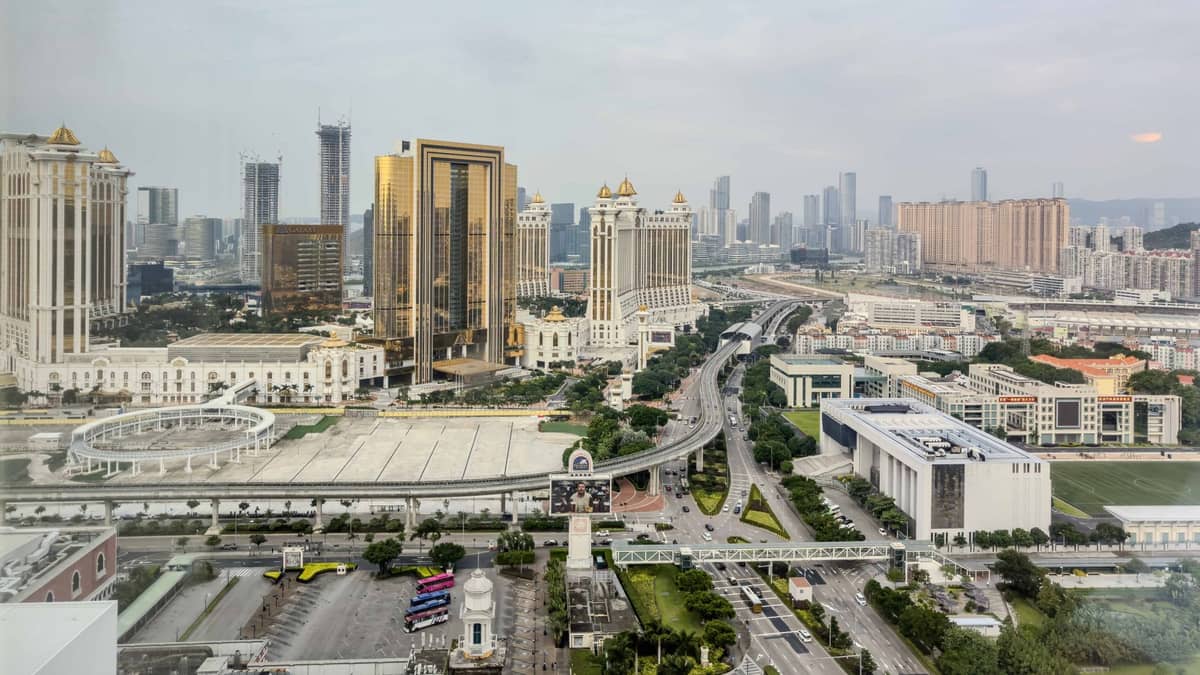
The Cotai Strip is Macau's modern mega-resort corridor, built on reclaimed land between Taipa and Coloane. This guide covers every major property, how to get around, what's worth your time, and what to ignore, so you can plan a visit without the guesswork.
TL;DR
- The Cotai Strip is a purpose-built resort district on reclaimed land connecting Taipa and Coloane, home to Macau's largest integrated casino-hotel complexes.
- Key properties include The Venetian Macao, The Parisian Macao, Galaxy Macau, Studio City, MGM Cotai, and The Londoner Macao.
- The Macau LRT Taipa Line connects Cotai directly to the airport and Taipa Ferry Terminal, running 06:30 to 23:15 Monday to Thursday and until 23:59 on Fridays, weekends, and public holidays.
- Cotai is far more than gambling: flagship shopping malls, international concert venues, family attractions, and dozens of dining options fill the strip.
- Best time to visit is November through March. For planning context, see our guide on the best time to visit Macau.
What Is the Cotai Strip, Exactly?
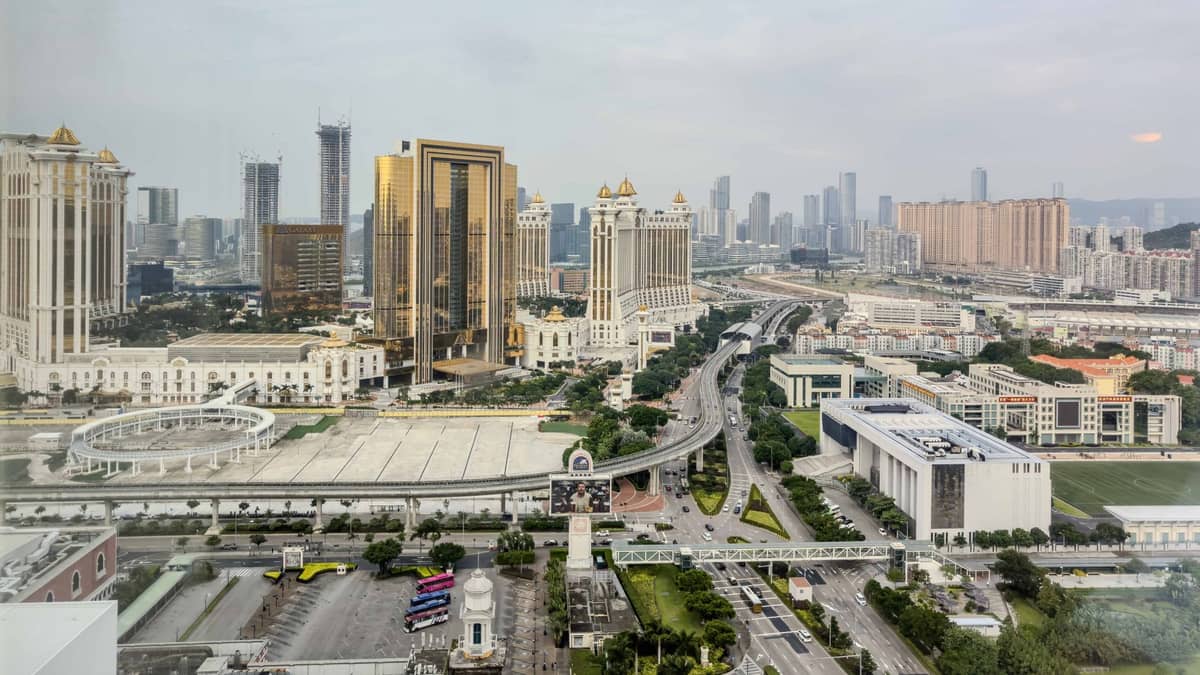
The Cotai Strip is Macau's main resort corridor, occupying reclaimed land that was once a stretch of sea between the islands of Taipa and Coloane. The name is a portmanteau of those two islands. Construction began in earnest in the mid-2000s, and today the area packs an improbable concentration of large-scale integrated resorts into a compact zone that takes about 20 minutes to drive end to end. It is distinct from the historic Macau Peninsula, where the UNESCO-listed old city sits, and from the older casino cluster on the peninsula near the Lisboa properties. Think of Cotai as the Las Vegas Strip equivalent, but with better public transport and Chinese New Year fireworks instead of Fourth of July spectaculars.
The district is purpose-designed for international tourism. Streets are wide, air conditioning is aggressive, and English signage is universal. If you have limited time and want to see Macau's modern face before heading to the historic centre, Cotai gives you that contrast immediately. The scale is genuinely striking on first approach, particularly when arriving by shuttle bus from the ferry terminal and watching the resort towers materialise out of reclaimed flatland.
ℹ️ Good to know
Cotai is technically part of Taipa for administrative purposes, even though it physically bridges Taipa and Coloane. The Cotai Strip itself is not an officially gazetted district name but is universally used by the tourism industry and locals alike.
The Major Resorts: What Each One Is Actually Good For
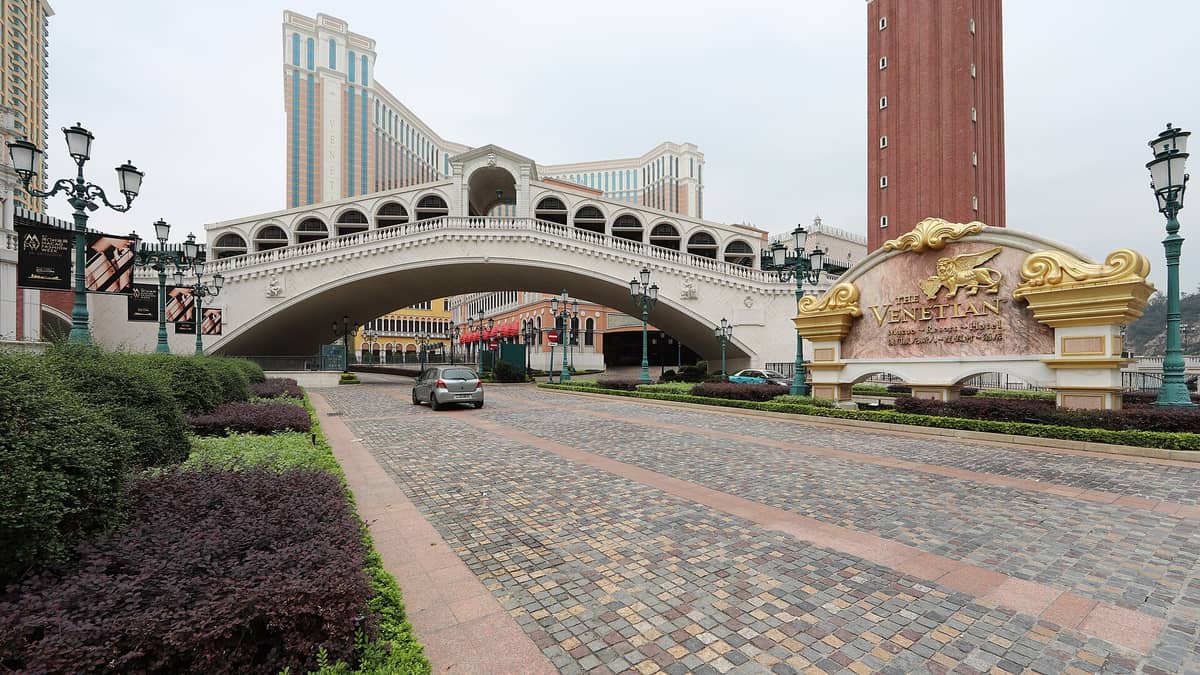
Not all Cotai properties are interchangeable. Each has a distinct personality and a different reason to visit. The Venetian Macao is the anchor property and the one most visitors see first: a replica of Venice's Grand Canal complete with gondoliers, set inside a 980,000 square metre complex. The Cotai Arena inside seats around 15,000 and hosts the biggest international concerts and sporting events in the region. Even if you are not staying, walking through the Grand Canal Shoppes and watching the gondola performances costs nothing.
- The Venetian Macao Best for families, first-time visitors, and concert-goers. The gondola rides, enormous shopping mall, and sheer spectacle make it the most accessible Cotai introduction. Gondola tickets are sold at the resort and via Trip.com.
- The Parisian Macao Best for couples and those who enjoy Europe-themed architecture. The half-scale Eiffel Tower replica has a viewing deck with sweeping Strip views. Connected to The Venetian and The Four Seasons by walkway.
- Galaxy Macau Best for luxury hotel options and the rooftop Sky Lagoon wave pool. The Galaxy Arena hosts major events. The dining options here skew higher-end than most of the strip.
- Studio City Macau Best for a younger, entertainment-focused crowd. The Batman Dark Flight ride, a figure-8 Ferris wheel built into the facade, and a strong live entertainment programme give it a more playful identity than its neighbours.
- MGM Cotai Best for design and art enthusiasts. The MGM Theater and Spectacle, a vast LED-covered indoor space used for performances and exhibitions, is genuinely unlike anything else on the strip.
- The Londoner Macao Best for those who enjoy the UK-theme novelty (think Big Ben replica and red telephone boxes) and the wide range of mid-range to luxury room categories under one roof.
City of Dreams, which sits adjacent to the main strip corridor, is worth including in any Cotai itinerary. It houses the reimagined House of Dancing Water theatre, a large-scale water acrobatics show that has become one of Macau's signature entertainment experiences again since its 2025 relaunch. Tickets sell out on weekends, so book in advance through the official site or a reputable OTA.
⚠️ What to skip
Resist the temptation to try and visit every property in one day. The resorts are designed to absorb your time, and the walk from The Venetian end to Galaxy Macau end of the strip is longer than it looks on a map. Two or three properties per visit is a realistic target if you want to actually experience them rather than just cross the lobbies.
Getting to and Around the Cotai Strip
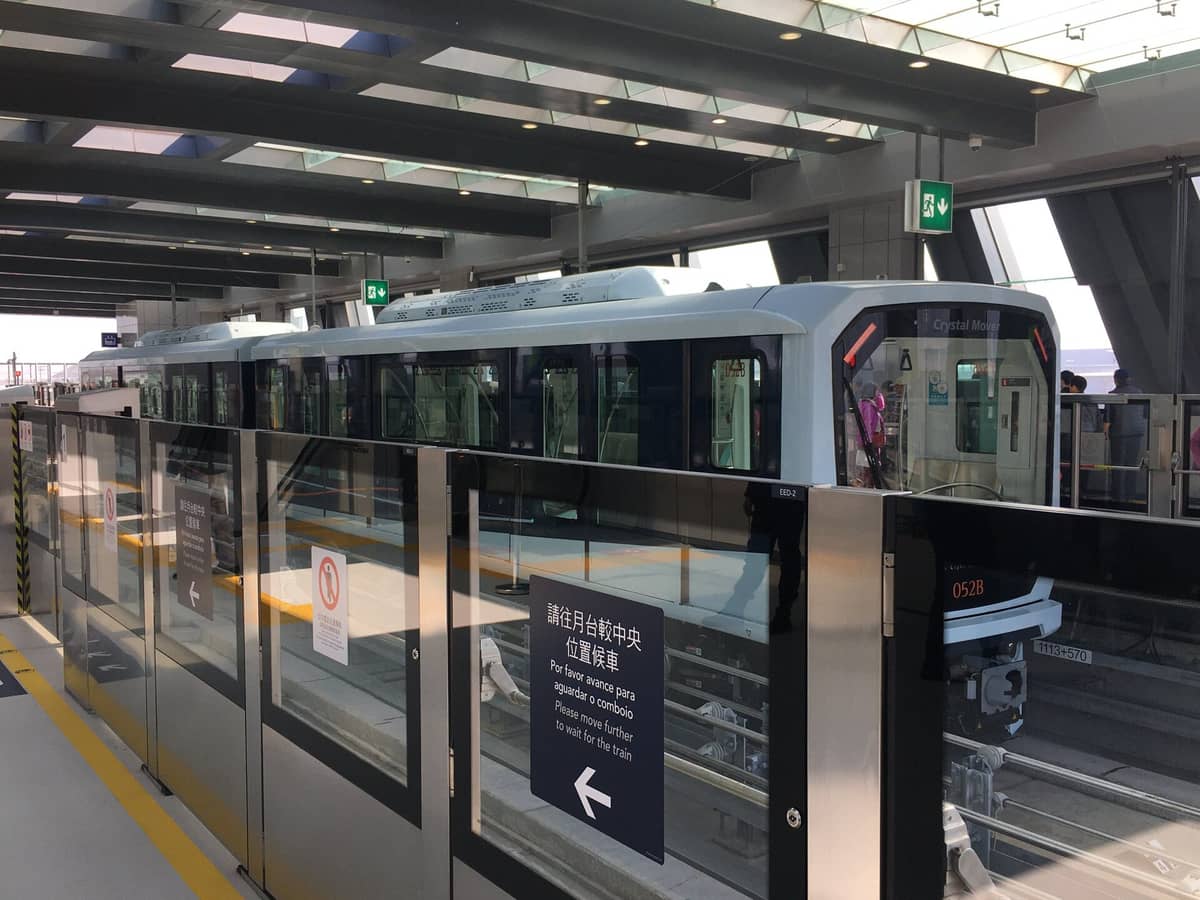
The most underrated way to arrive is the Macau LRT Taipa Line. Operational since 2019, it runs from Macau International Airport through Cotai and terminates at Taipa Ferry Terminal. The Cotai West and Cotai East stations put you within easy walking distance of most major resorts. Trains run from 06:30 to 23:15 Monday to Thursday, and until 23:59 on Fridays, weekends, and public holidays, with headways of around 5 to 10.5 minutes. Fares are distance-based; tickets and stored-value cards are available at station machines.
The more common option for most visitors is the free casino shuttle bus. Every major Cotai property runs complimentary services from the Outer Harbour Ferry Terminal, Taipa Ferry Terminal, the Border Gate (Portas do Cerco), and Macau International Airport. Schedules vary by property and change seasonally, so check the specific resort website before arriving. For a full breakdown of how to move between areas, the getting around Macau guide covers all transport modes with current route logic.
- Free casino shuttles run from the ferry terminals and border crossings to most Cotai resorts. No ticket required, but you may need to walk through the casino to exit.
- Macau LRT Taipa Line: Cotai West and Cotai East stations are the two main stops serving the strip.
- Public buses serve Cotai from the peninsula and Taipa Village, though routes are less frequent than the ferry shuttles.
- Taxis are metered with surcharges for tunnels and luggage. Available outside all major resorts but can be scarce during peak event nights.
- Walking between adjacent resorts (e.g., Venetian to Parisian) is easy via internal walkways. End-to-end on foot takes 30-40 minutes in the heat.
✨ Pro tip
If you are arriving from Hong Kong by ferry, Cotaijet services dock at Taipa Ferry Terminal, which has direct LRT access and is closest to the Strip. TurboJET services typically arrive at the Outer Harbour terminal on the peninsula, which requires a shuttle or taxi to reach Cotai.
Entertainment, Shopping, and Things to Do Beyond the Casinos
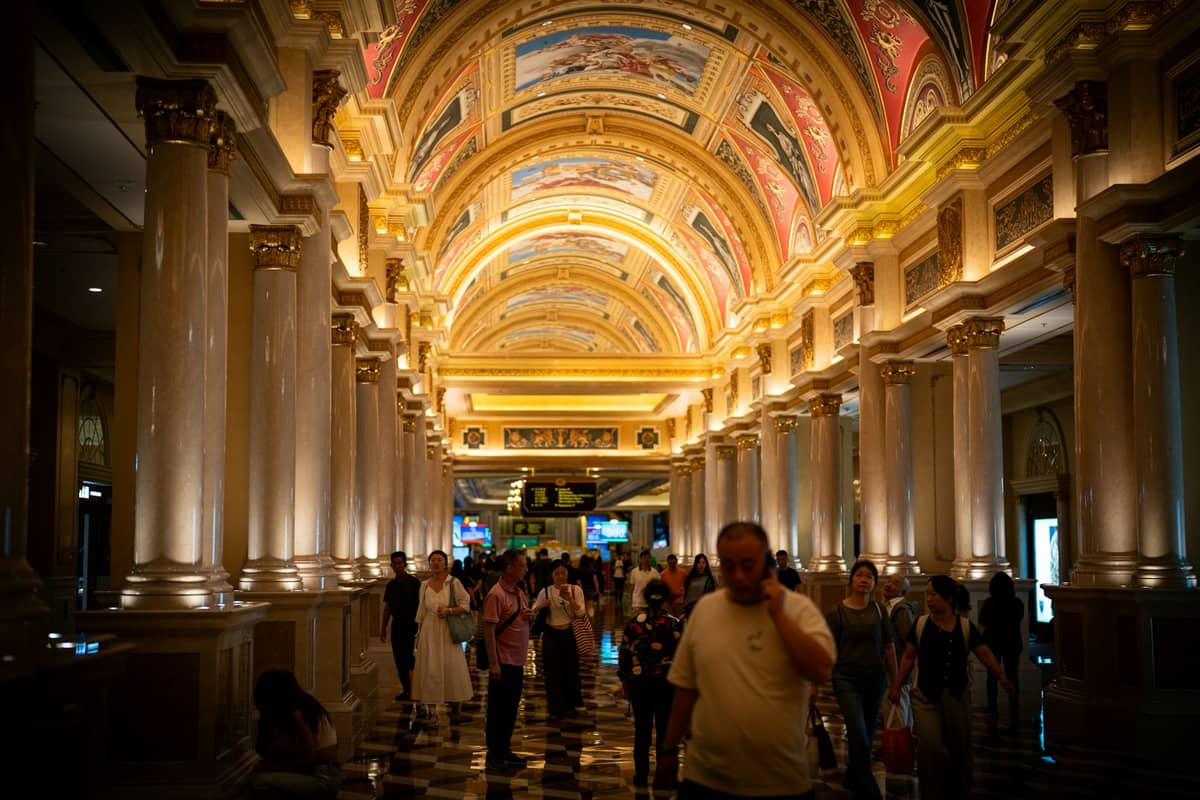
The Cotai Strip's casino floors are the most obvious draw, but framing the entire district around gambling sells it short. The entertainment infrastructure is substantial. Cotai Arena at The Venetian is one of Asia's largest indoor concert venues, regularly hosting international artists on their Asian tours. Galaxy Arena and Londoner Arena have added further capacity. If a major act is touring Asia, there is a good chance they are playing Cotai. Check the individual venue event calendars several weeks in advance, as shows sell out quickly.
Shopping in Cotai runs from luxury boutiques to mid-market retail. The Grand Canal Shoppes at The Venetian is the largest single mall, with brands ranging from Prada and Louis Vuitton down to souvenir shops and food courts. The Parisian's retail offering is more mid-market. Galaxy Macau has a curated selection of high-end labels. None of these compare to the depth of Hong Kong for serious shopping, but if you are looking for a specific luxury purchase or just want to browse in air conditioning, the options are solid. For a broader look at where to spend money in Macau, the Macau shopping guide covers both Cotai and the peninsula markets.
Family-oriented attractions are concentrated here in a way that does not exist anywhere else in Macau. Studio City has a dedicated kids zone and the figure-8 Ferris wheel. The Venetian has a constant rotation of free entertainment in the Grand Canal: street performers, gondola shows, and seasonal installations for Chinese New Year and Christmas. Seac Pai Van Park on Coloane is a short taxi ride away if you need green space after a day of resort interiors.
Dining on the Cotai Strip: What to Prioritise
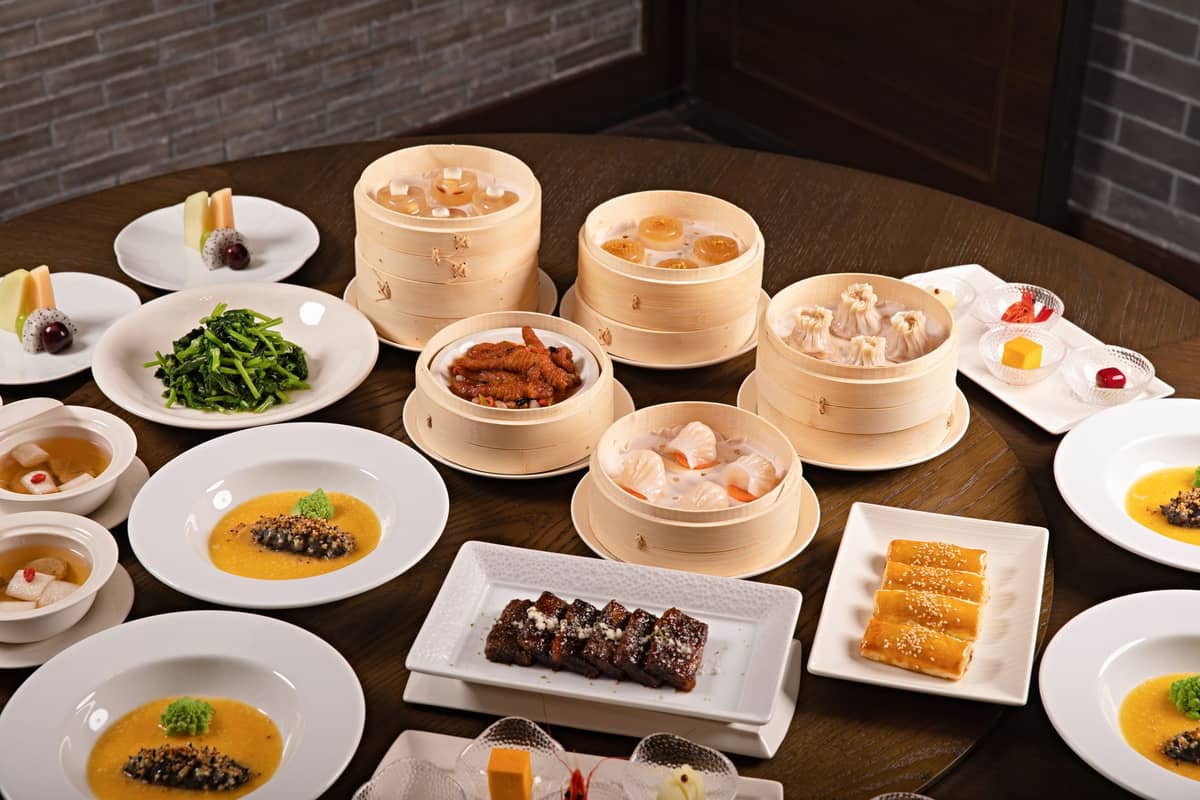
The Cotai resorts house hundreds of restaurants between them, which sounds impressive until you realise that the majority are safe, overpriced hotel dining. The standout options tend to be the celebrity chef outposts and the genuine Cantonese restaurants that cater to Mainland Chinese high rollers who take food seriously. For context on what Macanese cuisine actually involves and where to find the best of it across the SAR, the Macau food guide gives a much fuller picture than anything you will find inside a Cotai lobby.
If you want a meal that justifies the bill, Galaxy Macau's restaurant collection is the strongest on the strip. The property has attracted a number of Michelin-starred operations and the Chinese fine-dining options there are legitimate rather than just capitalising on captive hotel guests. For something more casual, the food courts across the Venetian and Londoner offer decent Cantonese roast meats, dim sum, and congee at prices that do not feel punitive. Cotai is not a food destination in the way that Taipa Village or the peninsula's street stalls are, but it is perfectly possible to eat well here if you choose deliberately.
Practical Tips for Visiting the Cotai Strip
Timing matters more than most visitors realise. The Cotai Strip during Chinese Golden Week (the first week of October and the first week of February around Chinese New Year) is extremely crowded, with shuttle bus queues stretching outside the ferry terminals and casino floors packed to the point of being unpleasant. If your travel dates are flexible, avoid these periods. The Macau Chinese New Year guide explains what the holiday means for crowds and what it adds in terms of spectacle, so you can weigh the trade-offs.
Climate is a genuine practical concern. Macau's subtropical humidity is at its worst from June through September, with temperatures in the high 20s to low 30s Celsius and a real typhoon risk in July and August. The Cotai Strip is largely navigable indoors during this period because the resorts are connected by air-conditioned walkways, but outdoor movement between distant properties is uncomfortable. November through March brings cooler, drier weather (around 15 to 22 degrees) that makes the strip far more pleasant, including any outdoor pool or terrace areas.
- Currency: Macanese patacas (MOP) are standard, but Hong Kong dollars (HKD) are accepted across all Cotai resorts; the official peg is roughly 1 HKD to 1.03 MOP, though many everyday transactions treat them at 1:1.
- Electricity: 220V / 50Hz, Type G plugs (UK-style three-pin). Bring an adapter if your devices use US or European plugs.
- Dress code: Smart casual is fine for most resort areas. Upscale restaurants may require closed-toe shoes. Casino floors have no formal dress requirement.
- Tipping: Not obligatory. A 10% service charge is usually added to hotel and restaurant bills already.
- Emergency number: 999 (police, fire, ambulance). Macau country code: +853.
- Water: Tap water is treated but most visitors use bottled water as a precaution.
Accommodation on the Cotai Strip tends toward the luxury and upper-midscale segments. If budget is a concern, staying on the Macau Peninsula and visiting Cotai as a day trip is a perfectly viable strategy given the free shuttle access. The where to stay in Macau guide compares the peninsula, Taipa Village, and Cotai options across price ranges. For those planning a comprehensive SAR visit, the 2-day Macau itinerary integrates Cotai with the historic sites that most visitors want to see alongside the resort district.
💡 Local tip
Hotel rates on the Cotai Strip drop significantly on weekday nights compared to Friday and Saturday. If you can check in Sunday to Thursday, the same room at The Venetian or Galaxy can cost 30-50% less than a weekend rate.
FAQ
Is the Cotai Strip worth visiting if I don't gamble?
Yes. The strip has enough shopping, dining, live entertainment, family attractions, and architectural spectacle to fill a full day without setting foot on a casino floor. The Venetian's Grand Canal, Studio City's Ferris wheel, the Parisian Eiffel Tower viewing deck, and major concerts at Cotai Arena are all non-gambling experiences that draw large numbers of visitors.
How do I get from the ferry terminal to the Cotai Strip?
From Taipa Ferry Terminal, you can take the Macau LRT to Cotai West or Cotai East stations, or board a free casino shuttle bus to your specific resort. From the Outer Harbour terminal on the peninsula, free shuttles depart for each major Cotai property. Journey times range from 15 to 30 minutes depending on traffic.
How far is the Cotai Strip from the historic centre of Macau?
The historic centre (Senado Square, Ruins of St. Paul's) is on the Macau Peninsula, roughly 10 to 15 kilometres from the central Cotai area by road. The journey takes 20 to 35 minutes by taxi or shuttle depending on traffic. The Macau LRT currently serves Taipa, Cotai, and Barra on the Peninsula (next to A-Ma Temple), but it still does not serve Senado Square, so a bus or taxi is required for that leg.
What is the best Cotai Strip resort for families?
Studio City and The Venetian are the top picks for families. Studio City has a dedicated kids entertainment zone and rides. The Venetian has free gondola shows, a massive mall with plenty of child-friendly food options, and enough spectacle to keep younger visitors engaged without paying for specific attractions.
Do I need to book Cotai Strip attractions in advance?
For concert tickets and show tickets (such as the reimagined House of Dancing Water at City of Dreams), advance booking is strongly recommended, especially for weekend performances. Gondola rides at The Venetian and the Eiffel Tower viewing deck at The Parisian can usually be purchased on the day, but queues are long on weekends and during Chinese public holidays.