Where to Stay in Macau: Best Areas and Hotels (2026 Guide)
Choosing where to stay in Macau shapes your entire trip. This guide breaks down the Macau Peninsula, Cotai Strip, Taipa, and Coloane by atmosphere, price, and practical access — so you can pick the right base whether you're here for UNESCO heritage, casino resorts, or quiet beaches.
TL;DR
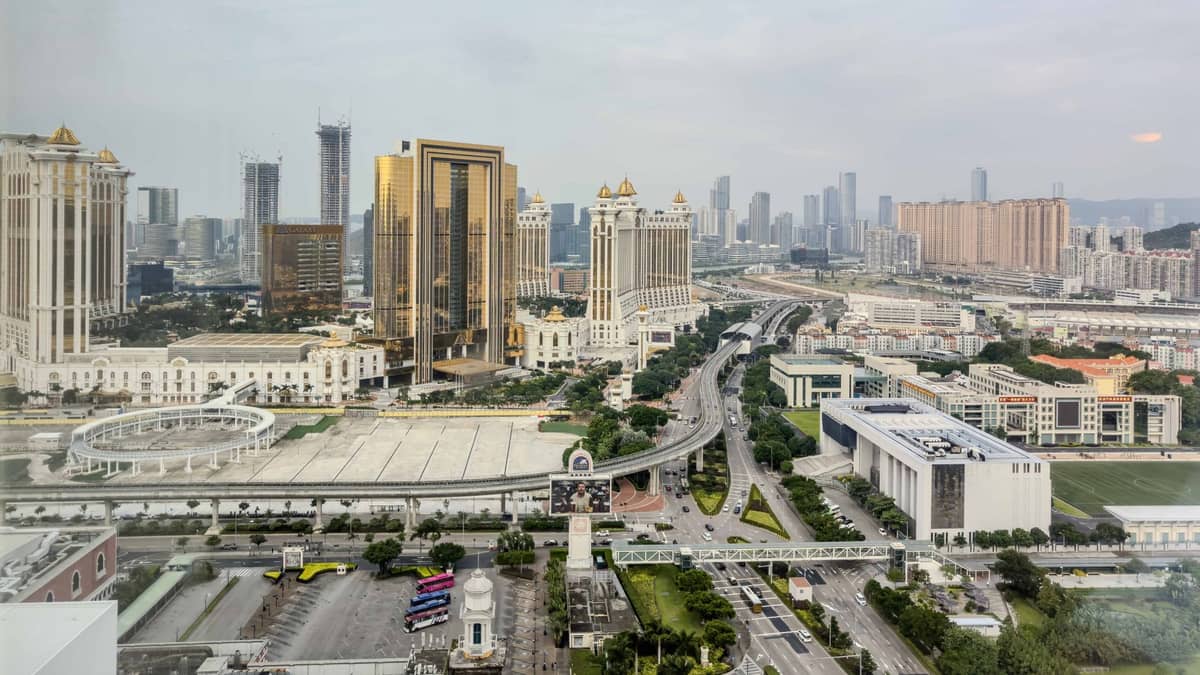
- Macau has three main stay zones: the historic Peninsula, the mega-resort Cotai Strip, and the more local Taipa/Coloane area.
- Cotai is where the 5-star integrated resorts sit — The Venetian Macao, Galaxy Macau, Wynn Palace — with all-in-one entertainment, dining, and shopping. Peak-season rates start around US$150–250/night, with real deals off-peak.
- The Macau Peninsula puts you walking distance from UNESCO-listed heritage sites, street food, and older neighbourhood character — often at lower prices than Cotai.
- Taipa Village is a practical middle ground: local restaurants, boutique stays, and 10–15 minutes from both the Peninsula and Cotai.
- October to December is the best time to be here — dry, warm (18–25°C), and far more pleasant for walking between areas. See the full breakdown in our best time to visit Macau guide.
Understanding Macau's Layout Before You Book
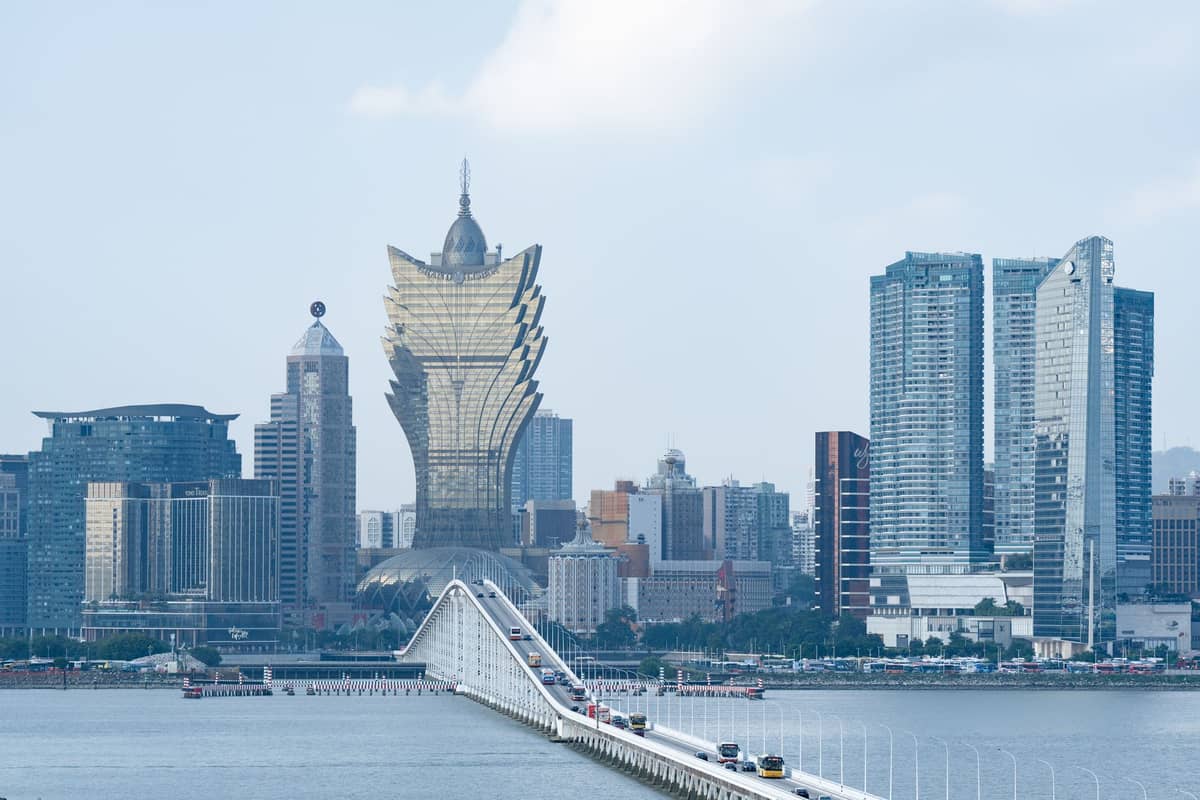
Macau is tiny — roughly 33.3 km² in total — but its geography matters a lot when choosing accommodation. The territory divides into three main land areas: the Macau Peninsula (the oldest urban core, connected to Mainland China by border gates), Taipa island (linked to the Peninsula by bridges), and Coloane island (the quietest, southernmost area). Between Taipa and Coloane sits Cotai, a large reclaimed strip that now holds the territory's biggest integrated casino resorts.
The good news: the whole territory is connected by frequent public buses and taxis, and travel between Cotai and Senado Square on the Peninsula typically takes 15–25 minutes by road, depending on traffic. The getting around Macau situation is genuinely manageable. The Macau Light Rapid Transit (LRT) Taipa Line also links Macau International Airport (MFM, located on Taipa) with Cotai, Taipa Ferry Terminal, and Barra station on the Peninsula. Many major hotels and casinos run complimentary shuttle buses to ferry terminals, the airport, and border gates — always check what your hotel offers before paying for a taxi.
ℹ️ Good to know
Macau operates on Macau Standard Time (UTC+8), uses the Macanese pataca (MOP) as its currency, and Hong Kong dollars are widely accepted at roughly 1 HKD to 1.03 MOP. English is widely spoken in hotels and tourism venues throughout all areas.
Cotai Strip: Best for Resort Experiences and Macau 5-Star Hotels
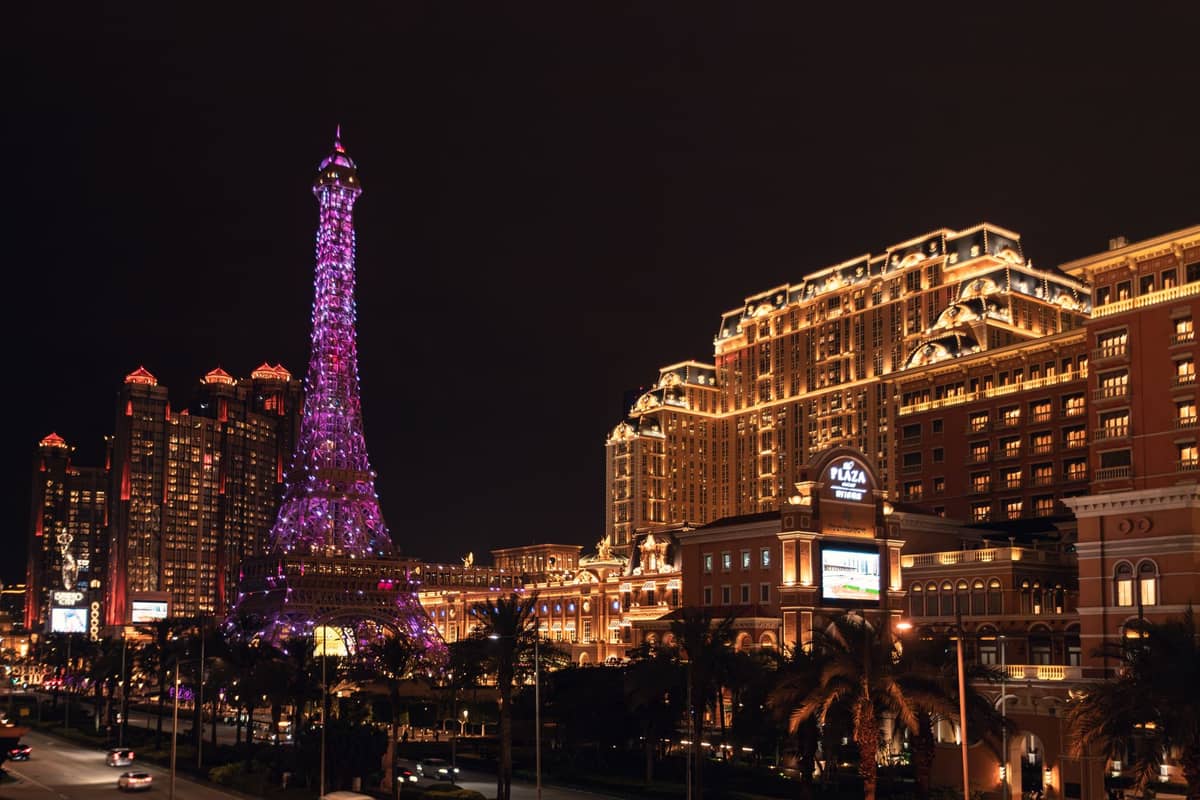
If you're coming to Macau for the full casino-resort experience, Cotai is where you want to be. This reclaimed strip between Taipa and Coloane hosts the territory's most spectacular integrated resorts: The Venetian Macao, Galaxy Macau, Wynn Palace, City of Dreams, MGM Cotai, Studio City, and The Parisian Macao among others. Each property functions as a self-contained world with restaurants, shopping, entertainment, pools, and spas.
For Macau 5-star hotels, Cotai has the highest concentration. Entry-level rooms at these properties typically run US$150–250 per night during peak season (October to February, and around Golden Week), but significant discounts appear midweek and in the June–September wet season, when rates can drop well below US$150. The trade-off: you're further from the UNESCO heritage sites on the Peninsula, and the environment feels more Vegas than Asia — enormous casino floors, mall corridors, and artificial canals are part of the aesthetic.
- Best for: Families wanting all facilities on-site, couples after luxury spa and dining, visitors who want shows, shopping malls, and nightlife without leaving the property.
- Avoid if: You're primarily interested in Macau's heritage, street food, or local culture — Cotai offers very little of that within walking distance.
- Practical note: All major Cotai resorts run free shuttle buses to the ferry terminals and border gates. This significantly reduces the effective cost of staying here, even if rack rates look steep.
Macau Peninsula: Best for Heritage, Culture, and Value
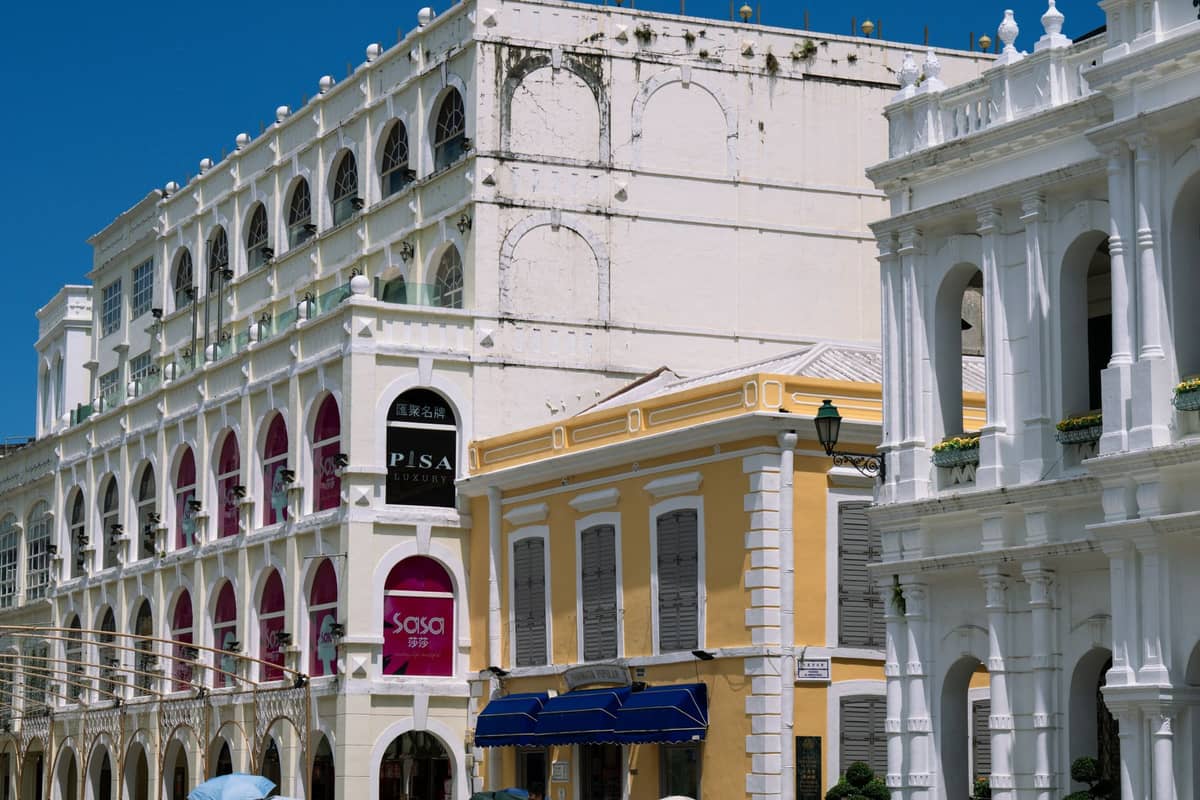
The Peninsula is the oldest part of Macau and the one that earns the UNESCO listing. Staying here puts you within walking distance of the Ruins of St. Paul, Leal Senado, St. Dominic's Church, the Fortaleza do Monte, and dozens of other historic buildings that you genuinely cannot see from a Cotai resort window. The narrow streets around Senado Square are some of the most atmospheric in any Asian city.
Hotel options on the Peninsula range from budget guesthouses and mid-range business hotels to a handful of luxury properties, including the landmark Grand Lisboa. Midweek rates for solid 4-star hotels on the Peninsula are typically lower than equivalent quality on Cotai — worth knowing if budget matters. The inner and outer harbour areas have older, more residential character, while the historic centre around Senado Square is the pedestrian-friendly tourist core.
The Peninsula does have a real drawback: older casino properties here skew smaller and feel dated compared to Cotai's mega-resorts. If the casino experience matters, Cotai wins easily. But if you're here to explore the heritage sites, eat at street food stalls, and understand why Macau is more than just gambling, the Peninsula is the correct base. The Grand Lisboa is the one Peninsula property that genuinely competes with Cotai on luxury and facilities.
💡 Local tip
If you're splitting a Macau trip across multiple nights, consider one night on the Cotai Strip and one on the Peninsula. The shuttle buses make switching areas easy, and you get a genuinely different experience from each base.
Taipa Village and Taipa Island: The Local Middle Ground
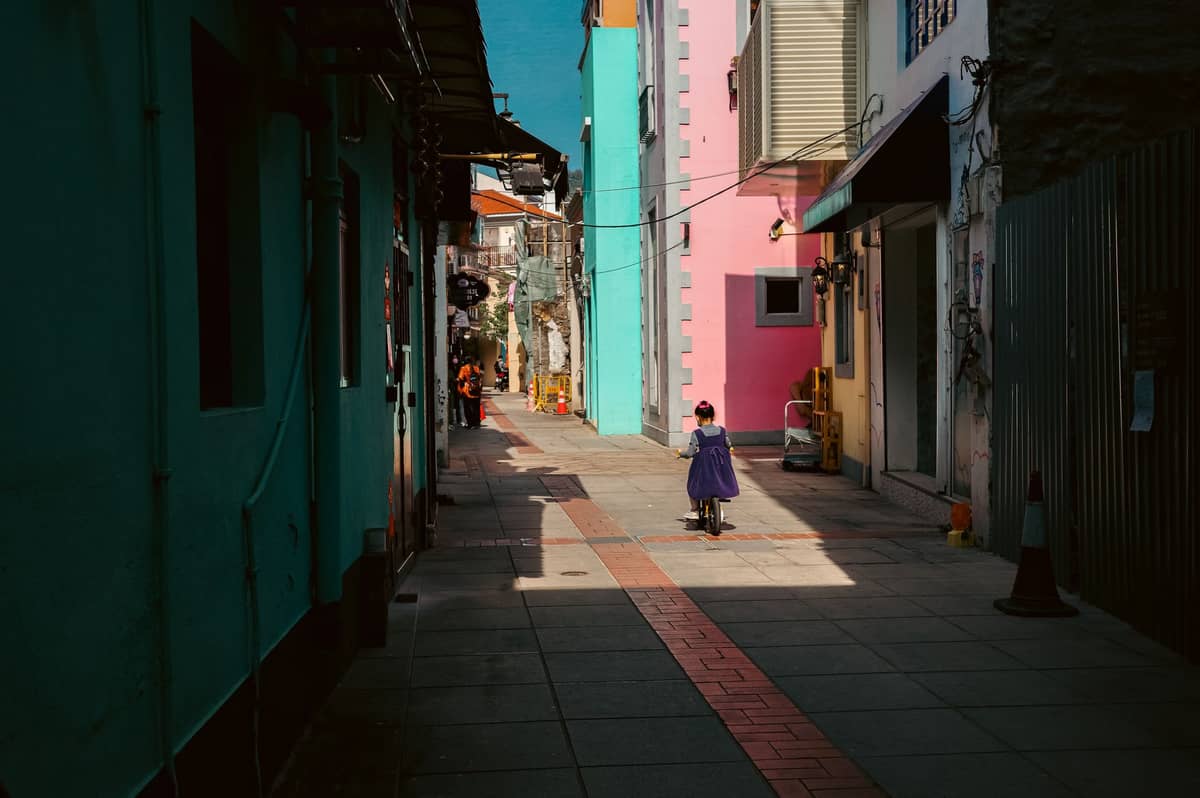
Taipa Village sits on the southern part of Taipa island, sandwiched between the Peninsula and Cotai. It's a smart choice that often gets overlooked. The village has preserved shophouses, a cluster of local Portuguese-influenced restaurants, the Taipa Houses Museum, and a relaxed evening atmosphere that neither Cotai nor the Peninsula quite replicates. A handful of boutique hotels and guesthouses operate here.
The practical advantage of Taipa Village is location: you're 10–15 minutes by bus or taxi from both Senado Square and the Cotai Strip. The LRT Taipa Line also passes through, making airport transfers straightforward. If you're visiting Macau on a tight schedule and want to cover both heritage sites and the resort area without losing time in transit, Taipa Village offers genuine geographic efficiency.
✨ Pro tip
Taipa Village restaurants are where many locals eat, and the quality-to-price ratio is considerably better than in-resort dining on Cotai. Staying in Taipa gives you easy access to both without committing to the full casino-resort bubble.
Coloane: For Beaches, Hiking, and Quiet
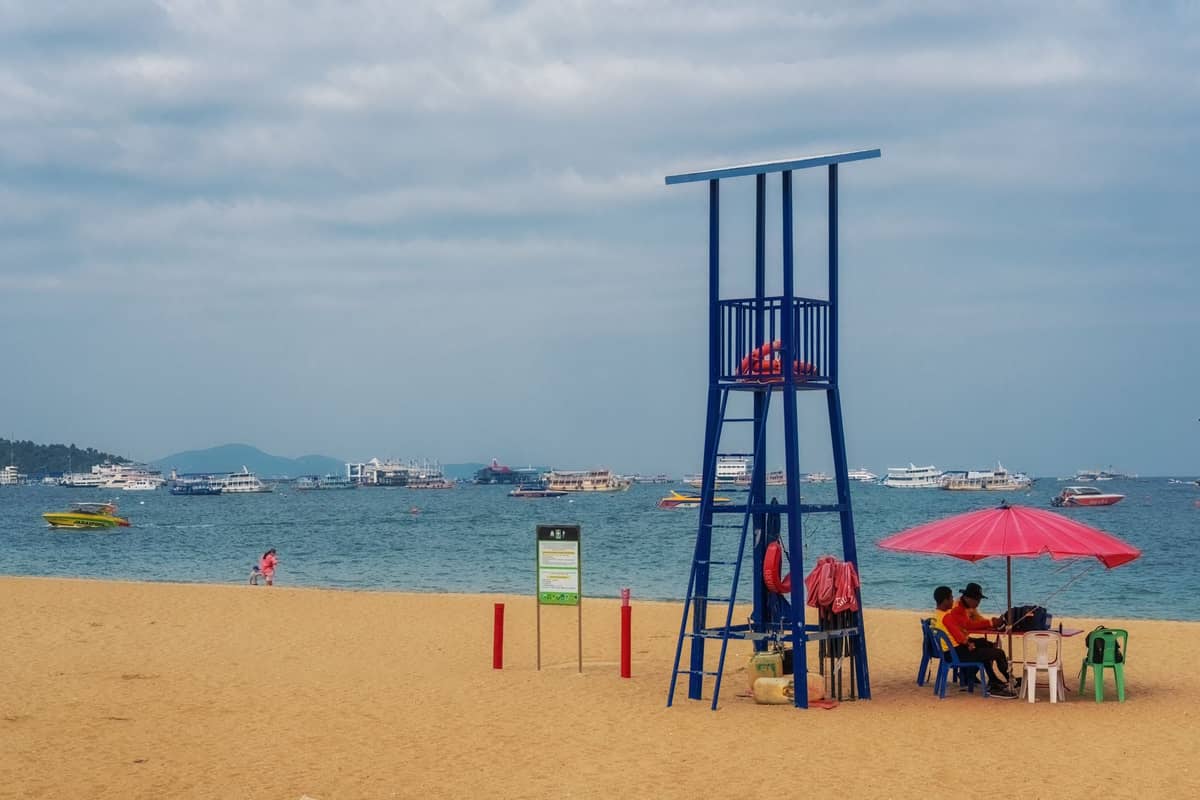
Coloane is the least developed and most peaceful part of Macau. It offers Hác Sá beach, Cheoc Van beach, hiking trails, and Coloane Village with its small squares and old temple. Accommodation options are limited — a small number of resort hotels and guesthouses rather than the mega-resort inventory of Cotai.
Be honest with yourself before choosing Coloane as your base. If beach access and genuine quiet matter more than convenience, it works well. But if you plan to spend significant time at heritage sites or casinos, the transit time back and forth adds up. Coloane is best as a day trip from your Peninsula or Taipa base, or as a specific choice for travellers who want Macau at its slowest pace.
When to Book and What to Expect on Pricing
Macau hotel pricing moves dramatically by season and day of week. Weekends see significantly higher rates than weekdays across all areas, because the majority of visitors are day-trippers and short-break travellers from Hong Kong and Mainland China who arrive Thursday to Sunday. If your schedule allows weekday check-in, you'll almost always pay less.
October to February is peak season for weather and tourism, which pushes rates up. Chinese New Year, Golden Week (early October), Christmas, and New Year's Eve are the highest-demand periods — book months in advance for these dates and expect premium pricing. June to September brings the typhoon season risk, lower crowds, and lower prices, but humidity and occasional storm disruptions are real considerations. The sweet spot for balancing price and comfort is October to mid-November or late February to March.
- Peak season (Oct–Feb): highest demand, highest prices, book 2–3 months ahead for good Cotai properties during holiday weeks.
- Typhoon season (Jul–Sep): lowest prices but genuine storm risk; typhoon signals can disrupt transport and close outdoor attractions with little warning.
- Shoulder season (Mar–May, Oct–Nov): best combination of reasonable rates and pleasant weather for exploring all areas on foot.
- Weekday vs weekend: the price gap can be 30–50% at popular Cotai resorts — midweek stays offer real savings.
⚠️ What to skip
During typhoon season (July–September), storms can cause short-notice disruptions including ferry and flight cancellations. If you're staying on Cotai, self-contained resorts handle this better than Peninsula guesthouses. Check the Macau Meteorological and Geophysical Bureau (SMG) for current typhoon signal status before and during your trip.
Practical Tips for Booking Macau Hotels
Most Macau hotels are bookable through standard international platforms. Compare rates across Booking.com, Agoda, and the hotel's own website — direct bookings sometimes include breakfast or casino credits that aren't reflected in OTA prices. If you're arriving by ferry from Hong Kong, check our Hong Kong to Macau guide for ferry terminal options, as some Cotai resorts have their own ferry terminal (Taipa Ferry Terminal) which avoids going through the Outer Harbour.
- Electricity: 220V, 50Hz. Common plug type is UK-style Type G (three rectangular pins). Bring an adaptor — not all rooms provide universal outlets.
- Tipping: Not traditionally expected, but a 10% service charge is often included in hotel and restaurant bills. Discretionary tips are accepted in tourism contexts.
- Tap water: Treated, but many local advisories recommend boiling or using bottled water. Hotels typically provide bottled water.
- Shuttle buses: All major casino resorts run free shuttles to ferry terminals, the airport, and border gates. Confirm your hotel's schedule before paying for a taxi.
- Dress code: No city-wide requirement, but some upscale restaurants and casino areas expect smart-casual attire. Beachwear is not appropriate in hotel lobbies or restaurants.
FAQ
Where should first-time visitors to Macau stay?
For a first visit, the Macau Peninsula or Taipa Village gives you the most complete picture of what makes Macau distinctive. Heritage sites, street food, and local character are all walkable. If your main goal is the casino resort experience, Cotai is the right call — but understand you'll need buses or taxis to reach the UNESCO historic centre.
Are Macau 5-star hotels worth the price?
At the top Cotai properties — The Venetian, Wynn Palace, Galaxy Macau — the quality is genuinely world-class and the facilities are hard to match. Off-peak midweek rates can bring these down to US$150 or less, at which point they represent excellent value. Peak season weekend rates at US$300+ are harder to justify unless you're using the resort's facilities heavily.
Is it better to stay on the Macau Peninsula or Cotai?
Depends entirely on your priorities. The Peninsula is better for UNESCO heritage, street food, local atmosphere, and usually lower accommodation costs. Cotai is better for casino resorts, luxury hotels, entertainment shows, and all-in-one convenience. Taipa Village is a practical compromise if you want elements of both.
How far is Cotai from the historic centre of Macau?
By road, Cotai to Senado Square on the Macau Peninsula takes roughly 15–25 minutes depending on traffic. There are regular public buses on this route, and taxi fares are reasonable given the short distance. Most Cotai resorts also run shuttle buses to border gates and ferry terminals, which are closer to the Peninsula.
When is the cheapest time to book hotels in Macau?
June to September (typhoon season) offers the lowest hotel rates, particularly on weekdays. However, humidity is high and storm disruptions are possible. For the best balance of price and comfort, target late February to March or early October before Golden Week crowds arrive.