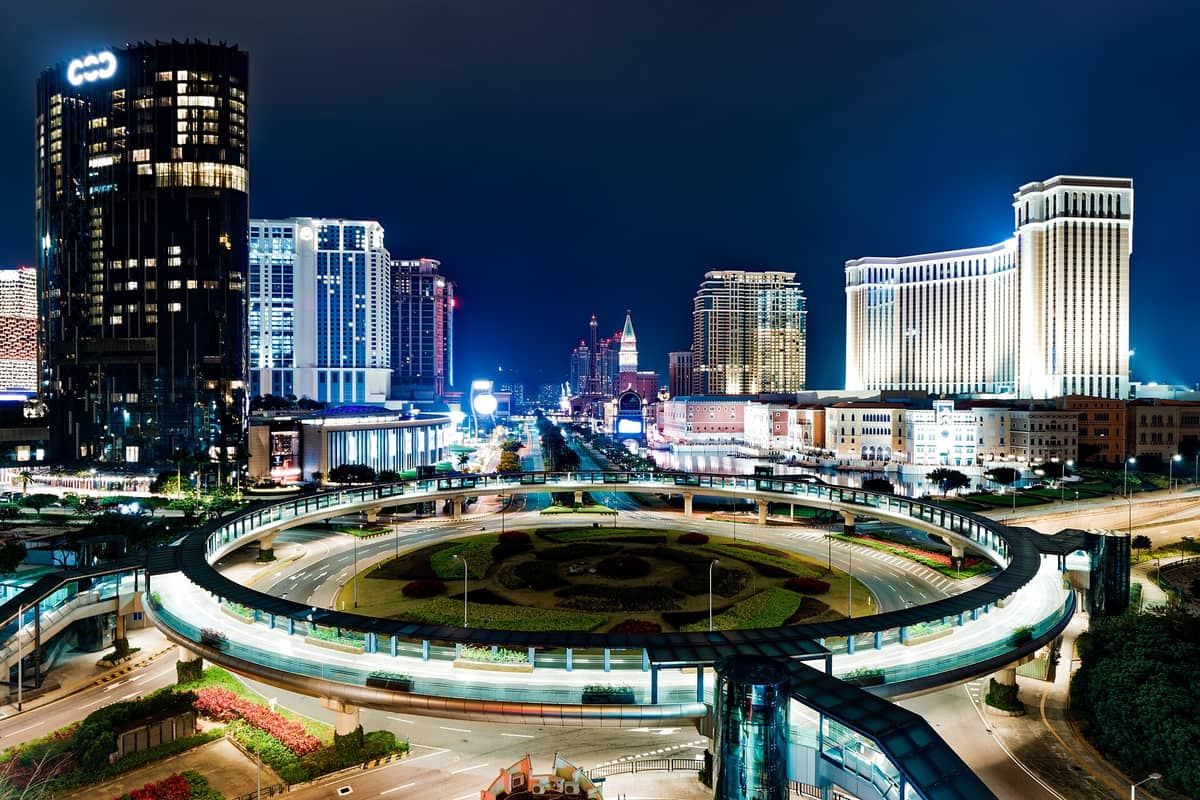
The Cotai Strip is Macau's purpose-built resort corridor, stretching across reclaimed land between Taipa and Coloane. Home to some of the world's largest integrated resorts, it offers casino gaming, headline entertainment, luxury shopping, and international dining on a scale that dwarfs most destinations. It runs on a different rhythm from historic Macau, and understanding that difference is key to deciding whether it belongs in your itinerary.
The Cotai Strip is where Macau goes big. Built on 5.2 square kilometres of reclaimed land between Taipa and Coloane, this corridor of mega-resorts operates at a scale that makes even experienced travelers pause at the entrance. Think Venetian gondolas, a half-scale Eiffel Tower, and casino floors larger than some city parks, all connected by free shuttle buses and a functioning light rail line.
Orientation: Understanding Where Cotai Sits
Cotai is not an island in the traditional sense. It is a strip of land reclaimed from the sea between Taipa to the north and Coloane to the south, and the word "Cotai" itself is a portmanteau of those two names. The Macau Peninsula, where the UNESCO-listed historic core sits, lies roughly 8 to 10 kilometres to the northwest by road. Taipa Village, the older residential neighbourhood with its colonial-era houses and street-food lanes, is about 15 to 20 minutes on foot from the northern end of the Strip.
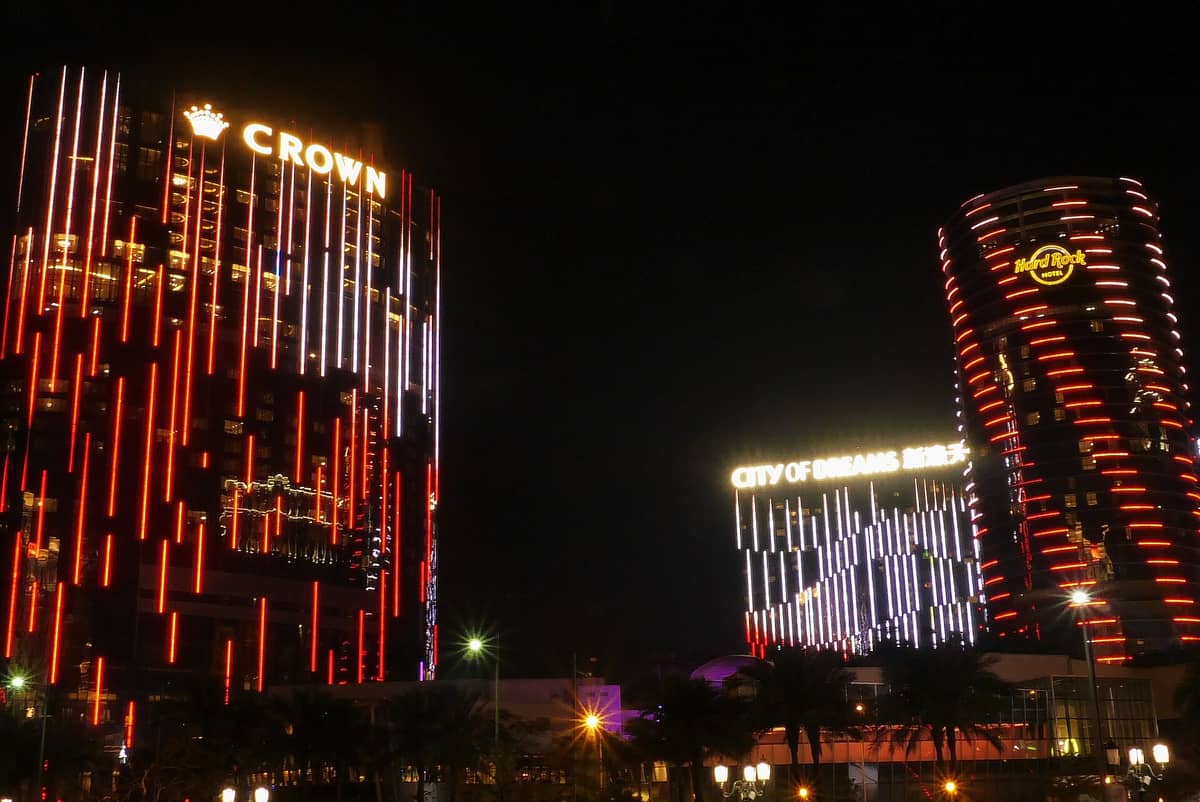
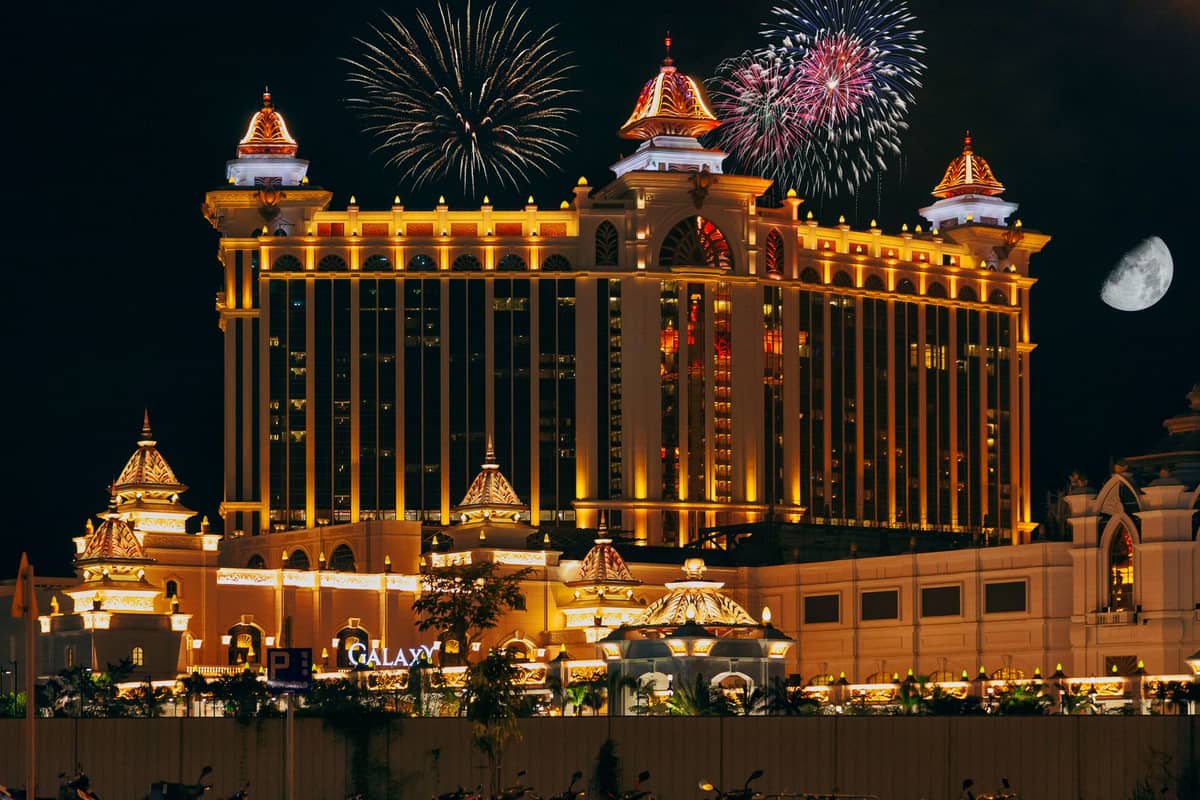
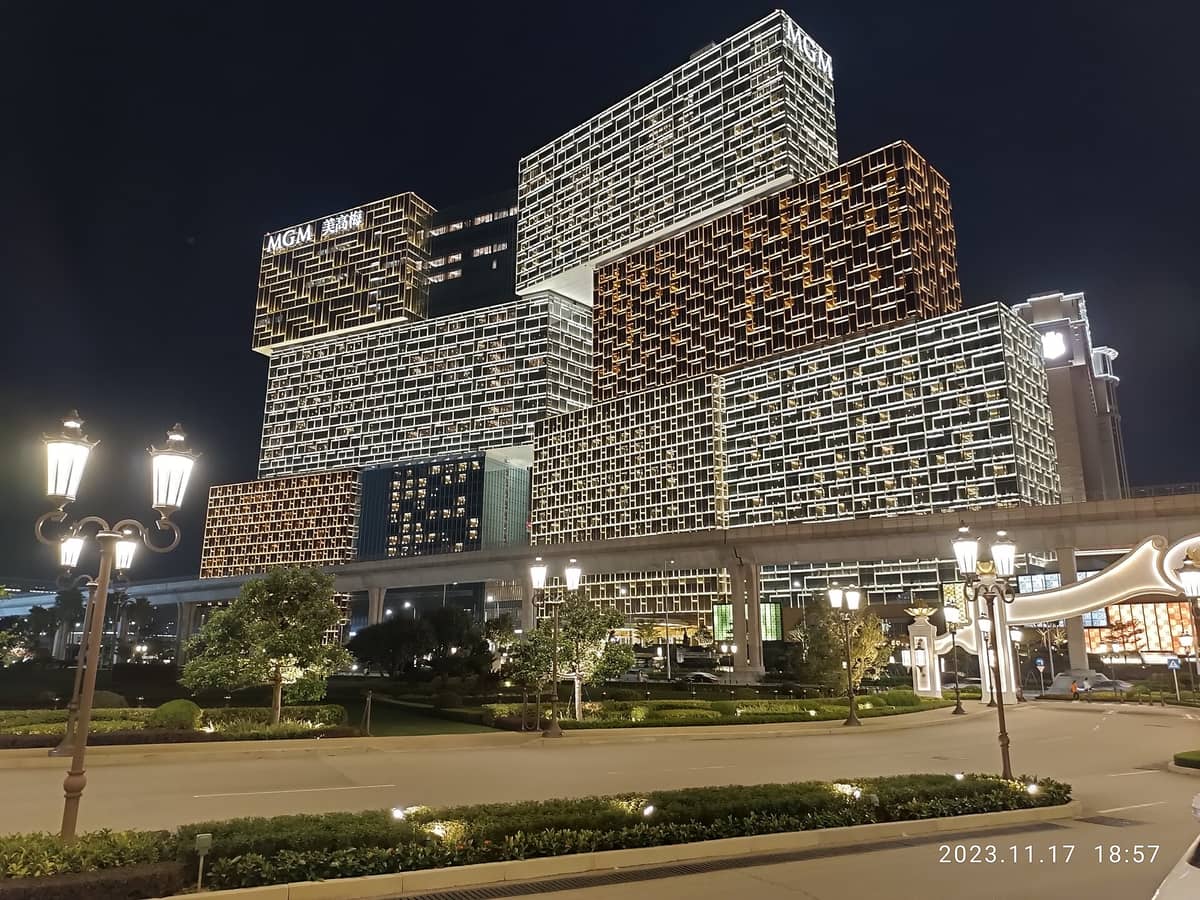
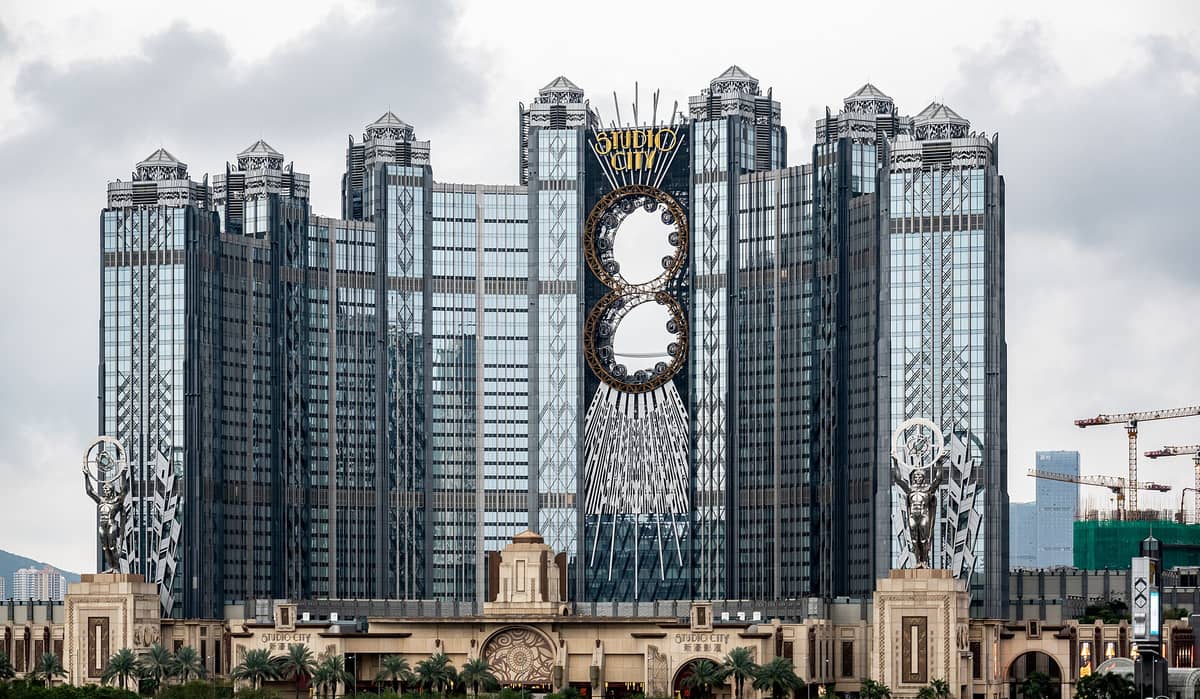
The Strip runs roughly southwest to northeast along Estrada do Istmo and the surrounding resort access roads. Major resort clusters anchor specific sections: Galaxy Macau, The Venetian Macao, the Four Seasons, and The Parisian Macao cluster around Cotai West LRT station; City of Dreams, MGM Cotai, and Wynn Palace sit toward Cotai East. MGM Cotai and Wynn Palace are positioned along the northern stretch, closer to the Taipa Ferry Terminal and the airport.
For first-time visitors trying to build a mental map: the Strip is linear, so navigation is relatively straightforward. The Macau LRT Taipa Line runs directly through the resort zone, and the hotels themselves are so large that the street-level experience can feel more like navigating a campus than a city block. If you are coming from Taipa Village or the airport, you will hit the northern end of the Strip first. If you are coming by ferry to the Taipa Ferry Terminal, resort shuttle buses are waiting outside arrivals.
Character & Atmosphere: What It Actually Feels Like
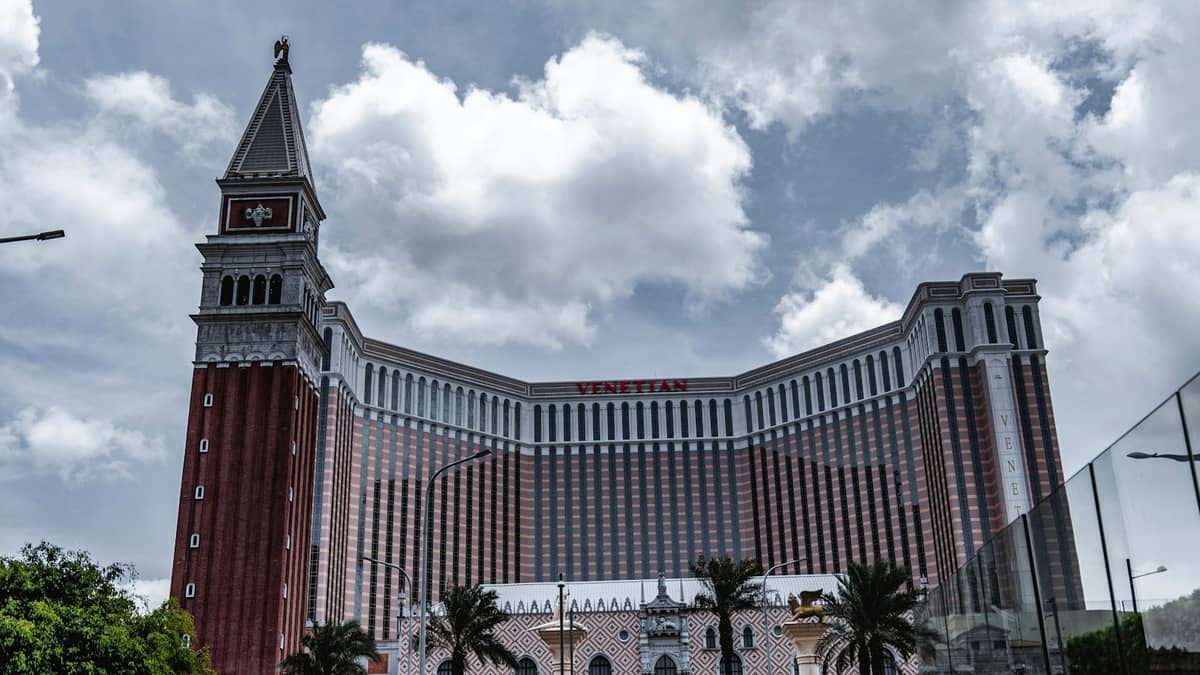
The Cotai Strip does not do subtle. Step off the LRT at Cotai West and you are immediately confronted with the scale of The Venetian Macao, a building so large it has its own internal canal system, replica Venetian streetscapes, and an arena with a capacity of around 15,000 seats. The exterior architecture pulls from every corner of Europe and beyond, and the air conditioning inside the resorts is always on full blast, which provides real relief during Macau's humid summers but creates a slightly disorienting, timeless quality, as if the Strip exists outside of weather and daylight entirely.
In the morning, the Strip is surprisingly calm by its own standards. Breakfast crowds gather in the hotel dining rooms, and the casino floors are quieter, populated mostly by serious early-bird players rather than the evening rush. By midday, tour groups begin arriving via shuttle bus, and the shopping arcades fill up. The light at this hour, when you step outside between resorts, is fierce and flat, reflecting off the wide pedestrian plazas and the glass-and-steel facades with little shade. Walking between properties under the midday sun in summer is genuinely uncomfortable, so plan accordingly.
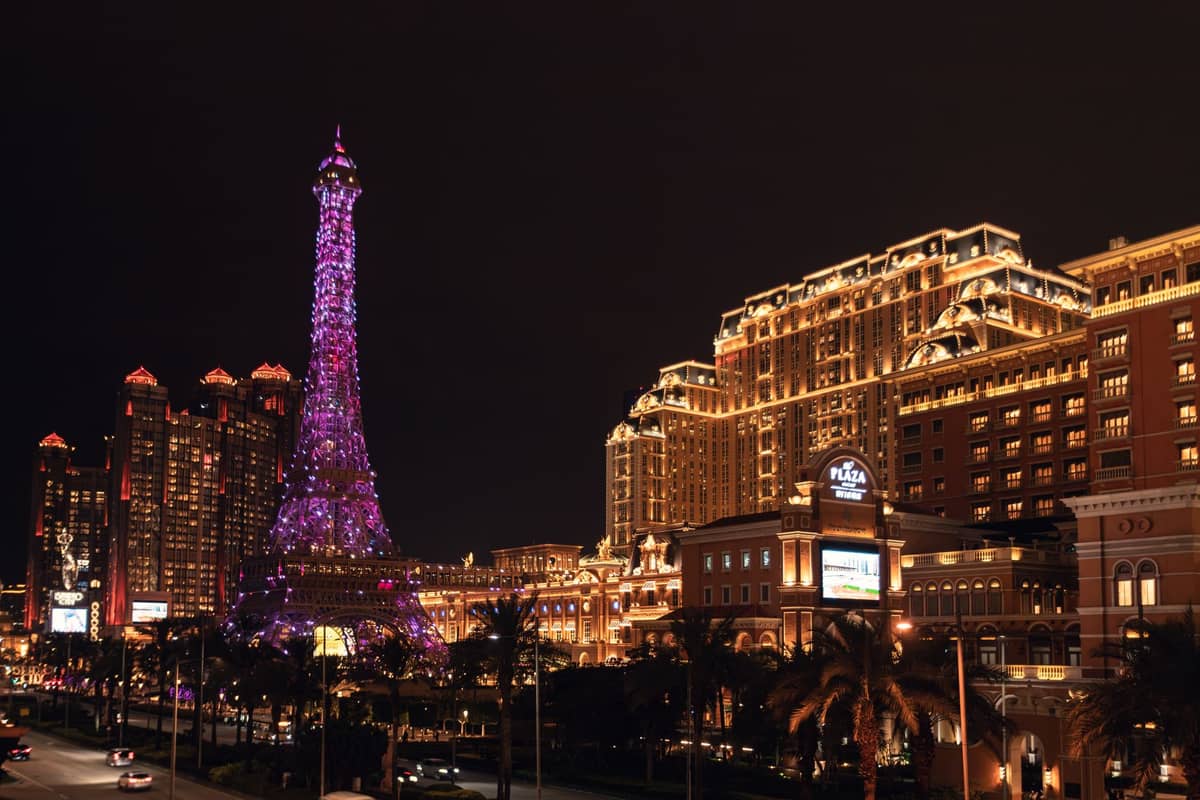
After dark is when the Strip shifts into its full character. The exterior lighting on The Parisian Macao's Eiffel Tower replica, the illuminated facades of the Londoner Macao, and the animated LED displays across the resort fronts create a spectacle that is worth seeing at least once, regardless of whether you gamble or not. The casino floors are at peak energy between 9 pm and 2 am, with a mix of Mainland Chinese visitors, Southeast Asian tour groups, and international travellers. The noise inside a major casino at this hour, the chime of machines, the murmur of Cantonese and Mandarin at the tables, and the distant announcements from the arena, is its own distinct experience.
⚠️ What to skip
The Cotai Strip is not a neighbourhood in the traditional sense. There are almost no local residents, independent restaurants, or everyday shops. Everything is integrated into the resorts. If you are looking for street life, local markets, or the texture of a lived-in community, you will not find it here. The Strip is purpose-built for leisure and gaming tourism, and it does not pretend otherwise.
What to See & Do
The major resorts are the attractions here, and they are genuinely worth exploring even if you have no intention of setting foot in a casino. The Venetian Macao is the starting point for most visitors: take a gondola ride through the Grand Canal Shoppes, wander the replica Piazza San Marco, or simply try to locate the outer edges of the building, which is harder than it sounds. The complex also houses the Cotai Arena, a large indoor venue that hosts major international concerts and sporting events throughout the year.
The Parisian Macao has become one of the most photographed spots on the Strip, largely due to its half-scale Eiffel Tower replica. The tower is accessible for a fee and offers decent elevated views across the resort zone and toward the hills of Coloane. At night, the light display runs on a schedule and draws steady crowds to the front plaza. Next door, Galaxy Macau operates one of the largest resort complexes in Asia, with an outdoor wave pool, multiple hotel towers, and an internal "sky roof" that functions as a weather-proof leisure zone.
City of Dreams Macau stands out for its entertainment credentials. The House of Dancing Water, a large-scale aquatic theatre production staged in a purpose-built 2,000-seat venue with a 3.7-million-litre pool, ran for over a decade before pausing for renovation. Check current status before visiting, as the show's programme changes. The resort's Morpheus hotel, designed by the late Zaha Hadid, is architecturally the most interesting building on the Strip, with an exoskeleton structure that is unlike anything else in Macau.
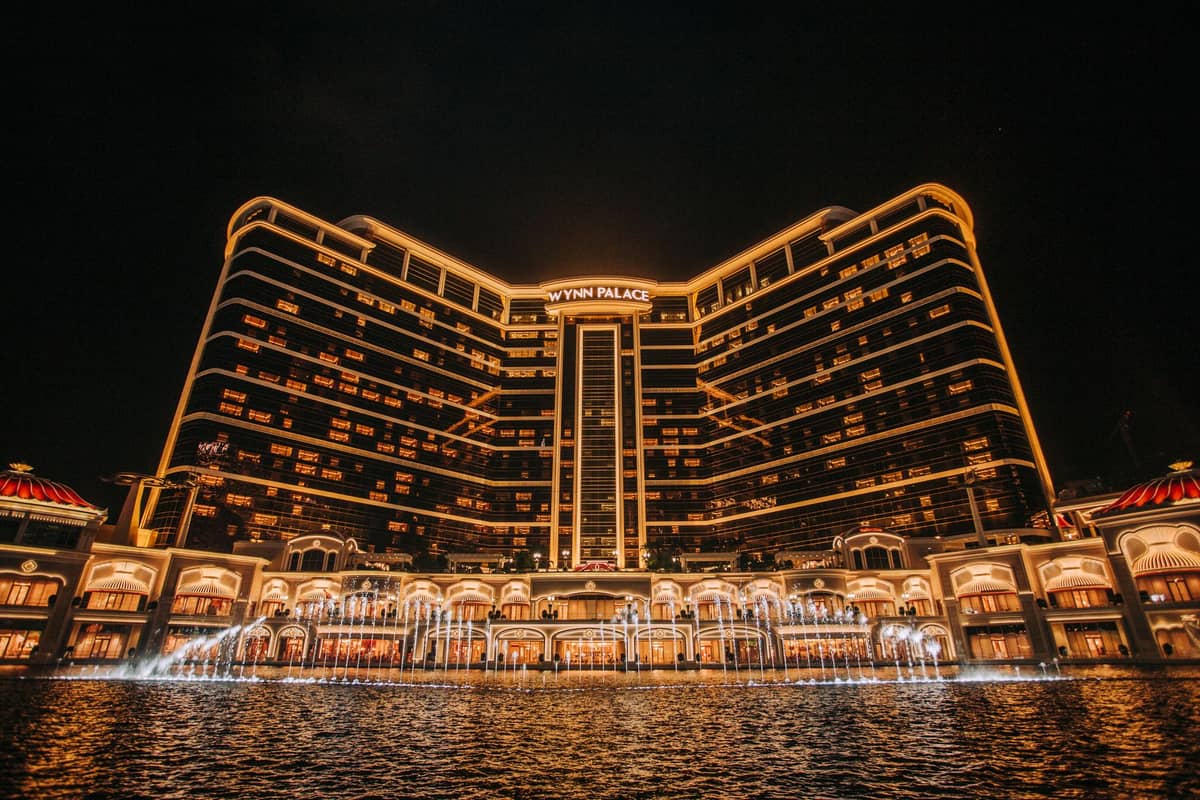
Wynn Palace and MGM Cotai round out the main resort portfolio on the northern stretch. Wynn Palace is known for its floral installations, a cable car ride over the resort's performance lake, and some of the Strip's most polished hotel interiors. MGM Cotai centres around a vast glazed atrium, the Spectacle, which hosts regular art installations and live performances.
Gondola rides at The Venetian Macao (ticketed, inside the Grand Canal Shoppes)
Eiffel Tower replica at The Parisian Macao (day and night visits; tower access ticketed)
Galaxy Macau wave pool and sky roof (primarily for hotel guests, but access varies by resort)
Free shuttle circuit between resorts for architecture and lobby-spotting
Cotai Arena concerts and events at The Venetian (check event calendar before visiting)
Casino gaming at any of the major integrated resorts (passport required for entry)
💡 Local tip
Even if you are not staying at a resort, the lobbies, shopping arcades, and common areas are generally open to visitors. Dress smart-casual to avoid any issues at higher-end properties. The free shuttle buses that loop between resorts, the ferry terminals, and the border gates are available to non-guests and are the most practical way to move between properties without getting into a taxi.
Eating & Drinking
The Cotai Strip has a surprisingly deep food scene, though almost all of it is contained within the resorts. The range runs from dim sum and roast meat to Michelin-starred tasting menus, and the quality at the upper end is genuinely high. If you are serious about food, the Strip is worth at least one meal. For a broader picture of what Macau's food culture looks like beyond the resorts, the Macau food guide covers the full range across all neighbourhoods.
Each major resort hosts multiple restaurants covering Chinese regional cuisines, Japanese, Italian, Portuguese, and contemporary international cooking. The Venetian and City of Dreams tend to have the widest variety of price points, with food court options sitting alongside full-service restaurants. Galaxy Macau is particularly well-regarded for its Chinese dining options, with several restaurants specialising in Cantonese roasts, hand-pulled noodles, and regional dim sum. Budget meals inside the resorts typically start around 60 to 100 MOP per person; mid-range restaurant dining runs roughly 200 to 450 MOP; fine dining at flagship restaurants can reach well above 800 MOP and often into the 1,500 to 2,500 MOP range.
For street food and local flavours at lower prices, the Strip is the wrong place to look. The nearest option is Taipa Village, about a 20-minute walk or short bus ride north, where you can find Macanese egg tarts, pork chop buns, and traditional Cantonese snacks at everyday prices. The Macau street food guide details the best spots in Taipa and on the Peninsula.
Bars and cocktail lounges are plentiful inside the resorts. Wynn Palace and MGM Cotai both have lobby bars with elaborate cocktail programmes and long hours. The casino floors in every property have complimentary drink service for active players, though the quality is uneven. For a more curated nightlife experience, the Strip feeds into Macau's broader casino nightlife scene, which the nightlife guide covers in detail.
Getting There & Around
The Macau LRT Taipa Line is the most direct public transit connection to the Cotai Strip. The line runs from Barra on the Peninsula through Taipa and the Cotai resort zone to the Taipa Ferry Terminal in the north, with interchange to the Seac Pai Van Line for Coloane. Key stations for the Strip are Cotai East, serving City of Dreams, Galaxy Macau and nearby eastern resorts; Ocean, positioned near The Venetian and The Parisian in the central Strip; and Lotus, serving the southern Cotai casino area and Hengqin border crossing. The airport also has an LRT station on the same line, making it possible to reach the Strip directly from Macau International Airport (IATA: MFM) without a taxi. Fares are distance-based; verify current rates on the getting around Macau guide or the Macau LRT website before travelling.
Free shuttle buses operated by the individual resorts are the most heavily used option for most visitors. They run from the Taipa Ferry Terminal, the Outer Harbour Ferry Terminal, the Border Gate (Portas do Cerco), the Cotai Border Gate (Lotus Border Gate), and Macau International Airport. Each resort runs its own service on its own schedule; the buses are free, identifiable by resort branding, and board from designated pick-up zones at each terminal and border crossing. Frequency varies but is generally good during peak tourist hours.
Public buses also connect the Macau Peninsula and Taipa to the Cotai Strip. Several routes stop along Estrada do Istmo, the main road running through the resort cluster, with stops marked for individual resorts. The journey from the city centre on the Peninsula takes roughly 25 to 40 minutes depending on traffic, and fares are very low, making buses a practical option for budget-conscious travellers. Taxis are readily available at the entrance of every resort and at the LRT stations, though traffic around the Strip during peak evening hours can slow things down considerably.
ℹ️ Good to know
If you are arriving from Hong Kong, high-speed catamaran ferries dock at either the Taipa Ferry Terminal or the Outer Harbour Ferry Terminal. The Taipa Ferry Terminal is on the LRT Taipa Line and has direct shuttle bus connections to the Cotai resorts, making it the more convenient arrival point for Strip-bound visitors. The Hong Kong to Macau ferry route runs frequently, with journey times typically around an hour depending on route and operator.
Walking between resorts is possible but demands planning. The distances between properties are not enormous, but the footpaths are not always intuitive, the heat and humidity in summer can be severe, and the resorts themselves are so large that the walk from one entrance to the next may be longer than expected. The LRT and resort shuttle buses make walking strictly optional.
Where to Stay
Staying on the Cotai Strip makes the most sense if your trip is primarily casino-focused, if you are attending an event at the Cotai Arena, or if you simply want to be inside the resort experience without having to commute. The convenience is real: everything from dining to entertainment to gaming is steps from your room. For a broader look at which neighbourhood suits different travel styles, the where to stay in Macau guide compares all the main areas.
The price range on the Strip is wide. Entry-level hotel towers within the integrated resorts start at mid-range international hotel prices and climb sharply for suites and branded luxury rooms at properties like Morpheus at City of Dreams or the hotel towers at Wynn Palace. The Four Seasons Hotel Macao, positioned within The Plaza Macao complex adjacent to The Venetian, is consistently rated among the best luxury options in the corridor. Galaxy Macau has multiple hotel brands under one roof, including Banyan Tree and JW Marriott, giving it a slightly more varied accommodation ecosystem than most single-resort complexes.
For travellers prioritising heritage, local texture, or budget accommodation, the Strip is not the right base. Historic Macau on the Peninsula offers smaller guesthouses and boutique hotels near the UNESCO sites, and Taipa Village has a handful of quieter options. The Strip works best as a destination within a trip rather than the only base, especially for visitors following something like a two-day Macau itinerary that mixes the historic centre with a half-day or evening on the Strip.
Who the Strip Is For
The Cotai Strip is unambiguously impressive as a feat of construction and hospitality infrastructure. The resorts are among the largest in the world, the entertainment options are genuine, and the food at the better restaurants is excellent. But it is also a controlled, commercially designed environment with no organic street life, no neighbourhood character, and no real sense of place outside the resort bubble. That is not a criticism so much as a description. For visitors coming specifically for the casino experience or a luxury resort stay, the Strip delivers. For those who want to understand Macau as a city with layers of Portuguese colonial history, Cantonese street culture, and genuine neighbourhood identity, the Macau heritage walk and the historic centre of the Peninsula are where that story is told.
A reasonable approach for most visitors is to dedicate one evening to the Strip, either for dinner at one of the better resort restaurants, a walk through The Venetian's Grand Canal Shoppes, or a look at The Parisian's Eiffel Tower after dark, and then spend the bulk of sightseeing time on the Peninsula and in Taipa Village. The free things to do in Macau guide also has suggestions for enjoying the Strip's spectacle without spending heavily, since lobby-hopping and shuttle-riding cost nothing.
💡 Local tip
If you want to see the Strip's Eiffel Tower light display, it runs on a set schedule in the evening. Check The Parisian Macao's current timetable before making the trip, as timing varies by season. The front plaza offers a free view from ground level without entering the resort.
TL;DR
The Cotai Strip is Macau's mega-resort corridor on reclaimed land between Taipa and Coloane, home to some of the world's largest integrated casino-hotel complexes.
Best for: casino gaming, luxury hotel stays, headline entertainment, world-class dining, and architectural spectacle at scale.
Not suited for: travellers seeking local street life, budget accommodation, or the historic and cultural side of Macau.
Getting there is easy via the Macau LRT Taipa Line (Ocean, Cotai East, and Lotus stations) or the free resort shuttle buses from ferry terminals, the airport, and border crossings.
A single evening visit is enough for most non-gaming travellers; combine it with time on the Macau Peninsula and in Taipa Village for a rounded trip.
Macau packs an extraordinary amount into a tiny 33.3 km² territory: UNESCO-listed baroque ruins, Portuguese-Chinese temples, world-class casino resorts, and some of the best street food in Asia. This two-day itinerary sequences everything logically, so you spend less time commuting and more time experiencing. Whether you arrive by ferry from Hong Kong or fly into MFM, this guide covers it all.
Macau's subtropical climate means the difference between a comfortable walking tour and a rain-soaked slog can come down to which month you book. This guide breaks down every season honestly, covering weather patterns, festival crowds, typhoon risks, and the specific windows that suit different types of trips.
Macau packs an extraordinary range of vantage points into a tiny territory: hilltop fortresses, a 338-metre tower, colonial chapels, and glittering resort skylines. This guide covers the best views in Macau, from free hilltop walks to ticketed observation decks, so you can plan exactly when and where to look out.
The Cotai Strip is Macau's modern mega-resort corridor, built on reclaimed land between Taipa and Coloane. This guide covers every major property, how to get around, what's worth your time, and what to ignore, so you can plan a visit without the guesswork.
Macau's location at the heart of the Pearl River Delta makes it an ideal base for day trips to Hong Kong, Zhuhai, and Shenzhen. This guide covers ferry schedules, border crossings, journey times, costs, and what to actually do once you arrive.
Macau is far more than paid casino floors and ticketed attractions. From a UNESCO-listed historic core you can walk entirely for free to spectacular casino architecture open to all, this guide covers the best experiences in Macau that won't cost you a thing.
Macau is one of the world's most densely packed destinations, yet it's surprisingly easy to navigate once you understand how the layers of transport fit together. This guide breaks down every option, from flat-rate public buses to the growing LRT network, metered taxis, and high-speed ferries to Hong Kong, with real fares, clear trade-offs, and practical advice for every part of the city.
Getting from Hong Kong to Macau takes about an hour by high-speed ferry or via the world's longest sea-crossing bridge. This guide breaks down every option, with current prices, departure points, booking tips, and what to expect at the border.
Macau is far more than a casino strip, but it is not the right destination for everyone. This guide cuts through the hype to give you a clear, practical picture of what Macau offers, who will love it, and what to skip entirely.
At 233 metres above ground, the bungee jump at Macau Tower holds a Guinness World Record as the highest commercial bungee jump facility on a building. This guide covers prices, booking, safety details, what actually happens on jump day, and the alternatives worth considering.
Macau is the world's most significant casino destination, generating more gaming revenue than Las Vegas. This guide covers everything a first-timer needs: entry rules, the best casino resorts to visit, which games to play, how casino shuttles work, and the practical details that most guides skip.
Chinese New Year transforms Macau into one of the most spectacular celebrations in Asia. From golden dragon parades along the historic streets to fireworks over the Pearl River, this guide covers every event, practical pitfall, and planning detail you need to make the most of it.
Macau holds one of the most concentrated collections of Catholic heritage in Asia, shaped by over 400 years of Portuguese missionary history. This guide covers the finest churches, sacred art museums, and colonial landmarks that make the Historic Centre of Macao a UNESCO World Heritage Site.
Macau's Portuguese egg tarts are one of the city's most iconic foods — flaky pastry, silky custard, charred on top. This guide covers the best bakeries, what to expect, how to get there, and the real history behind the tart that conquered East Asia.
The Macao International Fireworks Display Contest is one of Asia's most spectacular pyrotechnic competitions, drawing international teams to light up the Pearl River Delta sky each September and October. This guide covers exactly where to watch, what it costs, how to avoid the worst crowds, and what can go wrong.
Macau's food scene is unlike anywhere else in Asia. A UNESCO Creative City of Gastronomy since 2017, it blends Portuguese, Chinese, and broader Lusophone influences into a cuisine that is entirely its own. This guide covers the essential dishes, where to find them, and what to skip.
Macau packs more romantic variety into 32.9 km² than most destinations manage across an entire country. This guide covers the best things to do in Macau as a couple, from UNESCO heritage walks and world-class dinner shows to quiet Coloane beaches and sky-high views over the Pearl River Delta.
The Macau Grand Prix transforms the city's public streets into one of motorsport's most demanding circuits every November. This guide covers tickets, grandstand selection, transport disruptions, hotel booking strategy, and everything else you need to plan a successful race week visit.
The Historic Centre of Macao packs 22 UNESCO-listed monuments and 8 historic squares into a walkable peninsula you can cover in half a day. This self-guided tour gives you a logical route, realistic timing, opening hours, admission prices, and the context to understand what you're looking at — not just where to point your camera.
Macau's luxury scene is concentrated in Cotai's integrated resorts. This guide covers the best 5-star hotels, Michelin-starred restaurants, and exclusive experiences, with practical notes on pricing, booking lead times, and how to get the most out of a high-end visit.
Macau after dark is far more than slot machines and baccarat tables. This guide breaks down the city's best nightlife options, from world-class live shows and casino lounges to local bars and outdoor evening spots, with a clear sense of what's worth your time and money.
Macau has a reputation for casino excess and luxury hotels, but the reality for budget travelers is far more promising. Free UNESCO heritage sites, standard bus fares of MOP 6 (or as low as MOP 3 on regular routes with a Macau Pass), and some of Asia's best street food make this one of the most affordable short-trip destinations in the region. Here is exactly how to do it right.
Macau packs an extraordinary amount into 32.9 km². This 24-hour itinerary moves you from UNESCO-listed colonial ruins and ancient temples in the morning through street food and Portuguese-influenced neighborhoods at midday, and into the neon spectacle of the Cotai Strip by evening. Every stop is timed, priced, and ranked so you don't waste a minute.
Shopping in Macau spans two very different worlds: glittering integrated resort malls stocked with European luxury brands, and old-school street markets selling pork jerky by the strip. This guide covers both, with hours, price ranges, and a clear sense of where your money is actually well spent.
Macau's street food scene goes far beyond casino buffets. This guide covers the essential snacks, the four main areas to find them, clear price benchmarks, and timing tips so you spend less time queuing and more time eating.
Macau's temples are among its most rewarding and often overlooked attractions. From a 15th-century sea goddess shrine that may have named the territory to an ornate Buddhist complex where a landmark treaty was signed, this guide covers every major Chinese religious site worth visiting.
Macau is far more than casinos and nightlife. With giant pandas, outdoor parks, observation decks, indoor playgrounds, and a UNESCO-listed historic district that kids can actually explore on foot, it offers a surprisingly strong lineup for families. This guide covers the best family-friendly things to do in Macau, with practical details on pricing, timing, and what to skip.
Macau packs an extraordinary range of experiences into just 32.9 km². This guide covers the best things to do in Macau across history, food, casinos, and nature — with crowd warnings, seasonal timing advice, and practical logistics to help you plan a smarter trip.
Choosing where to stay in Macau shapes your entire trip. This guide breaks down the Macau Peninsula, Cotai Strip, Taipa, and Coloane by atmosphere, price, and practical access — so you can pick the right base whether you're here for UNESCO heritage, casino resorts, or quiet beaches.