Best Temples in Macau: A Guide to Chinese Religious Sites
Macau's temples are among its most rewarding and often overlooked attractions. From a 15th-century sea goddess shrine that may have named the territory to an ornate Buddhist complex where a landmark treaty was signed, this guide covers every major Chinese religious site worth visiting.
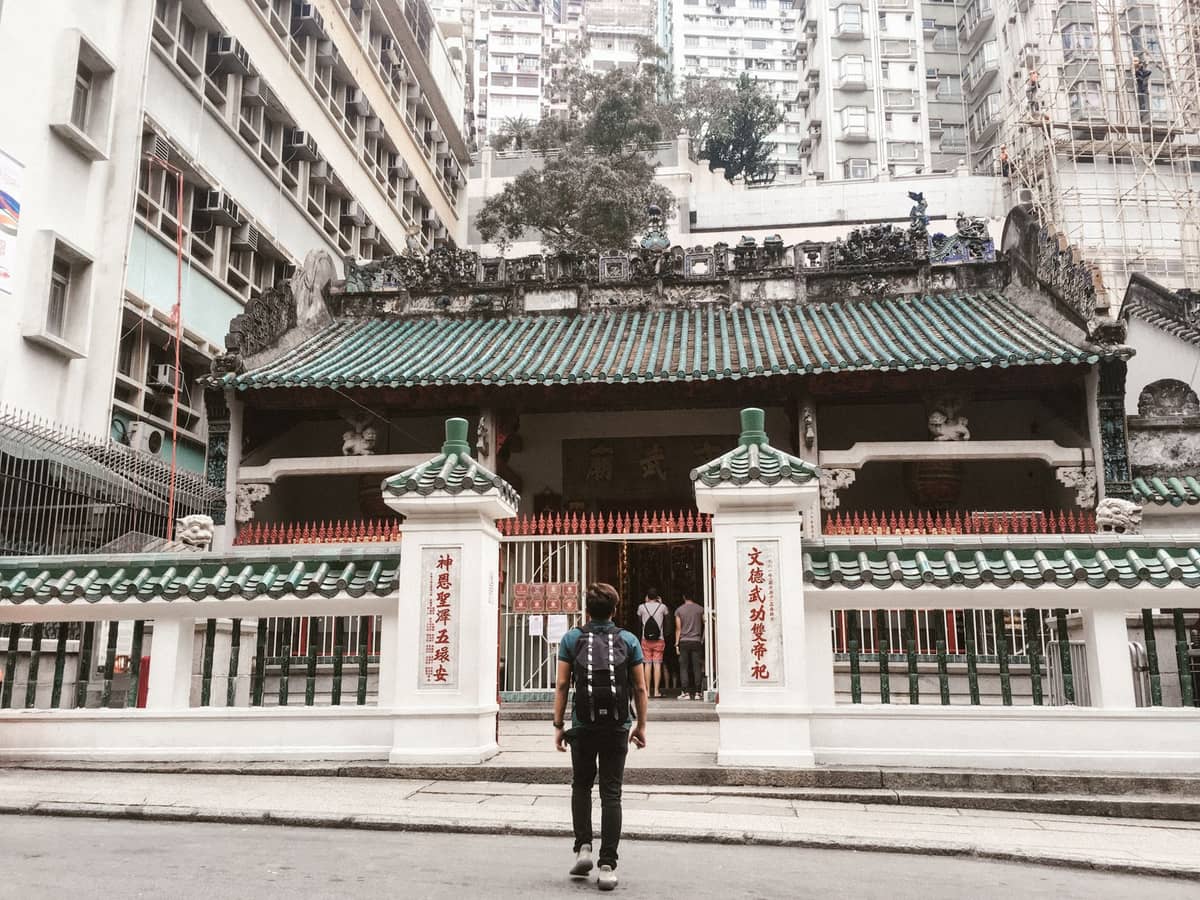
Macau is famous for its casinos and UNESCO-listed colonial architecture, but its Chinese temples are just as compelling. Most are free to enter, open daily, and require no advance planning. They are also deeply active places of worship: expect incense smoke, offerings of fruit and flowers, and local devotees going about genuine religious practice. The best way to visit is on foot through the Macau Peninsula, where most temples are clustered within the historic centre. For a structured route that connects temples with other heritage landmarks, the Macau heritage walk is a useful starting point. If you are planning around a festival, the best time to visit Macau guide explains which months align with major temple celebrations. One important note: Macau's temples are not uniformly Buddhist. Many blend Taoist, Buddhist, and Chinese folk religion traditions under one roof, and the deities honoured range from sea goddesses to Taoist celestial emperors.
💡 Local tip
Most temples in Macau are free to enter and open from around 8:00 a.m. Some heritage exhibition rooms within temple complexes have specific hours and may close on Wednesdays. Dress modestly and keep noise low as these are active places of worship.
The Essential Temples of the Macau Peninsula
The majority of Macau's most significant temples are on the peninsula, woven into the UNESCO World Heritage historic centre. Several can be combined in a single morning walk. The Macau one-day itinerary shows how to link A-Ma Temple in the south with Na Tcha Temple near St. Paul's in a logical loop.
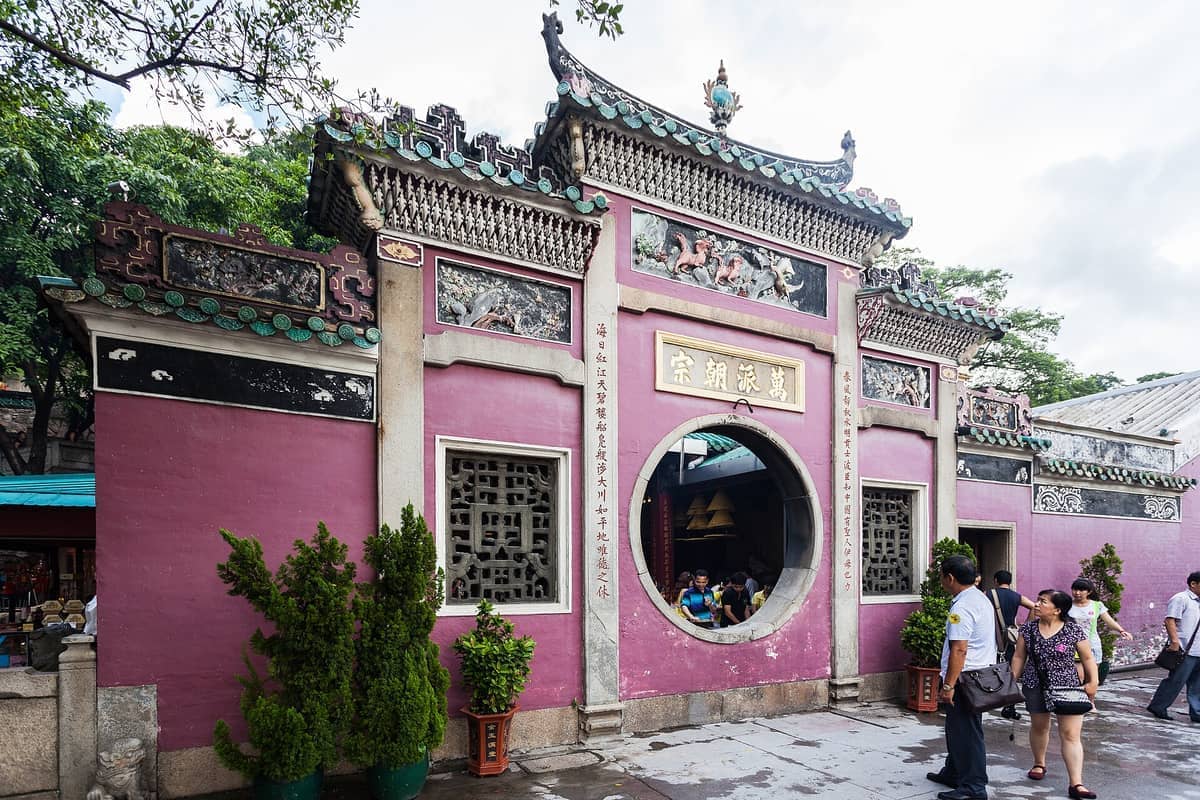
1. Start at Macau's Oldest Temple: A-Ma Temple
Dedicated to the sea goddess A-Ma and dating to the 15th century, this is where Macau begins — historically and spiritually. Open 8:00 a.m. to 6:00 p.m., free entry. The hillside pavilions and incense-wreathed grottoes reward at least 45 minutes.
Explore1. Start at Macau's Oldest Temple: A-Ma Temple
Dedicated to the sea goddess A-Ma and dating to the 15th century, this is where Macau begins — historically and spiritually. Open 8:00 a.m. to 6:00 p.m., free entry. The hillside pavilions and incense-wreathed grottoes reward at least 45 minutes.
Explore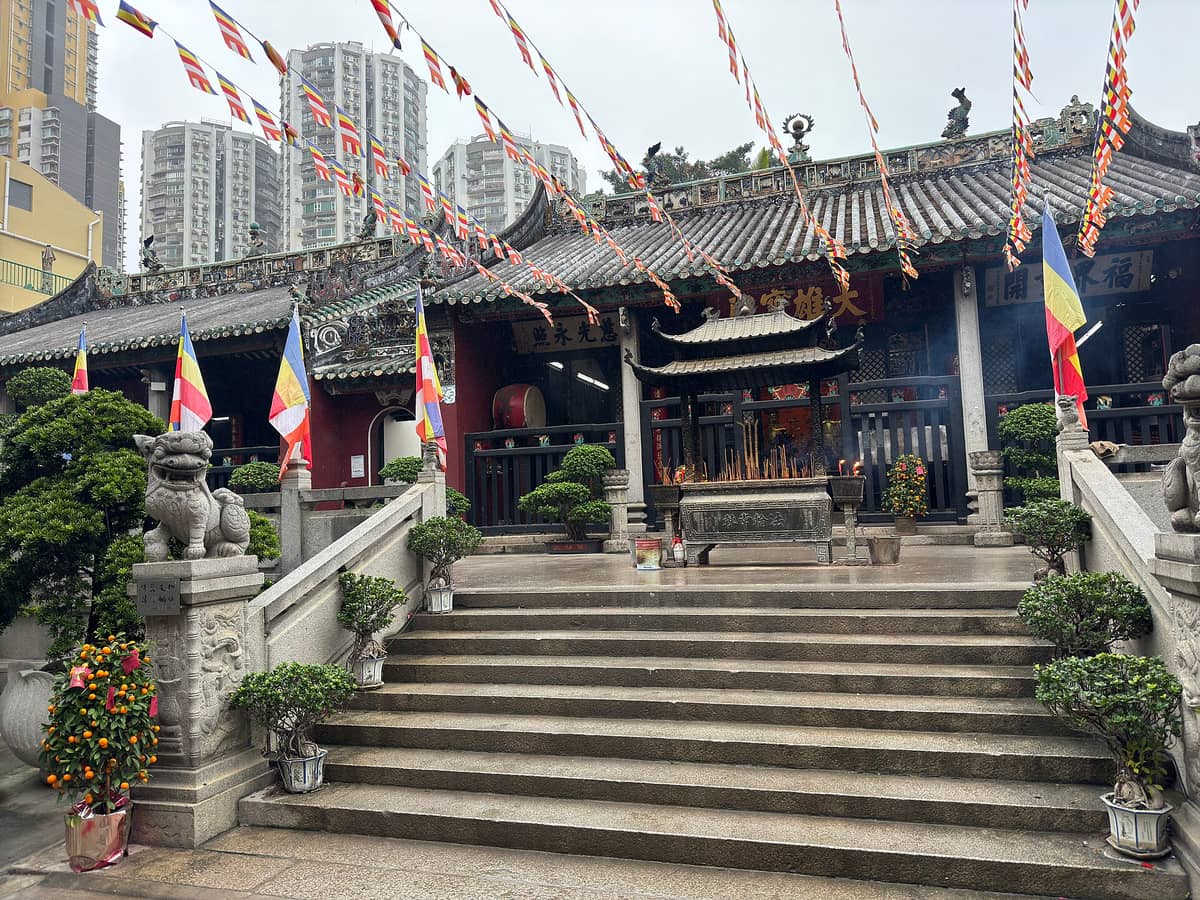
2. Visit Macau's Largest Buddhist Complex: Kun Iam Temple
The most elaborate temple in Macau, dedicated to the Goddess of Mercy. Its ornate halls and stone garden are impressive, and the table where the first Sino-American treaty was signed in 1844 is still here. Allow at least 30 to 40 minutes.
Explore2. Visit Macau's Largest Buddhist Complex: Kun Iam Temple
The most elaborate temple in Macau, dedicated to the Goddess of Mercy. Its ornate halls and stone garden are impressive, and the table where the first Sino-American treaty was signed in 1844 is still here. Allow at least 30 to 40 minutes.
Explore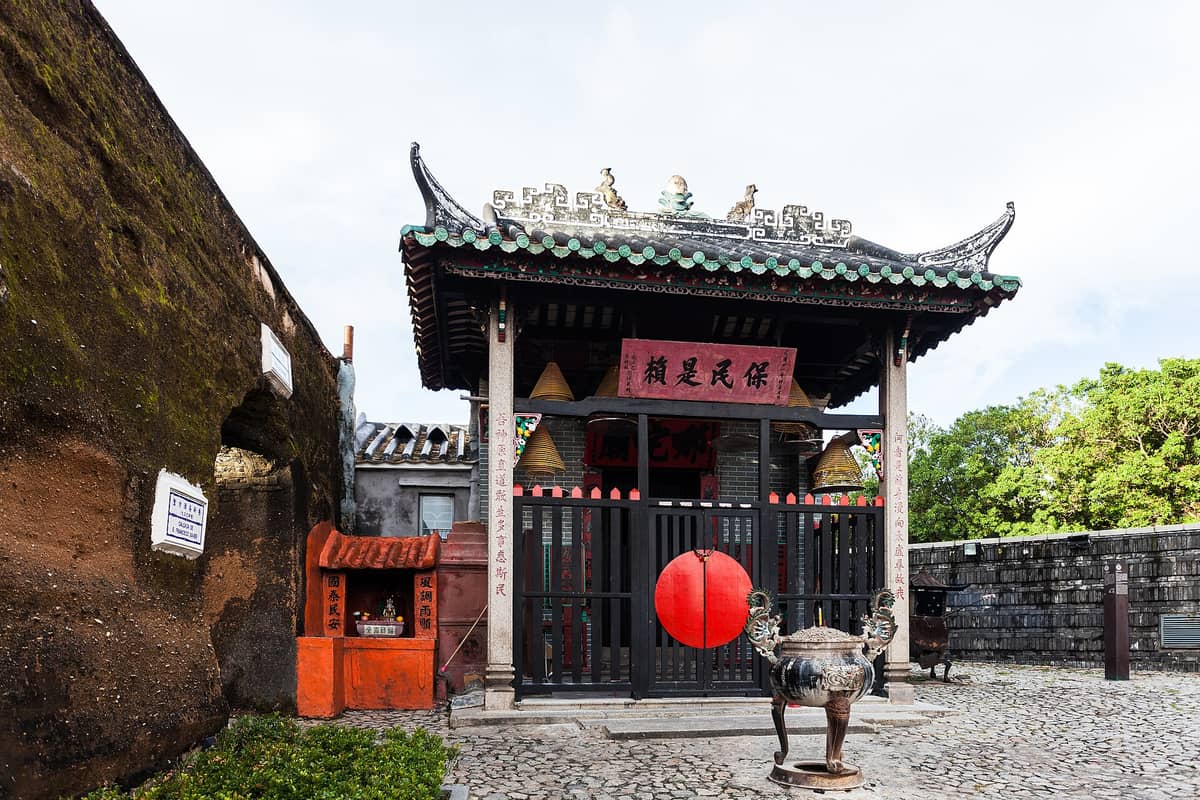
3. See the East-West Contrast at Na Tcha Temple
This tiny 19th-century temple to the child deity Na Tcha sits directly beside the Ruins of St. Paul's, making the cultural contrast stark and powerful. A UNESCO component; the exhibition room opens 10:00–18:00 and closes Wednesdays.
Explore3. See the East-West Contrast at Na Tcha Temple
This tiny 19th-century temple to the child deity Na Tcha sits directly beside the Ruins of St. Paul's, making the cultural contrast stark and powerful. A UNESCO component; the exhibition room opens 10:00–18:00 and closes Wednesdays.
ExploreBeyond the Historic Centre: Temples Worth Seeking Out
Not every worthwhile temple is in the tourist core. Taipa and Coloane both have religious sites that see far fewer visitors but offer an equally authentic atmosphere, often set within charming village streets.
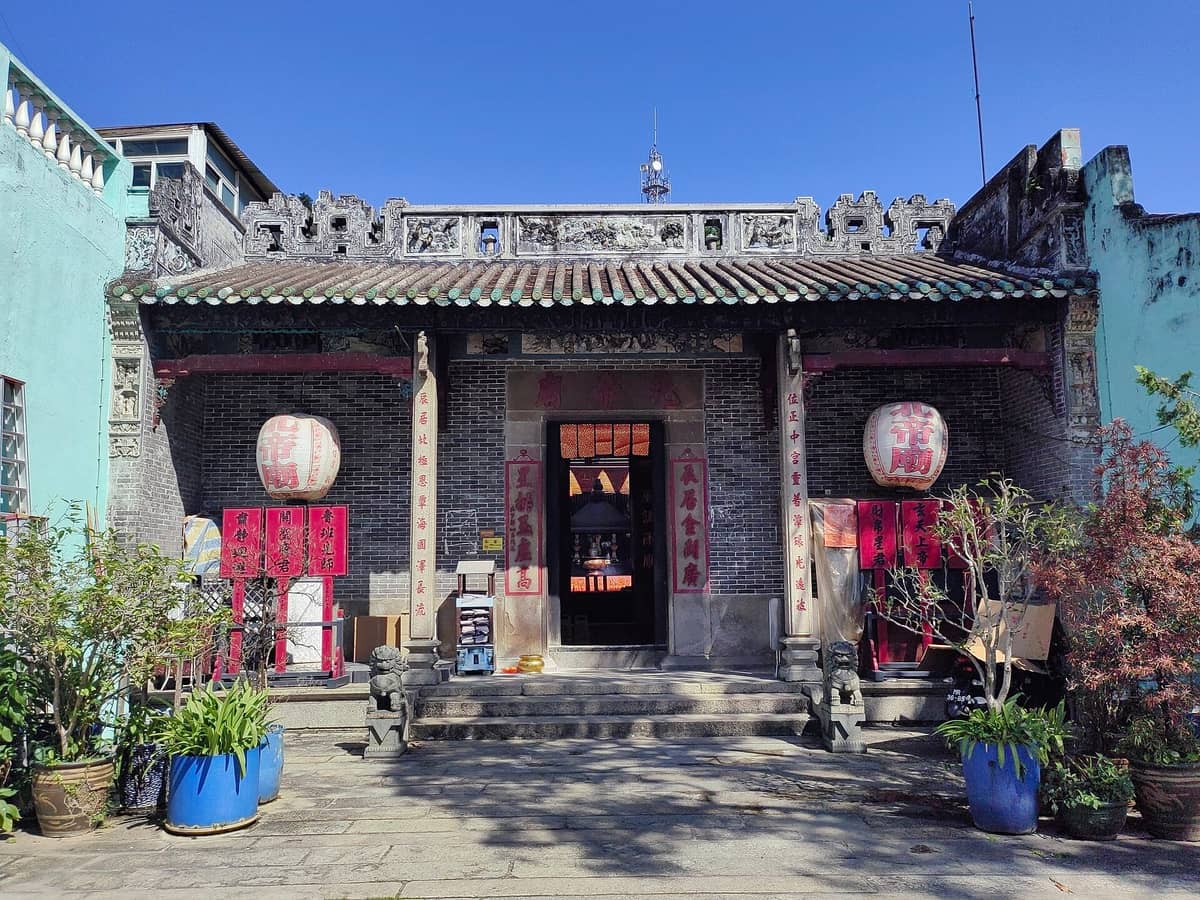
4. Explore Taoist Devotion at Pak Tai Temple in Taipa Village
Dedicated to the Supreme Emperor of the Dark Heaven, this beautifully maintained 19th-century Taoist temple is in the heart of Taipa Village. Its ornate ceramic roof decorations and incense-filled halls feel genuinely lived-in and unhurried.
Explore4. Explore Taoist Devotion at Pak Tai Temple in Taipa Village
Dedicated to the Supreme Emperor of the Dark Heaven, this beautifully maintained 19th-century Taoist temple is in the heart of Taipa Village. Its ornate ceramic roof decorations and incense-filled halls feel genuinely lived-in and unhurried.
ExploreSacred Landmarks That Connect to Temple Culture
Several other sites in Macau extend the story of Chinese religious life, from a monumental waterfront goddess statue to historic ruins that speak to the blending of faith traditions. These are worth combining with temple visits for a fuller picture of Macau's spiritual landscape. The Macau churches guide covers the Catholic counterparts to these Chinese sites, useful for understanding the full religious mix of the territory.
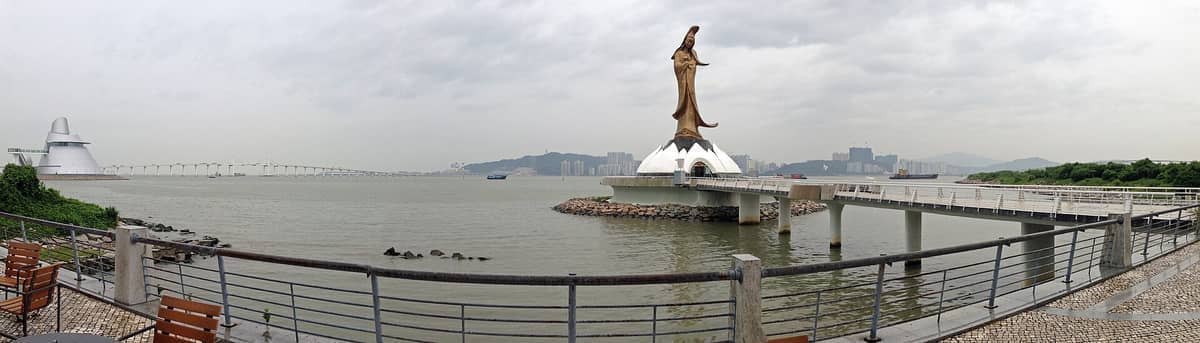
5. Walk Out to the Kun Iam Waterfront Statue
A 20-metre bronze of the Goddess of Mercy stands on a lotus platform in the outer harbour. Designed by Portuguese sculptor Cristina Rocha Leiria, it fuses Chinese iconography with a European aesthetic and offers good views back over the city.
Explore5. Walk Out to the Kun Iam Waterfront Statue
A 20-metre bronze of the Goddess of Mercy stands on a lotus platform in the outer harbour. Designed by Portuguese sculptor Cristina Rocha Leiria, it fuses Chinese iconography with a European aesthetic and offers good views back over the city.
Explore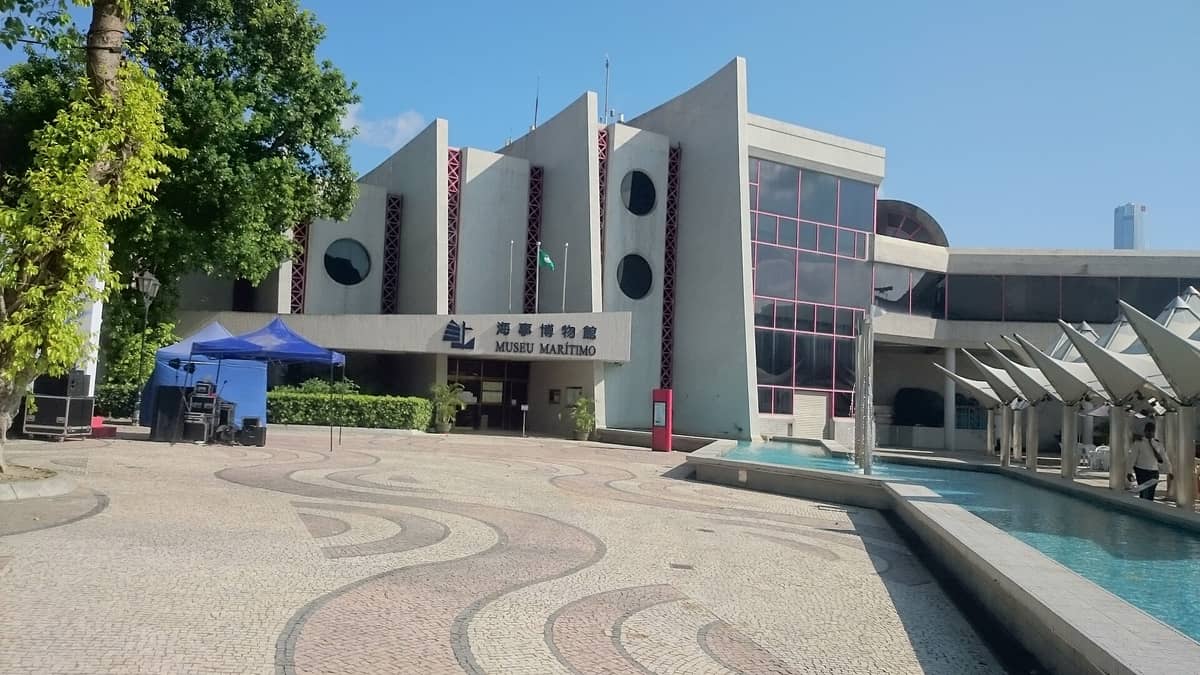
6. Understand the Sea Goddess Cult at the Maritime Museum
Located steps from A-Ma Temple, this museum provides essential context for the worship of A-Ma and the seafaring culture that made her central to Macanese identity. The building itself is shaped like a sailing vessel. Allow around 45 minutes.
Explore6. Understand the Sea Goddess Cult at the Maritime Museum
Located steps from A-Ma Temple, this museum provides essential context for the worship of A-Ma and the seafaring culture that made her central to Macanese identity. The building itself is shaped like a sailing vessel. Allow around 45 minutes.
ExploreHeritage Sites That Frame the Temple Experience
Macau's temples cannot be fully understood without the broader UNESCO World Heritage context in which many of them sit. The following sites are directly adjacent to or architecturally intertwined with the temple circuit, and visiting them together creates a coherent sense of how religious and civil life coexisted in historic Macau.
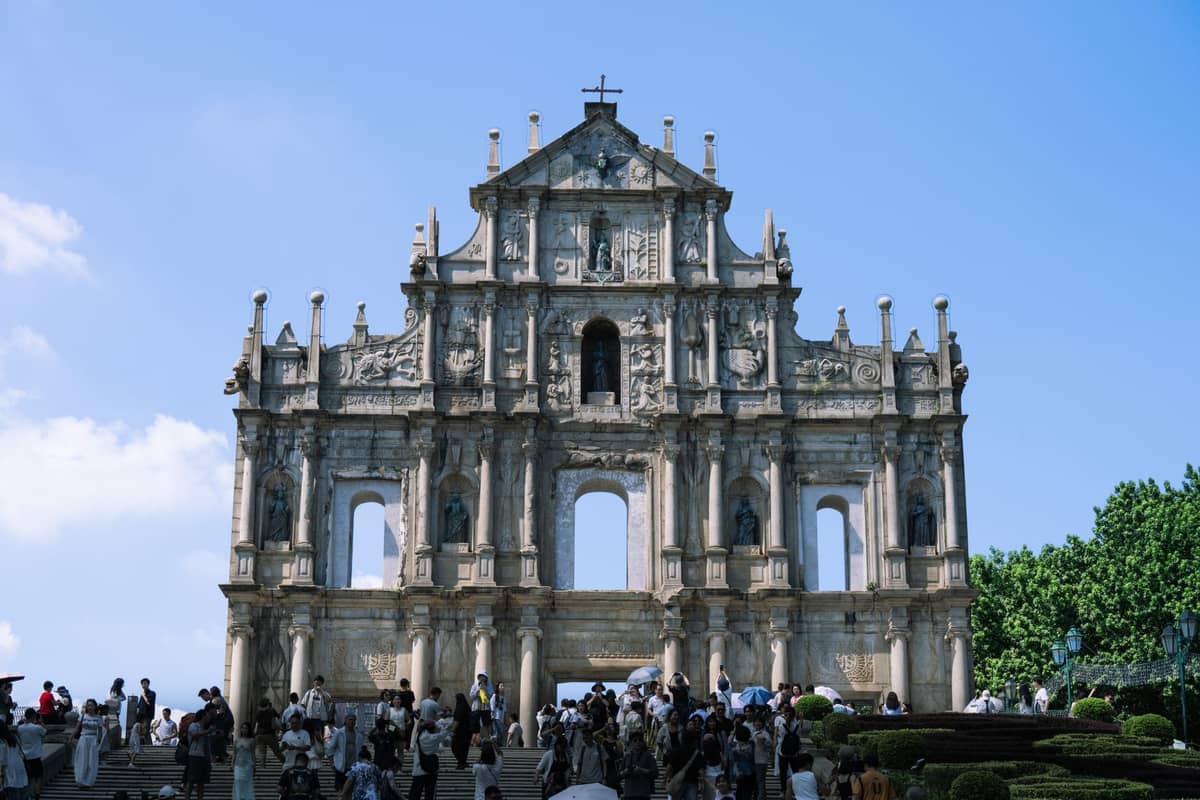
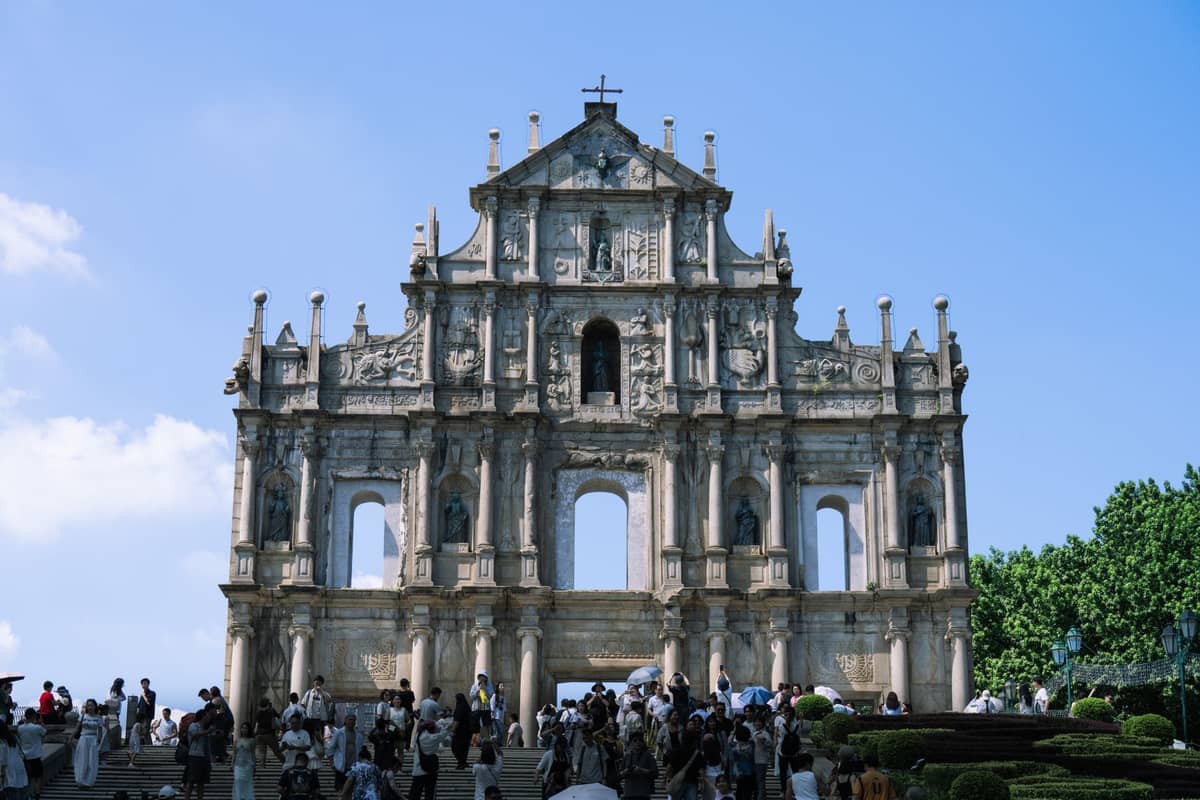
7. See How Baroque and Chinese Faith Met at the Ruins of St. Paul's
The 17th-century Jesuit façade stands just metres from Na Tcha Temple, making this the clearest physical symbol of Macau's dual religious identity. The carvings blend European and East Asian motifs in a way that rewards close inspection.
Explore7. See How Baroque and Chinese Faith Met at the Ruins of St. Paul's
The 17th-century Jesuit façade stands just metres from Na Tcha Temple, making this the clearest physical symbol of Macau's dual religious identity. The carvings blend European and East Asian motifs in a way that rewards close inspection.
Explore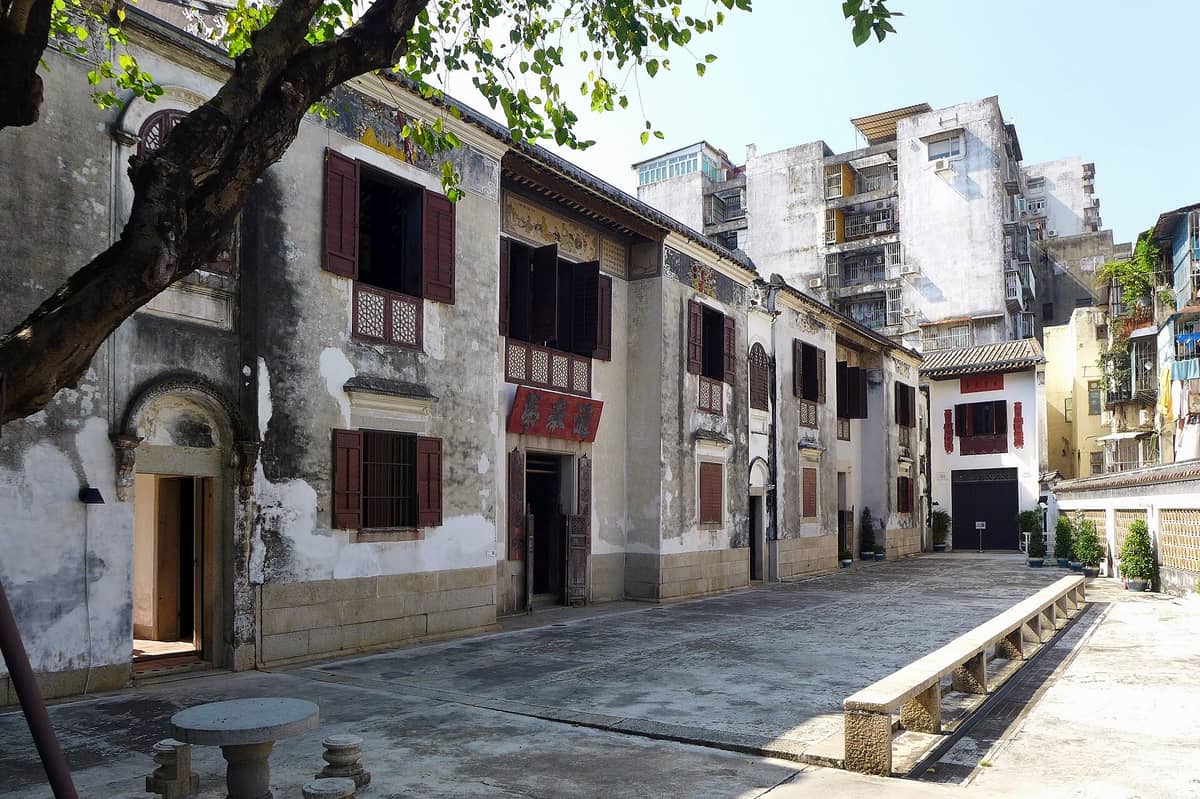
8. See How a Wealthy Chinese Merchant Lived Near the Temples
The Mandarin's House, ancestral home of reformist thinker Zheng Guanying, has over 60 rooms across elegant courtyards. Free entry. Its proximity to temple precincts shows how domestic and religious life were intertwined for Macau's Chinese elite.
Explore8. See How a Wealthy Chinese Merchant Lived Near the Temples
The Mandarin's House, ancestral home of reformist thinker Zheng Guanying, has over 60 rooms across elegant courtyards. Free entry. Its proximity to temple precincts shows how domestic and religious life were intertwined for Macau's Chinese elite.
Explore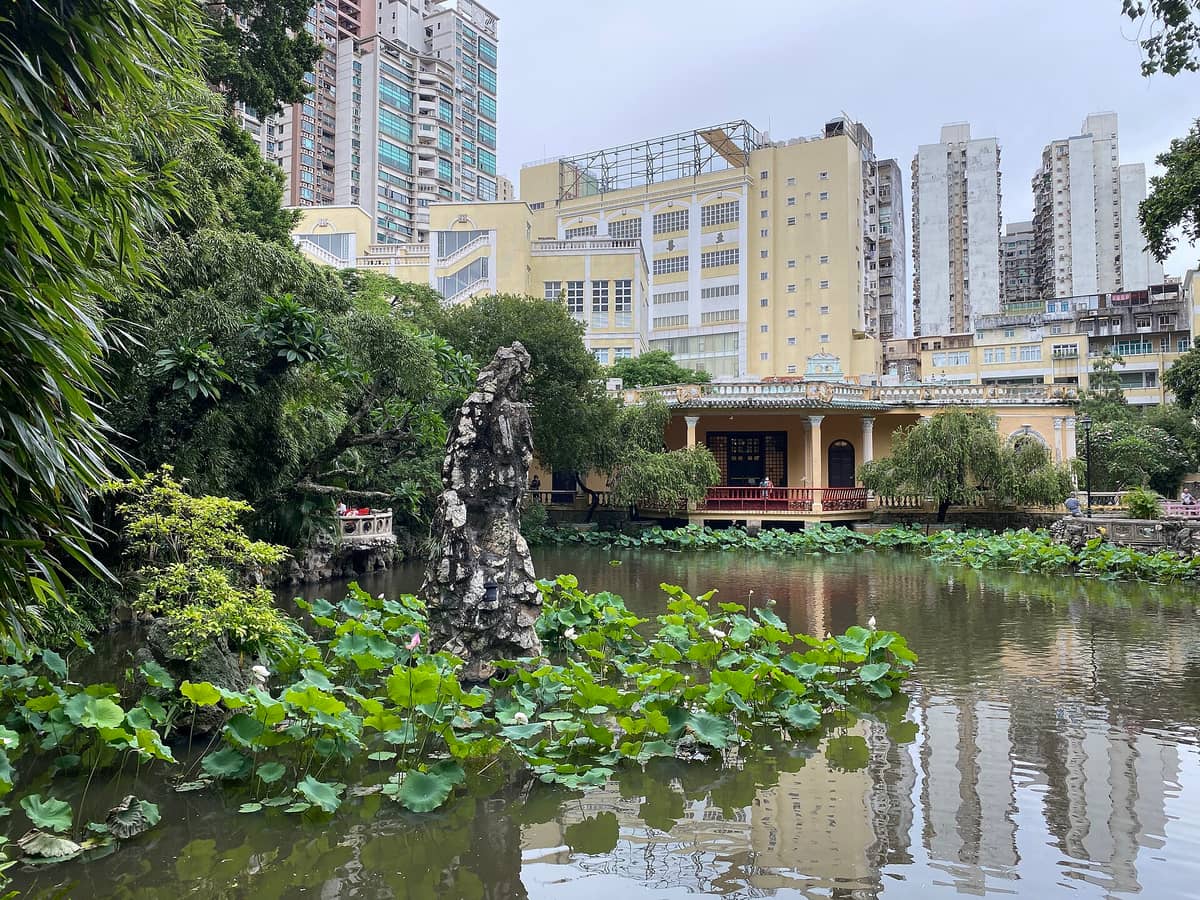
9. Reflect in a Suzhou-Style Garden After Temple Visits
Modelled on the classical gardens of Suzhou, this peaceful park has lotus ponds, pavilions, and a zigzag bridge. It is not a temple, but its aesthetic is rooted in the same Chinese philosophical traditions, making it a natural companion to a morning of temple visits.
Explore9. Reflect in a Suzhou-Style Garden After Temple Visits
Modelled on the classical gardens of Suzhou, this peaceful park has lotus ponds, pavilions, and a zigzag bridge. It is not a temple, but its aesthetic is rooted in the same Chinese philosophical traditions, making it a natural companion to a morning of temple visits.
Explore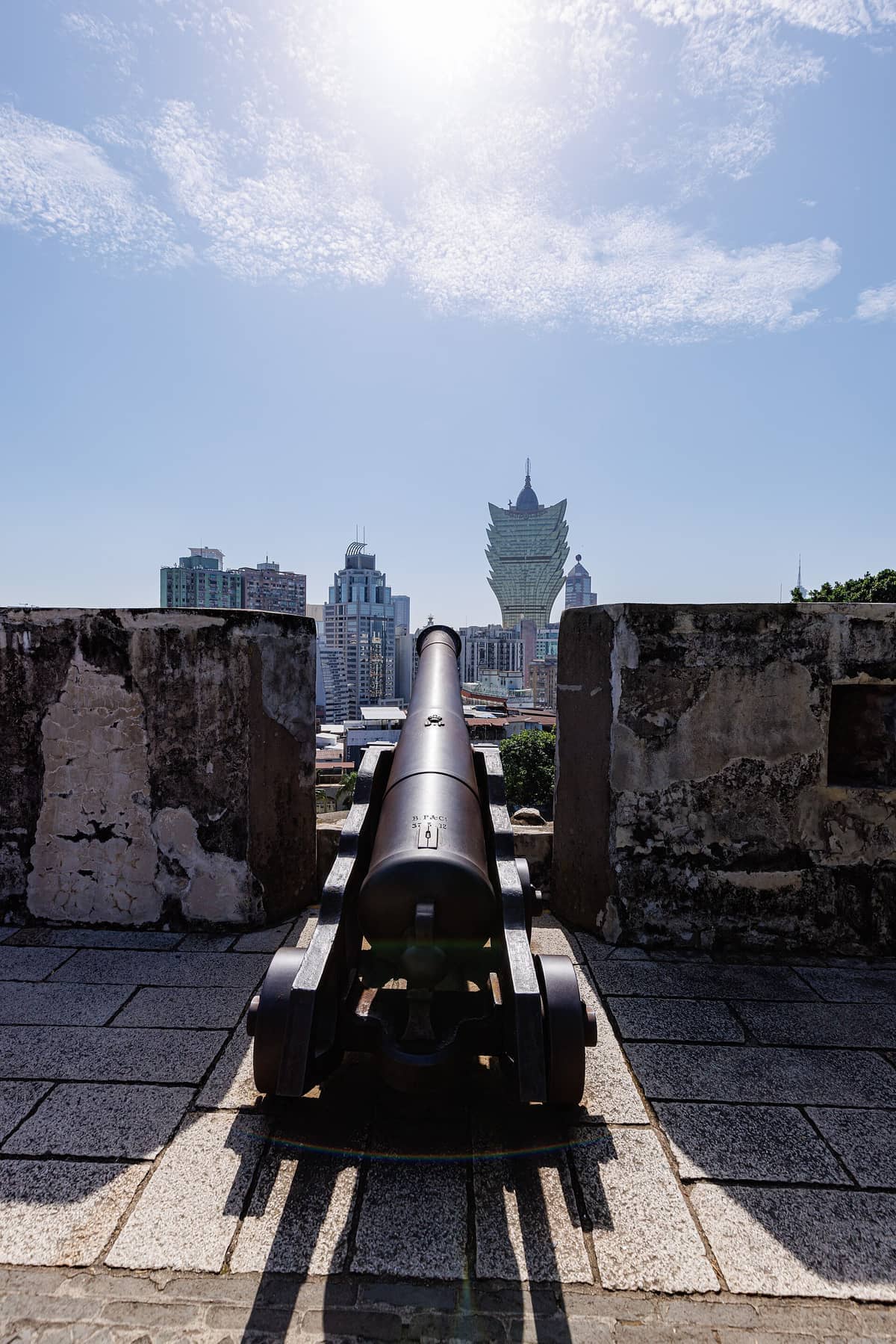
10. Get Your Bearings from the Fortress Above St. Paul's
The 17th-century Mount Fortress sits directly above the Ruins of St. Paul's and Na Tcha Temple, offering panoramic views over the historic centre. The Macau Museum inside traces the cultural history that shaped the city's religious landscape.
Explore10. Get Your Bearings from the Fortress Above St. Paul's
The 17th-century Mount Fortress sits directly above the Ruins of St. Paul's and Na Tcha Temple, offering panoramic views over the historic centre. The Macau Museum inside traces the cultural history that shaped the city's religious landscape.
Explore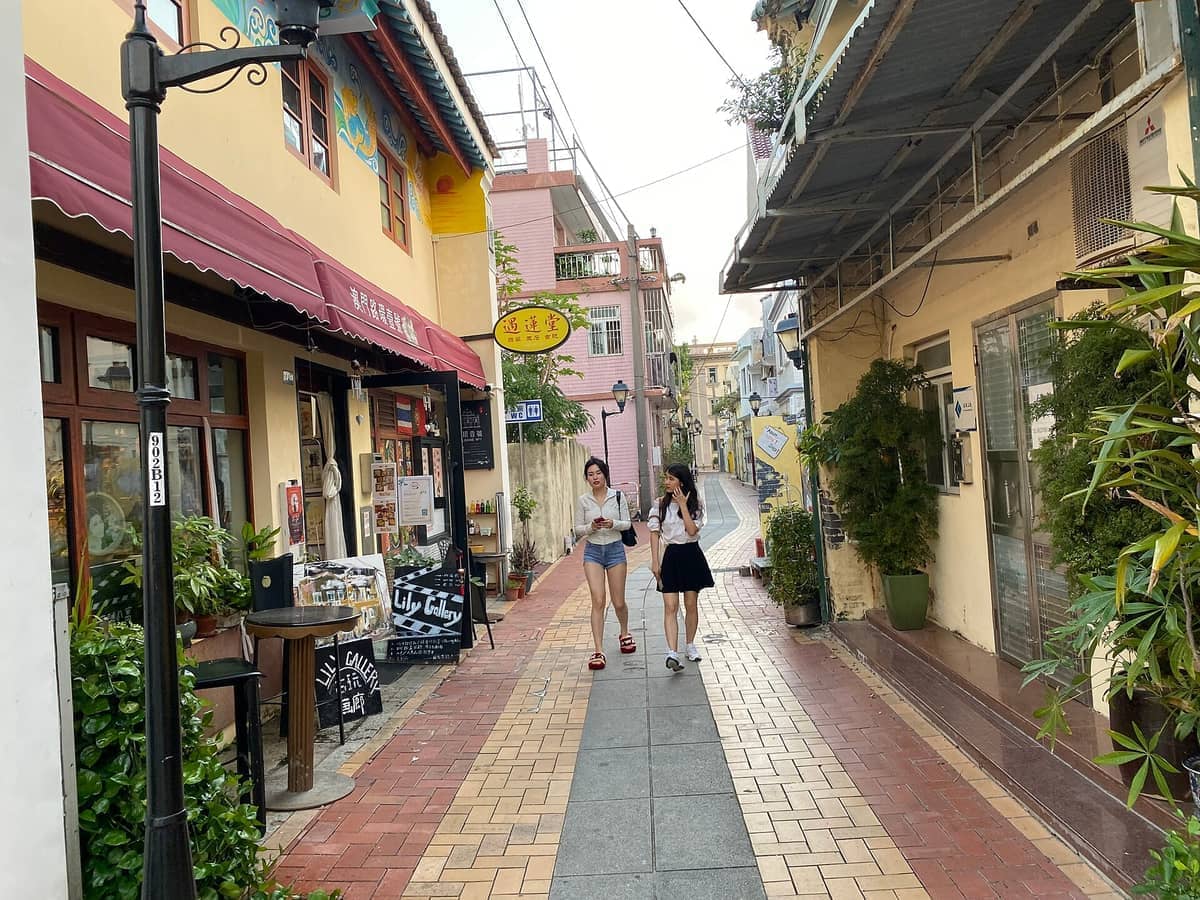
11. Wander Coloane Village for Its Small Shrines and Quiet Temples
Coloane Village has several small neighbourhood temples and shrines alongside its yellow chapel and traditional architecture. The unhurried pace makes it easy to step into lesser-visited religious spaces that rarely appear in tourist itineraries.
Explore11. Wander Coloane Village for Its Small Shrines and Quiet Temples
Coloane Village has several small neighbourhood temples and shrines alongside its yellow chapel and traditional architecture. The unhurried pace makes it easy to step into lesser-visited religious spaces that rarely appear in tourist itineraries.
ExplorePlanning Your Temple Route
Almost all temples in Macau are free to visit, which makes them ideal for travellers on a budget. For a full list of free attractions across the city, the free things to do in Macau guide is a practical companion. For couples who want to build a more contemplative itinerary around these sites, the Macau for couples guide includes temple visits alongside quieter corners of the city.
✨ Pro tip
Visit A-Ma Temple early in the morning when incense offerings are freshest and crowds are thin. The temple is busiest on the 23rd day of the third lunar month, the birthday of A-Ma, when processions and ceremonies draw large numbers of devotees.
FAQ
Are Macau's temples Buddhist or Taoist?
Most blend both traditions along with Chinese folk religion. A-Ma Temple honours a sea goddess from folk religion, Kun Iam Temple is a Chinese Buddhist temple, and Pak Tai Temple in Taipa is Taoist. In practice, many devotees worship across all three traditions simultaneously.
Do you need to pay to enter temples in Macau?
Entry to temples in Macau is generally free. Some heritage exhibition rooms within or adjacent to temple sites have specific opening hours and may close on certain days, but the main temple areas themselves charge no admission fee.
What are the opening hours for Macau's main temples?
A-Ma Temple opens 8:00 a.m. to 6:00 p.m. daily. Na Tcha Temple is open 8:00 a.m. to 5:00 p.m., with its exhibition room open 10:00 a.m. to 6:00 p.m. (last admission at 5:30 p.m.) and closed on Wednesdays. Hours can change during major festivals, so check official MGTO listings before visiting.
Which Macau temples are part of the UNESCO World Heritage Site?
Na Tcha Temple is a listed component of the Historic Centre of Macao UNESCO World Heritage Site. A-Ma Temple is also an inscribed component of the Historic Centre, while Kun Iam Temple is not a UNESCO-listed component itself but is included in Macau's broader heritage listings by MGTO.
Can I visit multiple temples in one day in Macau?
Yes. A-Ma Temple, Kun Iam Temple, and Na Tcha Temple are all on the Macau Peninsula and can be covered in a single day on foot or by bus. Pak Tai Temple in Taipa Village can be added via a short taxi or bus ride. Morning visits are best to avoid midday heat.