Coloane is the southernmost part of Macau, a low-rise island of forested hills, sandy beaches, and a centuries-old village square that survives largely intact. It sits at the opposite end of the spectrum from the casino towers of Cotai, offering the kind of slow pace that is increasingly rare in this compact SAR.
Coloane is what Macau looks like when you strip away the casinos and the crowds. The southernmost island in the SAR is a place of dark-sand beaches, wooded hillsides, Portuguese-era chapels, and a village square where elderly residents still play cards in the afternoon shade. It takes about thirty minutes to reach from the historic centre, but it feels like a different world entirely.
Orientation
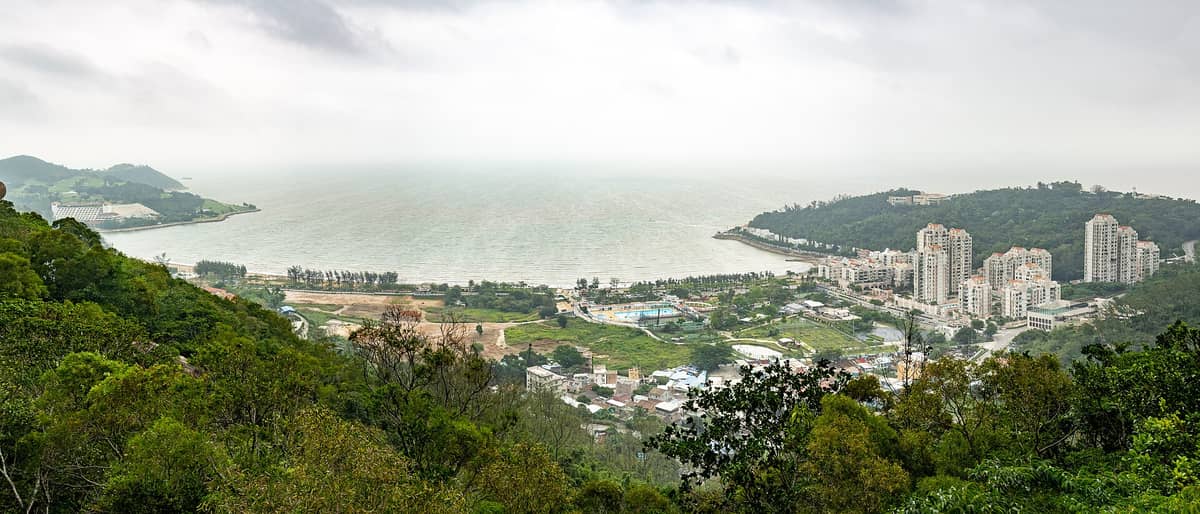
Coloane sits at the southern tip of Macau, separated from Taipa by the reclaimed land of Cotai. Where Cotai is all mega-resorts and wide boulevards, Coloane retains much of its original topography: low forested hills rising to around 170 metres, a coastline broken by two main beaches, and a compact village core that has changed relatively little in decades.
The island divides roughly into four zones. Coloane Village anchors the western shore, overlooking the narrow channel toward the Chinese mainland city of Zhuhai. The eastern coast holds the two beaches: Cheoc Van Beach to the south and Hac Sa Beach further north along the same coastline. The interior is dominated by Seac Pai Van Park and the wooded Coloane hiking trails that wind through the hills. There are no casino resorts within Coloane itself, which is precisely why it feels the way it does.
Coloane's northern boundary blends into Cotai, where the landscape shifts abruptly into construction and resort infrastructure. That transition is one of the most dramatic in Macau: within a few hundred metres you move from forested hillsides and temple incense to the glinting glass facades of the Cotai Strip. Understanding this contrast is key to appreciating what Coloane actually is.
ℹ️ Good to know
Coloane is served by the LRT at Seac Pai Van station. Buses and taxis remain useful for beaches and Coloane Village. Budget extra time if arriving from the airport or ferry terminals, especially during peak holiday periods when buses can fill up.
Character and Atmosphere
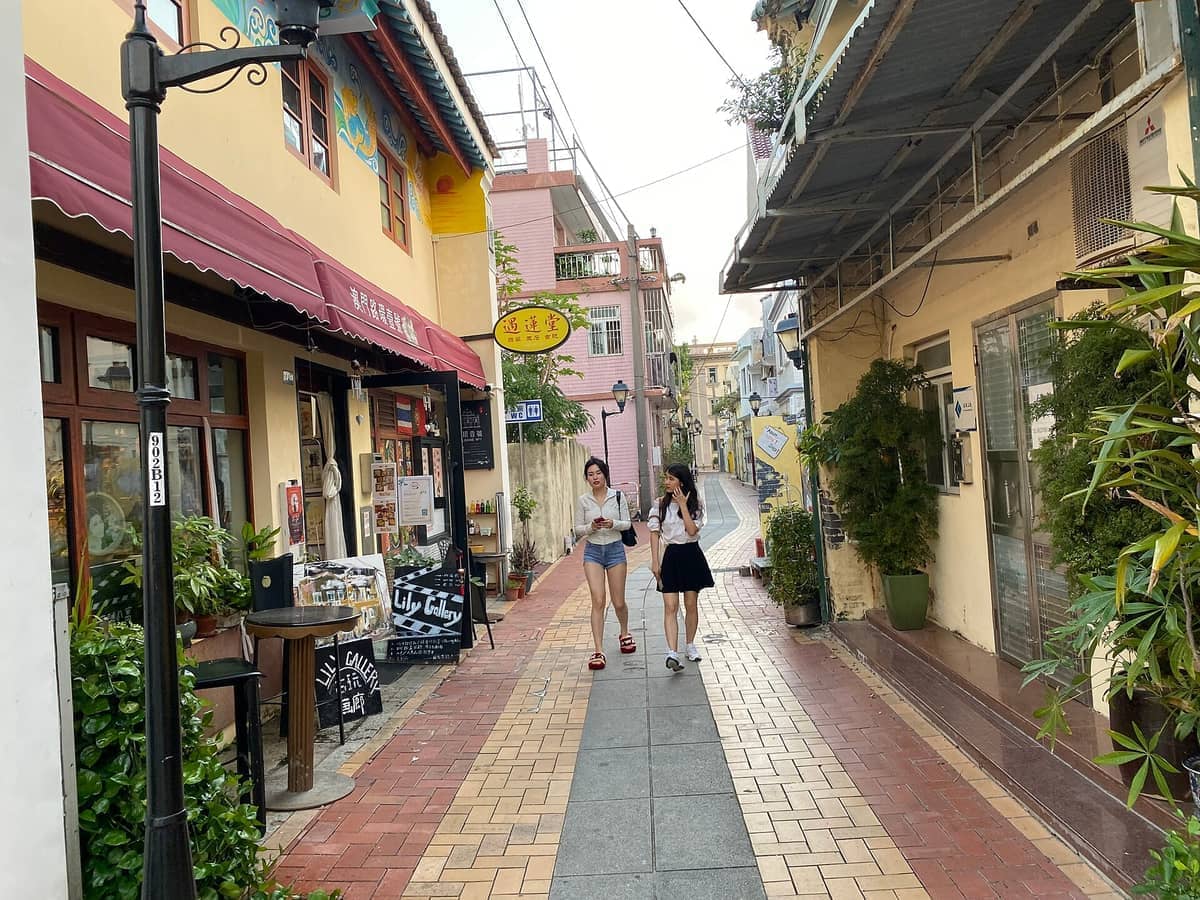
Mornings in Coloane Village have a tempo you rarely find elsewhere in Macau. The square in front of the Chapel of St. Francis Xavier fills with light early, and the surrounding streets carry the smell of incense from the Tam Kung Temple a short walk away. A handful of bakeries and small cafes open before eight. Locals move through without any particular urgency. The sounds are birds, the occasional bus, and the low murmur of Cantonese conversation.
By mid-morning, day-trippers begin arriving, particularly on weekends and public holidays. The village square gets busier, and the egg tart shops attract queues. But even on a crowded Saturday, Coloane never approaches the shoulder-to-shoulder density of the Ruins of St. Paul or Senado Square. The crowds thin quickly once you move beyond the village core, and by the time you reach the beaches or the hiking trails, the island reasserts its quieter character.
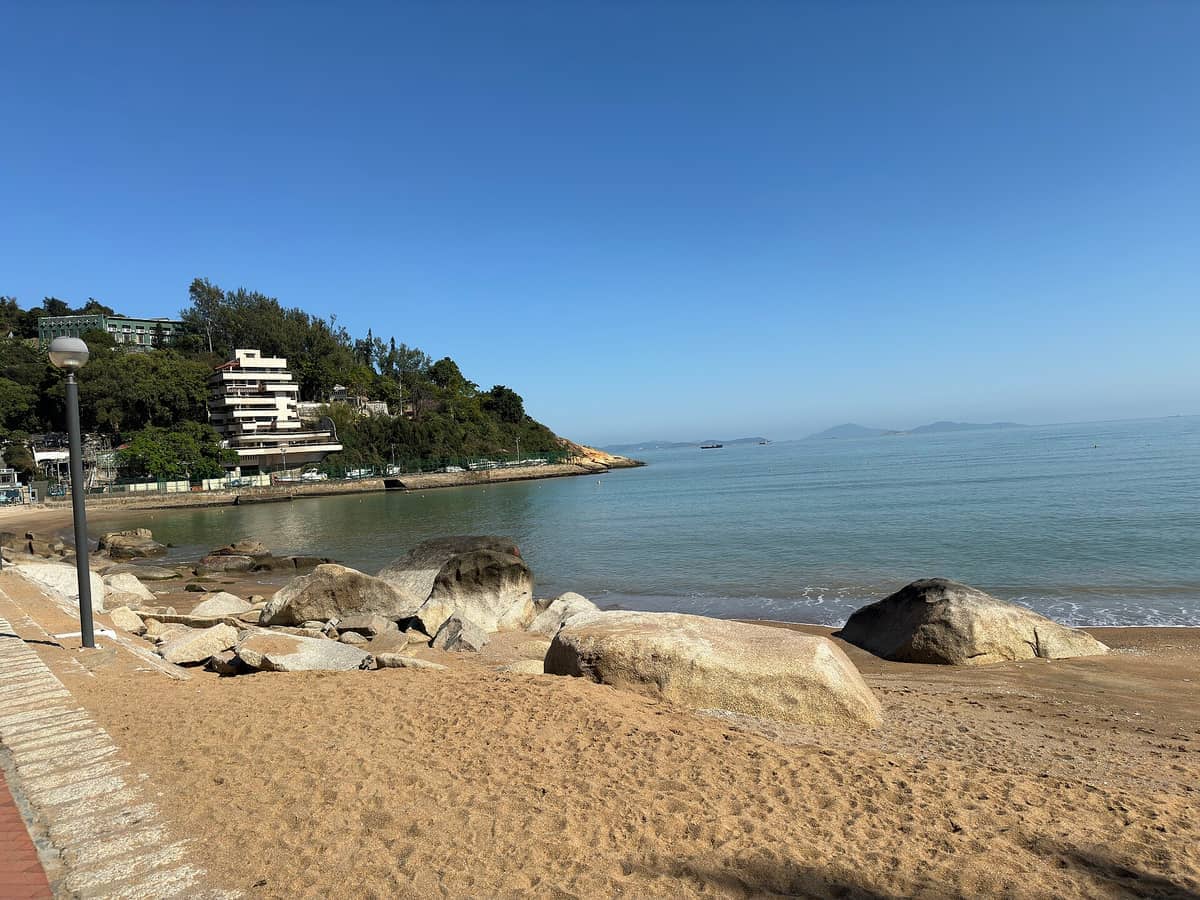
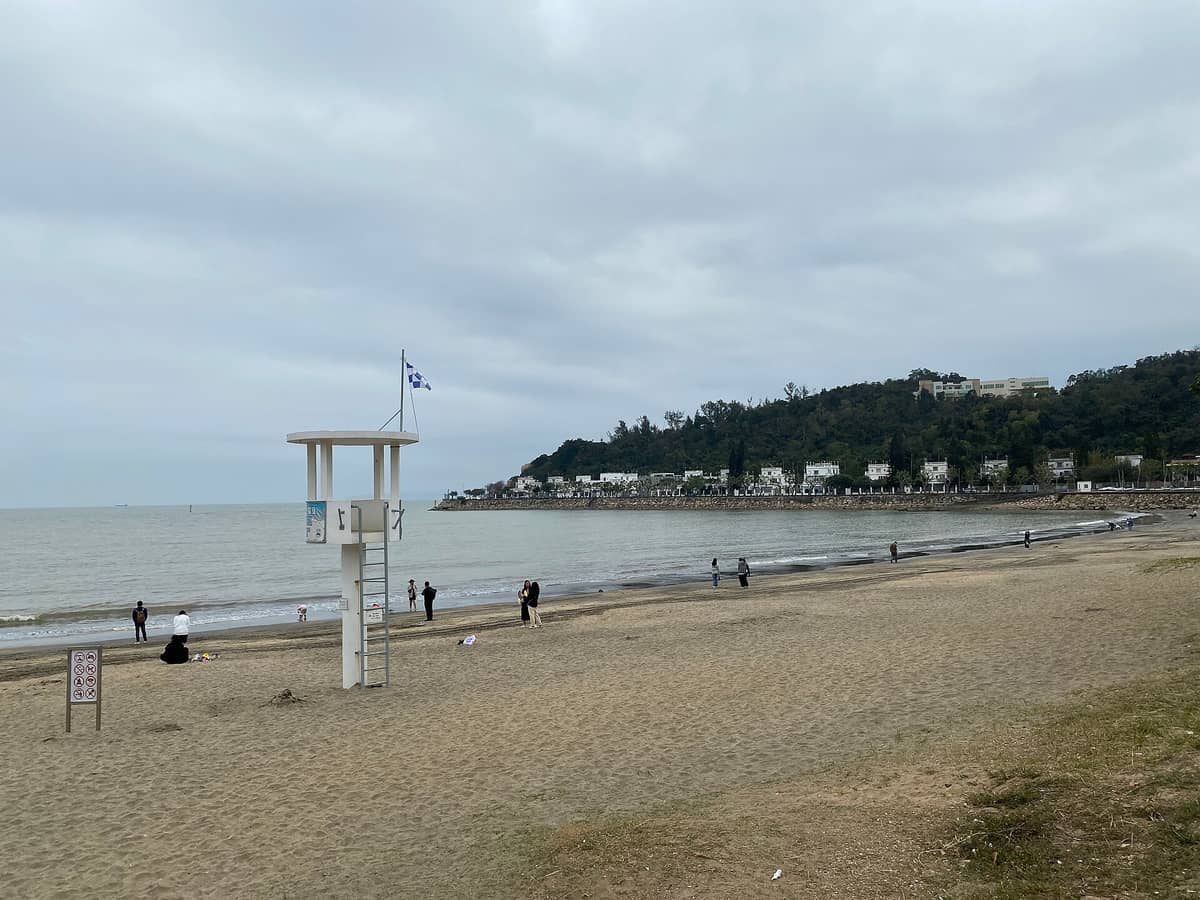
Afternoons at Hac Sa Beach have a particular quality in good weather: the black volcanic sand absorbs heat, the water is calm enough for swimming in summer, and the backdrop of low green hills gives the whole scene an enclosed, almost private feel. Cheoc Van Beach, the smaller of the two, is less visited and tends to attract families and couples rather than large groups. Both beaches are genuine, functional swimming beaches, not decorative waterfront promenades.
After dark, Coloane becomes genuinely quiet. The village square empties early, most restaurants close by nine or ten, and the streets are lit by a combination of street lamps and the residual glow of Cotai on the northern horizon. There is no nightlife here in any meaningful sense. That is not a criticism, it is accurate description: Coloane at night is for people who want to hear silence in Macau.
What to See and Do
The focal point of Coloane Village is its main square, a small Portuguese-style plaza fronted by the Chapel of St. Francis Xavier, built in 1928 and housing relics associated with the saint. The chapel's yellow facade and modest interior are a calm counterpoint to the grander churches of the historic centre on the Macau Peninsula. Around the square, narrow lanes lead to the Tam Kung Temple, dedicated to a sea deity, and smaller shrines that speak to the fishing community that once made its living here.
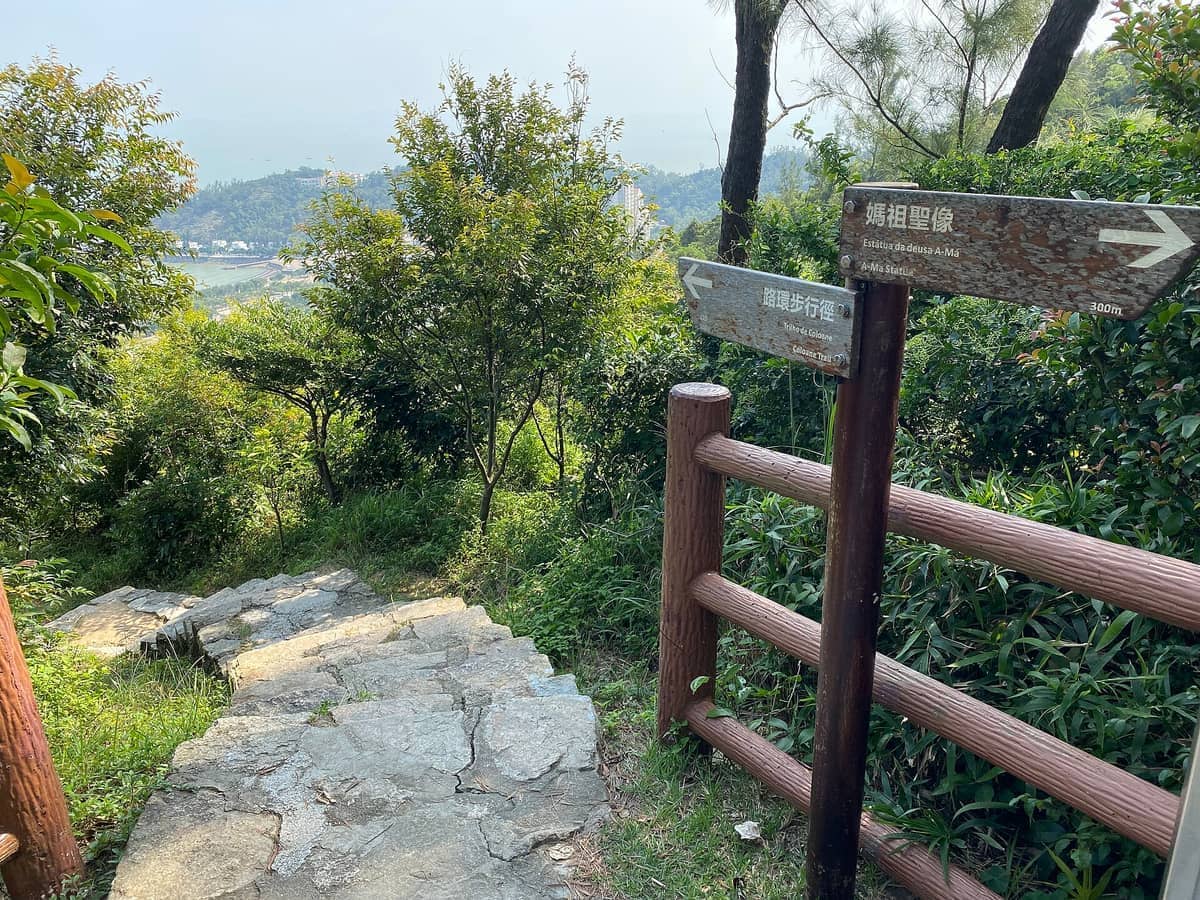
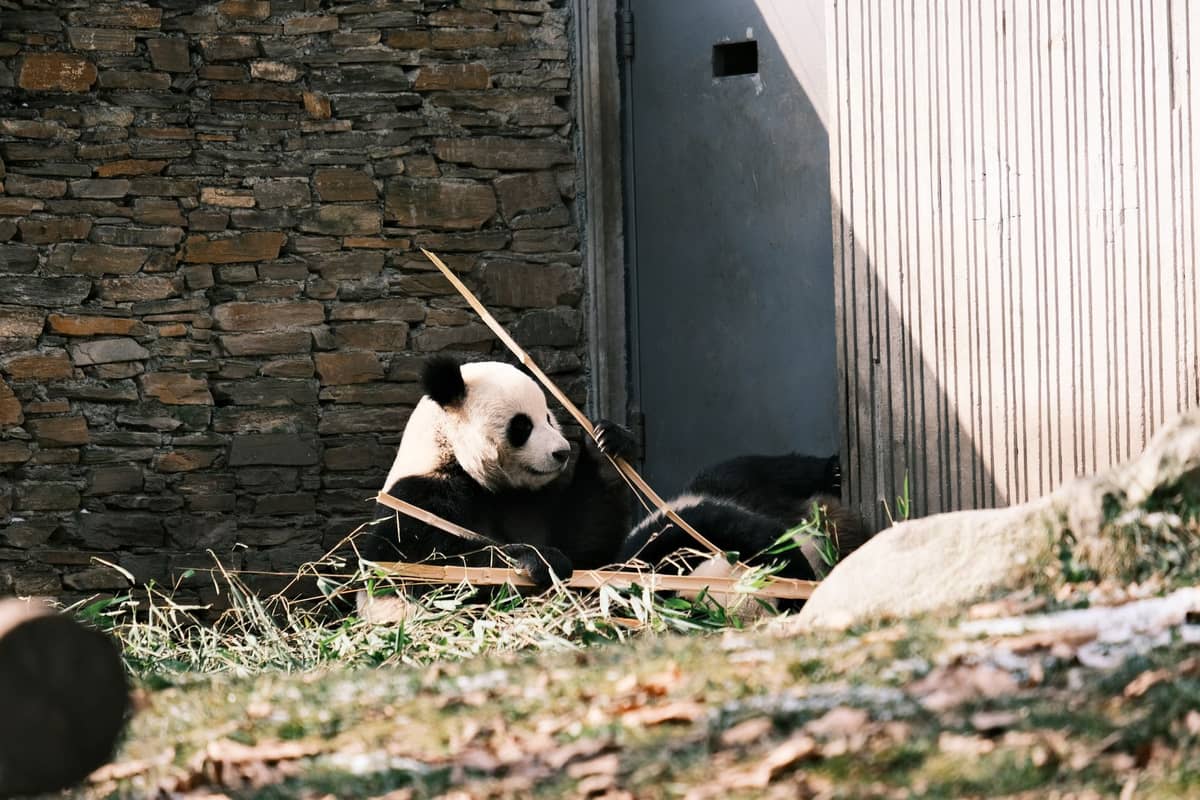
Seac Pai Van Park, on the western side of the island, is where Macau keeps its giant pandas. The park is large enough to feel genuinely natural, with walking paths through woodland, an aviary, and a Museum of Nature and Agriculture (often referred to locally as the Museum of Nature & Agriculture or Natural and Agrarian Museum). It is one of the few places in Macau where you can spend two hours outdoors without encountering a casino or a souvenir shop. For more structured outdoor activity, the Coloane hiking trails connect several of the island's peaks and viewpoints. Altinho da Taipa and the trail toward Coloane's highest point offer clear views across to Cotai and, on clear days, across the Pearl River Delta.
The beaches are the main draw for many visitors. Hac Sa Beach is the longer and better-known of the two, with facilities including changing rooms, showers, and a cluster of restaurants and cafes along the back of the beach. The black sand is distinctive and photogenic, though it absorbs heat quickly in summer, so footwear is advisable. Cheoc Van Beach is smaller and quieter, with a more sheltered bay and a slightly more local crowd.
Chapel of St. Francis Xavier: colonial-era chapel on Coloane Village's main square
Tam Kung Temple: sea deity temple at the edge of the village
Seac Pai Van Park: woodland park with giant panda enclosure and museum
Hac Sa Beach: Macau's longest beach, distinctive black volcanic sand
Cheoc Van Beach: quieter, sheltered bay with good swimming
Coloane hiking trails: hill walks with views over Cotai and the Pearl River Delta
On the edge of the island, the IEC Long Firecracker Factory is one of Macau's more unusual heritage sites: a sprawling complex that once produced firecrackers for export and now stands as a reminder of the industrial history that predates the casino economy. Access and opening arrangements should be confirmed before visiting, as they are subject to change.
Eating and Drinking
Coloane's food scene is small but worth the trip on its own terms. The village square and its immediate surroundings concentrate most of the options: a handful of Portuguese-Macanese restaurants, a couple of bakeries, and some casual cafes. Portions are generous, prices are reasonable by Macau standards, and the atmosphere at the square-side tables on a mild afternoon is hard to improve upon.
Lord Stow's Bakery, located on the village square, has genuine historical significance in the story of Macau's egg tart. The late Andrew Stow developed what became the signature Macanese egg tart here in 1989, adapting the Portuguese pastel de nata into a slightly different, creamier form. The queue on weekends is a reliable indicator of how well-regarded these remain. For context on the broader egg tart culture across Macau, the Macau egg tarts guide covers the full picture.
Along the back of Hac Sa Beach, several restaurants serve seafood-focused menus and Macanese standards. These are casual operations oriented toward beach visitors and weekend families rather than fine dining. Expect grilled fish, clams in garlic and white wine, rice dishes, and cold beer. The quality is generally solid and the prices accessible. There are no upscale dining destinations in Coloane; the entire food scene leans toward honest, unfussy cooking.
💡 Local tip
The bakeries in Coloane Village sell out of their most popular items by mid-afternoon on weekends. If egg tarts are the reason you came, arrive before noon.
For context on Macau's wider food culture, including Macanese cuisine, Portuguese influences, and street food across the SAR, the Macau food guide provides a thorough overview. Coloane is a single chapter in that story, but it is a particularly genuine one.
Getting There and Around
Coloane itself currently has no LRT station; the Taipa Line terminates at Seac Pai Van on the Cotai side just north of the island, so practical access to Coloane remains by public bus and taxi even as the LRT network expands. The practical options are public bus and taxi, and both work reliably enough if you plan accordingly.
Public buses connect Coloane to the Macau Peninsula, Taipa, and Cotai. Key route numbers serving the island include 15, 21A, 25, 26, 26A, and the night service N3 (which in summer is extended from its usual terminus at Coloane Village to Cheoc Van and Hac Sa Beach). Route 26A runs through Cotai and connects to Coloane Village, Cheoc Van, and Hac Sa Beach. Route 25 serves a similar corridor. Journey times from central Macau vary but a trip from the Macau Peninsula to Coloane Village typically takes 30 to 45 minutes depending on traffic and the specific origin point. In summer, some routes extend their coverage and frequency. Bus fares are low by any international comparison. Verify current routes, fares, and timetables through the Macau transport authority before travel, as these details are updated periodically.
Taxis are available throughout Macau and can be flagged in Cotai or Taipa for the onward journey to Coloane. This is the fastest option and the most sensible one if you are carrying beach gear or arriving late. Private-hire Uber does not operate; licensed taxis can be booked through the Uber app (relaunched in 2026). For a full breakdown of transport options across the SAR, the getting around Macau guide covers buses, taxis, ferries, and the LRT system in detail.
Within Coloane, walking is the only sensible way to explore the village and its immediate surroundings. The village square is compact and the main sights are within a few minutes of each other on foot. Getting between the village and the beaches, however, requires a bus or taxi: the distance from Coloane Village to Hac Sa Beach is several kilometres along roads that are not pleasant to walk in heat. Plan your day around the bus schedule or accept the taxi cost.
⚠️ What to skip
Bus frequency to Coloane drops significantly in the evening. If you are planning a dinner in Coloane Village or staying at the beach until late afternoon, check the last bus back before you commit to the trip. Missing the last service means a taxi, which is fine but worth anticipating.
Where to Stay
Accommodation options in Coloane are limited compared to the rest of Macau. There is no casino resort presence on the island, and the small hotel stock reflects the quiet, low-key character of the area. The Pousada de Coloane, a small Portuguese-style guesthouse at Cheoc Van Beach, is the most established option and suits travellers who genuinely want to base themselves away from the intensity of the main city. Rooms are modest by Macau standards but the setting, on a hillside above the beach, is peaceful.
For most visitors, Coloane works better as a day trip than an overnight destination. Staying in Taipa Village or on the Macau Peninsula puts you closer to a wider range of restaurants and transport links while still allowing easy access to Coloane. The where to stay in Macau guide gives a full comparison of the city's accommodation zones, which is useful if you are still deciding between options.
Travellers who want the quiet of Coloane but access to Cotai's larger hotel infrastructure can stay at resorts along the northern Cotai boundary and reach Coloane by taxi in under fifteen minutes. This is a practical middle ground that many visitors settle on.
Is Coloane Worth the Trip?
Coloane is not for every kind of traveller in Macau. If your primary interest is casinos, nightlife, or the high-density spectacle of the historic centre, the hour or more you spend commuting to and from Coloane may not feel justified. The island rewards a particular kind of visitor: someone who wants contrast, outdoor space, and a slower pace as part of a wider Macau itinerary.
On a two-day trip, Coloane works well as the quieter half of the experience: spend one day on the Macau Peninsula covering the UNESCO heritage sites, Ruins of St. Paul and St. Dominic's Church, and dedicate a morning or full day to Coloane. The contrast between those two environments is, in its way, the most honest summary of what makes Macau interesting. For suggested itinerary structures, the 2 days in Macau guide is a useful starting point.
The island is safe, genuinely low-key, and requires no special preparation beyond comfortable footwear if you plan to hike, and adequate sun protection for the beaches in summer. Heat and humidity between June and September are significant, and the trails demand more respect in those months than the modest elevation might suggest. Outside of typhoon season, the hills and coastline are accessible and well-maintained.
💡 Local tip
October to December is the best window for Coloane. The humidity drops, the light is cleaner, the sea stays warm enough for swimming into November, and the hiking trails are genuinely pleasant in the cooler temperatures.
TL;DR
Coloane is the most rural and least commercialised part of Macau: forested hills, two beaches, a colonial village square, and no casinos.
Best suited to travellers who want outdoor space, beach time, or a genuine break from the density of the Macau Peninsula and Cotai.
Access is by public bus or taxi only; journey time from central Macau is 30-45 minutes and requires advance planning around bus schedules.
The food scene is small but authentic: Portuguese-Macanese restaurants, seafood at the beach, and the original Lord Stow's Bakery egg tarts on the village square.
Works best as a day trip from a base in Taipa or the Macau Peninsula, particularly in the cooler months between October and December.
Macau packs an extraordinary amount into a tiny 33.3 km² territory: UNESCO-listed baroque ruins, Portuguese-Chinese temples, world-class casino resorts, and some of the best street food in Asia. This two-day itinerary sequences everything logically, so you spend less time commuting and more time experiencing. Whether you arrive by ferry from Hong Kong or fly into MFM, this guide covers it all.
Macau's subtropical climate means the difference between a comfortable walking tour and a rain-soaked slog can come down to which month you book. This guide breaks down every season honestly, covering weather patterns, festival crowds, typhoon risks, and the specific windows that suit different types of trips.
Macau packs an extraordinary range of vantage points into a tiny territory: hilltop fortresses, a 338-metre tower, colonial chapels, and glittering resort skylines. This guide covers the best views in Macau, from free hilltop walks to ticketed observation decks, so you can plan exactly when and where to look out.
The Cotai Strip is Macau's modern mega-resort corridor, built on reclaimed land between Taipa and Coloane. This guide covers every major property, how to get around, what's worth your time, and what to ignore, so you can plan a visit without the guesswork.
Macau's location at the heart of the Pearl River Delta makes it an ideal base for day trips to Hong Kong, Zhuhai, and Shenzhen. This guide covers ferry schedules, border crossings, journey times, costs, and what to actually do once you arrive.
Macau is far more than paid casino floors and ticketed attractions. From a UNESCO-listed historic core you can walk entirely for free to spectacular casino architecture open to all, this guide covers the best experiences in Macau that won't cost you a thing.
Macau is one of the world's most densely packed destinations, yet it's surprisingly easy to navigate once you understand how the layers of transport fit together. This guide breaks down every option, from flat-rate public buses to the growing LRT network, metered taxis, and high-speed ferries to Hong Kong, with real fares, clear trade-offs, and practical advice for every part of the city.
Getting from Hong Kong to Macau takes about an hour by high-speed ferry or via the world's longest sea-crossing bridge. This guide breaks down every option, with current prices, departure points, booking tips, and what to expect at the border.
Macau is far more than a casino strip, but it is not the right destination for everyone. This guide cuts through the hype to give you a clear, practical picture of what Macau offers, who will love it, and what to skip entirely.
At 233 metres above ground, the bungee jump at Macau Tower holds a Guinness World Record as the highest commercial bungee jump facility on a building. This guide covers prices, booking, safety details, what actually happens on jump day, and the alternatives worth considering.
Macau is the world's most significant casino destination, generating more gaming revenue than Las Vegas. This guide covers everything a first-timer needs: entry rules, the best casino resorts to visit, which games to play, how casino shuttles work, and the practical details that most guides skip.
Chinese New Year transforms Macau into one of the most spectacular celebrations in Asia. From golden dragon parades along the historic streets to fireworks over the Pearl River, this guide covers every event, practical pitfall, and planning detail you need to make the most of it.
Macau holds one of the most concentrated collections of Catholic heritage in Asia, shaped by over 400 years of Portuguese missionary history. This guide covers the finest churches, sacred art museums, and colonial landmarks that make the Historic Centre of Macao a UNESCO World Heritage Site.
Macau's Portuguese egg tarts are one of the city's most iconic foods — flaky pastry, silky custard, charred on top. This guide covers the best bakeries, what to expect, how to get there, and the real history behind the tart that conquered East Asia.
The Macao International Fireworks Display Contest is one of Asia's most spectacular pyrotechnic competitions, drawing international teams to light up the Pearl River Delta sky each September and October. This guide covers exactly where to watch, what it costs, how to avoid the worst crowds, and what can go wrong.
Macau's food scene is unlike anywhere else in Asia. A UNESCO Creative City of Gastronomy since 2017, it blends Portuguese, Chinese, and broader Lusophone influences into a cuisine that is entirely its own. This guide covers the essential dishes, where to find them, and what to skip.
Macau packs more romantic variety into 32.9 km² than most destinations manage across an entire country. This guide covers the best things to do in Macau as a couple, from UNESCO heritage walks and world-class dinner shows to quiet Coloane beaches and sky-high views over the Pearl River Delta.
The Macau Grand Prix transforms the city's public streets into one of motorsport's most demanding circuits every November. This guide covers tickets, grandstand selection, transport disruptions, hotel booking strategy, and everything else you need to plan a successful race week visit.
The Historic Centre of Macao packs 22 UNESCO-listed monuments and 8 historic squares into a walkable peninsula you can cover in half a day. This self-guided tour gives you a logical route, realistic timing, opening hours, admission prices, and the context to understand what you're looking at — not just where to point your camera.
Macau's luxury scene is concentrated in Cotai's integrated resorts. This guide covers the best 5-star hotels, Michelin-starred restaurants, and exclusive experiences, with practical notes on pricing, booking lead times, and how to get the most out of a high-end visit.
Macau after dark is far more than slot machines and baccarat tables. This guide breaks down the city's best nightlife options, from world-class live shows and casino lounges to local bars and outdoor evening spots, with a clear sense of what's worth your time and money.
Macau has a reputation for casino excess and luxury hotels, but the reality for budget travelers is far more promising. Free UNESCO heritage sites, standard bus fares of MOP 6 (or as low as MOP 3 on regular routes with a Macau Pass), and some of Asia's best street food make this one of the most affordable short-trip destinations in the region. Here is exactly how to do it right.
Macau packs an extraordinary amount into 32.9 km². This 24-hour itinerary moves you from UNESCO-listed colonial ruins and ancient temples in the morning through street food and Portuguese-influenced neighborhoods at midday, and into the neon spectacle of the Cotai Strip by evening. Every stop is timed, priced, and ranked so you don't waste a minute.
Shopping in Macau spans two very different worlds: glittering integrated resort malls stocked with European luxury brands, and old-school street markets selling pork jerky by the strip. This guide covers both, with hours, price ranges, and a clear sense of where your money is actually well spent.
Macau's street food scene goes far beyond casino buffets. This guide covers the essential snacks, the four main areas to find them, clear price benchmarks, and timing tips so you spend less time queuing and more time eating.
Macau's temples are among its most rewarding and often overlooked attractions. From a 15th-century sea goddess shrine that may have named the territory to an ornate Buddhist complex where a landmark treaty was signed, this guide covers every major Chinese religious site worth visiting.
Macau is far more than casinos and nightlife. With giant pandas, outdoor parks, observation decks, indoor playgrounds, and a UNESCO-listed historic district that kids can actually explore on foot, it offers a surprisingly strong lineup for families. This guide covers the best family-friendly things to do in Macau, with practical details on pricing, timing, and what to skip.
Macau packs an extraordinary range of experiences into just 32.9 km². This guide covers the best things to do in Macau across history, food, casinos, and nature — with crowd warnings, seasonal timing advice, and practical logistics to help you plan a smarter trip.
Choosing where to stay in Macau shapes your entire trip. This guide breaks down the Macau Peninsula, Cotai Strip, Taipa, and Coloane by atmosphere, price, and practical access — so you can pick the right base whether you're here for UNESCO heritage, casino resorts, or quiet beaches.