Best Churches and Catholic Heritage in Macau: A Complete Guide
Macau holds one of the most concentrated collections of Catholic heritage in Asia, shaped by over 400 years of Portuguese missionary history. This guide covers the finest churches, sacred art museums, and colonial landmarks that make the Historic Centre of Macao a UNESCO World Heritage Site.
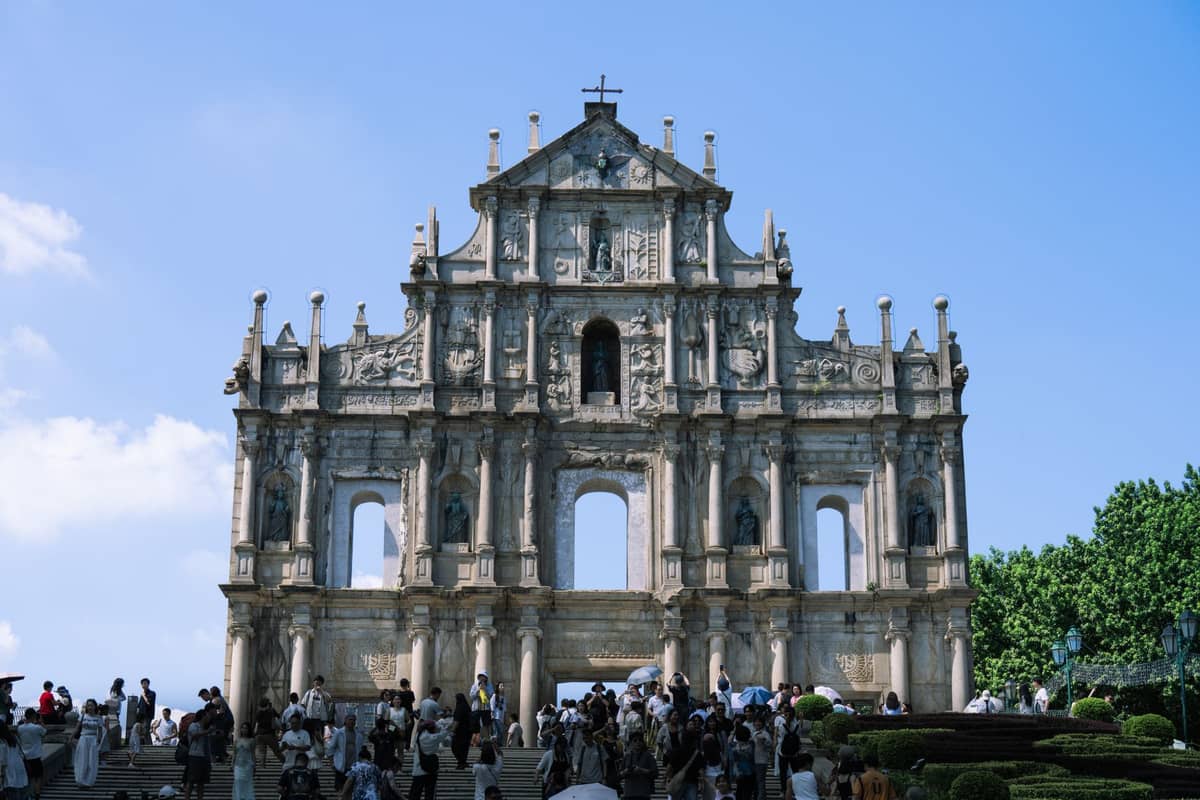
Few places in Asia can match Macau for the depth and accessibility of its Catholic heritage. Portuguese missionaries arrived in the 16th century, and the churches, seminaries, and charitable institutions they built have survived remarkably intact. Most are concentrated in the Macau Peninsula's Historic Centre, inscribed by UNESCO in 2005, and admission to nearly all of them is free. This guide is arranged thematically so you can plan your visits efficiently, whether you have a single morning or a full day to dedicate to Macau's sacred architecture.
💡 Local tip
Churches in Macau are active places of worship. Opening hours can change for services or maintenance, and some buildings close midday. Check current hours with the Macau World Heritage office (wh.mo) before visiting.
Iconic Landmarks of the Catholic Heritage Trail
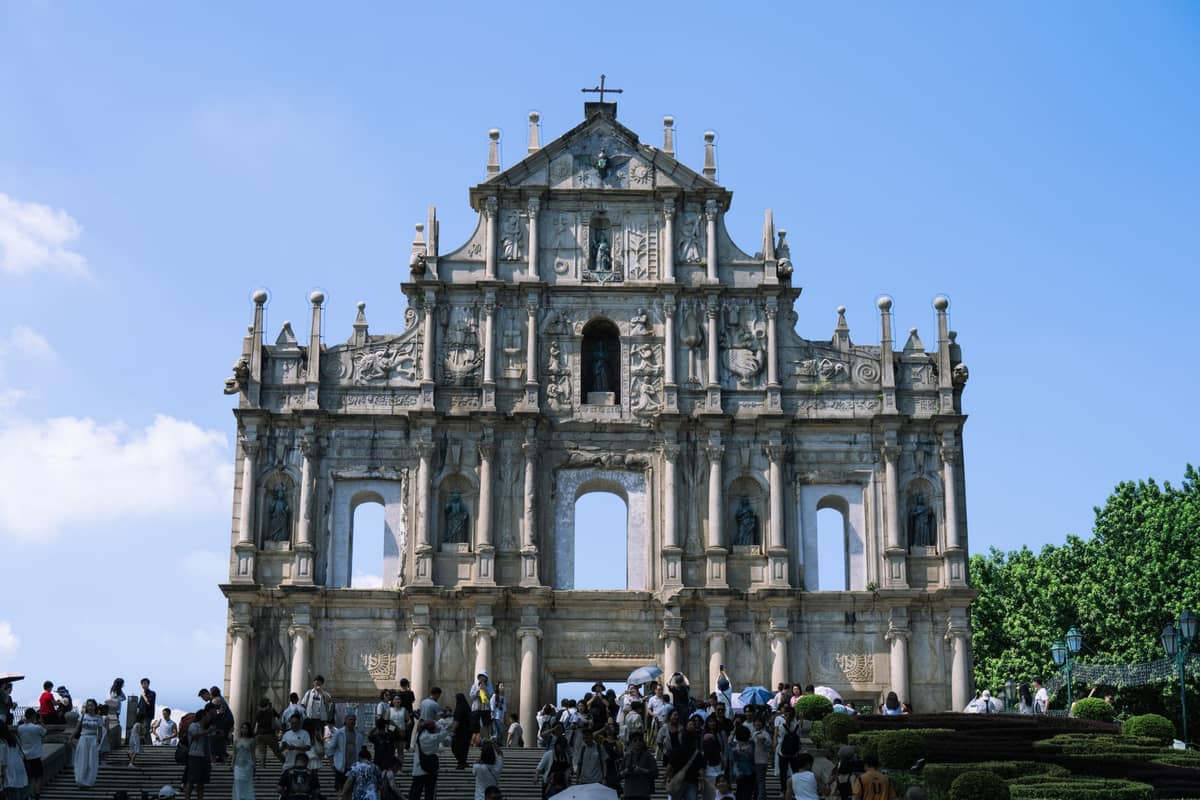
The best starting point for any church itinerary is the cluster of sites around the historic centre. If you only have one day, our Macau one-day itinerary shows how to link these landmarks on foot. The Ruins of St. Paul's and St. Dominic's Church are the two most-visited religious sites in the city and can easily be combined in a single walk.
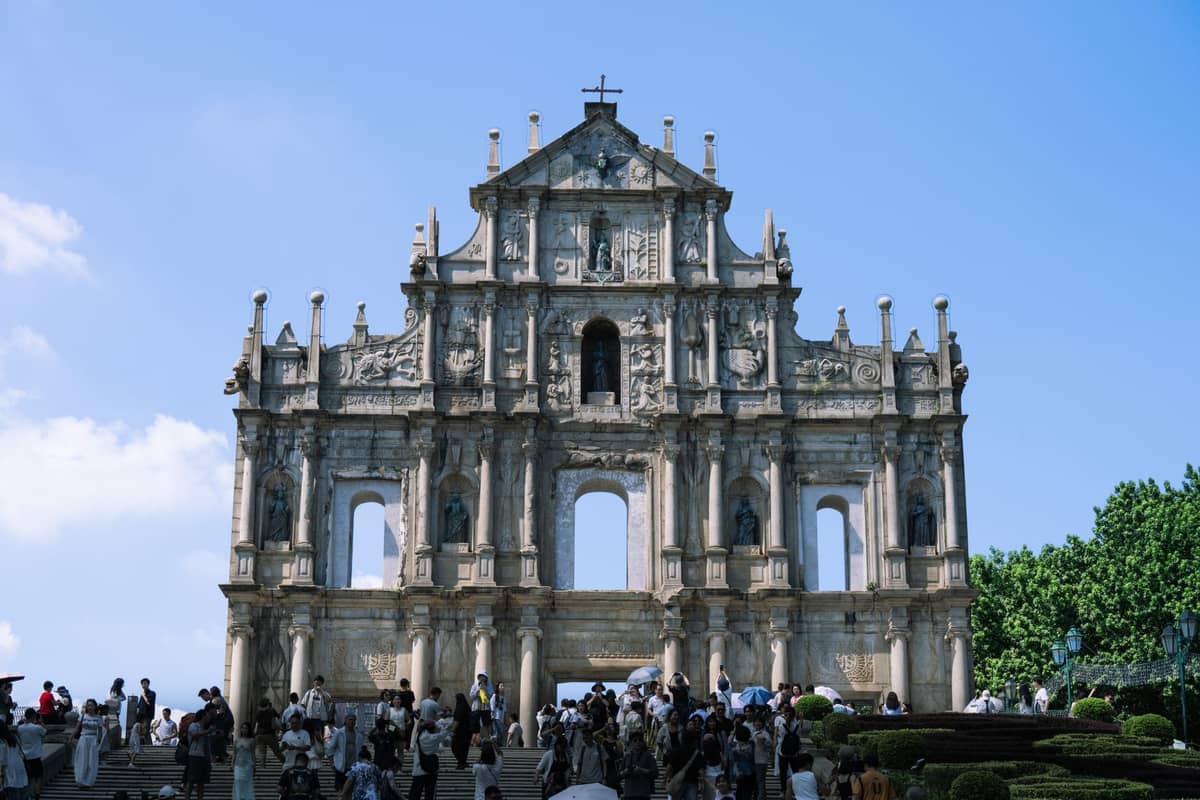
1. Walk Up to the Ruins of St. Paul's, Macau's Defining Monument
The stone façade of the 17th-century Church of Mater Dei is Macau's most photographed landmark. Its intricate carvings blend Baroque and Asian motifs, and the Sacred Art Museum and Crypt beneath open 09:00–18:00 (closed Tuesday afternoons). Entry is free.
Explore1. Walk Up to the Ruins of St. Paul's, Macau's Defining Monument
The stone façade of the 17th-century Church of Mater Dei is Macau's most photographed landmark. Its intricate carvings blend Baroque and Asian motifs, and the Sacred Art Museum and Crypt beneath open 09:00–18:00 (closed Tuesday afternoons). Entry is free.
Explore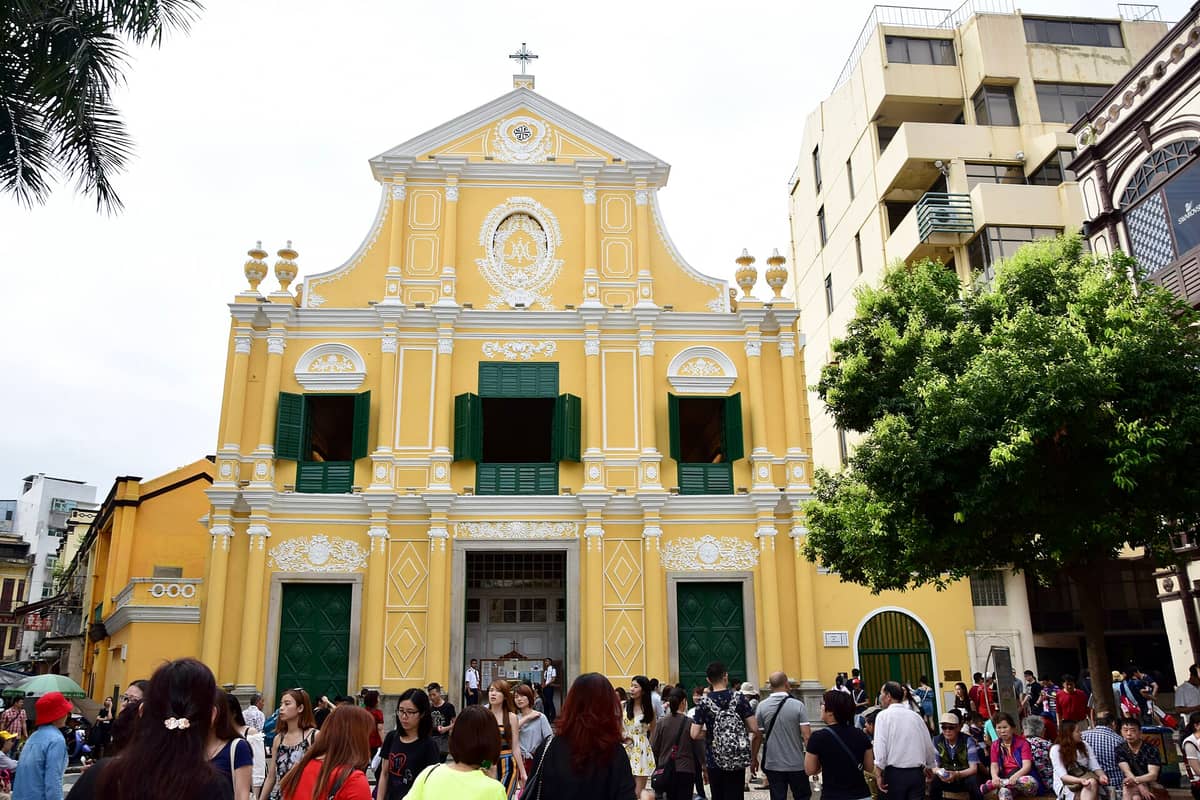
2. Admire the Baroque Splendour of St. Dominic's Church
This cream-and-yellow Baroque façade anchors the northern end of Senado Square. Built in the 17th century and open 10:00–18:00, it houses a treasury museum of sacred art on its upper floors. One of the most photogenic Catholic buildings in Asia.
Explore2. Admire the Baroque Splendour of St. Dominic's Church
This cream-and-yellow Baroque façade anchors the northern end of Senado Square. Built in the 17th century and open 10:00–18:00, it houses a treasury museum of sacred art on its upper floors. One of the most photogenic Catholic buildings in Asia.
Explore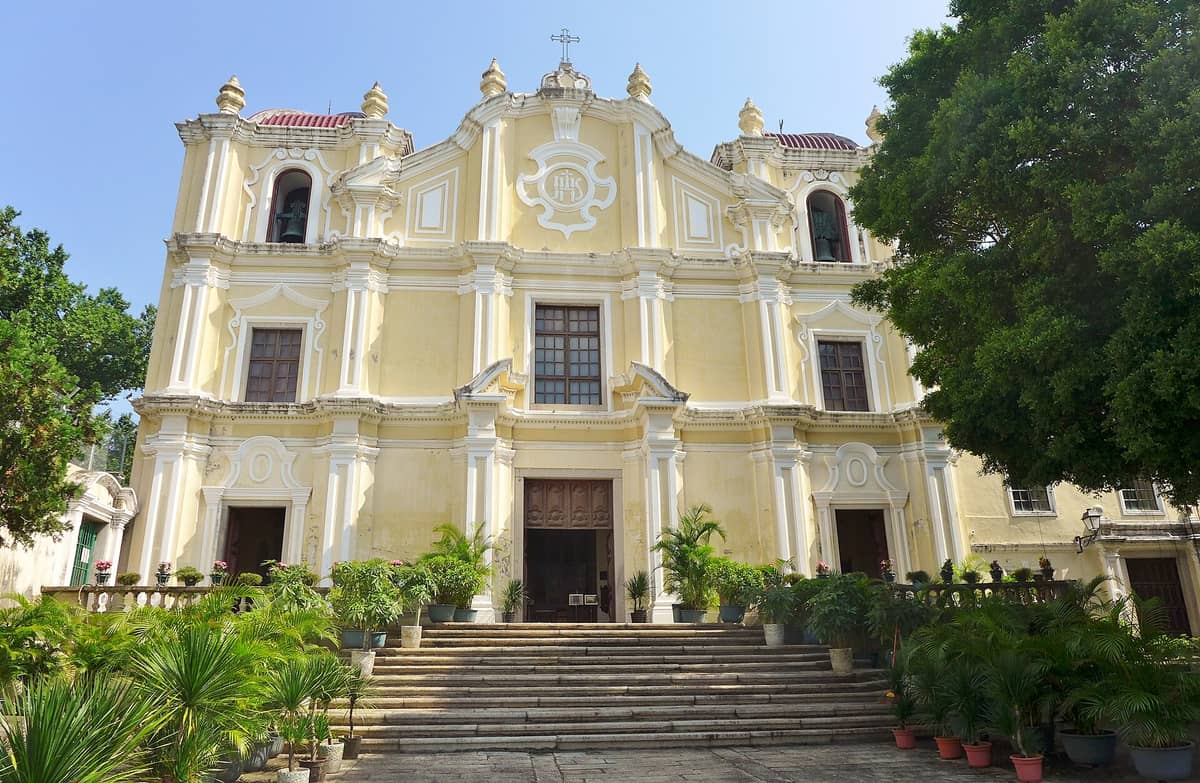
3. Step Inside St. Joseph's Seminary and Church, a Jewel of Jesuit Architecture
Considered among the finest Jesuit buildings in Asia, this 18th-century domed church holds a relic of St. Francis Xavier. Open 10:00–17:00 and free to enter; note the seminary itself is not accessible to visitors. A UNESCO World Heritage component.
Explore3. Step Inside St. Joseph's Seminary and Church, a Jewel of Jesuit Architecture
Considered among the finest Jesuit buildings in Asia, this 18th-century domed church holds a relic of St. Francis Xavier. Open 10:00–17:00 and free to enter; note the seminary itself is not accessible to visitors. A UNESCO World Heritage component.
Explore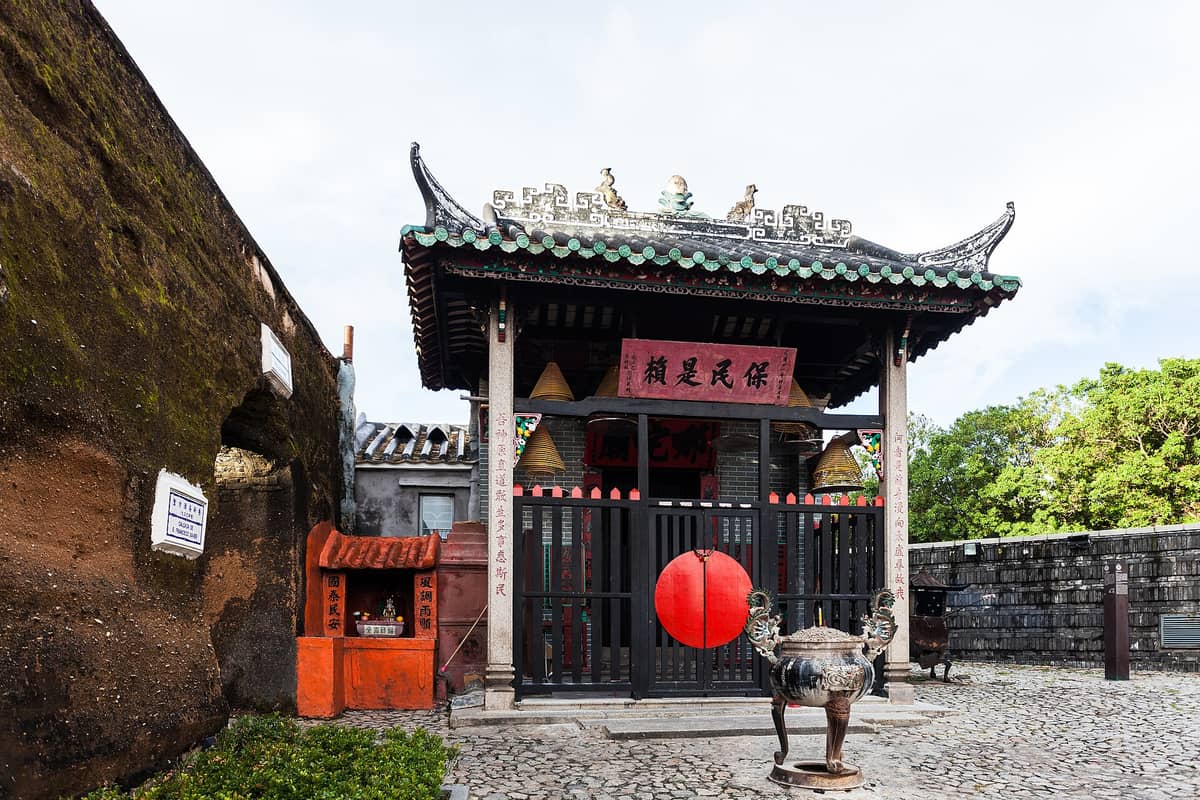
4. Photograph the East-West Contrast at Na Tcha Temple beside St. Paul's
This tiny 19th-century Chinese temple sits directly beside the Ruins of St. Paul's, creating Macau's most striking visual symbol of cultural fusion. It is a UNESCO World Heritage component and takes only minutes to visit, but rewards close inspection of its colourful decor.
Explore4. Photograph the East-West Contrast at Na Tcha Temple beside St. Paul's
This tiny 19th-century Chinese temple sits directly beside the Ruins of St. Paul's, creating Macau's most striking visual symbol of cultural fusion. It is a UNESCO World Heritage component and takes only minutes to visit, but rewards close inspection of its colourful decor.
ExploreColonial Architecture and Civic Catholic Institutions
Macau's Catholic legacy extends beyond churches into charitable institutions, civic buildings, and libraries built by the Portuguese colonial administration. The Macau heritage walk connects most of these sites on a single pedestrian route through the historic centre, passing Senado Square and the surrounding streets.
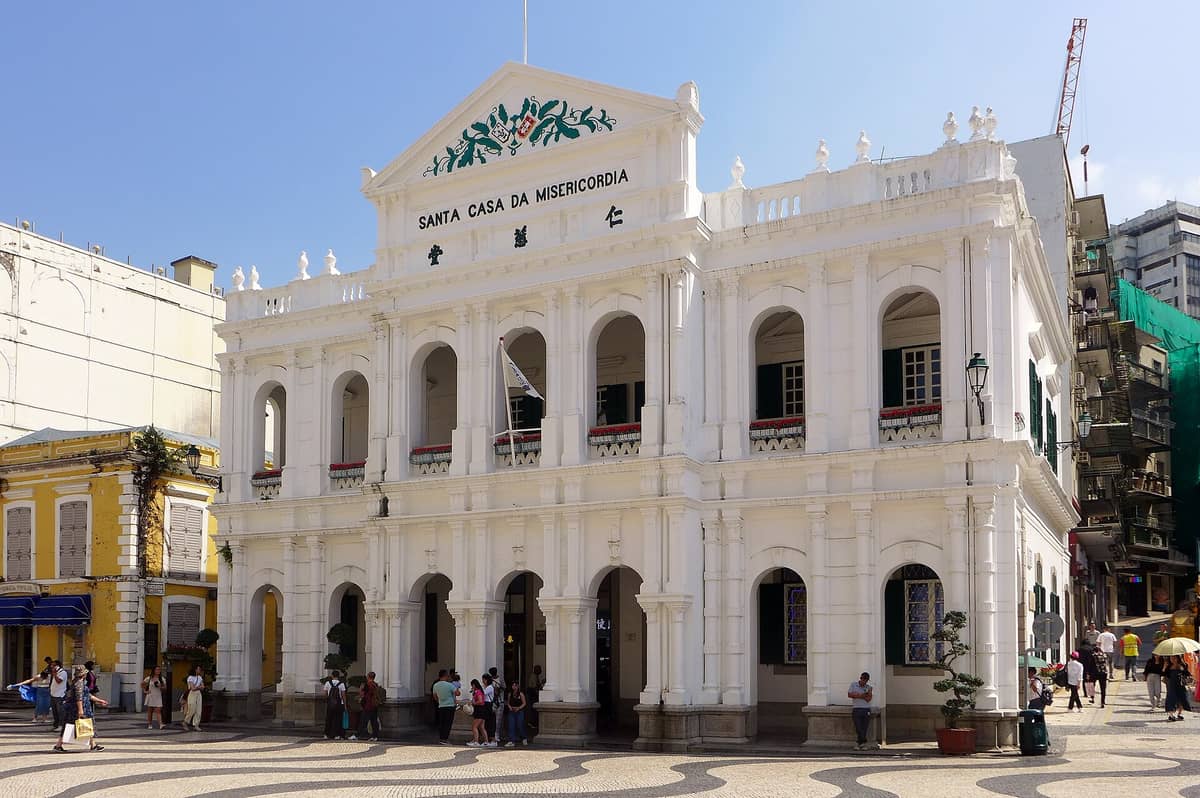
5. Visit the Holy House of Mercy, One of Asia's Oldest Charities
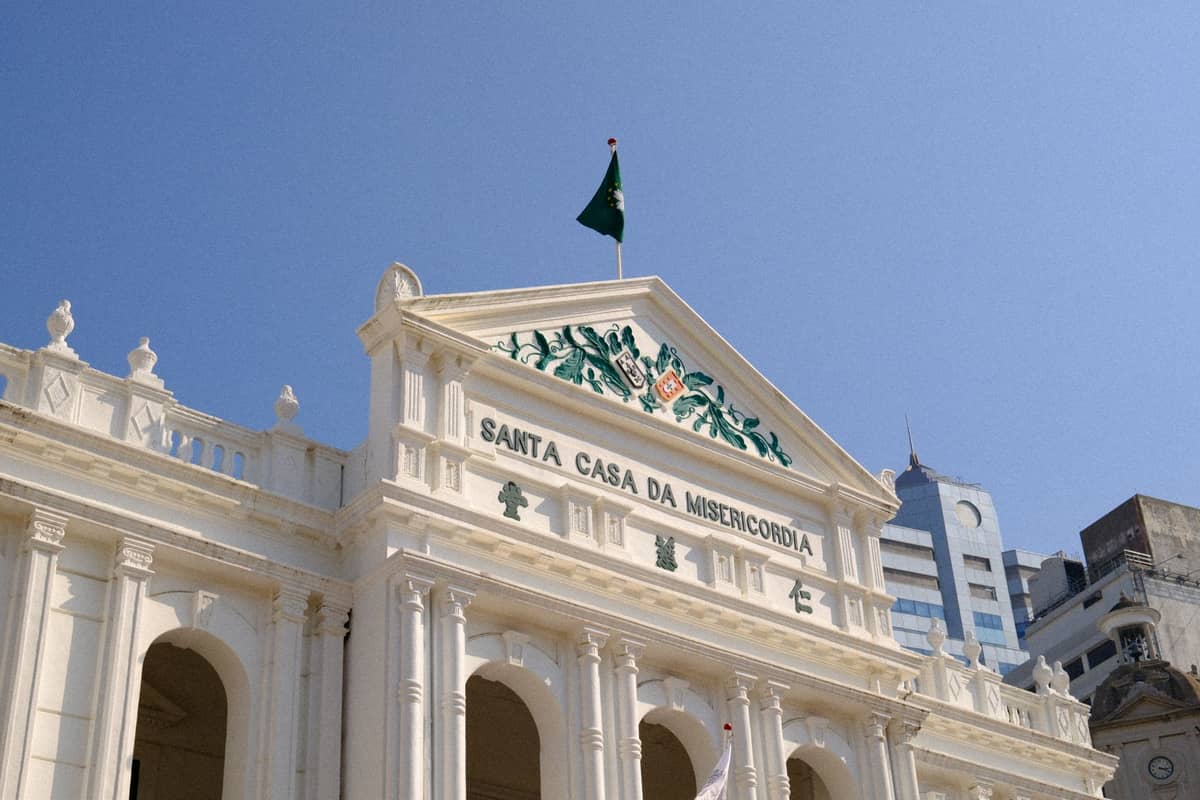
Founded in 1569 on Senado Square, Santa Casa da Misericórdia is among the oldest Western charitable institutions in Asia. Its small museum displays sacred art, bishop portraits, and artefacts spanning four centuries of Catholic social history. Entry is low-cost.
Explore5. Visit the Holy House of Mercy, One of Asia's Oldest Charities
Founded in 1569 on Senado Square, Santa Casa da Misericórdia is among the oldest Western charitable institutions in Asia. Its small museum displays sacred art, bishop portraits, and artefacts spanning four centuries of Catholic social history. Entry is low-cost.
Explore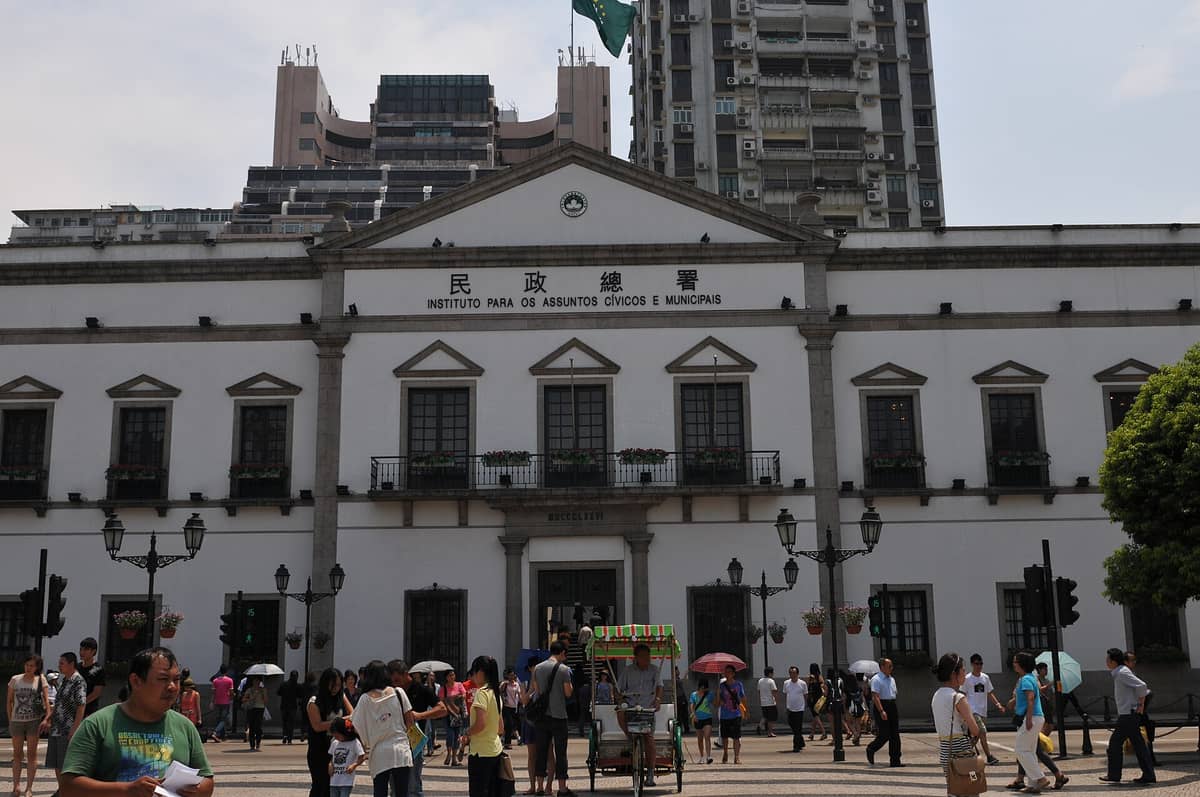
6. Explore the Tiled Courtyard Inside the Leal Senado Building
Macau's 18th-century civic hall faces Senado Square and conceals a stunning Portuguese azulejo-tiled interior courtyard open to visitors. Though secular, it embodies the Catholic-colonial character of the Portuguese administration and houses a historic public library.
Explore6. Explore the Tiled Courtyard Inside the Leal Senado Building
Macau's 18th-century civic hall faces Senado Square and conceals a stunning Portuguese azulejo-tiled interior courtyard open to visitors. Though secular, it embodies the Catholic-colonial character of the Portuguese administration and houses a historic public library.
Explore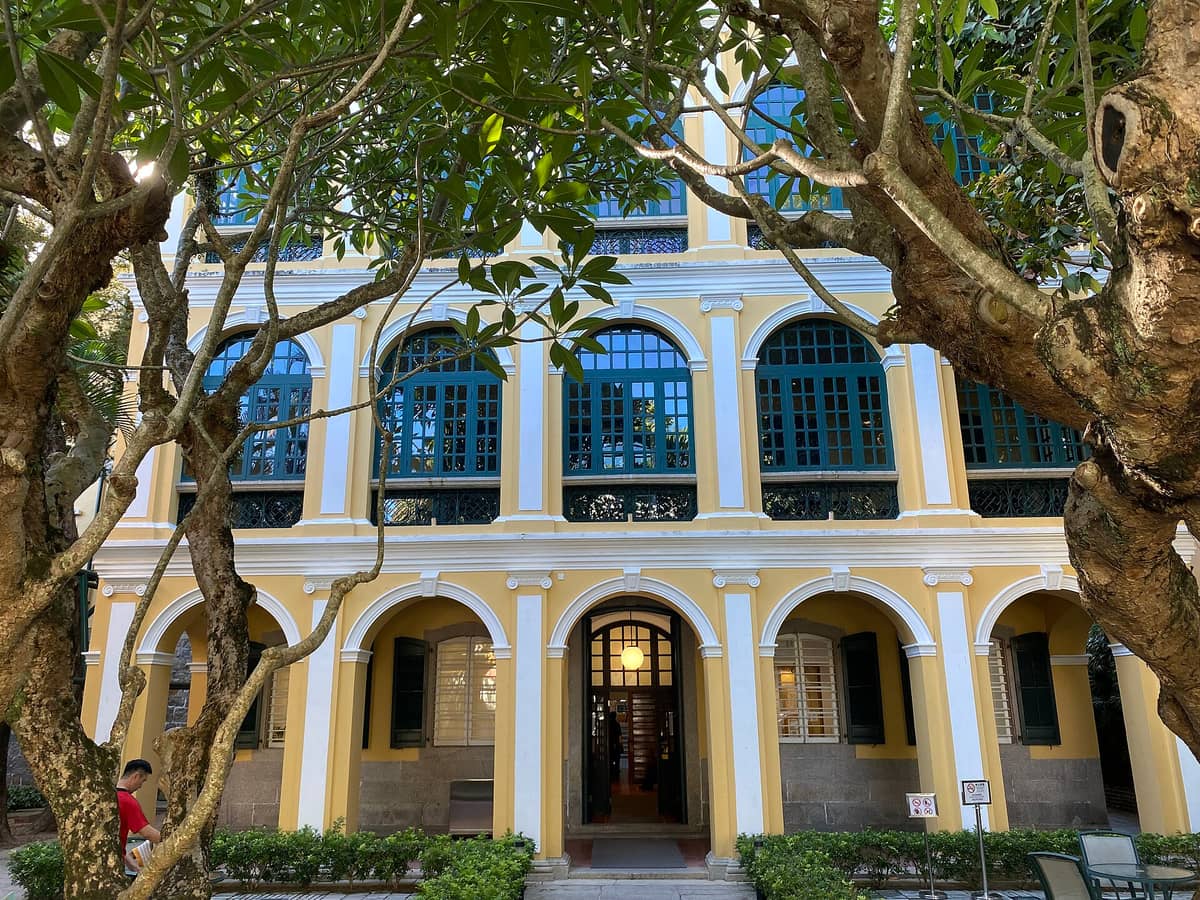
7. Browse the Walled Garden at Sir Robert Ho Tung Library
A 19th-century villa converted into a tranquil public library near Senado Square, this UNESCO-listed building blends Chinese and European architecture in a walled garden. It reflects the layered colonial history that shaped Macau's Catholic cultural identity.
Explore7. Browse the Walled Garden at Sir Robert Ho Tung Library
A 19th-century villa converted into a tranquil public library near Senado Square, this UNESCO-listed building blends Chinese and European architecture in a walled garden. It reflects the layered colonial history that shaped Macau's Catholic cultural identity.
Explore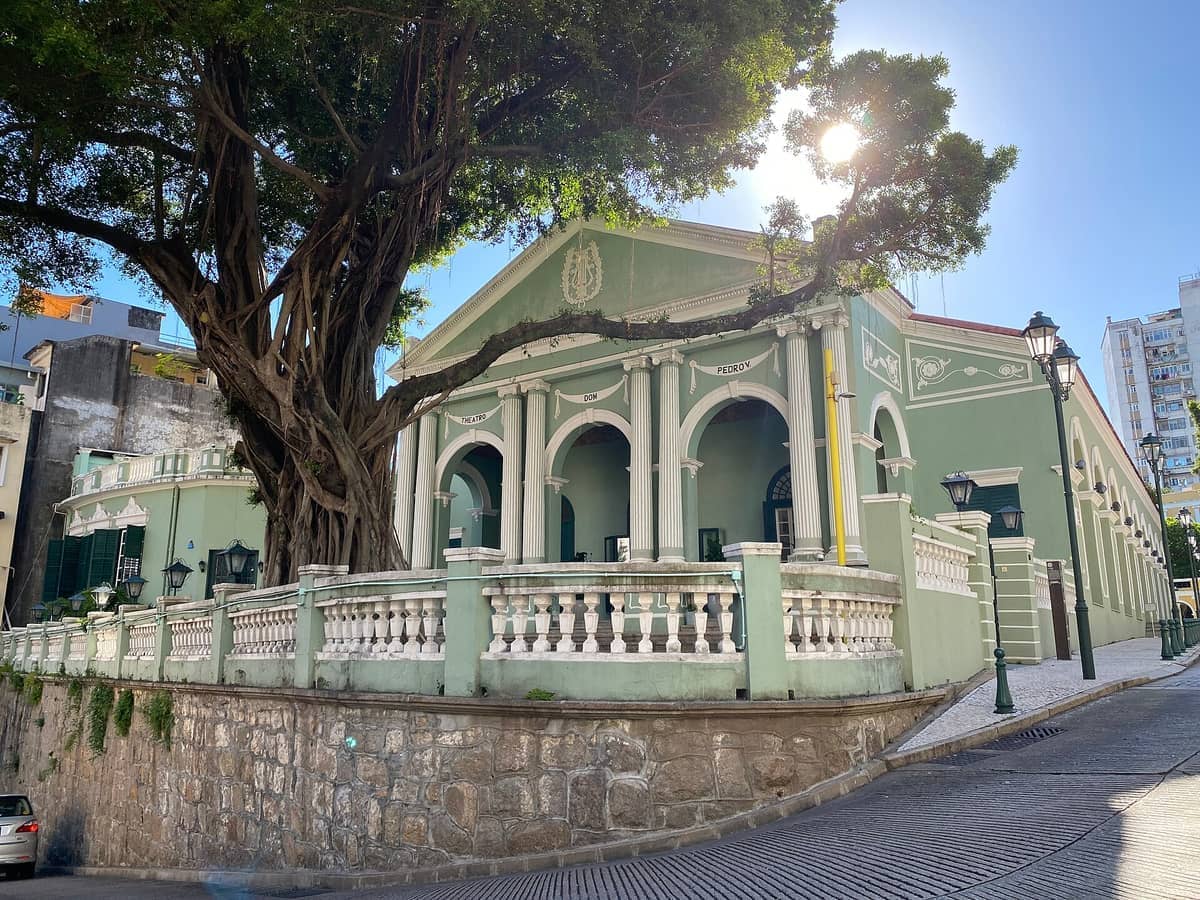
8. See the Neoclassical Dom Pedro V Theatre, the Oldest Western Theatre in China
Built in 1860, this elegant green-and-white neoclassical building still hosts occasional performances. Its colonial architecture is inseparable from the Catholic-Portuguese civic culture that built churches, schools, and theatres across the same historic streets.
Explore8. See the Neoclassical Dom Pedro V Theatre, the Oldest Western Theatre in China
Built in 1860, this elegant green-and-white neoclassical building still hosts occasional performances. Its colonial architecture is inseparable from the Catholic-Portuguese civic culture that built churches, schools, and theatres across the same historic streets.
Explore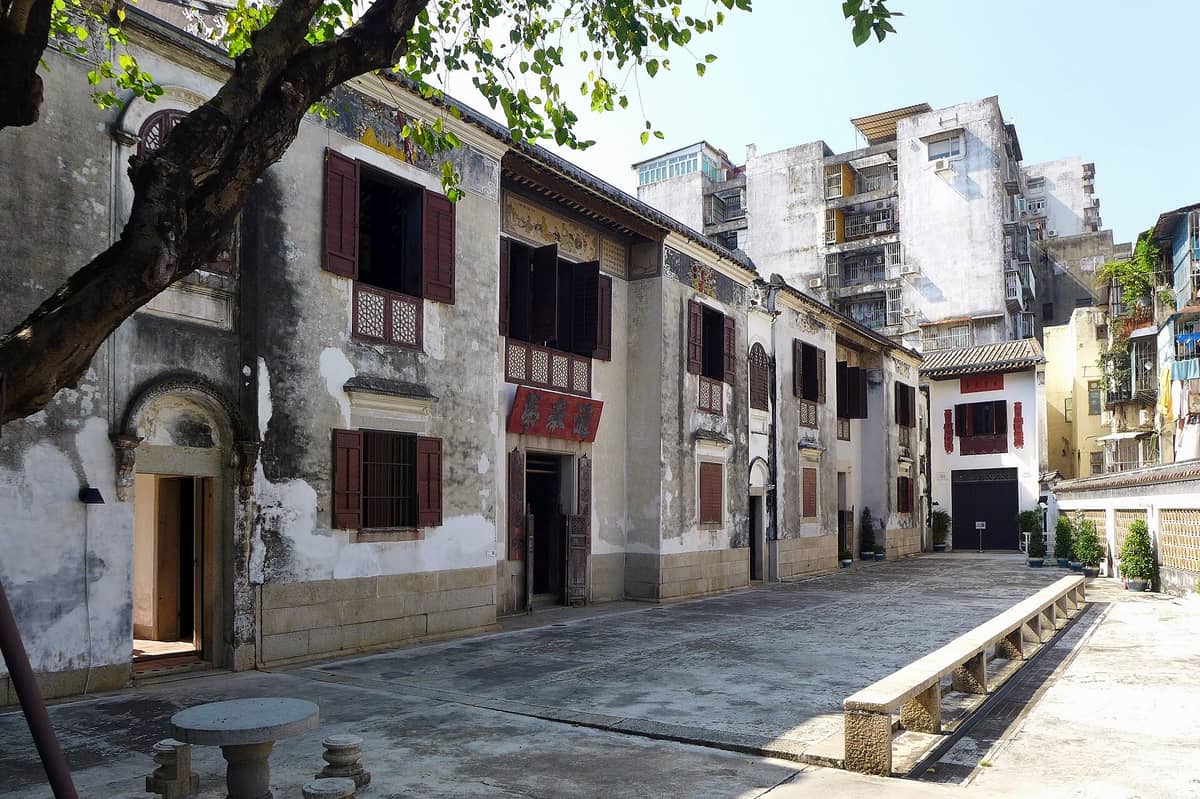
9. Compare Catholic and Chinese Domestic Architecture at the Mandarin's House
This UNESCO-listed 19th-century Chinese mansion with over 60 rooms sits minutes from St. Joseph's Church. Free to enter, it illustrates how Macau's Catholic colonial world coexisted with traditional Chinese merchant culture on the same city blocks.
Explore9. Compare Catholic and Chinese Domestic Architecture at the Mandarin's House
This UNESCO-listed 19th-century Chinese mansion with over 60 rooms sits minutes from St. Joseph's Church. Free to enter, it illustrates how Macau's Catholic colonial world coexisted with traditional Chinese merchant culture on the same city blocks.
ExploreHilltop Chapels and Panoramic Views
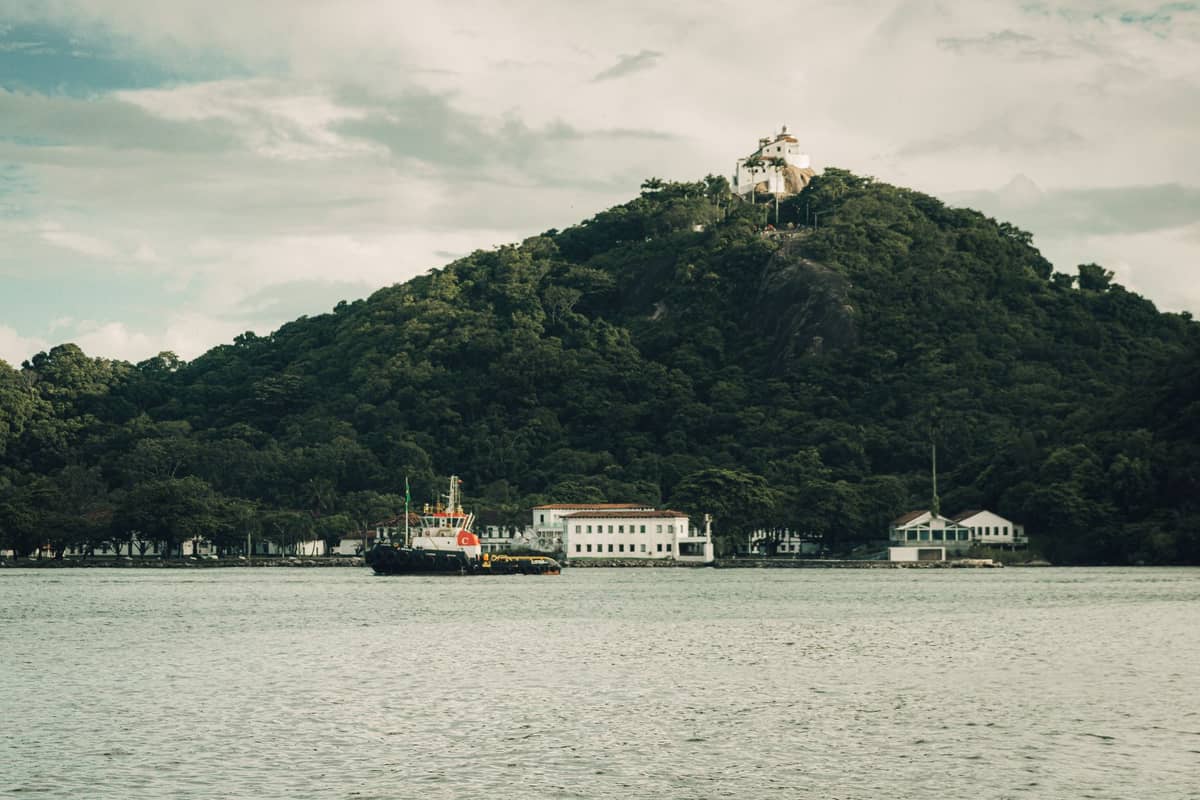
Several of Macau's most atmospheric Catholic sites are perched on hilltops, offering views alongside history. These spots reward visitors willing to walk a little further from the main tourist corridor. For a curated selection of the best vantage points in the territory, see our guide to best views in Macau.
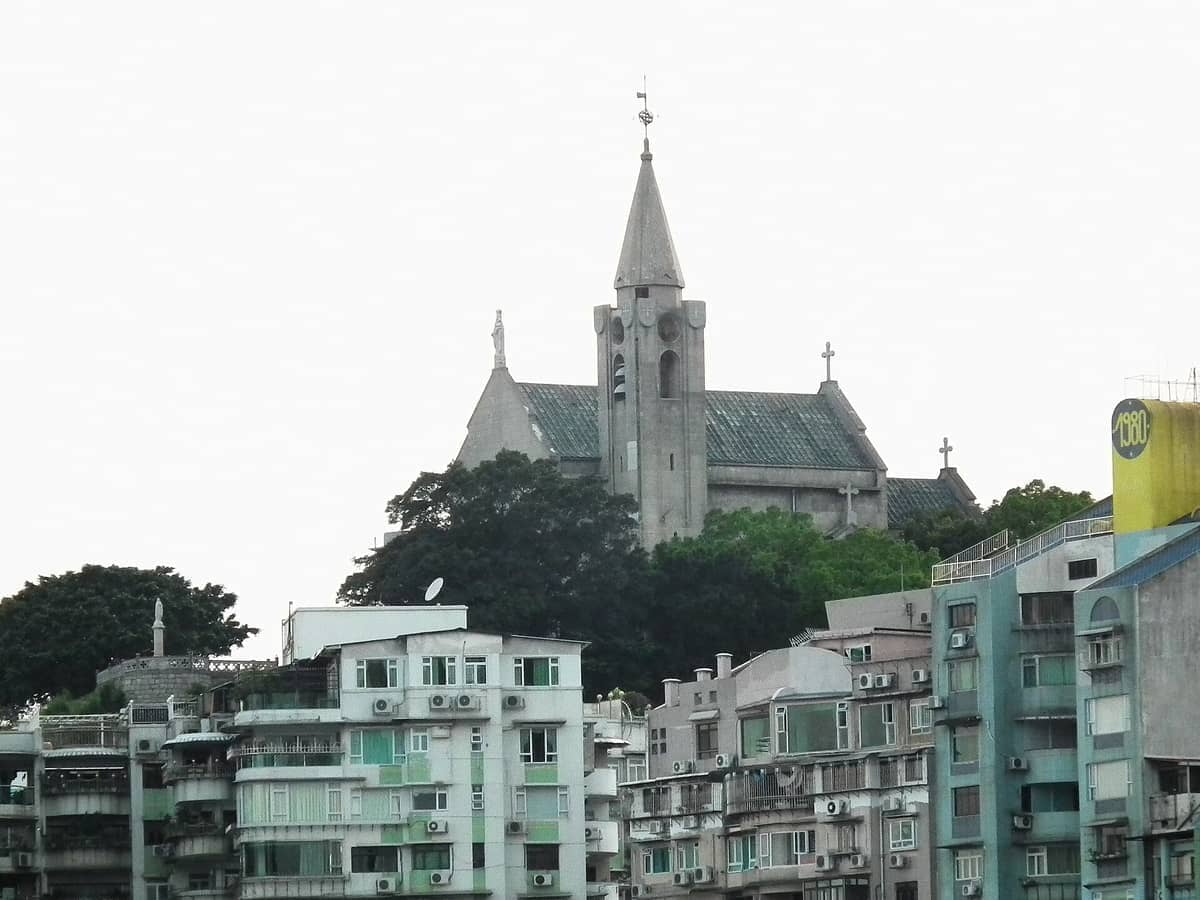
10. Climb Penha Hill for the City's Most Atmospheric Chapel and Panoramic Views
A 17th-century chapel dedicated to Our Lady of Penha crowns this peaceful hilltop, with sweeping views over the peninsula and Pearl River Delta. The winding walk up through quiet residential streets is one of the most rewarding short routes in the historic city.
Explore10. Climb Penha Hill for the City's Most Atmospheric Chapel and Panoramic Views
A 17th-century chapel dedicated to Our Lady of Penha crowns this peaceful hilltop, with sweeping views over the peninsula and Pearl River Delta. The winding walk up through quiet residential streets is one of the most rewarding short routes in the historic city.
Explore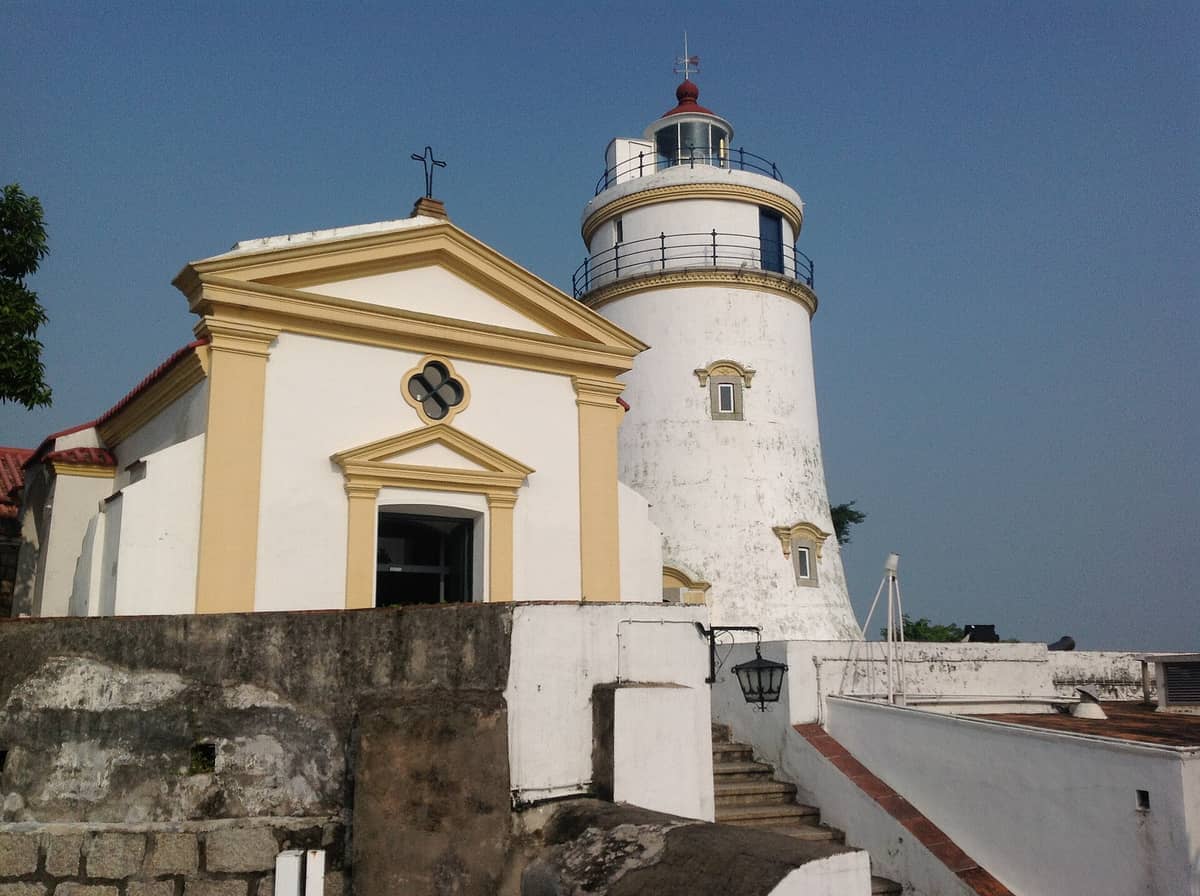
11. See the Rare Frescoes Inside Guia Chapel at the Fortress Summit
The Chapel of Our Lady of Guia, inside the Guia Fortress complex, contains some of the oldest Western-style frescoes in China, blending Catholic iconography with Chinese motifs. Reachable by cable car or trail, the site also holds the oldest coastal lighthouse in East Asia.
Explore11. See the Rare Frescoes Inside Guia Chapel at the Fortress Summit
The Chapel of Our Lady of Guia, inside the Guia Fortress complex, contains some of the oldest Western-style frescoes in China, blending Catholic iconography with Chinese motifs. Reachable by cable car or trail, the site also holds the oldest coastal lighthouse in East Asia.
Explore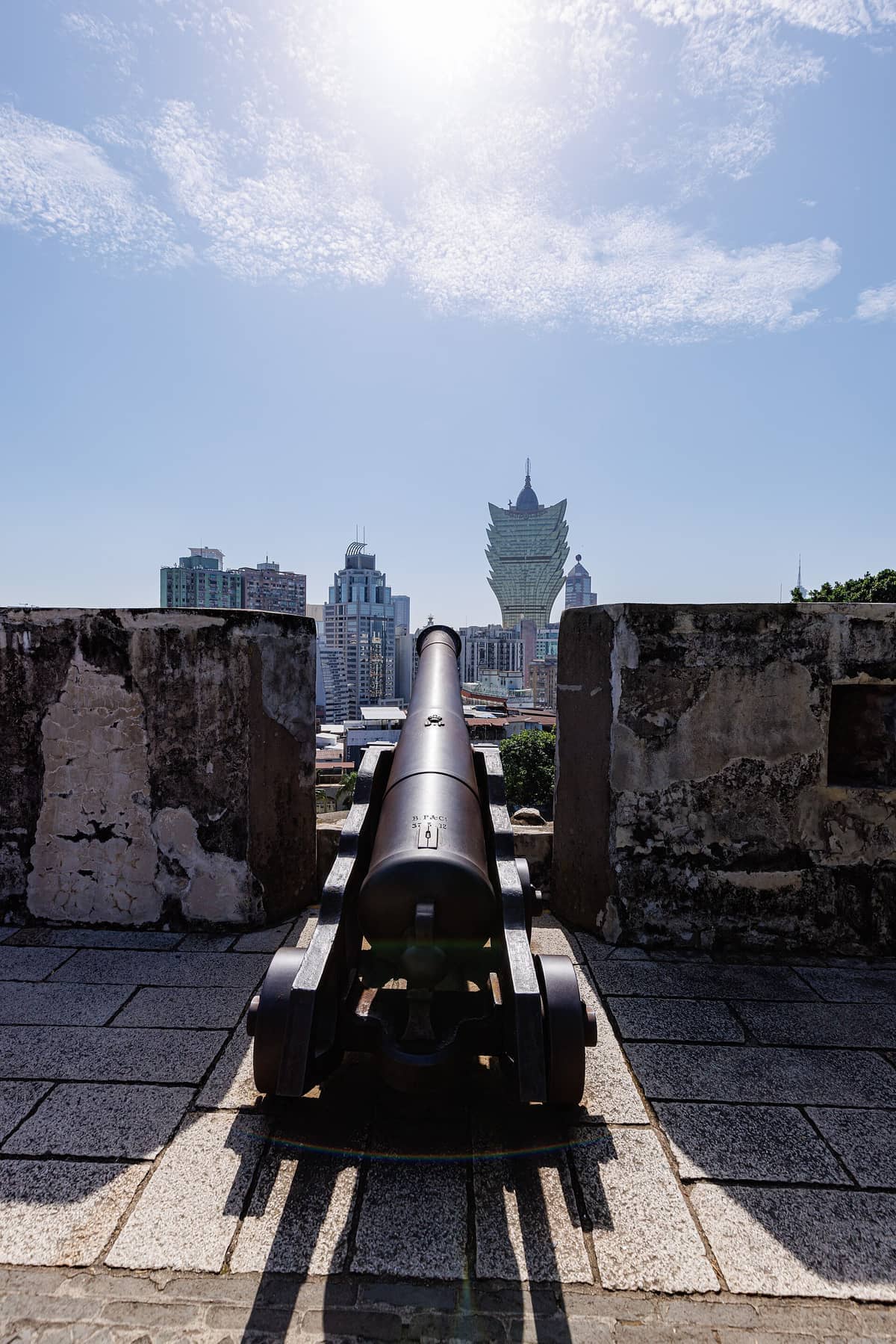
12. Visit the Mount Fortress That Once Defended the Jesuit Church Below
Built by the Jesuits in the 17th century to protect the Church of St. Paul and the wider settlement, the Mount Fortress now houses the Macau Museum. Its cannon-lined battlements overlook the Ruins of St. Paul's, giving direct historical context to the church site below.
Explore12. Visit the Mount Fortress That Once Defended the Jesuit Church Below
Built by the Jesuits in the 17th century to protect the Church of St. Paul and the wider settlement, the Mount Fortress now houses the Macau Museum. Its cannon-lined battlements overlook the Ruins of St. Paul's, giving direct historical context to the church site below.
ExploreMuseums and Sacred Art Collections
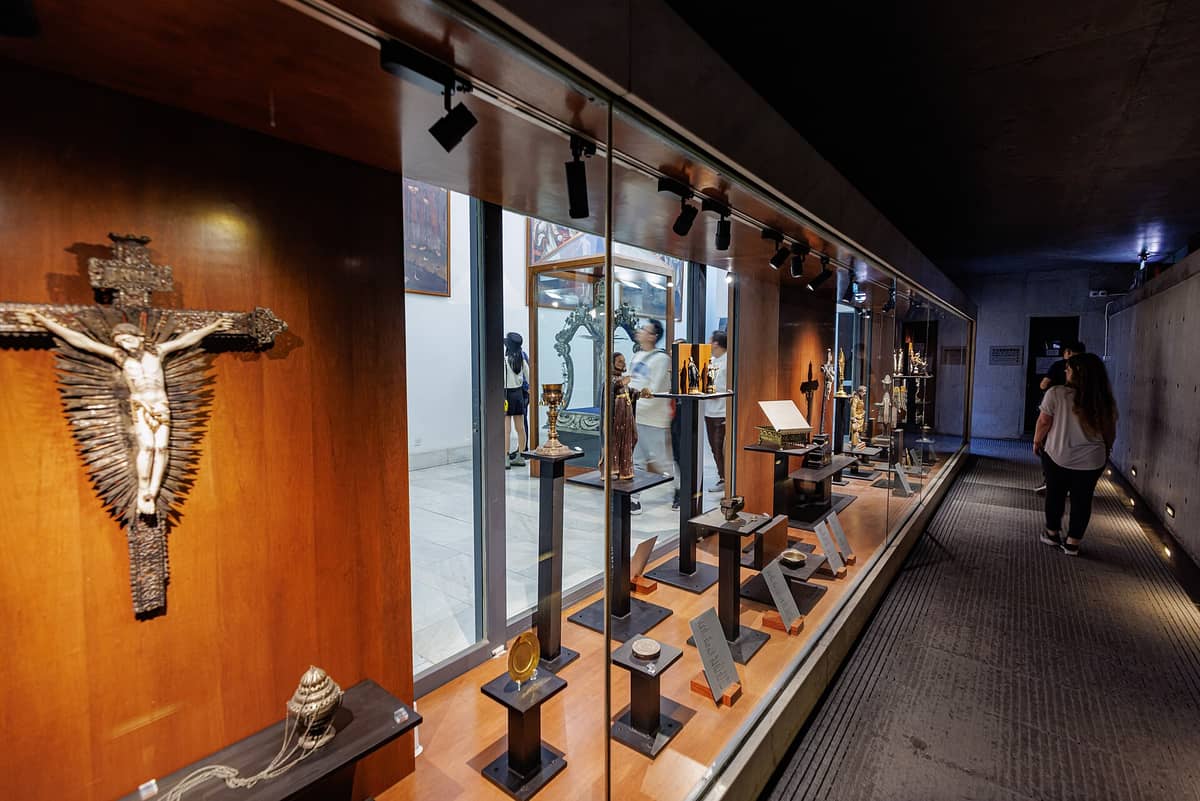
Beyond the churches themselves, several museums in Macau preserve the sacred art, devotional objects, and historical records of its Catholic community. For visitors interested in the broader historical context, the 2-day Macau itinerary pairs museum visits with heritage walks to make the most of limited time.
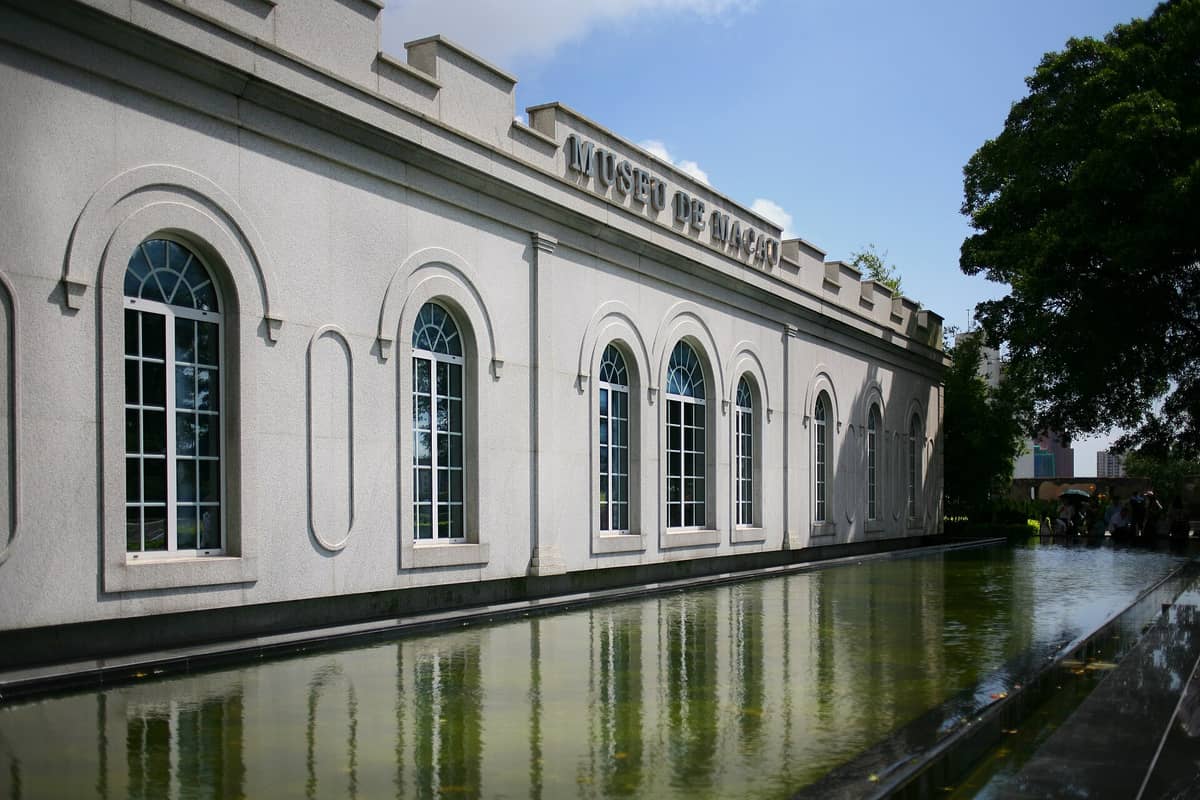
13. Trace 400 Years of Catholic Colonial History at the Macau Museum
Housed inside the Fortaleza do Monte, this museum covers Macau's history from fishing village to Portuguese colonial capital. Exhibits on Catholicism's role in shaping Macanese culture, cuisine, and festivals are among the most informative in the territory. Entry is low-cost.
Explore13. Trace 400 Years of Catholic Colonial History at the Macau Museum
Housed inside the Fortaleza do Monte, this museum covers Macau's history from fishing village to Portuguese colonial capital. Exhibits on Catholicism's role in shaping Macanese culture, cuisine, and festivals are among the most informative in the territory. Entry is low-cost.
Explore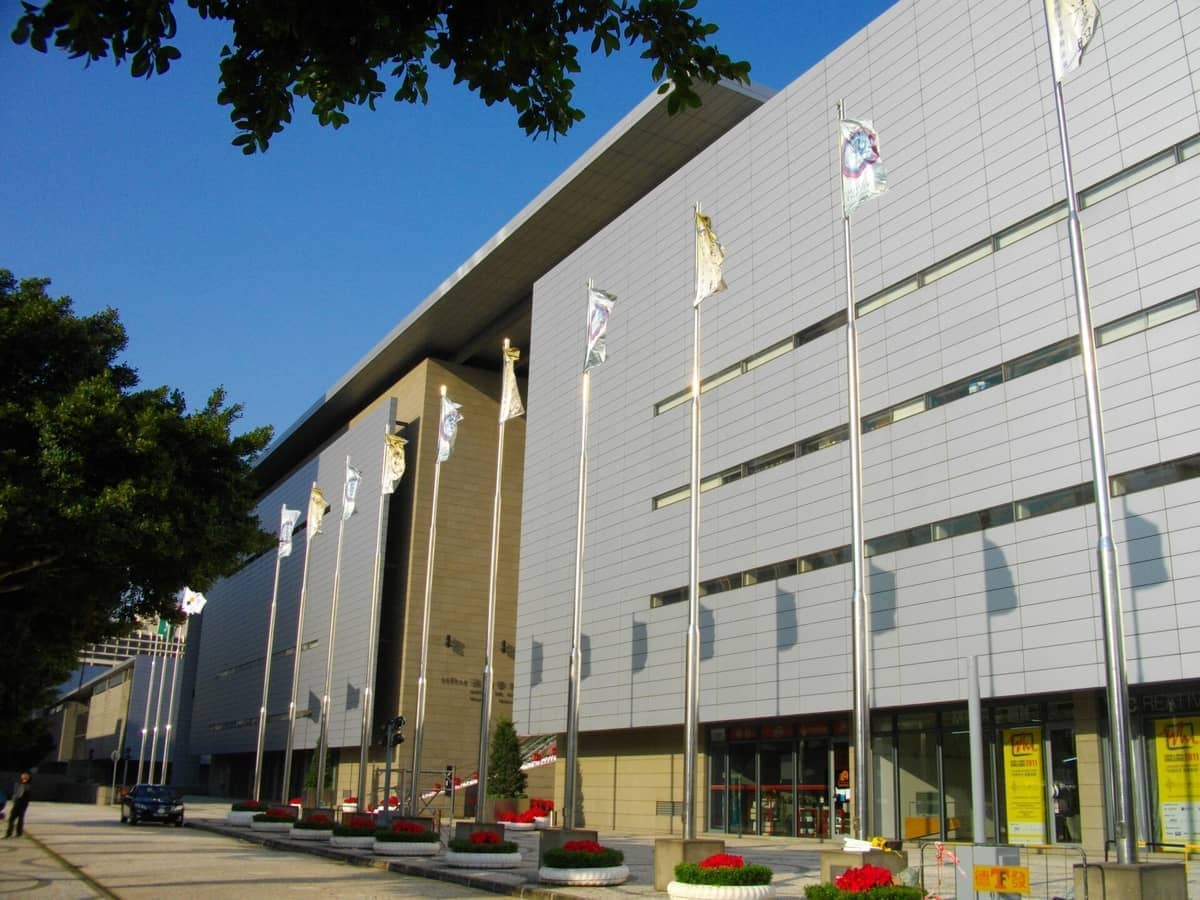
14. Discover Western Religious Art from the Colonial Era at the Macau Museum of Art
The territory's premier fine art museum holds colonial-era Western paintings including religious works brought by Portuguese missionaries and traders. It is a useful complement to church visits, contextualising the sacred art you see in situ across the historic centre.
Explore14. Discover Western Religious Art from the Colonial Era at the Macau Museum of Art
The territory's premier fine art museum holds colonial-era Western paintings including religious works brought by Portuguese missionaries and traders. It is a useful complement to church visits, contextualising the sacred art you see in situ across the historic centre.
Explore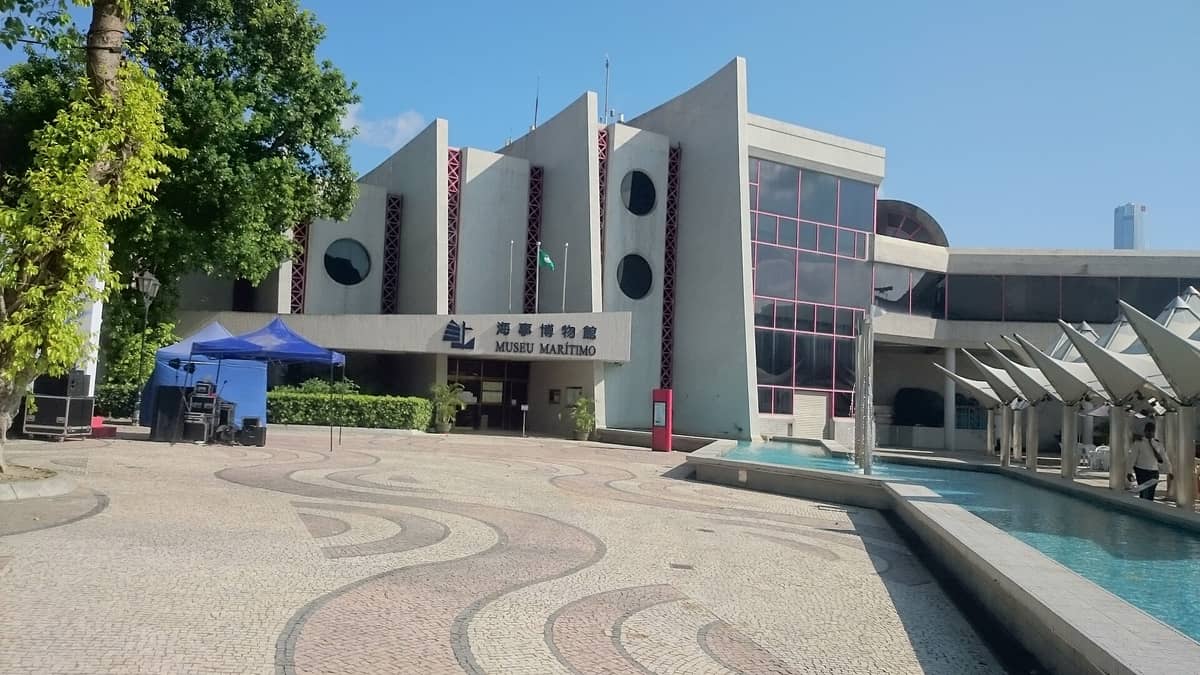
15. Understand the Portuguese Voyages That Brought Catholicism to Macau
The Maritime Museum near A-Ma Temple covers the Age of Discovery that delivered Portuguese missionaries to Asia. Its ship models and navigation exhibits explain why Macau became a Catholic outpost, giving deeper meaning to every church you visit in the historic centre.
Explore15. Understand the Portuguese Voyages That Brought Catholicism to Macau
The Maritime Museum near A-Ma Temple covers the Age of Discovery that delivered Portuguese missionaries to Asia. Its ship models and navigation exhibits explain why Macau became a Catholic outpost, giving deeper meaning to every church you visit in the historic centre.
ExploreColoane Village: Chapel of St. Francis Xavier
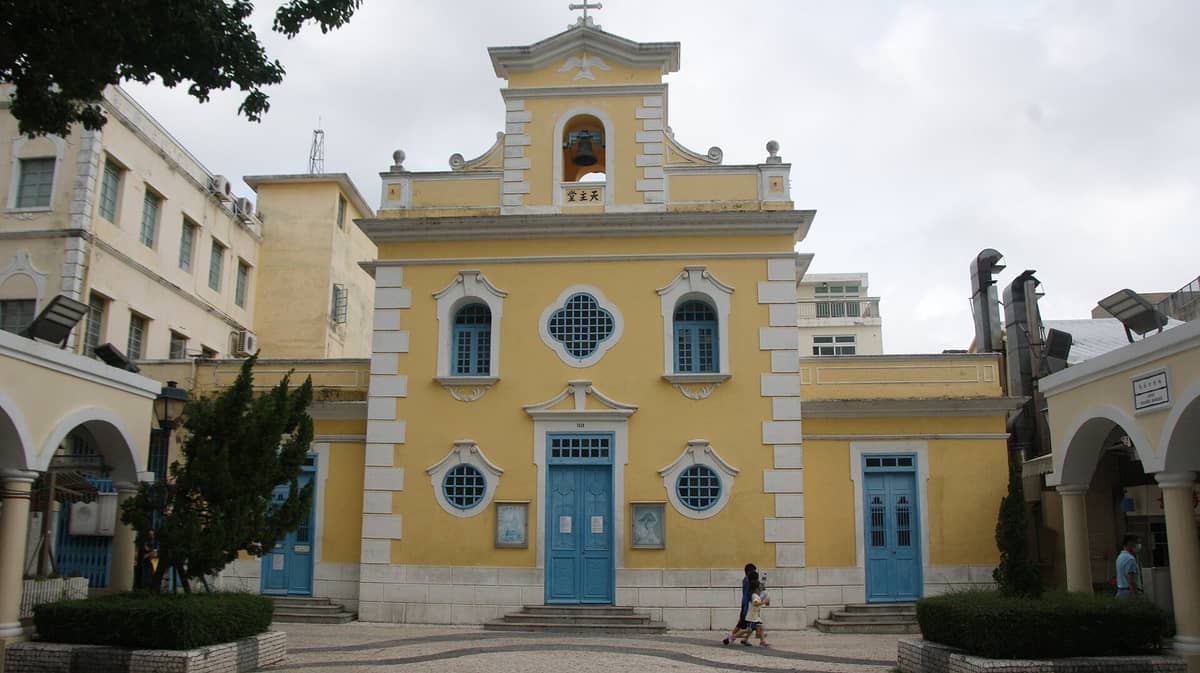
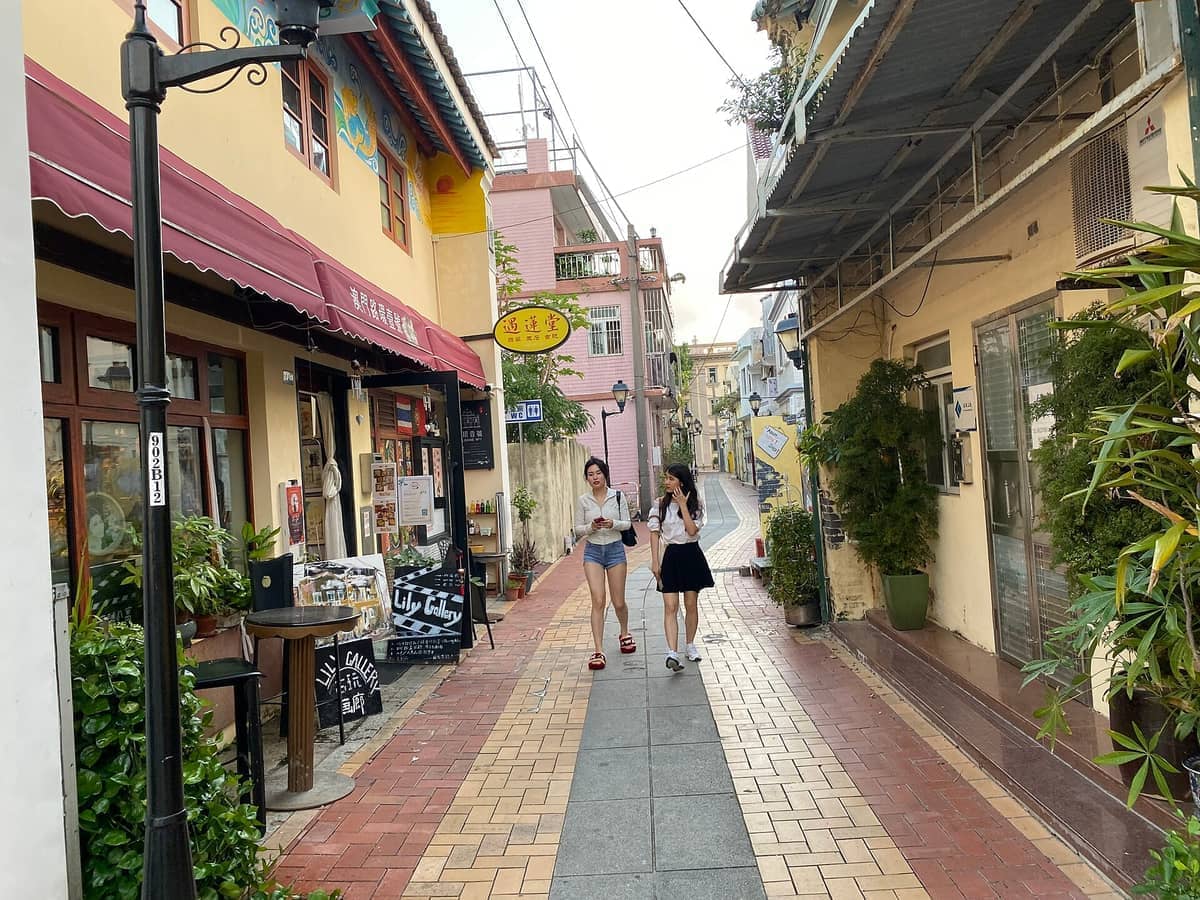
Away from the dense heritage zone of the peninsula, Coloane offers a quieter encounter with Macau's Catholic legacy. The Chapel of St. Francis Xavier in Coloane Village is the most significant Catholic site on the outer islands and makes a rewarding half-day trip when combined with the village's Portuguese restaurants.
16. Find the Yellow Chapel of St. Francis Xavier in Coloane Village
Coloane Village's small central square is anchored by the Chapel of St. Francis Xavier, a yellow-façaded 19th-century church holding a relic of the saint. The surrounding village, with its traditional temples and seafood restaurants, makes this an easy half-day excursion.
Explore16. Find the Yellow Chapel of St. Francis Xavier in Coloane Village
Coloane Village's small central square is anchored by the Chapel of St. Francis Xavier, a yellow-façaded 19th-century church holding a relic of the saint. The surrounding village, with its traditional temples and seafood restaurants, makes this an easy half-day excursion.
Explore✨ Pro tip
Combine a Coloane Village chapel visit with lunch at one of the nearby Portuguese restaurants. Espaço Lisboa is a short walk away in Coloane Village; António is in Taipa Village. Both serve some of the most authentic Portuguese food in Macau.
FAQ
Is entry to Macau's Catholic churches free?
Yes, entry to the main heritage churches including St. Dominic's, St. Joseph's Seminary Church, Penha Church, and Guia Chapel is free. The Sacred Art Museum and Crypt beneath the Ruins of St. Paul's is also free to enter, though it has set visiting hours (09:00–18:00, last entry 17:30, closed Tuesday afternoons). Always verify current conditions before visiting as hours can change for liturgical services.
What are the opening hours for the main churches in Macau?
Opening hours vary by site. St. Dominic's Church opens 10:00–18:00. St. Joseph's Seminary Church opens 10:00–17:00. Penha Church and Guia Chapel have variable hours depending on services. The Ruins of St. Paul's façade is accessible 24 hours, while the museum beneath opens 09:00–18:00. Check the Macau World Heritage website (wh.mo) for current listings before your visit.
How long does it take to visit all the main Catholic heritage sites in Macau?
A focused walk covering the Ruins of St. Paul's, Na Tcha Temple, St. Dominic's Church, the Holy House of Mercy, St. Joseph's Seminary Church, and Penha Hill takes a full day at a relaxed pace. Adding the Macau Museum and Guia Chapel means an early start. Most of the peninsula sites can be linked on foot.
Are there guided tours of Macau's Catholic heritage?
The Macao Catholic Culture Association offers virtual guided tours through its Cidade do Nome de Deus series. The Macau Government Tourism Office also provides a heritage walking map covering UNESCO-listed sites. Private guided tours departing from the historic centre are available through local operators and some hotels.
Is it appropriate to visit Macau's churches as a tourist?
Yes, all the churches listed in this guide welcome visitors. Dress modestly (covered shoulders and knees are respectful), keep voices low, and be mindful if a service is in progress. Some churches have limited visiting windows around morning and evening masses, so arriving mid-morning on a weekday gives the most flexibility.