Macao Museum of Art (MAM): The Complete Visitor Guide
The Macao Museum of Art is a major museum in Macau dedicated entirely to the visual arts, with seven exhibition areas across four floors and free admission. Located in the NAPE waterfront district inside the Macao Cultural Centre complex, it offers a genuinely calm alternative to the city's more-trafficked historic sites.
Quick Facts
- Location
- Macao Cultural Centre, Avenida Xian Xing Hai, NAPE waterfront, Macau Peninsula
- Getting There
- City buses to Macao Cultural Centre stop; casino hotel shuttles to nearby NAPE hotels
- Time Needed
- 1.5 to 2.5 hours depending on current exhibitions
- Cost
- Free admission
- Best for
- Art lovers, families seeking shade, culture travelers, photography
- Official website
- www.mam.gov.mo/en
What the Macao Museum of Art Actually Is
The Macao Museum of Art, officially the Macao Museum of Art (MAM), opened in 1999 under the Cultural Affairs Bureau of the Macao SAR Government. It is a leading institution in Macau dedicated exclusively to the visual arts, and that distinction matters: this is not a general history museum with a few paintings in a side room. Seven exhibition areas spread across four floors give the collection genuine room to breathe, covering Chinese calligraphy and ink painting, Western art produced in or about Macau during the colonial period, ceramic pieces excavated from local archaeological sites, and a rotation of contemporary and international loan exhibitions.
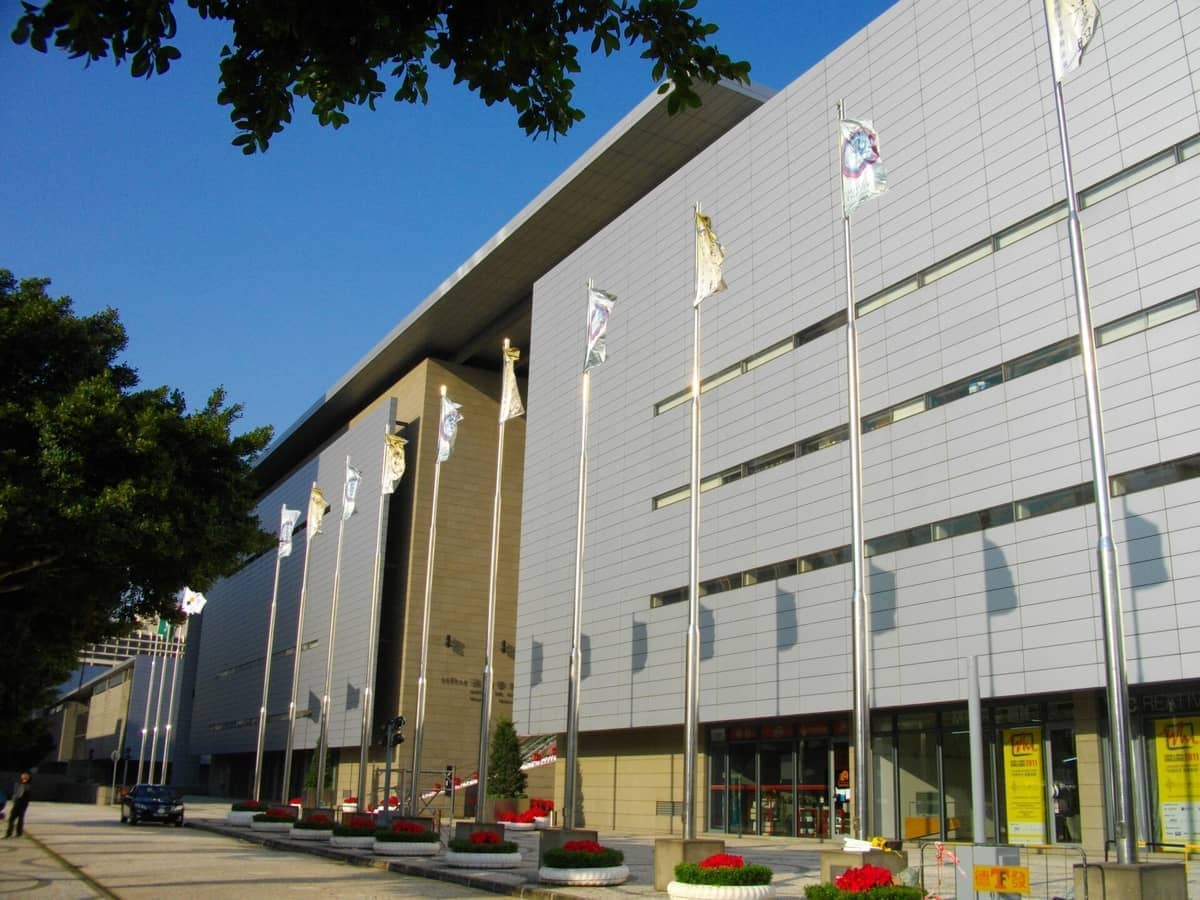
The building sits inside the Macao Cultural Centre complex on Avenida Xian Xing Hai, right on the NAPE waterfront. From the outside the complex reads as a large, buff-toned modern structure that faces the outer harbour. It lacks the theatrical drama of the nearby Kun Iam statue or the Grand Lisboa tower, but inside the proportions are generous and the natural light in the upper galleries is well managed. The scale is close to a mid-sized European regional museum: serious enough to reward slow looking, compact enough to do properly in an afternoon.
ℹ️ Good to know
MAM is closed on Mondays and open on public holidays. Hours are 10:00 a.m. to 7:00 p.m., with last admission at 6:30 p.m. Admission is free. Verify hours on the official MAM website before visiting, as schedules can change for special exhibitions.
The Collection: What You'll Actually See
The permanent collection has several distinct strands. Chinese calligraphy and ink painting make up a substantial portion, with works organized to show regional styles and historical development. For visitors unfamiliar with this tradition, the galleries can feel dense at first, but the labeling in English and Chinese is clear, and there is enough contextual information to orient a curious non-specialist.
A particular strength of MAM is its holdings related to the historic China Coast: paintings and prints produced by Western artists, traders, and diplomats who passed through Macau in the 18th and 19th centuries. These works have a documentary quality alongside their artistic interest — they record what the harbour, the streets, and daily life looked like before modern development reshaped the coastline entirely. For anyone interested in how Macau's Portuguese colonial period shaped local visual culture, this section alone justifies the visit.
The ceramics galleries draw on archaeological excavations conducted in Macau over recent decades. Pieces recovered from historic sites give these objects a direct connection to the physical layers of the city, which makes them more interesting than typical decorative arts displays. The contemporary exhibition spaces rotate regularly, so what you see on one visit may be entirely different six months later. Check the MAM website for current programming before you go.
If you are planning a broader cultural itinerary, MAM pairs naturally with a visit to the Lou Kau Mansion or the Mandarin House, both of which offer architectural context for the decorative arts tradition the museum documents.
How the Experience Changes by Time of Day
Arriving around 10:30 a.m., shortly after opening, gives you the galleries largely to yourself. The morning light reaching the upper floors is good, the air conditioning has been running long enough to make the space genuinely cool (welcome during Macau's long humid summer, which runs from roughly May through September), and the staff are unhurried. This is the best window for unhurried photography without other visitors in the frame.
Midday brings a modest uptick in visitors, often including school groups on weekday mornings and early afternoons. The groups tend to move at a set pace and concentrate in particular galleries, so it is usually possible to step ahead or fall behind to find quieter rooms. Weekend afternoons see the most traffic overall, but the museum never approaches the saturation levels you will experience at the Ruins of St. Paul or Senado Square.
The final two hours before closing, from around 5:00 p.m. onward, offer another calm window. Late-afternoon light fills the waterfront-facing upper galleries with a warm quality that suits the older ink paintings especially well. Staff begin gentle closing preparations around 6:15 p.m., so time your exit accordingly.
💡 Local tip
If you are visiting Macau in summer, treat MAM as a deliberate mid-afternoon retreat from the heat. The galleries are consistently air-conditioned, and two hours inside is enough to reset before heading out for evening street food or a harbour walk.
Getting There: Practical Navigation
The museum's address, Macao Cultural Centre on Avenida Xian Xing Hai, places it in the NAPE district on the Macau Peninsula's outer harbour side. NAPE (the Novos Aterros do Porto Exterior, or Outer Harbour Reclamation Area) is a planned waterfront zone of hotels, the Cultural Centre, and open promenades. It is not the oldest or most atmospheric part of the city, but it is easy to navigate on foot once you arrive.
Several public bus routes serve the Macao Cultural Centre stop on Avenida Xian Xing Hai. The exact route numbers that best serve this stop depend on where you are coming from; verify current routes using the Macau SAR transport authority's official resources before your visit, as bus networks are updated periodically. If you are staying at a hotel in the NAPE area, the museum is within walking distance. Many casino resorts offer complimentary shuttle buses to nearby ferry terminals and NAPE hotels, which can serve as a useful indirect connection.
Taxis from the historic centre take around 10 minutes outside of peak traffic hours and cost a relatively modest metered fare. From the Macau ferry terminal at the Outer Harbour, the walk along the waterfront promenade to the Cultural Centre takes roughly 15 to 20 minutes and is pleasant on a clear day.
For broader orientation on moving around Macau, the getting around Macau guide covers bus, taxi, and shuttle options in detail.
Accessibility and Practical Logistics
The museum occupies four floors, and internal elevators serve all levels, making the collection accessible to visitors using wheelchairs or strollers. The building is a modern construction from 1999, so there are none of the narrow staircases or uneven thresholds you encounter in Macau's older heritage buildings. Visitors with specific accessibility requirements are advised to contact the museum in advance through the official MAM website or phone to confirm current facilities.
There is no cloakroom or bag storage, but bags of normal travel size are permitted inside. Photography for personal use is generally allowed in the permanent galleries, though restrictions may apply in temporary exhibitions; look for signage at each gallery entrance. The museum has a small gift shop near the entrance area. There are no dedicated cafes inside MAM, but the Macao Cultural Centre complex has other facilities, and the NAPE waterfront has restaurants within a short walk.
⚠️ What to skip
Temporary and loan exhibitions sometimes close specific gallery sections or require separate booking. Check the MAM website for current exhibition schedules, particularly if you are visiting specifically for a named show.
Is It Worth Your Time?
The Macao Museum of Art rewards visitors who approach it with genuine curiosity about art and visual culture. If your primary interest in Macau is the UNESCO historic sites, the casinos, or the food scene, MAM is a pleasant addition to a slower day rather than an essential stop. But if you care about Chinese ink painting traditions, the visual history of the China Coast, or simply want two hours of quiet in a well-maintained cultural institution, it delivers far more than its free admission price suggests.
People expecting a major international art museum on the scale of Hong Kong's M+ or a blockbuster collection of Western masterworks will find the scale and scope modest. That is not a flaw, it is an accurate description: MAM is a focused, regional institution with a specific identity. Within that identity, it is done well.
Visitors who want more from Macau's cultural landscape should also consider the Macau Museum at Fortaleza do Monte for a history-focused perspective, or the Macau heritage walk to connect the city's major cultural sites on foot.
Weather affects the experience primarily in one direction: very hot and humid days (common from June through early September) make the air-conditioned galleries more appealing, not less. The exterior walk along the NAPE waterfront from the ferry terminal or from a nearby bus stop is exposed and uncomfortable in direct summer sun, so plan that segment for early morning or late afternoon if visiting in summer.
Insider Tips
- The upper floor galleries facing the outer harbour receive the best natural light in late afternoon. If the current exhibition includes ink paintings or watercolours, save those rooms for last.
- Temporary international loan exhibitions at MAM have included significant works from institutions in China, Portugal, and Europe. These shows often get little attention from international travel media despite being free and genuinely high quality. Check the MAM website for current programming before dismissing the museum as 'just a permanent collection'.
- The Macao Cultural Centre complex that houses MAM also hosts live performance venues. If you are visiting in the evening for a show at the centre, the museum closes at 7:00 p.m., making it possible to combine both in one trip.
- MAM is open on public holidays but closed on Mondays, when many other Macau attractions are closed or operating on reduced hours. If you are visiting during a major holiday, this makes it a reliable fallback option on days other than Monday.
- The NAPE waterfront promenade directly in front of the Cultural Centre is a good spot for photographs of the outer harbour and the Kun Iam statue. Combine the museum visit with a 20-minute walk along the promenade before or after.
Who Is Macau Museum of Art For?
- Art enthusiasts interested in Chinese ink painting, calligraphy, and the visual culture of the China Coast
- Families with older children looking for an air-conditioned, free activity that takes around two hours
- Travelers on a tight budget who want genuine cultural depth without admission costs
- Visitors spending two or more days in Macau who have already covered the main historic sites
- Anyone visiting during summer who needs a midday escape from the heat and humidity
Nearby Attractions
Other things to see while in Macau Waterfront & NAPE:
- Grand Prix Museum
The Macao Grand Prix Museum dedicates 16,000 square metres across four floors to the history of one of Asia's oldest and most technically demanding street races. Whether you follow motorsport closely or simply want to understand one of Macau's defining annual events, this is the most focused and well-produced museum on the waterfront.
- Kun Iam Statue (Goddess of Mercy Waterfront Statue)
Rising from a lotus-shaped dome on an artificial islet off Avenida Dr. Sun Yat-Sen, the Kun Iam Statue is one of Macau's most distinctive waterfront landmarks. The Kun Iam Ecumenical Centre inside the base is free to enter and offers a rare moment of calm away from the casino corridors. The outdoor park stays open from early morning until late evening, making it one of the few major sights in Macau that rewards visitors at multiple hours of the day.
- Macau Fisherman's Wharf
Macau Fisherman's Wharf is a free-entry, 133,000-square-metre leisure complex on the outer harbour of the Macau Peninsula. Part themed streetscape, part hotel zone, part dining strip, it draws curious walkers and families rather than serious sightseers. Here is what you actually get.
- Macau Science Centre
The Macao Science Center is a modern science museum and planetarium on the Macau Peninsula waterfront, housed in a striking cone-shaped building designed by I.M. Pei Architects. With generally low-cost admission to its 13 themed galleries and ticketed planetarium dome shows, it offers a genuinely worthwhile stop, especially for families and anyone looking for a break from the city's casino-heavy entertainment landscape.