Macau on a Budget: How to Visit Without Breaking the Bank
Macau has a reputation for casino excess and luxury hotels, but the reality for budget travelers is far more promising. Free UNESCO heritage sites, standard bus fares of MOP 6 (or as low as MOP 3 on regular routes with a Macau Pass), and some of Asia's best street food make this one of the most affordable short-trip destinations in the region. Here is exactly how to do it right.
TL;DR
- A realistic daily budget for Macau is around MOP 400–600 (USD 50–75), covering a guesthouse bed, local meals, transport, and sightseeing.
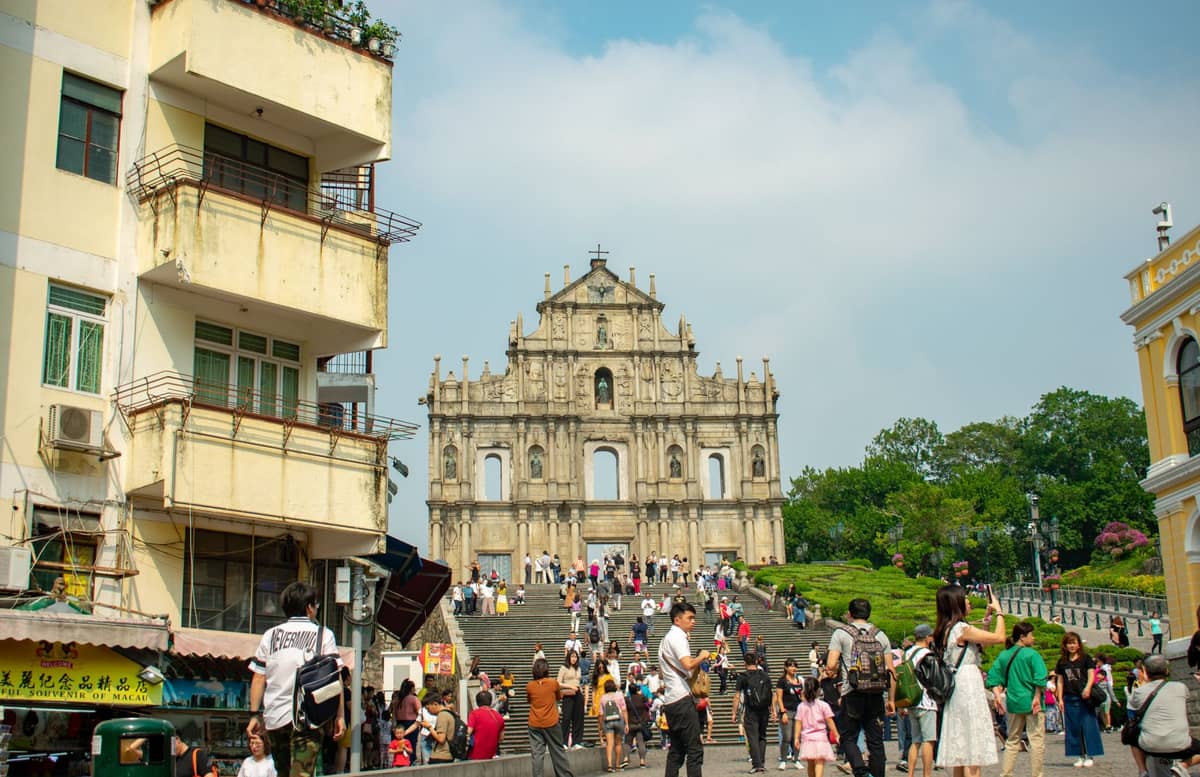
- Most of the UNESCO historic centre is free to enter: Senado Square, Ruins of St. Paul's, A-Ma Temple, and a dozen more sites cost nothing.
- Public buses cost MOP 6 cash or MOP 3 with a Macau Pass stored-value card. Free casino shuttle buses fill the gaps between major hubs.
- Visit on weekdays and avoid mainland China public holidays to cut hotel rates by 30–50%.
- Book attraction tickets in advance on Klook or KKday to save up to 30% versus walk-up prices. See our free things to do in Macau guide for zero-cost options.
What a Realistic Daily Budget Actually Looks Like
Macau is not cheap in the way Southeast Asian cities are cheap, but it rewards travelers who plan around its free attractions and low-cost public transport. A solo traveler staying in a guesthouse or budget hotel on the Macau Peninsula, eating at local cha chaan tengs and dai pai dong stalls, and using public buses can comfortably get through a day on MOP 400–600, which translates to roughly USD 50–75. That figure covers accommodation (MOP 150–250 for a basic but clean guesthouse), two to three proper meals (MOP 80–150 total), bus fares (under MOP 30 for the whole day), and entry to any paid attractions.
Where budgets unravel is accommodation timing. Macau's hotel stock tilts heavily toward the luxury and casino-resort end of the market. On a peak Saturday during a mainland China public holiday, guesthouse prices can double or triple, and even a modest room near the ferry terminal can push past MOP 600 alone. Weekday bookings, particularly Tuesday through Thursday, consistently deliver the best rates. If your travel dates are flexible, that single adjustment saves more money than any other strategy.
- Budget tier (MOP 400–600/day) Guesthouse on the Peninsula, hawker meals and bakery breakfasts, bus travel, free heritage sites only.
- Mid-range tier (MOP 800–1,400/day) Three-star hotel or Taipa Village guesthouse, sit-down Portuguese or Macanese restaurants, one paid attraction like Macau Tower.
- Splurge tier (MOP 2,000+/day) Integrated resort stay on Cotai, casino buffet, sky-high drinks, spa, or Grand Prix weekend rates.
⚠️ What to skip
Avoid weekends during Mainland China's Golden Week (late September to early October) and Chinese New Year. Hotel rates spike dramatically, ferry terminals get overwhelmed, and popular streets like Rua de Cunha in Taipa Village become nearly impassable. Weekday visits to Macau are a fundamentally different, and cheaper, experience.
Free and Low-Cost Sightseeing: The Historic Centre Is Your Anchor
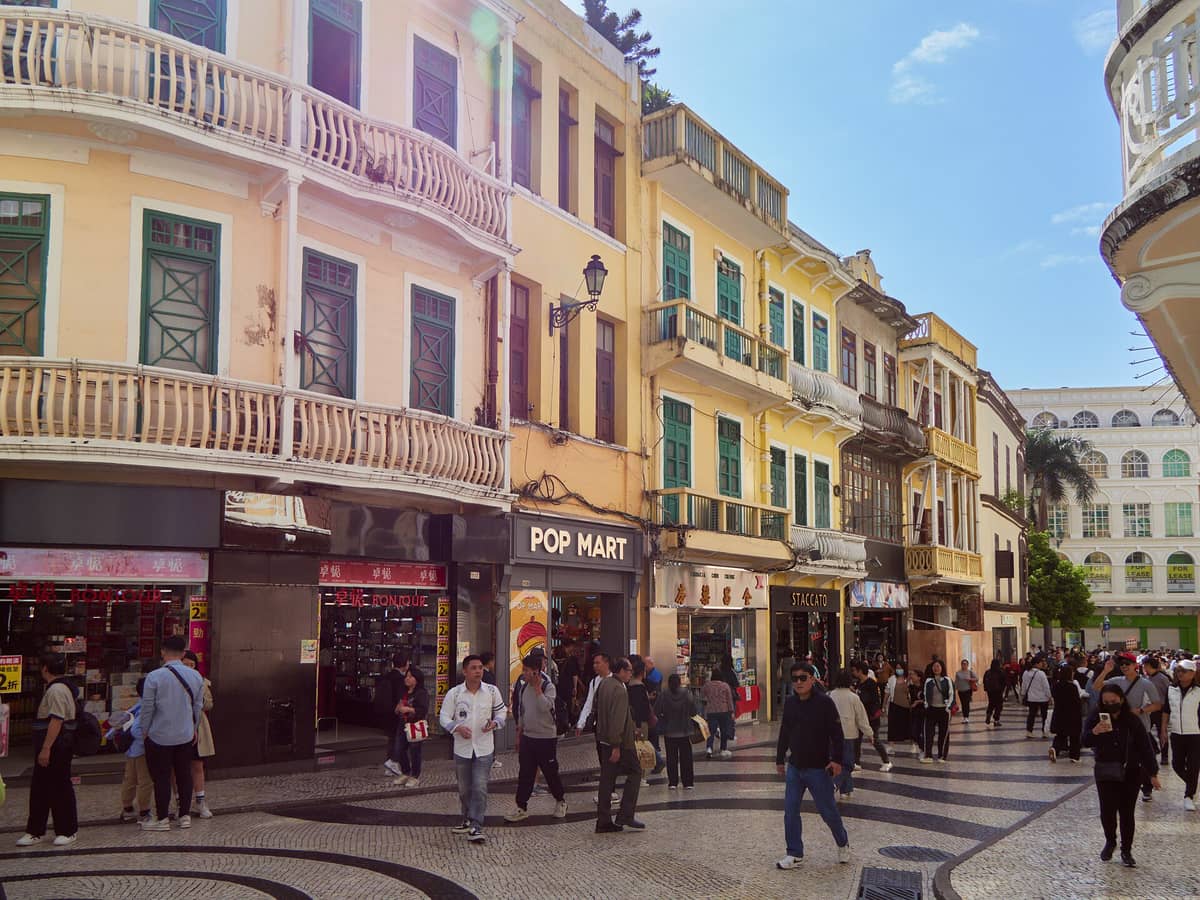
Macau's single biggest budget advantage is that its most iconic attractions are free. The UNESCO-listed Historic Centre of Macao covers 22 historic buildings and 8 public squares across the Macau Peninsula and Taipa, and none of them charge admission. The Ruins of St. Paul's, Senado Square, the A-Ma Temple, St. Dominic's Church, Fortaleza do Monte, and the Leal Senado Building all cost nothing to visit. You could spend a full day walking between them without spending a single pataca on entry fees.
Beyond the headline sites, free exploration pays dividends. The Lou Lim Ieoc Garden is one of the most serene spots in the city and completely free. The Guia Fortress and Lighthouse offers panoramic views with no ticket required. In Coloane, Hác Sá Beach and the Coloane hiking trails cost nothing and draw almost no crowds compared to the historic center.
The Macau Museum inside Fortaleza do Monte charges a small admission (verify current price before visiting, as it is subject to change), but Tuesday entry is currently free for all visitors. The Maritime Museum near the A-Ma Temple area is similarly low-cost. For a full breakdown of attractions that cost nothing, the heritage walk is the most efficient route.
✨ Pro tip
Follow the official Macau Heritage Walk route, which strings together 16 of the Historic Centre’s key sites in a logical walking order across the Peninsula. It takes around 3–4 hours at a relaxed pace and costs nothing except whatever you spend on snacks along the way. Start early in the morning before the tour groups arrive at the Ruins of St. Paul's.
Getting Around Cheaply: Buses, Shuttles, and Walking
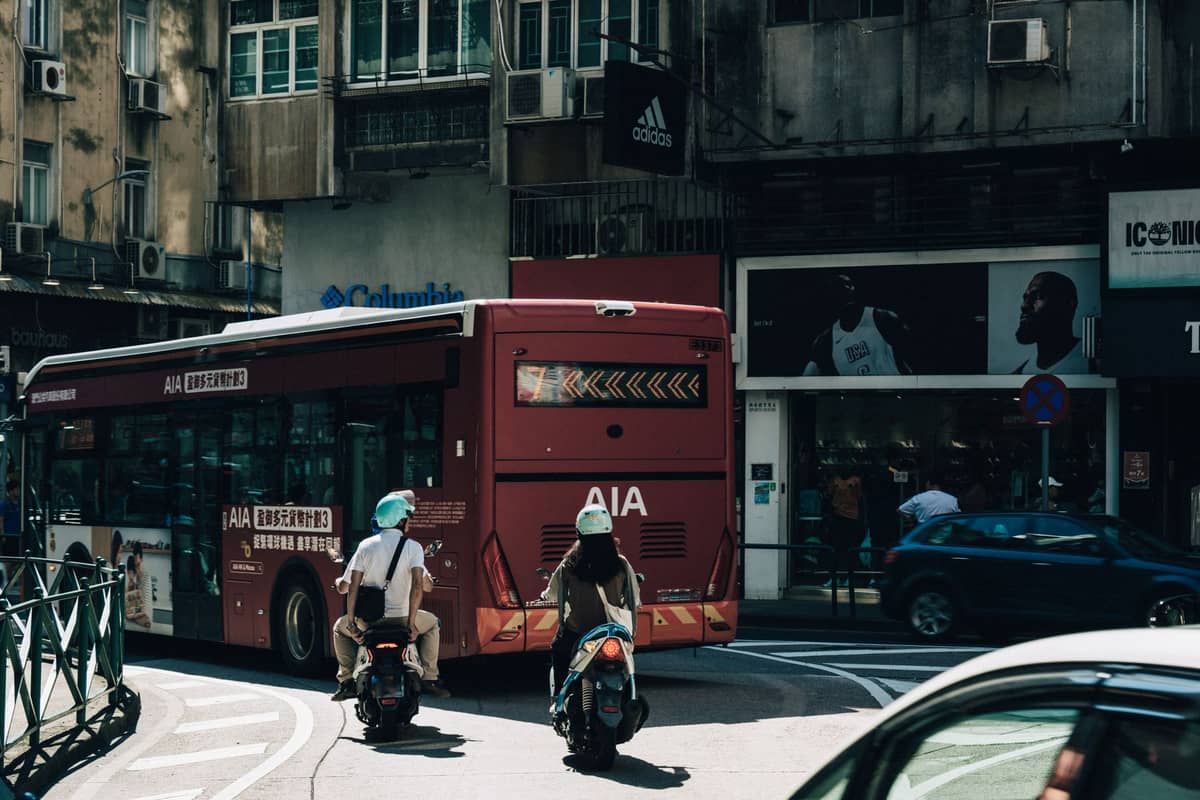
Transport in Macau is one area where the budget math is genuinely excellent. The public bus network is dense and covers the entire territory: the Peninsula, Taipa, Cotai, and Coloane are all connected. Cash fares on standard routes are a flat MOP 6. If you pick up a registered Macau Pass stored-value card (available at convenience stores near ferry terminals and border gates), that drops to MOP 3 per ride on regular routes and MOP 4 on express routes. The card also enables a free transfer window: under specified interchange conditions, a second bus ride taken within about 45–60 minutes of the first can be free, which makes multi-hop journeys across the territory very affordable.
The other major budget transport asset is the free casino shuttle bus network. Every large integrated resort on the Cotai Strip and many Peninsula casinos operate complimentary shuttles connecting ferry terminals, border gates (including the Barrier Gate and Cotai border crossing), and their properties. You do not need to be a guest or gambler to board. These shuttles effectively serve as a free express bus system linking the ferry terminal, Lisboa area, and all the major Cotai resorts. Time them correctly and you can cross from the ferry terminal to the Venetian or Parisian in under 20 minutes at no cost.
- Buy a Macau Pass card on arrival at the ferry terminal or a convenience store: the MOP 3 bus fare versus MOP 6 cash pays back quickly.
- Casino shuttles run from the Outer Harbour Ferry Terminal, Taipa Ferry Terminal, and both border gates. No reservation needed, just find the shuttle bay.
- The compact Peninsula is walkable: Senado Square to the Ruins of St. Paul's is under 5 minutes on foot, and most heritage sites cluster within a 20-minute walk of each other.
- The Macau LRT (light rail) Taipa Line runs through Taipa and Cotai with an Airport station. Useful for Cotai resort-hopping, though buses cover most of the same ground.
- Taxis use meters but add surcharges for tunnels and luggage. They are fine for occasional use but unnecessary if you plan bus routes in advance.
Eating Well Without Spending Much
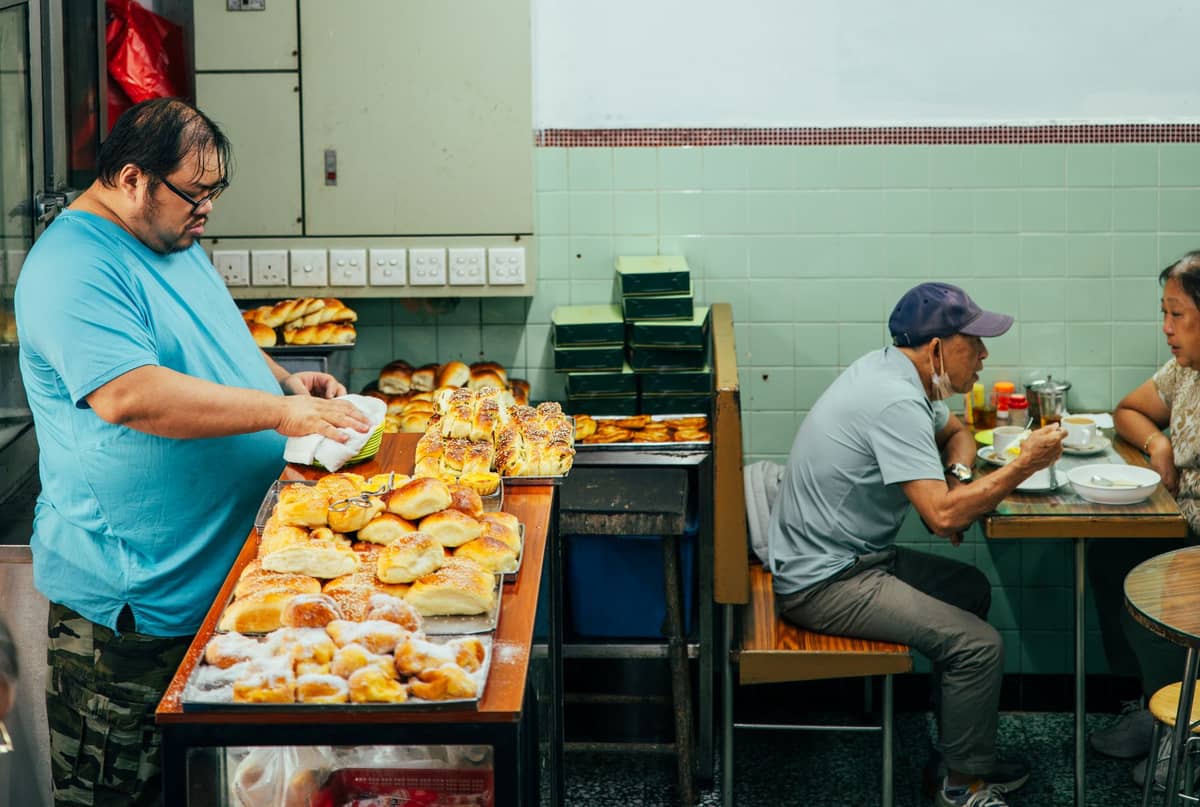
Macau's food scene is genuinely one of its strongest budget assets. The city's culinary identity sits at the crossroads of Cantonese and Portuguese cooking, and the cheapest places to eat often serve the most interesting food. Rua de Cunha in Taipa Village is lined with stalls and small restaurants where pork chop buns, beef jerky, almond cookies, and egg tarts can fill an afternoon for under MOP 50. The egg tart alone is worth the trip: Macau's version differs from the Hong Kong style and has its own dedicated following.
For proper sit-down meals on a budget, the cha chaan teng (Hong Kong-style tea restaurant) format is your best option in the Peninsula neighborhoods. A full meal with a drink typically runs MOP 50–80. Local bakeries serve breakfasts of coffee and Portuguese-style pastries for under MOP 30. Avoid any restaurant with an English-only laminated photo menu near the Ruins of St. Paul's: these are tourist traps with inflated prices. Walk one or two streets back and prices drop noticeably. For a deeper look at where and what to eat, the Macau food guide covers neighborhood-by-neighborhood options with price context.
💡 Local tip
Casino buffets are not necessarily the budget trap they look like. Several Cotai resorts run lunch buffets priced around MOP 150–200 that cover unlimited Macanese, Portuguese, and Asian dishes. For a single mid-day splurge, this can represent better value than three separate meals. Check current prices directly with the resort, as lunch rates are significantly lower than dinner.
Paid Attractions: When to Book in Advance and When to Skip
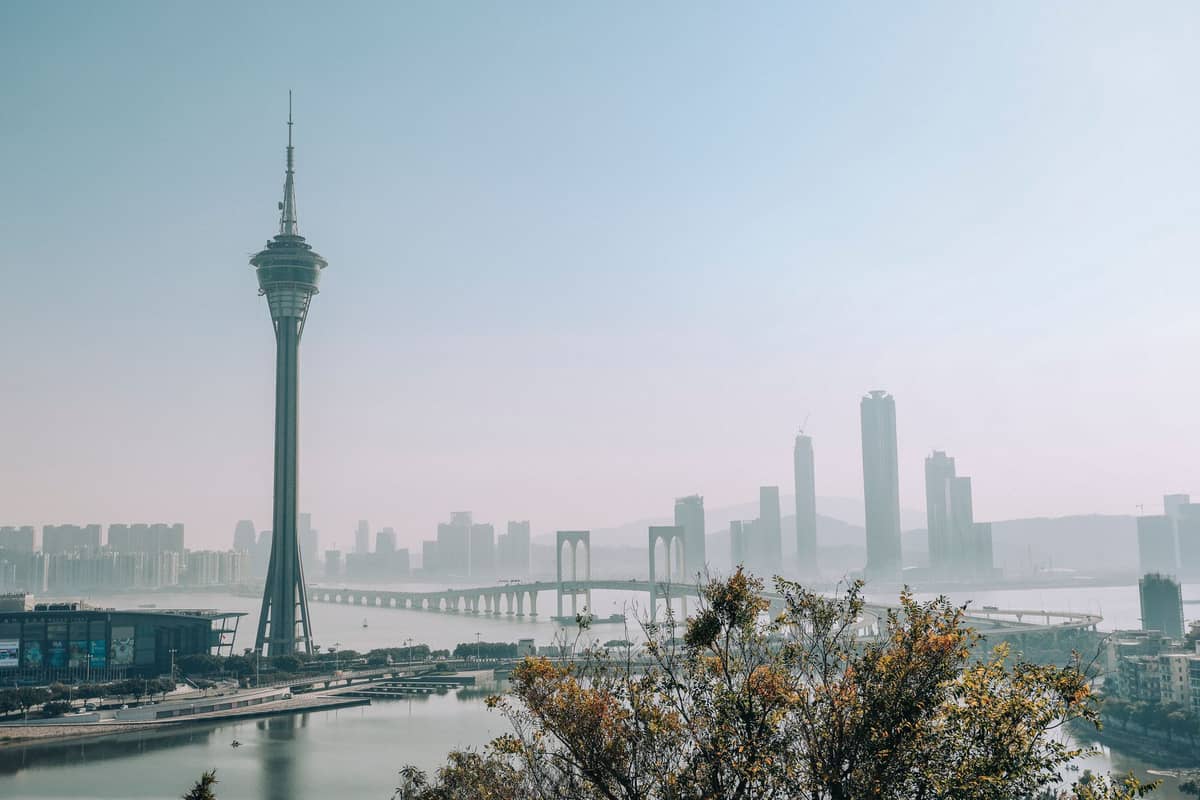
Not every paid attraction in Macau is worth the price for budget travelers. The Macau Tower observation deck is the main ticket decision most visitors face. Walk-up prices are higher than online rates, and booking through platforms like Klook or KKday typically saves 20–30%. If you are considering the bungee jump or Skywalk, those are premium experiences priced accordingly and covered separately in the Macau bungee jump guide. The observation deck alone is the budget-friendly call.
Multi-attraction passes bundling the Tower with shows, buffets, or other experiences can save up to 30–38% on combined ticket prices. They make financial sense if you plan to do several paid activities in one visit, but are not worth buying just for one attraction. The Grand Prix Museum and Wine Museum in the Fisherman's Wharf area offer combined ticket deals at low cost, and both are genuinely interesting even if you have no particular interest in motorsport or viticulture.
- Worth booking online in advance Macau Tower observation deck, any performance or dinner show at Cotai resorts, specific museum combo tickets. Online savings of 20–30% are reliable.
- Skip or deprioritize on a tight budget High-end dinner shows, club entry with minimum spends, rooftop bars at integrated resorts. All are excellent experiences but carry luxury pricing.
- Genuinely free and underrated Guia Fortress and Chapel, Lou Lim Ieoc Garden, Penha Hill Church, the exterior and grounds of most UNESCO sites, Coloane Village market square.
Timing Your Visit: The Single Biggest Money-Saving Variable
The cost of visiting Macau is not fixed: it fluctuates dramatically based on when you arrive. Macau's geographic proximity to Hong Kong and Guangdong province means it absorbs enormous visitor volumes every weekend and during every mainland public holiday. The weather-wise best period for visiting, October through December, coincides with both the Macau Grand Prix in November and several other festivals, which push hotel prices sharply upward. If your goal is to minimize spend, visiting in January or February outside Chinese New Year, or in March before the summer humidity sets in, offers good weather and noticeably lower accommodation rates.
Macau's subtropical climate means summer (June through September) is hot, humid, and prone to typhoons. Hotels are often cheaper mid-week in summer, but the weather makes long outdoor sightseeing sessions uncomfortable. The historic centre's narrow streets offer shade but limited air circulation. If you visit in summer, plan outdoor walks for early morning before 10am and use the air-conditioned casino interiors, free museums, and covered market halls during the hottest afternoon hours. For a full seasonal breakdown, the best time to visit Macau guide weighs weather against crowds and costs.
FAQ
What is the cheapest way to get from the Hong Kong ferry terminal to central Macau?
The ferry itself is the main cost: high-speed catamaran services between Hong Kong and Macau run regularly and take around an hour. Once you arrive at the Macau Outer Harbour or Taipa Ferry Terminal, take a free casino shuttle bus to the Lisboa area or Cotai, then connect by public bus (MOP 3–6) to wherever you need. Taxis from the ferry terminal are convenient but add unnecessary cost for most destinations reachable by shuttle and bus.
Are there free museums in Macau?
Yes. The Lou Lim Ieoc Garden, Guia Fortress, Fortaleza do Monte grounds, and many of the UNESCO heritage buildings are free. The Macau Museum inside the Fortaleza do Monte currently offers free public entry on Tuesdays and on the 15th of each month. The Taipa Houses Museum in Taipa Village charges a small fee. Always verify current admission details before visiting as prices and free days are subject to change.
Can I visit Macau as a day trip on a budget?
Absolutely. A day trip from Hong Kong covering the historic centre, a street food lunch, and an optional observation deck visit can be done comfortably for MOP 300–400 excluding the ferry. The heritage sites and best street food are concentrated enough that a single day covers the highlights. The two-day Macau itinerary guide covers a more relaxed pacing if you have an overnight option.
Is the Macau Pass card worth buying for a short visit?
Yes, if you are taking more than four or five bus rides during your trip. The card halves the standard cash fare from MOP 6 to MOP 3, and the free transfer window reduces costs further on multi-hop journeys. Cards are available at convenience stores near ferry terminals and border gates, and any remaining balance can be used on return visits or in some linked merchants.
What are the biggest budget mistakes visitors make in Macau?
Booking accommodation for a weekend arrival, eating at tourist-facing restaurants near the Ruins of St. Paul's without looking a street or two away, skipping the free casino shuttles and taking taxis everywhere, and buying attraction tickets at walk-up prices without checking Klook or KKday first. The casino buffet trap works both ways: some are genuinely good value for lunch, but dinner buffet pricing at premium properties is much harder to justify on a tight budget.