Best Time to Visit Macau: A Practical Month-by-Month Guide
Macau's subtropical climate means the difference between a comfortable walking tour and a rain-soaked slog can come down to which month you book. This guide breaks down every season honestly, covering weather patterns, festival crowds, typhoon risks, and the specific windows that suit different types of trips.
TL;DR
- October to December is the best time to visit Macau: warm days (22–26°C), low humidity, little rain, and ideal conditions for exploring the Ruins of St. Paul and other outdoor heritage sites.
- June to September brings heavy rain, high humidity, and typhoon risk — manageable if you plan around indoor attractions, but not ideal for sightseeing.
- Spring (March to May) is a secondary option: comfortable temperatures but frequent fog and drizzle, especially in March and April.
- December and January see the lowest visitor numbers outside of Chinese New Year, offering quieter streets and easier hotel availability.
- The Grand Prix (November) and Chinese New Year (Jan/Feb) draw large crowds — read the Macau Grand Prix guide if you want to visit during race week.
Macau's Climate at a Glance
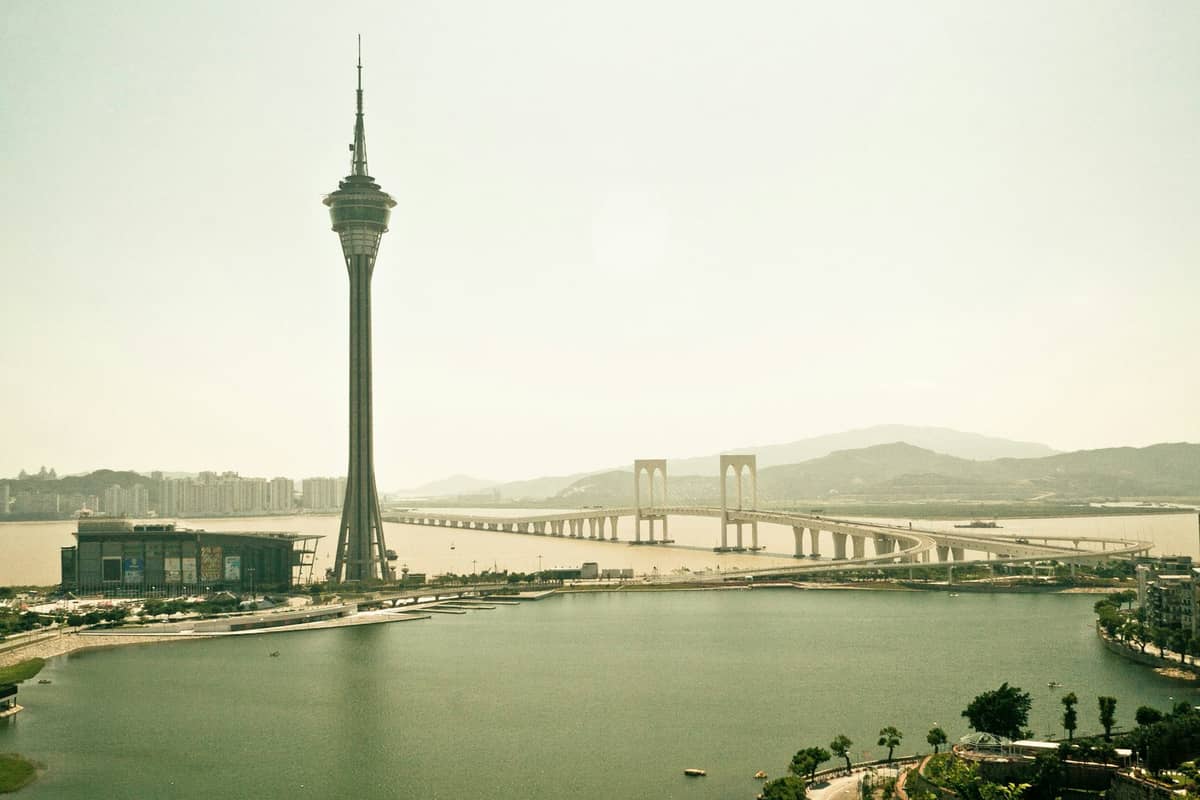
Macau sits at roughly 22°N latitude on the western edge of the Pearl River Delta, which gives it a humid subtropical climate. That means hot, wet summers and mild, dry winters — with two shoulder periods in spring and autumn that behave quite differently from each other. The city covers just 32.9 km², so there is nowhere to escape the heat or rain; every neighborhood, from the Macau Peninsula's historic lanes to the Cotai Strip's casino corridors, shares essentially the same weather.
The rainy season runs from roughly April through September, with the heaviest rainfall in May, June, and August. Typhoon risk is concentrated between July and September. Autumn (October to November) and winter (December to February) are drier, sunnier, and more comfortable for walking. These broad patterns are consistent across multiple meteorological sources, including the Macau Meteorological and Geophysical Bureau.
- Winter (Dec–Feb) Average 15–18°C, dry and sunny. The most comfortable period for walking, though evenings can feel cool. Minimal rain outside of occasional cold fronts.
- Spring (Mar–May) Temperatures climb to 20–25°C, but March and April bring persistent fog, drizzle, and damp air. May is warmer but wetter.
- Summer (Jun–Sep) Hot and humid, averaging 28–30°C with high rainfall and typhoon exposure July through September. Indoor days are common.
- Autumn (Oct–Nov) The sweet spot: 22–26°C, lower humidity, more sunshine, and relatively little rain. The best conditions for outdoor sightseeing.
The Best Time to Visit Macau: October to December
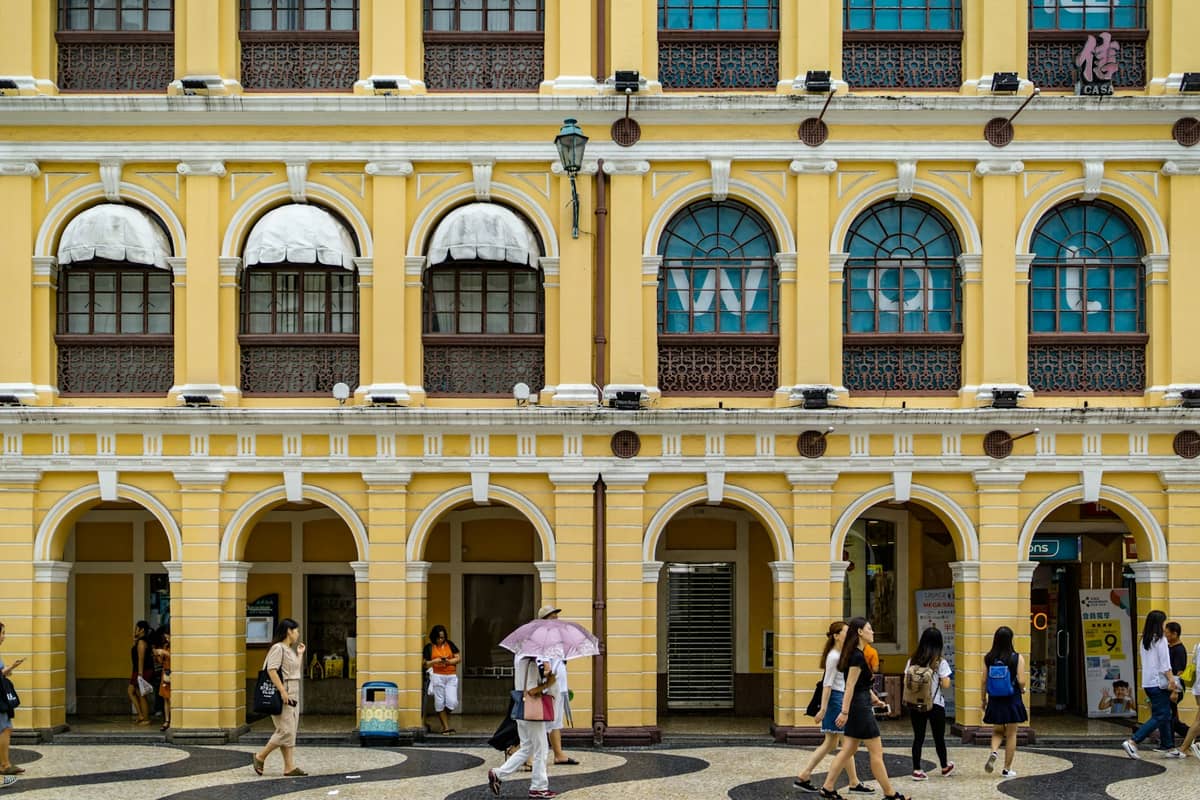
For most travelers, October through December is the standout window. Temperatures settle in the low-to-mid 20s°C during the day, humidity drops noticeably compared to summer, and rainfall is significantly lower. You can comfortably walk the historic heritage trail for hours without the punishment of August's heat. Early October still carries a residual typhoon risk from late summer storms, so mid-October onward is safer for travel planning.
November adds a major draw for motorsport fans: the Macau Grand Prix, held annually in the third week of November. The race circuit uses city streets on the Macau Peninsula, and the event brings in international visitors and raises hotel rates across the board. If you want to attend, book accommodation months in advance. If you want to avoid the crowds and higher prices, skip the Grand Prix week entirely and arrive in late November or early December instead.
December is arguably underrated. The city is quieter than November, the weather stays pleasant, and hotels often have better availability except around Christmas and New Year's Eve. Daytime temperatures in December average around 18–22°C, making it comfortable for long walks through Coloane Village or up to Guia Fortress without breaking a sweat.
✨ Pro tip
The two-week window between mid-October and early November is close to ideal: the last typhoons of the season have usually passed, humidity is dropping fast, and Grand Prix crowds haven't arrived yet. If you can only visit once and want the best weather with manageable crowds, target this window.
Winter (December to February): Quiet, Cool, and Practical
January and February are the coolest months, with average lows around 10–12°C on the coldest nights and daytime highs in the upper teens to around 20°C. These are not freezing temperatures, but the wind chill near the waterfront or on elevated spots like Penha Hill can feel sharper than the numbers suggest. A light jacket or layer is genuinely useful, not just a travel-blogger cliche.
The major disruption to winter's quiet calendar is Chinese New Year, which falls in late January or February depending on the lunar calendar. During the holiday period, Macau fills with mainland Chinese tourists, hotel rates spike, and the historic centre around Senado Square and St. Dominic's Church gets genuinely crowded. If you love the festive atmosphere, the decorations and lion dances make it worth it. If you prefer space to explore at your own pace, avoid the two-week window around Chinese New Year.
ℹ️ Good to know
Macau observes China Standard Time (UTC+8) with no daylight saving time. Winter days are shorter, with sunset around 6pm, which affects how much you can pack into afternoon sightseeing if you're visiting heritage sites that close before dark.
Spring (March to May): Workable but Wet
Spring is a reasonable second choice for visiting Macau, with one important caveat: March and April are frequently overcast, foggy, and drizzly. This is not brief afternoon rain; it can persist for days at a time. The humidity starts climbing again after the dry winter, and the combination of warm temperatures and persistent moisture makes the air feel heavy. Outdoor photography at the Ruins of St. Paul or along the waterfront can be genuinely frustrating during foggy periods.
May improves as the fog lessens, but by this point rainfall is increasing toward the summer peak. If you visit in May, build flexibility into your schedule for rainy days. This is actually a good time to focus on indoor attractions: the Macau Museum inside the Monte Fort, the Macau Museum of Art, and the casino properties on the Cotai Strip are all weather-independent options.
On the positive side, spring sees fewer tourists than the peak autumn period and hotel rates are often lower. If you're traveling on a budget and can live with unpredictable skies, late April or early May can offer reasonable value. Just do not arrive expecting the crisp, clear days of October.
Summer (June to September): High Risk, Not Recommended for Most
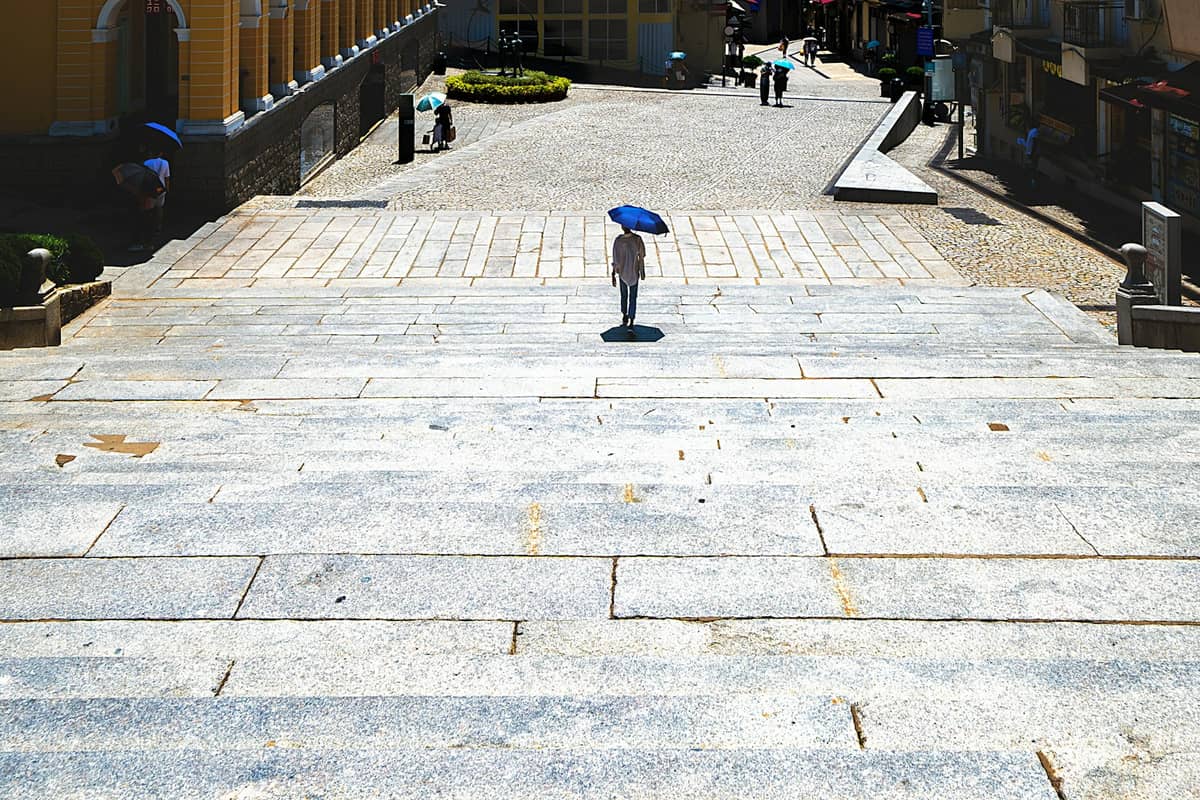
Summer in Macau is hot, humid, and routinely disrupted by heavy rain and typhoons. Average daytime temperatures hit 28–30°C with humidity above 80%, which makes extended outdoor sightseeing genuinely uncomfortable for most people. The historic centre — which rewards slow, on-foot exploration — becomes exhausting in these conditions.
The typhoon risk between July and September is not just a minor inconvenience. Macau operates a formal signal system (T1 through T10) for typhoon warnings, and a T8 or higher signal triggers widespread closures including casinos, restaurants, and public transport. If a serious storm hits during your visit, you may be confined to your hotel for 24–48 hours. Ferry services between Macau and Hong Kong are suspended during high signals, which can disrupt arrival or departure plans significantly.
⚠️ What to skip
If you must visit in typhoon season (July–September), monitor the Macau Meteorological and Geophysical Bureau (SMG) for live signal updates. Travel insurance that covers typhoon-related disruptions is strongly recommended. Book flexible, refundable fares on ferry services like TurboJET or Cotai Water Jet, since departures can be cancelled with short notice.
Summer does have a specific audience: travelers who don't mind the weather and want to experience Macau purely through its indoor casino resorts, spas, and restaurants. The large integrated resorts on the Cotai Strip are essentially self-contained cities with temperature control throughout. If your trip revolves around The Venetian Macao or Galaxy Macau, summer is less problematic than it sounds on paper.
Festival Calendar: When Events Should Drive Your Timing
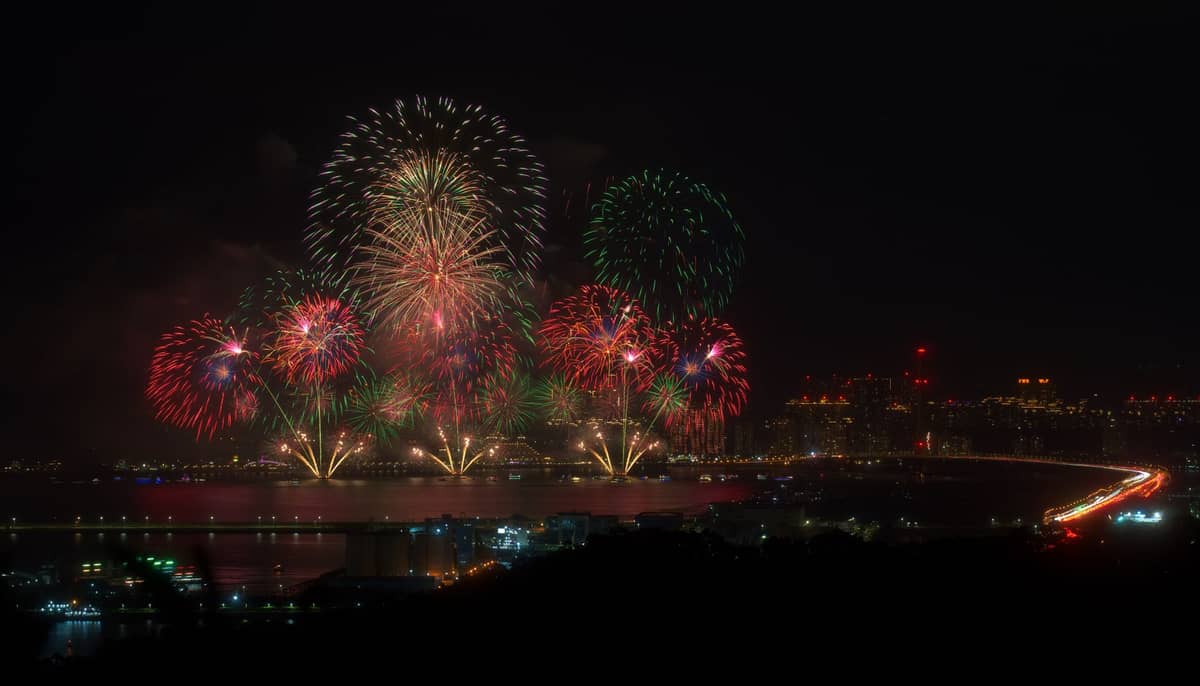
Beyond weather, certain events are worth building a trip around — or actively avoiding, depending on your preferences.
- Chinese New Year (Jan/Feb) The biggest domestic holiday in Macau and Greater China. Festive atmosphere with lion dances and fireworks, but hotel prices spike and the city is packed with mainland visitors.
- Macau International Fireworks Festival (Sep–Oct) International pyrotechnic teams compete on Saturday nights, usually viewable from the waterfront. Falls at the transition from summer to autumn — check exact dates annually.
- Macau Grand Prix (November) Third week of November. Street circuit racing on the Macau Peninsula. Popular with motorsport fans; book accommodation 3–6 months ahead. Hotel rates rise sharply during race week.
- Macau Food Festival (November) Typically held in late November, this outdoor festival on the Nam Van lakeside showcases local dishes, international food stalls, and entertainment. Coincides with the Grand Prix period.
- Macau Light Festival (December) Projection mapping and light installations across the historic centre, usually in December. Low-key compared to some international festivals, but adds visual interest for evening walks.
The fireworks festival is worth noting for timing: it usually bridges the end of summer and the start of autumn, falling in September and October on selected Saturday nights. For the full picture of what's on at different times of year, the Macau fireworks festival guide covers logistics and viewing spots in detail.
Practical Considerations by Season
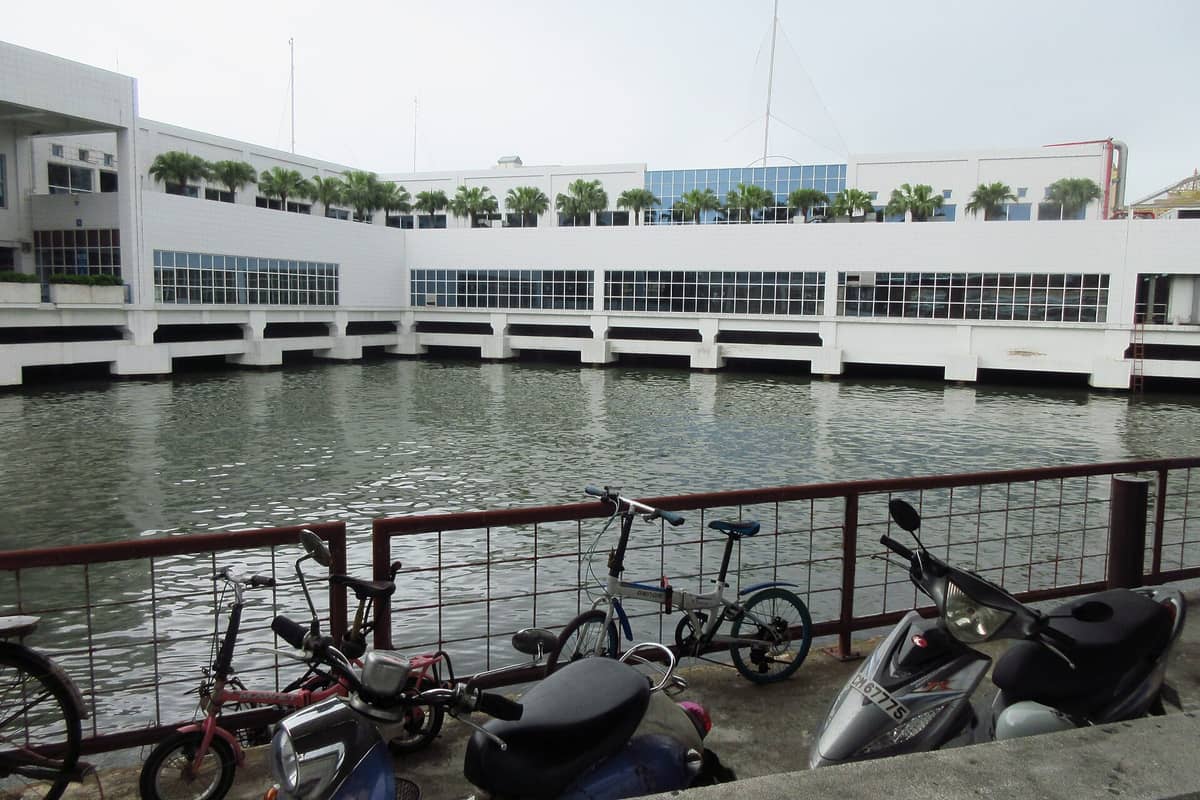
The best time to visit Macau also depends on how you plan to get there. Most international visitors arrive by ferry from Hong Kong or fly into Macau International Airport (IATA: MFM) on Taipa island. The ferry routes operated by TurboJET and Cotai Water Jet run frequently on normal days, but services are suspended during typhoon signals. If you're coming from Hong Kong, the Hong Kong to Macau crossing guide covers the current ferry options and what to expect.
Once in Macau, getting around differs by season too. Walking the historic centre on the Macau Peninsula is most enjoyable in autumn and winter when temperatures are tolerable. In summer, the free casino shuttle buses become essential for moving between areas without spending 20 minutes in 30°C heat. The Macau LRT (Light Rapid Transit) connects the airport, Cotai, and Taipa stations year-round and is a reliable option regardless of weather. For more on navigating the city, the guide to getting around Macau has current transport details.
💡 Local tip
Hong Kong dollars (HKD) are accepted almost everywhere in Macau at roughly a 1:1 rate to the Macanese pataca (MOP). You do not need to exchange currency before arriving if you already have HKD. ATMs dispensing MOP are widely available across the city if needed.
Budget travelers should know that shoulder periods (late November outside Grand Prix week, and January outside Chinese New Year) often offer the best combination of good weather and lower hotel rates. Macau is not a cheap destination overall, but timing your visit outside the peak festival windows makes a real difference to accommodation costs. The Macau on a budget guide has practical strategies for keeping costs down regardless of season.
FAQ
What is the best time of year to visit Macau for good weather?
October to December is the most consistently reliable period. Temperatures range from around 18–26°C, humidity is low compared to summer, and rainfall is minimal. Mid-October to early November avoids both the tail end of typhoon season and the Grand Prix crowds, making it arguably the single best window for outdoor sightseeing.
Is it worth visiting Macau in summer?
Summer (June to September) is the least comfortable season for most visitors. Heat, high humidity, frequent heavy rain, and typhoon risk between July and September all create real disruptions. That said, if your trip is centered on indoor casino resorts or you're combining Macau with a longer regional itinerary, it can work. Just factor in flexible bookings and realistic expectations about outdoor time.
When is Macau most crowded with tourists?
Chinese New Year (late January or February) and the Macau Grand Prix (third week of November) are the two peak periods. Both see hotel prices rise sharply and the city's main areas fill with visitors. Golden Week holidays in early October (mainland China's National Day holiday) also bring increased visitor numbers to Macau.
Does Macau get typhoons?
Yes. Typhoon season runs roughly from May or June through October, with the highest risk in July, August, and September. Macau uses a numbered signal system: T8 and above triggers closure of most public services, shops, and transport including ferry routes to Hong Kong. Always check the Macau Meteorological and Geophysical Bureau (SMG) website for current warnings if visiting during this period.
Is March or April a good time to visit Macau?
It depends on your tolerance for overcast skies and drizzle. March and April are part of Macau's foggy, damp spring period. Temperatures are mild (around 18–23°C), but persistent low cloud and intermittent rain make outdoor photography and extended walking less enjoyable than autumn. Late April and early May are marginally better, though rainfall starts increasing toward the summer peak.