Seac Pai Van Park and Macao Giant Panda Pavilion: Coloane's Green Escape
Tucked into the forested hills of Coloane, Seac Pai Van Park is Macau's largest natural park and home to the Macao Giant Panda Pavilion. It offers a genuine contrast to the neon intensity of the casino strips, with giant pandas, red pandas, shaded walking trails, and free admission to almost everything.
Quick Facts
- Location
- Estrada de Seac Pai Van, Coloane, Macau
- Getting There
- Public buses serving Seac Pai Van / Coloane stop along Estrada de Seac Pai Van
- Time Needed
- 2–3 hours for park and panda pavilion combined
- Cost
- Park: free. Giant Panda Pavilion: free (advance appointment system may be in place — verify before visiting)
- Best for
- Families with children, nature walkers, anyone needing a break from the city
- Official website
- www.macaupanda.org.mo
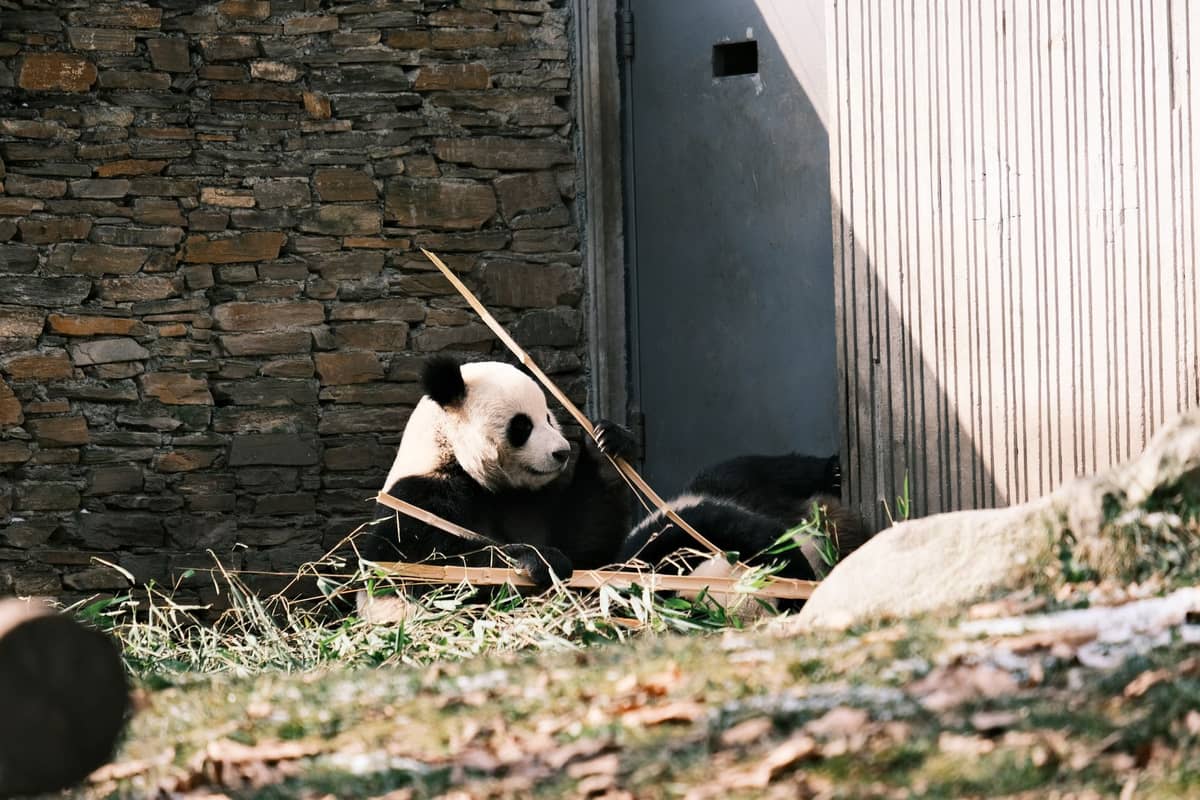
What Seac Pai Van Park Actually Is
Seac Pai Van Park is Macau's most substantial tract of green space, located on Coloane island in the southern part of the territory. The park covers forested hillside terrain at an elevation that puts most of Macau's urban density out of sight and largely out of earshot. Within it sits the Macao Giant Panda Pavilion, a purpose-built modern facility housing giant pandas, alongside the Pavilion of Rare Animals, which also includes red pandas.
The full official name in Chinese is 路環石排灣郊野公園, and the Giant Panda Pavilion is managed by the Municipal Affairs Bureau (IAM). The park itself opens from 07:00 to 22:00 and entry is free. The Giant Panda Pavilion operates Tuesday to Sunday, 10:00 to 13:00 and 14:00 to 17:00, and is closed on Mondays. Last entry is noted as 16:45. Admission to the pavilion is currently free, though an advance appointment system has applied — confirm this before you go, as the policy has shifted before.
⚠️ What to skip
The Giant Panda Pavilion is closed on Mondays. If you're planning a short trip, build this into your schedule early. Appointment availability and fees can change — check the official site at macaupanda.org.mo before visiting.
The Panda Pavilion: What to Expect Up Close
The pavilion's design prioritizes year-round climate comfort for the animals, which means a lot of the viewing happens inside temperature-controlled halls with large glass viewing panels. The indoor areas are cool — noticeably so in Macau's subtropical summers, which makes this one of the more comfortable things to do in July or August when outdoor attractions can feel punishing. The outdoor activity areas are visible from designated viewing zones, and the pandas tend to be more active during morning feeding times, though behavior varies from day to day.
Giant pandas are notoriously passive midday animals, and visitors who arrive right as the afternoon session opens (14:00) may find the pandas resting or sleeping. Morning visits, especially in the 10:00 to 11:30 window, give a better chance of seeing active movement. The red panda section within the Pavilion of Rare Animals offers a different experience: these smaller animals tend to move around more frequently and are often overlooked by visitors focused solely on the giant pandas.
💡 Local tip
Arrive when the pavilion opens at 10:00 for the best chance of seeing the giant pandas alert and active. Midday is feeding rest time for most large mammals in captivity.
The Park Beyond the Pavilion
Most visitors to Seac Pai Van treat the panda pavilion as the main event and spend little time in the wider park. That's their loss. The surrounding grounds include shaded walking paths that wind through secondary subtropical forest, a small aviary, and open grassy areas that are genuinely quiet on weekday mornings. The tree cover here is denser than anything you'll find on the Macau Peninsula, and the air smells different — earthier, with the occasional sharp note of vegetation after rain.
The park connects to the broader green network of Coloane, and visitors interested in more serious outdoor walking can look into the Coloane hiking trails that extend across the island's hills. Seac Pai Van is a logical starting or ending point for those routes.
Paths within the park are paved and reasonably well maintained, which makes them manageable for strollers and for visitors who don't want a serious hike. The terrain is gently undulating rather than flat, so some uphill sections are unavoidable, but nothing is steep enough to cause difficulty for most visitors.
When to Visit and How Weather Affects the Experience
Macau has a humid subtropical climate, and that matters for a park visit. Between October and December, the weather is at its most cooperative: temperatures typically sit in the low-to-mid 20s Celsius, humidity drops noticeably, and the forest paths are pleasant to walk. This is the window where the outdoor sections of the park feel genuinely enjoyable rather than just survivable.
Summer visits (June through September) are manageable because of the pavilion's air conditioning, but the outdoor park areas become sweaty work quickly, and typhoon season introduces real disruption risk between July and September. Spring (March to May) is transitional — warm and increasingly humid, with occasional fog and drizzle. The park is open in rain, and the forest actually looks impressive under low cloud, but paths can get slippery near the hillside sections.
ℹ️ Good to know
October to early December is the best window for combining the panda pavilion with extended time in the park itself. Summer is workable if you stick primarily to the air-conditioned indoor viewing halls and keep outdoor time short.
Getting There from Central Macau
Coloane is the southernmost island of Macau and is no longer technically a separate island — reclaimed land (Cotai) joins it physically to Taipa. Public buses run from the Macau Peninsula and Taipa through Cotai and down to Coloane, with stops along Estrada de Seac Pai Van. The journey from central Macau takes roughly 30 to 40 minutes depending on traffic and your starting point. Taxis are widely available and the fare from Taipa or central Macau to the park is reasonable for a short group.
If you're making a day of it on Coloane, the park pairs well with a visit to Coloane Village for lunch or afternoon coffee, and the beaches at Hac Sa Beach are a short bus or taxi ride away.
For those building an itinerary from scratch, the Macau with kids guide covers how to combine Seac Pai Van with other family-appropriate attractions across the territory.
Photography, Accessibility, and Practical Details
Photography inside the giant panda viewing halls is through glass, which introduces reflection problems — particularly in bright afternoon light when contrast between the indoor enclosure and ambient outdoor light is high. Morning visits reduce this issue. A polarizing filter helps if you shoot with interchangeable-lens cameras, but phone cameras handle glass reflections less gracefully. Flash photography should be avoided out of consideration for the animals.
The pavilion is a modern, purpose-built structure with paved paths and ramp access in the viewing areas. It was designed with family visitors in mind, and pushchairs and wheelchairs can move through the main indoor areas without major obstacles. The wider park paths are paved but include inclines — call ahead or check the IAM (Civic and Municipal Affairs Bureau) website if step-free access throughout the park is a specific requirement.
Coloane as a whole is one of the more relaxed corners of Macau. For a fuller picture of what the island offers beyond this park, the Coloane neighborhood guide covers the full range of things to do across the island.
Who Should Skip This
If you're visiting Macau for one day and your priorities are the UNESCO historic sites, casino architecture, or street food, Seac Pai Van is probably not the right use of your limited time. The travel time to Coloane from the Peninsula is real, and the return journey eats into the afternoon. Travelers whose itinerary is tightly focused on the city core should note that the panda pavilion, while genuinely interesting, is a modest facility by international zoo standards.
Solo travelers without children and visitors on a very tight one-day schedule may find that a compact one-day Macau itinerary is better served by staying closer to the Peninsula's historic core.
Insider Tips
- Book your Giant Panda Pavilion visit in advance if an appointment system is in place — slots during public school holidays fill quickly with local families.
- The park is least crowded on weekday mornings, especially Tuesday to Thursday. Weekend afternoons see the most families, which means queuing at the panda viewing panels.
- Bring water. The park has limited vending options, and the walk from the bus stop to the pavilion in summer heat adds up faster than it looks on a map.
- The red panda section is frequently less crowded than the giant panda hall and offers more active animals to watch — don't skip it.
- If you're visiting in autumn or winter, the park makes for a genuinely pleasant hour-long walk after the pavilion. The forested paths behind the main facilities are quiet and well-shaded even in cooler months.
Who Is Seac Pai Van Park and Giant Panda Pavilion For?
- Families with young children looking for a non-casino, non-commercial experience
- Nature walkers who want green space beyond Macau's urban core
- Visitors combining a Coloane day-trip with Hac Sa Beach or Coloane Village
- Travelers visiting in summer who need an air-conditioned mid-morning activity
- Anyone wanting to see giant pandas outside of mainland China without a major detour
Nearby Attractions
Other things to see while in Coloane:
- Cheoc Van Beach
Cheoc Van Beach sits at the southern tip of Coloane Island, offering free access, a seasonal swimming pool, and a noticeably quieter atmosphere than most of Macau. It works best for a half-day escape from the city's casino density, though water quality checks are worth doing before you swim.
- Coloane Hiking Trails
The Coloane Trail is Macau's longest marked hiking route, an approximately 8-kilometre loop through forested hillsides above Coloane Island. Free to access, genuinely peaceful, and surprisingly challenging in places, it offers the clearest contrast to the casino-dense cityscape most visitors never leave.
- Coloane Village
Coloane Village (Vila de Coloane) sits at the southern tip of Macau, a former fishing settlement that has held onto its old rhythms while the rest of the city raced ahead. Whitewashed colonial buildings, a small harbor, incense-drifting temples, and the original Lord Stow's Bakery make this the most atmospheric half-day trip in the territory. Entry is free, and the bus ride from central Macau takes under an hour.
- Hac Sa Beach (Black Sand Beach)
Hac Sa Beach is Macau's largest natural beach, set on the quieter southern coast of Coloane. Known for its historically dark, iron-rich sand and laid-back atmosphere, it offers a genuine contrast to the city's casino towers and heritage corridors. Entry is free, buses run regularly, and the surrounding area rewards those who arrive with time to spare.