Macau at Chinese New Year: What to Expect and How to Plan
Chinese New Year transforms Macau into one of the most spectacular celebrations in Asia. From golden dragon parades along the historic streets to fireworks over the Pearl River, this guide covers every event, practical pitfall, and planning detail you need to make the most of it.
TL;DR
- Chinese New Year in Macau runs for at least 11 days, with multiple parades, fireworks nights, and a dedicated market at Tap Seac Square.
- This is Macau's single busiest travel period: book hotels weeks in advance and check where to stay in Macau before prices spike.
- Weather during late January to mid-February is cool and dry, with average highs of 16–20°C — the most comfortable conditions Macau offers all year.
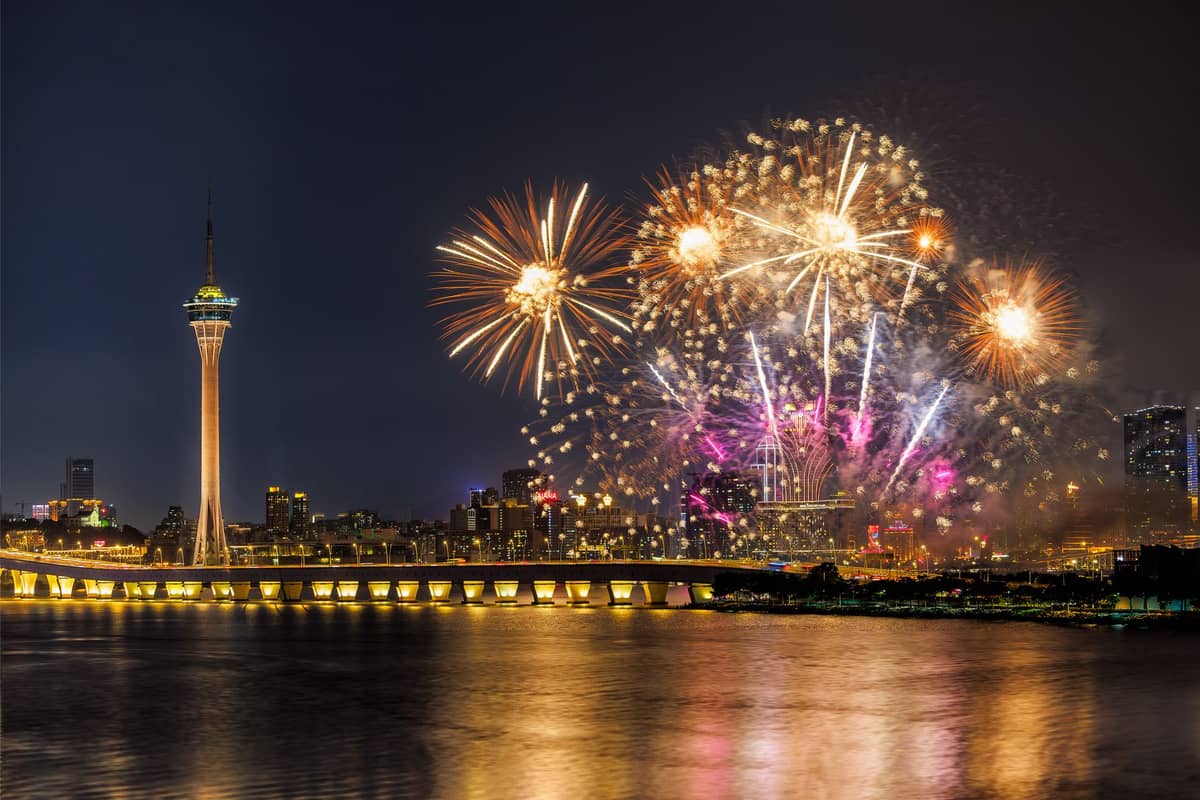
- Fireworks display over the Macau Tower area on multiple nights, not just New Year's Eve — plan which nights you want to attend.
- Most casinos and major attractions stay open; closures hit mainly small local shops and some government offices. See things to do in Macau for year-round context.
When Is Chinese New Year in Macau?
Chinese New Year follows the lunar calendar, which means the date shifts each year somewhere between late January and mid-February. In 2025, the first day of the new lunar year fell on 29 January (the Year of the Snake), making New Year's Eve 28 January. For 2026, the date moves to 17 February (the Year of the Horse). If you're planning more than a year ahead, always cross-check the current lunar calendar before booking anything.
The key thing most visitors get wrong: Chinese New Year in Macau is not a single-night event. The official celebration window covers at least the first 11 days of the lunar month, with major programmed events — parades, fireworks, dragon and lion dances — spread across that period. The Macau SAR Government typically designates the first three days of the new year as public holidays, with New Year's Eve treated as a half-day for public sector employees.
ℹ️ Good to know
Macau's Chinese New Year celebrations overlap with Mainland China's 'Golden Week' holiday period. Millions of visitors cross from Guangdong province, which puts direct pressure on accommodation, ferry services, and popular viewing spots. This is not a quiet cultural experience — it is a major crowd event.
The Main Events: Parades, Fireworks, and Markets
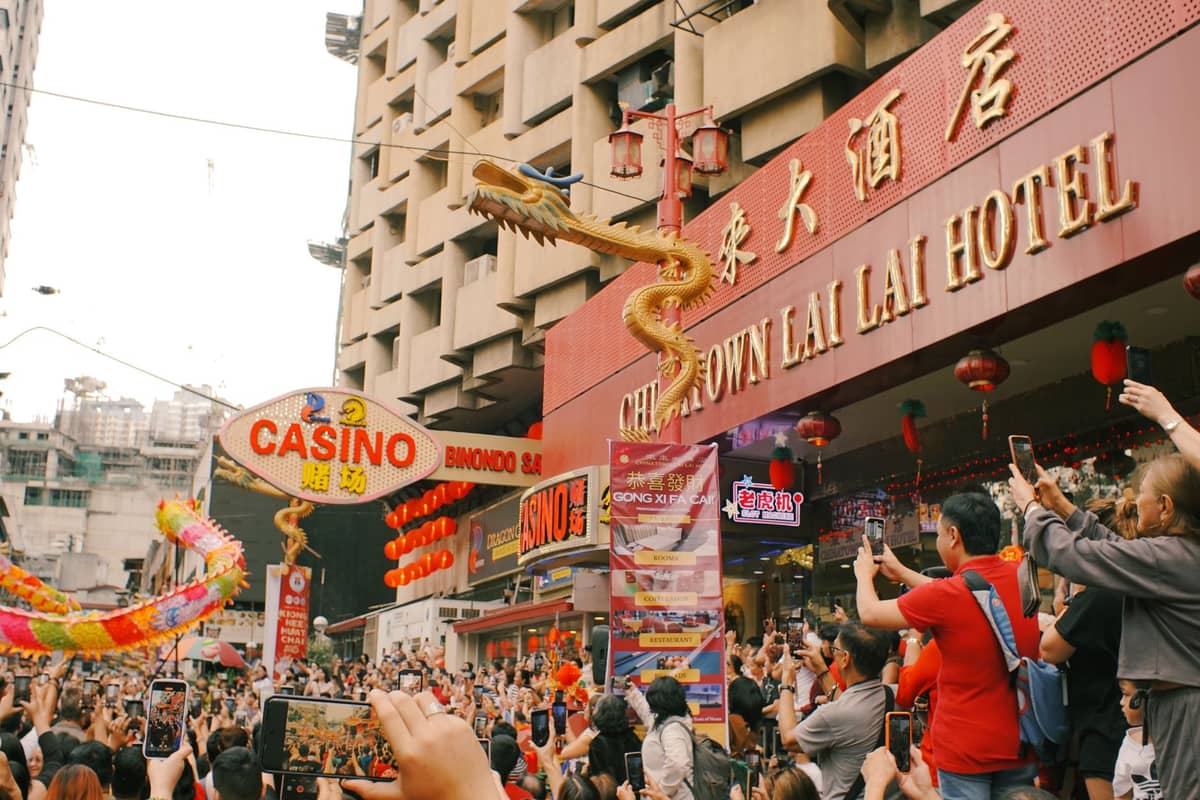
The headline attraction is the Gigantic Golden Dragon Parade, which in 2025 ran from the Ruins of St. Paul's down to Sai Van Lake Square on 29 January between 11:00 and 13:00. Hundreds of performers carry a ceremonial dragon through the historic city center streets, accompanied by traditional music, lion dances, and elaborately costumed groups. The daytime timing means good natural light for photography, but it also means the streets leading from Senado Square toward St. Paul's are completely gridlocked with spectators.
The evening float parade, officially called the Parade for Celebration of the Year of the Snake in 2025, ran on the 3rd day of the lunar new year (31 January, 20:00–21:45) and again on the 11th day (8 February, 20:00–21:30), passing through central and northern districts of the Macau Peninsula. The night schedule makes this a more atmospheric viewing experience than the daytime dragon parade, though finding a decent vantage point requires arriving at least an hour before the floats move.
- Fireworks Schedule (2025 example) Three separate fireworks nights near Macau Tower: 31 January at 21:45, 4 February at 21:00, and 12 February at 21:00. Viewing is best from the waterfront promenade area or elevated spots nearby.
- Chinese New Year Market at Tap Seac Square Typically runs from around 22 January through 28 January, open 10:00 to midnight on most days and until 02:00 on New Year's Eve. Stalls sell seasonal goods, snacks, flowers, and traditional decorations.
- Firecracker Zones Designated daily firecracker and fireworks zones operate 10:00–24:00 at locations including Avenida Dr. Sun Yat-Sen near Macau Tower and Estrada Almirante Marques Esparteiro in Taipa.
- Lion and Dragon Dances Informal and organized lion dance performances appear across the city, particularly at temples, casino entrances, and market areas throughout the first week of the new year.
⚠️ What to skip
Parade and fireworks viewing spots fill up fast. The streets around the Ruins of St. Paul's during the Golden Dragon Parade become genuinely difficult to navigate once the procession starts. Arrive at least 45 minutes before the listed start time if you want a clear line of sight, not the back of someone else's phone.
Weather in Late January and February
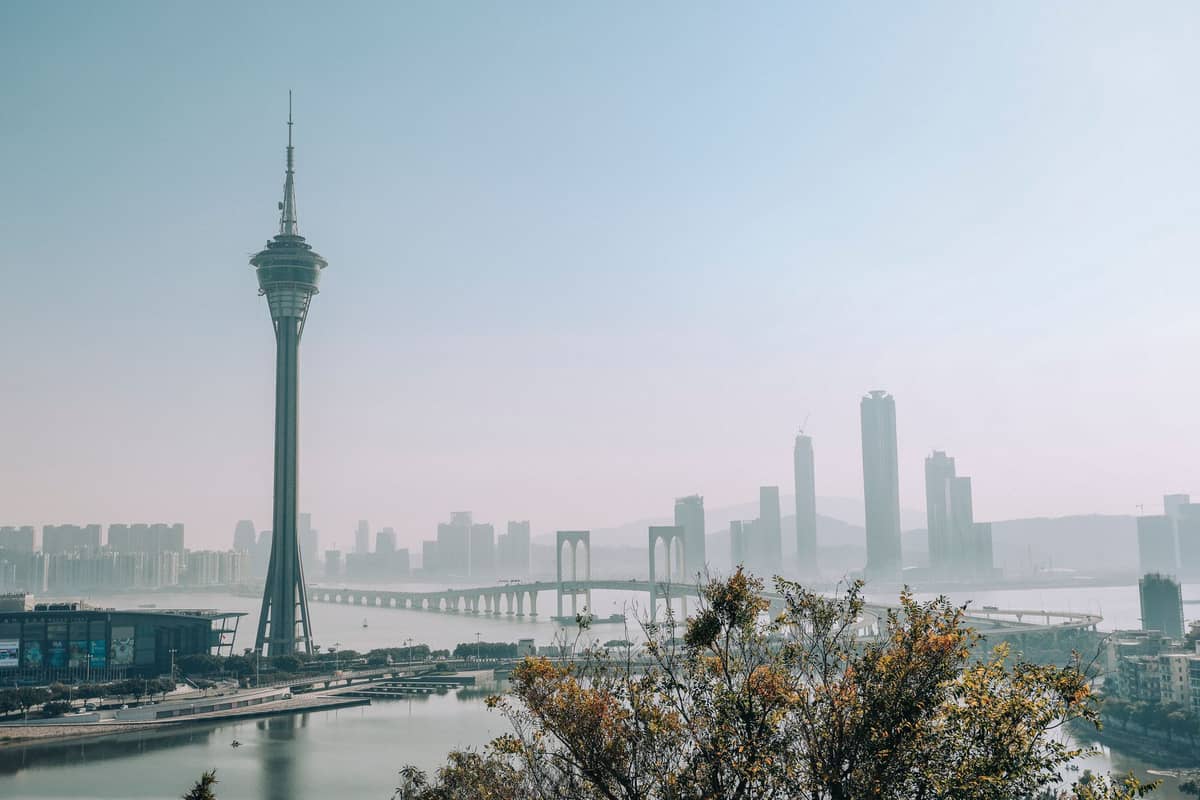
From a weather standpoint, Chinese New Year falls in one of Macau's most agreeable periods. Late January through mid-February sits in the heart of the dry season, with average daytime temperatures around 16–20°C, low humidity, and limited rainfall. Evenings can drop to around 10–12°C, so a light jacket or mid-layer is essential for outdoor parade and fireworks viewing.
There is no typhoon risk at this time of year — that risk is confined to July through September. For a broader breakdown of how different months compare, the best time to visit Macau guide covers every season in detail. The short version: the Chinese New Year window is genuinely good weather, which partly explains why so many visitors choose it.
Booking Strategy: What to Secure and When
Hotels during Chinese New Year command significant premiums — often double or triple standard rates — and properties in the historic center or along the Cotai Strip fill up weeks in advance. If you're committed to visiting during this period, treat accommodation as your first booking priority, not an afterthought. Flexible cancellation is worth paying a small premium for, since event dates are confirmed progressively by the Macao Government Tourism Office (MGTO) and occasionally adjust.
For the Hong Kong to Macau crossing, the TurboJET and Cotai Water Jet ferry services both see heavy demand during this period. Book your outbound and return ferry slots ahead of travel, not on arrival in Hong Kong. Ferries sell out on peak days, and the Outer Harbour and Taipa Ferry Terminals process enormous volumes. Full logistics on crossing from Hong Kong are covered in the Hong Kong to Macau guide.
- Book accommodation 4–6 weeks before Chinese New Year at minimum; for properties in the historic center, 8 weeks is safer.
- Reserve ferry crossings from Hong Kong at least 1–2 weeks in advance for peak days (the eve and first three days of the new year).
- Check the MGTO 'What's On' PDFs and official event pages for confirmed parade routes and fireworks times — they are published in the weeks before the holiday.
- Download and screenshot key event schedules in case you lose signal in dense crowd areas.
- If you are budget-sensitive, the 8th–11th day of the new year has the same events at lower prices and smaller crowds than the first three days.
Navigating the City During the Festival
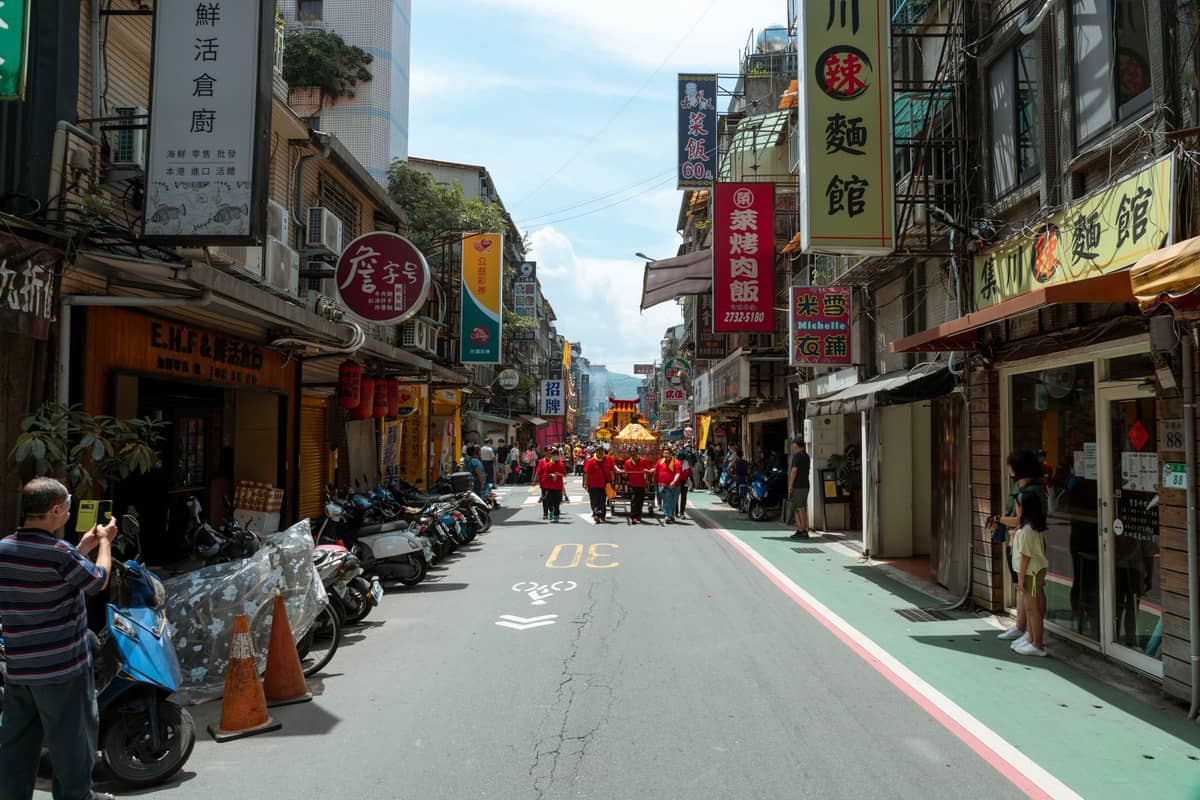
Getting around Macau during Chinese New Year requires patience. Macau covers only about 32.9 km², but during peak festival days the road network around the historic center of the Macau Peninsula slows significantly due to road closures for parades. Public buses are the standard option, though expect them to run late and packed. The Macau Light Rapid Transit (LRT) Taipa Line, which connects the airport, Cotai resort strip, and Taipa Ferry Terminal, is more insulated from road congestion and is useful for moving between the island areas.
Casino resort shuttle buses remain one of the most underused tools for festival navigation. Most major integrated resorts run complimentary shuttles between their properties, the ferry terminals, and the border gates. Even if you are not a hotel guest, these shuttles are frequently accessible and far less stressed than the bus network on high-traffic days. Confirm operating hours directly with your chosen property, as schedules are property-specific.
Taxis are available but difficult to find during and immediately after major events — drivers tend to avoid areas with road closures. Walking is genuinely the most reliable way to move between attractions in the historic center during the festival. The compact footprint of the heritage zone means most key sites are within 15–20 minutes on foot. For a structured route through the area, the Macau heritage walk provides a useful baseline, though parts of the route will be altered during parade days.
✨ Pro tip
For fireworks viewing near Macau Tower, the waterfront promenade on the Nam Van Lake side offers unobstructed sightlines without the extreme density of the immediate tower area. It fills up, but less catastrophically. Get there 30–40 minutes early and you should find a comfortable spot.
Temples, Traditions, and Cultural Context
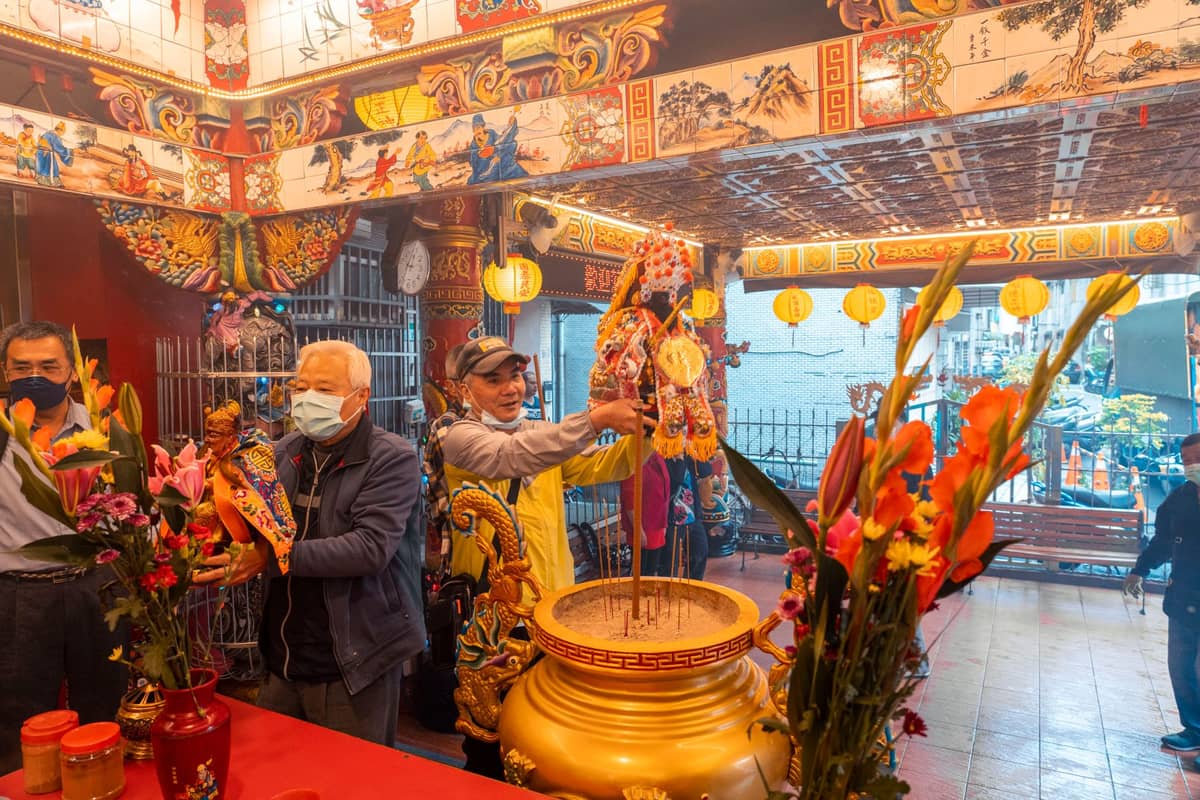
Chinese New Year has deep religious and cultural roots, and Macau's Chinese temples see some of their highest footfall of the year during this period. Worshippers visit to offer incense, pray for fortune in the new year, and observe traditional rituals. The most significant are the A-Ma Temple, one of Macau's oldest and most revered, and the Kun Iam Temple, dedicated to the Buddhist goddess of mercy. Both receive particularly heavy offerings traffic on the first and second days of the new year.
If visiting Chinese temples during the festival, a few points of etiquette matter: dress modestly (covered shoulders and knees are appropriate), speak quietly, avoid blocking incense burners or altar areas, and ask before photographing worshippers. The atmosphere at both temples during New Year is genuinely moving, and it represents a very different side of Macau than the casino strip. For broader temple context across the city, the Macau temples guide covers all the main sites.
The Na Tcha Temple beside the Ruins of St. Paul's is also worth noting during this period — it sits directly on the main parade route and becomes a focal point for local offerings and decoration. The contrast between the small Taoist shrine and the massive baroque facade of the ruins behind it is one of Macau's most visually distinctive scenes, and during New Year it is heavily decorated with red lanterns and floral arrangements.
What Actually Closes (and What Doesn't)
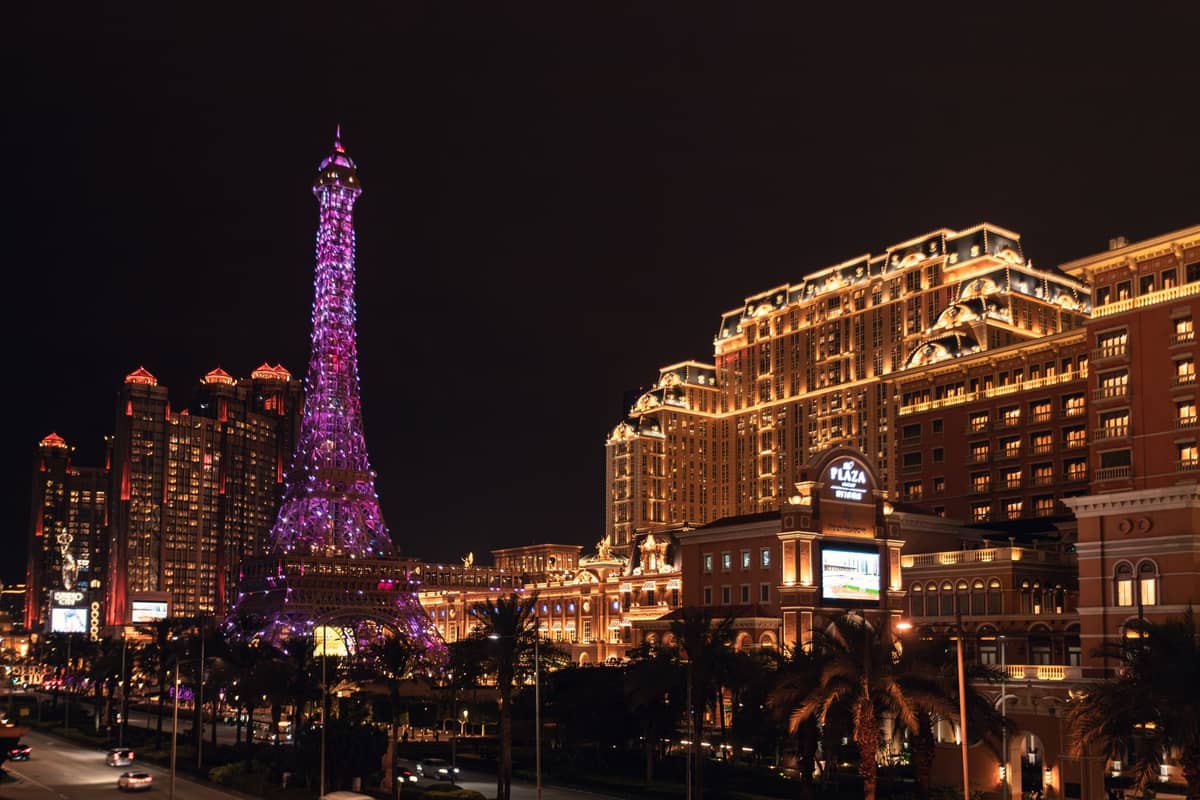
One of the most common misconceptions about Chinese New Year in Macau is that the city shuts down. It doesn't. The casino industry operates 24 hours a day, 365 days a year without exception. The large integrated resorts on the Cotai Strip — including The Venetian Macao, Galaxy Macau, and others — not only stay open but actively run their own New Year programming, including in-resort lion dances, light displays, and promotional events.
What does close, or operates with reduced hours, is the small-business layer: independent restaurants, local bakeries, traditional shops, and some market stalls. Government offices and public administrative services operate on the official public holiday schedule. Major museums and heritage attractions generally stay open, though it is worth checking current hours via the MGTO website before you go. The Macau Museum and similar institutions typically maintain holiday schedules rather than full closures.
FAQ
When exactly is Chinese New Year in Macau?
It follows the lunar calendar and falls between late January and mid-February each year. In 2025, the first day was 29 January; in 2026, it falls on 17 February. The celebration period runs for at least 11 days, with programmed events spread across that window rather than concentrated on a single night.
Is Macau worth visiting during Chinese New Year?
It depends on your priorities. The parades, fireworks, and cultural energy are genuinely impressive and unlike anything Macau offers at other times of year. But crowd levels are at their annual peak, hotel prices are significantly higher than usual, and navigating the historic center requires patience. If you want the spectacle and plan ahead, it is rewarding. If you prefer a quieter visit, October to December is a better choice.
Do I need to book a hotel far in advance for Chinese New Year?
Yes. Book accommodation at least 4–6 weeks before the first day of the new year, and up to 8 weeks in advance for properties in or near the historic center. Rates peak on New Year's Eve and the first three days. The 8th to 11th day of the lunar month tends to be noticeably less crowded and cheaper, with events still running.
Where are the best spots to watch the fireworks in Macau?
Fireworks during Chinese New Year are typically launched near Macau Tower, visible from the Nam Van Lake waterfront promenade. This area offers clear sightlines without the congestion directly around the tower. Arrive 30–40 minutes early. Some elevated positions around the Penha Hill area also offer good views, though these are further from the launch point.
Are Chinese temples open during Chinese New Year in Macau?
Yes, and they are particularly active during this period. Temples including A-Ma Temple and Kun Iam Temple see high footfall on the first and second days of the new year. If you want a quieter visit, go in the mid-morning of the 3rd or 4th day rather than on the first day. Dress modestly and be respectful of worshippers conducting ceremonies.