Barrio San Felipe
Barrio San Felipe is Bogotá's most concentrated creative district, where former industrial buildings and modest residential blocks have been converted into galleries, artist studios, and design spaces. Located in the locality of Barrios Unidos, it draws local collectors, international curators, and curious travelers who want to see what Colombian contemporary art looks like beyond the museum circuit.
Located in Bogotá, Colombia
Overview
Barrio San Felipe is where Bogotá's contemporary art scene does its serious work. Spread across a compact grid of streets in the northern locality of Barrios Unidos, this former working-class neighborhood has spent the last fifteen years quietly converting warehouses and corner shops into one of Latin America's densest concentrations of galleries and artist studios. It is not polished for tourists, and that is precisely what makes it worth your time.
Orientation
San Felipe occupies a compact rectangle in northern Bogotá, bounded roughly by calle 72 to the south, calle 80 to the north, Avenida Caracas to the east, and carrera 24 to the west. It falls within the locality of Barrios Unidos, which sits between the larger and better-known districts of Chapinero to the south and Suba to the north. The neighborhood is small enough to walk end-to-end in about fifteen minutes, but dense enough in cultural spaces that a full afternoon disappears quickly.
Avenida Caracas, which runs along the eastern edge, is one of Bogotá's main north-south arteries and a TransMilenio corridor, making San Felipe significantly easier to reach than many creative districts in other cities. To the east of Avenida Caracas, you quickly enter Chapinero, Bogotá's sprawling commercial and entertainment district. To the west of carrera 24, the urban fabric shifts into more conventional residential blocks. San Felipe itself is the transitional zone between these worlds: not a commercial strip, not a quiet suburb, but something more specific and harder to categorize.
If you are staying in northern Bogotá, the neighborhood is an easy cab or app-ride from the Zona Rosa or Parque de la 93 area. From La Candelaria or the historic center, count on at least 25 to 35 minutes by transit depending on traffic. The grid is regular and street numbers follow Bogotá's standard system, so navigation is straightforward once you have the calle and carrera coordinates in mind.
Character and Atmosphere
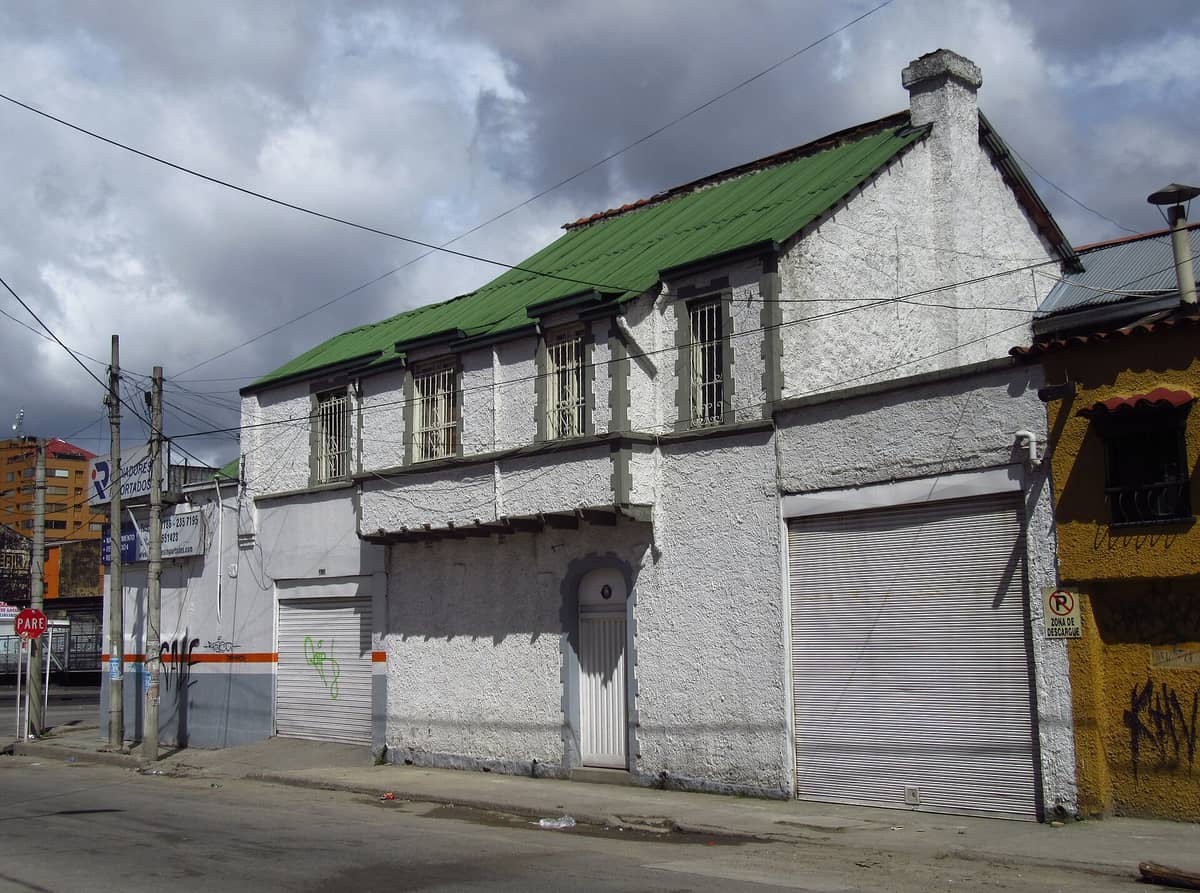
On a weekday morning, San Felipe reads as a traditional Bogotá neighborhood: bakeries on corner storefronts, fruit sellers setting up on the pavement, the background noise of SITP buses grinding along Avenida Caracas. The streets are wide by central-Bogotá standards, and the architecture is mostly two- and three-story buildings from the mid-twentieth century, the kind of solid, unpretentious construction that defined the city's expanding periphery in the 1950s and 1960s.
Look more carefully at those same buildings and you start to see what has happened here. The roller doors that once protected machine shops now lift to reveal pristine white gallery walls. Former storage spaces have been carved into studios with skylights. Handmade signs point to artist foundations behind unmarked gates. The transformation is real, but it has not replaced the old neighborhood so much as layered itself on top of it, which gives San Felipe a texture that more thoroughly gentrified districts tend to lose.
By mid-afternoon on a Thursday or Friday, the pace changes. Collectors and critics circulate between openings. Delivery trucks unload crated works outside gallery loading bays. Coffee places fill with people who appear to be in the middle of long conversations about specific things. Weekend afternoons, especially during Open San Felipe events, bring a more mixed crowd: families, students, visitors who read about the district online, and a general sense of a neighborhood that has accepted its public role without fully performing it.
ℹ️ Good to know
San Felipe's art spaces do not keep uniform hours. Many galleries operate Tuesday through Saturday and may close for lunch. If you are planning to visit a specific space, check directly before going. The neighborhood rewards unplanned wandering, but targeted visits need a bit of advance coordination.
After dark, the neighborhood is quieter than Chapinero or Zona Rosa. Some galleries host evening openings and there are bars and cafés that draw a creative crowd into the night, but San Felipe does not have a nightlife identity separate from its daytime art function. The streets feel calm rather than animated once the galleries close, which is worth knowing if you are deciding where to base yourself.
What to See and Do
The core attraction is the district itself: a walkable concentration of around 50 to 60 cultural spaces, including around 14 to 20 formal galleries and a larger number of studios, foundations, design businesses, and project spaces. These are not all open at the same time and not all visible from the street, but a committed afternoon of exploring will turn up more than you can absorb in one visit.
Open San Felipe is the neighborhood's signature event, held periodically across the year. During these open-studio days, artists and galleries across the entire district open their doors simultaneously, the streets take on a market-festival atmosphere, and the density of work on view becomes genuinely overwhelming in the best sense. If your visit to Bogotá overlaps with an Open San Felipe date, reorganize your schedule accordingly. Check Canal Capital or Colombia.co for upcoming dates before you travel.
For context on Bogotá's wider art and museum scene, it is worth pairing a San Felipe visit with a stop at Museo Botero in La Candelaria, which covers the Colombian canon, or the Museo Nacional de Colombia, a short ride south. San Felipe is specifically about contemporary practice: living artists, current conversations, work that is not yet in institutions. The two scales of the city's art world complement rather than duplicate each other.
- Walk the grid between calles 74 and 78 and carreras 22 and 24, where gallery density is highest
- Look for open-studio signage on building facades, especially on weekend afternoons
- Check gallery bulletin boards and windows for upcoming opening events, which are often the best time to see the spaces with artists present
- Ask at any gallery for a current map of active spaces, as the district produces printed guides periodically
- Allow time to explore the transition streets near Avenida Caracas, where some of the larger commercial gallery spaces have taken over former industrial ground floors
💡 Local tip
Gallery openings in San Felipe typically happen on Thursday and Friday evenings. Showing up at an opening without an invitation is generally accepted in this district. Bring a business card if you have one, and do not be surprised if conversations go long.
Eating and Drinking
San Felipe's food and drink scene has grown alongside the art district, though it remains unpretentious by the standards of Zona Rosa or Zona G. The best options are concentrated near the main gallery streets and tend toward the kinds of places that serve a working creative community: good coffee, lunch menus that do not take an hour, and evening bars where the conversation matters more than the cocktail list.
Cafés attached to or adjacent to gallery spaces are worth seeking out. They tend to be quieter than the main commercial strips, and the coffee quality in Bogotá's creative neighborhoods has risen significantly as the country's specialty coffee culture has expanded. For a deeper look at what to order and where to find it citywide, the Colombian coffee guide for Bogotá covers the essential context.
For heavier eating, the neighborhood's corner restaurants and small fondas serve traditional Colombian lunch plates: bandeja, soups, rice, and juice combinations that are filling and inexpensive. These are aimed at the neighborhood's working residents rather than at visitors, which keeps the quality consistent and the prices low. Budget around 15,000 to 25,000 COP for a full lunch with a drink at these spots.
Bars in the district tend to be understated. You will find craft beer options and cocktail bars mixed in among the gallery spaces, typically busier on Thursday through Saturday evenings. For more extensive late-night options, Chapinero is a short ride east on Avenida Caracas. The Bogotá nightlife guide covers the broader options across the city.
Getting There and Around
The most practical way to reach San Felipe by public transit is via TransMilenio on the Avenida Caracas corridor. Several stations between calles 72 and 80 put you at the eastern boundary of the neighborhood, from which the gallery grid is a short walk west. The Caracas corridor connects south to the historic center and north toward the Portal Norte terminal, making San Felipe accessible from most parts of the city that have TransMilenio coverage.
SITP buses run along Avenida Caracas and along carrera 24 on the western side of the neighborhood, providing additional access points. For a full overview of how Bogotá's public transit system works, the guide to getting around Bogotá explains the TransMilenio network, SITP routes, and app-based alternatives in detail.
Ride-hailing apps including Uber, Cabify, DiDi and other services are widely used in Bogotá and work well for reaching San Felipe from anywhere in the city. From the Zona Rosa or Parque de la 93 area, a trip typically takes 10 to 20 minutes depending on traffic and costs well under 20,000 COP at standard rates, though prices vary and should be confirmed in-app. From El Dorado International Airport, the ride is longer and more expensive; San Felipe is not a logical first stop from the airport.
Within the neighborhood, walking is the only useful mode of transport. The grid is flat, the blocks are short, and the distances between gallery spaces are small. Cycling is feasible along the main avenues, and Bogotá's Ciclovía program closes major roads to vehicles on Sundays, which can affect routes near Avenida Caracas.
⚠️ What to skip
Traffic on Avenida Caracas can be slow during peak hours, especially northbound in the afternoon. If you are traveling by app-based ride from the south, allow extra time on weekday afternoons. TransMilenio on this corridor is often faster than a car during rush hour.
Where to Stay
San Felipe itself has very limited formal accommodation, as the neighborhood's building stock has been converted primarily into art and commercial use rather than hospitality. Travelers who want to be close to the district are better served by staying in northern Chapinero, Zona Rosa, or the area around Parque de la 93, all of which are within 15 to 25 minutes of San Felipe by transit or ride-hailing.
San Felipe is best treated as a destination for a half-day or full-day visit rather than a base for your entire stay in Bogotá. For a broader view of where to stay across the city, including which neighborhoods match different traveler profiles and budgets, the where to stay in Bogotá guide breaks down the main options by area. Travelers focused on the contemporary art scene will want easy access to San Felipe, but also proximity to the other northern districts where restaurants, nightlife, and daily logistics are more developed.
Practical Notes and Trade-offs
San Felipe is genuinely interesting and worth a visit, but it is a specific kind of interesting. If contemporary visual art is not a priority, the neighborhood's appeal is limited. The streets are functional rather than scenic, the food options are basic outside of the café-gallery circuit, and there are no major landmarks in the architectural or historical sense. What the neighborhood does have, it does exceptionally well: concentrated creative activity in a real working environment.
The gentrification pressure is real and visible. Property values have risen significantly, and some longtime residents and small businesses have been displaced by the influx of galleries and design studios. This is not unusual for art districts in major Latin American cities, but it is worth being aware of when reading promotional descriptions of San Felipe as a success story. The neighborhood is in transition, and that transition has costs as well as benefits.
For safety, apply standard Bogotá precautions: keep phones out of view in crowded street situations, use apps rather than hailing taxis from the street, and be aware of your surroundings after dark on quieter blocks. San Felipe is not specifically flagged as a high-risk area in mainstream travel guidance, but Bogotá is a large city and common sense applies everywhere. The Bogotá safety tips guide covers the practical measures that apply across the city.
If you are building a broader itinerary around Bogotá's cultural highlights, San Felipe pairs well with a morning at the Museo del Oro or the Centro Cultural Gabriel García Márquez in La Candelaria, followed by an afternoon in San Felipe for contemporary contrast. The 3 days in Bogotá itinerary includes suggestions for structuring this kind of cross-city day.
TL;DR
- Barrio San Felipe is Bogotá's primary contemporary art district, with over 50 cultural spaces packed into a walkable grid between calles 72 and 80 and Avenida Caracas and carrera 24.
- The neighborhood works best as a half-day or full-day destination rather than a base, since accommodation options are minimal and the food and nightlife scenes are modest outside the gallery circuit.
- Best visited on a Thursday or Friday evening during a gallery opening, or during one of the periodic Open San Felipe events when the entire district opens to the public simultaneously.
- TransMilenio on the Avenida Caracas corridor puts you at the neighborhood's eastern edge, and ride-hailing apps make it easy to reach from anywhere in northern Bogotá.
- Recommended for travelers interested in contemporary art, creative industries, and seeing a city neighborhood in active transformation. Less compelling for those with no particular interest in the gallery world.
Related Travel Guides
- 3 Days in Bogotá: The Perfect Itinerary
Three days is enough to get a real feel for Bogotá, D.C. — Colombia's high-altitude capital of roughly 8 million people. This itinerary covers the historic core, world-class museums, the city's best neighborhoods, and one excellent day trip, with honest logistics and timing built in.
- Best Museums in Bogotá: 10 Essential Collections to Visit
Bogotá holds its own as a museum city. From world-class pre-Columbian collections to free art galleries and immersive history museums, these are the institutions that make the Colombian capital one of Latin America's most rewarding cultural destinations.
- Best Time to Visit Bogotá: A Month-by-Month Guide
Bogotá's climate stays mild year-round thanks to its 2,640 m elevation, but the best time to visit depends on your priorities. This guide breaks down dry seasons, rainy periods, major festivals, crowd levels, and what no one tells you about Bogotá's weather.
- Bogotá El Dorado Airport: Arrivals, Transfers & Getting to the City
Everything you need to navigate El Dorado International Airport (BOG) and reach central Bogotá efficiently. From TransMilenio routes and TuLlave cards to regulated taxi fares and private transfers, this guide covers every option with real prices and clear trade-offs.
- Bogotá Altitude: How to Handle the High Elevation
At 2,640 metres above sea level, Bogotá is one of the highest capital cities in the world. This guide covers everything you need to know: altitude sickness symptoms, prevention strategies, UV risks, seasonal weather patterns, and practical tips for arriving healthy and staying comfortable.
- Bogotá's Ciclovía: The World's Greatest Sunday Bike Ride
Every Sunday and public holiday, Bogotá closes over 127 km of city streets to cars and opens them to cyclists, runners, skaters, and walkers. This is your complete guide to the Ciclovía: how it works, where to ride, what to expect, and how to make the most of it.
- Bogotá for Digital Nomads: Coworking, Cafés & Living Costs
Bogotá, Colombia has quietly become one of Latin America's most practical bases for remote workers. This guide covers real monthly budgets, coworking space prices, the best neighborhoods to live and work from, and what no one tells you before you land at El Dorado.
- What to Eat in Bogotá: A Complete Colombian Food Guide
Bogotá's food scene runs deeper than most visitors expect. This guide covers the city's signature dishes, where to find them by neighborhood, what to skip, and how to eat like someone who actually lives there.
- Bogotá in December: Christmas Lights, Weather & What to Expect
December is one of the best months to visit Bogotá, D.C. The city enters its drier season, temperatures are mild, and the famous Ruta de la Navidad transforms entire districts into illuminated corridors. Here is everything you need to plan your visit.
- Bogotá Nightlife: Best Bars, Clubs & Areas (Practical 2026 Guide)
Bogotá's nightlife scene runs deep and late, from craft beer bars in Chapinero to high-end mixology lounges in Zona T. This guide breaks down the best areas, what to spend, when to go, and what to watch out for.
- Is Bogotá Safe? A Practical Safety Guide for Travelers
Bogotá, Colombia gets a bad reputation that doesn't tell the full story. This guide breaks down the real risks by neighborhood, time of day, and situation — so you can travel smart, not scared.
- Shopping in Bogotá: Best Markets, Malls & Souvenirs Guide
Bogotá, D.C. offers one of South America's most varied shopping landscapes, from pre-dawn flower markets and weekend craft fairs to polished upscale malls. This guide covers where to shop, what to buy, what things cost, and how to avoid the common mistakes that waste both time and money.
- Bogotá Street Art Guide: Best Murals & Graffiti Tours
Bogotá, D.C. has built one of Latin America's most serious street art scenes, with politically charged murals, internationally recognized artists, and organized tours running daily across multiple neighborhoods. This guide covers where to go, which tours are worth your money, and what to know before you walk out the door.
- Bogotá Weather & Climate: What to Expect Year-Round
Bogotá, Colombia sits at 2,640 metres above sea level, which means the city defies every tropical climate stereotype. Temperatures hover in a narrow band year-round, but two distinct rainy seasons shape when and how you should visit. This guide breaks down the month-by-month reality, what to pack, and when crowds and prices peak.
- Bogotá with Kids: The Best Family Activities in Colombia's Capital
Bogotá, D.C. is a surprisingly rewarding destination for families. From free city museums and mountaintop adventures to cycling days and colonial history, this guide covers the best kid-friendly activities in Bogotá, Colombia, with real prices, practical logistics, and notes on what works with children of different ages.
- Colombian Coffee in Bogotá: Best Cafés, Workshops & Coffee Culture
Bogotá, D.C. has become one of Latin America's most serious specialty coffee cities, with farm-to-cup roasters, barista workshops, and day trips to working coffee farms all within reach. This guide covers where to drink, what to order, what to avoid, and how to get the most out of Colombian coffee culture in the capital.
- Best Day Trips from Bogotá: Salt Mines, Sacred Lakes & Colonial Towns
Bogotá, D.C. sits at 2,640 m above sea level in the heart of the Colombian Andes, making it an ideal base for exploring some of South America's most distinctive landscapes and colonial heritage. This guide covers the top day trips from Bogotá with practical transport details, realistic timings, and honest assessments of what each destination actually delivers.
- Free Things to Do in Bogotá: 12 Ways to Explore the City Without Spending a Peso
Bogotá offers a surprising number of free experiences. From permanently free world-class museums to weekly car-free streets, colonial plazas, and sprawling urban parks, the city rewards travelers who know where to look. This guide covers the best no-cost activities, with clear notes on when free access applies.
- Getting Around Bogotá: The Complete Transport Guide
Bogotá, D.C. has one of Latin America's most extensive urban transit networks, but navigating it takes some preparation. This guide covers TransMilenio, SITP buses, the TransMiCable, taxis, ride-hailing apps, and airport transfers — with current fares, practical tips, and clear notes on what works and what to avoid.
- Best Things to Do in Bogotá: A Practical Guide to Colombia's Capital
Bogotá, D.C. is one of South America's most underrated capitals. This guide covers the best things to do in Bogotá across culture, food, neighborhoods, and day trips, with current prices, opening hours, and practical notes on what to skip.
- Where to Stay in Bogotá: Best Neighborhoods & Hotels Guide
Choosing where to stay in Bogotá shapes your entire trip. This guide breaks down every major neighborhood by safety, price range, atmosphere, and proximity to key attractions, so you can book with confidence.