Best Things to Do in Miami, Florida: The Definitive Guide
Miami packs beaches, world-class art, Cuban culture, and two national parks into one metro area. This guide cuts through the noise to show you what's genuinely worth your time, what to skip, and how to plan it all without overpaying.
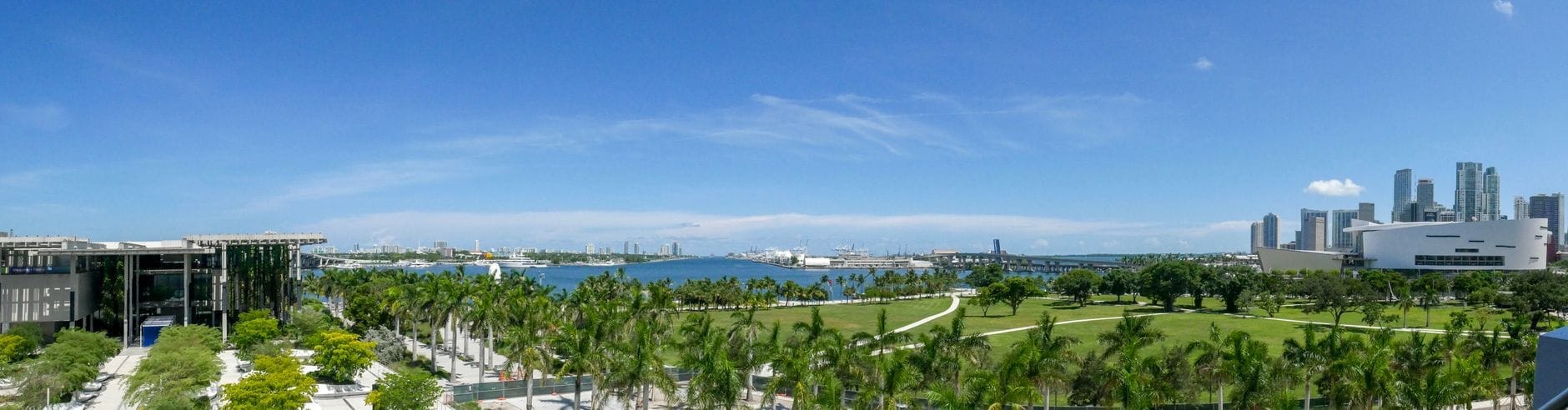
Plan and book this trip
Tools from our partner Travelpayouts help you compare flights and hotels. If you book through them, we may earn a commission at no extra cost to you.
Flights
Hotels map
TL;DR
- South Beach is free to access year-round; arrive before 10 a.m. on weekends to claim a good spot before crowds build up.
- Miami Beach is a separate city from Miami, connected by causeways — factor in travel time between neighborhoods like South Beach and Wynwood.
- December through April is peak season: better weather, higher hotel rates, and busier beaches. Summer brings real heat (highs around 90°F/33°C) but lower prices and fewer crowds at most museums.
- Beyond the beach, Miami has two nearby national parks, a serious contemporary art scene, and some of the best Cuban food in the United States — see the Miami Cuban food guide for where to eat.
- Book tickets to Wynwood Walls, PAMM, and Fairchild Tropical Botanic Garden in advance — timed entry is now standard at most major attractions.
Beaches and the Art Deco Historic District
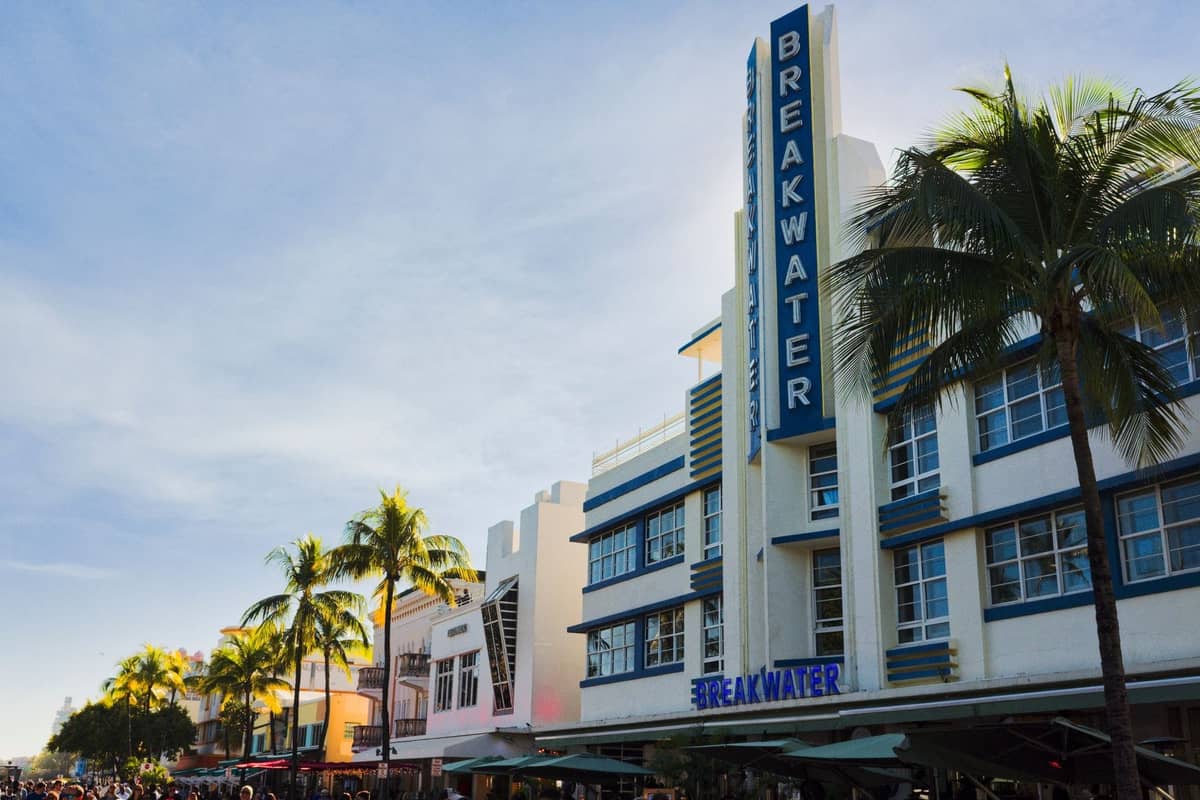
The thing most visitors want to know about the things to do in Miami Florida comes down to one question: is South Beach worth the hype? Short answer: yes, but only if you know how to use it. Lummus Park Beach — the stretch of sand running along Ocean Drive from about 5th to 15th Street — is the iconic postcard scene. The water is warm, the sand is wide, and the backdrop of pastel Art Deco hotels is genuinely unlike anywhere else in the United States. City of Miami Beach lifeguards staff the towers from roughly 9:30 a.m. to 6:00 p.m., varying by season.
One block inland, Ocean Drive is the spine of the Art Deco Historic District — a concentrated strip of 1920s to 1940s architecture that earned Miami Beach a spot on the National Register of Historic Places. The Miami Design Preservation League runs guided walking tours of the district that are worth the time if you want context beyond just pointing at pink buildings. For a self-guided experience, the Art Deco Welcome Center on Ocean Drive stocks maps and background materials.
💡 Local tip
Ocean Drive restaurants are almost universally overpriced for mediocre food. Walk two blocks west to Collins Avenue or Washington Avenue for better meals at lower prices. The tourist surcharge on Ocean Drive is real.
If you find South Beach too crowded, South Pointe Park at the southern tip of Miami Beach offers a quieter alternative with clean sand, a pier, and views of cruise ships entering Port Miami. Farther north, the Miami Beach Boardwalk runs from 21st Street to 46th Street and gives you a long, flat walk or run above the beach without the South Beach crowds. Serious beach lovers should also consider Crandon Park Beach on Key Biscayne, which consistently ranks among the best beaches in Florida for water clarity and facilities.
Wynwood, Art, and the Design District
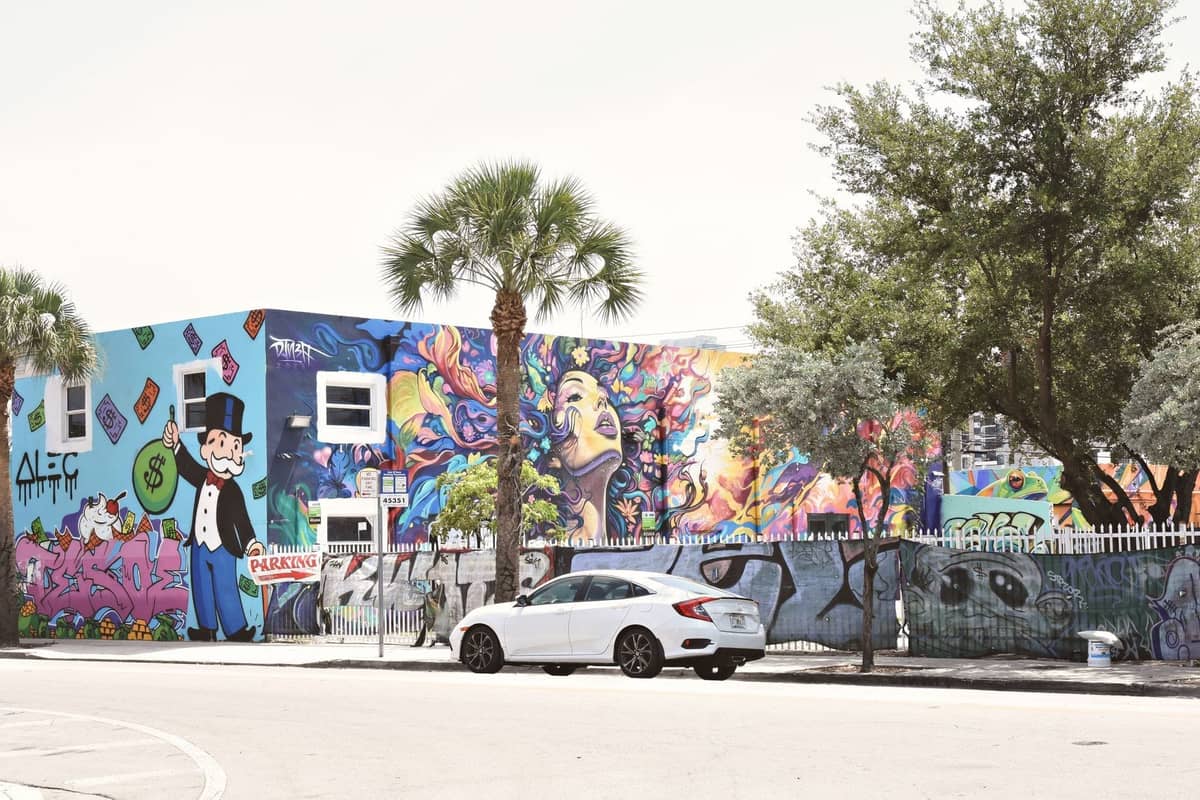
Wynwood is Miami's most-visited arts neighborhood, and its centerpiece — Wynwood Walls — is a legitimate attraction rather than just a photo backdrop. The outdoor museum occupies a full city block of warehouse walls painted by internationally recognized street artists. Timed-entry tickets are sold on the official Wynwood Walls website; walk-up availability varies by season, so booking ahead is the sensible move. The surrounding blocks of Wynwood have their own murals that are entirely free to walk past at any time.
A short drive north, the Miami Design District reads differently from Wynwood. Where Wynwood has galleries and murals, the Design District leans toward luxury retail and architecture. The Institute of Contemporary Art Miami in the Design District is free to enter, which makes it one of the better cultural bargains in the city — the permanent collection includes significant works and the rotating exhibitions run to a high standard. If you're comparing the two neighborhoods, plan to spend an afternoon in Wynwood and work your way north to the Design District before dinner.
For a world-class contemporary art experience, Pérez Art Museum Miami (PAMM) sits on Biscayne Bay in Downtown Miami with a striking Herzog & de Meuron building and a strong permanent collection focused on post-1945 international art. Hours and admission prices are updated on the museum's official site; check before visiting as they vary seasonally. During Art Basel Miami Beach in early December, the entire city shifts into a higher gear across every arts venue.
Little Havana and Miami's Cultural Neighborhoods
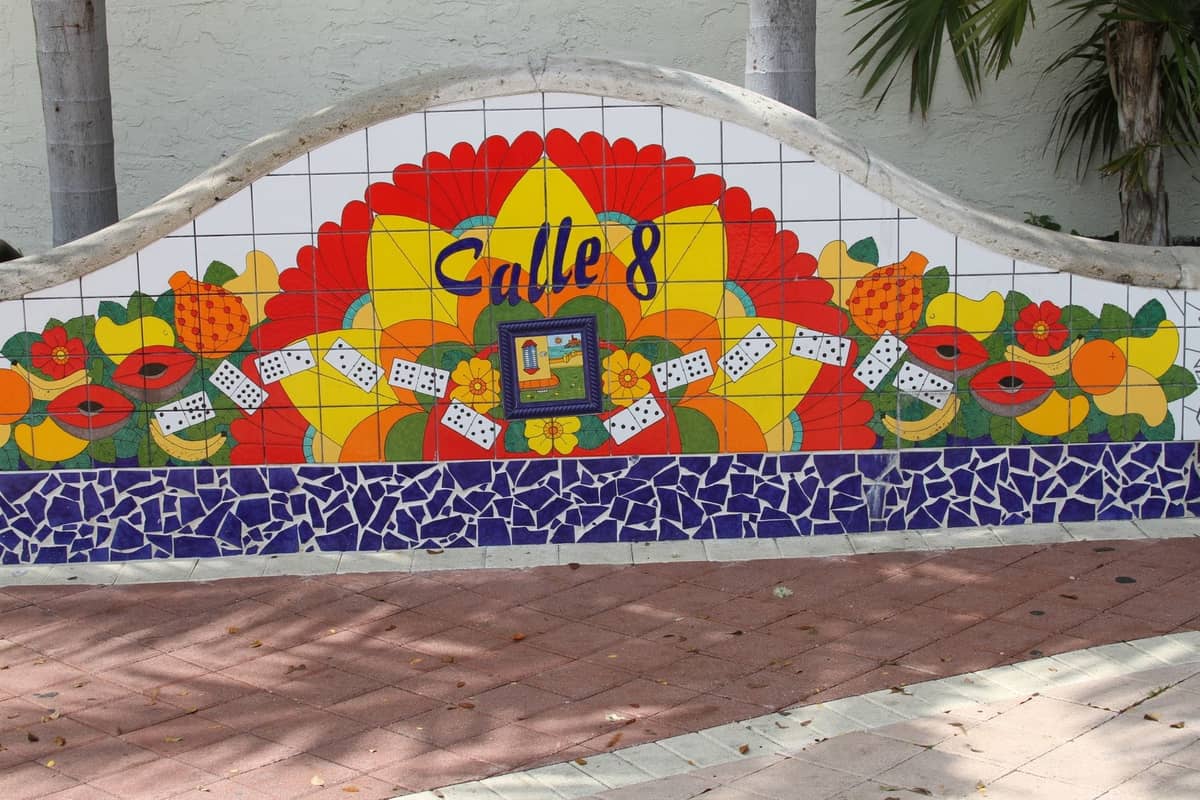
Little Havana is one of the most culturally specific neighborhoods in the United States. Its main street, Calle Ocho (SW 8th Street), runs for miles through the neighborhood and concentrates Cuban bakeries, cigar shops, art studios, and restaurants. The most practical approach is to park near Máximo Gómez Park — locally called Domino Park — and walk east toward SW 12th Avenue. Older Cuban men play dominoes here most days; it's a public park, not a performance, so be respectful when watching.
The Tower Theater on Calle Ocho is a restored 1926 cinema that now screens art-house and Latin American films. The Tower Theater Miami is run by Miami Dade College and regularly hosts film series and cultural events at low ticket prices. For anyone wanting deeper context on the neighborhood's history, a guided food tour through Little Havana gives you access to spots that don't advertise in English. The Little Havana neighborhood guide covers the full picture in detail.
⚠️ What to skip
The Calle Ocho experience is most authentic on weekday mornings and early afternoons. By Friday evening and all weekend, it shifts toward a more tourist-facing version of itself, with mojito bars and souvenir stalls replacing local foot traffic. Both are fine, but know which you're getting.
Other neighborhoods worth building time around: Coconut Grove is Miami's oldest continuously inhabited neighborhood and sits directly on Biscayne Bay. Its waterfront, independent bookshops, and shaded streets feel removed from the urban intensity of Downtown. Coral Gables offers the Venetian Pool — a public swimming pool carved from a coral rock quarry in 1923, fed by artesian wells, and genuinely one of the more unusual things to do in Miami for adults.
Nature: Everglades, Biscayne Bay, and Beyond
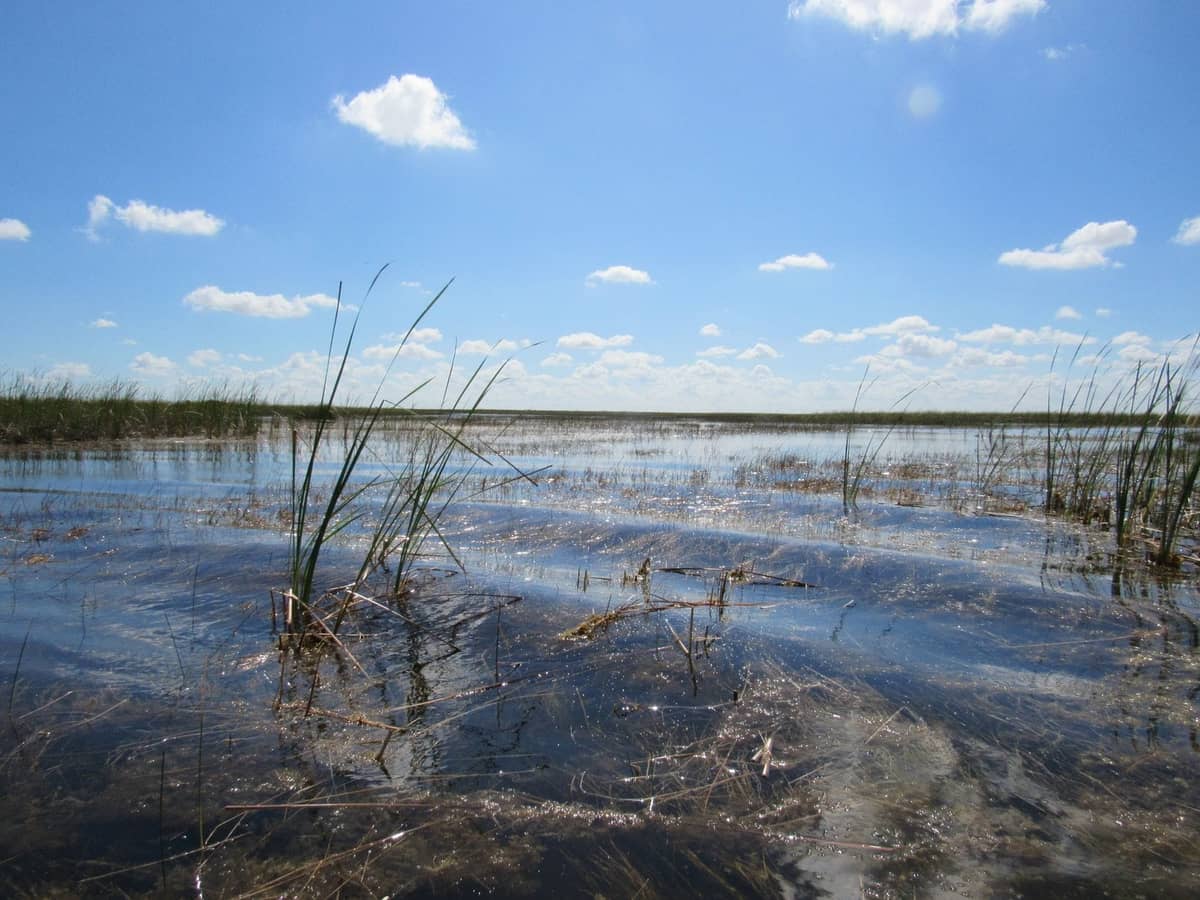
Miami sits between the Atlantic Ocean and one of the largest subtropical wilderness areas in North America. Everglades National Park begins about 30 miles southwest of Downtown Miami. The main entrance at Ernest Coe Visitor Center is roughly 45 minutes by car. Airboat tours operate from multiple commercial sites along the Tamiami Trail (US-41) before the park boundary — these are convenient but run on private land. For a quieter experience, the park's own Anhinga Trail (less than a mile, mostly flat) produces close encounters with wildlife that rival anything you'll see on an airboat. Read the Everglades day trip guide before you go.
Closer to the city, Biscayne National Park is 95 percent water and receives far fewer visitors than the Everglades despite being just 9 miles from Homestead. Snorkeling and diving on the park's coral reefs are among the better underwater experiences in Florida. The park's Dante Fascell Visitor Center in Homestead is the departure point for boat tours and dive charters run by the park concessioner. Note that the park is inaccessible without a boat unless you're using the concessioner's tours.
- Bill Baggs Cape Florida State Park On the southern tip of Key Biscayne, this park has one of South Florida's finest beaches, a 19th-century lighthouse, and bike rentals. Much less crowded than South Beach on weekends.
- Oleta River State Park Florida's largest urban park, in North Miami Beach, with kayaking, mountain biking trails, and a natural beach on the Intracoastal Waterway. Popular with locals, rarely mentioned in tourist guides.
- Fairchild Tropical Botanic Garden 83 acres of tropical plant collections in Coral Gables. Recent admission was around US$24.95 for adults, US$11.95 for ages 6–17 — verify current rates on the official site before visiting.
- Virginia Key Beach Park A historically significant beach that served as Miami's designated Black beach during segregation. Now a public park with a restored 1950s carousel and kayak rentals.
Museums, Performing Arts, and Things to Do in Miami at Night
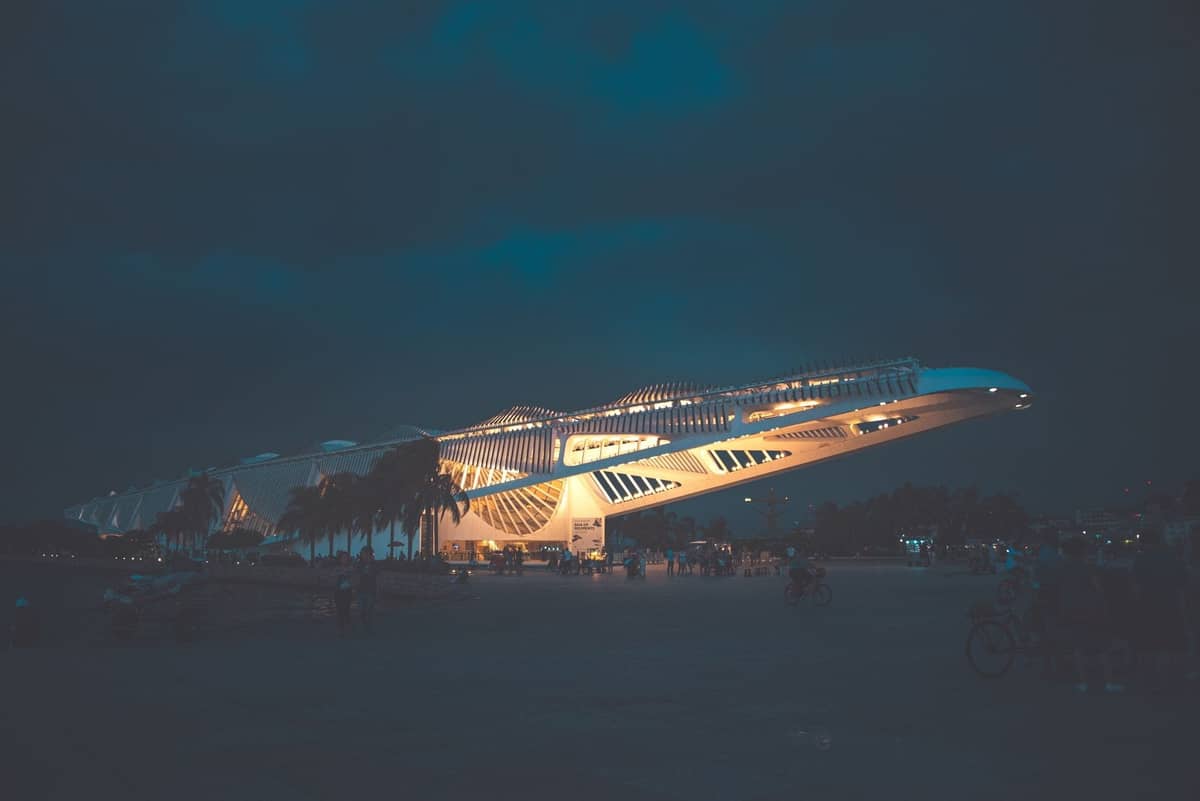
Miami's museum scene is underrated by first-time visitors who assume the city is all beach and nightlife. The Phillip and Patricia Frost Museum of Science in Downtown Miami has a four-story aquarium, a planetarium, and strong programming for families. It sits next to PAMM on Museum Park, making it easy to combine both in a single day. The HistoryMiami Museum in Downtown is small but well-curated, with a permanent collection covering the city's pre-Columbian, Spanish colonial, and 20th-century history.
For things to do in Miami at night, the options split into two distinct tracks. The first is the nightclub and bar scene concentrated in South Beach, Brickell, and Wynwood — genuinely world-class if that's your thing, with internationally booked DJs and strict door policies at major clubs. The second track is the performing arts scene, which is considerably less discussed. The Adrienne Arsht Center for the Performing Arts in Downtown Miami hosts the Florida Grand Opera, Miami City Ballet, and touring Broadway productions. Tickets can be surprisingly affordable outside of major productions. The New World Center in Miami Beach is one of the best concert halls for classical music in the American Southeast, with open-air projection screenings called WALLCAST® concerts held occasionally on the surrounding lawn.
✨ Pro tip
For Miami nightlife, the real action at clubs typically starts well after midnight — showing up at 10 p.m. puts you in an empty room. Wynwood's bar scene is more approachable and gets going by 9 p.m., making it a better option if you want an actual evening rather than an early-morning one. Check the full breakdown in the Miami nightlife guide for current venue recommendations.
Things to Do in Miami with Kids and Practical Planning

Miami works well with children if you pick the right mix. Zoo Miami is the largest zoo in Florida and one of the few in the country with a free-flight aviary for birds of prey. It covers 750 acres and is genuinely tiring to walk in full — arrive early, bring water, and plan to spend at least four hours. The Miami Children's Museum on Watson Island has interactive exhibits for younger children and is a manageable half-day. For something genuinely unusual, the Fruit and Spice Park in South Miami-Dade grows hundreds of tropical fruit varieties and runs tasting tours.
- Miami works best as a base for day trips — the Florida Keys, Everglades, and Fort Lauderdale are all within 90 minutes.
- Getting around between neighborhoods requires either a rental car or ride-hailing. Miami-Dade Transit covers major corridors but doesn't connect Miami Beach to Wynwood efficiently.
- Hotel prices in Miami Beach run significantly higher than equivalent hotels in Brickell or Wynwood. If beach access isn't your priority, staying on the mainland saves money.
- Spanish is widely spoken across Miami. Basic Spanish phrases are practical in Little Havana, Hialeah, and many restaurants throughout the city.
- Tap water in Miami meets all EPA standards and is safe to drink — you don't need to buy bottled water.
- Tipping 18–20% is standard in restaurants; 15% is considered low. Budget accordingly when pricing meals.
For trip planning across different travel styles, the 3 days in Miami itinerary structures the city efficiently for short visits, while the Miami on a budget guide identifies where to cut costs without sacrificing the key experiences. The best time to visit Miami breaks down the seasonal trade-offs in detail, including how hurricane season (June 1 to November 30) affects outdoor and boat-based activities.
FAQ
What are the best things to do in Miami Florida for first-time visitors?
First-timers should prioritize South Beach and the Art Deco Historic District, Wynwood Walls, Little Havana's Calle Ocho, and at least one day trip to either the Everglades or Key Biscayne. PAMM is worth adding if you have a full three days. That combination gives you beach, culture, food, and nature without overloading the itinerary.
Is Miami Beach the same as Miami?
No. Miami Beach is a separate incorporated city on a barrier island east of Miami, connected by several causeways. Most visitors use 'Miami' to refer to the broader area, but the two cities have separate governments, police departments, and services. Most beach-focused attractions are technically in Miami Beach.
What is the best time of year to visit Miami?
December through April offers the most comfortable weather: average highs around 76–78°F (24–26°C) in winter, low humidity, and minimal rain. This is also peak season, so hotel prices are at their highest. Summer (June–August) sees highs around 89–91°F with frequent afternoon thunderstorms and the start of hurricane season, but hotel rates drop noticeably and museums are less crowded.
How do I get around Miami without a car?
Miami-Dade Transit operates Metrorail, Metromover (free in Downtown/Brickell), and an extensive Metrobus network. However, the system doesn't connect all tourist areas efficiently — getting from Wynwood to South Beach by public transit, for example, requires at least one bus transfer and takes 45–60 minutes. Uber and Lyft are widely available and practical for cross-neighborhood trips. A rental car makes sense for day trips to the Everglades or Florida Keys.
What are the best free things to do in Miami?
South Beach is free to access year-round. The Wynwood murals outside the Walls are free to walk past. The Institute of Contemporary Art Miami has no admission charge. The Metromover in Downtown is free. Bayfront Park is a free public green space on Biscayne Bay. The Miami Beach Boardwalk is free to walk. For a full breakdown, the free things to do in Miami guide covers more than a dozen options.