3 Days in Miami: The Perfect Itinerary
Three days is enough to hit Miami's best neighborhoods, beaches, and cultural landmarks — if you plan smart. This day-by-day guide covers South Beach, Wynwood, Little Havana, and a half-day Everglades excursion, with practical advice on getting around, what things cost, and what to skip.
Plan and book this trip
Tools from our partner Travelpayouts help you compare flights and hotels. If you book through them, we may earn a commission at no extra cost to you.
Flights
Hotels map
TL;DR
- Day 1: South Beach, the Art Deco Historic District, and Ocean Drive — the classic Miami introduction.
- Day 2: Wynwood street art, the Miami Design District, and Little Havana for Cuban food and culture.
- Day 3: A half-day Everglades airboat tour, then Downtown Miami and Biscayne Bay — check the Everglades from Miami guide for logistics.
- Traffic is real — use the free Metromover, trolleys, and walkable neighborhood clusters to avoid losing hours in a car.
- December through April is the ideal window. Summer works but plan beach time in the morning and go indoors by afternoon — see the best time to visit Miami for a full breakdown.
How to Structure Your 3 Days in Miami
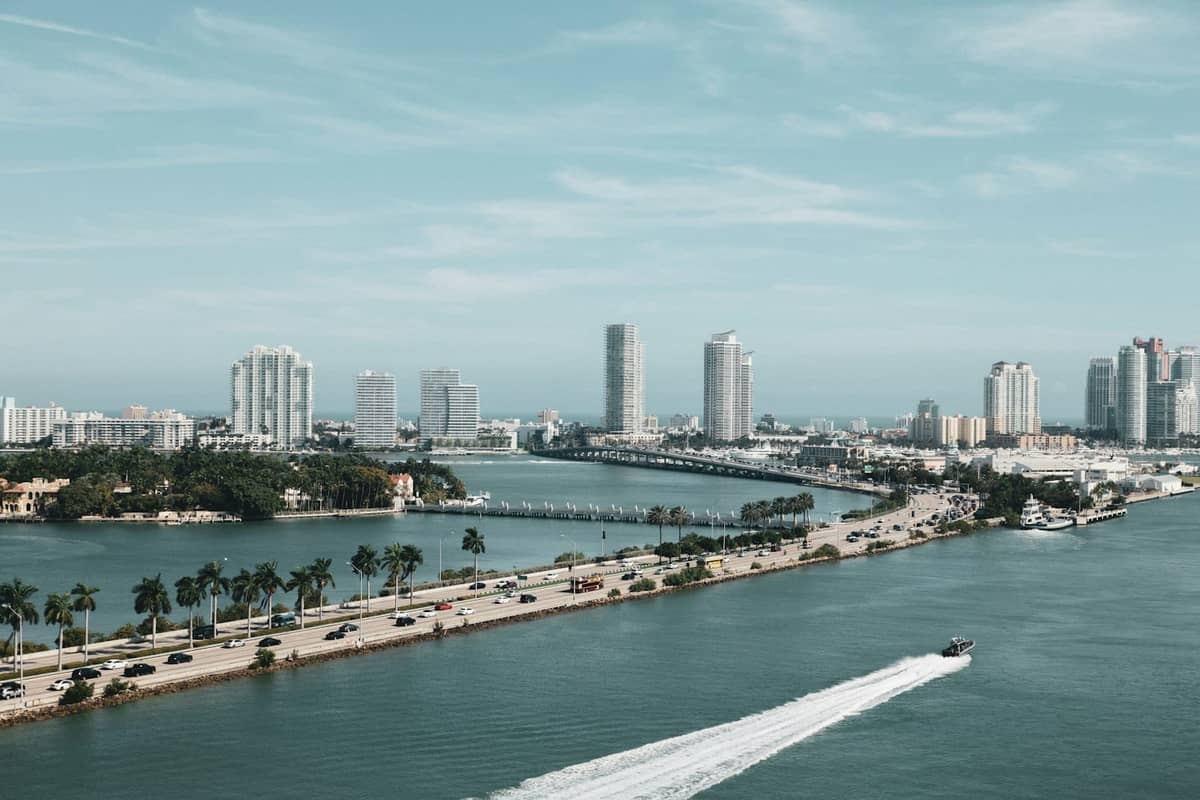
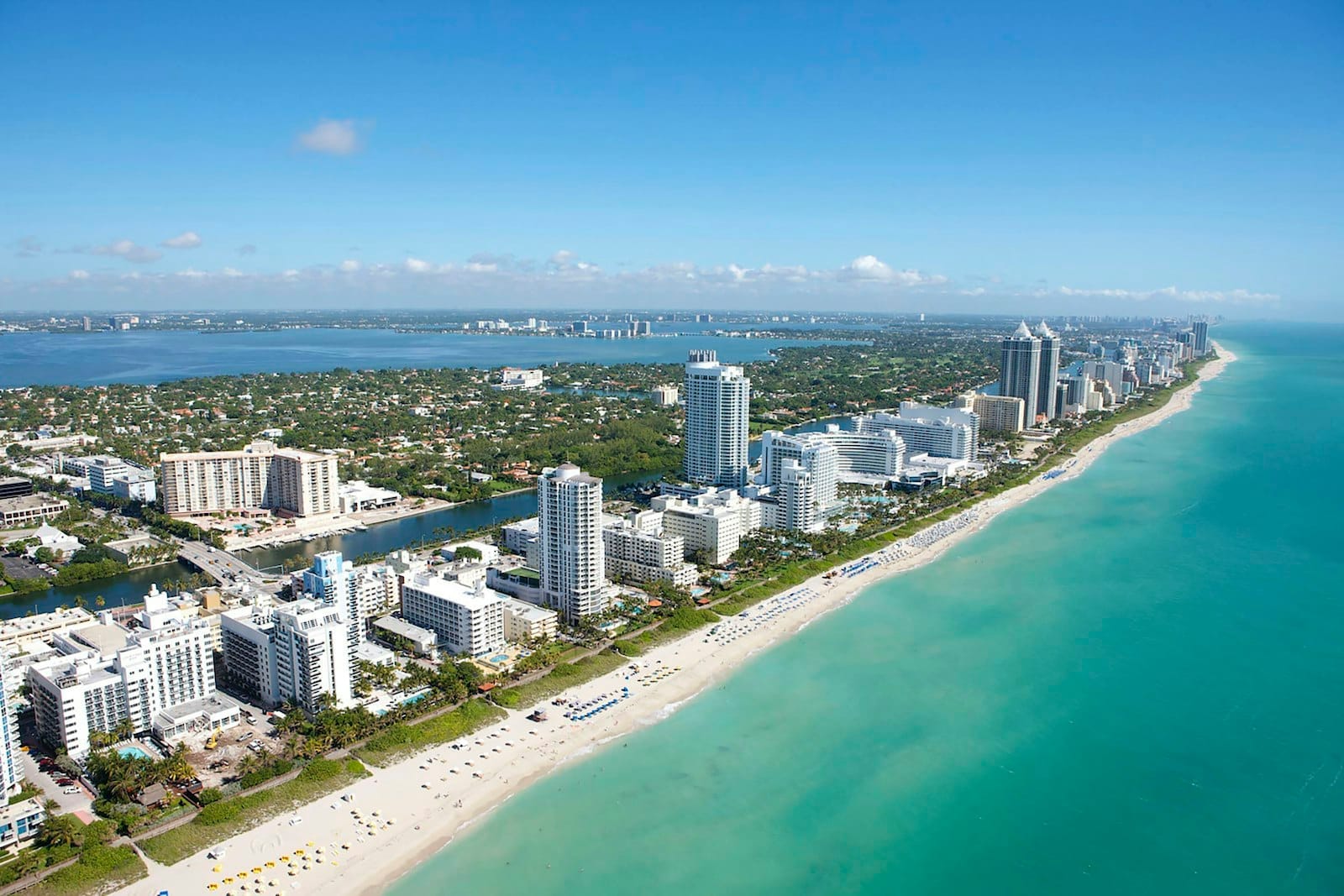
Miami sprawls across about 36 square miles of land, but first-timer priorities cluster into a few geographic zones: Miami Beach (the barrier island to the east), the mainland arts and culture neighborhoods (Wynwood, Little Havana), and Downtown plus Biscayne Bay. The smart move is to group each day by geography rather than bouncing across the city. Traffic on US-1 and the causeways can add 30 to 45 minutes to crossings that look trivially short on a map.
Most 3-day itineraries default to this structure: Day 1 on Miami Beach, Day 2 on the mainland arts neighborhoods, Day 3 on a day trip plus Downtown. It works because it front-loads the beach (useful if you're arriving from somewhere cold) and saves the cultural depth for when you're settled. If you're arriving via Miami International Airport (MIA), the Metrorail Orange Line connects directly to Downtown, which makes a beach-first Day 1 easy: check in, drop bags, take a cab or rideshare to South Beach.
💡 Local tip
Book your Everglades airboat tour (Day 3 morning) before you arrive. Quality operators sell out, especially November through April. Tours typically depart early — around 7:00–8:00 AM — and run 4 to 5 hours including transport. Budget around $60–90 per adult depending on the operator and what's included.
Day 1: South Beach and the Art Deco Historic District
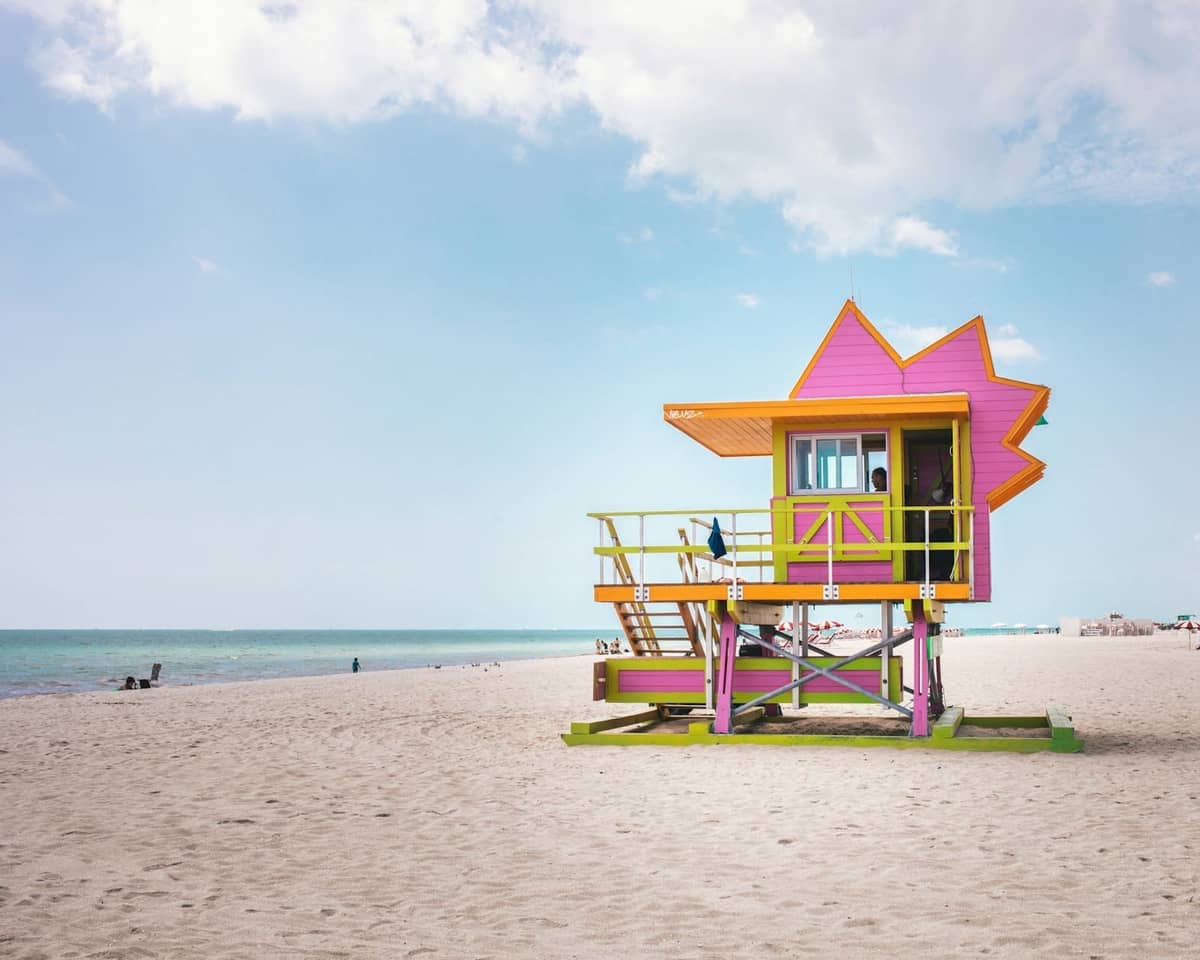
Start the morning at Lummus Park Beach, the wide stretch of sand between 5th and 15th Streets. Beach chair and umbrella rentals are available from vendors along the shore, so you don't need to bring gear. Arrive before 10:00 AM in summer to beat the heat; in winter (December through February), highs hover around 75–77°F (24–25°C) and the beach is comfortable all day.
After the beach, walk west one block to Ocean Drive and north along the Art Deco Historic District. The Miami Design Preservation League (MDPL) runs guided walking tours of the district, typically starting around $30–35 per adult — check their official site for current departure times and availability. The architecture spans roughly 10 blocks and represents one of the largest concentrations of Art Deco buildings in the world. Even without a guide, the facades between 10th and 14th Streets on Ocean Drive are self-explanatory if you've read the basics beforehand.
For lunch, move one block west to Española Way or walk north to Lincoln Road for more options. Mid-range lunch in this area runs $15–25 per person. Avoid the sit-down restaurants directly on Ocean Drive for meals — the food quality rarely matches the prices, and you're paying almost entirely for the view. Grab a coffee there if you want the atmosphere, but eat elsewhere.
Spend the afternoon at the Wolfsonian-FIU Museum (design and propaganda art from 1885–1945, genuinely surprising collection) or the Bass Museum for contemporary art. Both are within walking distance of Ocean Drive. End the evening on Lincoln Road Mall or at South Pointe Park for the skyline views at sunset.
⚠️ What to skip
Ocean Drive restaurants are a well-documented tourist trap. Servers sometimes approach pedestrians with menus and pressure tactics. The food is mediocre for the price. Eat one block inland on Collins Avenue or on Española Way for notably better value.
Day 2: Wynwood, the Design District, and Little Havana
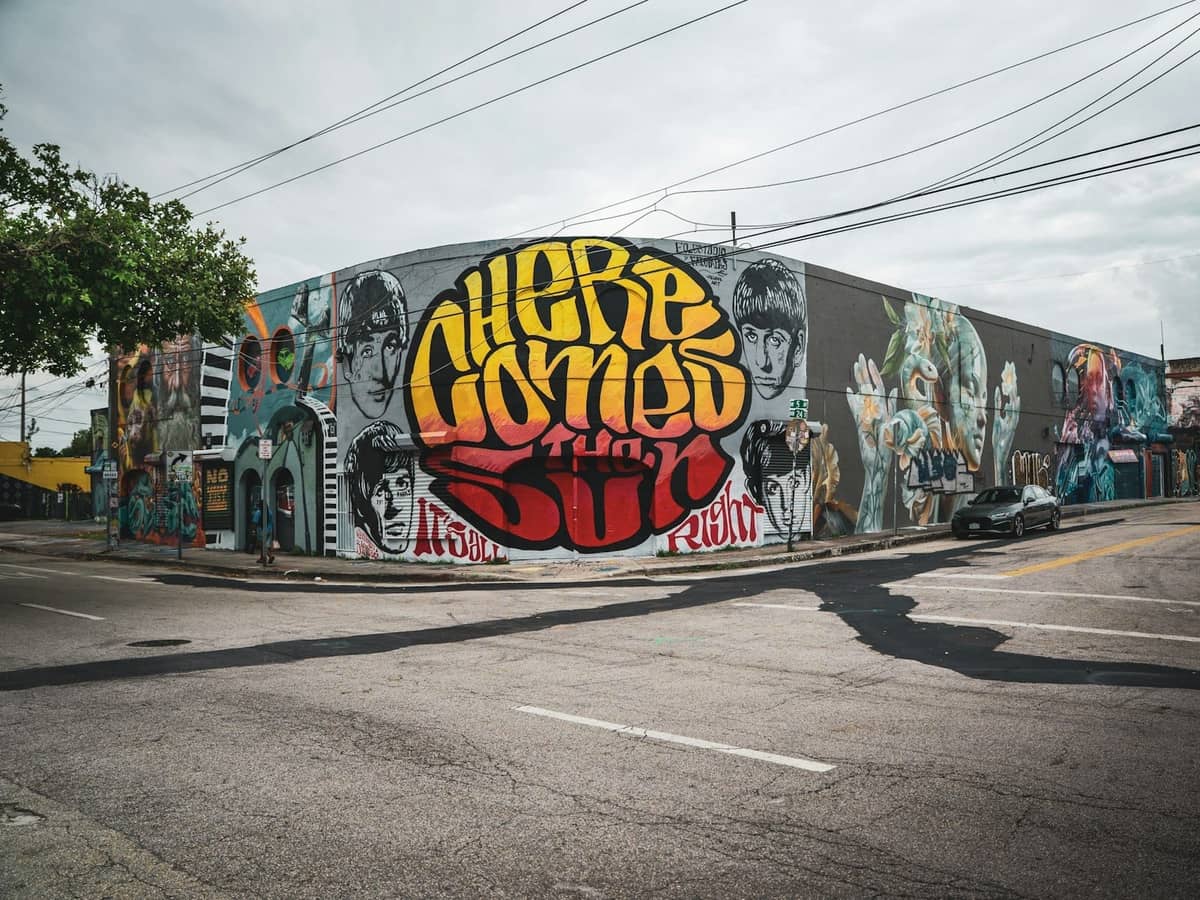
Day 2 belongs to Miami's mainland neighborhoods. Start in Wynwood — the former warehouse district that became an internationally recognized street art hub. The Wynwood Walls is the anchor: a curated outdoor museum of large-scale murals by artists from around the world. Admission applies (verify current pricing on the official site). Arrive when it opens to avoid crowds — by midday on weekends it gets congested.
After Wynwood, take a rideshare north to the Miami Design District for lunch and a walk through the galleries and design showrooms. The Design District is primarily a luxury retail and design destination, so it's more interesting for architecture and window-shopping than for budget meals. The Institute of Contemporary Art Miami (ICA) is free admission and consistently shows strong contemporary work — worth 45 minutes.
Afternoon: head southwest to Little Havana. The main artery is Calle Ocho (SW 8th Street). Watch a domino game at Maximo Gomez Park (Domino Park), try a Cuban espresso (around $1–2) at a ventanita window counter, and pick up a hand-rolled cigar from one of the local shops. For dinner, the neighborhood has solid Cuban restaurants serving ropa vieja, palomilla steak, and fresh-pressed Cuban sandwiches at prices that are significantly lower than South Beach — budget $15–20 per person for a full meal.
- Wynwood Walls Curated outdoor mural museum in the heart of the arts district. Verify current admission fees on the official Wynwood Walls site before visiting.
- ICA Miami Free contemporary art institution in the Design District. Small but consistently high-quality exhibitions.
- Calle Ocho The commercial spine of Little Havana. Walk it slowly — the ventanitas, murals, and storefronts reward attention.
- Domino Park Open-air park where local players gather for competitive domino matches. Spectators are welcome but keep noise low — this is a serious game.
- Tower Theater Miami Historic 1926 theater on Calle Ocho that now screens international and art-house films. The building itself is worth seeing.
Day 3: Everglades Morning, Then Downtown and Biscayne Bay
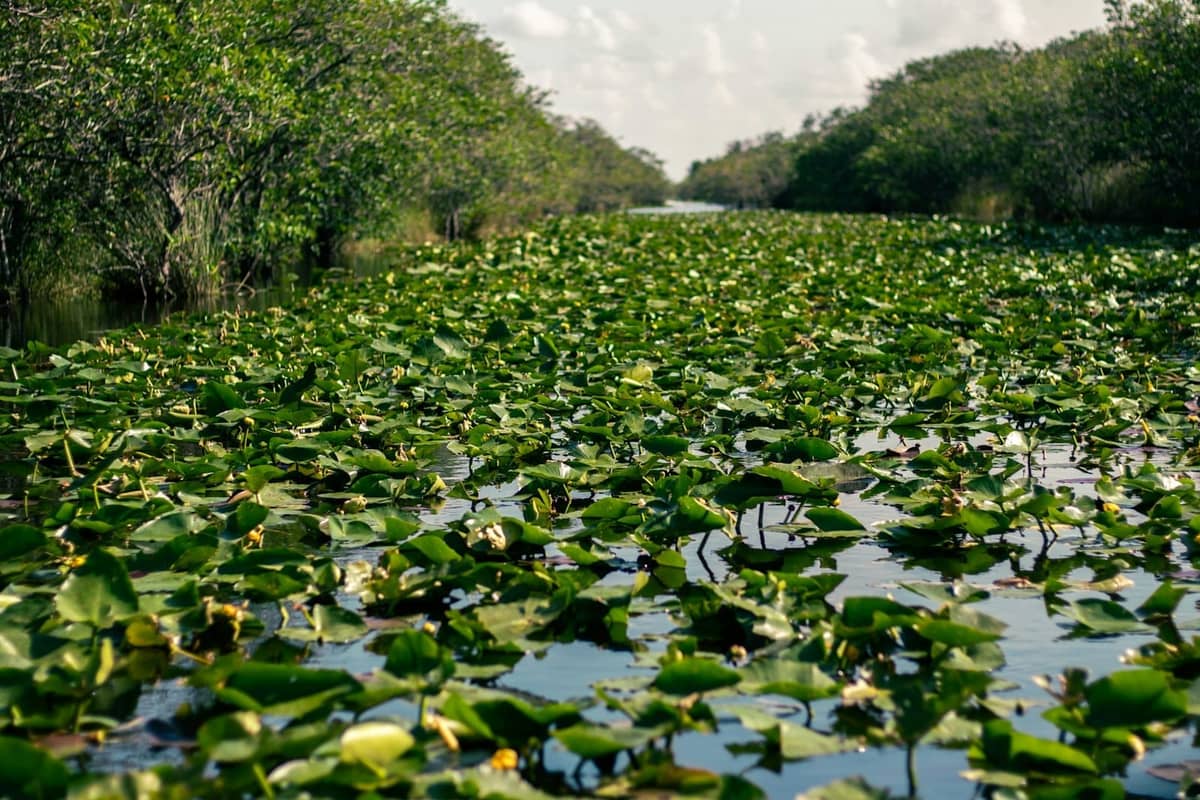
The Everglades are about 40 to 60 minutes from Downtown Miami, and a half-day airboat tour is one of the few South Florida experiences that genuinely cannot be replicated anywhere else. Tours typically run 4 to 5 hours including transport and include airboat rides through the sawgrass, wildlife spotting (alligators, herons, possibly manatees depending on season), and a brief introduction to the ecosystem. Prices typically start around $60–90 per adult depending on the operator; book through the operator's official site or a platform like Viator and confirm free cancellation in case of weather. Read the full Everglades from Miami guide for operator comparisons and logistics.
Return to the city by early afternoon and base yourself in Downtown Miami. The free Metromover loops through Downtown and Brickell — use it to cover ground without paying for rideshare. Walk to Bayside Marketplace on Biscayne Bay for a 60 to 90-minute bay cruise; the mansion and skyline tours depart regularly from the marina. Prices vary by operator — expect $25–40 per adult for a standard cruise.
If you have time before dinner, the Pérez Art Museum Miami (PAMM) sits directly on the bay at Museum Park and is one of the best fine art institutions in the Southeast. The building's hanging gardens and waterfront terrace are worth the visit even if you only have an hour. Nearby, the Phillip and Patricia Frost Museum of Science is the better choice if you're traveling with kids.
Getting Around: What Actually Works
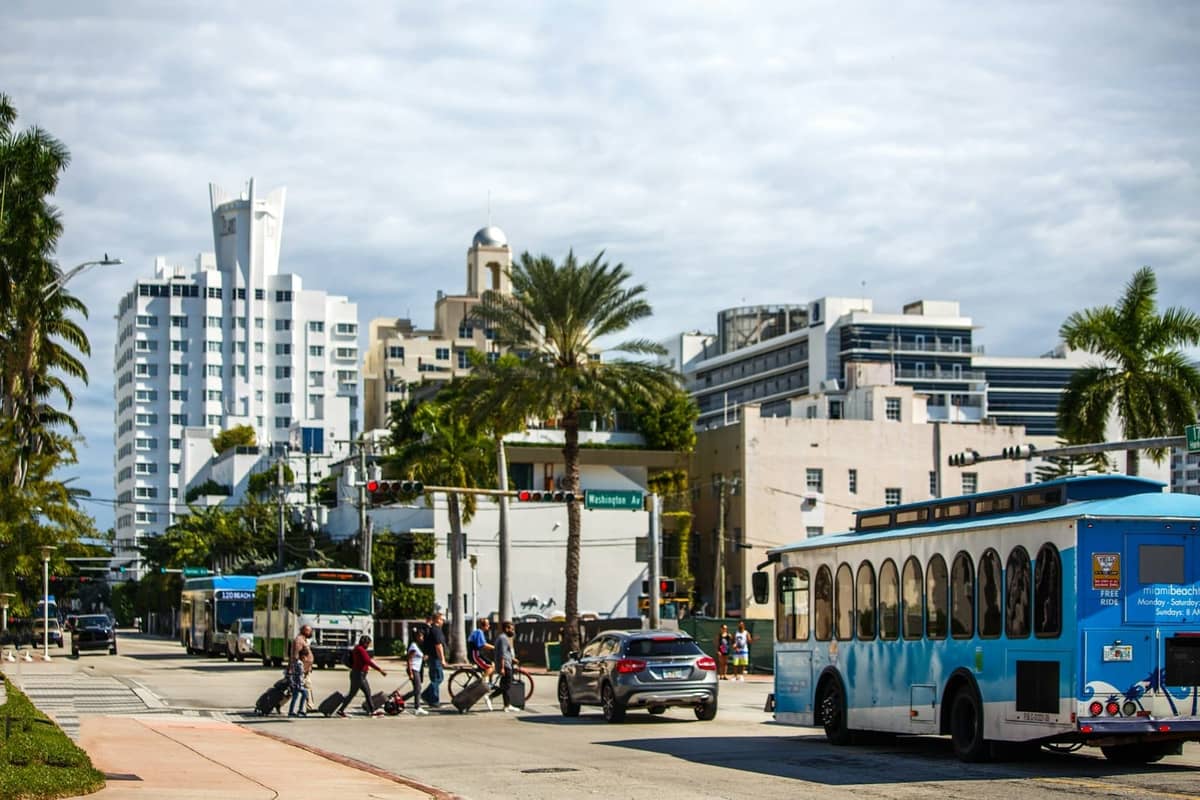
Miami's public transit is genuinely useful within specific corridors and close to useless outside of them. The Metromover is free and covers Downtown and Brickell efficiently. The Metrorail Orange Line connects Miami International Airport to Downtown (fare: $2.25 as of 2026 — verify current pricing on Miami-Dade Transit's site before your trip). Beyond those corridors, rideshare (Uber and Lyft both operate citywide and at MIA with designated pickup zones) is the practical default for most travelers.
For Miami Beach specifically, several free City of Miami Beach trolley routes run along Collins Avenue and Washington Avenue — useful for moving between South Beach and Mid-Beach without paying for a rideshare. The causeways between Miami Beach and the mainland take 10 to 20 minutes by car but are not walkable. The MacArthur Causeway (I-395/SR A1A) is one of the main connections. For a full breakdown of transit options, see the guide to getting around Miami.
- Metromover: Free, automated, covers Downtown and Brickell loops. Ideal for Day 3.
- Miami Beach Trolley: Free, runs along Collins and Washington Avenues on Miami Beach. Good for Day 1 movement.
- Metrorail: Connects MIA to Downtown. Use it on arrival to avoid taxi/rideshare surge pricing.
- Uber/Lyft: Best for cross-causeway trips and neighborhood-hopping on Day 2. Budget $12–20 per trip depending on distance and time of day.
- Walking: South Beach (Lincoln Road to South Pointe), Wynwood, and Calle Ocho are all walkable within each zone.
✨ Pro tip
Renting a car for 3 days in Miami is not recommended unless you're planning to self-drive the Everglades. Parking in South Beach runs about $4 per hour at municipal pay-by-phone zones and meters (higher in peak season), and valet at restaurants often adds $10–15. Between parking costs and traffic, rideshare usually comes out ahead for short trips.
Budget, Timing, and Practical Basics
Miami is not a cheap city. Hotel prices in South Beach and Brickell fluctuate dramatically by season: peak season (December to April) commands significantly higher rates than summer. Book accommodations well in advance if your trip falls during Art Basel Miami Beach (early December) or Miami Music Week (March). The where to stay in Miami guide breaks down neighborhoods and price ranges in detail.
For meals, budget roughly $10–15 per person for breakfast at a local cafe, $15–25 for casual lunch, and $25–50+ for dinner depending on the neighborhood and restaurant type. Little Havana and Wynwood food halls skew lower; South Beach and Brickell skew higher. Tipping is standard at 18–20% of the pre-tax bill at sit-down restaurants. The U.S. uses 120V Type A/B electrical outlets — international travelers should bring an adapter. Tap water throughout Miami-Dade is safe to drink and meets EPA standards. The emergency number is 911. For a broader look at costs, see Miami on a budget.
- Best weather window December to April: dry season, average highs of 76–85°F (24–29°C), low humidity. The peak tourist season, so expect higher hotel prices and more crowded beaches.
- Summer (June–August) Highs of 89–91°F (32–33°C) with high humidity and afternoon thunderstorms most days. Beach in the morning, museums or malls in the afternoon.
- Hurricane season June 1 to November 30. Most visitors have uneventful trips, but check forecasts during this window and consider travel insurance.
- Shoulder months October–November and May offer a balance of lower prices and tolerable weather, with fewer crowds than winter peak.
FAQ
Is 3 days enough time to see Miami?
Three days covers the core highlights — South Beach and Art Deco, Wynwood and Little Havana, and a half-day Everglades excursion — without feeling rushed. You won't see everything (Coconut Grove, Coral Gables, Key Biscayne, and Mid-Beach all deserve more time), but 3 days gives you a complete and satisfying introduction if you plan by geography and don't try to cram too many neighborhoods per day.
What is the best time of year for a 3-day Miami trip?
December through April is the ideal window: dry weather, comfortable temperatures (76–85°F/24–29°C), and low humidity. The trade-off is higher hotel prices and more crowds. October–November and May are solid alternatives with fewer tourists and lower rates, though you'll encounter more rain. Summer works but requires adjusting your schedule around afternoon thunderstorms.
Do I need a car to do a 3-day Miami itinerary?
Not for the core itinerary. The free Metromover covers Downtown and Brickell, free Miami Beach Trolleys run along Collins and Washington Avenues, and Uber/Lyft handle cross-causeway trips efficiently. The one exception is the Everglades — most visitors book a guided tour with transport included rather than self-driving. If you plan to self-drive the Everglades or visit Coral Gables independently, a rental car for Day 3 makes sense.
How much does a 3-day Miami trip cost?
It varies widely. Budget travelers staying in hostel dorms or budget hotels and eating at food halls and local spots can manage around $150–200 per day including accommodation. Mid-range travelers in a decent South Beach or Brickell hotel, eating at proper restaurants, and doing paid activities (Art Deco tour, Everglades tour, bay cruise) should budget $300–500 per day. Peak season hotel rates and Art Basel week can push costs significantly higher.
Can I visit the Everglades as a day trip from Miami?
Yes. Most guided Everglades airboat tours from Miami run 4 to 5 hours including transport and depart early morning. The Everglades are roughly 45–60 minutes from Downtown Miami. For a half-day excursion on Day 3, this is very manageable — you'll be back in the city by early afternoon. Self-driving to Everglades National Park's Royal Palm or Anhinga Trail areas is also feasible; the entrance is about 40 miles southwest of Downtown Miami.