Best Time to Visit Miami: A Month-by-Month Guide
Miami is a year-round destination, but timing your trip makes a real difference. This guide breaks down every month by weather, crowd levels, hotel prices, and key events so you can pick the window that fits your priorities, whether that's perfect beach weather, low-cost flights, or catching a major festival.

Plan and book this trip
Tools from our partner Travelpayouts help you compare flights and hotels. If you book through them, we may earn a commission at no extra cost to you.
Flights
Hotels map
TL;DR
- December through April is the best time to visit Miami for weather: highs around 76–85°F (24–29°C), low humidity, and minimal rain.
- January to March is peak season with the highest prices and crowds; book hotels 2–3 months in advance.
- August and September offer the cheapest flights and hotels but come with intense heat, heavy rain, and the highest hurricane risk.
- May and October are strong shoulder months: decent weather, lower prices, and thinner crowds. See our Miami weather guide for seasonal forecasts.
- Hurricane season runs June 1 through November 30. Risk peaks in late August and September.
Miami's Climate at a Glance
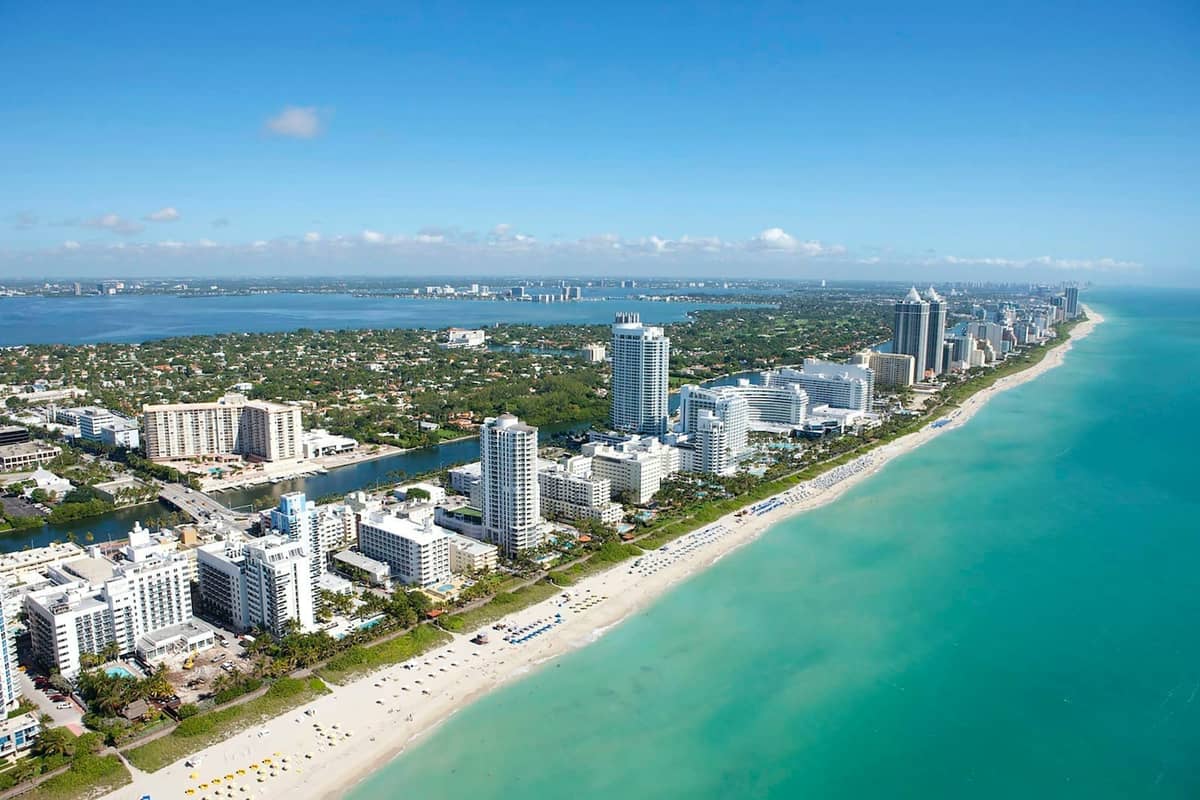
Miami has a tropical monsoon climate (Köppen Am), which means two very distinct seasons: a dry season from roughly November through April, and a wet season from May through October. Temperatures stay warm year-round. Even in the coolest months of December and January, daytime highs average around 76–78°F (24–26°C). The city sits at about 6 feet above sea level on Biscayne Bay, and the Atlantic Ocean and Gulf Stream currents keep temperatures from dropping sharply at night.
The real variable is not temperature but humidity and rain. From June through September, heat indices regularly exceed 100°F (38°C), afternoon thunderstorms roll in almost daily, and the air is thick with humidity from morning onward. Compare that with February, when you can sit on a restaurant terrace at 8pm in a light jacket and not break a sweat. Understanding that gap is the key to planning a trip that matches your expectations.
- Winter (Dec–Feb) Highs 76–78°F (24–26°C), lows 60–63°F (16–17°C). Dry, sunny, low humidity. Peak tourist season.
- Spring (Mar–May) Highs 79–85°F (26–29°C), lows 64–72°F (18–22°C). Rain picks up in May. Spring Break crowds March–April.
- Summer (Jun–Aug) Highs 89–91°F (32–33°C), lows 76–78°F (24–26°C). Daily thunderstorms, high humidity. Cheapest prices.
- Autumn (Sep–Nov) Highs 85–89°F (29–32°C), lows 72–76°F (22–24°C). Hurricane risk through November; conditions improve by late October.
⚠️ What to skip
Hurricane season officially runs June 1 to November 30. The statistical peak is around September 10. If you travel between August and October, buy travel insurance that covers trip cancellation due to named storms. Not all standard policies do.
Peak Season: December Through April
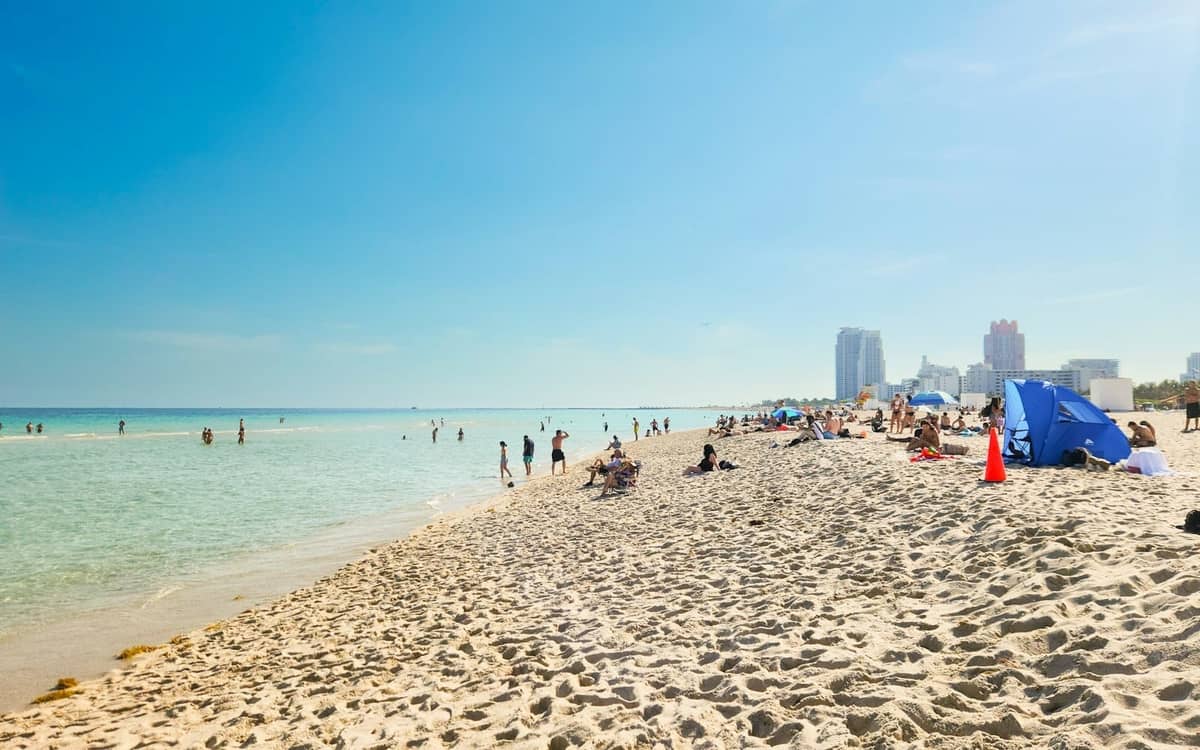
This is the window most travelers are aiming for, and the reasons are straightforward. Rain is rare, humidity is low by Miami standards, and the temperatures are ideal for spending time outdoors. January and February are the statistical sweet spot: comfortable enough for hours on the beach without the brutal midday heat of summer, and cool enough at night that the city's outdoor dining and bar culture feels genuinely pleasant rather than sweaty.
The trade-off is price and crowds. Miami's peak season coincides with the North American winter escape, so hotels in South Beach and Brickell charge their highest rates from January through March. Art Basel Miami Beach in early December compresses hotel availability across the entire city and drives nightly rates to a premium. Spring Break (mid-March through mid-April) brings a younger, louder crowd to South Beach specifically, which changes the atmosphere considerably.
December deserves its own mention. The first two weeks are dominated by Art Basel and Miami Art Week, arguably the city's biggest cultural moment of the year. If you have any interest in contemporary art, design, or the parties and pop-ups that orbit the fair, it is worth the premium pricing. The last two weeks of December shift toward families and holiday travelers, with hotel rates remaining high but the Art Basel circus gone.
- Art Basel Miami Beach: early December. Book hotels at least 8–10 weeks ahead.
- Miami International Boat Show: typically mid-February, with events based around the Miami Beach Convention Center and venues around Biscayne Bay and Downtown Miami.
- Spring Break peak: mid-March through mid-April. Expect packed beaches and lively nightlife around South Beach.
- Ultra Music Festival: typically late March in Bayfront Park, attracting large international crowds.
- Miami Open (tennis): late March through early April, held at Hard Rock Stadium in Miami Gardens.
💡 Local tip
If you want peak-season weather without peak-season pricing, target late November or very early December before Art Basel begins. Crowds are thin, hotels are transitioning from off-season rates, and the weather is already dry and comfortable.
Shoulder Season: May and October

These two months are underrated. May still catches the tail end of dry conditions in the first two weeks before the wet season properly kicks in, and temperatures are warm but not yet brutal. October is the reverse: the wet season is winding down, hurricane risk is fading, humidity is dropping, and you can often find genuinely good hotel deals with crowds well below the winter peak. For travelers interested in visiting Miami on a budget, October in particular offers a compelling mix of reasonable prices and decent weather.
The honest caveat for May: the second half of the month is genuinely wet. Afternoon thunderstorms are already common by late May, and the humidity has climbed noticeably from March. Plan outdoor activities for mornings and accept that afternoons may get rained out. For October, keep an eye on the National Hurricane Center through mid-month. The Atlantic season does not shut down on October 1, and late-season storms are not unheard of.
Low Season: June Through September
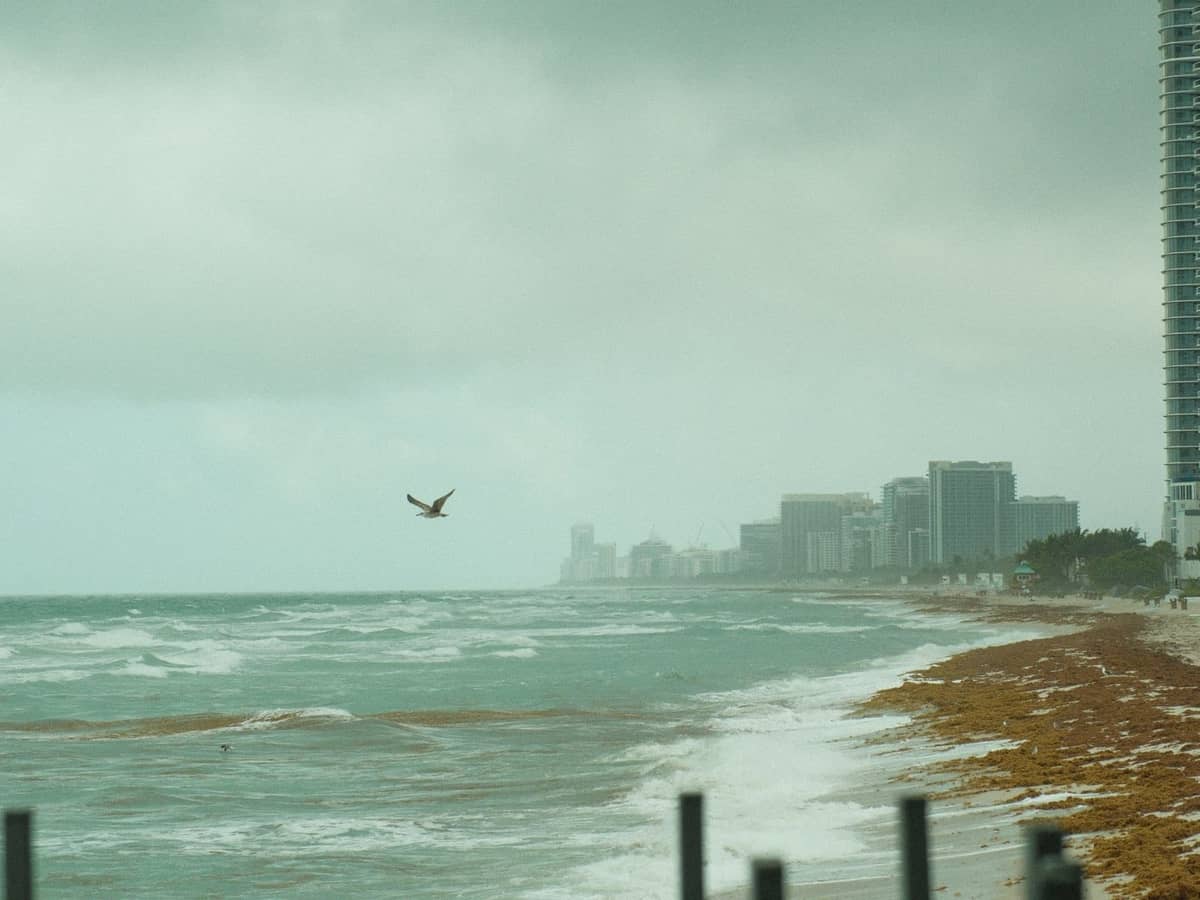
This is Miami at its cheapest and most raw. August and September are widely identified as the months with the lowest hotel rates and flight prices of the year. The heat is serious: daily highs of 89–91°F (32–33°C) combined with humidity that makes it feel significantly hotter. Afternoon thunderstorms are nearly guaranteed, often arriving between 3pm and 6pm. Mornings can be beautiful, and locals know to structure their day accordingly: beach or outdoor activities before noon, indoor activities or air-conditioned restaurants in the afternoon, back outside after the storms clear in the early evening.
This is also hurricane season's most active stretch. August and September account for the majority of significant Atlantic storm activity, and Miami has a documented history of direct and near-miss impacts. That does not mean a storm will hit during your trip, but it does mean you should have a plan and travel insurance. For those undeterred, summer does have genuine appeal beyond low prices: summer is when locals are most present, rooftop pools are in full use, and the Miami nightlife scene operates with a different energy than the tourist-heavy winter months.
✨ Pro tip
If you visit in summer, structure your days like a local: outdoor activities before 11am, lunch somewhere air-conditioned, an indoor attraction like the Pérez Art Museum or Frost Science Museum in the afternoon, then outdoor dining and activities after 7pm when temperatures drop and breezes pick up along the waterfront.
One event worth noting for summer: Miami Swim Week typically takes place in early to mid-July, drawing designers, models, and media to South Beach. It does not create the same citywide pressure as Art Basel, but South Beach hotels see a noticeable uptick in rates that week.
Month-by-Month Summary
- January Best weather of the year. High demand, high prices. Ideal for beach trips, outdoor dining, and water sports.
- February Equally excellent weather. Miami International Boat Show mid-month. Strong crowds but worth it for first-time visitors.
- March Still great weather. Spring Break begins mid-month. Prices stay high. Ultra Music Festival in late March.
- April Warmer and slightly more humid by late April. Spring Break winds down, shoulder pricing starts to emerge.
- May Early May still pleasant. Rain picks up in the second half. Lower prices than winter. Good for budget-conscious travelers who can handle some afternoon showers.
- June Wet season begins. Daily afternoon thunderstorms. Prices drop noticeably. Heat and humidity are high but manageable with the right strategy.
- July Full summer conditions. Miami Swim Week in late July. Some of the year's best hotel deals outside of that event week.
- August Hottest, most humid month. Lowest prices of the year. Peak hurricane season begins. Best value for budget travelers comfortable with the conditions.
- September Cheapest month overall. Absolute peak of hurricane season. Not recommended without travel insurance covering storm disruption.
- October Gradual improvement. First half still wet and warm, second half noticeably more comfortable. Good shoulder deals available.
- November Dry season begins to establish itself. Prices start rising ahead of winter season. Late November is a sweet spot: good weather, moderate pricing.
- December Art Basel (early December) drives premium pricing across Miami. Mid-to-late December brings holiday travelers and high hotel rates, but weather is excellent.
How to Match Your Trip to Your Priorities
The best time to visit Miami is not a single answer. It depends on what matters most to you. Travelers optimizing purely for weather should book January or February. Travelers optimizing for price should look at August or September but genuinely need to read their travel insurance policy first. Travelers who want the best balance of good weather and manageable costs should target late November or October.
Families with school-age children are often constrained to school holidays, which fall in peak season almost by definition. If that is your situation, focus your budget on accommodation and look at free and low-cost activities in Miami to offset the higher hotel rates. Spring Break crowds are not ideal for families with young children; the last week of March and first week of April tend to be calmer than the peak week.
Event-driven travelers should build their calendar around specific dates. The Art Basel Miami Beach guide covers what to expect during that intense first week of December. The Calle Ocho Festival in Little Havana typically falls in March and draws massive crowds to one of Miami's most culturally significant neighborhoods.
FAQ
What is the best month to visit Miami?
January and February consistently offer the best combination of weather and visitor experience: daytime highs around 76–78°F (24–26°C), low humidity, minimal rain, and the full range of outdoor activities. The downside is that these are also the most expensive months. If budget matters, late November is nearly as good weather-wise at lower prices.
When is Miami cheapest to visit?
August and September have the lowest hotel rates and flight prices of the year. The trade-off is significant: these months are the hottest, most humid, and most rain-prone, and they fall in the peak of Atlantic hurricane season. Travel insurance that covers tropical storm disruption is strongly recommended.
Is Miami worth visiting in summer?
Yes, with realistic expectations. Summer in Miami means daily afternoon thunderstorms, high heat, and humidity. Mornings can be beautiful, and the lower prices and thinner tourist crowds have genuine appeal. Structure activities before noon and after 7pm, use air-conditioned venues in the afternoon, and you can have a great trip for significantly less money than in winter.
How bad is hurricane season in Miami?
The Atlantic hurricane season runs June 1 to November 30, with the statistical peak around September 10. Miami has historically experienced direct hits and significant impacts, but most years pass without a major storm affecting the city directly. The risk is real enough to warrant travel insurance covering named-storm cancellations, but it should not automatically rule out travel during this period.
When does Miami get crowded?
Peak crowds run from late December through early April. Art Basel in early December creates a brief but intense surge. Spring Break (mid-March through mid-April) fills South Beach specifically with a younger crowd and a louder atmosphere. August and September are the least crowded months by a significant margin.