Calle Ocho Festival: Miami's Biggest Street Party
Held each March in Little Havana, the Calle Ocho Music Festival draws roughly one million people to a single mile of SW 8th Street for free live music, 300+ food vendors, and a full day of Latin culture. Here's how to make the most of it.
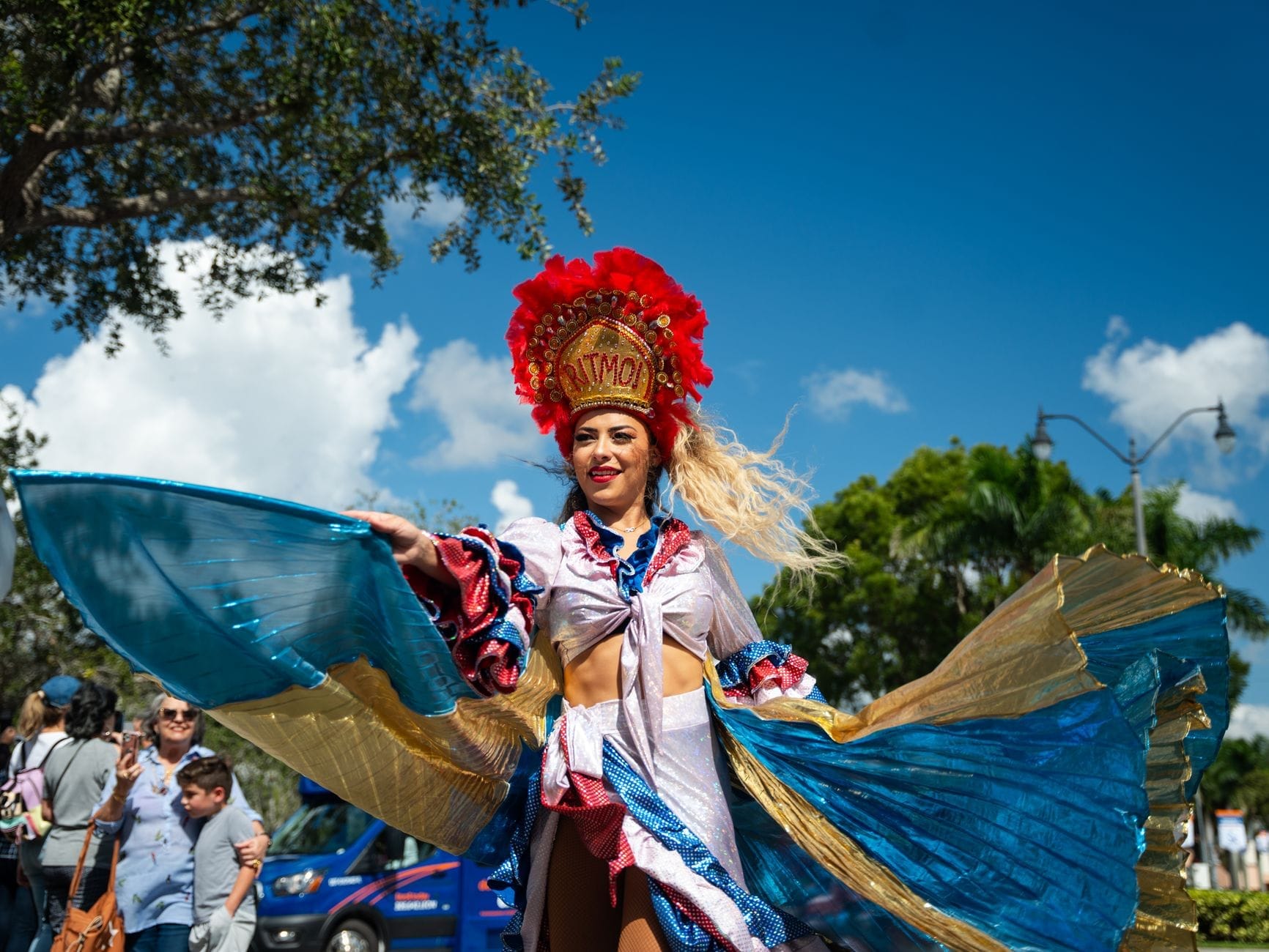
Plan and book this trip
Tools from our partner Travelpayouts help you compare flights and hotels. If you book through them, we may earn a commission at no extra cost to you.
Flights
Hotels map
TL;DR
- Calle Ocho is a free, one-day street festival held every March in Little Havana, closing out the broader Carnaval Miami series.
- The 2026 edition is Sunday, March 15, 11:00–19:00; the 2027 edition is already set for March 14, 2027.
- The event spans 15 blocks of SW 8th Street from SW 12th Ave to SW 27th Ave, with 10+ music stages covering salsa, reggaeton, bachata, and more — explore the Calle Ocho corridor before or after the festival for a deeper look at Little Havana.
- General admission is completely free with no ticket required; VIP lounges and backstage passes are sold separately through the official Carnaval Miami site.
- Arrive before noon to beat peak crowds, take public transit or rideshare, and pair the day with a Little Havana neighborhood visit for context beyond the festival footprint.
What Is the Calle Ocho Festival and Why Does It Matter?
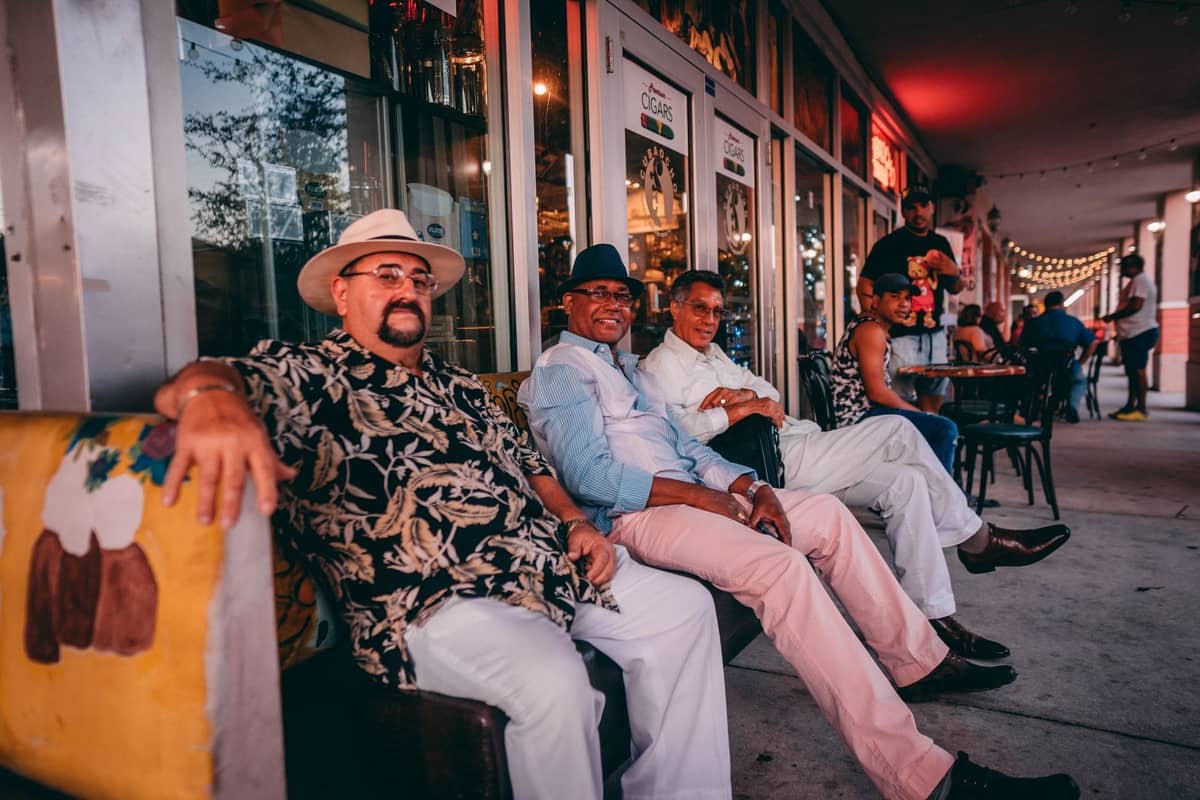
The Calle Ocho Music Festival is, by most measures, the largest street party in the United States. It closes out Carnaval Miami, a multi-week cultural series that typically runs through late February and March. The festival itself is compressed into a single Sunday, which is part of what makes it so intense: roughly one million people descend on approximately one mile (about 15 city blocks) of SW 8th Street in Little Havana between 11:00 and 19:00.
The event has roots going back to 1978, when it was launched by members of the Kiwanis Club of Little Havana as a neighborhood celebration of Cuban culture. It has since grown into a showcase for Latin American and Caribbean cultures broadly, featuring artists and food traditions from across the region. That origin story matters because Little Havana is not just a backdrop here — the neighborhood's identity is woven into every block of the festival, from the domino games at Domino Park to the croqueta vendors and the Tower Theater just steps away.
ℹ️ Good to know
A common misconception: Calle Ocho is not a multi-day festival. It is a single Sunday event. The surrounding Carnaval Miami series includes other events across February and March, but the street festival itself runs one day only, 11:00–19:00.
Dates, Location, and Festival Layout
The 2026 edition takes place on Sunday, March 15, 2026, from 11:00 to 19:00. The 2027 edition is already confirmed for March 14, 2027. Both dates follow the consistent pattern of a mid‑March Sunday, so if you're planning far ahead, that's the window to target.
The festival occupies SW 8th Street from SW 12th Avenue to SW 27th Avenue — roughly 15 city blocks, about one mile end to end. All streets within the festival zone are closed to vehicle traffic for the day. The layout runs in a linear corridor, which means there's no way to cut across; you walk the length and double back. This sounds simple but has real practical implications when crowds peak around mid-afternoon.
- SW 12th–14th Ave area Eastern entry point; typically less crowded at opening. Good starting point if you want to warm up before the main crowds arrive.
- SW 17th–20th Ave area Mid-festival zone with the highest concentration of major stages and food vendors. Expect peak congestion here from roughly 13:00–17:00.
- SW 24th–27th Ave area Western end of the corridor; often slightly less crowded than the center sections and a logical exit point toward parking or rideshare pickup.
💡 Local tip
The festival runs west from SW 12th to SW 27th. If you enter from the eastern end near SW 12th Avenue before 12:00, you can walk the full corridor at a reasonable pace before the bulk of the million attendees arrive. By 14:00, mid-block navigation becomes very slow.
Music, Entertainment, and Food
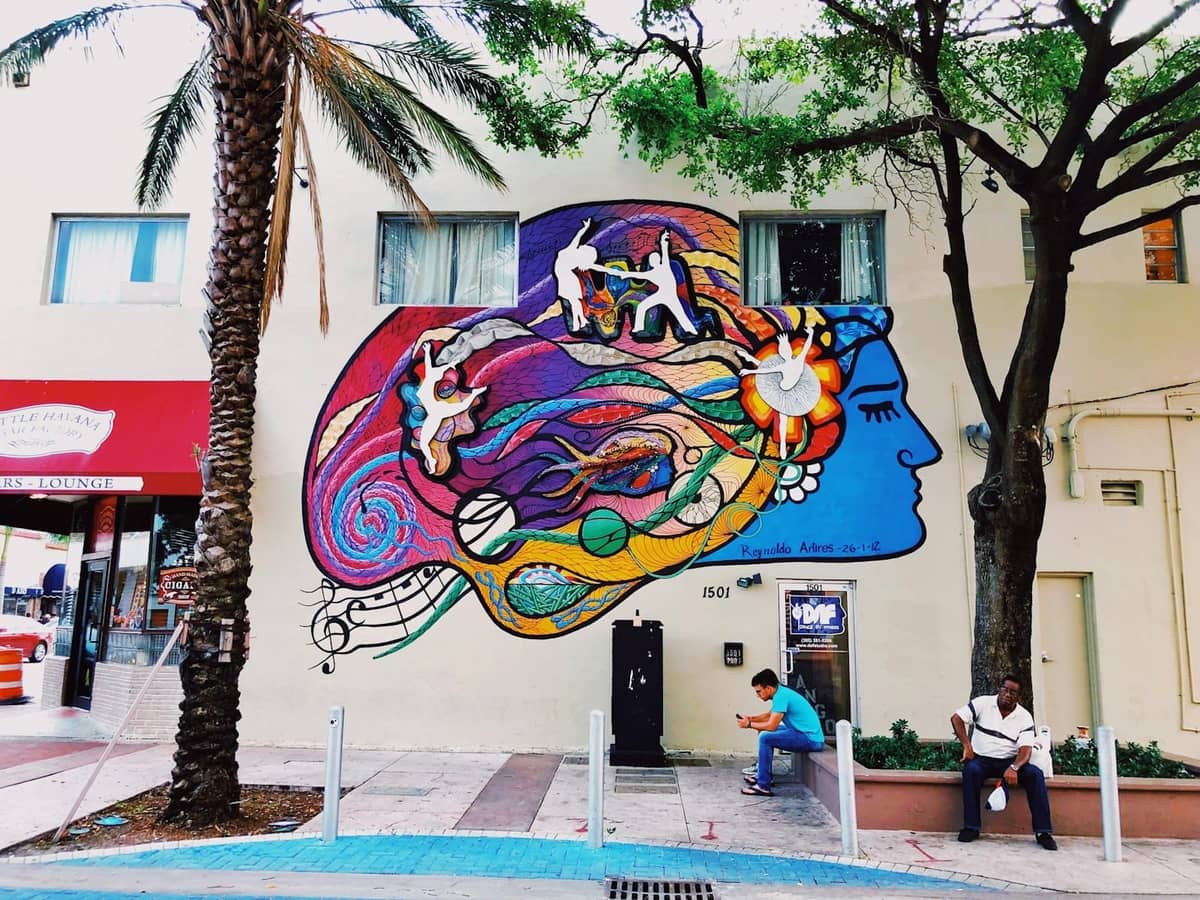
Around 10 live music stages run simultaneously across the festival footprint, each anchored to a different Latin genre or subculture. Salsa, reggaeton, bachata, cumbia, and merengue all get dedicated programming. The lineup changes each year and is announced through the official Carnaval Miami channels in the weeks before the event. Major regional acts and occasional international headliners feature on the larger stages; local Miami-based artists tend to dominate the smaller community stages.
Beyond music, the festival includes folkloric dance performances, cultural exhibits, and art installations. There are also competitive eating contests — El Croquetazo (croqueta eating) and Cubano Wars (Cuban sandwich competition) are recurring crowd favorites. Family activity zones with kid-friendly programming run throughout the day, making this one of the few events at this scale that genuinely works for all ages.
Food is a serious draw. More than 300 food vendors line the corridor, with Cuban food dominating but by no means monopolizing the offerings. Expect croquetas, Cuban sandwiches, ropa vieja, tostones, empanadas, and fresh sugarcane juice alongside Venezuelan, Colombian, Puerto Rican, and other Latin American specialties. For a deeper look at what to eat in the neighborhood beyond festival day, the Miami Cuban food guide covers the best year-round spots on and around Calle Ocho.
✨ Pro tip
Bring cash. Many vendor stalls at Calle Ocho are cash-only, and ATM lines get long once the afternoon crowds peak. Withdraw $40–$80 before you arrive and carry a small amount in a secure pocket. The heat and crowd density also make pickpocketing a real concern — leave expensive jewelry and unnecessary valuables at your accommodation.
Admission, VIP Options, and What Things Actually Cost
General admission is free. No ticket, no registration, no wristband required. You walk up, you're in. This is genuinely unusual for an event of this size and is a deliberate choice by the organizers to keep the festival accessible to the Little Havana community that hosts it.
VIP packages are sold separately through the official Carnaval Miami website and typically include access to shaded lounge areas, dedicated restrooms, premium bar service, and backstage access at select stages. Pricing for VIP tiers varies by year, so check carnavalmiami.com directly for current options. If you're attending with a group and the idea of a private shaded space with shorter bathroom lines sounds appealing after hour four in the Miami sun, VIP is worth considering. For solo travelers or budget-conscious visitors, the free general admission experience is complete and rewarding on its own.
- General admission: Free, no registration needed
- VIP lounge access: Sold through Carnaval Miami official site (verify current pricing before attending)
- Food and drinks: Budget $20–$50 depending on how much you eat and drink
- Rideshare to/from Little Havana: Fares vary by distance and demand — prices surge after 19:00 when the event ends
Getting There, Getting Around, and Getting Out
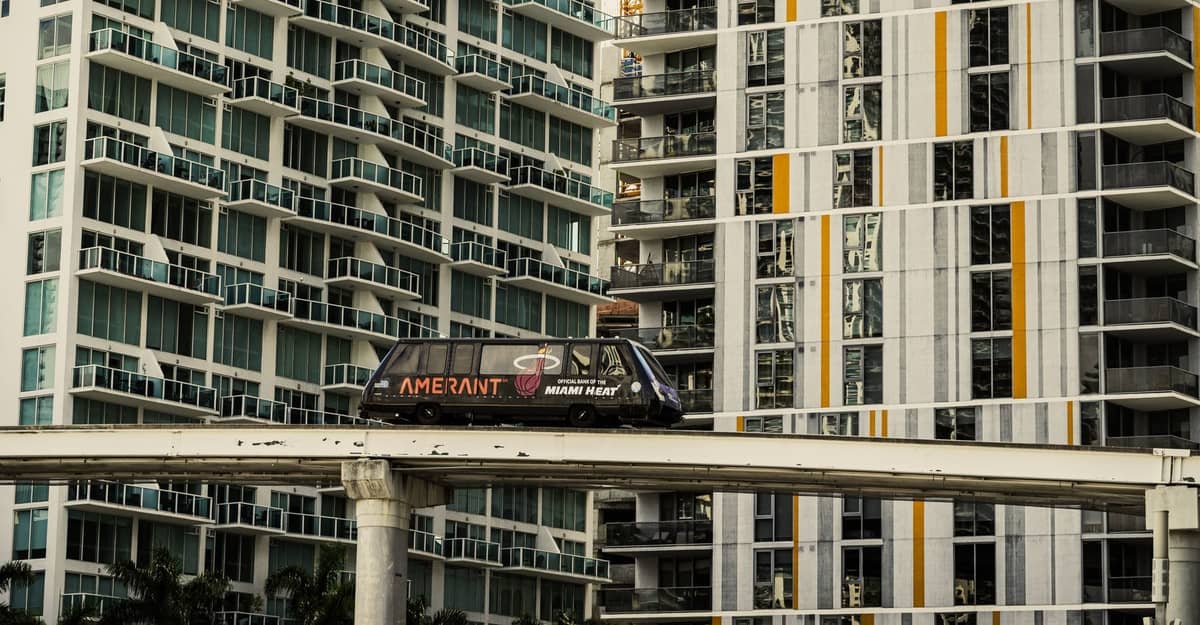
With roughly one million people attending a roughly one-mile, 15‑block stretch of street, transportation is the single biggest logistical challenge of the day. Driving and parking near the festival footprint is strongly discouraged. Streets in the festival zone are closed, surrounding streets fill with unofficial parking, and the post-event traffic grid-locks for hours.
The most practical approaches are rideshare and Miami-Dade Transit. Uber and Lyft operate throughout Miami and can drop you a few blocks from the festival perimeter — request a drop-off on SW 8th Street at SW 12th Ave (eastern end) or SW 27th Ave (western end) rather than trying to get inside the closed zone. Miami-Dade Metrobus routes serve the Calle Ocho corridor; check the Miami-Dade Transit site for festival-day service information closer to the date. For a full overview of transit options across the city, the getting around Miami guide covers Metrorail, Metrobus, and rideshare logistics in detail.
Exiting after the 19:00 close is when things get genuinely difficult. Rideshare surge pricing kicks in immediately as one million people simultaneously request cars. The most experienced attendees either leave by 18:00 to avoid the worst of the surge, walk 10–15 minutes away from the festival perimeter before requesting a ride, or plan to stay in the neighborhood for dinner and wait for the crowds to thin.
Practical Survival Tips for First-Timers
March in Miami means daytime highs typically in the upper 70s to low 80s Fahrenheit (around 25–28°C), with moderate humidity and strong afternoon sun. This is genuinely pleasant weather by most standards, but eight hours in full sun on a crowded street is a different experience than a beach afternoon. Sunscreen, sunglasses, and a hat are not optional accessories.
- Wear comfortable shoes — you'll walk the full mile multiple times
- Arrive between 10:30 and 11:30 for the best crowd conditions and easiest movement
- Bring a refillable water bottle; hydration stations are available but water vendor lines get long
- Wear light, breathable clothing — the dress code is casual and the heat is real
- Designate a meeting point at a specific cross street before you split up; phone signal can be unreliable with this many people in one area
- Apply sunscreen before you arrive and carry a travel-size bottle for reapplication
- Keep phones charged; a portable battery pack is useful
If you're visiting Miami specifically for the festival and want to see more of the city, the timing is excellent. March sits in the heart of Miami's dry season — the period from roughly November through April when rainfall is low and humidity is manageable. Pair the festival with a day at the Vizcaya Museum and Gardens or a morning on the Miami Beach Boardwalk before the Sunday festival. For broader itinerary ideas, the 3 days in Miami itinerary builds naturally around a March visit.
⚠️ What to skip
The Calle Ocho Festival draws around one million people to a linear mile. Bringing strollers or wheelchairs into the mid-block areas during peak hours (13:00–17:00) is extremely difficult. If you're attending with young children or have mobility considerations, plan to arrive early, stick to the less congested eastern or western ends of the corridor, and exit before the mid-afternoon peak.
Before and After the Festival: Exploring Little Havana
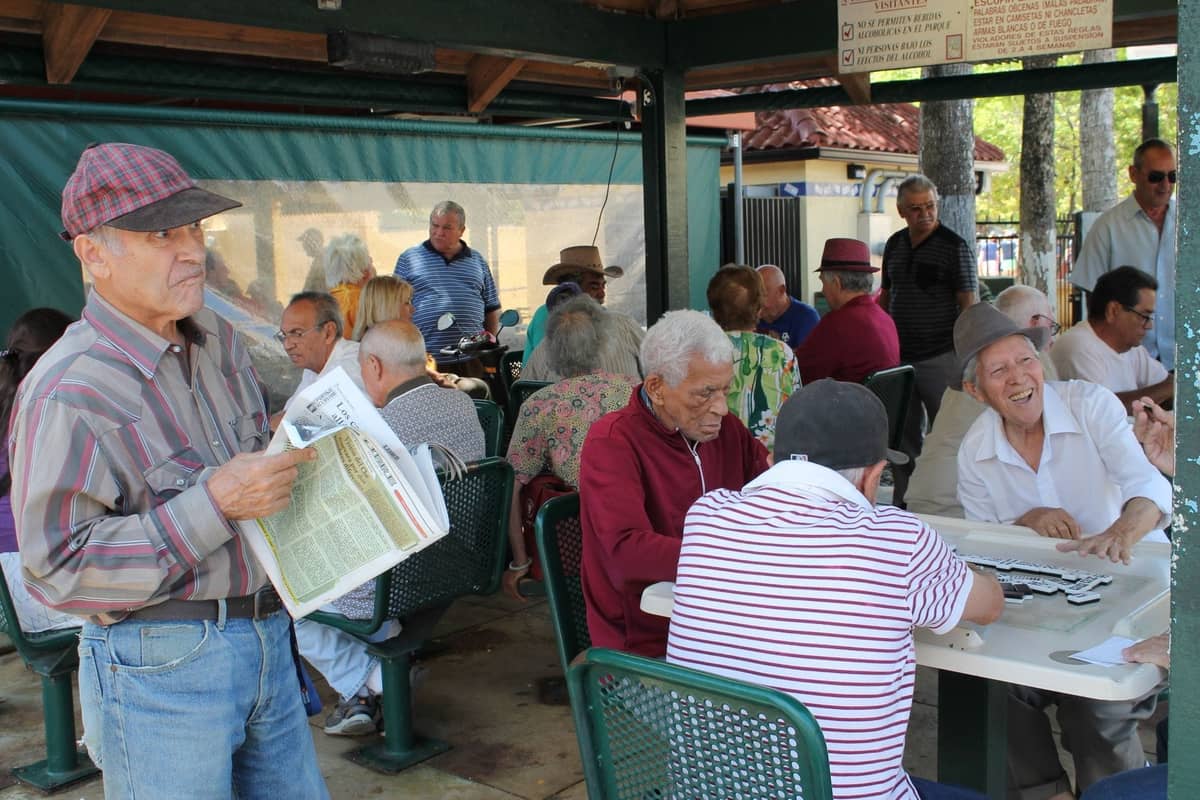
The festival transforms Calle Ocho for one day, but Little Havana is worth exploring on its own terms before or after. The neighborhood's cultural backbone includes Tower Theater Miami, a restored 1926 cinema that still screens films and hosts cultural events, and Domino Park, where Cuban and Latin American men gather for daily domino games. The Calle Ocho corridor itself has restaurants, cafes, and cigar shops that are open year-round and far less crowded on any day that isn't the third Sunday of March.
For travelers interested in the broader Miami music and nightlife scene beyond Calle Ocho, the city has a strong electronic music calendar in addition to its Latin culture events. Miami Music Week and Ultra Music Festival, which typically takes place in late March, turn the city into an international destination for electronic music at the same time Carnaval Miami is happening — making late February through mid-March one of the most event-dense stretches of the Miami calendar.
FAQ
Is the Calle Ocho Festival really free?
Yes, completely. General admission requires no ticket, no registration, and no wristband. You simply walk in from any open entry point along SW 8th Street. Only VIP lounge and upgraded experiences require payment, and those are purchased in advance through the Carnaval Miami official website.
What time should I arrive at Calle Ocho Festival?
Arrive between 10:30 and 11:30 if you want to walk the full festival corridor with relative ease. By 13:00, the mid-block sections become very congested. If you prefer crowds and energy over convenience, the peak experience is mid-afternoon, but navigation becomes significantly harder.
How do I get to the Calle Ocho Festival without a car?
Rideshare (Uber or Lyft) and Miami-Dade Metrobus are the two most practical options. Request rideshare drop-off at the eastern end (SW 8th St and SW 12th Ave) or western end (SW 8th St and SW 27th Ave) of the festival footprint. Check Miami-Dade Transit for bus routes and any festival-specific service adjustments closer to the date.
Is the Calle Ocho Festival only about Cuban culture?
It started as a Cuban cultural celebration when it was founded in 1978, but it has grown considerably. Today it showcases Latin American and Caribbean cultures broadly, with artists, food vendors, and performers from across the region. Cuban roots are still clearly present in the neighborhood and the festival's identity, but the programming is much wider.
What should I expect from the weather at Calle Ocho in March?
March in Miami typically brings daytime highs in the upper 70s to low 80s Fahrenheit (around 25–28°C), low chance of rain, and moderate humidity — part of Miami's dry season. It's warm but generally comfortable. That said, eight hours of direct sun on a crowded street requires preparation: sunscreen, a hat, and water are essential.