Cuban Food in Miami: Best Restaurants & Dishes to Try
Miami is the undisputed Cuban food capital of the United States. This guide covers the best restaurants, essential dishes, where to find the perfect Cuban sandwich, and practical tips on prices, neighborhoods, and timing — so you eat well from the first day.
Plan and book this trip
Tools from our partner Travelpayouts help you compare flights and hotels. If you book through them, we may earn a commission at no extra cost to you.
Flights
Hotels map
TL;DR
- Miami has the highest concentration of Cuban restaurants in the U.S., spread across Little Havana, Hialeah, Westchester, and Miami Beach — not just Calle Ocho.
- Essential dishes to order: Cuban sandwich (cubano), ropa vieja, lechón asado, vaca frita, picadillo, and a cafecito from a walk-up ventanita window — see the full breakdown in our Miami food guide.
- Ventanita coffee windows serve cafecito for around $1–$3; sit-down mains at mid-range spots run $18–$30 before tax and tip.
- Traditional Cuban food is not spicy — it is bold with garlic, mojo citrus, cumin, and oregano. Heat is rarely part of the profile.
- During Miami's high season (December to April), expect waits at famous Little Havana spots — Little Havana fills up fast on weekends.
Why Miami Is the Cuban Food Capital of the U.S.
Cuban immigration to Miami, which surged after 1959 and continued through subsequent waves, created one of the most cohesive culinary communities in American food history. The result is not a handful of ethnic restaurants scattered around the city — it is an entire parallel food culture with its own institutions, rituals, and regional variations that most visitors never fully explore.
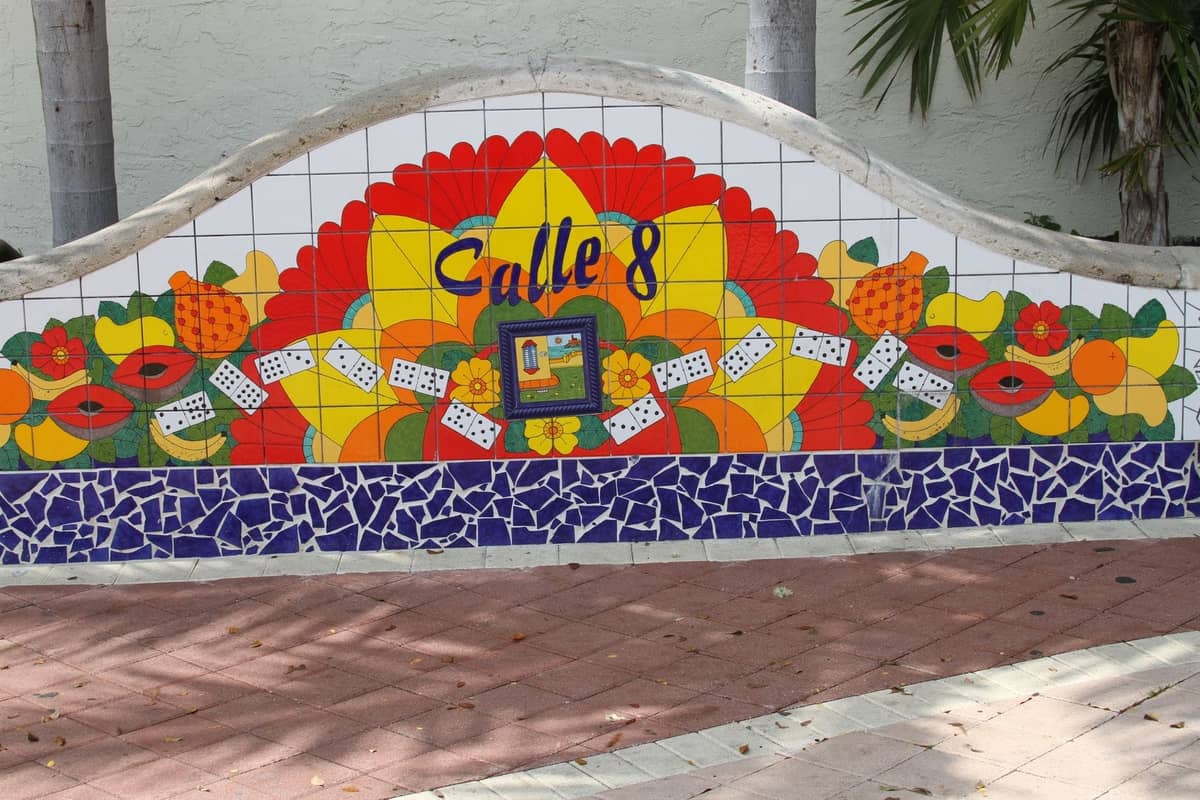
The geographic heart of this culture is Calle Ocho (SW 8th Street), the main artery of Little Havana. But restricting your Cuban food search to Calle Ocho is a mistake. The neighborhoods of Hialeah, Westchester, and Kendall have dense Cuban-American populations and restaurants that cater to locals rather than tourists — meaning more consistent quality and lower prices. Miami Beach, particularly the Española Way and Washington Avenue corridor, also has strong Cuban dining options aimed at a broader audience.
ℹ️ Good to know
Spanish is widely spoken at Cuban restaurants across Miami, particularly in Little Havana and Hialeah. Menus are almost always bilingual, but ordering in basic Spanish — or even just knowing the Spanish names of dishes — is useful and appreciated. 'Una colada, por favor' will get you far.
The Essential Cuban Dishes You Need to Order
Cuban cuisine in Miami follows a fairly consistent canon of dishes rooted in Spanish, African, and Caribbean cooking traditions. The flavor base is sofrito — a cooked blend of onion, garlic, peppers, and tomato — combined with mojo, a citrus-garlic marinade that shows up on proteins from pork to shrimp. The food is rich and slow-cooked, but not heavy across the board.
- Cuban Sandwich (Cubano) Pressed Cuban bread layered with roast pork, ham, Swiss cheese, pickles, and yellow mustard. The bread matters enormously — authentic Cuban bread has a slightly crispy crust and soft interior from the use of lard in the dough. Anywhere using regular sub rolls is cutting corners.
- Ropa Vieja Shredded flank steak braised low and slow in a tomato-based sauce with peppers, olives, and capers. It is the national dish of Cuba and a reliable benchmark for any Cuban restaurant.
- Lechón Asado Mojo-marinated roast pork, typically slow-roasted until fork-tender. Often served with white rice, black beans, and fried plantains (tostones or maduros).
- Vaca Frita Shredded and pan-fried beef with onions and lime — crispier and more acidic than ropa vieja, with significant char on the edges. A strong second order if a restaurant does ropa vieja well.
- Picadillo Ground beef cooked with tomatoes, olives, raisins, and capers. The sweet-savory contrast surprises many first-timers. One of the most home-style dishes on any menu.
- Cafecito and Colada Cuban espresso served in a tiny cup, made extra sweet with sugar whipped into the first drops of espresso before brewing. A colada is a larger portion meant for sharing. Both are served at ventanitas (walk-up windows) across Little Havana for $1–$3.
- Croquetas de Jamón Ham croquettes — a Cuban snack staple found at nearly every café and bakery. Small, golden, slightly creamy inside. Order a few as a starter or alongside coffee.
💡 Local tip
A plate of white rice and black beans is sometimes listed as 'moros y cristianos' when the rice and beans are cooked together, or served separately as 'arroz y frijoles negros.' Fried plantains are a common additional side. Both are good — the combined version has more depth of flavor.
Best Cuban Restaurants in Miami
The restaurants below represent a cross-section of the Miami Cuban dining scene: from the iconic and touristy (worth it despite the crowds) to the neighborhood spots that deliver more consistent, everyday-quality food. Prices shown are approximate ranges for main dishes before tax and tip; always verify current menus directly.
- Versailles Restaurant — 3555 SW 8th St, Little Havana The single most famous Cuban restaurant in the U.S. Open since 1971, it has served as an informal community gathering place for the Cuban-American diaspora. The food is reliable and generous — go for the ropa vieja, lechón asado, or a simple media noche sandwich. Mains around $18–$28. The attached bakery and ventanita window are worth a visit even if you skip the dining room. Expect waits on weekends during tourist season.
- Café La Trova — Little Havana A more polished operation that blends serious Cuban cocktails (the mojito program is exceptional) with traditional food. Named after trova, the traditional Cuban musical form. The croquetas and ropa vieja are kitchen standbys. The room gets loud and social in the evenings — it is not a quiet dinner spot. Book ahead.
- Sanguich de Miami — Little Havana Focused almost entirely on the Cuban sandwich and doing it correctly. The bread is sourced from La Rosa Bakery, the pork is slow-roasted in-house, and the press technique is precise. This is the place to benchmark the cubano in Miami. Cash-friendly, counter-service format, lines at lunch. Sandwiches in the $10–$15 range.
- Old's Havana Cuban Bar & Cocina — SW 8th St A reliable all-around option on Calle Ocho for visitors who want traditional plates — vaca frita, picadillo, lechón — in a lively setting with live music some nights. Portions are large. Mid-range pricing, around $20–$30 for mains.
- Havana 1957 — Multiple locations including Española Way, Miami Beach A nostalgia-driven chain with well-executed Cuban classics and a strong tourist following on Miami Beach. The Española Way location is atmospheric. Food quality is consistent. Reservations available and recommended on weekends.
- Casa Cubana — 1342 Washington Ave, Miami Beach Cuban plates with live music on Friday through Sunday. A good option for visitors staying on Miami Beach who want Cuban food without crossing to the mainland. Check their site for current hours and performance schedules.
⚠️ What to skip
Several restaurants on Calle Ocho near the tourist-heavy stretch have inflated prices and inconsistent food quality. If a menu outside the door lists Cuban food at prices well above the neighborhood average with photos of every dish, that is a reliable sign the place prioritizes foot traffic over food. Walk one block further east or west and you will usually find better value.
Where to Eat Cuban Food Beyond Little Havana
Little Havana gets most of the attention, but the most authentic and affordable Cuban food in Miami often sits in residential neighborhoods where the clientele is primarily Cuban-American. Little Havana is genuinely worth visiting for the atmosphere and the iconic spots, but if you have time to explore further, these areas reward the effort.
Hialeah, the city directly north of Miami proper, has one of the highest proportions of Cuban-Americans of any city in the country. The Cuban restaurants here are designed for regulars, not tourists. Prices run lower, portions run larger, and the menus skew toward home-style cooking: fricasé de pollo (chicken fricassee), flan, and arroz con leche as dessert rather than performative cocktails. No special knowledge is required to eat well here — just show up hungry and point at the steam trays.
Westchester and Kendall, in southwest Miami-Dade County, similarly have dense Cuban-American communities and strong local restaurant scenes. These are strip-mall environments rather than walkable neighborhoods, so a car or rideshare is necessary. The tradeoff is food that is priced for families eating out three times a week, not for tourists visiting once.
On Miami Beach, the options are more upscale and varied. The Washington Avenue corridor and Española Way have multiple Cuban-focused restaurants within a short walk of each other. Prices are higher than on the mainland, but the setting is convenient for visitors based on the beach who do not want to take a rideshare across Biscayne Bay.
Prices, Ventanitas, and What Cuban Food Actually Costs in Miami
Cuban food in Miami spans a wide price range depending on format. The ventanita — a walk-up window attached to a Cuban bakery or cafeteria — is one of the most practical and economical food formats in the city. A cafecito (small Cuban espresso, heavily sweetened) costs roughly $1–$2. A colada (larger espresso meant for sharing, served with small cups) runs $2–$4. Croquetas are typically $1–$2 each. A Cuban sandwich from a ventanita or counter-service spot runs approximately $10–$15 depending on size and location.
Sit-down Cuban restaurants in Little Havana and Miami Beach typically charge $18–$30 for main dishes such as ropa vieja, lechón asado, or vaca frita. Combo plates that include rice, beans, and plantains are often the better value. Add $3–$8 for appetizers like croquetas or a small bowl of black bean soup. Expect to tip 18–20% on the pre-tax total, which is standard across Miami dining.
- Cafecito / espresso from a ventanita: $1–$2
- Colada (shared espresso): $2–$4
- Croqueta de jamón (per piece): $1–$2
- Cuban sandwich (cubano) at counter service: $10–$15
- Main dish (ropa vieja, lechón, vaca frita) at sit-down restaurant: $18–$30
- Full combo plate with rice, beans, plantains: $20–$28
- Cuban coffee and pastry at a bakery: $4–$7 total
Practical Tips for Eating Cuban Food in Miami
The best time to visit the main Cuban restaurant strip on Calle Ocho is on a weekday for lunch, when the neighborhood runs at a more relaxed pace. Weekend evenings — especially during Miami's peak tourist season from December through April — mean significant waits at Versailles and Café La Trova. If you are visiting during the Calle Ocho Festival in March, the entire SW 8th Street corridor is closed to traffic and the food scene expands considerably with street vendors.
Many Cuban restaurants open early for breakfast and close late. Cafeterias on Calle Ocho often begin service around 7:00 or 8:00 a.m. and serve through dinner. The ventanita windows at popular spots like Versailles are often open until 11:00 p.m. or later, making them a practical late-night option after a night out. Always verify hours on the restaurant's current Google listing or official site before visiting, as schedules shift seasonally.
Parking along SW 8th Street can be tight during peak hours. Street parking exists but fills quickly on weekends. A rideshare from South Beach to Little Havana takes roughly 15–25 minutes depending on traffic and costs approximately $12–$20 each way via Uber or Lyft — a reasonable trade-off for avoiding the parking search. Miami's Metrobus also serves the Calle Ocho corridor, though transit times are longer.
✨ Pro tip
Order the 'media noche' sandwich as an alternative to the classic cubano. It uses sweeter, egg-enriched bread instead of traditional Cuban bread, with the same fillings. The contrast in texture and sweetness makes it a genuinely different eating experience — not just a softer cubano.
For visitors who want a structured introduction to the neighborhood alongside the food, guided food tours of Little Havana are widely available and cover multiple stops including coffee windows, bakeries, and sit-down restaurants. They typically run 2–3 hours and include tastings. This is also a good way to learn the cultural context behind the food. More on the neighborhood's history and layout in the Little Havana neighborhood guide.
FAQ
What is the most famous Cuban restaurant in Miami?
Versailles Restaurant at 3555 SW 8th Street in Little Havana is the most well-known Cuban restaurant in Miami and arguably in the entire United States. Open since 1971, it has a long history as a gathering place for Miami's Cuban-American community. It is touristy but the food is genuinely solid, particularly the ropa vieja and lechón asado. The attached ventanita window is worth visiting for a cafecito even if you skip the dining room.
Where can I find the best Cuban sandwich in Miami?
Sanguich de Miami in Little Havana is widely considered the top option for a Cuban sandwich in the city. The pork is slow-roasted in-house and the bread is sourced from a traditional Cuban bakery. Counter-service format, expect a line at lunch. Versailles and several Hialeah-area cafeterias also do the cubano well if you are already in those areas.
Is Cuban food spicy?
No. Traditional Cuban food in Miami relies on garlic, mojo (citrus and garlic marinade), cumin, oregano, and sofrito for flavor, not chili heat. Dishes are bold and savory but not spicy in the way that, for example, Mexican or Thai food can be. This makes Cuban food accessible for people with low heat tolerance.
How much does Cuban food cost in Miami?
Costs range widely by format. A cafecito from a ventanita window costs around $1–$2. A Cuban sandwich at a counter-service spot runs $10–$15. Main dishes at sit-down restaurants in Little Havana and Miami Beach typically fall between $18 and $30 before tax and the standard 18–20% tip. Hialeah and Westchester tend to run cheaper for equivalent dishes.
Is Little Havana the only place for Cuban food in Miami?
No. Little Havana is the most famous area, but Hialeah, Westchester, and Kendall have equally good — and often better-priced — Cuban restaurants that serve a primarily local Cuban-American clientele. Miami Beach also has several strong options, particularly along Española Way and Washington Avenue, which are more convenient for visitors staying on the beach.