Getting Around Miami: Transport, Metrorail & Airport Transfers
Miami has more transit options than most visitors expect. This guide covers the Metrorail, free Metromover, Metrobus, trolleys, ride-hailing, and the fastest ways to get from Miami International Airport into the city, with fares, hours, and honest assessments of what actually works.
Plan and book this trip
Tools from our partner Travelpayouts help you compare flights and hotels. If you book through them, we may earn a commission at no extra cost to you.
Flights
Hotels map
TL;DR
- The Metrorail Orange Line connects Miami International Airport (MIA) directly to Downtown and Brickell for $2.25, making it the cheapest and often fastest airport transfer.
- The Metromover is completely free and covers Downtown Miami and Brickell on three loops, running daily from 5 a.m. to midnight Sunday through Thursday and until 2 a.m. on Friday and Saturday.
- Free trolleys operate in Miami, Miami Beach, and Coral Gables, filling coverage gaps between rail stations and neighborhoods like Little Havana and Wynwood.
- You can absolutely navigate Miami without renting a car if you're based in South Beach, Downtown, Brickell, or Coral Gables. For scattered day trips across the suburbs, a car helps.
- Fares are paid via EASY Card or EASY Ticket. Cash is not accepted at Metrorail gates, so buy or load a card before you travel.
The Miami Transit Network: What You're Working With
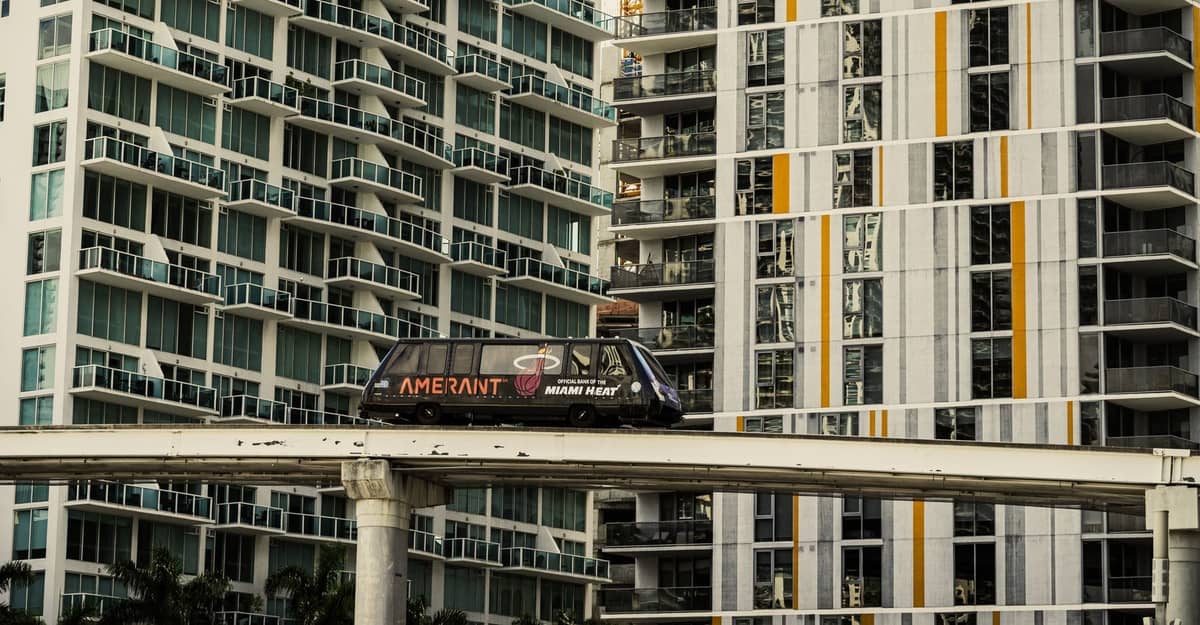
Miami-Dade Transit (MDT) operates the county's public transportation network, which includes rapid rail, a free downtown people-mover, an extensive bus network, and connections to regional rail. The system is more capable than its reputation suggests, especially for visitors staying near the rail corridor that runs from the airport through Brickell and Downtown, then south to Kendall or north to Hialeah.
The core transit spine is the Brickell-to-airport Metrorail corridor, which most visitors will use at least once. Layer in the free Metromover for getting around Downtown and Brickell without spending anything, and free trolleys for neighborhood circulation, and you have a surprisingly workable setup for a car-free visit.
ℹ️ Good to know
All Metrorail and Metrobus fares require an EASY Card (reloadable) or EASY Ticket (single-use). Cash is not accepted at rail station gates. You can buy and load cards at any Metrorail station. Verify current fares at Miami-Dade Transit before travel, as prices can change.
Metrorail: The Rapid Transit Backbone
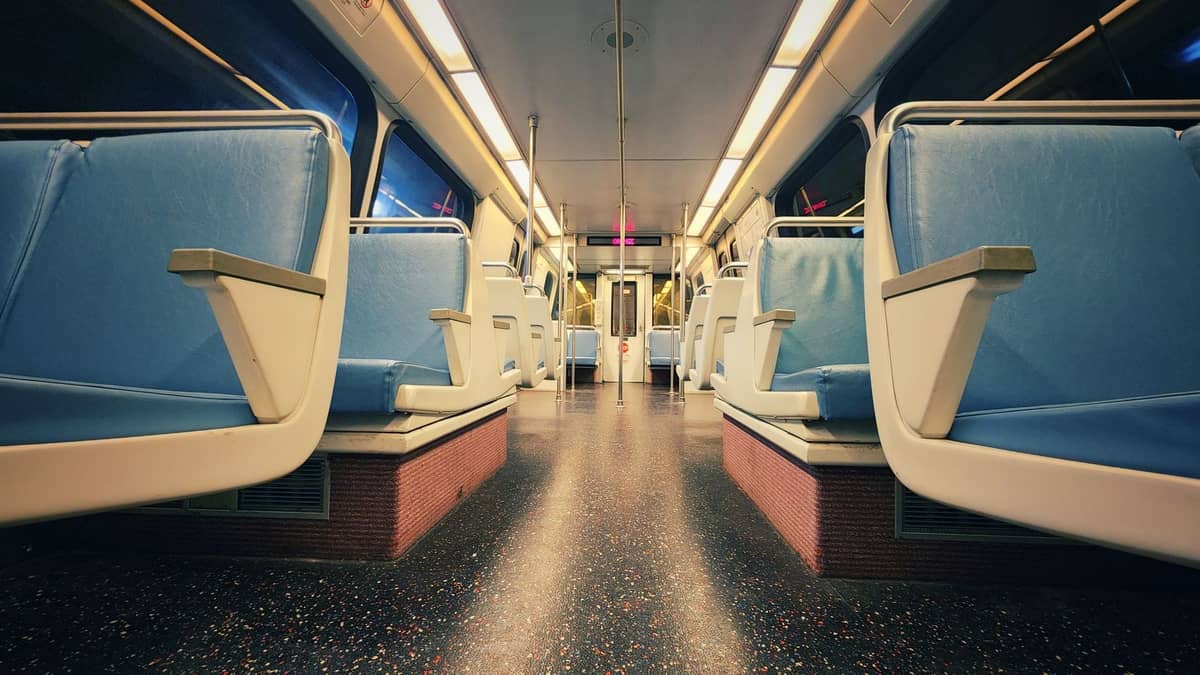
The Metrorail is Miami's elevated heavy-rail system. It runs about 25 miles across 23 stations and operates 7 days a week from around 5 a.m. to midnight. The standard fare starts at $2.25 per trip. For a city often written off as transit-unfriendly, the Metrorail is genuinely useful along its route, connecting Miami International Airport, Coconut Grove, Vizcaya, Brickell, Downtown, Civic Center (for Jackson Memorial Hospital), Hialeah, and transfer points to regional rail.
There are two service lines. The Orange Line runs between MIA and Palmetto, and is the one airport travelers use most. The Green Line branches off at Earlington Heights and serves the northern suburbs including Hialeah and Medley. For most visitors, the practical range is MIA to Downtown Miami, with stops serving Coconut Grove and the Douglas Road station near Coral Gables. The Vizcaya station also puts you within a short walk of Vizcaya Museum and Gardens.
💡 Local tip
During peak season (December through April) and major events like Art Basel, Metrorail is often faster than driving between Downtown, Brickell, and the airport. Traffic on I-95 and the Dolphin Expressway can be brutal during these periods. Save the Uber for South Beach.
Metromover and Trolleys: Free Transit That Actually Works
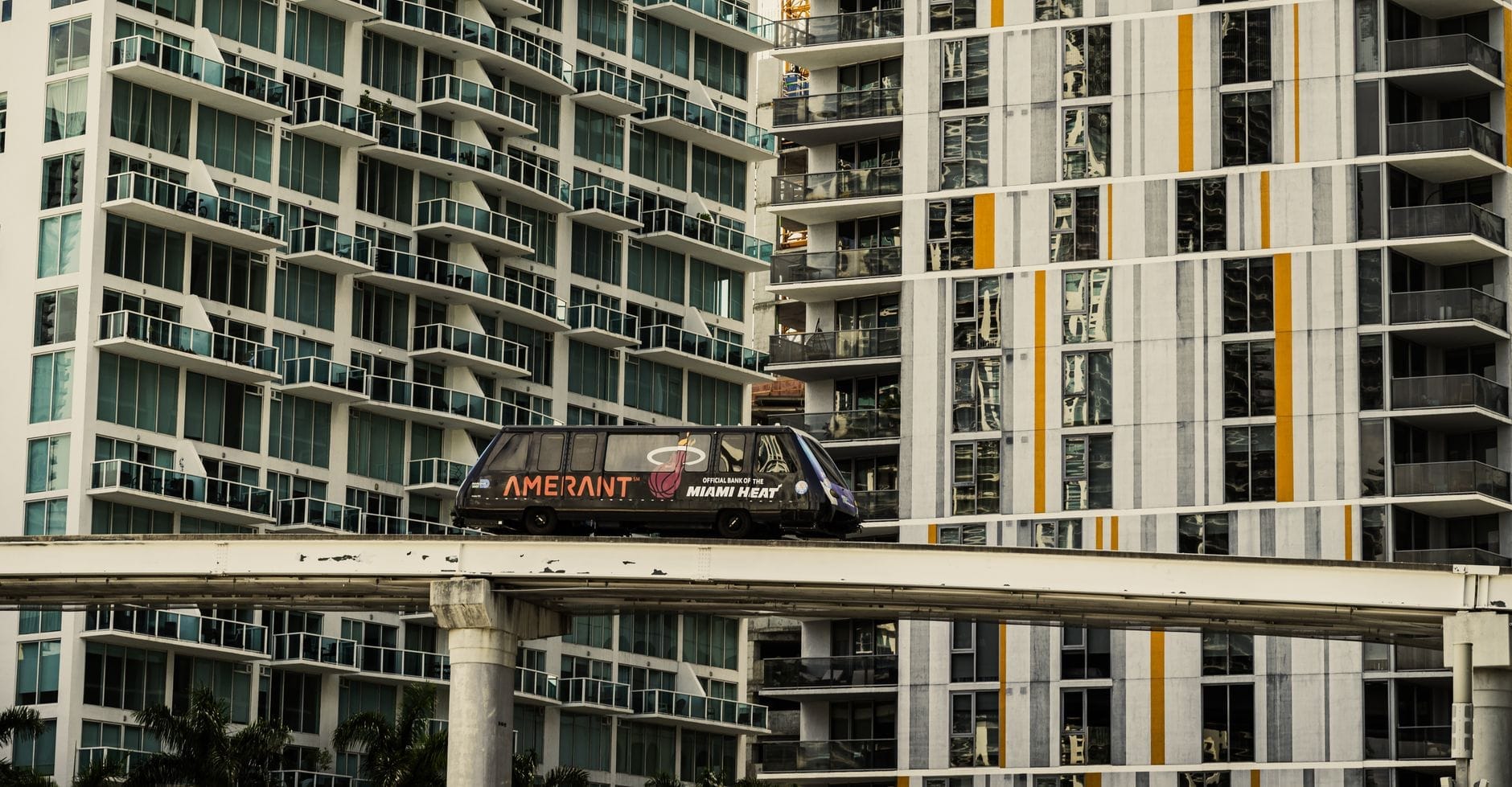
The Metromover is one of Miami's genuine transport wins. This fully automated people-mover covers Downtown Miami and Brickell across three loops totaling about 4.4 miles and 21 stations, and it costs absolutely nothing. It runs daily from 5 a.m. to midnight Sunday through Thursday and until 2 a.m. on Friday and Saturday and connects directly to Metrorail at Government Center and Brickell stations. If you're based in Brickell and want to reach Bayfront Park, Bayside Marketplace, or the museums along Biscayne Boulevard, the Metromover handles it without a fare.
- City of Miami Trolley Free service with multiple routes covering Downtown, Brickell, Little Havana, Wynwood, Overtown, and the Health District. Runs daily but frequency varies by route.
- Miami Beach Trolley Free service on Miami Beach with several north-south and east-west routes. Good for getting between Lincoln Road, South Beach, Mid-Beach, and North Beach without paying for parking.
- Coral Gables Trolley Free service circulating through Coral Gables, connecting to the Metrorail at Douglas Road and University stations.
- Coconut Grove Circulator Free local shuttle within Coconut Grove, useful for reaching bayside areas from the Coconut Grove Metrorail station.
The trolleys are genuinely useful and frequently overlooked by visitors who default to Uber. The Miami Beach Trolley, for instance, makes it practical to explore South Beach, walk the Lincoln Road Mall, and continue north without paying for a ride each time. The tradeoff is frequency: trolleys typically run every 15-30 minutes, so check real-time tracking before you commit.
Getting from Miami International Airport (MIA) to the City
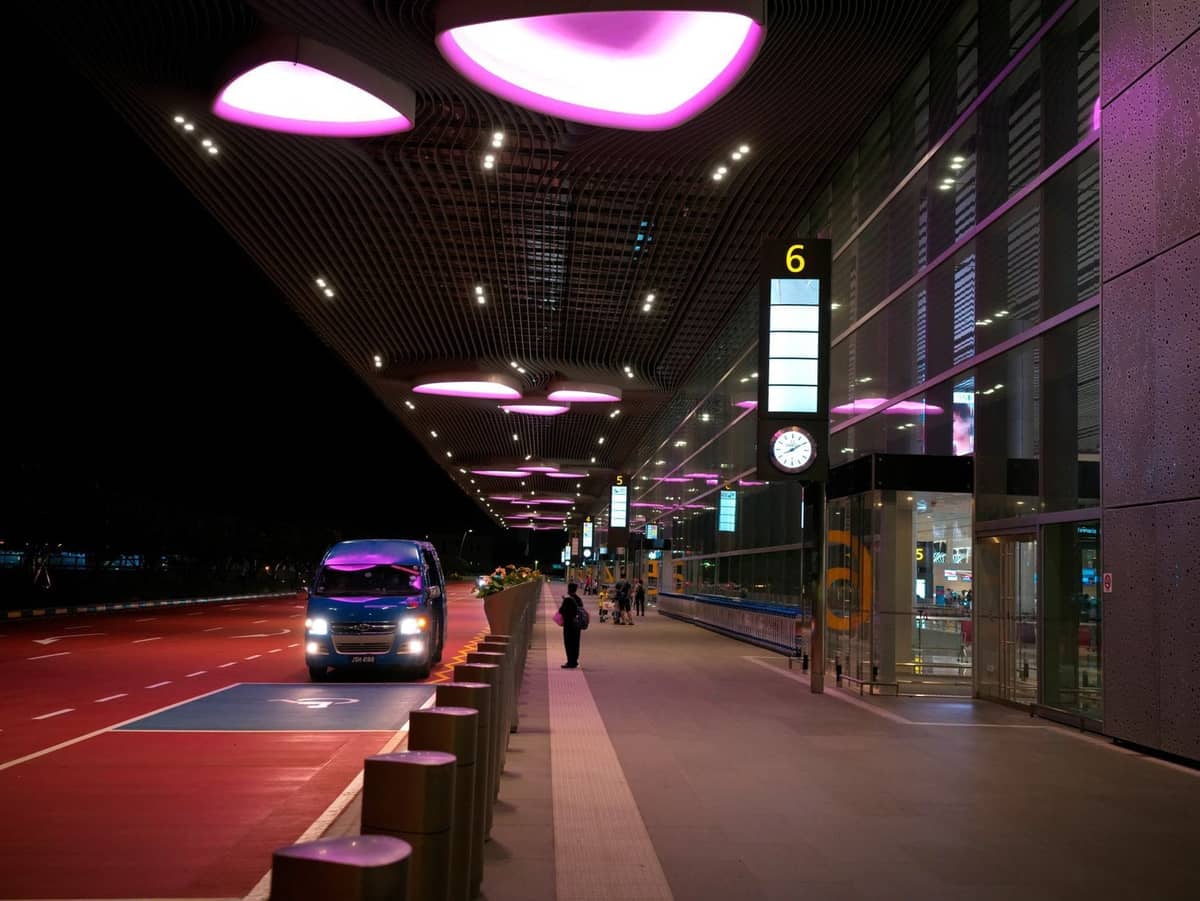
Miami International Airport sits about 7–8 miles (11–13 km) northwest of Downtown Miami. The good news is that the Metrorail's Orange Line connects directly from MIA to Downtown and Brickell, making it one of the most transit-accessible major U.S. airports. The catch: you first need to take the MIA Mover, a free automated shuttle between the airport terminals and the Miami Intermodal Center (MIC), where the Metrorail station is located. The MIA Mover runs around the clock and takes just a few minutes.
- Metrorail Orange Line (Budget: ~$2.25) Take the MIA Mover from your terminal to the Miami Intermodal Center, then board the Orange Line toward Dadeland South. Brickell station is about 25-30 minutes from MIC; Government Center (Downtown) adds another 5 minutes. This is by far the cheapest option. Verify current fares on Miami-Dade Transit's website before travel.
- Uber or Lyft (Mid-range: variable) Ride-hail pickup is from designated TNC zones at MIA. Fares are dynamic and fluctuate based on demand, time of day, and destination. To Downtown or Brickell expect roughly $25-45 under normal conditions, but prices surge during events and late nights. Always check the app estimate before confirming.
- Official Airport Taxi (Mid-range: metered) Taxis operate from designated stands at MIA with metered fares. The airport posts approximate flat-rate zones to common destinations; check the MIA ground transportation page for current figures, as these change.
- Shared Shuttle Services (Budget-mid: varies) Several shuttle companies offer shared door-to-door service from MIA, which can be cost-effective for solo travelers or those heading to areas not well-served by rail. Book in advance; verify providers directly with the airport.
- Tri-Rail (Budget: from $2.50 to Fort Lauderdale) Tri-Rail connects from the MIC to Fort Lauderdale and West Palm Beach. Not useful for getting into Miami proper, but valuable if you're continuing north. The fare to Fort Lauderdale Airport starts around $2.50; to West Palm Beach around $4.25. Verify current fares with Tri-Rail before travel.
⚠️ What to skip
South Beach is not on the Metrorail. After arriving by train at Government Center or Brickell, you'll need a Miami Beach Trolley, Metrobus route (several serve Miami Beach via causeways), or a ride-hail for the final leg. Budget an extra 30-45 minutes for the full MIA-to-South Beach journey by transit.
Metrobus, Brightline, and Regional Connections
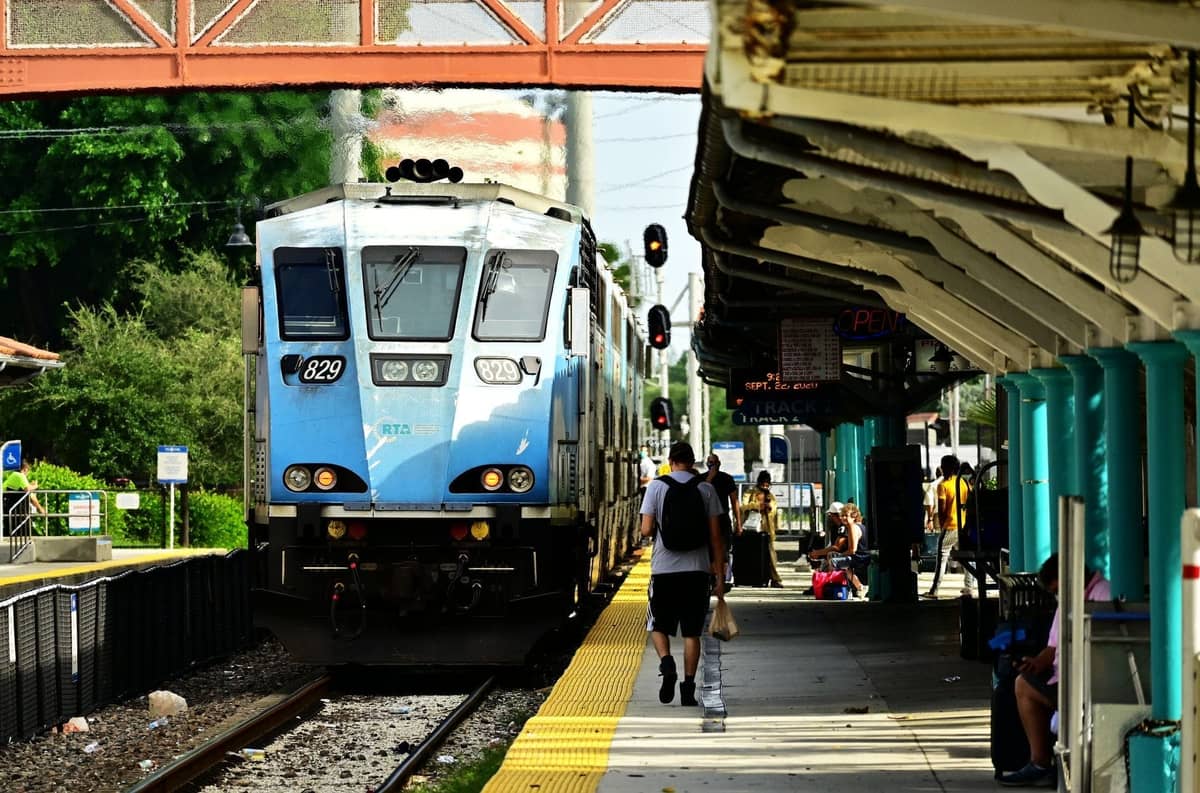
Miami-Dade's Metrobus network has over 93 routes covering the full county, including routes to Miami Beach, Aventura, Homestead, and areas not served by rail. Several routes offer late-night or 24-hour service. The fare structure aligns with Metrorail at around $2.25 per trip, and transfers between Metrobus and Metrorail are integrated via the EASY Card. For destinations like North Beach, Aventura Mall, or areas south toward Homestead, bus is often your only transit option.
For intercity travel, Brightline operates higher-speed passenger rail from MiamiCentral station in Downtown Miami to Fort Lauderdale, Boca Raton, West Palm Beach, and Orlando. It's not a city transport tool, but it's the best way to reach Fort Lauderdale without a car if you're planning a day trip to Fort Lauderdale or Tampa. Fares vary by route and class; check Brightline's website for current pricing.
Practical Transport Tips: Seasonal Patterns and Real-World Advice
Miami's transport experience shifts significantly by season. During the dry season from December through April, which is also peak tourist season, traffic in South Beach and Downtown can be genuinely difficult. Events like Art Basel in December, Miami Music Week in March, and Ultra Festival compound congestion considerably. During these windows, Metrorail and Metromover are faster than driving or waiting for surge-priced rides. Check our Art Basel Miami guide and Miami Music Week guide for transport-specific advice during those events.
Summer (June through September) brings intense heat, humidity, and frequent afternoon thunderstorms. Walking more than a few blocks between 1 and 5 p.m. is uncomfortable at best. The air-conditioned Metromover and trolleys become more appealing as a result. Summer is also when traffic eases compared to peak season, so ride-hail wait times and prices tend to be more reasonable. For a full breakdown of seasonal differences, see the best time to visit Miami guide.
- Load your EASY Card with extra credit before major events or weekends. Station machines can have queues during peak hours.
- The Metromover's Omni Loop covers the Adrienne Arsht Center and connects north of Downtown, useful for reaching the Perez Art Museum Miami area.
- Miami Beach has no Metrorail station. The MacArthur Causeway (routes such as the 120 and 150) and Julia Tuttle Causeway (several bus routes) are the transit connections to the beach.
- Parking in South Beach averages $3-5 per hour in public garages; driving to Miami Beach for a day visit often costs more in parking and stress than taking transit.
- The Special Transportation Service (STS) provides 24/7 door-to-door paratransit for eligible riders across most of Miami-Dade at around $3.50 per trip. Register in advance through Miami-Dade Transit.
- Brightline's MiamiCentral station connects to the Metrorail at Government Center via the Metromover, so rail-to-rail transfers are straightforward.
✨ Pro tip
If you're spending most of your time in South Beach, Brickell, and Downtown, skip the rental car entirely. The combination of Miami Beach Trolley, Metromover, Metrorail to the airport, and occasional Uber for late nights covers the full itinerary at a fraction of the cost of parking fees alone. Car rental makes sense primarily for day trips to the Everglades, Florida Keys, or Fort Lauderdale.
For visitors planning to explore beyond the city core, our day trips from Miami guide covers logistics for reaching the Everglades National Park and the Florida Keys, both of which require a car or organized tour. Miami-based car rental is straightforward at MIA or via downtown pickup locations.
FAQ
How do I get from Miami Airport (MIA) to South Beach by public transit?
Take the free MIA Mover from your terminal to the Miami Intermodal Center, then board the Metrorail Orange Line toward Dadeland South and ride to Government Center station in Downtown Miami. From there, take a Metrobus route serving Miami Beach (such as the 103 via MacArthur Causeway) or catch a Miami Beach Trolley connection. The full journey takes approximately 60-75 minutes. Alternatively, a taxi or rideshare from MIA to South Beach is faster (around 25-40 minutes depending on traffic) but costs significantly more.
Is the Metromover really free?
Yes. The Metromover charges no fare. It's a fully automated people-mover serving Downtown Miami and Brickell across three loops, running daily from approximately 5 a.m. to midnight. You simply board at any station. Several municipal trolleys (Miami, Miami Beach, Coral Gables) are also free.
Can I get around Miami without renting a car?
Yes, if your itinerary focuses on South Beach, Downtown, Brickell, Coral Gables, or Coconut Grove. The Metrorail, Metromover, and free trolleys connect these areas reasonably well, and the Metrorail runs directly to MIA. You'll need a car or tour for destinations like the Everglades, Florida Keys, or Aventura if bus routes don't suit your schedule.
What payment method does Miami public transit accept?
Miami-Dade Transit uses an EASY Card (reloadable) or EASY Ticket (single-use). Cash is not accepted at Metrorail station gates. Cards can be purchased and loaded at all Metrorail stations. Metrobus drivers can accept cash on board, but using an EASY Card is faster and allows transfers. Always verify current fare structures at Miami-Dade Transit's official website before travel.
How much does Uber or Lyft cost from Miami Airport to Downtown?
Ride-hail fares from MIA to Downtown Miami or Brickell typically range from around $25 to $45 under normal conditions, but prices surge significantly during events, late nights, and peak travel periods. Designated pickup zones exist at the airport. Use the in-app fare estimator for current pricing, as dynamic pricing means any quoted figure can change.