Miami to Fort Lauderdale & Tampa: Day Trips, Routes & Travel Options
Whether you're heading north to Fort Lauderdale for a day trip or crossing the state to Tampa, the logistics matter. This guide breaks down every travel option between Miami and both cities, with honest assessments of cost, time, and comfort across all transport modes.
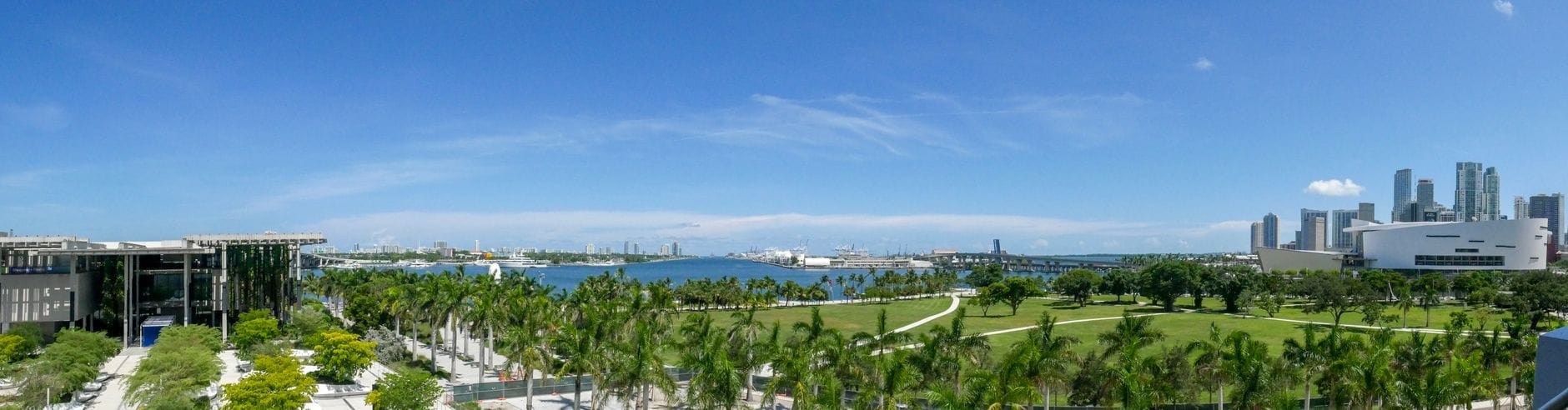
Plan and book this trip
Tools from our partner Travelpayouts help you compare flights and hotels. If you book through them, we may earn a commission at no extra cost to you.
Flights
Hotels map
TL;DR
- Miami to Fort Lauderdale is about 28-30 miles, easily done in under an hour by car or Brightline train, making it a genuine half-day or full-day trip from Miami.
- Miami to Tampa is roughly 265-280 miles and takes 4-5 hours by car via I-75 (Alligator Alley); this is more of an overnight trip than a day trip unless you set off early.
- Brightline train is the smartest option for the Miami-Fort Lauderdale run: no parking hassles, Smart fares starting around $10-20 one way, and trains roughly every 30-60 minutes.
- Rideshare from Miami to Fort Lauderdale typically runs $70-90 each way, which makes it expensive for solo travelers but reasonable split between a group.
- November through April is the best window for both routes: lower humidity, no hurricane risk, and lighter traffic on I-75's Alligator Alley stretch. See our best time to visit Miami guide for full seasonal context.
Miami to Fort Lauderdale: Understanding the Distance

Downtown Miami to downtown Fort Lauderdale is approximately 24-28 miles, and in normal traffic conditions that translates to 35-50 minutes by car via I-95. This is one of the most misunderstood routes in South Florida: many visitors assume the two cities are separated by a significant journey, when in reality they share the same metro area. The Miami-Fort Lauderdale-West Palm Beach metropolitan area has a combined population of around 6.39 million people (2020 figures), and the cities function as part of a single interconnected region.
The practical consequence is that a day trip between the two cities is not just feasible but straightforward, provided you avoid the two peak traffic windows on I-95: roughly 7-9am and 4-6pm on weekdays. Outside those windows, the corridor flows well. On weekends, traffic is generally lighter in both directions, though Friday afternoons heading north can be slow.
⚠️ What to skip
Don't underestimate I-95 congestion during peak hours. A 30-mile drive can stretch to 75-90 minutes or more if you're caught in rush hour between Miami and Fort Lauderdale. If driving, aim to depart Miami before 7am or after 9am, and leave Fort Lauderdale before 3pm or after 7pm.
Getting from Miami to Fort Lauderdale: Every Option Compared
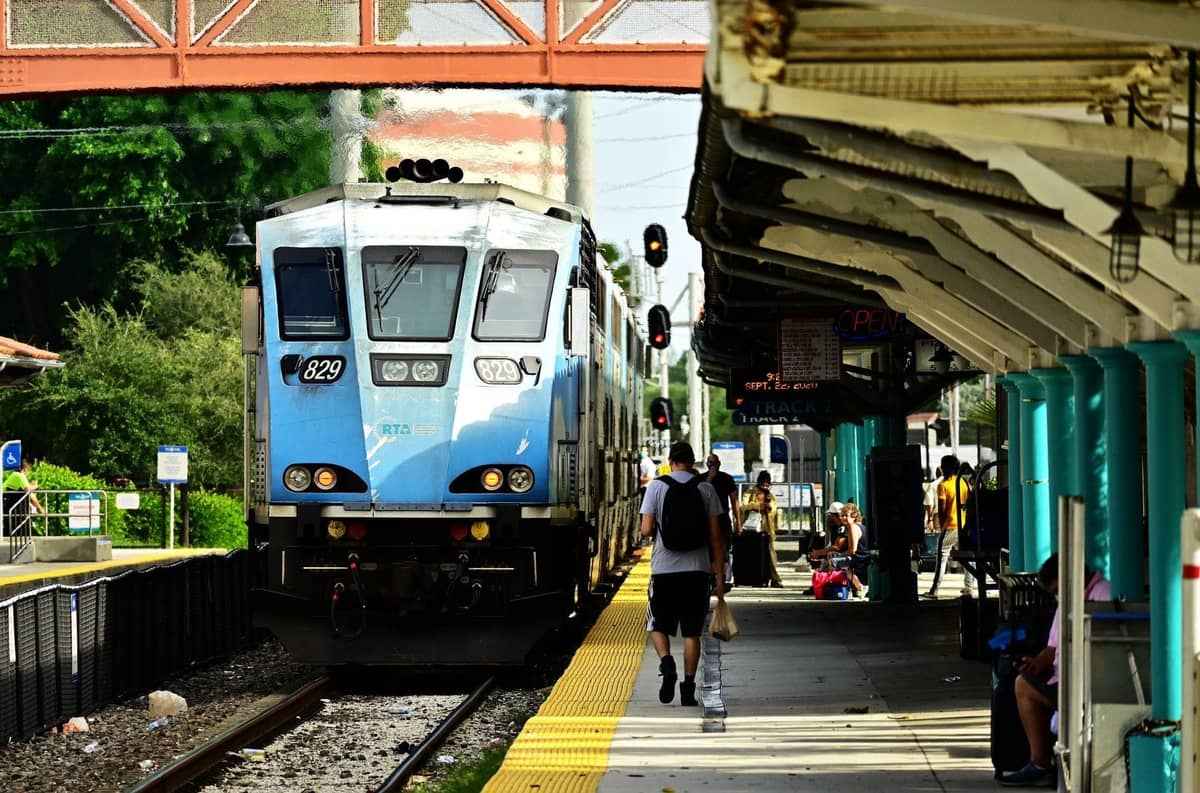
The Brightline intercity train is the standout option for this corridor. Departing from MiamiCentral station in Downtown Miami, trains run to Fort Lauderdale with a journey time of around 40 minutes. Smart fares (the standard economy tier) typically start at $10-20 one way depending on time and demand, with trains running roughly every 1-2 hours throughout the day. There's no parking to deal with, no traffic anxiety, and the stations in both cities are centrally located. Check getting around Miami by transit for tips on reaching MiamiCentral from different parts of the city.
- Brightline Train MiamiCentral to Fort Lauderdale in roughly 30-40 minutes. Smart fares from around $10-20 one way. Trains every 1-2 hours. Best for: solo travelers, couples, anyone without a car.
- Car via I-95 35-50 minutes in normal traffic, 28-30 miles. No tolls on I-95 itself for this stretch. Best for: families, travelers with luggage, those wanting flexibility once in Fort Lauderdale.
- Uber / Lyft Typically $70-90 each way depending on time of day and demand. Split between 3-4 people it becomes reasonable; for solo travelers it's hard to justify versus Brightline. Best for: groups who want door-to-door service.
- Greyhound / Flixbus Budget bus services operate this corridor for lower fares than rideshare, though journey times vary and stops may not be central. Best for: budget travelers with flexible timing.
Once in Fort Lauderdale, the Water Taxi is worth building into your itinerary. It's a hop-on, hop-off boat service running multiple stops along the Intracoastal Waterway, with one stop in Hollywood. All-day passes are reported at around $38 for adults and $15 for children aged 5-15, though you should confirm current rates directly with the operator before traveling. A full loop without stopping takes approximately 2.5-3 hours, making it a solid way to see the waterway city from the water. This is Fort Lauderdale at its most distinctive, and it's genuinely different from anything Miami offers.
💡 Local tip
If you take Brightline to Fort Lauderdale and plan to use the Water Taxi, the Fort Lauderdale Brightline station is walkable to several waterfront areas. Coordinate your Water Taxi boarding point to avoid spending your first hour in a rideshare.
Miami to Tampa: The Cross-State Journey
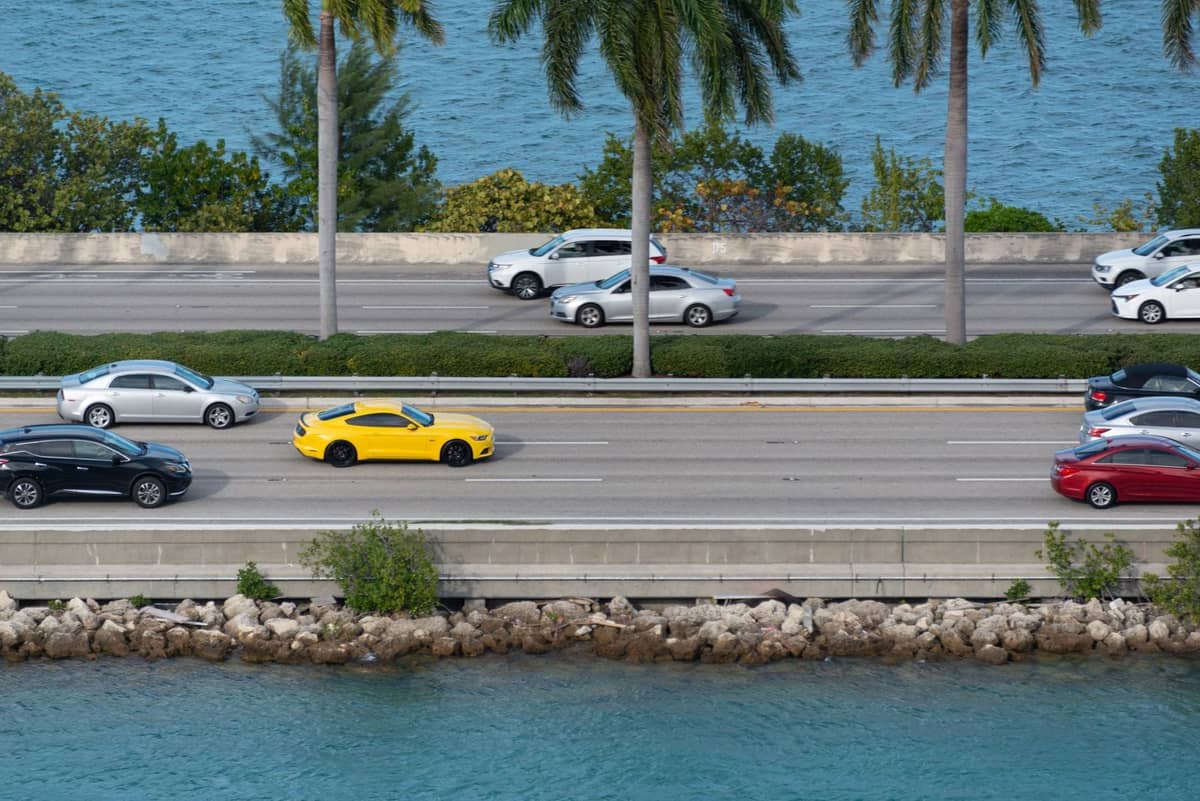
Miami to Tampa is a fundamentally different proposition from the Fort Lauderdale run. At roughly 280-300 miles, it's a genuine road trip that takes 4-5 hours under normal driving conditions. For most travelers, this means either a very early departure for a long day trip or, more sensibly, an overnight stay in Tampa. Trying to squeeze Miami and Tampa into a single day without a car is particularly difficult: there's no direct passenger rail service between the two cities as of this writing, and any bus option will eat even more of your day.
The comparison of Tampa vs Miami often comes up among travelers deciding where to base themselves for a Florida trip. They're quite different cities: Tampa is less beach-centric, more historically industrial, home to Ybor City's Cuban heritage and a genuinely good food scene, and considerably less expensive than Miami. If you're already in Miami for several days and curious about Tampa, a one-night extension gives you enough time to do the city justice.
Driving Miami to Tampa: Routes, Tolls & Practical Advice
There are two main driving routes between Miami and Tampa, and they offer very different experiences. Most drivers default to I-75, specifically the segment known as Alligator Alley, which is the fastest option at around 4-5 hours in good conditions. This is a tolled expressway crossing the Everglades, accepting SunPass and E-PASS transponders. If you don't have a transponder, keep cash available, or check the current toll-by-plate provisions before you travel. The scenery is flat and wild, with the Everglades spreading out on both sides, but services are minimal: fuel up before you get on and carry water and snacks.
The alternative is US-41, the historic Tamiami Trail, which runs parallel to I-75 through the Everglades but at a slower pace and with more character. You'll pass through the Big Cypress National Preserve, have opportunities to stop for airboat tours, and see wildlife that's hard to spot from an interstate. It adds time to your journey but transforms the drive into something more like a day out in itself. If the Everglades from Miami is on your list anyway, combining a US-41 drive with an Everglades stop on the way to Tampa makes good logistical sense.
- I-75 (Alligator Alley) Fastest route: approximately 4 hours Miami to Tampa in normal conditions. Tolled. SunPass/E-ZPass accepted. Limited services across the Everglades stretch. Fuel up in Miami or Naples.
- US-41 (Tamiami Trail) Slower and more scenic: adds 30-60+ minutes depending on stops. Passes through Everglades areas with airboat operators and wildlife. Better for travelers who want the journey to be part of the trip.
✨ Pro tip
On the I-75 Alligator Alley crossing, there are very few rest stops and virtually no fuel options for a long stretch. Fill your tank in the Miami area before reaching the Everglades. In summer, afternoon thunderstorms can reduce visibility significantly on this exposed highway, so aim to clear the Everglades section before 2pm.
Driving season matters on this route. November through April brings lower humidity, more predictable weather, and clear driving conditions. Summer travel, from roughly June through October, means the Atlantic hurricane season is active, afternoon thunderstorms are near-daily on the Everglades stretch, and there's a meaningful risk of weather delays. If you're planning a Miami-Tampa drive in summer, book flexible accommodation and allow extra time.
Day Trip Realities: What You Can Actually Do
Fort Lauderdale is genuinely day-trip friendly from Miami. Catch a Brightline train by 9am, spend the morning exploring Las Olas Boulevard or the beach, do the Water Taxi loop in the afternoon, and be back in Miami for dinner. If you're interested in planning your time in Miami itself before or after, the 3 days in Miami itinerary covers how to structure your base city time efficiently.
Tampa as a day trip from Miami is technically possible but not genuinely recommended. You'd spend 8-10 hours driving round-trip, leaving you only a few hours on the ground in Tampa, which isn't enough to feel the city. It works if your sole goal is a specific event, a meeting, or a restaurant reservation you've made in advance. For anything resembling exploration, add an overnight. The Tampa Bay area, including St. Pete Beach, Clearwater, and the broader Gulf Coast, rewards time.
If you're looking for day trips that make better geographic sense from Miami, the Florida Keys and the Everglades are closer and more manageable. The Florida Keys from Miami guide covers how far south you can realistically get in a day, and the full day trips from Miami guide ranks all your options by distance and value.
Seasonal Timing & When to Make the Trip

Both routes are more pleasant in the dry season, roughly November through April, when temperatures often sit in the mid-70s to upper-80s Fahrenheit, humidity drops noticeably, and afternoon thunderstorms aren't a daily feature. This period also aligns with Miami's peak tourism season, so you'll be sharing the roads and trains with more visitors, but the travel conditions themselves are reliably good.
Summer travel, June through August, brings heat (average highs of 89-91°F, or 32-33°C) and near-daily afternoon storms. On the Miami-Tampa I-75 route, those storms can be intense on the open Everglades stretch. That said, summer isn't impossible, it just requires adjusting expectations and timing. Start road trips early in the morning to avoid the worst afternoon weather. See our guide to Miami in summer for broader context on visiting during the wetter months.
ℹ️ Good to know
Miami operates on Eastern Time (ET, UTC-5 in winter; EDT, UTC-4 during daylight saving time). Both Fort Lauderdale and Tampa are in the same time zone, so there's no adjustment needed when traveling between them.
FAQ
How long does it take to get from Miami to Fort Lauderdale?
By car via I-95, downtown Miami to downtown Fort Lauderdale typically takes 35-50 minutes in normal traffic. During peak hours (7-9am and 4-7pm weekdays), this can stretch to 75-90 minutes or more. The Brightline train covers the same journey in around 30-40 minutes regardless of traffic, making it the more reliable option for time-sensitive travel.
Is it worth taking the Brightline train from Miami to Fort Lauderdale?
Yes, for most travelers it's the smartest choice on this corridor. Smart fares typically start at $10-20 one way, the journey takes 30-40 minutes, and you avoid the parking costs and traffic stress of driving. The MiamiCentral station in Downtown Miami has connections to the Metrorail, making it accessible from most parts of the city. Check the Brightline website (gobrightline.com) for current schedules and pricing before booking.
Can you do a day trip from Miami to Tampa?
Technically yes, but it's not a sensible use of a day. The drive is 4-5 hours each way, leaving you very little time in Tampa. If you want to experience Tampa beyond a quick stop, plan for at least one overnight. If you need to travel there for a specific reason, depart Miami by 6am to arrive with a reasonable amount of daylight ahead of you.
What's the cheapest way to get from Miami to Fort Lauderdale?
Budget bus services like Flixbus occasionally offer fares on this route for under $10, making them the lowest-cost option. Brightline Smart fares start around $10-20 and are more reliable in terms of timing. Rideshare (Uber/Lyft) at $70-90 each way is the most expensive option for solo travelers, though competitive when split among 3-4 people.
Which route is better for driving Miami to Tampa: I-75 or US-41?
I-75 (Alligator Alley) is faster at around 4 hours and is the standard choice for anyone focused on getting to Tampa efficiently. US-41 (Tamiami Trail) is slower but passes through more interesting Everglades country with stops for airboat tours and wildlife. Choose I-75 if time matters; choose US-41 if the drive itself is part of your experience and you're not in a hurry.