Miami in Summer: Is It Worth Visiting in the Off-Season?
Summer in Miami means heat, humidity, and afternoon thunderstorms — but also lower hotel rates, thinner crowds, and a city that never actually closes. This guide breaks down exactly what to expect from June through September so you can decide if the off-season trade-offs work for you.
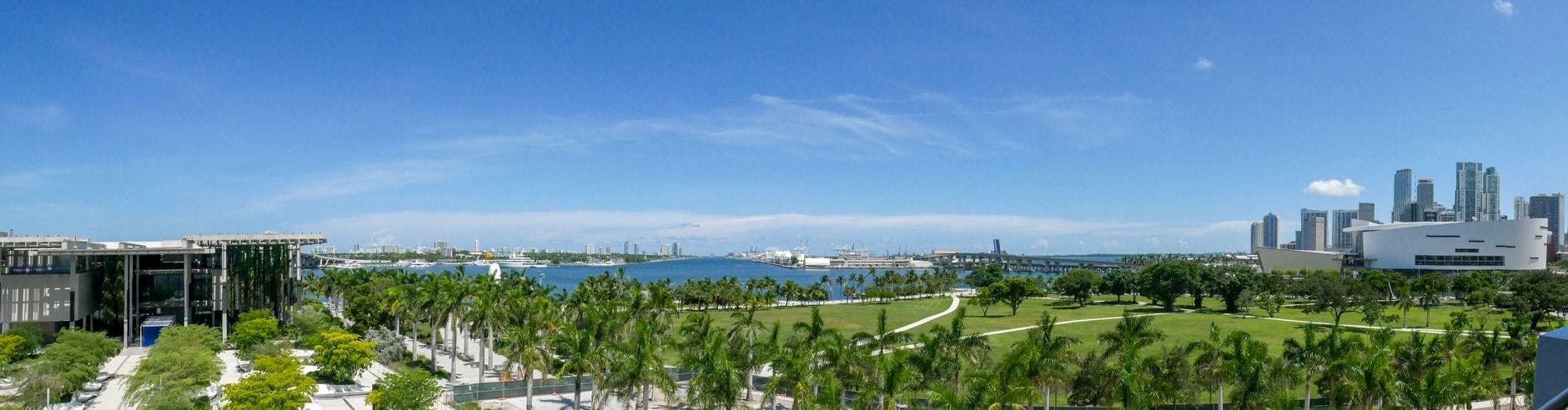
Plan and book this trip
Tools from our partner Travelpayouts help you compare flights and hotels. If you book through them, we may earn a commission at no extra cost to you.
Flights
Hotels map
TL;DR
- Miami's off-season runs June through September: daytime highs around 88–91°F (31–33°C), humidity above 80%, and frequent afternoon thunderstorms that usually clear within an hour.
- Flights and hotels drop significantly compared to peak winter rates — luxury properties that are out of reach in January become genuinely competitive in July.
- Everything worth doing stays open: beaches, Wynwood, Little Havana, museums, boat tours, and nightlife all operate year-round.
- Hurricane season runs June 1 to November 30 — a real but statistically manageable risk if you monitor forecasts and carry travel insurance.
- Summer suits travelers who prioritize value, don't mind heat, and can structure days around morning activity with afternoon breaks during the rain window.
What Miami's Summer Weather Actually Feels Like
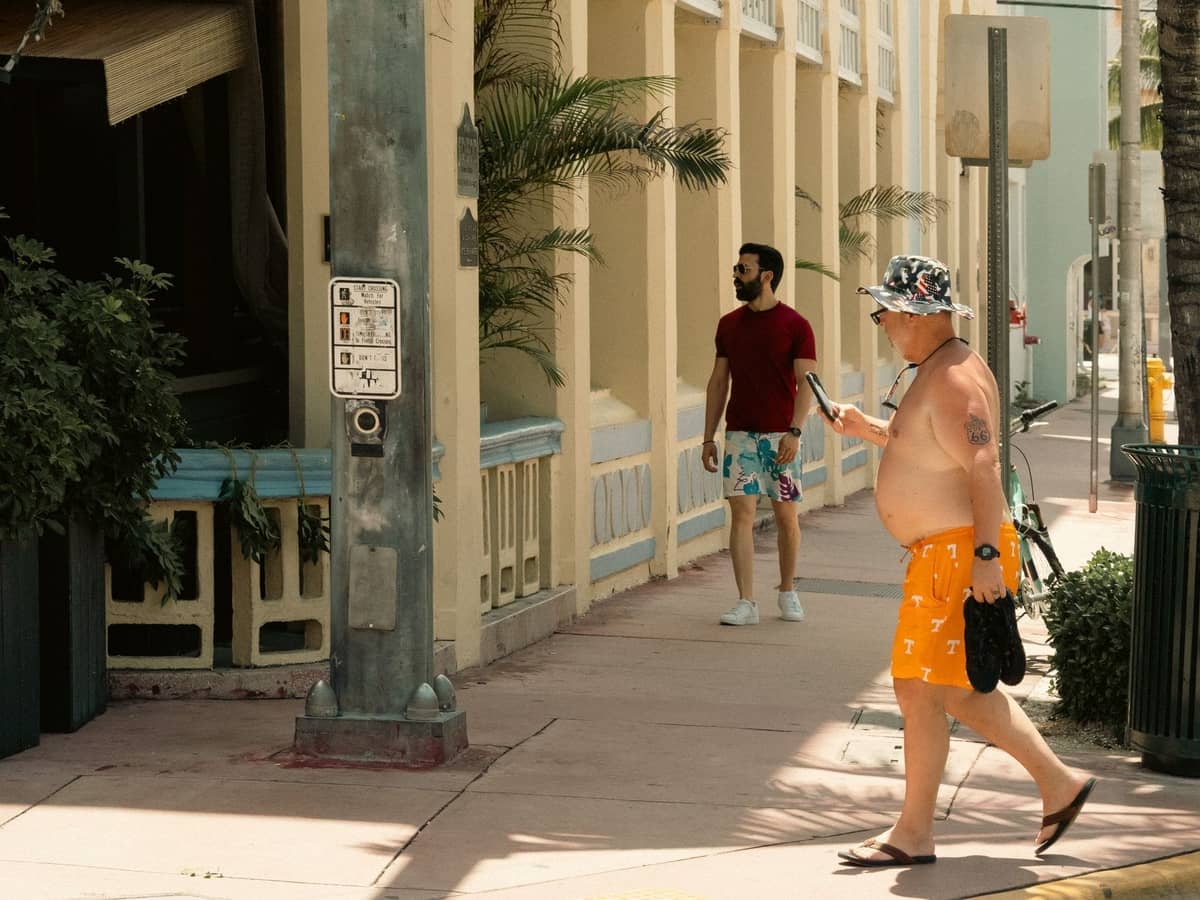
Miami operates on a tropical monsoon climate (Köppen Am), which means two distinct seasons: a dry, cooler period from November through April, and a hot, wet period from May through October. Summer sits squarely in the wet season, and the numbers are not subtle. Average highs from June through August run about 88–91°F (31–33°C), with overnight lows that barely dip below 76–78°F (24–26°C). The heat itself is manageable for most people. The humidity is the real variable — it often reaches the upper 70s to around 80% in August, which adds a physical weight to the air that makes exertion feel significantly harder than the thermometer suggests.
The rain pattern is more predictable than most visitors expect. Mornings are frequently clear, sometimes even sunny, with clouds building through mid-afternoon before a fast-moving thunderstorm rolls through, usually between 2pm and 5pm. These storms are intense but short — typically 30 to 90 minutes — and the city reopens immediately after. Experienced Miami visitors learn to schedule outdoor activities for before noon, take a long lunch or museum break during the afternoon storm window, then return to beaches or outdoor dining in the evening when temperatures and crowds both ease.
💡 Local tip
Plan beach time for 8am–12pm and late afternoon after 5pm. The midday hours are the hottest and most humid regardless of rain, and evening light on South Beach is genuinely spectacular.
September is the most intense month — still very hot, wetter than July or August, and sitting in the statistical peak of Atlantic hurricane season. If you have flexibility, June or early July offers the best balance: off-season pricing has already kicked in, but the weather is slightly more forgiving than late summer. October is a transitional month worth considering too: still warm, rain starts to decrease, and prices remain lower than peak season.
The Hurricane Question: Risk vs. Reality
The Atlantic hurricane season officially runs June 1 through November 30, and Miami sits in a region that has experienced serious storms. This is a real risk that deserves honest treatment — not dismissal. The statistical reality is that the probability of a major hurricane making a direct hit on Miami during any specific week of summer is low, but it is not zero. Miami has been affected by significant storms within living memory, and the city's low average elevation (around 6–7 feet above sea level) makes it vulnerable to storm surge.
⚠️ What to skip
If you travel to Miami in summer, buy travel insurance that covers trip cancellation and interruption due to hurricanes. Monitor the National Hurricane Center (nhc.noaa.gov) in the days before and during your trip. Most storms give 5–7 days of warning — enough time to adjust plans.
The practical mitigation is simple: stay informed and have a flexible mindset. Booking refundable hotels rather than prepaid non-refundable rates is worth the small price difference in summer. Most major Miami hotels have hurricane policies that allow rescheduling when a storm watch or warning is issued. For the vast majority of summer visitors, hurricane season will be a background concern rather than an active disruption — but that depends on your travel dates and luck. Late August through early October carries the highest statistical risk within the season.
Pricing and Crowds: The Real Case for Summer
Miami's peak season — December through April — brings some of the highest hotel prices of any major American city. Art Basel in December, Ultra Music Festival in March, and the general flow of winter sun-seekers from the Northeast and Europe push rates at South Beach properties to levels that make summer look like a different market entirely. In summer, that same inventory drops significantly, and the reduction is most dramatic at the higher end of the market. Boutique hotels on Collins Avenue and luxury short-term rentals in Mid-Beach that are fully booked at premium rates in February often have availability at 30–50% lower rates in July.
International flight routes into Miami International Airport (MIA) also tend to be cheaper in summer, particularly transatlantic connections from Europe. If you're comparing Miami to other beach destinations at the same time of year, the value calculation shifts considerably in Miami's favor. For a full breakdown of how to stretch your budget, the Miami on a budget guide covers free attractions, affordable dining, and transit tips that apply year-round but are especially relevant in the off-season.
- Hotels and resorts Expect meaningful discounts vs. peak winter rates, especially at 4- and 5-star properties. Shoulder months (June, early October) offer the best value-to-weather ratio.
- Flights Fares from major hub cities and international routes are generally lower in summer. Book 6–8 weeks out for the best combination of price and flexibility.
- Restaurant reservations Top dining spots that require weeks of advance booking in winter are often walkable in summer. This is when locals eat out more and the city feels genuinely their own.
- Beach crowds South Beach is noticeably less packed on weekday mornings in summer compared to the wall-to-wall crowds of spring break or December. Weekend afternoons still get busy.
What to Do in Miami in Summer
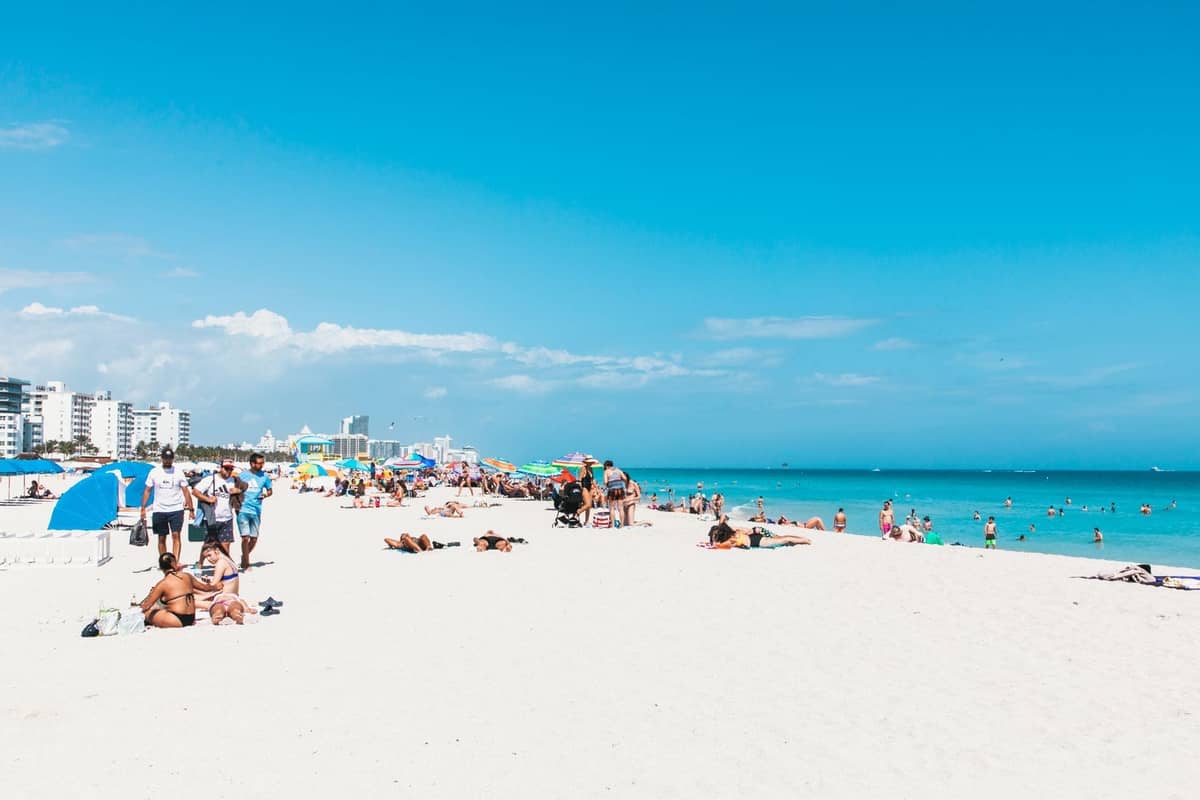
The single biggest misconception about Miami's off-season is that the city goes quiet. It does not. Miami is a year-round destination with an economy built on hospitality, and the vast majority of what makes it worth visiting operates on the same schedule in July as in January. The beaches are open, the museums are cooled to near-arctic air conditioning, the nightlife runs later, and the cultural programming continues.
The Wynwood Walls and the surrounding arts district are ideal for summer mornings before the heat peaks. Street art tours that would feel rushed in winter can be done at a leisurely pace with fewer people in your photos. The Pérez Art Museum Miami (PAMM) and the Frost Museum of Science are both climate-controlled and excellent ways to spend the afternoon thunderstorm hours productively.
Water activities are actually at their best in summer. Ocean temperatures reach 84–86°F (29–30°C), making swimming, snorkeling, and kayaking genuinely comfortable. Biscayne Bay boat tours and Everglades airboat excursions run year-round. For a comprehensive look at what's on the water, the Miami water activities guide covers everything from paddleboarding to yacht rentals with current booking options.
- Morning: beaches (arrive before 9am for the best conditions), outdoor neighborhood walks, kayaking or paddleboarding
- Midday–afternoon: indoor museums, shopping at Brickell City Centre or the Design District, a long Cuban lunch in Little Havana
- Late afternoon: the post-rain window (usually 5pm onward) is ideal for outdoor dining, Wynwood, and South Beach boardwalk
- Evening: open-air concerts, nightlife (Miami's club scene runs later in summer when tourists aren't on early morning flight schedules)
✨ Pro tip
The Vizcaya Museum and Gardens is one of the best summer morning destinations in Miami — the formal gardens are stunning before the heat builds, and the museum interior provides cool relief for the second half of your visit. Arrive at opening time to have the grounds nearly to yourself.
Little Havana is worth a dedicated summer morning. Calle Ocho has more foot traffic from locals than tourists during the off-season, which changes the atmosphere considerably. The Domino Park is active year-round regardless of season, and the neighborhood's cafeterias serve Cuban coffee and breakfast to a predominantly local crowd in summer. For context on what to eat and where, the Miami Cuban food guide is the most useful starting point.
Practical Logistics for a Summer Miami Trip
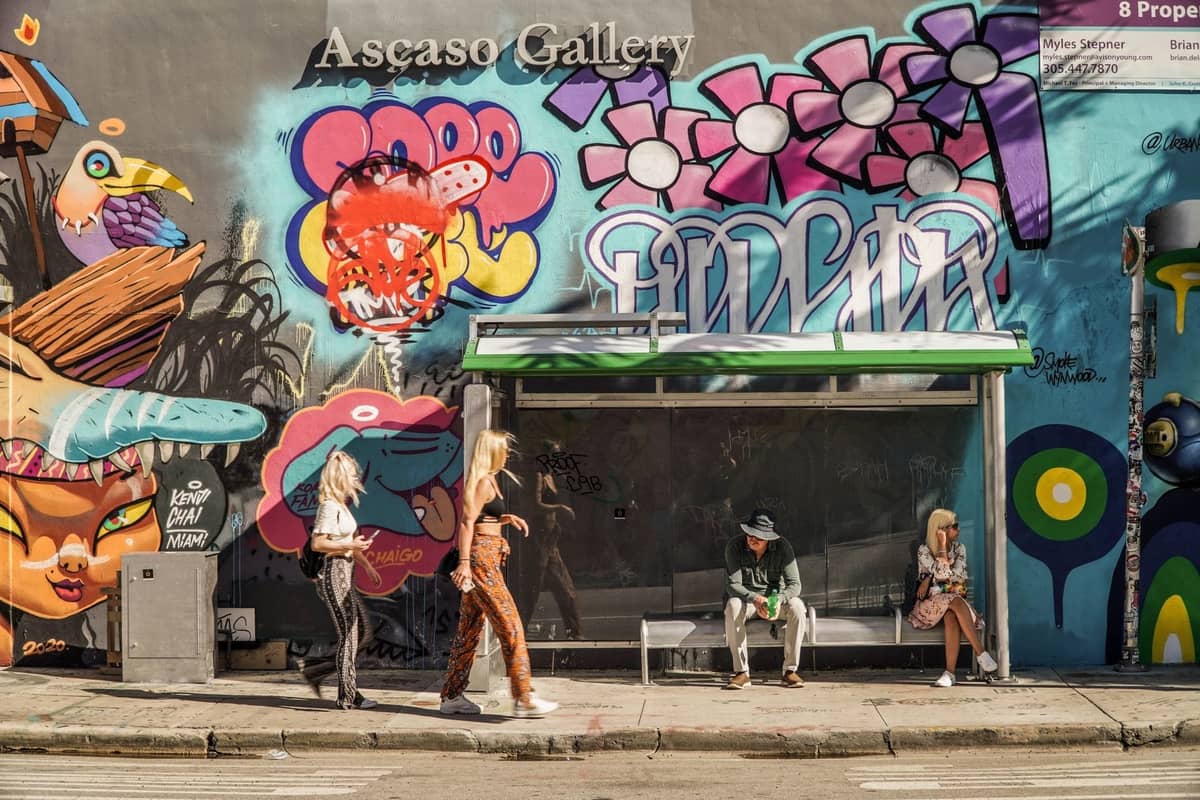
Clothing strategy matters more in summer than any other season. Lightweight, breathable fabrics are essential — linen and moisture-wicking synthetics over cotton, which becomes uncomfortable quickly when humid. A compact umbrella or packable rain jacket is worth carrying daily; the afternoon storms arrive fast and you won't always have time to get indoors. Sunscreen needs to be applied aggressively: the UV index in Miami in summer is frequently in the 'very high' to 'extreme' range, and the combination of beach reflection and high angle sun means burning happens faster than most visitors anticipate.
Getting around Miami in summer is essentially the same as any other time of year. The Metromover is free and covers Downtown and Brickell. Uber and Lyft operate widely. The beach areas are most efficiently accessed by ride-share or the Metrobus routes from Miami Beach stations. For a full breakdown of options, getting around Miami covers transit, ride-share, and rental car logistics in detail. One summer-specific note: afternoon storms create ride-share surge pricing as everyone requests a car at the same moment. If you can wait 20–30 minutes after a storm clears, prices normalize significantly.
For where to stay, the neighborhood you choose affects the summer experience considerably. South Beach puts you closest to the beach but is also the most exposed to afternoon heat with the least shade. Brickell and Downtown offer more air-conditioned infrastructure and easy access to indoor attractions. Wynwood is well-positioned for the arts scene. The where to stay in Miami guide compares neighborhoods and property types with honest assessments of what each area is actually like.
Who Should and Shouldn't Visit Miami in Summer
Summer in Miami is not for everyone, and that's worth saying plainly. If you are sensitive to heat, have young children who need to be outdoors for long stretches, or are visiting primarily for active outdoor sightseeing across multiple neighborhoods per day, the summer conditions will be genuinely challenging. The heat and humidity combination is more than a minor inconvenience — it's a logistical constraint that shapes your entire itinerary.
On the other hand, summer suits travelers who are comfortable in tropical heat, prioritize value over ideal conditions, or have a specific itinerary centered on beaches, nightlife, food, and indoor culture. Couples looking for a quieter, more local-feeling Miami experience — and families comfortable with pool and beach time structured around the heat — often find summer their preferred season. The city has a different energy when it's not overrun with January snowbirds and spring break college students, and many regular visitors to Miami specifically prefer the summer rhythm.
If you're deciding between seasons, the best time to visit Miami guide provides a month-by-month breakdown that weighs weather, events, and pricing across the full year. For those committed to winter travel, Miami in winter covers what that peak season actually delivers.
FAQ
Is Miami too hot to visit in July and August?
It depends on your heat tolerance. Daytime highs of 89–91°F (32–33°C) with humidity above 80% are genuinely intense. Most visitors manage by spending mornings at the beach, taking indoor breaks during the hottest midday hours and afternoon storm window, then returning outside in the evening. If you struggle in high heat and humidity, July and August will be uncomfortable. If you're used to tropical or subtropical climates, it's manageable.
Does it rain every day in Miami in summer?
Short afternoon thunderstorms are a near-daily occurrence in summer, typically between 2pm and 5pm. They are intense but usually last 30–90 minutes. Mornings are frequently clear and sunny. The rain pattern is predictable enough to plan around — it is not the all-day drizzle that would cancel outdoor plans entirely.
Are Miami hotels cheaper in summer?
Generally yes, significantly so compared to peak winter months (December–April). The discount is most pronounced at higher-end properties. Boutique hotels and luxury resorts that are fully booked at premium rates in January often have meaningful availability at lower rates in July. Budget hotels see smaller percentage differences.
Is it safe to visit Miami during hurricane season?
Statistically, the risk of a major hurricane directly impacting Miami during any specific week is low, but real. The Atlantic hurricane season runs June 1 through November 30, with peak intensity from late August through early October. The practical steps: buy travel insurance that covers hurricane-related cancellation, book refundable hotel rates, and monitor the National Hurricane Center in the days before and during your trip. Most storms provide 5–7 days of advance warning.
What are the best things to do in Miami in summer?
Beach time (mornings before the heat peaks), water activities like kayaking and boat tours (ocean temperatures are warmest), indoor museums like PAMM and the Frost Science Museum (cool respite during afternoon storms), Wynwood arts district (best explored on foot in the morning), Little Havana for food and local atmosphere, and nightlife (which runs later in summer). Essentially everything Miami is known for remains open and operational in the off-season.